

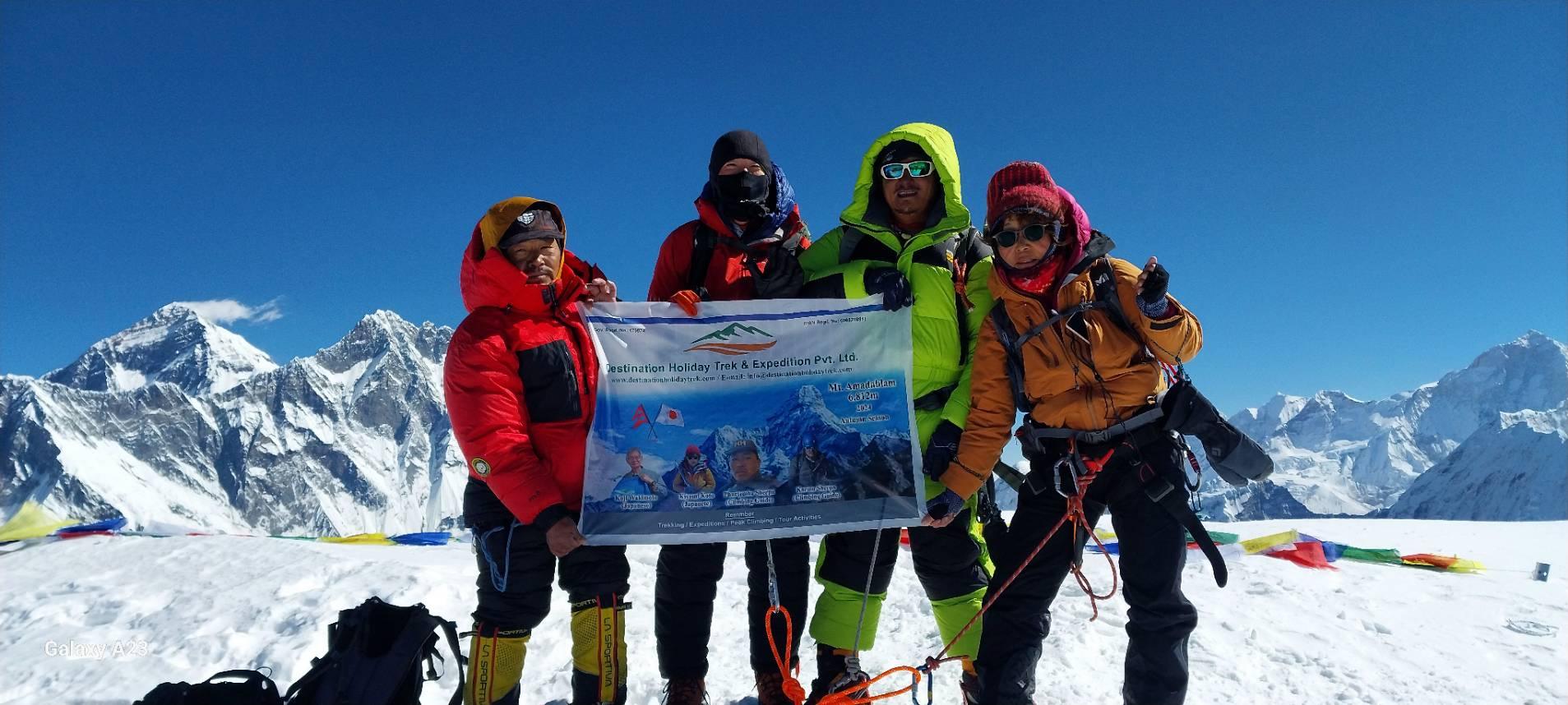
Ama Dablam Expedition- 29 Days
$ 8,950.00$ 8,500.00
Product Description
Ama Dablam Expedition: Cost, Itinerary, Difficulty, Route & Complete Guide
The Ama Dablam Expedition is one of the most iconic mountaineering adventures in the Himalayas. Rising to 6,812 meters (22,349 feet), Ama Dablam is renowned for its dramatic pyramid-shaped summit, steep ridges and technically challenging climbing terrain.
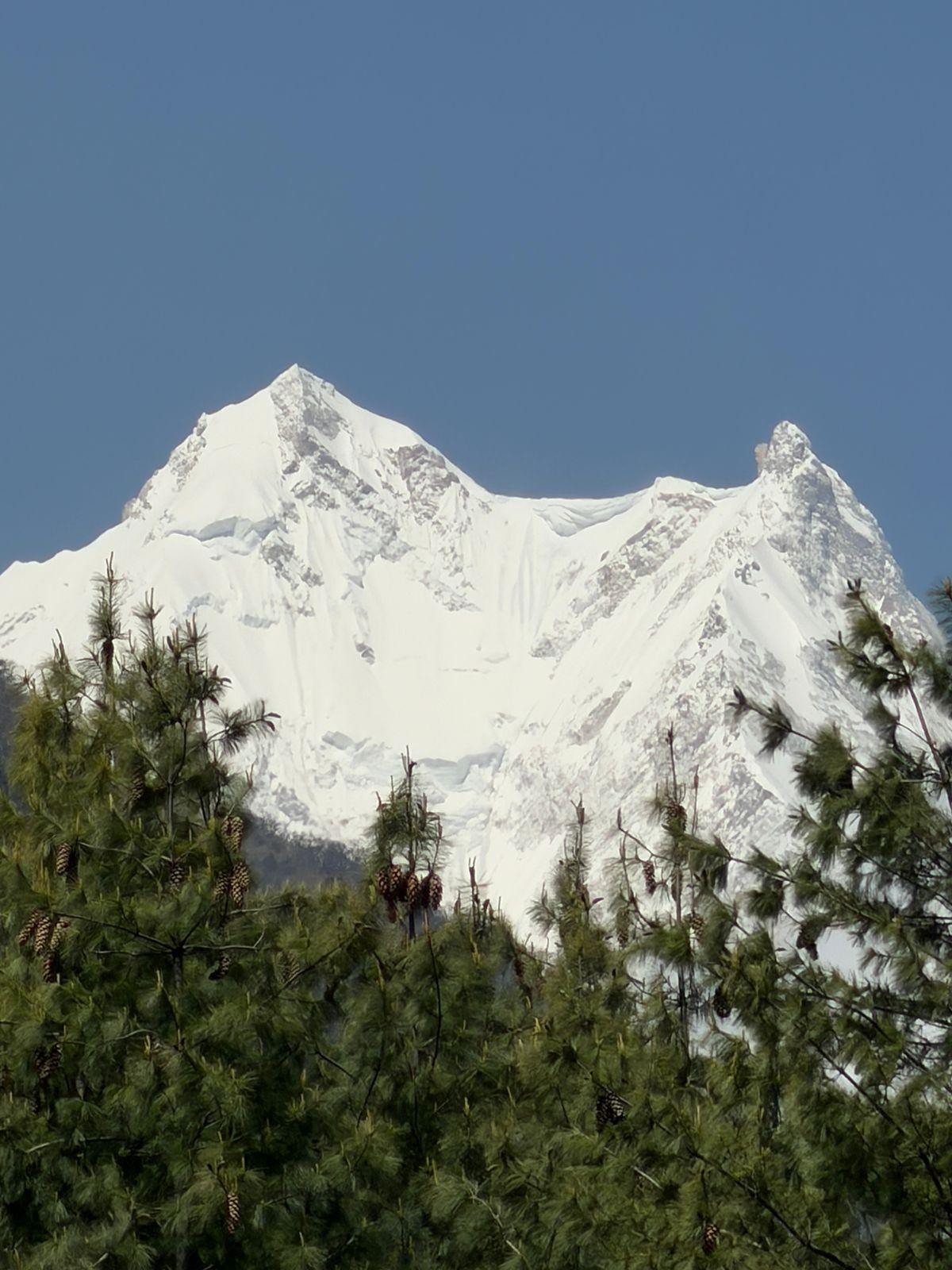
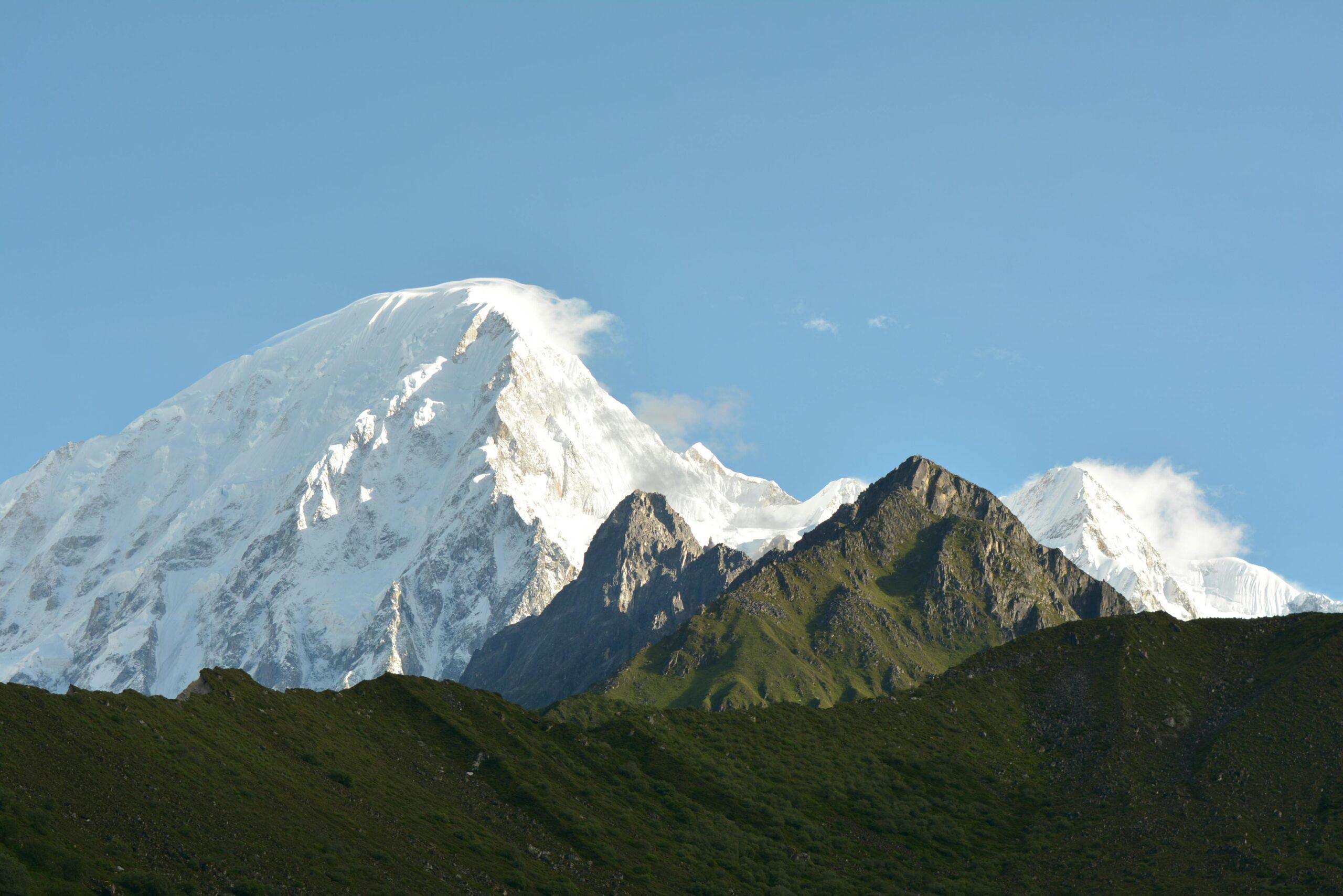
Located in Nepal’s Khumbu region, Ama Dablam is often described as one of the most beautiful mountains in the world. Its distinctive profile is visible along the popular Everest Base Camp trekking route, making it a legendary objective for experienced climbers.
Unlike a conventional Himalayan trek, an Ama Dablam Expedition in Nepal requires strong physical fitness, previous high-altitude experience and advanced technical climbing skills.
What Is the Ama Dablam Expedition?
The Ama Dablam Expedition is a technical mountaineering expedition to the summit of Ama Dablam in Nepal.
The mountain’s name is commonly translated as “Mother’s Necklace,” referring to the long ridges extending from the main summit and the hanging glacier resembling a necklace.
Ama Dablam is located in the Khumbu region of Nepal, close to Mount Everest and surrounded by some of the world’s most famous Himalayan peaks.
The standard expedition generally approaches the mountain through the Everest region before establishing Ama Dablam Base Camp and progressively higher camps.
The mountain is not considered a beginner’s climbing objective. Climbers should have experience with technical rock, snow and ice climbing, fixed ropes, crampons and high-altitude expedition conditions.
Why Choose an Ama Dablam Expedition?
Ama Dablam attracts experienced climbers because it combines spectacular scenery with serious technical climbing.
1. Climb One of Nepal’s Most Beautiful Mountains
Ama Dablam’s distinctive pyramid shape makes it one of the most recognizable mountains in the Himalayas.
2. Technical Himalayan Climbing
The climb involves steep snow, ice and rock terrain, making it a rewarding challenge for experienced mountaineers.
3. Exceptional Everest-Region Views
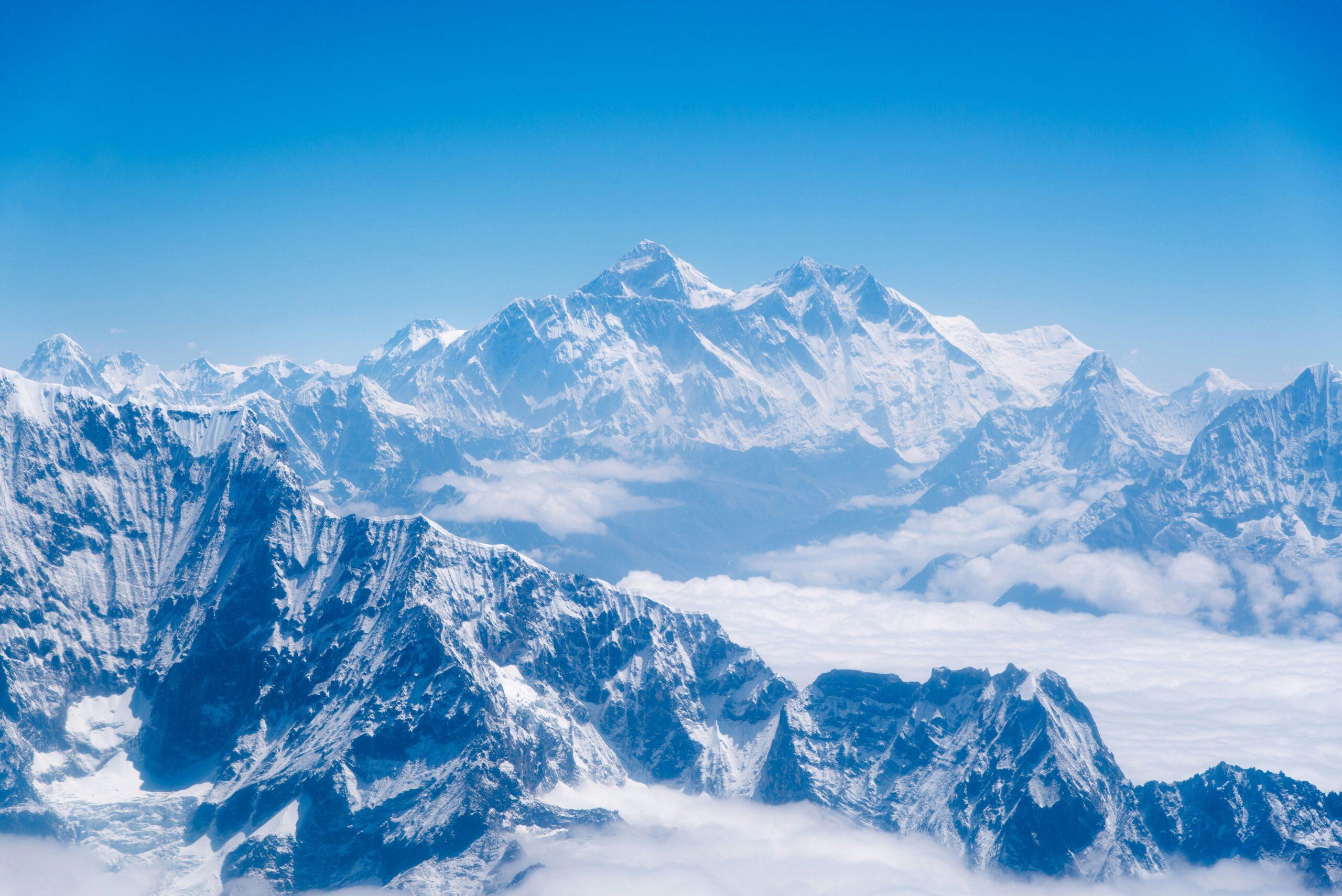
The expedition takes place in the Khumbu, providing spectacular views of mountains including Everest, Lhotse, Nuptse, Makalu and surrounding Himalayan peaks.
4. A Prestigious Mountaineering Objective
Ama Dablam is considered an important Himalayan climbing objective and provides an opportunity to develop experience on technical high-altitude terrain.
5. Experience the Khumbu Region
The expedition combines serious climbing with an unforgettable journey through the Sherpa homeland.
Ama Dablam Expedition Cost
The Ama Dablam Expedition cost varies depending on the expedition operator, group size, level of support, climbing Sherpa services, logistics and equipment.
A professionally organized expedition can cost tens of thousands of US dollars, particularly when extensive high-altitude support and premium logistics are included.
Typical expenses may include:
- Ama Dablam climbing permit
- Expedition management
- Liaison and local logistics
- Domestic flights
- Kathmandu accommodation
- Lukla–Base Camp logistics
- Porters
- Base Camp services
- High-altitude Sherpa support
- Food
- Tents
- Fixed-rope services
- Group climbing equipment
- Waste-management fees
- Communication
- Medical support
Personal expenses such as international flights, personal climbing equipment, insurance and evacuation coverage may be separate.
What Determines Ama Dablam Expedition Price?
Several factors influence the final price.
Level of support: Individual Sherpa support generally increases the cost.
Expedition duration: Longer expeditions require additional accommodation, food and logistics.
Oxygen: Supplemental oxygen and related equipment can add considerably to the budget.
Group size: Larger groups can distribute some logistical expenses.
Equipment: Technical mountaineering equipment can represent a significant additional investment.
Insurance: Specialized high-altitude mountaineering insurance is essential.
Always confirm the current price, permit fees and package inclusions with your expedition operator before booking.
Ama Dablam Expedition Itinerary
A typical Ama Dablam Expedition itinerary may take approximately 25–35 days, depending on the acclimatization schedule, route conditions and weather.
Below is a representative 30-day itinerary.
Day 1: Arrival in Kathmandu
Arrive in Kathmandu and transfer to your hotel.
Day 2: Expedition Preparation
Complete equipment checks, expedition briefing and final preparations.
Day 3: Fly to Lukla and Trek to Phakding
Take a scenic flight to Lukla and begin trekking toward Phakding.
Day 4: Trek to Namche Bazaar
Continue through the Dudh Koshi Valley toward Namche Bazaar.
Day 5: Acclimatization in Namche
Rest and explore Namche Bazaar while allowing your body to adapt to altitude.
Day 6: Namche to Tengboche
Trek toward Tengboche, home to the famous Tengboche Monastery.
Day 7: Tengboche to Pangboche
Continue through the spectacular Khumbu landscape.
Day 8: Pangboche to Ama Dablam Base Camp
Trek toward Ama Dablam Base Camp.
Day 9–10: Base Camp Preparation
Rest, organize equipment and prepare for climbing rotations.
Day 11–20: Acclimatization and Climbing Practice
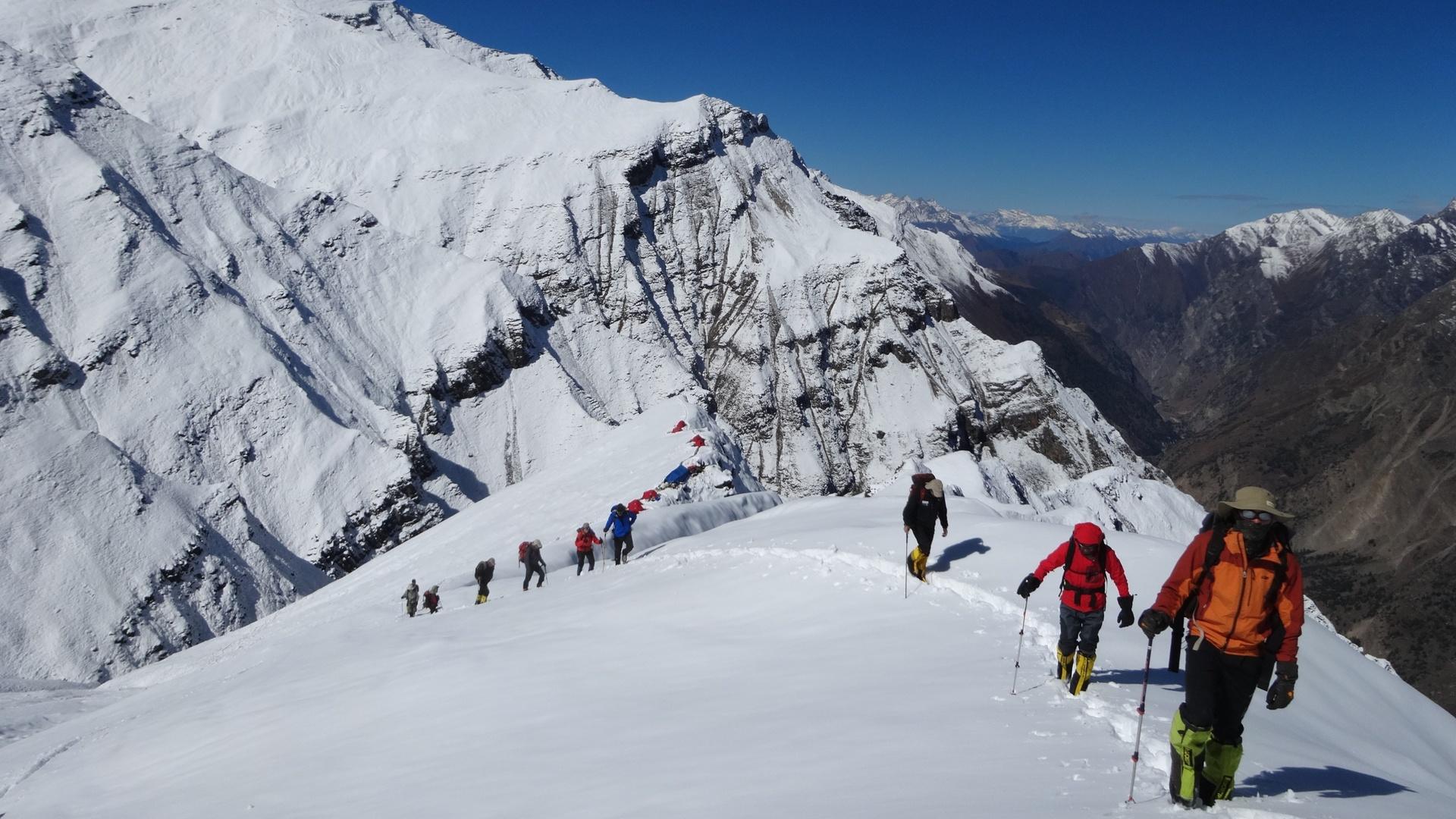
Climbers progressively move to higher camps, practice technical climbing and return to lower elevations for recovery.
The exact rotation schedule depends on mountain conditions.
Day 21–25: Summit Preparation
The team waits for a suitable weather window and prepares for the summit attempt.
Day 26: Summit Push
Begin the summit attempt when weather and route conditions are favorable.
Day 27: Descend to Base Camp
Return to Base Camp and recover.
Day 28: Trek Back Toward Namche
Begin the return journey through the Khumbu region.
Day 29: Trek to Lukla
Continue toward Lukla.
Day 30: Fly to Kathmandu
Fly from Lukla to Kathmandu and conclude the expedition.
Important: Mountain itineraries are flexible. Weather, route conditions, acclimatization, illness and other factors may require additional days.
Ama Dablam Expedition Difficulty
The Ama Dablam Expedition difficulty is considered very high.
Although Ama Dablam is lower than the world’s 8,000-meter peaks, its technical climbing requirements make it a serious mountaineering objective.
Major challenges include:
- Steep rock climbing
- Snow and ice climbing
- Fixed ropes
- Exposure
- High altitude
- Strong winds
- Cold temperatures
- Falling ice and rock
- Avalanche hazards
- Difficult summit ridge
- Long summit day
The mountain demands much more than basic trekking fitness.
Ama Dablam Height and Altitude
Ama Dablam stands at approximately 6,812 meters (22,349 feet).
| Location | Approximate Elevation |
|---|---|
| Kathmandu | 1,400 m |
| Lukla | 2,860 m |
| Namche Bazaar | 3,440 m |
| Tengboche | 3,860 m |
| Pangboche | 3,985 m |
| Ama Dablam Base Camp | ~4,600 m |
| Camp I | ~5,700 m |
| Camp II | ~6,000 m |
| Camp III | ~6,300–6,400 m |
| Ama Dablam Summit | 6,812 m |
Camp locations may vary depending on route conditions and expedition strategy.
Ama Dablam Expedition Route
The standard approach begins in Kathmandu and continues into the Khumbu region.
The broad route is:
Kathmandu → Lukla → Namche Bazaar → Tengboche → Pangboche → Ama Dablam Base Camp → Camp I → Camp II → Camp III → Ama Dablam Summit
The approach trek itself provides spectacular views of the Khumbu Himalayas.
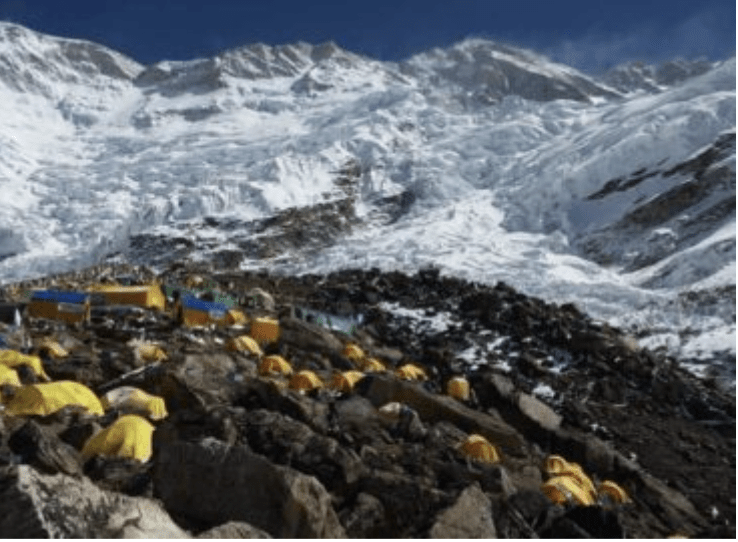
Ama Dablam Base Camp
Ama Dablam Base Camp is located at approximately 4,600 meters.
It serves as the main operational center for the expedition.
Depending on the expedition company, Base Camp may include:
- Dining tent
- Kitchen
- Sleeping tents
- Communications
- Medical supplies
- Power systems
- Equipment storage
- Weather forecasting
- Expedition management
Climbers spend significant time at Base Camp during acclimatization and between climbing rotations.
Ama Dablam Camp I
Camp I is generally established at approximately 5,700 meters.
The climb toward Camp I involves steep terrain and requires proper crampon and rope techniques.
Camp I is an important stage of the acclimatization process.
Ama Dablam Camp II
Camp II is generally around 6,000 meters.
The climbing between Camp I and Camp II becomes increasingly technical, with steep rock and mixed terrain.
This section requires careful movement and competent use of fixed ropes.
Ama Dablam Camp III
Camp III is generally positioned around 6,300–6,400 meters, depending on the route and conditions.
From Camp III, climbers prepare for the final ascent toward the summit.
Altitude, cold and exposure become major challenges at this elevation.
Ama Dablam Summit Day
The summit push is the most demanding stage of the expedition.
A typical summit attempt may involve:
- Starting during the night
- Ascending steep terrain
- Using fixed ropes
- Crossing snow and ice
- Managing extreme cold
- Navigating exposed sections
- Reaching the summit
- Beginning the descent before conditions deteriorate
The summit is approximately 6,812 meters above sea level.
Reaching the summit is only part of the objective. Climbers must safely descend through the same demanding terrain.
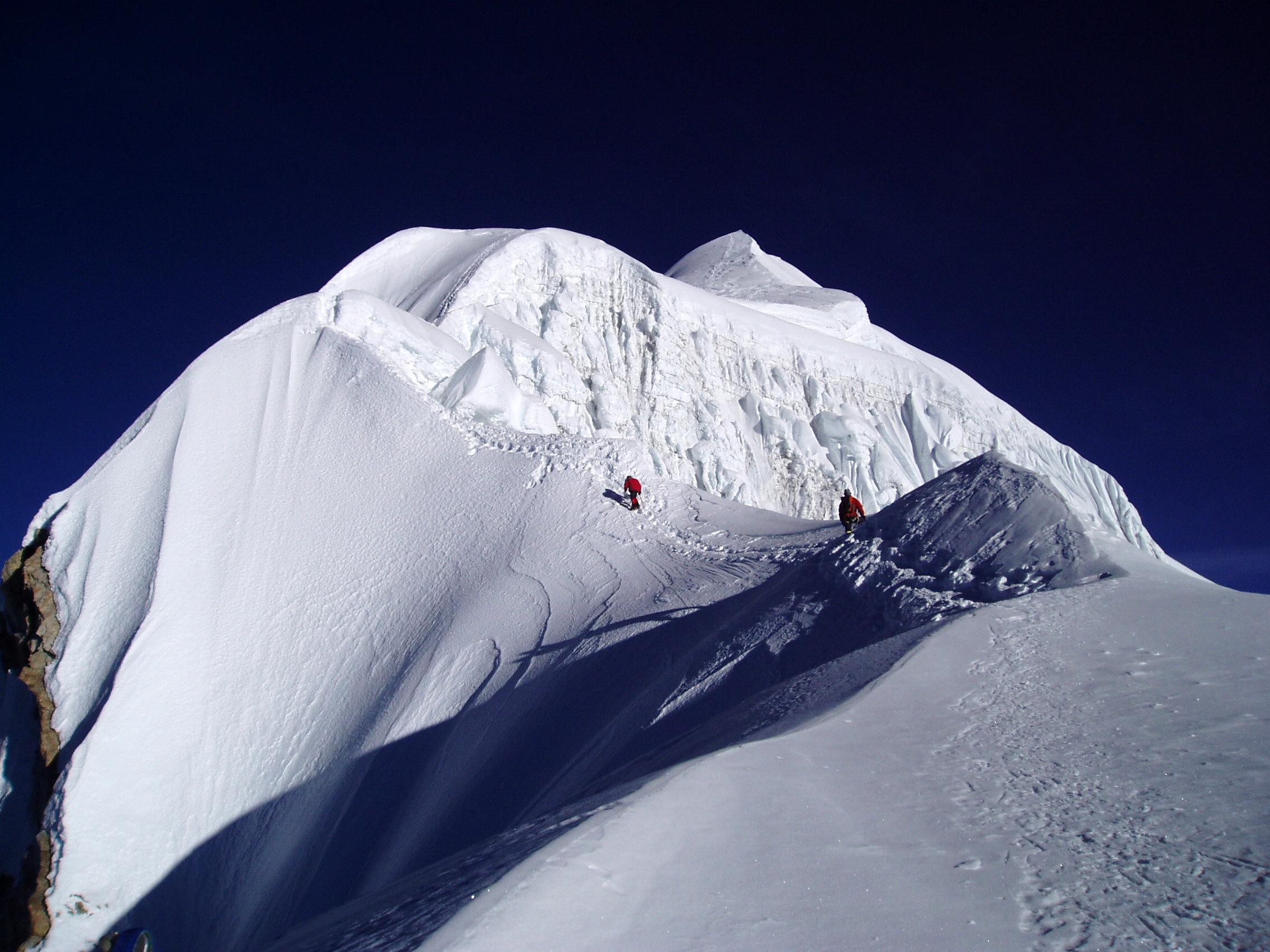
Technical Climbing on Ama Dablam
Ama Dablam is famous for its technical climbing.
The standard route involves a combination of:
- Rock climbing
- Snow climbing
- Ice climbing
- Fixed-rope climbing
- Crampon techniques
- Ascending and descending ropes
- Mixed terrain
The upper mountain contains exposed and technically demanding sections.
Climbers should be comfortable operating with crampons and climbing equipment at altitude before attempting the mountain.
Best Time for Ama Dablam Expedition
The main climbing seasons for Ama Dablam are generally spring and autumn.
Spring Season
Spring typically offers favorable conditions for Himalayan climbing, with expedition activity increasing as the season progresses.
Autumn Season
Autumn is another major climbing season in Nepal and generally provides good visibility and stable conditions.
The exact climbing window depends on:
- Weather
- Snow conditions
- Wind
- Route conditions
- Temperature
- Fixed ropes
- Avalanche risk
A suitable weather window is essential for a successful summit attempt.
Ama Dablam Expedition Permits
Climbing Ama Dablam requires the appropriate mountaineering permits and authorization from the relevant Nepalese authorities.
The expedition operator normally manages the permit process and associated logistics.
Permit fees and regulations can change, so climbers should verify the current requirements before the expedition.
Ama Dablam Climbing Equipment
A serious Ama Dablam expedition requires specialized mountaineering equipment.
Technical Equipment
- Mountaineering boots
- Crampons
- Ice axe
- Climbing harness
- Climbing helmet
- Ascender
- Descender
- Carabiners
- Prusik cords
- Climbing slings
- Appropriate technical equipment
High-Altitude Clothing
- Base layers
- Insulated jacket
- Down jacket or suit
- Waterproof shell
- Expedition gloves
- Mittens
- Balaclava
- Warm socks
- Glacier sunglasses
- High-altitude goggles
Camping Equipment
- Four-season sleeping bag
- Sleeping mat
- Headlamp
- Water bottles
- Thermos
- Personal expedition accessories
Your expedition operator should provide a detailed equipment checklist before departure.
Physical Preparation for Ama Dablam
Proper preparation is essential.
Cardiovascular Training
Build endurance through:
- Hiking
- Running
- Cycling
- Stair climbing
- Uphill walking
Strength Training
Focus on:
- Legs
- Core
- Back
- Shoulders
- Grip
High-Altitude Training
Whenever possible, gain experience through progressively higher mountains before attempting Ama Dablam.
Technical Training
Practice:
- Crampon techniques
- Ice climbing
- Rock climbing
- Fixed-rope ascending
- Rappelling
- Glacier travel
- Self-arrest
- Rope systems
Technical competence is just as important as physical fitness.
Is Ama Dablam Suitable for Beginners?
No.
Ama Dablam is not an appropriate first mountaineering expedition.
Climbers should ideally have experience with:
- High-altitude trekking
- Technical climbing
- Snow and ice
- Crampons
- Fixed ropes
- Glacier travel
- Multi-day expeditions
Many climbers build their skills on less technical peaks before progressing to Ama Dablam.
Ama Dablam Expedition Safety
Safety should always take priority over reaching the summit.
Acclimatization
A carefully planned acclimatization schedule is essential.
Weather Monitoring
Weather forecasts should be continuously monitored before and during summit attempts.
Technical Preparation
Climbers need sufficient technical skills to safely navigate steep terrain.
Turnaround Strategy
The willingness to abandon a summit attempt when conditions become dangerous is critical.
Hydration and Nutrition
Proper hydration and nutrition can help maintain performance at altitude.
Professional Support
Experienced expedition leaders, climbing Sherpas and local mountain staff can provide valuable technical and logistical support.
Ama Dablam Expedition Insurance
Specialized high-altitude mountaineering insurance is essential.
Before purchasing insurance, verify that the policy covers:
- High-altitude climbing
- Emergency evacuation
- Search and rescue
- Medical treatment
- Repatriation
- Expedition cancellation
Many standard travel insurance policies exclude technical mountaineering at high altitude.
Ama Dablam vs Island Peak
Ama Dablam and Island Peak are both located in the Khumbu region, but their difficulty levels are very different.
| Feature | Ama Dablam | Island Peak |
|---|---|---|
| Height | 6,812 m | 6,189 m |
| Difficulty | Very High | Moderate to High |
| Technical Climbing | Extensive | More limited |
| Experience | Advanced | Intermediate/Advanced |
| Objective | Serious expedition | Popular climbing peak |
| Technical Exposure | High | Moderate to High |
Island Peak can be part of a climber’s progression toward more technical objectives, although experience requirements vary.
Ama Dablam vs Everest
Ama Dablam and Everest offer very different mountaineering experiences.
| Feature | Ama Dablam | Everest |
|---|---|---|
| Height | 6,812 m | 8,849 m |
| Technical Difficulty | Very High | High |
| Altitude | Lower | Extreme |
| Climbing Style | Highly technical | High-altitude expedition |
| Duration | Generally shorter | Generally longer |
| Experience | Advanced | Advanced |
Ama Dablam is lower than Everest but can present significantly more technical climbing on certain sections of its standard route.
How Long Does an Ama Dablam Expedition Take?
A complete Ama Dablam Expedition typically takes around 25–35 days, depending on the itinerary, acclimatization schedule and weather.
The expedition generally includes:
- Kathmandu preparation
- Trek to the Khumbu
- Base Camp establishment
- Acclimatization
- Camp rotations
- Summit attempt
- Descent
- Return to Kathmandu
Additional contingency days are recommended because Himalayan weather can change rapidly.
Frequently Asked Questions About Ama Dablam Expedition
How high is Ama Dablam?
Ama Dablam is approximately 6,812 meters (22,349 feet) high.
How difficult is Ama Dablam?
Ama Dablam is considered a very challenging technical mountain requiring previous mountaineering experience.
How much does an Ama Dablam Expedition cost?
The price varies according to the operator, group size and level of support. A professionally organized expedition can cost tens of thousands of US dollars.
Can beginners climb Ama Dablam?
Ama Dablam is not recommended for beginners. Climbers should have previous technical and high-altitude mountaineering experience.
How long does an Ama Dablam Expedition take?
Most expeditions take approximately 25–35 days, although weather and acclimatization can extend the schedule.
What is the best time to climb Ama Dablam?
Spring and autumn are generally the primary climbing seasons, subject to weather and route conditions.
Where is Ama Dablam located?
Ama Dablam is located in Nepal’s Khumbu region, near Mount Everest.
What is the standard route on Ama Dablam?
The standard route approaches from the southwest and progresses through Base Camp, Camp I, Camp II and Camp III before reaching the summit.
Do I need previous climbing experience?
Yes. Previous experience with technical climbing, crampons, fixed ropes and high-altitude expeditions is strongly recommended.
Is Ama Dablam harder than Island Peak?
Generally, yes. Ama Dablam involves considerably more technical and exposed climbing than the standard Island Peak route.
Why Choose Destination Holiday Trek?
Planning a high-altitude expedition requires careful preparation, logistics and experienced local support.
Destination Holiday Trek can assist adventure travelers with expedition planning and Himalayan travel arrangements.
Our services can include:
- Expedition planning
- Travel arrangements
- Accommodation
- Transportation
- Trekking logistics
- Permit coordination
- Local support
- Pre-expedition preparation
Contact Destination Holiday Trek to discuss your Ama Dablam Expedition and receive a customized itinerary.
Final Thoughts
The Ama Dablam Expedition is an extraordinary Himalayan adventure that combines breathtaking scenery with serious technical mountaineering.
At 6,812 meters, Ama Dablam may not be an 8,000-meter peak, but its steep ridges, exposed sections and technical climbing make it a formidable objective.
For experienced climbers looking to progress toward more demanding Himalayan mountains, Ama Dablam offers a unique combination of technical climbing, high-altitude adventure and spectacular Khumbu scenery.
With proper preparation, professional support, careful acclimatization and respect for the mountain, an Ama Dablam expedition can become one of the most rewarding achievements of a mountaineer’s career.
The summit is the goal, but safe preparation, sound judgment and a successful descent are what make an expedition truly successful.
For the latest information on trekking regulations, permits, conservation areas, and mountaineering requirements in Nepal, visit the official Nepal Tourism Board and relevant government authorities before planning your Pisang Peak Climbing adventure.
Also if you want to view our other treks then you can follow this link.
Reviews
There are no reviews yet.