

Facts And Detail
- 5 Star Hotel, TeaHouse+Camping
- Pre-monsoon (March–May) and post-monsoon (September–November)
- Provided
- English, Japanese
- 8,586 m (28,169 ft)
- Provided
Kanchenjunga Expedition Overview And Highlights
Kanchenjunga Expedition Overview
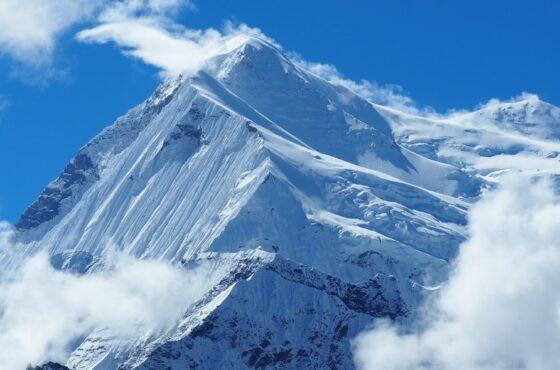
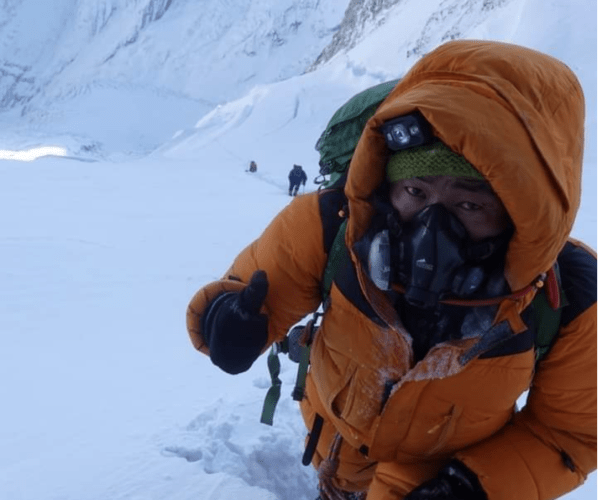
The Kangchenjunga Expedition is one of the most challenging and rewarding mountaineering adventures in the Himalayas. Standing at 8,586 meters, Kangchenjunga is the third-highest mountain in the world after Mount Everest and K2. Located in eastern Nepal near the Nepal–India border, the mountain is famous for its remote wilderness, untouched beauty, and spiritual significance. The name Kangchenjunga means “Five Treasures of the Great Snow,” representing gold, silver, grain, gems, and sacred books.
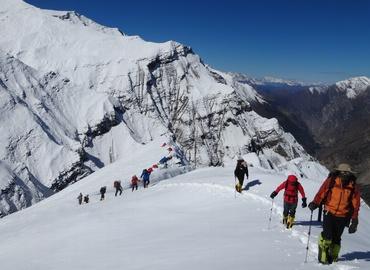
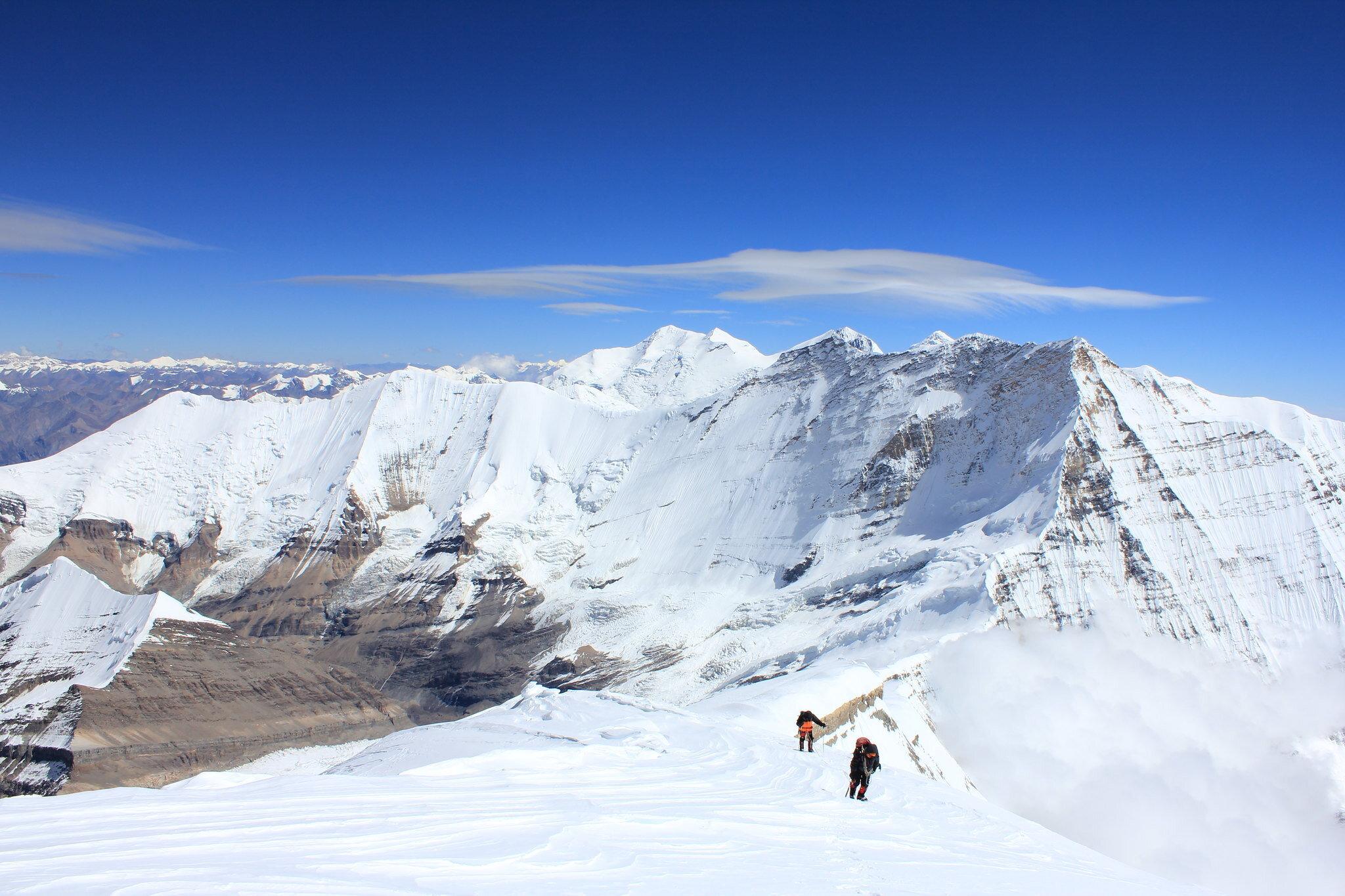
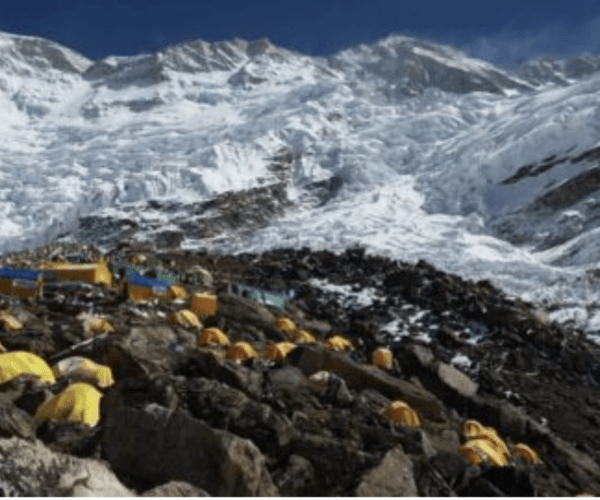
First successfully climbed in 1955 by the British expedition team led by George Band and Joe Brown, Kangchenjunga remains one of the least climbed 8,000-meter peaks. Climbers traditionally stop just below the true summit out of respect for local spiritual beliefs. The expedition follows a demanding route through glaciers, snow slopes, icefalls, and high camps, offering a true Himalayan expedition experience.
The journey to Kangchenjunga takes trekkers through the spectacular Kanchenjunga Conservation Area, home to rich biodiversity, alpine forests, rhododendron hills, and rare wildlife including snow leopards, red pandas, Himalayan black bears, and musk deer. The remote trails, traditional mountain villages, and dramatic landscapes make the expedition not only a climbing challenge but also an unforgettable cultural and natural adventure.
Spring (March–May) and autumn (September–November) are considered the best seasons for the Kangchenjunga Expedition due to stable weather and clearer mountain views. Because of its technical difficulty, extreme altitude, avalanche risk, and remote location, this expedition is recommended for experienced mountaineers with strong physical fitness and prior high-altitude climbing experience.
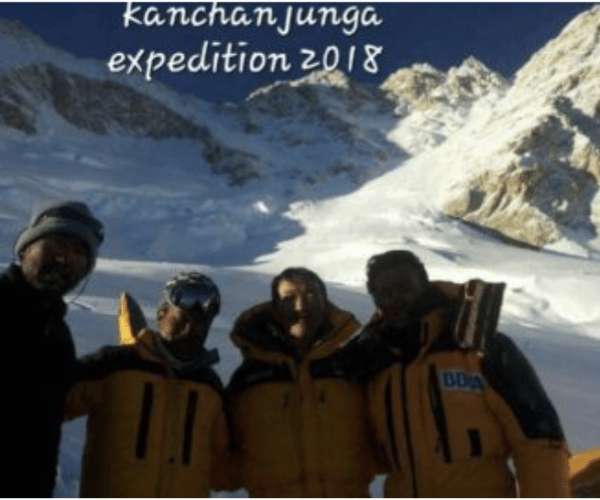
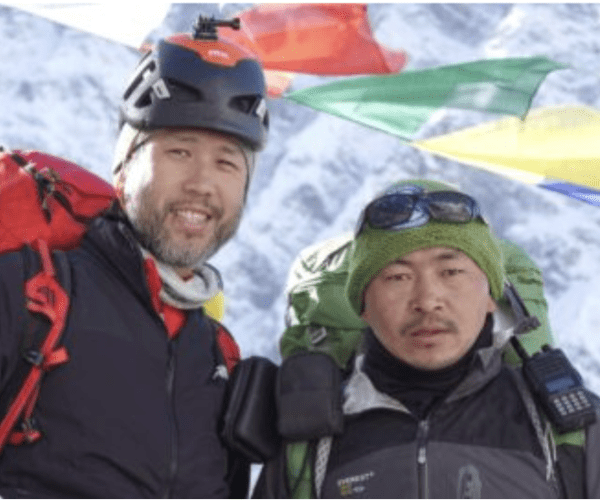
With an experienced Sherpa team, professional logistics, accurate weather forecasting, and full expedition support, we are committed to providing a safe, well-organized, and successful Kangchenjunga climbing experience in 2026.
- Mount Everest (8,848.86 m)
- Mount Lhotse (8,516 m)
- Mount Makalu (8,485 m)
- Mount Jannu (7,710 m)
Trip Highlights
- Extremely Remote Far less commercialized than Mount Everest Long trekking approach (often over two weeks) through eastern Nepal Significantly fewer climbers each season compared to Everest
- Technically Demanding and Dangerous Steep ice faces, avalanche-prone slopes, and complex glacier terrain Major objective hazards include serac collapses, deep crevasses, and sudden weather changes Higher fatality rate relative to many other 8,000-meter peaks
- Expedition Duration Typically 50–60 days in total Multiple high camps (Camp I–IV) Requires prior high-altitude mountaineering experience, often including other 8,000m peaks
- Severe Weather Extremely cold with strong winds Less predictable weather patterns than central Nepal peaks Jet stream winds frequently affect summit attempts
- Cost Estimated cost ranges from $25,000 to $40,000 USD Covers permits, logistics, Sherpa support, oxygen systems, and base camp operations
- Scenic and Cultural Importance Located within the Kanchenjunga Conservation Area Known for rich biodiversity including rare Himalayan wildlife Considered sacred by local communities in eastern Nepal and Sikkim
- Kanchenjunga is widely regarded as a serious mountaineer’s mountain — remote, technical, and less commercial, offering a more traditional high-altitude expedition experience.
- World’s 3rd Highest Peak Elevation: 8,586 meters (28,169 ft) First ascent: 1955 by Joe Brown and George Band Climbers traditionally stop just short of the true summit out of respect for local spiritual beliefs.