

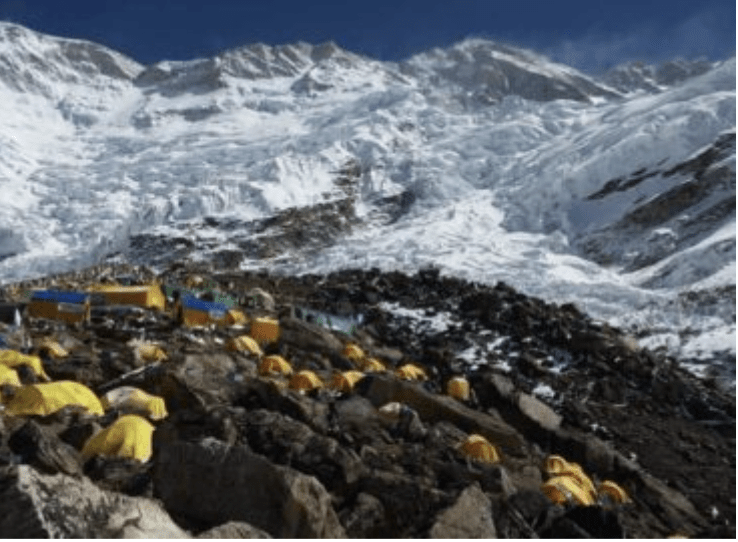
Kanchenjunga Expedition
$ 37,500.00$ 36,000.00
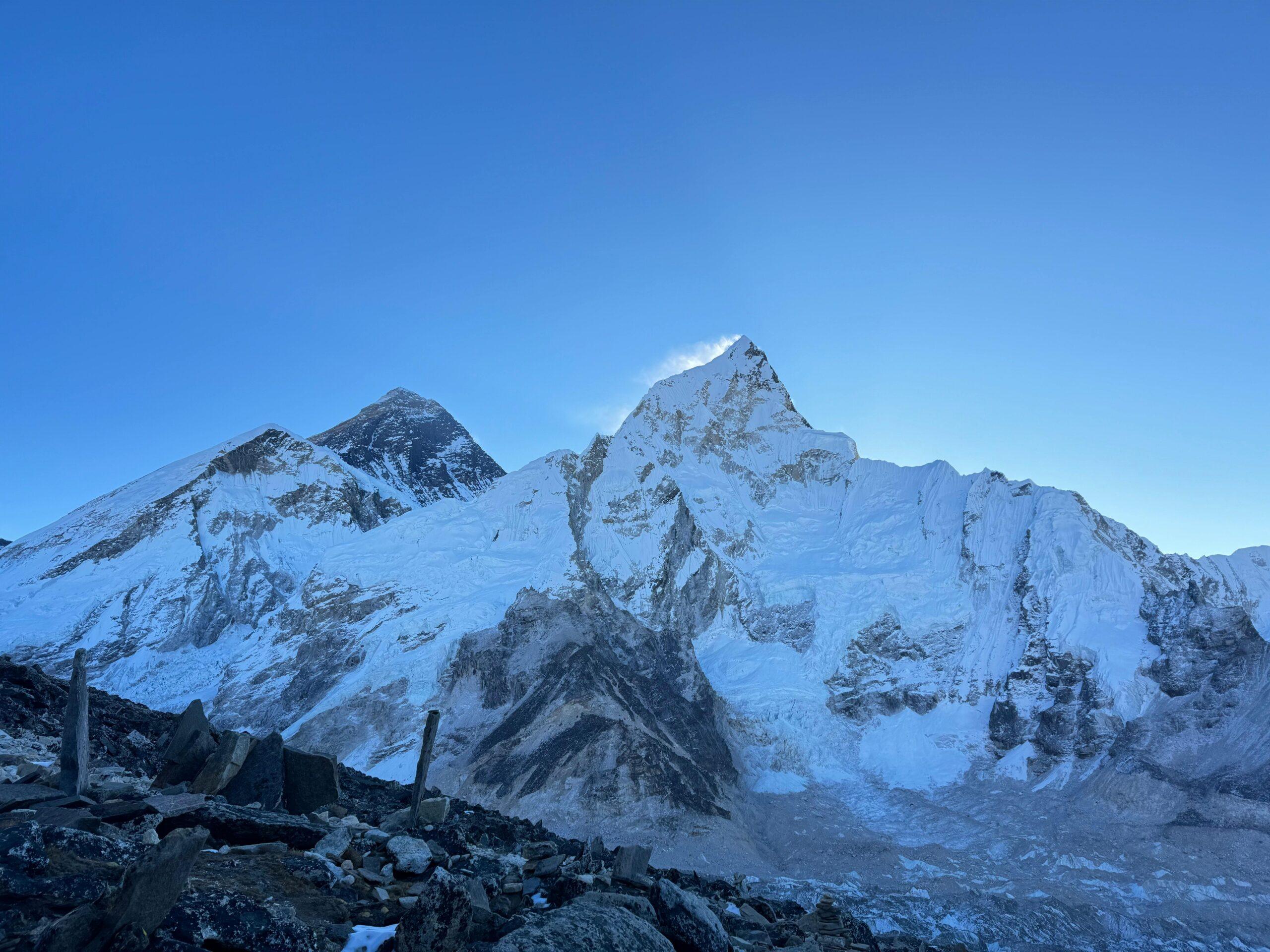
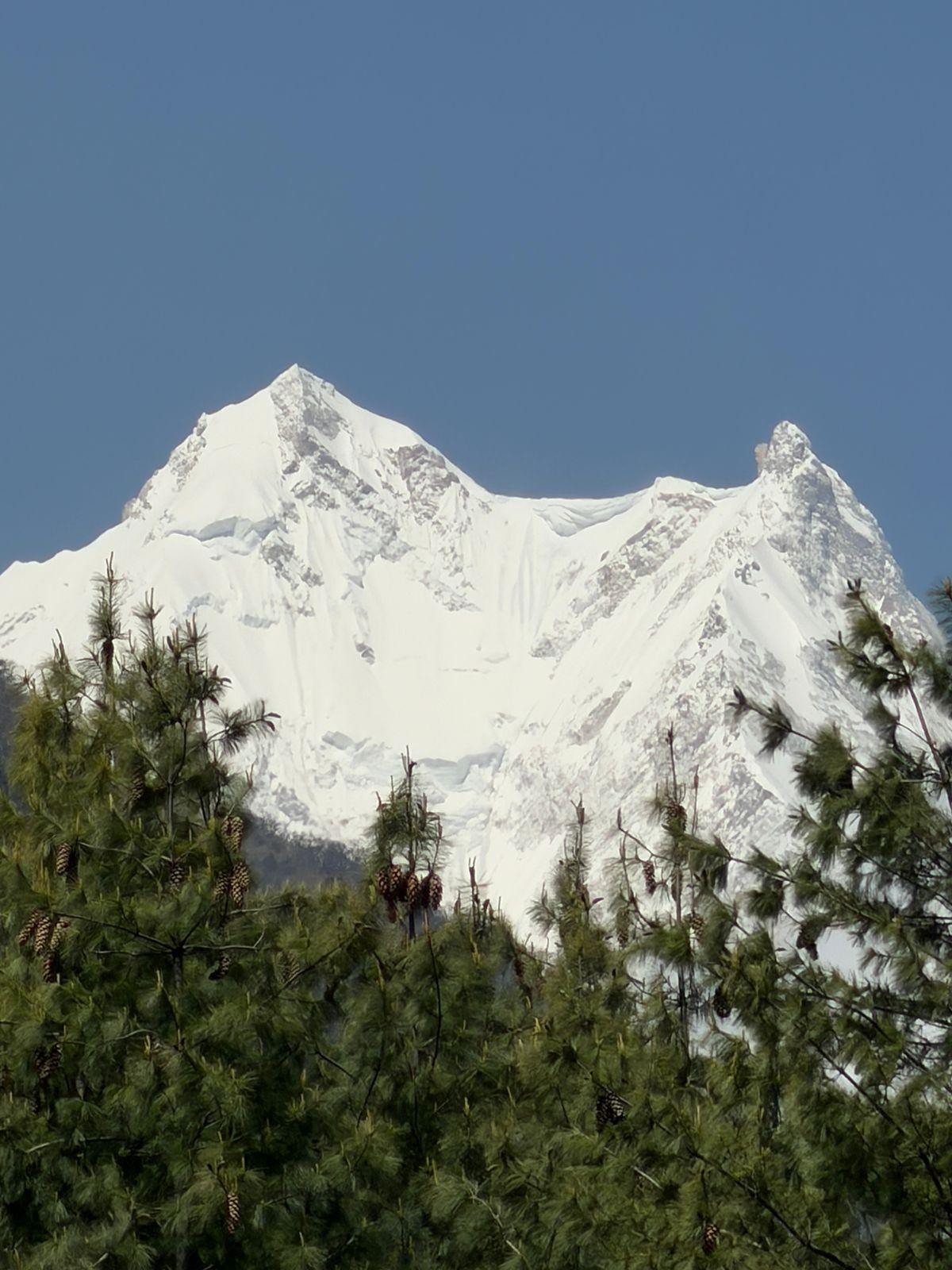
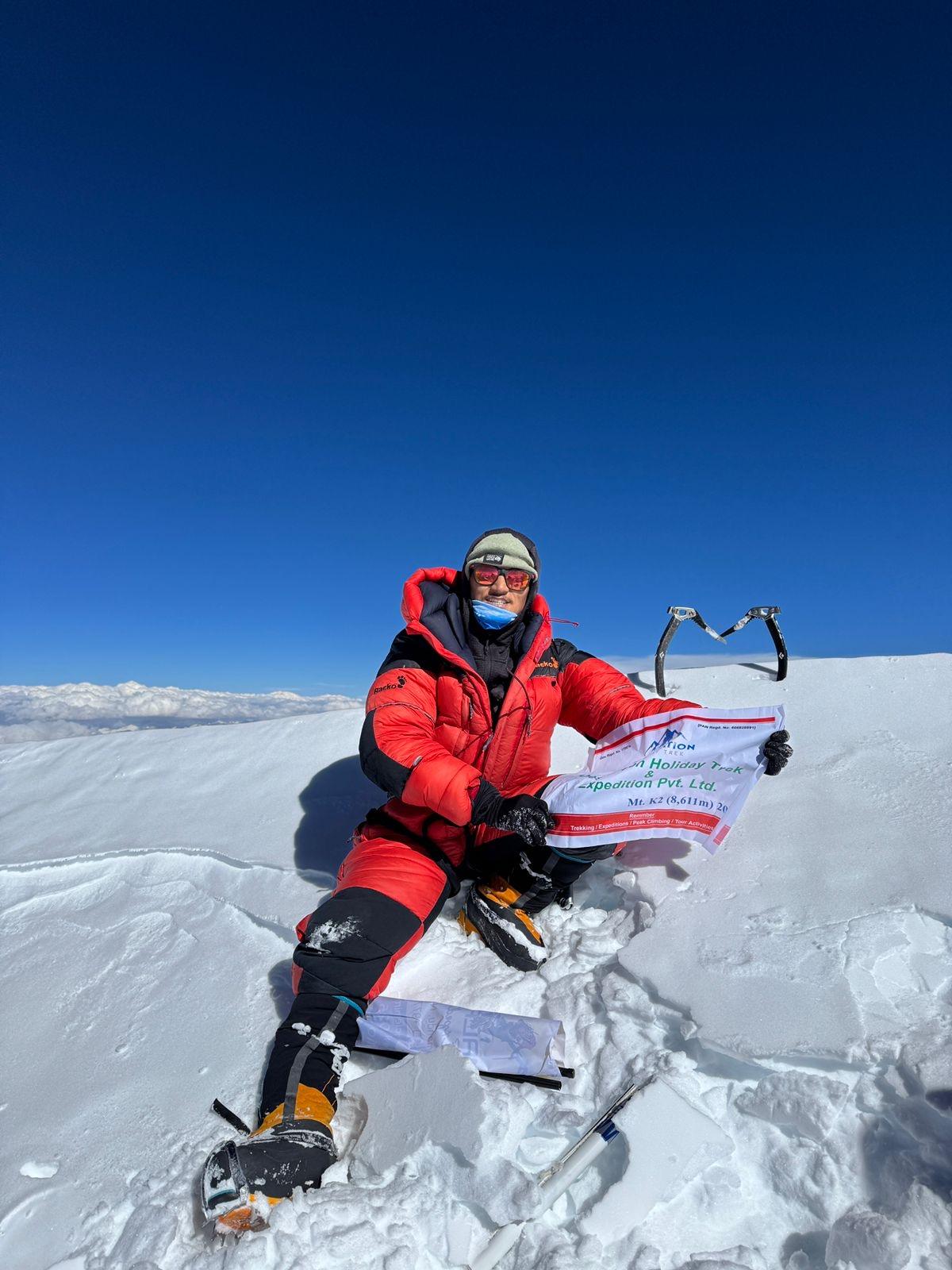
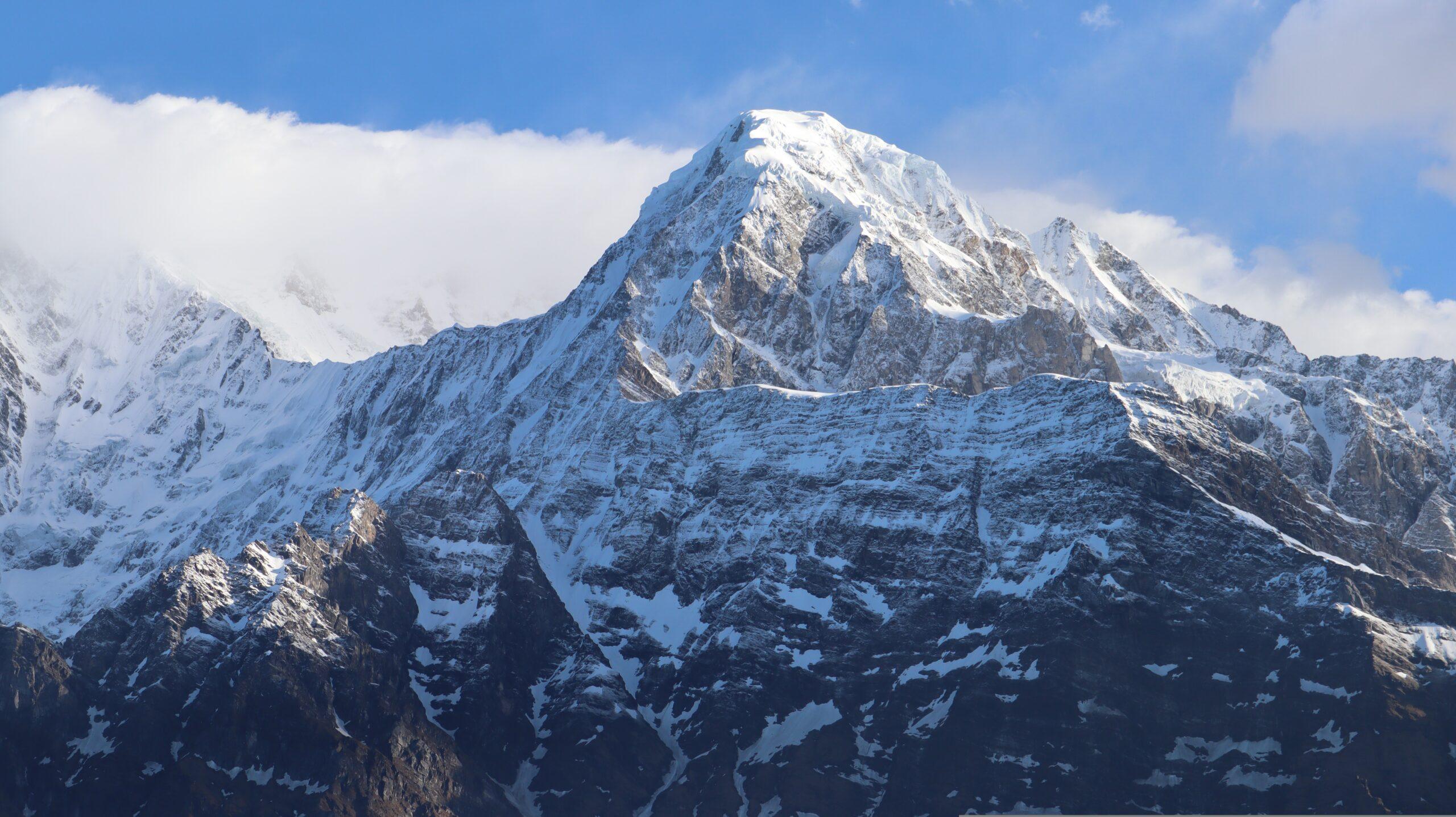
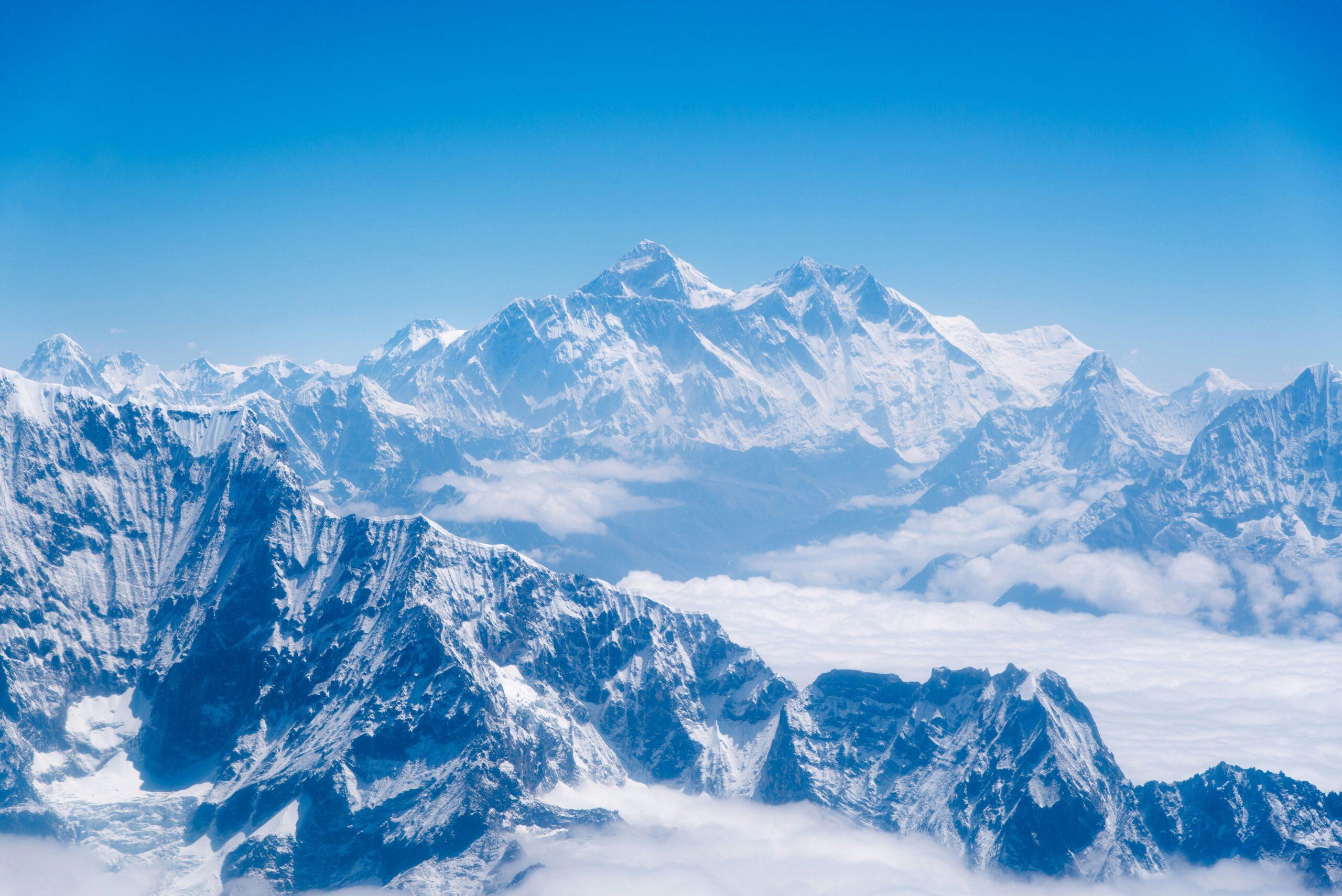
Standing at a majestic height of 8,586 meters (28,169 feet), Mount Kanchenjunga is the third highest mountain on Earth and one of the most remote and challenging peaks in the Himalayas.
Renowned for its massive glaciated faces, complex ridgelines, and unpredictable weather conditions, Kanchenjunga represents the ultimate challenge for elite mountaineers seeking a serious high-altitude expedition far from crowded climbing routes.
Unlike more commercialized mountains, Kanchenjunga offers a raw, wilderness-focused experience that demands technical expertise, endurance, and strong expedition logistics.
Located on the border between Nepal and India in eastern Nepal, Kanchenjunga lies within the pristine Kanchenjunga Conservation Area, a remote region known for dramatic mountain landscapes, deep valleys, glaciers, waterfalls, and rich biodiversity.
Product Description
Kanchenjunga Expedition: Cost, Itinerary, Difficulty & Complete Guide
The Kanchenjunga Expedition is one of the most demanding and rewarding mountaineering adventures in Nepal. Rising to 8,586 meters (28,169 feet), Mount Kanchenjunga is the third-highest mountain in the world and the second-highest mountain in Nepal. Located in the remote eastern Himalayas along the Nepal–India border, Kanchenjunga offers experienced mountaineers an extraordinary combination of extreme altitude, technical climbing, wilderness and Himalayan culture.
Unlike the more commercialized Everest region, the Kanchenjunga area remains remarkably remote. The approach to Base Camp passes through forests, traditional mountain villages, glaciers and high-altitude valleys before reaching the massive Kanchenjunga massif.
A Kanchenjunga Expedition in Nepal typically takes several weeks, allowing sufficient time for the long approach trek, acclimatization, establishing high camps, climbing rotations, weather delays and the summit attempt. Published expedition programs range from roughly 48 days to more than 50 days, depending on the route, logistics and expedition strategy.
For experienced climbers looking for a serious 8,000-meter expedition in Nepal, Kanchenjunga represents one of the ultimate Himalayan challenges.
Kanchenjunga Expedition Highlights
- Climb Mount Kanchenjunga at 8,586 meters
- Stand on the third-highest mountain in the world
- Explore one of Nepal’s most remote Himalayan regions
- Trek through the spectacular Kanchenjunga Conservation Area
- Experience the Ghunsa Valley and Kanchenjunga Glacier
- Establish and climb through multiple high camps
- Cross challenging glacier, snow, ice and mixed terrain
- Experience breathtaking views of Kanchenjunga, Jannu, Yalung Kang and surrounding peaks
- Develop advanced high-altitude mountaineering experience
- Experience the spiritual and cultural significance of Kanchenjunga
What Is the Kanchenjunga Expedition?
The Kanchenjunga Expedition is a high-altitude mountaineering expedition to the summit of Mount Kanchenjunga, located in eastern Nepal near the border with India.
At 8,586 meters, Kanchenjunga is higher than Lhotse and is surpassed in elevation only by Mount Everest and K2.
The mountain is part of the Kanchenjunga Himal and has several major summits, including Kanchenjunga Main, Yalung Kang and the Central and South summits.
The name Kanchenjunga is traditionally associated with the meaning “Five Treasures of the Snow,” referring to the mountain’s five major summits.
The first successful ascent was made on 25 May 1955 by Joe Brown and George Band as members of a British expedition. The climbers stopped short of the actual summit in accordance with local religious traditions, a practice that successful summit parties have generally continued.
Why Choose the Kanchenjunga Expedition?
1. Climb the World’s Third-Highest Mountain
At 8,586 meters, Kanchenjunga is one of the world’s legendary 8,000-meter peaks.
For climbers seeking something beyond conventional Himalayan trekking or 6,000–7,000-meter peaks, Kanchenjunga provides a genuine extreme-altitude expedition.
2. Experience a Remote Himalayan Environment
The Kanchenjunga region is considerably less crowded than the Everest and Annapurna regions.
The approach takes climbers through:
- Dense forests
- Rhododendron landscapes
- Remote mountain villages
- Buddhist settlements
- High-altitude valleys
- Glacial terrain
- Massive Himalayan viewpoints
The long approach itself becomes an important part of the expedition.
3. Technical High-Altitude Climbing
Kanchenjunga involves significantly more than simply walking to a summit.
Depending on the chosen route, climbers encounter:
- Glacier travel
- Crevasses
- Icefalls
- Steep snow
- Mixed rock and ice
- Fixed ropes
- High-altitude exposure
- Technical upper-mountain terrain
Current expedition descriptions of the Yalung route, for example, include multiple icefalls and steep mixed sections between the higher camps and summit.
4. Exceptional Himalayan Scenery
The Kanchenjunga massif provides spectacular views of:
- Kanchenjunga Main
- Yalung Kang
- Jannu
- Kabru
- Rathong
- Janu Himal
- surrounding eastern Himalayan peaks
5. A Serious 8,000-Meter Objective
Kanchenjunga is not generally considered an introductory 8,000-meter mountain.
It is an objective for climbers with extensive high-altitude experience, technical skills and the ability to spend many weeks in an extreme Himalayan environment.
Kanchenjunga Expedition Cost
The Kanchenjunga Expedition cost depends heavily on the expedition operator, route, number of climbers, Sherpa support, oxygen strategy, transportation, logistics, equipment and level of Base Camp services.
Current published commercial examples vary substantially. One current expedition listing advertises a package at approximately US$20,500 per person, while other operators structure costs differently depending on the services provided.
Estimated Kanchenjunga Expedition Cost
| Expense | Typical consideration |
|---|---|
| Expedition package | Approximately US$18,000–25,000+ |
| Climbing permit | Usually package-dependent |
| Base Camp services | Usually included in full-board packages |
| Sherpa support | Package-dependent |
| High-altitude support | Package-dependent |
| Oxygen | May be included or charged separately |
| Kathmandu accommodation | Often included |
| Domestic flights/transport | Package-dependent |
| Food and accommodation | Usually included during expedition |
| Personal equipment | Usually extra |
| Insurance | Usually extra |
| Emergency evacuation | Usually extra |
| Personal expenses | Extra |
| Tips and summit bonus | Usually extra |
These are indicative figures rather than fixed government or industry rates. The final Kanchenjunga Expedition price should always be confirmed directly with the expedition operator.
What Does the Kanchenjunga Expedition Package Include?
A full-service Kanchenjunga expedition package may include:
- Airport transfers
- Kathmandu hotel accommodation
- Domestic flights
- Ground transportation
- Expedition permits
- Conservation area fees
- Expedition liaison arrangements
- Approach trek logistics
- Camping equipment
- Base Camp tents
- Dining and kitchen facilities
- Expedition food
- Sherpa climbing support
- High-altitude staff
- Fixed ropes
- Communication facilities
- Weather forecasting
- Base Camp medical support
The exact package varies between operators.
When comparing Kanchenjunga Expedition packages, look beyond the headline price and check whether oxygen, Sherpa support, high-altitude camps, transportation, insurance assistance and evacuation arrangements are included.
Kanchenjunga Expedition Itinerary
A complete Kanchenjunga Expedition itinerary commonly takes around 48–55 days, depending on the approach route, climbing strategy and contingency days. Current published itineraries show substantial variation, including programs of 48 and 50+ days.
Below is a representative itinerary rather than a fixed schedule.
Day 1: Arrival in Kathmandu
Arrive in Kathmandu and transfer to your hotel.
Meet the expedition team and complete initial preparations.
Altitude: Approximately 1,400 m
Day 2: Expedition Preparation
Complete equipment checks, documentation and expedition preparations.
Day 3: Official Briefing and Final Preparation
Attend the expedition briefing and finalize climbing equipment.
Day 4: Fly Toward Eastern Nepal
Travel from Kathmandu toward the eastern region before continuing by road toward Taplejung.
Day 5: Drive Toward Taplejung
Continue the overland journey toward the Kanchenjunga region.
Day 6: Taplejung to Mitlung
Begin the approach trek through the eastern Himalayan foothills.
Day 7: Mitlung to Chirwa
Continue through forests and mountain settlements.
Day 8: Chirwa to Sekathum
Follow the Tamor and Ghunsa river valleys.
Day 9: Sekathum to Amjilosa
The trail becomes increasingly remote as you move deeper into the Kanchenjunga region.
Day 10: Amjilosa to Gyabla
Continue through forested terrain.
Day 11: Gyabla to Ghunsa
Reach Ghunsa, one of the major settlements on the approach.
Day 12: Acclimatization at Ghunsa
Rest and undertake a short acclimatization hike.
Day 13: Ghunsa to Kambachen
Continue toward the high mountain environment.
Day 14: Kambachen to Lhonak
The landscape becomes increasingly glacial and dramatic.
Day 15: Lhonak to Kanchenjunga Base Camp
Continue toward the Kanchenjunga Glacier and Base Camp.
North Base Camp approaches can reach approximately 5,100–5,143 meters, depending on the exact location and route.
Days 16–20: Base Camp Acclimatization
Rest, acclimatize and prepare climbing equipment.
Days 21–35: Climbing Rotations
Begin rotations through the higher camps.
Climbers progressively move higher before returning to Base Camp to recover.
Days 36–45: Summit Climbing Period
Use a suitable weather window to make the summit attempt.
Days 46–48: Descent
Descend toward lower elevations and begin the return journey.
Days 49–50: Return to Kathmandu
Continue the return journey and fly back toward Kathmandu.
Days 51–55: Contingency / Departure
Reserve additional days for weather, route conditions, transportation and summit contingencies.
Important: A Himalayan 8,000-meter expedition should never be treated as a rigid day-by-day schedule. Weather, acclimatization, route conditions and climber health can significantly alter the program.
Kanchenjunga Expedition Route
There are several climbing routes on Kanchenjunga, but expeditions from the Nepal side commonly approach either the North or South/Yalung side.
The north approach follows the Ghunsa Valley toward the Kanchenjunga Glacier and Pang Pema area.
A representative north-side approach is:
Kathmandu → Taplejung → Mitlung → Chirwa → Sekathum → Amjilosa → Gyabla → Ghunsa → Kambachen → Lhonak → Kanchenjunga North Base Camp
The north route is technically demanding, with the approach itself providing substantial acclimatization. Some expedition operators describe the North Col route as the normal route, while other current programs use the Northwest Face approach.
The southern/Yalung approach follows a different route through the Kanchenjunga Conservation Area toward the Yalung Glacier.
South Approach
A representative approach includes:
Kathmandu → Taplejung → Yamphudin → Tortong → Tseram → Ramche → Kanchenjunga South Base Camp
Published expedition programs describe the South Base Camp/Yalung Glacier area at around 5,400–5,475 meters, depending on the exact camp location.
Kanchenjunga Base Camp
There are important Base Camp areas on both the northern and southern sides of the mountain.
North Base Camp
The North Base Camp area is associated with Pang Pema/Kanchenjunga Glacier, with published elevations around 5,100–5,143 meters.
South Base Camp
The South Base Camp is associated with the Yalung Glacier and is generally established at around 5,400–5,475 meters for expedition operations.
Base Camp serves as the expedition’s main operational headquarters.
Here climbers:
- Rest
- Acclimatize
- Eat and hydrate
- Receive weather forecasts
- Organize equipment
- Prepare climbing loads
- Monitor health
- Wait for suitable summit conditions
Kanchenjunga Camps
Camp locations depend on the route.
A current description of the Yalung Glacier route lists:
| Camp | Approximate Altitude |
|---|---|
| Base Camp | 5,475 m |
| Camp 1 | 6,200 m |
| Camp 2 | 6,400 m |
| Camp 3 | 7,100 m |
| Camp 4 | 7,550 m |
| Summit | 8,586 m |
The exact location of camps can change according to glacier movement, snow conditions, route fixing and expedition strategy.
Kanchenjunga Expedition Difficulty
The Kanchenjunga Expedition difficulty is extreme.
This is an expedition for highly experienced mountaineers rather than beginners.
Major challenges include:
- Extreme altitude
- Technical climbing
- Glacier crossings
- Icefalls
- Crevasses
- Steep snow and ice
- Mixed climbing
- Avalanches
- Rockfall
- Extreme cold
- High winds
- Long summit days
- Remote rescue conditions
One current expedition description rates the route around AD overall, with harder sections approaching AD+, and describes significant objective hazards including avalanche exposure.
Is Kanchenjunga Harder Than Everest?
There is no simple answer because difficulty depends on route, conditions, logistics and climber experience.
Everest is higher and has a much larger expedition infrastructure.
Kanchenjunga, however, is considerably more remote and can involve serious technical climbing and objective hazards. The combination of remoteness, technical terrain and extreme altitude makes it one of the world’s most challenging 8,000-meter objectives.
Kanchenjunga Height and Altitude
The Kanchenjunga height is:
8,586 meters / 28,169 feet
It is the third-highest mountain in the world.
Kanchenjunga Altitude Profile
| Location | Approximate Elevation |
|---|---|
| Kathmandu | ~1,400 m |
| Taplejung | ~1,800 m |
| Ghunsa | ~3,400 m |
| Kambachen | ~4,050 m |
| Lhonak | ~4,780 m |
| North Base Camp | ~5,100–5,143 m |
| South/Yalung Base Camp | ~5,400–5,475 m |
| Camp 1 | ~6,000–6,200 m |
| Camp 2 | ~6,400–7,200 m |
| Camp 3 | ~7,100–7,800 m |
| Camp 4 | ~7,550 m |
| Summit | 8,586 m |
Exact camp elevations vary depending on the climbing route and annual mountain conditions.
Acclimatization for Kanchenjunga Expedition
Acclimatization is absolutely critical on an 8,000-meter expedition.
The long approach through the Kanchenjunga region is useful because it allows climbers to gradually move from lower elevations toward Base Camp.
Once at Base Camp, climbers typically conduct rotations to progressively higher camps before returning lower to recover.
The purpose is to allow the body to adapt to decreasing atmospheric oxygen.
A successful expedition may involve multiple rotations before the final summit attempt.
Best Time for Kanchenjunga Expedition
The primary Himalayan climbing seasons are generally:
Spring: April–May
Spring is one of the main climbing seasons for 8,000-meter expeditions.
Advantages can include:
- More favorable climbing conditions
- Longer daylight
- Established expedition infrastructure
- Generally suitable summit windows
Autumn: September–October
Autumn is another major Himalayan climbing season following the monsoon.
The post-monsoon period can provide improved visibility and more stable conditions, although the mountain remains unpredictable.
Some expedition operators also extend their schedules into November depending on route and weather conditions.
Best Season
For most commercial Kanchenjunga Expeditions, spring and autumn are the principal seasons to consider.
Kanchenjunga Expedition Permits
A Kanchenjunga expedition requires appropriate government authorization and mountaineering permits.
Depending on the route and expedition structure, the operator handles:
- Mountaineering permit
- Kanchenjunga Conservation Area requirements
- Expedition liaison arrangements
- Local permissions
- Trekking and conservation documentation
- Government expedition formalities
Permit fees and regulations can change, so climbers should verify the current requirements before booking.
Kanchenjunga Expedition Equipment
An 8,000-meter expedition requires specialized high-altitude mountaineering equipment.
Technical Climbing Equipment
- Mountaineering boots
- Crampons
- Ice axe
- Climbing harness
- Helmet
- Ascender
- Descender
- Carabiners
- Prusik loops
- Ice screws
- Snow protection
- Technical climbing rope
High-Altitude Clothing
- Base layers
- Fleece layers
- Down jacket
- Expedition down suit
- Waterproof shell
- High-altitude gloves
- Expedition mittens
- Balaclava
- Warm hat
- Technical socks
High-Altitude Equipment
- High-altitude sleeping bag
- Sleeping mat
- Expedition backpack
- Duffel bags
- Headlamp
- Glacier glasses
- Goggles
- Thermos
- Water bottles
- Personal medical supplies
Communication and Safety
Depending on the expedition:
- Satellite phone
- GPS
- Radio
- Personal locator/emergency device
- Weather forecasting equipment
Your expedition operator should provide a comprehensive equipment checklist before departure.
Supplemental Oxygen on Kanchenjunga
At 8,586 meters, supplemental oxygen may form part of an expedition’s high-altitude strategy.
However, oxygen requirements depend on:
- Expedition philosophy
- Individual climber
- Route
- Weather
- Acclimatization
- Sherpa support
- Medical assessment
- Operator strategy
Some current commercial programs explicitly incorporate oxygen during the upper climbing phase, while equipment and oxygen logistics differ between operators.
Always establish in advance:
- How many oxygen bottles are provided
- Whether regulators are included
- Whether Sherpa oxygen is included
- Whether additional oxygen costs extra
- What happens if the planned oxygen supply is insufficient
Physical Preparation for Kanchenjunga
Preparation should begin well before the expedition.
Cardiovascular Training
Build a strong aerobic base through:
- Running
- Hiking
- Cycling
- Stair climbing
- Incline walking
Strength Training
Prioritize:
- Legs
- Glutes
- Core
- Back
- Shoulders
Endurance Training
Long mountain hikes with a gradually increasing backpack are particularly valuable.
Technical Training
Experienced Kanchenjunga climbers should be comfortable with:
- Crampons
- Ice axe
- Fixed ropes
- Ascenders
- Descenders
- Glacier travel
- Snow climbing
- Ice climbing
- Mixed climbing
Can Beginners Climb Kanchenjunga?
No. Kanchenjunga is not a beginner’s mountain.
An aspiring Kanchenjunga climber should have substantial experience at altitude and ideally previous experience on technical Himalayan peaks.
A sensible progression may involve:
6,000 m peak → 7,000 m peak → 8,000 m expedition
Possible preparation objectives could include:
- Mera Peak
- Island Peak
- Lobuche East
- Ama Dablam
- Himlung Himal
- Manaslu
- Other high-altitude technical peaks
The exact progression should be based on a climber’s previous experience and professional assessment.
Kanchenjunga Expedition Safety
Kanchenjunga presents serious objective hazards.
Potential risks include:
- Altitude sickness
- HAPE
- HACE
- Avalanches
- Icefall collapse
- Crevasses
- Rockfall
- Serac collapse
- Frostbite
- Hypothermia
- High winds
- Severe storms
- Exhaustion
- Falls
- Rapid weather changes
The mountain’s remoteness also makes emergency evacuation more complicated than on heavily developed climbing routes.
Current route descriptions specifically highlight avalanche exposure and difficult icefall sections.
The summit is never more important than a safe return.
Travel Insurance for Kanchenjunga Expedition
Standard travel insurance is generally insufficient for an 8,000-meter expedition.
Your policy should specifically cover:
- Mountaineering
- High-altitude climbing
- The full elevation of Kanchenjunga
- Emergency medical treatment
- Helicopter evacuation where available
- Search and rescue
- Expedition-related emergencies
Read all exclusions carefully before purchasing the policy.
Kanchenjunga vs Everest Expedition
| Feature | Kanchenjunga | Everest |
|---|---|---|
| Height | 8,586 m | 8,849 m |
| World ranking | 3rd highest | Highest |
| Region | Eastern Nepal | Khumbu |
| Remoteness | Very high | Lower |
| Technical difficulty | Extreme | Extreme |
| Infrastructure | Limited | Extensive |
| Crowds | Much fewer | Much higher |
| Expedition duration | ~48–55+ days | Often ~50–60+ days |
| Experience required | Expert | Expert |
| Cost | Very high | Very high |
Everest has substantially more commercial infrastructure, while Kanchenjunga offers a more remote and wilderness-oriented expedition experience.
Kanchenjunga vs Lhotse Expedition
Both are 8,000-meter Himalayan objectives.
Kanchenjunga
- 8,586 m
- Third-highest mountain
- Remote eastern Nepal
- Highly technical
- Long approach
- Limited infrastructure
Lhotse
- 8,516 m
- Fourth-highest mountain
- Everest region
- Shares much of the lower Everest infrastructure
- Famous for the steep Lhotse Face
Kanchenjunga is generally considered a more remote expedition, while Lhotse benefits from the infrastructure surrounding the Everest climbing route.
Kanchenjunga vs Manaslu Expedition
Manaslu is lower at approximately 8,163 meters, while Kanchenjunga reaches 8,586 meters.
Manaslu is often regarded as a more accessible introduction to 8,000-meter climbing, although it remains extremely dangerous and demanding.
Kanchenjunga presents a substantially more remote and technically demanding expedition environment.
How Long Does the Kanchenjunga Expedition Take?
A complete Kanchenjunga Expedition commonly takes around 48–55 days or longer, depending on the route, acclimatization strategy, transportation and weather contingencies.
Current published programs include:
- Approximately 48 days
- Approximately 50 days
- More than 50 days for longer expedition schedules
The long duration is necessary because the expedition must account for:
- Approach trek
- Acclimatization
- Base Camp preparation
- Camp rotations
- Summit window
- Weather delays
- Route fixing
- Descent
- Return transportation
Kanchenjunga Expedition and Local Culture
The Kanchenjunga region has strong cultural and spiritual significance.
The mountain is regarded as sacred by communities in the region, particularly in Sikkim and the eastern Himalayas.
This is one reason the tradition of stopping slightly below the true summit has been respected by many successful climbers since the first ascent.
A responsible expedition should therefore respect:
- Local traditions
- Sacred mountain beliefs
- Villages and monasteries
- Environmental regulations
- Wildlife
- Waste-management rules
Kanchenjunga Expedition FAQs
How high is Kanchenjunga?
Kanchenjunga is 8,586 meters (28,169 feet) high and is the world’s third-highest mountain.
How difficult is the Kanchenjunga Expedition?
It is an extreme high-altitude mountaineering expedition involving glacier travel, steep snow and ice, technical terrain, objective hazards and prolonged exposure above 8,000 meters.
How much does a Kanchenjunga Expedition cost?
Current commercial expedition prices vary substantially. A realistic planning range is approximately US$18,000–25,000+, depending on services and operator. One current published package is approximately US$20,500 per person.
How long does the Kanchenjunga Expedition take?
Most full expeditions require approximately 48–55 days or more, depending on the itinerary.
Where is Kanchenjunga located?
Kanchenjunga is in eastern Nepal along the Nepal–India border.
Is Kanchenjunga higher than Lhotse?
Yes. Kanchenjunga is 8,586 m, while Lhotse is approximately 8,516 m.
Is Kanchenjunga harder than Everest?
Both are extremely demanding. Everest is higher and has greater infrastructure, while Kanchenjunga is considerably more remote and can involve significant technical and objective hazards.
What is the normal route for Kanchenjunga?
Expeditions from Nepal use routes on the north and south/Yalung sides. The exact standard route depends on the expedition’s objective and current route conditions. Current operators describe both North/Northwest and Yalung/South approaches.
What is Kanchenjunga Base Camp altitude?
North Base Camp/Pang Pema is around 5,100–5,143 m, while South/Yalung expedition Base Camp is around 5,400–5,475 m, depending on the exact location.
Is Kanchenjunga suitable for beginners?
No. Climbers should have extensive high-altitude and technical mountaineering experience.
What is the best time for Kanchenjunga Expedition?
Spring and autumn are generally the main seasons for commercial expeditions.
Was Kanchenjunga ever successfully climbed?
Yes. Joe Brown and George Band made the first successful ascent in 1955. They stopped short of the true summit in accordance with local religious tradition.
Book Your Kanchenjunga Expedition in Nepal
The Kanchenjunga Expedition is an extraordinary journey into one of the most remote and challenging corners of the Himalayas.
At 8,586 meters, Kanchenjunga combines extreme altitude, technical climbing, unpredictable weather, glaciers and serious objective hazards. It is a mountain that demands respect, preparation and extensive mountaineering experience.
From the remote valleys of eastern Nepal to the glaciers surrounding Base Camp and the final summit ridge, every stage of the expedition offers a powerful Himalayan experience.
If you are an experienced mountaineer looking for a challenging 8,000-meter expedition in Nepal, Kanchenjunga is one of the world’s ultimate objectives.
Contact Destination Holiday Trek to plan your Kanchenjunga Expedition and receive the latest itinerary, cost, permit information, logistics and climbing package.
SEO Keyword Strategy for Kanchenjunga Expedition
Primary Keyword
Kanchenjunga Expedition
Secondary Keywords
- Kanchenjunga Expedition Nepal
- Mount Kanchenjunga Expedition
- Kanchenjunga climbing
- Kanchenjunga Expedition cost
- Kanchenjunga Expedition price
- Kanchenjunga Expedition itinerary
- Kanchenjunga climbing itinerary
- Kanchenjunga Expedition difficulty
- Kanchenjunga height
- Kanchenjunga altitude
- Kanchenjunga route
- Kanchenjunga Base Camp
- Kanchenjunga climbing permit
- Kanchenjunga Expedition package
- Kanchenjunga climbing Nepal
- Kanchenjunga Expedition guide
- Kanchenjunga Expedition equipment
- Kanchenjunga summit
- Kanchenjunga camps
- Kanchenjunga 8586m Expedition
Long-Tail Keywords
- Kanchenjunga Expedition cost in Nepal
- Kanchenjunga Expedition itinerary
- how difficult is Kanchenjunga Expedition
- Kanchenjunga Expedition 2026
- Kanchenjunga Expedition 2027
- Mount Kanchenjunga climbing cost
- Kanchenjunga climbing permit Nepal
- Kanchenjunga Base Camp altitude
- Kanchenjunga Expedition difficulty and route
- best time for Kanchenjunga Expedition
- Kanchenjunga Expedition equipment list
- Kanchenjunga vs Everest Expedition
- Kanchenjunga vs Lhotse
- Kanchenjunga vs Manaslu
- third highest mountain in the world expedition
- 8000 meter expedition Nepal
- technical mountain climbing Nepal
- Kanchenjunga North Base Camp Expedition
- Kanchenjunga South Base Camp Expedition
Suggested SEO Title
Kanchenjunga Expedition: Cost, Itinerary, Difficulty & Guide
Suggested Meta Description
Kanchenjunga Expedition in Nepal: discover the cost, itinerary, difficulty, altitude, route, permits, camps, equipment and essential climbing tips.
Suggested URL Slug
/kanchenjunga-expedition/
Suggested H1
Kanchenjunga Expedition: Cost, Itinerary, Difficulty & Complete Guide
Suggested Image Alt Texts
- Kanchenjunga Expedition Nepal
- Mount Kanchenjunga 8586m
- Kanchenjunga climbing expedition
- Kanchenjunga Base Camp
- Kanchenjunga climbing route
- Kanchenjunga summit expedition
- Kanchenjunga climbers
- Kanchenjunga Himal Nepal
Suggested Internal Links
Create a strong internal linking cluster by linking this article naturally to:
- Everest Expedition
- Lhotse Expedition
- Manaslu Expedition
- Makalu Expedition
- Cho Oyu Expedition
- Ama Dablam Expedition
- Pumori Expedition
- Lobuche East Climbing
- Mera Peak Climbing
- Kanchenjunga Base Camp Trek
This helps Destination Holiday Trek build topical authority around Nepal mountaineering, 8,000-meter expeditions, peak climbing and high-altitude trekking.
For the latest information on trekking regulations, permits, conservation areas, and mountaineering requirements in Nepal, visit the official Nepal Tourism Board and relevant government authorities before planning your Pisang Peak Climbing adventure.
Also if you want to view our other treks then you can follow this link.
Reviews
There are no reviews yet.