
Trip Facts
- 5 Star Hotel And Tea House+Camping
- Spring: Mar – May, Autumn: Sep – Nov
- 8,091 meters (26,545 ft)
- Included
- English,Japanese
- Provided
Annapurna I Expedition (8,091m)
Overview
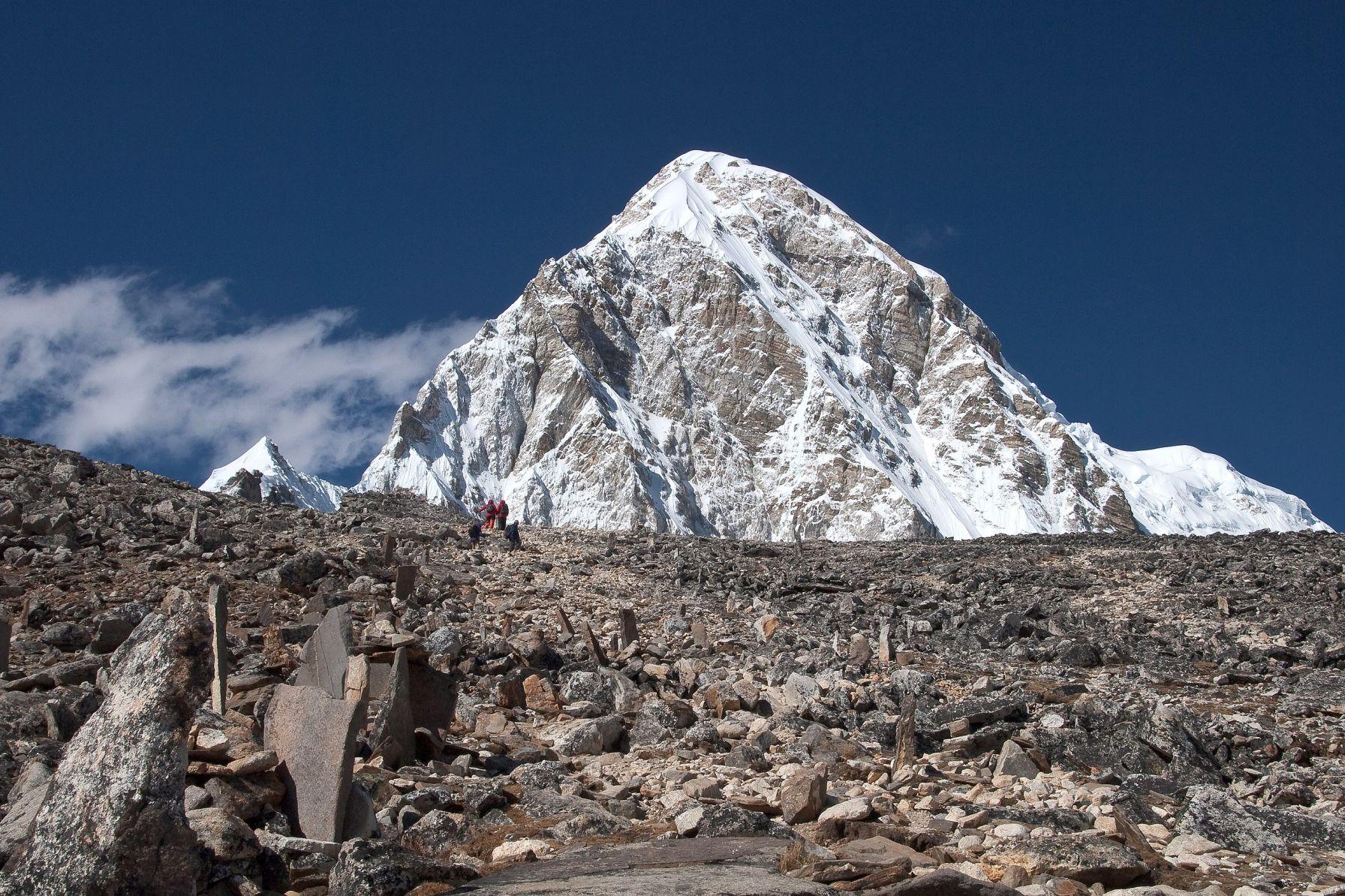
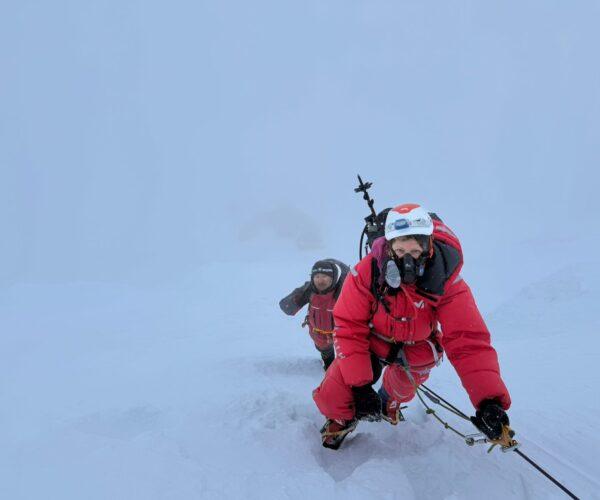
The Annapurna I Expedition is one of the most challenging and respected high-altitude mountaineering adventures in the world. Standing at 8,091 meters, Annapurna I is the 10th highest mountain on Earth and is renowned for its steep terrain, unpredictable weather, and serious avalanche risk. This expedition is recommended only for highly experienced climbers with strong technical skills and previous 7,000–8,000m peak experience.
Located in central Nepal, Annapurna I was the first 8,000-meter peak ever climbed, successfully summited in 1950. Despite its historical significance, it remains one of the least climbed due to its demanding nature. The route to the summit passes through remote valleys, massive glaciers, and exposed high camps that require careful planning and expert leadership.
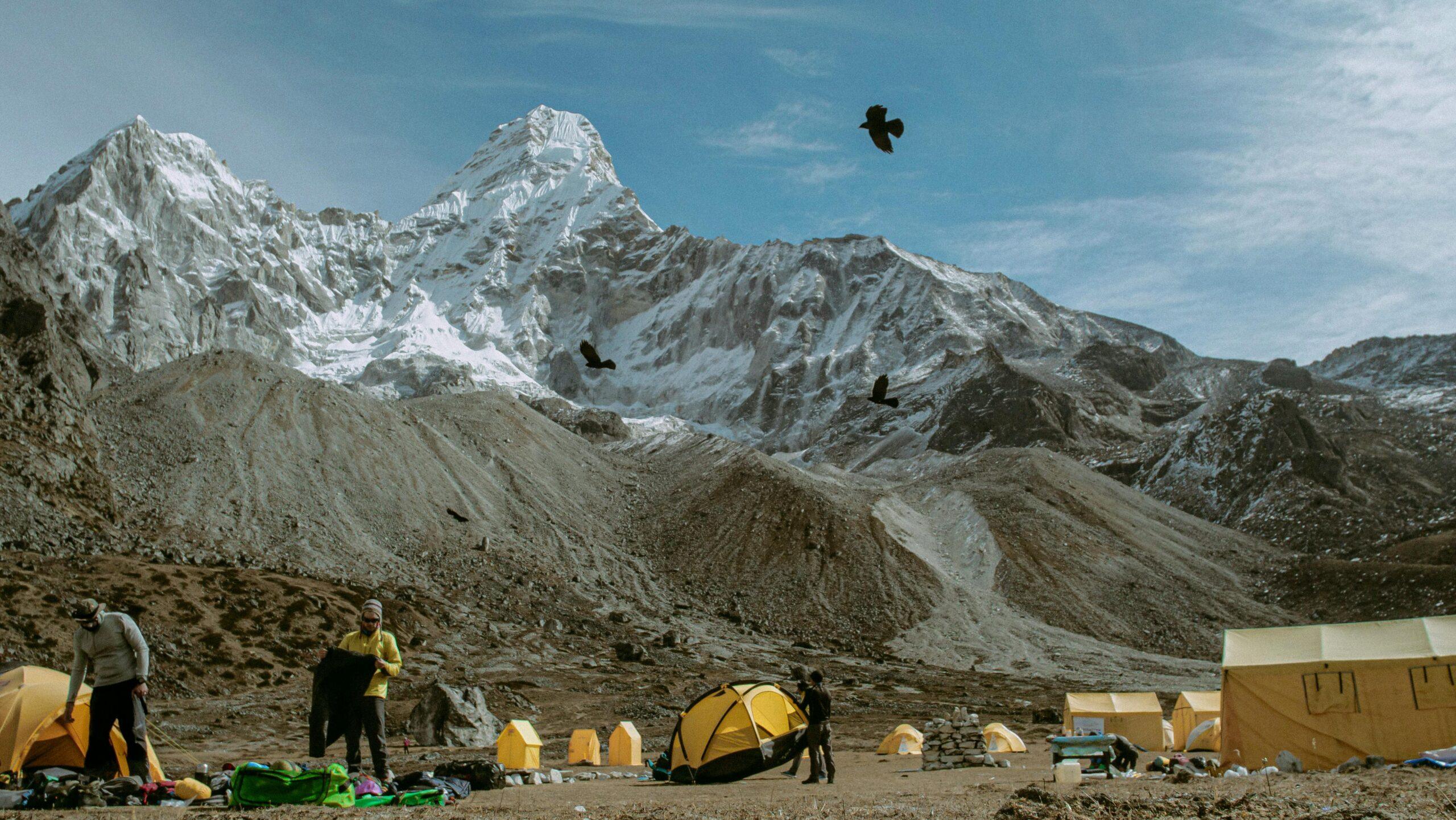
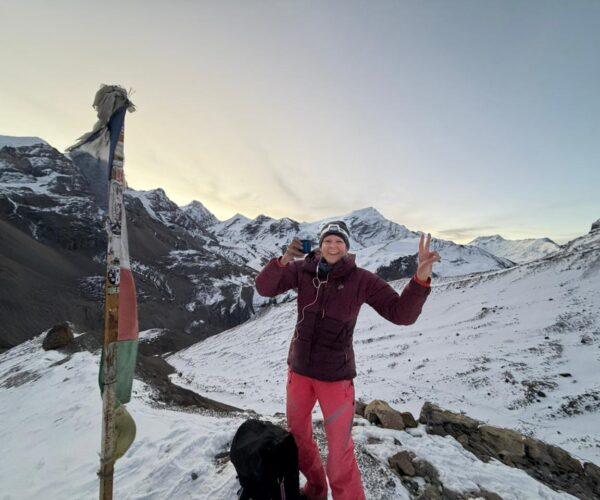
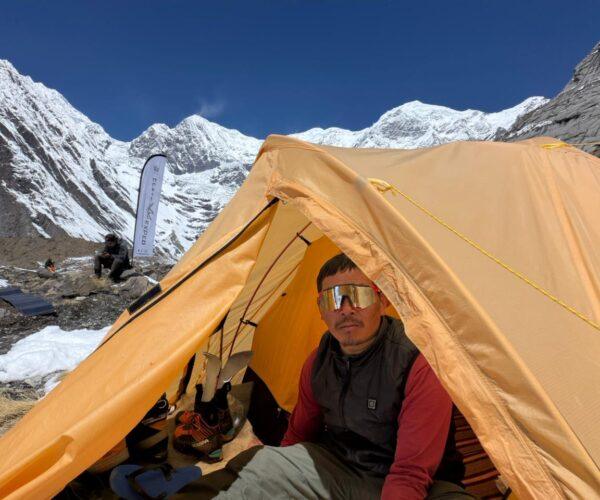
The expedition usually begins in Kathmandu, followed by a scenic drive to the Annapurna region and a trek to Annapurna Base Camp (around 4,200m). From Base Camp, climbers establish a series of high camps and conduct multiple acclimatization rotations before attempting the summit during a short and carefully selected weather window.
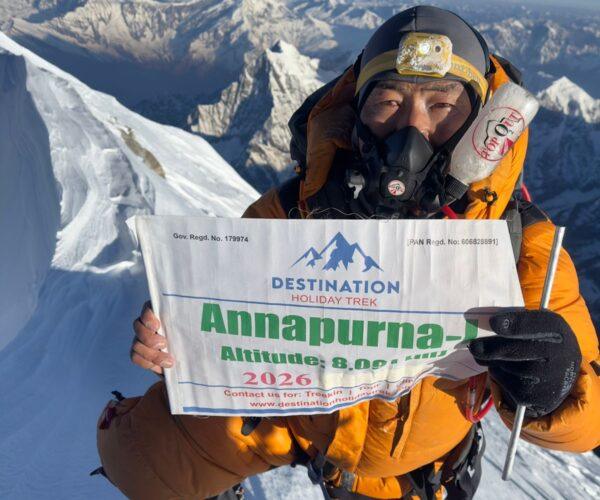
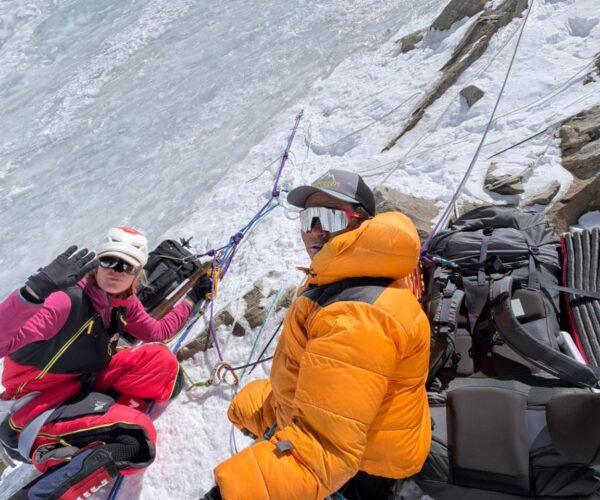
The full expedition takes approximately 55–65 days, allowing time for acclimatization, route fixing, and summit attempts. Climbers are supported by professional expedition leaders, experienced high-altitude Sherpa guides, fixed ropes, safety systems, and well-organized logistics to maximize safety in this extreme environment.
Key Highlights
- Climb the 10th highest mountain in the world (8,091m)
- One of the most technically demanding 8,000m expeditions
- Experience true high-altitude Himalayan mountaineering
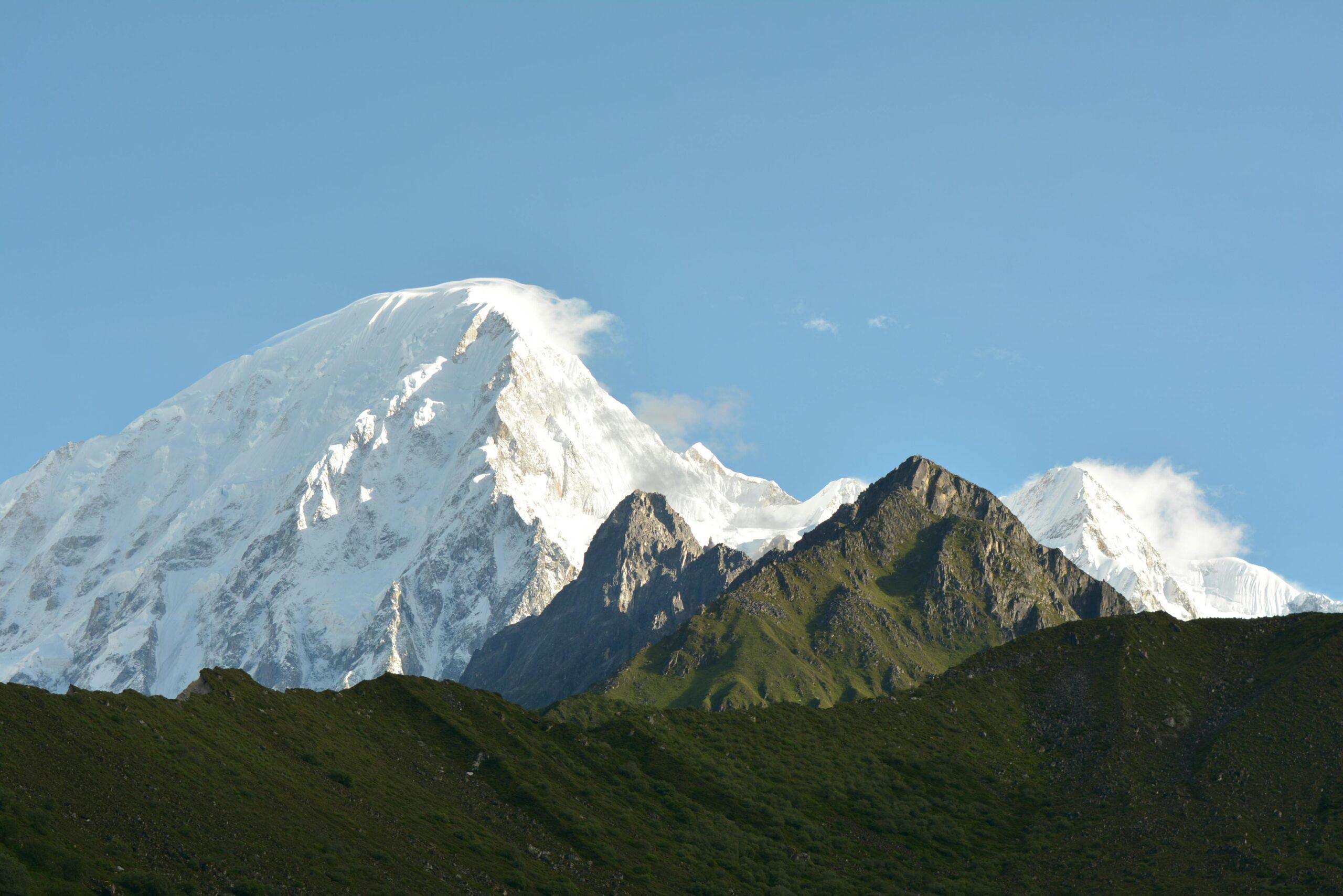
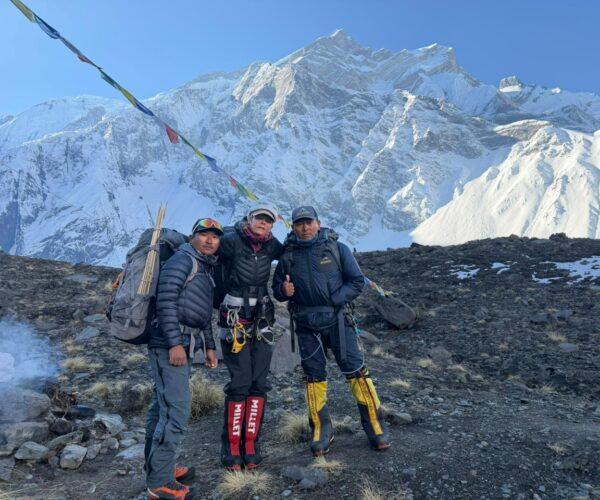
- Stunning views of the Annapurna Massif, Dhaulagiri, and surrounding Himalayan peaks
- Remote and less crowded compared to other 8,000m peaks
- Challenging glacier travel and steep ice sections
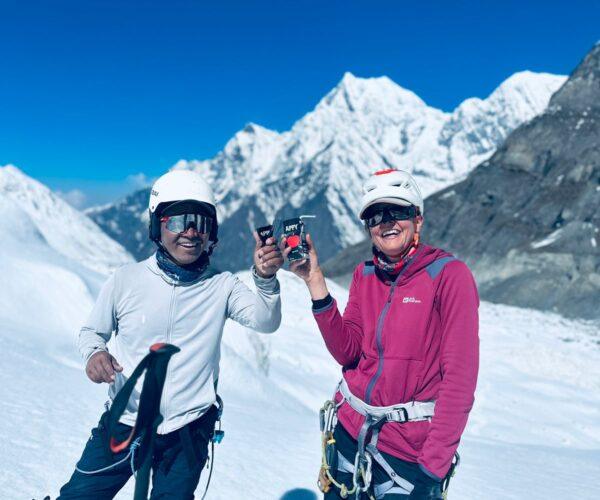
- Fully supported expedition with experienced climbing Sherpas
- Well-equipped Base Camp with dining, communication, and medical setup
- Opportunity to follow the historic route first climbed in 1950
- Breathtaking panoramic summit views over central Nepal