
- 3 Star Hotel, Teahouse + Camping
- Spring (April–May) & Autumn (October–November)
- Kathmandu
- Provided
- English, Japanese
- 7,161 meters (23,494 ft)
- Provided
Pumori Expedition
Overview
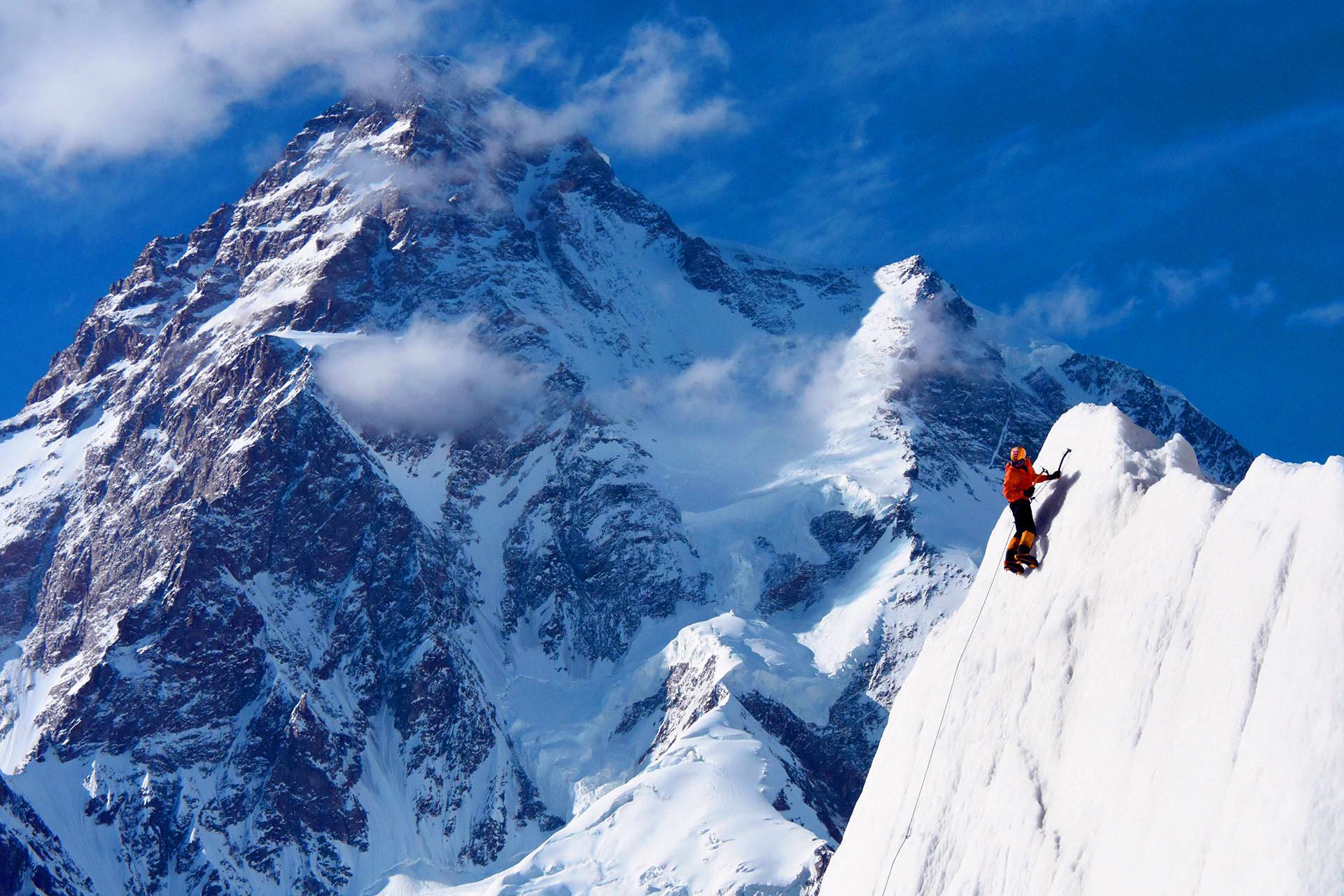
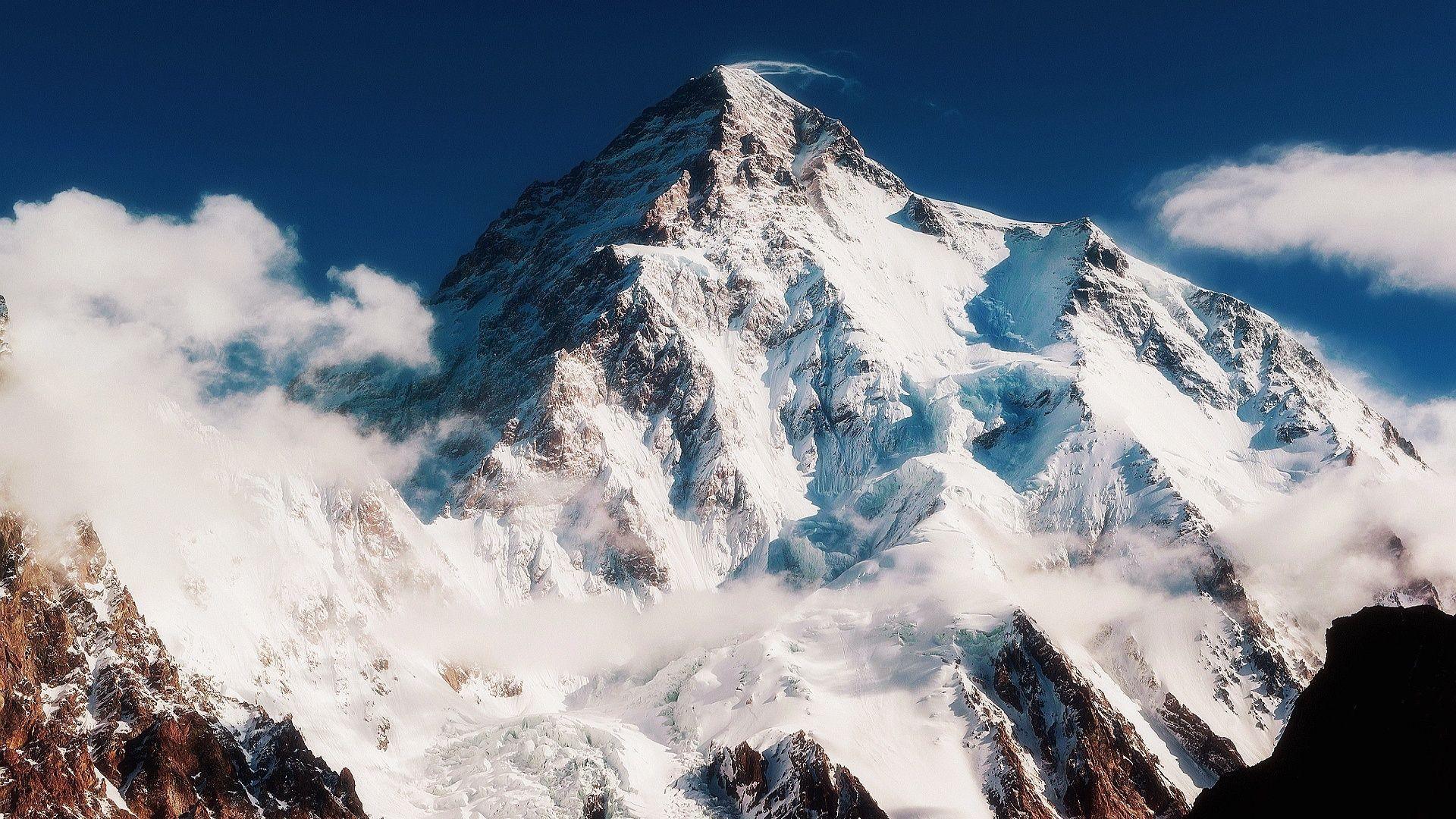
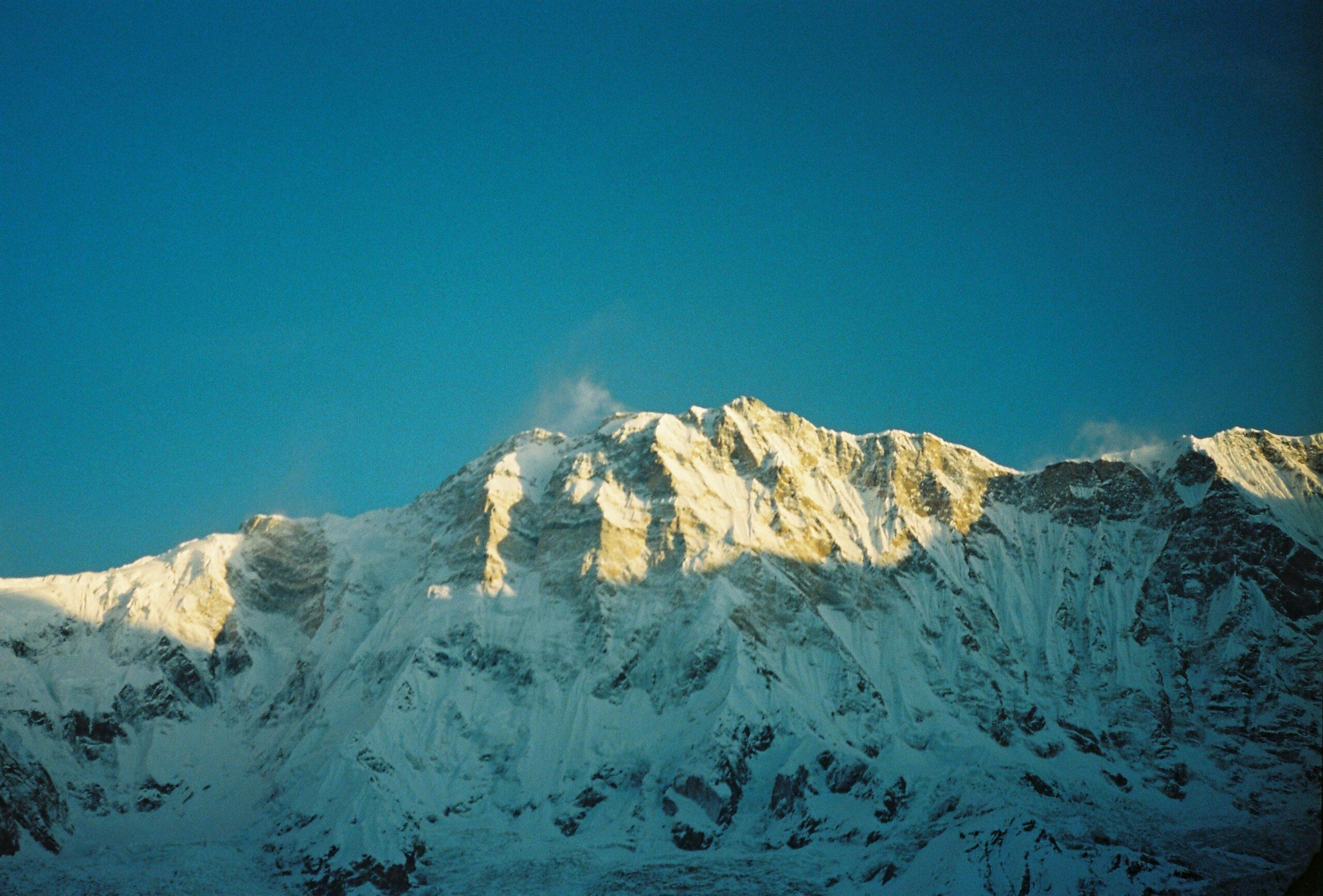
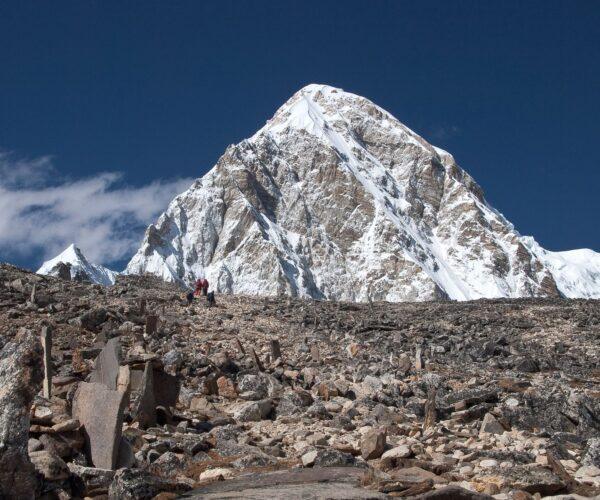
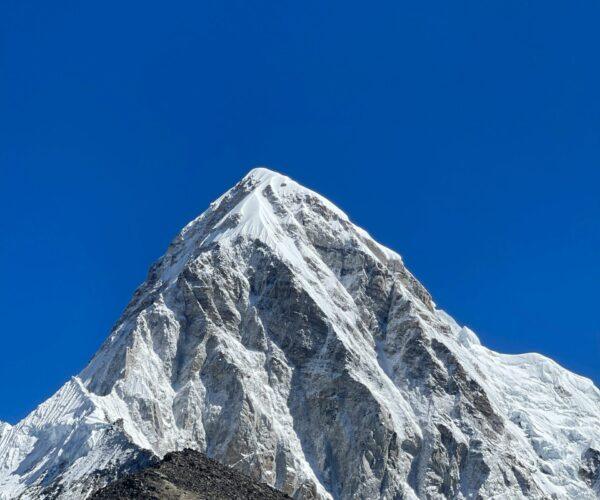
Pumori expedition takes you to one of the pearls of the Himalayas, which has been attracting both simple and experienced climbers for decades. Pumari is one of the most beautiful and accessible peaks in Nepal. The approach to the Base camp does not take much time and is very fascinating trekking.
Pumori Peak at the height of 7161 m, is located in the Khumbu-Himal Range, part of the Chomolungma mountain junction. The Western Rongbuk and Khumbu glaciers flow around the ridge from the south and north.
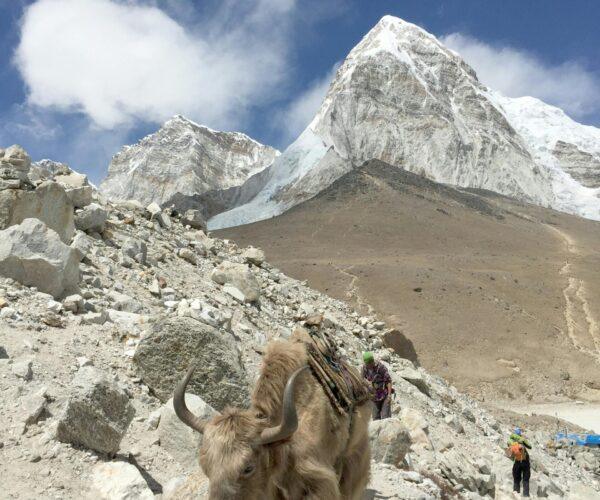
Gorak Shep becomes the last point before going to the top along the classic route. On the site of the base camps of the former Everest expeditions, the Sherpas built a small settlement with wooden huts ( lodge) , a café, and a helipad.
Trip Highlights
- Beautiful Peak: Climb one of Nepal’s most stunning 7,000-meter mountains in the Khumbu region.
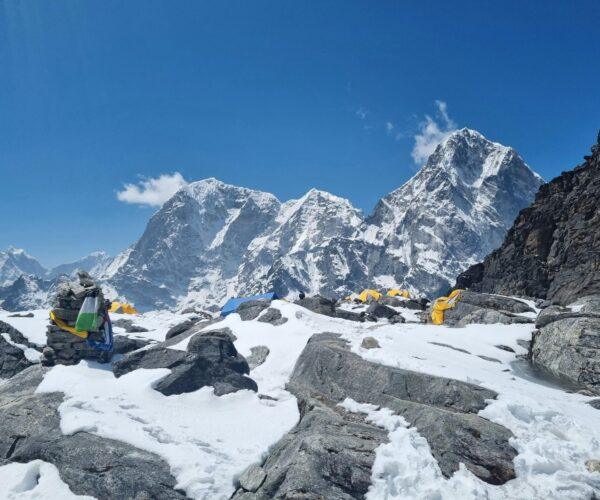
- Panoramic Views: Enjoy breathtaking views of Mount Everest, Lhotse, Nuptse, and surrounding Himalayan giants.
- Scenic Trek: Follow the classic Everest Base Camp trail through Namche Bazaar and Dingboche.
- Technical Climb: Experience challenging snow, ice, and mixed terrain climbing.
- High-Altitude Experience: Gain true expedition exposure with multiple camps and glacier travel.
- Summit Achievement: Stand at 7,161 m with incredible views over the Everest region.
- Sherpa Culture: Explore monasteries, traditional villages, and rich Himalayan heritage.
- Less Crowded: Enjoy a quieter and more focused climbing experience compared to Everest.
Itinerary
Upon your arrival at the TIA, you will need to fulfill some official procedures to obtain the Nepal Entry Visa at the Immigration counter. One of our representatives will be waiting to welcome you at the Arrivals. After meet and greet, you will be transferred to the hotel booked for you to rest. There you can freshen up and rest.
On the second day, we will fulfill all our official procedures including necessary documentation, obtaining permits, and other formalities needed for our expedition. Then you will have time for sightseeing around the city.
The next day, we will start our preparation for our expedition. We will now pack our bags, do some necessary shopping, re-check everything that we need (Especially medicines and essentials). Briefings will be made about every aspect of the expedition and all gears and equipment, trip duration, accommodation, facilities at the base camp, and all related to the expedition. It is also an opportunity for you to communicate and introduce yourself to your fellow climbers and teammates.
Take an early morning flight from Kathmandu to Lukla, experiencing dramatic Himalayan views. Begin trekking along the Dudh Koshi River through small villages, terraced fields, and forests. Cross suspension bridges and enjoy your first glimpse of surrounding peaks. Overnight in a teahouse at Phakding.
Trek through rhododendron and pine forests, gradually gaining altitude. Cross several suspension bridges and small villages along the way. Arrive at Namche Bazaar, the bustling Sherpa town and gateway to Everest. Overnight at a lodge.
Take a rest day to acclimatize. Optional short hikes to nearby viewpoints like Everest View Hotel or Khumjung village. Hydrate, rest, and prepare for higher altitudes.
Trek through forests with panoramic views of Ama Dablam, Thamserku, and Kangtega. Visit the famous Tengboche Monastery and experience Sherpa culture. Overnight in a teahouse.
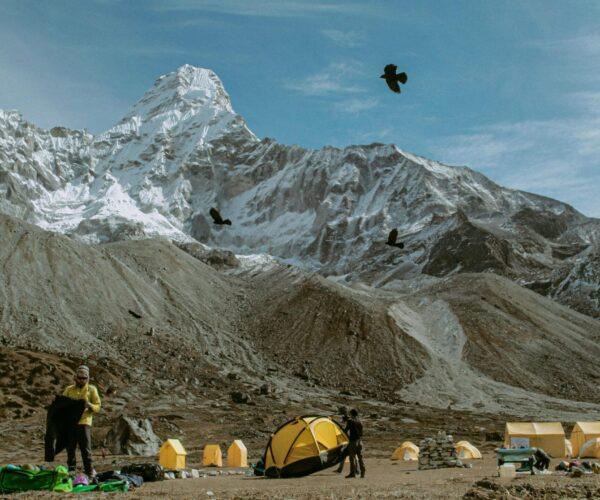
Continue trekking, passing through Pangboche and Imja villages. Gain altitude gradually while enjoying spectacular Himalayan vistas. I arrived at Dingboche, a high-altitude village surrounded by snowy peaks. Overnight at a teahouse.
Rest day to acclimatize. Optional hike to Nagarjun Hill or nearby ridges to boost oxygen adaptation. Prepare mentally and physically for the high camps ahead.
After acclimatizing in Dingboche, we head towards another beautiful stop, Lobuche. The journey starts with a climb to the ridge behind Periche until the tea houses at Dughla followed by a steep ascent to the terminal moraine of Khumbu Glacier. You will encounter a series of stone monuments made in the memories of climbers who couldn’t make it back home. After walking for almost 6-7 hours on rugged terrain we reach Lobuche, a small settlement of Sherpas. It is the final village with lodges on this trail to Everest.
Trek through moraine and glacial terrain to reach Base Camp. Set up tents or stay in pre-arranged lodges. Organize climbing equipment and review technical climbing plans for upcoming acclimatization rotations.
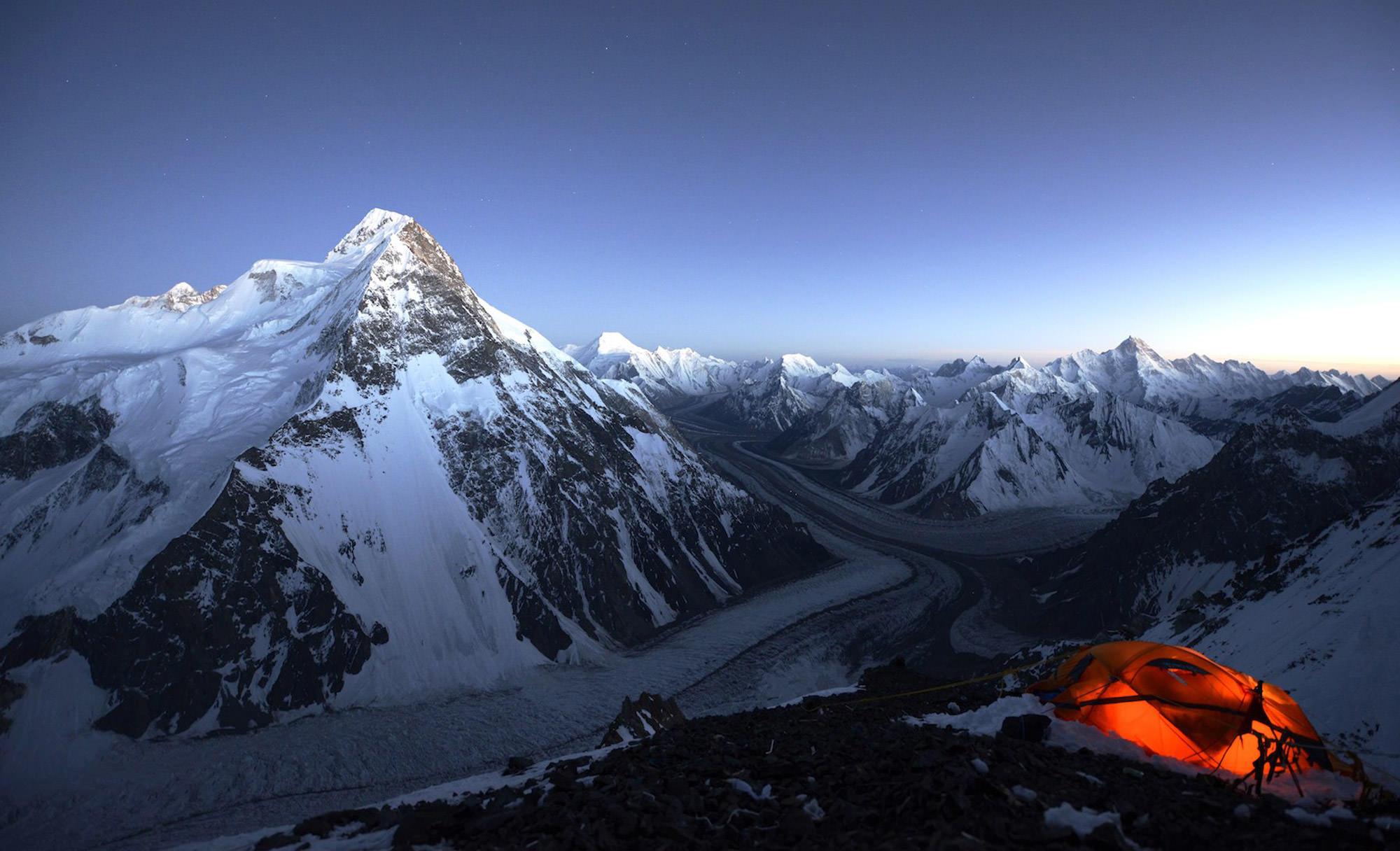
After preparation and prayer ceremony at the Base Camp at 5300m, we will start our climb to Camp I. Our Sherpa Guides will fix the ropes on the route and will set up higher camps.
Camp I will be set up at an altitude of 5,650 m while Camp II will be set up at 6000 m right at the ridge after the phase. Then, to make the summit push easier, we will set up our Camp III at 6,500 m. On the day of the summit push, we start early so that we exploit the opportunity to witness the glorious sunrise behind the giant white peaks. The top of Mt. Pumori gives and exceptional panoramic views of Mt. Everest, Mt. Lhotse, Mt. Nuptse, Mt Makalu, Ama Dablam, Lobuche Peak, Mt. Cho Oyu, and many other snow-capped peaks.
After some time of amazement, we retrace our path back to lower camps.
After cleaning up the base camp and packing up all our stuff, we trek back to Pheriche and stay overnight at a lodge.
From Pheriche, we trek back to Namche, the Sherpa capital of the Khumbu Region.
We retrace the same trail back to Lukla from Namche. Going down through the dense forests, crossing several suspension bridges, and traversing through beautiful settlements will lead us to Lukla.
From Lukla, we will take a flight back to Kathmandu viewing all those mountain vistas, packed villages, green forests from a bird’s eye perspective. We will then transfer you to the hotel for you to rest and relax. We will see you in the evening for a farewell dinner at a typical Nepali Restaurant with cultural shows.
With gratitude and best wishes, we will have to bid you farewell for your flight back home. We hope to see you soon in the next season for a brand new adventure. One of our representatives will drop you off at the airport 3 hours prior your scheduled departure.
Costs Includes / Excludes
Cost Includes
✅ Airport pick-up & drop-off transfers by private vehicle
✅ 4 nights hotel accommodation in Kathmandu on bed & breakfast sharing basis (4-star category)
✅ Welcome dinner in Kathmandu with office staff
✅ Assistance for cargo clearance at Nepal Customs before the expedition
(Custom clearance charges excluded)
✅ Expedition permit, royalty & government fees for Mount Pumori
✅ Sagarmatha National Park Permit, TIMS Card & Pasang Lhamu Rural Municipality Entry Permit
✅ Government Liaison Officer with salary, accommodation & full equipment
✅ Garbage management & environmental fees
✅ Medical & emergency rescue insurance for all Nepalese expedition staff
✅ Trekking and climbing map
✅ Domestic flight transportation:
Kathmandu – Lukla – Kathmandu
✅ Transportation of expedition equipment from Kathmandu to Base Camp and return
✅ Up to 60 kg luggage allowance per member carried by porters or yaks during the trek
✅ Full board meals (Breakfast, Lunch & Dinner) with tea and coffee during the trek and expedition
✅ Lodge accommodation during the trek with fully managed Base Camp services
✅ Porter services from Lukla to Base Camp and return
✅ Professional Base Camp cook & kitchen helpers
✅ Salary, food, equipment, clothing & allowance for all Nepalese staff and porters
✅ Individual Yak Mountain or Kailas tent for each member at Base Camp
✅ Base Camp facilities including: Dining tent, Kitchen tent,Toilet & shower tent, Staff tents, Store tents, Tables, chairs & cooking equipment, Foam mattress & pillow for each member,
✅ Heater facilities in dining and necessary Base Camp areas
✅ Solar power, generator & charging facilities at Base Camp
✅ 1 experienced government-licensed climbing Sherpa per member
✅ Climbing Sherpa salary, food, insurance, clothing & equipment
✅ Emergency oxygen bottles stocked at Base Camp
✅ Emergency oxygen masks & regulators available at Base Camp
✅ High Camp services including: High altitude tents, Climbing food, Cooking gas, Fixed & dynamic ropes, Group climbing equipment at Camp I, II & III
✅ Professional rope fixing by experienced Sherpa team
✅ Satellite phone for emergency communication
(Private use available at additional charge)
✅ Walkie-talkie communication between Base Camp and higher camps
✅ Walkie-talkie & satellite communication permits
✅ Professional weather forecast service
✅ Comprehensive medical kit for members & staff
✅ Official summit certificate issued by the Ministry of Culture, Tourism and Civil Aviation after successful ascent
Cost Excludes
❌ International airfare to/from Kathmandu
❌ Nepal entry visa fee
(USD 60 for 30 days / USD 120 for 60 days)
❌ Lunch & dinner during hotel stay in Kathmandu except included meals
❌ Extra hotel nights in Kathmandu due to early arrival, delays, cancellations, or early return from expedition
❌ Personal travel insurance including:
High altitude insurance
Emergency evacuation
Helicopter rescue
Medical treatment & hospitalization
(Mandatory)
❌ Rescue & evacuation expenses if required during the expedition
❌ Personal expenses
❌ Personal trekking & climbing equipment
❌ Personal toiletries such as soap, shampoo, toothpaste, tissue paper, etc.
❌ Filming, camera & drone permit fees
❌ Internet service during the trek and expedition
❌ Summit bonus for climbing Sherpa (Minimum USD 1200)
❌ Tips for Base Camp staff and expedition crew
❌ Any services or activities not specifically mentioned in the “Cost Includes” section
Group Price
| Group Size | Price per Person (USD) |
|---|---|
| 1 Person | |
| 2–4 People | |
| 5–8 People | |
| 10–15 People |
Riding Gears And Equipments
Riding Gears And Equipments
Here is a list of what you might want to pack for the hike. Please take this as a starting point. You’ll need layers of warmer clothing during the winter. We provide a 75 liter duffel bag for you to use for the trek. It will be given to you during your pre-trip meeting in Kathmandu. The duffle bag is yours to keep. Also, you can rent sleeping bag and down jacket with us at the additional fee of USD 35 for each once you are in Kathmandu.
Climbing Gear
- Alpine climbing harness. Must have adjustable leg loops and fit over all clothing.
- 2 locking carabiners. Large, pear-shaped carabiner is best, screw gate type recommended
- 3 regular carabiners. Lightweight; BD Hot wire are recommended.
- Ice axe w/leash. Light weight (Grivel Air tech, Black Diamond Raven, or Charlet Moser Snow Walker). Under 5’7” use 60cm; 5’7”- 6’2” use 65cm; over 6’2” use 70cm.
- Plastic Mountaineering boots (Koflach Degree, Lowa Civetta, or Scarpa Alpha) or Leather Double Mountaineering boots (La Sportiva Olympic Mons, Boreal GI or equivalent; must be mountaineering/crampon compatible)
- Crampons. Must be fit to plastic boots prior to trip, new-matic type recommended; include a simple repair kit (Grivel G12, Black Diamond Contact, or Charlet Moser Super 12)
- Adjustable trekking poles.
- Belay/rappel device (Figure 8 preferred)
General
- Four-season (zero degree) sleeping bag (We have rental sleeping bags available for an additional USD 35)
- Puffy down jacket (We have rental jackets available for an additional USD 35)
- Daypack (35-45 liters recommended) with rain cover
- Sleeping bag liner
Upper Body
- Sun hat or cap (We’ll provide you with a free Ace the Himalaya baseball cap.)
- Knitted hat/Beanie
- Headlamp
- Sunglasses
Torso
- Technical fabric base layer (light for warmer months, heavy for colder months)
- Technical fabric short (2) and long sleeve (2) shirts
- Waterproof, windproof shell
- Fleece jacket or pullover
Lower Body
- Technical fabric base layer (light for warmer months, heavy for colder months)
- Hiking pants (2)
- Comfortable pants for inside the teahouses
- Waterproof, windproof shell
- Hiking shorts
Hands
- Wool or technical fabric liner gloves
- Hard-shell outer gloves (insulated for colder months)
Feet
- Wool or technical fabric warm socks
- Hiking socks
- Liner socks (optional such as silk)
- Trekking/hiking boots (waterproof recommended)
- Casual shoes
- Gaiters (lightweight for dust or heavy for snow in colder months)
- Ice Cleats /Micro Spikes
Undergarments
Note: The quantity of each article of clothing can be adjusted to suit the preferences of each participant.
- Technical fabric/quick drying is best for underwear (opportunities to launder during the trip)
- Sports bras (women)
- Pajamas or sleeping clothes
First Aid Kits and Medications
- (Note: Guides carry medications and first aid kits during the trip. However, personal kits and medications are highly recommended.)
- Sunscreen
- Lip balm
- ointment
Other Essentials
- Passport
- Extra copies of passport-sized photos
- Reusable water bottle
- Toiletry kits
- Water purification tablets or UV water purifier (if you plan to treat water)
- Hydration bladder
- Towel
- Pillowcase
- Toilet paper (2 rolls)
- High protein snacks (such as protein bars or nuts)
- Waterproof/dry bags for carrying important documents and money
- Airline tickets (Please leave a copy at our office in Kathmandu. This can be useful if there is a change in the date of the flight.)
- Earplugs
- Trekking poles
Optional
Once in Nepal, if you have the time, you can purchase supplies and gear for hiking. Thamel, Kathmandu’s tourist hub, is home to many shops where you can get a variety of reasonably priced trekking equipment.
- Power bank or extra batteries
- Cameras and mobile phone
- Cards/book
- Binoculars
- Whistle
Important Information
- We give you a free duffel bag and baseball cap during your pre-trip meeting in Kathmandu. The duffel bag will be used to pack your trekking supplies.
- For every two participants, we assign one porter. The duffel bag, which should weigh around 10 kg/22 lbs, will be carried by the porter throughout the walk.
- To carry your daily necessities like cash, crucial papers, a water bottle or bladder, a camera, toiletries, sunscreen, a notebook, clothing, etc., you must have your own daypack (with a waterproof cover).
- You can store your luggage (non- trekking items) at the hotel in Kathmandu.
- Total luggage allotment allowance for Kathmandu-Lukla flight is 15 Kg/33 lbs including both duffel (10 Kg/22 lbs.) and backpack (5Kg/11 lbs.)
- Down jacket with a hood is a must for altitudes above 4,000 m to keep warm. You can rent a down jacket for USD 35. Please note that in case of loss or damage, you need to reimburse the cost of USD 100 per item.
- You can rent a 4-season sleeping bag for USD 35. Please note that in case of loss or damage, you need to reimburse the cost of USD 100 per item.
Note: Some clothing, especially form-fitting, figure-hugging items made of elastic material (like yoga pants), may offend locals. Therefore, if you choose to wear these clothes for comfort, please make sure to wear something over them.
FAQ
Mount Pumori is located in the Khumbu region of Nepal, inside Sagarmatha National Park, near Everest Base Camp and close to the Nepal–Tibet border. The approach follows the classic Everest trekking route through Sherpa villages, suspension bridges, and beautiful alpine landscapes.
Pumori rises to 7,161 meters (23,494 feet), making it one of the prominent 7,000-meter peaks in the Everest region and a highly respected mountaineering objective.
The expedition typically lasts 35–40 days. This includes arrival in Kathmandu, trekking to Base Camp, acclimatization rotations to higher camps, the summit attempt, and the return journey.
Pumori is considered very challenging and technical. Climbers must be experienced in high-altitude mountaineering and comfortable with fixed ropes, glacier travel, and steep snow and ice climbing.
Climbers should have successfully summited at least one 6,000-meter peak and possess strong physical fitness, endurance, and solid technical climbing skills.
The best seasons are spring (April–May) and autumn (September–October), when weather conditions are generally more stable and mountain visibility is clearer.
Yes. A climbing permit issued by the Nepal Department of Tourism is mandatory. In addition, Sagarmatha National Park entry and Khumbu local permits are required. The expedition must be organized through a registered Nepalese agency with a licensed guide.
During the trek to Base Camp, accommodation is in local teahouses or lodges. At Base Camp and higher camps, climbers stay in fully supported tented camps.
Yes. Comprehensive travel insurance covering high-altitude mountaineering and emergency helicopter evacuation is compulsory for all participants.