
Pikey Peak Trek: Amazing 6-Day Himalayan Adventure
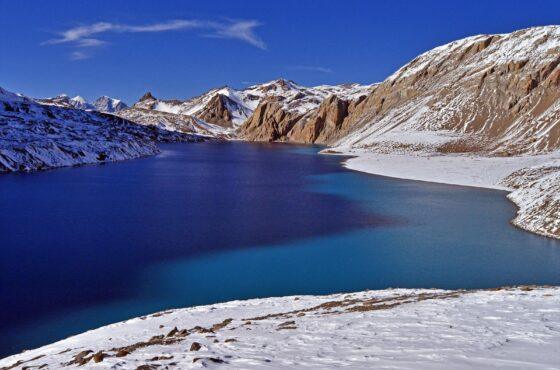
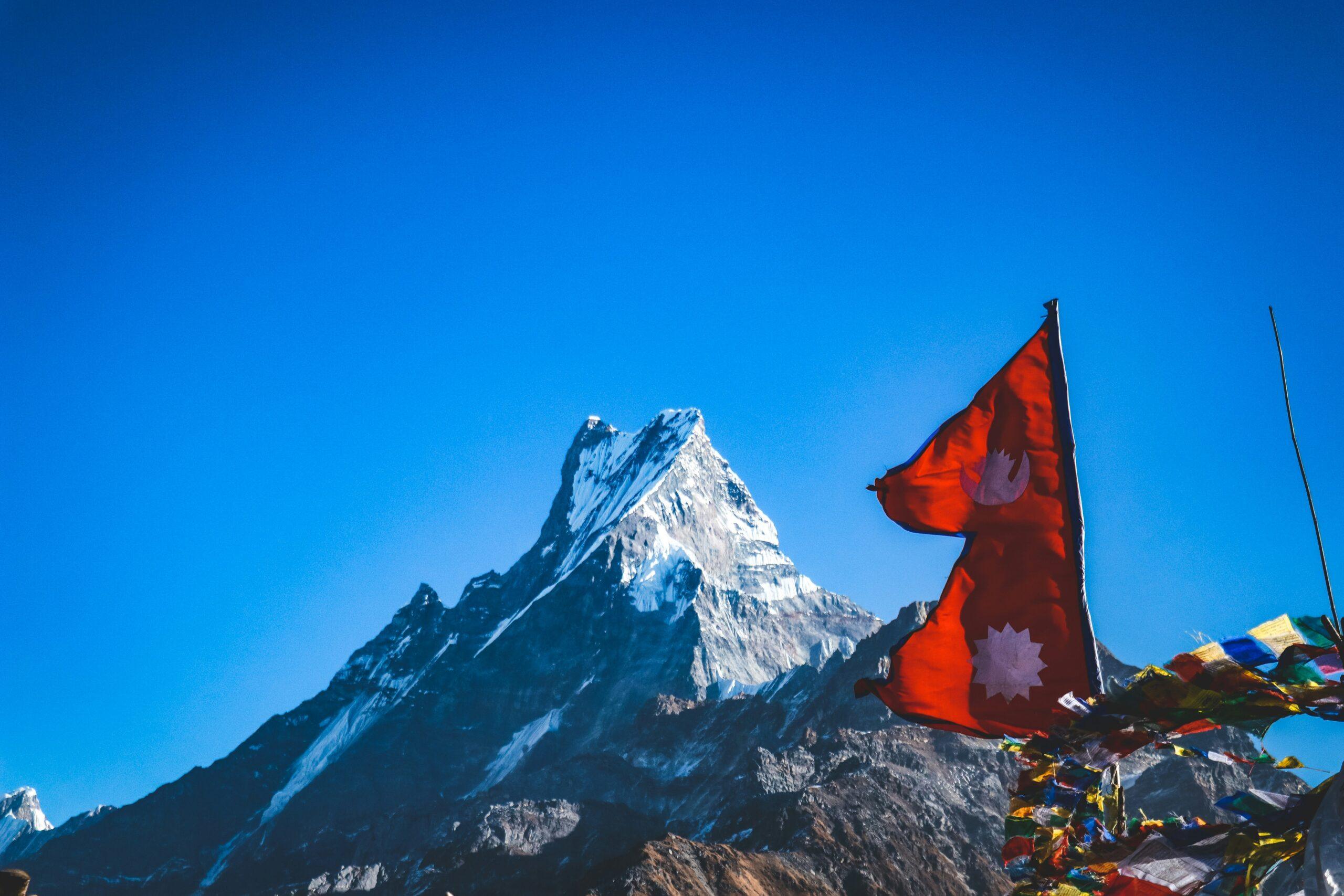
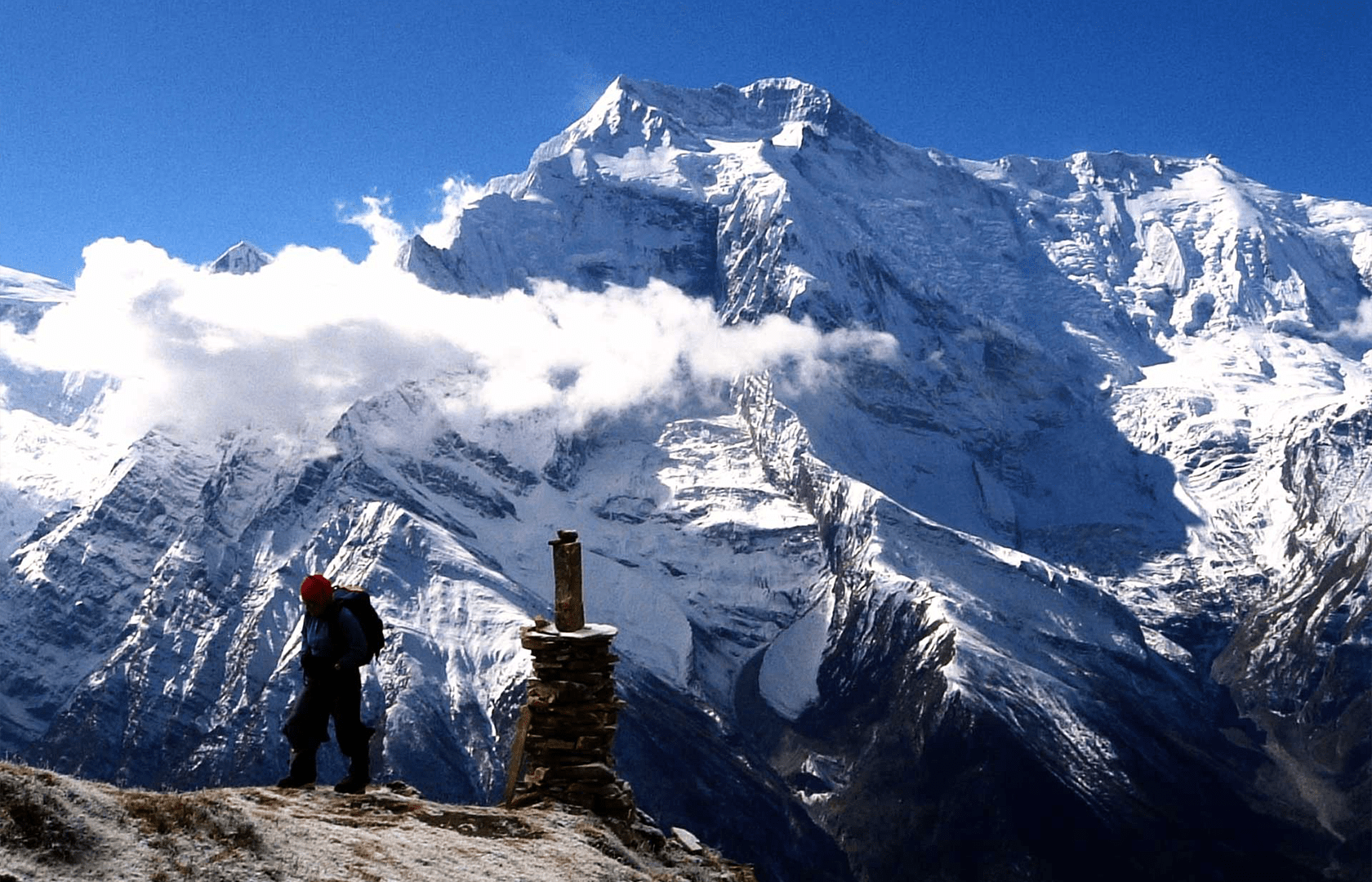
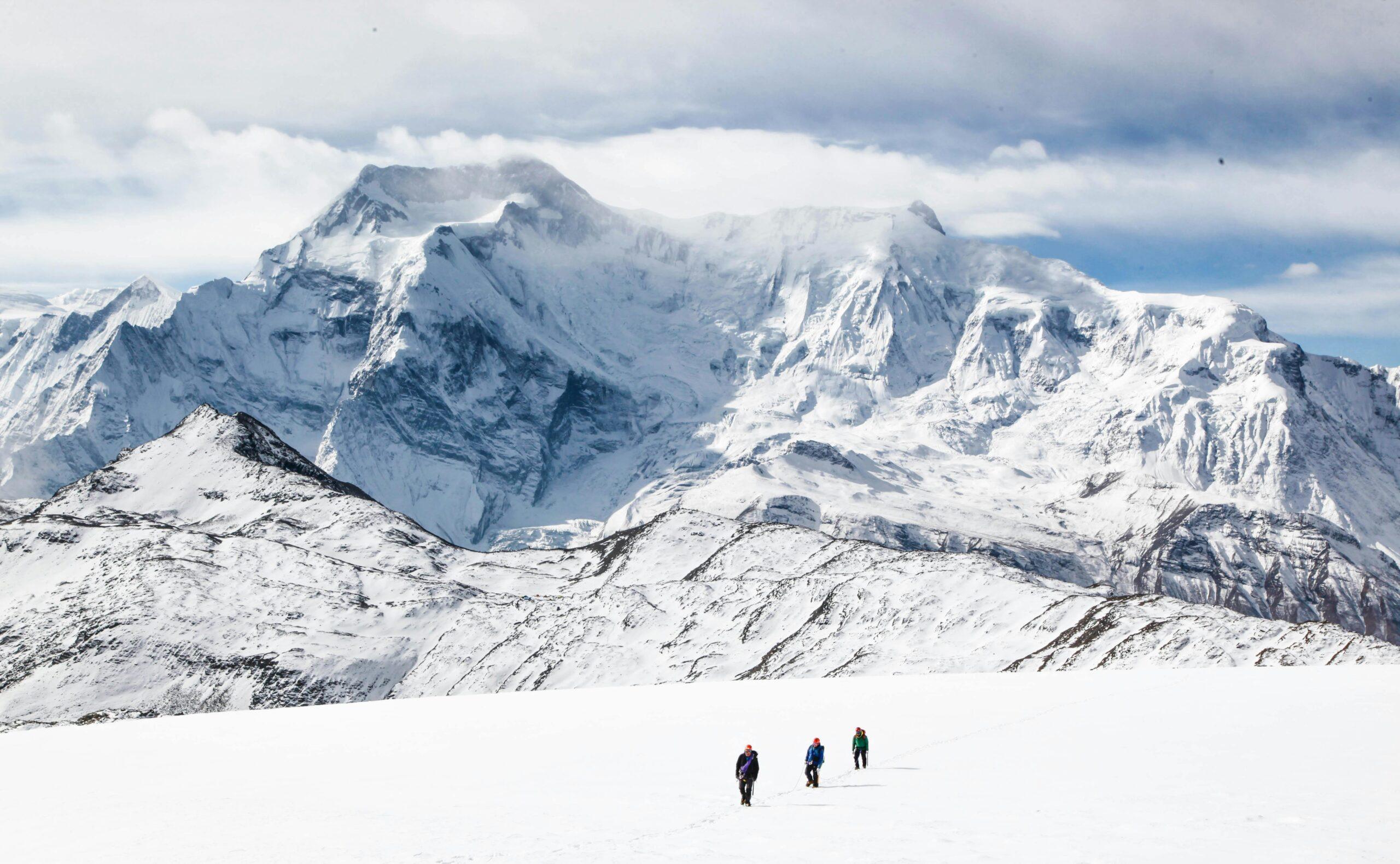
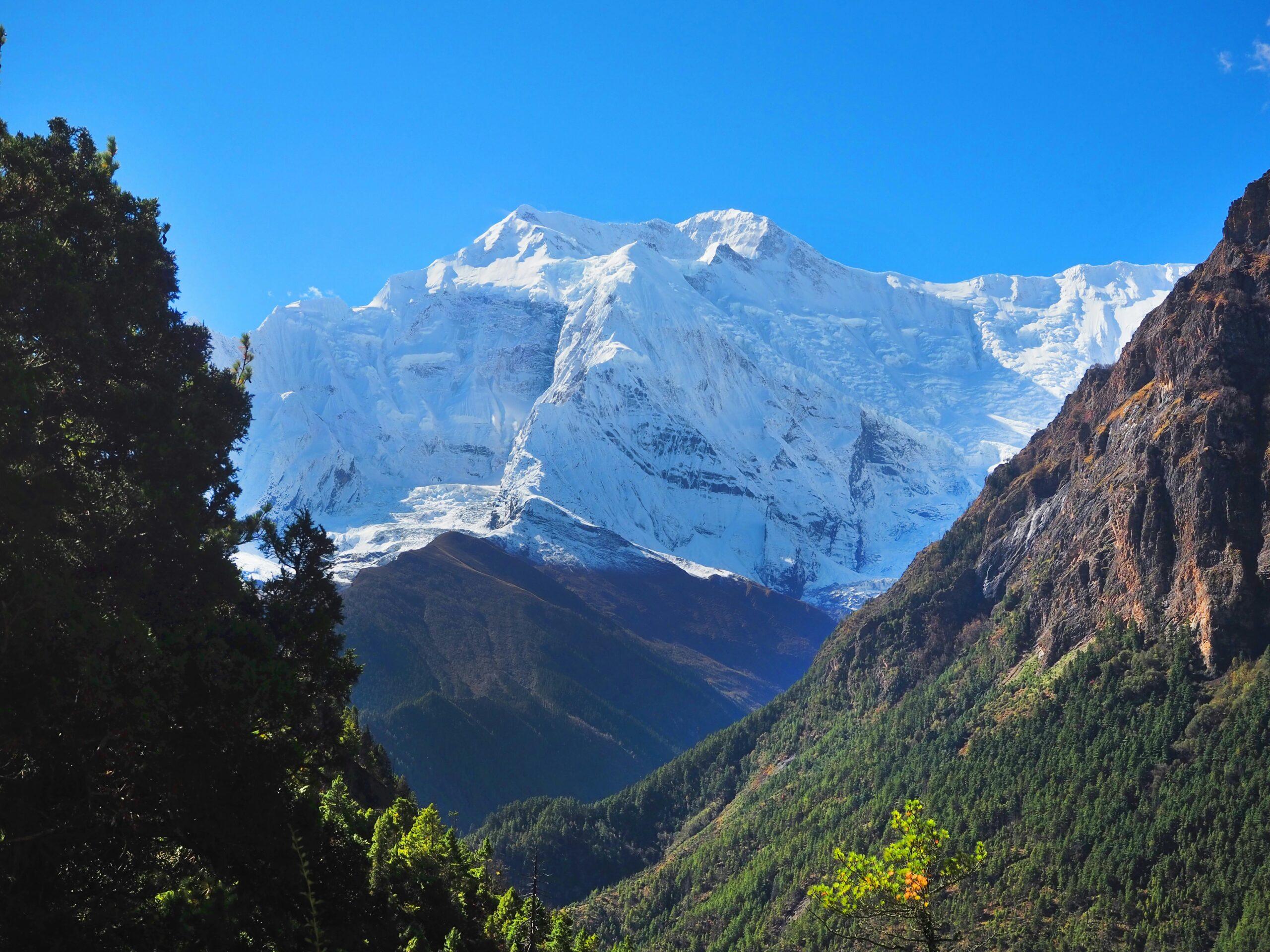
Pikey Peak Trek is a spectacular short Himalayan adventure in Nepal’s lower Solukhumbu region. Reaching an altitude of 4,065 meters (13,337 feet), Pikey Peak is famous for its panoramic sunrise views of Mount Everest and other Himalayan peaks. The route combines peaceful mountain trails, rhododendron forests, traditional Sherpa villages, Buddhist monasteries, and beautiful highland landscapes.
Unlike longer Everest-region adventures, this trek does not require a flight to Lukla. Many itineraries begin with a scenic drive from Kathmandu toward Dhap, making it an attractive option for travelers looking for a shorter Himalayan experience.
Why Choose Pikey Peak Trek?
One of the biggest attractions of this route is its peaceful atmosphere. While the classic Everest Base Camp trail can become busy during peak seasons, the Pikey Peak route generally offers a quieter trekking experience.
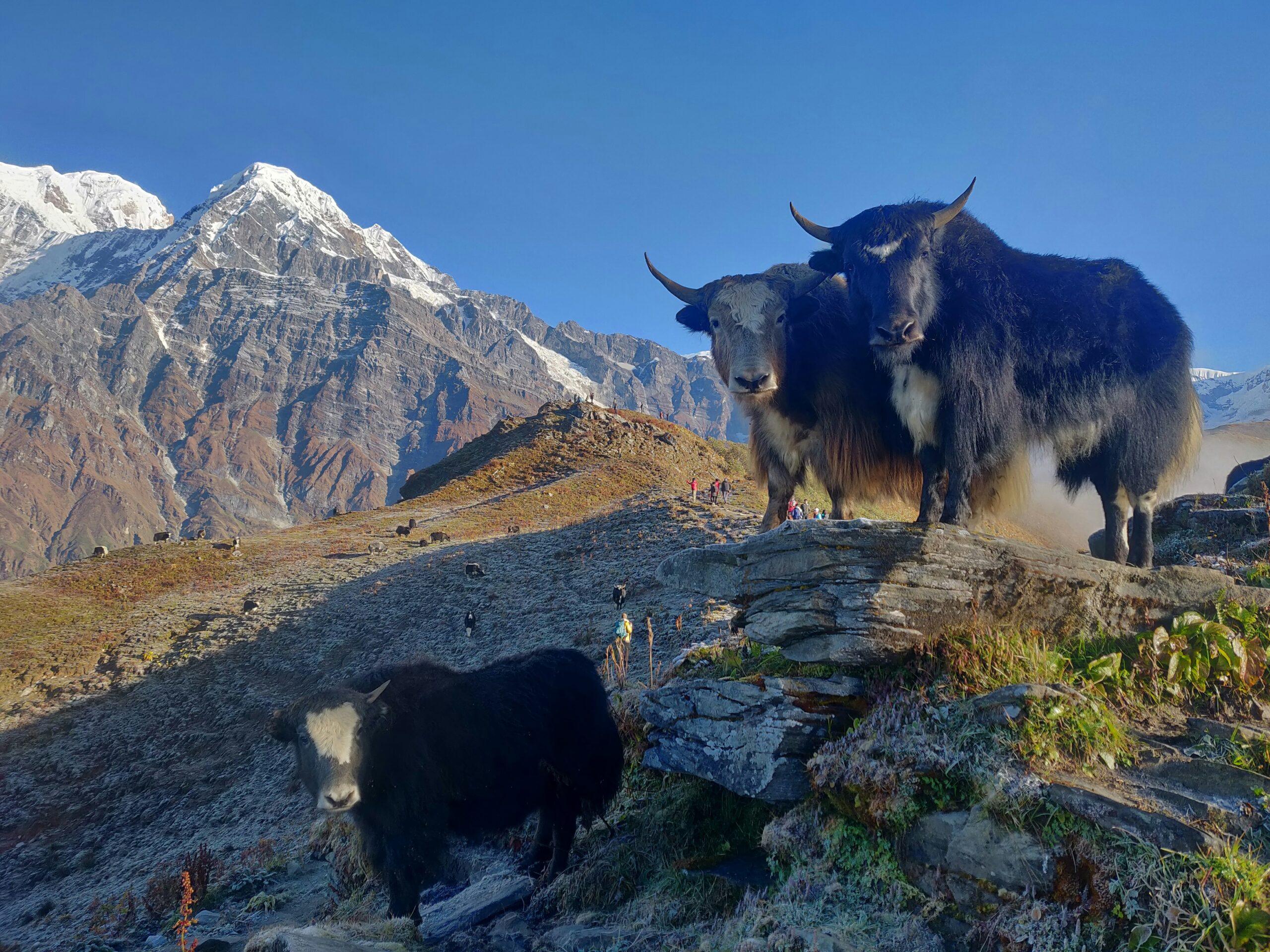
The journey takes you through forests, yak pastures, mountain ridges, and traditional settlements. Trekkers can also experience Sherpa culture and visit Buddhist monasteries along the route.
The summit sunrise is the highlight. On clear days, the viewpoint offers impressive views toward Everest and several other major Himalayan ranges.
Pikey Peak Altitude and Location
Pikey Peak stands at approximately 4,065 meters above sea level and is located in Solukhumbu District of eastern Nepal. The mountain lies south of the main Everest Base Camp trekking corridor.
The popular route passes through destinations such as Dhap, Jhapre, Pikey Base Camp, Jase Bhanjyang, Junbesi, and Phaplu. Depending on your available time, the trek can be shortened or extended.
Pikey Peak Trek Itinerary
A typical itinerary takes around 6–7 days, although longer versions are possible.
Day 1: Kathmandu to Dhap
The adventure begins with a scenic drive from Kathmandu to Dhap. The journey takes you through changing landscapes, from busy towns and green hills to quieter mountain settlements.
Day 2: Dhap to Jhapre
Trek toward Jhapre through beautiful countryside and forested trails. Jhapre is a traditional mountain village where you can enjoy views of the surrounding Himalayan landscape.
Day 3: Jhapre to Pikey Base Camp
Continue uphill through rhododendron forests and open mountain terrain toward Pikey Base Camp, situated at approximately 3,640 meters.
Day 4: Sunrise at Pikey Peak and Trek to Junbesi
Begin early in the morning for the climb toward the summit. After enjoying sunrise and Himalayan views, descend toward Jase Bhanjyang and continue through forested trails toward Junbesi.
Day 5: Explore Junbesi
Junbesi is an important Sherpa settlement and an excellent place to experience local culture. You can explore the village and nearby Buddhist monasteries before continuing your journey.
Day 6: Junbesi to Phaplu and Return
Descend toward Phaplu, where the trek concludes. Depending on road and flight availability, you can return to Kathmandu by road or other available transportation.
Pikey Peak Trek Difficulty
The Pikey Peak trek difficulty is generally considered moderate. You do not need technical climbing experience, but you should have reasonable fitness because some days involve several hours of walking and significant uphill and downhill sections.
Because the highest point exceeds 4,000 meters, trekkers should walk at a comfortable pace, stay hydrated, and allow their bodies time to adjust to increasing altitude.
Best Time to Visit Pikey Peak
The best seasons are generally spring and autumn. March to May brings warmer temperatures and blooming rhododendrons, while autumn usually provides clear skies and excellent mountain visibility.
Winter trekking is also possible with suitable clothing and preparation, while the monsoon season can bring rain, clouds, and slippery trails.
Pikey Peak Trek Cost
The total Pikey Peak trek cost depends on the itinerary, transportation, accommodation, meals, permits, guide and porter services, and trip duration. A shorter trip can cost less, while customized itineraries with additional days and services will increase the price.
For official tourism information and travel resources, visit the Nepal Tourism Board.
Final Thoughts
Pikey Peak Trek is an excellent choice for travelers who want spectacular Himalayan scenery without committing to a long Everest-region expedition. Its combination of sunrise views, Sherpa culture, peaceful trails, forests, monasteries, and accessible transportation makes it a rewarding short trek in Nepal.
With proper preparation and a well-planned itinerary, Pikey Peak can provide an unforgettable Himalayan experience for both experienced trekkers and fit beginners.
Costs Include/Exclude
Cost Include
- Accommodation
- Twin-sharing / double accommodation in a 3-star hotel in Kathmandu for 2 nights, including breakfast. (Private room available at an additional cost).
- Twin-sharing guesthouse/lodge accommodation during the trek with attached bathrooms where available in city areas.
- Meals & Drinking Water
- All standard meals during the trek: Breakfast, Lunch, and Dinner.
- Tea or coffee served with meals.
- Fresh seasonal fruits served after dinner during the trek.
- Farewell dinner in Kathmandu on the final night of the trip.
- Transportation & Domestic Flights
- All airport transfers (international and domestic) by private tourist vehicle.
- All domestic flights and ground transportation required for the trekking itinerary in Nepal.
- Guide & Trekking Staff
- Experienced, English-speaking, government-licensed trekking guide trained in first aid.
- (2 guides provided for groups larger than 7 participants.)
- Porters for luggage carrying during the trek (1 porter for every 2 trekkers).
- All staff expenses including wages, meals, accommodation, insurance, equipment, and medications.
- Permits & Documentation
- All trekking permits and required documentation.
- TIMS (Trekkers’ Information Management System) Card.
- Benefits & Trekking Souvenirs
- 1 Destination Holiday Trek duffel bag / kit bag.
- Trekking map, sun hat, and Buff (neck gaiter).
- Comprehensive first aid kit, including an Oximeter to monitor pulse and oxygen levels during the trek.
- Trip completion certificate.
- Administrative & Government Charges
- All administrative costs and government taxes.
Cost Exclude
- Lunch and dinner in Kathmandu (except farewell dinner).
- International airfare and airport departure taxes.
- Nepal entry visa fee
- (USD 30 for 15 days, USD 50 for 30 days, USD 125 for 90 days).
- Travel insurance, including high-altitude rescue and emergency evacuation coverage.
- Beverages, including bottled water, boiled water, soft drinks, and alcoholic drinks.
- Tips for trekking staff and drivers.
- Personal trekking equipment and gear.
- Any additional expenses not mentioned in the “Cost Includes” section.
Pikey Peak Trek Overview
Pikey Peak Trek: Amazing 6-Day Himalayan Adventure
Pikey Peak Trek is a spectacular short Himalayan adventure in Nepal’s lower Solukhumbu region. Reaching an altitude of 4,065 meters (13,337 feet), Pikey Peak is famous for its panoramic sunrise views of Mount Everest and other Himalayan peaks. The route combines peaceful mountain trails, rhododendron forests, traditional Sherpa villages, Buddhist monasteries, and beautiful highland landscapes.
Unlike longer Everest-region adventures, this trek does not require a flight to Lukla. Many itineraries begin with a scenic drive from Kathmandu toward Dhap, making it an attractive option for travelers looking for a shorter Himalayan experience.
Why Choose Pikey Peak Trek?
One of the biggest attractions of this route is its peaceful atmosphere. While the classic Everest Base Camp trail can become busy during peak seasons, the Pikey Peak route generally offers a quieter trekking experience.
The journey takes you through forests, yak pastures, mountain ridges, and traditional settlements. Trekkers can also experience Sherpa culture and visit Buddhist monasteries along the route.
The summit sunrise is the highlight. On clear days, the viewpoint offers impressive views toward Everest and several other major Himalayan ranges.
Pikey Peak Altitude and Location
Pikey Peak stands at approximately 4,065 meters above sea level and is located in Solukhumbu District of eastern Nepal. The mountain lies south of the main Everest Base Camp trekking corridor.
The popular route passes through destinations such as Dhap, Jhapre, Pikey Base Camp, Jase Bhanjyang, Junbesi, and Phaplu. Depending on your available time, the trek can be shortened or extended.
Pikey Peak Trek Itinerary
A typical itinerary takes around 6–7 days, although longer versions are possible.
Day 1: Kathmandu to Dhap
The adventure begins with a scenic drive from Kathmandu to Dhap. The journey takes you through changing landscapes, from busy towns and green hills to quieter mountain settlements.
Day 2: Dhap to Jhapre
Trek toward Jhapre through beautiful countryside and forested trails. Jhapre is a traditional mountain village where you can enjoy views of the surrounding Himalayan landscape.
Day 3: Jhapre to Pikey Base Camp
Continue uphill through rhododendron forests and open mountain terrain toward Pikey Base Camp, situated at approximately 3,640 meters.
Day 4: Sunrise at Pikey Peak and Trek to Junbesi
Begin early in the morning for the climb toward the summit. After enjoying sunrise and Himalayan views, descend toward Jase Bhanjyang and continue through forested trails toward Junbesi.
Day 5: Explore Junbesi
Junbesi is an important Sherpa settlement and an excellent place to experience local culture. You can explore the village and nearby Buddhist monasteries before continuing your journey.
Day 6: Junbesi to Phaplu and Return
Descend toward Phaplu, where the trek concludes. Depending on road and flight availability, you can return to Kathmandu by road or other available transportation.
Pikey Peak Trek Difficulty
The Pikey Peak trek difficulty is generally considered moderate. You do not need technical climbing experience, but you should have reasonable fitness because some days involve several hours of walking and significant uphill and downhill sections.
Because the highest point exceeds 4,000 meters, trekkers should walk at a comfortable pace, stay hydrated, and allow their bodies time to adjust to increasing altitude.
Best Time to Visit Pikey Peak
The best seasons are generally spring and autumn. March to May brings warmer temperatures and blooming rhododendrons, while autumn usually provides clear skies and excellent mountain visibility.
Winter trekking is also possible with suitable clothing and preparation, while the monsoon season can bring rain, clouds, and slippery trails.
Pikey Peak Trek Cost
The total Pikey Peak trek cost depends on the itinerary, transportation, accommodation, meals, permits, guide and porter services, and trip duration. A shorter trip can cost less, while customized itineraries with additional days and services will increase the price.
For official tourism information and travel resources, visit the Nepal Tourism Board.
Final Thoughts
Pikey Peak Trek is an excellent choice for travelers who want spectacular Himalayan scenery without committing to a long Everest-region expedition. Its combination of sunrise views, Sherpa culture, peaceful trails, forests, monasteries, and accessible transportation makes it a rewarding short trek in Nepal.
With proper preparation and a well-planned itinerary, Pikey Peak can provide an unforgettable Himalayan experience for both experienced trekkers and fit beginners.
Key Highlights
- Witness one of the best panoramic views of Mount Everest, along with Kanchenjunga, Makalu, and Annapurna ranges
- Famous viewpoint praised by Sir Edmund Hillary as his favorite Everest view
- Experience stunning sunrise and sunset from Pikey Peak (4,065m)
- Short and less crowded alternative to the classic Everest Base Camp Trek
- Explore authentic Sherpa culture, monasteries, and traditional villages
- Visit ancient Buddhist sites like Thupten Chholing Monastery
- Walk through beautiful rhododendron forests and lush landscapes, especially in spring
- Suitable for beginners and family-friendly trekking experience
- Enjoy peaceful trails with fewer tourists compared to Everest region treks
- Easy accessibility with a scenic drive from Kathmandu
- Opportunity to witness local lifestyle, yak grazing, and Himalayan farming culture
- Moderate altitude trek with lower risk of altitude sickness compared to high Himalayan treks
Pikey Peak Trek Itineary
Arrival at Tribhuvan International Airport Meet and greet by trekking representative Transfer to hotel and trip briefing Explore Thamel area (optional) Overnight at hotel in Kathmandu
Duration: 7–9 hours Scenic drive through hills, rivers, and rural landscapes Entry into the lower Everest region Overnight at lodge in Dhap
Duration: 4–5 hours Easy trek through forests and villages First views of Mount Everest and Numbur Himal Overnight at lodge in Jhapre
Duration: 5–6 hours Gradual ascent through rhododendron forests and yak pastures Peaceful trails with Himalayan scenery Overnight at Pikey Base Camp
Duration: 6–7 hours Early morning hike for spectacular sunrise views over Everest and surrounding peaks Descend to the beautiful Sherpa village of Junbesi Overnight at lodge in Junbesi
Duration: 4–5 hours trek + 7–9 hours drive Easy descent through forests and local villages Scenic drive back to Kathmandu Overnight at hotel in Kathmandu
Transfer to Tribhuvan International Airport Departure for your onward journey
Costs Include/Exclude
Pikey Peak Trek: Amazing 6-Day Himalayan Adventure
Pikey Peak Trek is a spectacular short Himalayan adventure in Nepal’s lower Solukhumbu region. Reaching an altitude of 4,065 meters (13,337 feet), Pikey Peak is famous for its panoramic sunrise views of Mount Everest and other Himalayan peaks. The route combines peaceful mountain trails, rhododendron forests, traditional Sherpa villages, Buddhist monasteries, and beautiful highland landscapes.
Unlike longer Everest-region adventures, this trek does not require a flight to Lukla. Many itineraries begin with a scenic drive from Kathmandu toward Dhap, making it an attractive option for travelers looking for a shorter Himalayan experience.
Why Choose Pikey Peak Trek?
One of the biggest attractions of this route is its peaceful atmosphere. While the classic Everest Base Camp trail can become busy during peak seasons, the Pikey Peak route generally offers a quieter trekking experience.
The journey takes you through forests, yak pastures, mountain ridges, and traditional settlements. Trekkers can also experience Sherpa culture and visit Buddhist monasteries along the route.
The summit sunrise is the highlight. On clear days, the viewpoint offers impressive views toward Everest and several other major Himalayan ranges.
Pikey Peak Altitude and Location
Pikey Peak stands at approximately 4,065 meters above sea level and is located in Solukhumbu District of eastern Nepal. The mountain lies south of the main Everest Base Camp trekking corridor.
The popular route passes through destinations such as Dhap, Jhapre, Pikey Base Camp, Jase Bhanjyang, Junbesi, and Phaplu. Depending on your available time, the trek can be shortened or extended.
Pikey Peak Trek Itinerary
A typical itinerary takes around 6–7 days, although longer versions are possible.
Day 1: Kathmandu to Dhap
The adventure begins with a scenic drive from Kathmandu to Dhap. The journey takes you through changing landscapes, from busy towns and green hills to quieter mountain settlements.
Day 2: Dhap to Jhapre
Trek toward Jhapre through beautiful countryside and forested trails. Jhapre is a traditional mountain village where you can enjoy views of the surrounding Himalayan landscape.
Day 3: Jhapre to Pikey Base Camp
Continue uphill through rhododendron forests and open mountain terrain toward Pikey Base Camp, situated at approximately 3,640 meters.
Day 4: Sunrise at Pikey Peak and Trek to Junbesi
Begin early in the morning for the climb toward the summit. After enjoying sunrise and Himalayan views, descend toward Jase Bhanjyang and continue through forested trails toward Junbesi.
Day 5: Explore Junbesi
Junbesi is an important Sherpa settlement and an excellent place to experience local culture. You can explore the village and nearby Buddhist monasteries before continuing your journey.
Day 6: Junbesi to Phaplu and Return
Descend toward Phaplu, where the trek concludes. Depending on road and flight availability, you can return to Kathmandu by road or other available transportation.
Pikey Peak Trek Difficulty
The Pikey Peak trek difficulty is generally considered moderate. You do not need technical climbing experience, but you should have reasonable fitness because some days involve several hours of walking and significant uphill and downhill sections.
Because the highest point exceeds 4,000 meters, trekkers should walk at a comfortable pace, stay hydrated, and allow their bodies time to adjust to increasing altitude.
Best Time to Visit Pikey Peak
The best seasons are generally spring and autumn. March to May brings warmer temperatures and blooming rhododendrons, while autumn usually provides clear skies and excellent mountain visibility.
Winter trekking is also possible with suitable clothing and preparation, while the monsoon season can bring rain, clouds, and slippery trails.
Pikey Peak Trek Cost
The total Pikey Peak trek cost depends on the itinerary, transportation, accommodation, meals, permits, guide and porter services, and trip duration. A shorter trip can cost less, while customized itineraries with additional days and services will increase the price.
For official tourism information and travel resources, visit the Nepal Tourism Board.
Final Thoughts
Pikey Peak Trek is an excellent choice for travelers who want spectacular Himalayan scenery without committing to a long Everest-region expedition. Its combination of sunrise views, Sherpa culture, peaceful trails, forests, monasteries, and accessible transportation makes it a rewarding short trek in Nepal.
With proper preparation and a well-planned itinerary, Pikey Peak can provide an unforgettable Himalayan experience for both experienced trekkers and fit beginners.
Group Price
Pikey Peak Trek: Amazing 6-Day Himalayan Adventure
Pikey Peak Trek is a spectacular short Himalayan adventure in Nepal’s lower Solukhumbu region. Reaching an altitude of 4,065 meters (13,337 feet), Pikey Peak is famous for its panoramic sunrise views of Mount Everest and other Himalayan peaks. The route combines peaceful mountain trails, rhododendron forests, traditional Sherpa villages, Buddhist monasteries, and beautiful highland landscapes.
Unlike longer Everest-region adventures, this trek does not require a flight to Lukla. Many itineraries begin with a scenic drive from Kathmandu toward Dhap, making it an attractive option for travelers looking for a shorter Himalayan experience.
Why Choose Pikey Peak Trek?
One of the biggest attractions of this route is its peaceful atmosphere. While the classic Everest Base Camp trail can become busy during peak seasons, the Pikey Peak route generally offers a quieter trekking experience.
The journey takes you through forests, yak pastures, mountain ridges, and traditional settlements. Trekkers can also experience Sherpa culture and visit Buddhist monasteries along the route.
The summit sunrise is the highlight. On clear days, the viewpoint offers impressive views toward Everest and several other major Himalayan ranges.
Pikey Peak Altitude and Location
Pikey Peak stands at approximately 4,065 meters above sea level and is located in Solukhumbu District of eastern Nepal. The mountain lies south of the main Everest Base Camp trekking corridor.
The popular route passes through destinations such as Dhap, Jhapre, Pikey Base Camp, Jase Bhanjyang, Junbesi, and Phaplu. Depending on your available time, the trek can be shortened or extended.
Pikey Peak Trek Itinerary
A typical itinerary takes around 6–7 days, although longer versions are possible.
Day 1: Kathmandu to Dhap
The adventure begins with a scenic drive from Kathmandu to Dhap. The journey takes you through changing landscapes, from busy towns and green hills to quieter mountain settlements.
Day 2: Dhap to Jhapre
Trek toward Jhapre through beautiful countryside and forested trails. Jhapre is a traditional mountain village where you can enjoy views of the surrounding Himalayan landscape.
Day 3: Jhapre to Pikey Base Camp
Continue uphill through rhododendron forests and open mountain terrain toward Pikey Base Camp, situated at approximately 3,640 meters.
Day 4: Sunrise at Pikey Peak and Trek to Junbesi
Begin early in the morning for the climb toward the summit. After enjoying sunrise and Himalayan views, descend toward Jase Bhanjyang and continue through forested trails toward Junbesi.
Day 5: Explore Junbesi
Junbesi is an important Sherpa settlement and an excellent place to experience local culture. You can explore the village and nearby Buddhist monasteries before continuing your journey.
Day 6: Junbesi to Phaplu and Return
Descend toward Phaplu, where the trek concludes. Depending on road and flight availability, you can return to Kathmandu by road or other available transportation.
Pikey Peak Trek Difficulty
The Pikey Peak trek difficulty is generally considered moderate. You do not need technical climbing experience, but you should have reasonable fitness because some days involve several hours of walking and significant uphill and downhill sections.
Because the highest point exceeds 4,000 meters, trekkers should walk at a comfortable pace, stay hydrated, and allow their bodies time to adjust to increasing altitude.
Best Time to Visit Pikey Peak
The best seasons are generally spring and autumn. March to May brings warmer temperatures and blooming rhododendrons, while autumn usually provides clear skies and excellent mountain visibility.
Winter trekking is also possible with suitable clothing and preparation, while the monsoon season can bring rain, clouds, and slippery trails.
Pikey Peak Trek Cost
The total Pikey Peak trek cost depends on the itinerary, transportation, accommodation, meals, permits, guide and porter services, and trip duration. A shorter trip can cost less, while customized itineraries with additional days and services will increase the price.
For official tourism information and travel resources, visit the Nepal Tourism Board.
Final Thoughts
Pikey Peak Trek is an excellent choice for travelers who want spectacular Himalayan scenery without committing to a long Everest-region expedition. Its combination of sunrise views, Sherpa culture, peaceful trails, forests, monasteries, and accessible transportation makes it a rewarding short trek in Nepal.
With proper preparation and a well-planned itinerary, Pikey Peak can provide an unforgettable Himalayan experience for both experienced trekkers and fit beginners.
Riding Gears
Pikey Peak Trek: Amazing 6-Day Himalayan Adventure
Pikey Peak Trek is a spectacular short Himalayan adventure in Nepal’s lower Solukhumbu region. Reaching an altitude of 4,065 meters (13,337 feet), Pikey Peak is famous for its panoramic sunrise views of Mount Everest and other Himalayan peaks. The route combines peaceful mountain trails, rhododendron forests, traditional Sherpa villages, Buddhist monasteries, and beautiful highland landscapes.
Unlike longer Everest-region adventures, this trek does not require a flight to Lukla. Many itineraries begin with a scenic drive from Kathmandu toward Dhap, making it an attractive option for travelers looking for a shorter Himalayan experience.
Why Choose Pikey Peak Trek?
One of the biggest attractions of this route is its peaceful atmosphere. While the classic Everest Base Camp trail can become busy during peak seasons, the Pikey Peak route generally offers a quieter trekking experience.
The journey takes you through forests, yak pastures, mountain ridges, and traditional settlements. Trekkers can also experience Sherpa culture and visit Buddhist monasteries along the route.
The summit sunrise is the highlight. On clear days, the viewpoint offers impressive views toward Everest and several other major Himalayan ranges.
Pikey Peak Altitude and Location
Pikey Peak stands at approximately 4,065 meters above sea level and is located in Solukhumbu District of eastern Nepal. The mountain lies south of the main Everest Base Camp trekking corridor.
The popular route passes through destinations such as Dhap, Jhapre, Pikey Base Camp, Jase Bhanjyang, Junbesi, and Phaplu. Depending on your available time, the trek can be shortened or extended.
Pikey Peak Trek Itinerary
A typical itinerary takes around 6–7 days, although longer versions are possible.
Day 1: Kathmandu to Dhap
The adventure begins with a scenic drive from Kathmandu to Dhap. The journey takes you through changing landscapes, from busy towns and green hills to quieter mountain settlements.
Day 2: Dhap to Jhapre
Trek toward Jhapre through beautiful countryside and forested trails. Jhapre is a traditional mountain village where you can enjoy views of the surrounding Himalayan landscape.
Day 3: Jhapre to Pikey Base Camp
Continue uphill through rhododendron forests and open mountain terrain toward Pikey Base Camp, situated at approximately 3,640 meters.
Day 4: Sunrise at Pikey Peak and Trek to Junbesi
Begin early in the morning for the climb toward the summit. After enjoying sunrise and Himalayan views, descend toward Jase Bhanjyang and continue through forested trails toward Junbesi.
Day 5: Explore Junbesi
Junbesi is an important Sherpa settlement and an excellent place to experience local culture. You can explore the village and nearby Buddhist monasteries before continuing your journey.
Day 6: Junbesi to Phaplu and Return
Descend toward Phaplu, where the trek concludes. Depending on road and flight availability, you can return to Kathmandu by road or other available transportation.
Pikey Peak Trek Difficulty
The Pikey Peak trek difficulty is generally considered moderate. You do not need technical climbing experience, but you should have reasonable fitness because some days involve several hours of walking and significant uphill and downhill sections.
Because the highest point exceeds 4,000 meters, trekkers should walk at a comfortable pace, stay hydrated, and allow their bodies time to adjust to increasing altitude.
Best Time to Visit Pikey Peak
The best seasons are generally spring and autumn. March to May brings warmer temperatures and blooming rhododendrons, while autumn usually provides clear skies and excellent mountain visibility.
Winter trekking is also possible with suitable clothing and preparation, while the monsoon season can bring rain, clouds, and slippery trails.
Pikey Peak Trek Cost
The total Pikey Peak trek cost depends on the itinerary, transportation, accommodation, meals, permits, guide and porter services, and trip duration. A shorter trip can cost less, while customized itineraries with additional days and services will increase the price.
For official tourism information and travel resources, visit the Nepal Tourism Board.
Final Thoughts
Pikey Peak Trek is an excellent choice for travelers who want spectacular Himalayan scenery without committing to a long Everest-region expedition. Its combination of sunrise views, Sherpa culture, peaceful trails, forests, monasteries, and accessible transportation makes it a rewarding short trek in Nepal.
With proper preparation and a well-planned itinerary, Pikey Peak can provide an unforgettable Himalayan experience for both experienced trekkers and fit beginners.
Pikey Peak Trek -FAQ
Pikey Peak Trek: Amazing 6-Day Himalayan Adventure
Pikey Peak Trek is a spectacular short Himalayan adventure in Nepal’s lower Solukhumbu region. Reaching an altitude of 4,065 meters (13,337 feet), Pikey Peak is famous for its panoramic sunrise views of Mount Everest and other Himalayan peaks. The route combines peaceful mountain trails, rhododendron forests, traditional Sherpa villages, Buddhist monasteries, and beautiful highland landscapes.
Unlike longer Everest-region adventures, this trek does not require a flight to Lukla. Many itineraries begin with a scenic drive from Kathmandu toward Dhap, making it an attractive option for travelers looking for a shorter Himalayan experience.
Why Choose Pikey Peak Trek?
One of the biggest attractions of this route is its peaceful atmosphere. While the classic Everest Base Camp trail can become busy during peak seasons, the Pikey Peak route generally offers a quieter trekking experience.
The journey takes you through forests, yak pastures, mountain ridges, and traditional settlements. Trekkers can also experience Sherpa culture and visit Buddhist monasteries along the route.
The summit sunrise is the highlight. On clear days, the viewpoint offers impressive views toward Everest and several other major Himalayan ranges.
Pikey Peak Altitude and Location
Pikey Peak stands at approximately 4,065 meters above sea level and is located in Solukhumbu District of eastern Nepal. The mountain lies south of the main Everest Base Camp trekking corridor.
The popular route passes through destinations such as Dhap, Jhapre, Pikey Base Camp, Jase Bhanjyang, Junbesi, and Phaplu. Depending on your available time, the trek can be shortened or extended.
Pikey Peak Trek Itinerary
A typical itinerary takes around 6–7 days, although longer versions are possible.
Day 1: Kathmandu to Dhap
The adventure begins with a scenic drive from Kathmandu to Dhap. The journey takes you through changing landscapes, from busy towns and green hills to quieter mountain settlements.
Day 2: Dhap to Jhapre
Trek toward Jhapre through beautiful countryside and forested trails. Jhapre is a traditional mountain village where you can enjoy views of the surrounding Himalayan landscape.
Day 3: Jhapre to Pikey Base Camp
Continue uphill through rhododendron forests and open mountain terrain toward Pikey Base Camp, situated at approximately 3,640 meters.
Day 4: Sunrise at Pikey Peak and Trek to Junbesi
Begin early in the morning for the climb toward the summit. After enjoying sunrise and Himalayan views, descend toward Jase Bhanjyang and continue through forested trails toward Junbesi.
Day 5: Explore Junbesi
Junbesi is an important Sherpa settlement and an excellent place to experience local culture. You can explore the village and nearby Buddhist monasteries before continuing your journey.
Day 6: Junbesi to Phaplu and Return
Descend toward Phaplu, where the trek concludes. Depending on road and flight availability, you can return to Kathmandu by road or other available transportation.
Pikey Peak Trek Difficulty
The Pikey Peak trek difficulty is generally considered moderate. You do not need technical climbing experience, but you should have reasonable fitness because some days involve several hours of walking and significant uphill and downhill sections.
Because the highest point exceeds 4,000 meters, trekkers should walk at a comfortable pace, stay hydrated, and allow their bodies time to adjust to increasing altitude.
Best Time to Visit Pikey Peak
The best seasons are generally spring and autumn. March to May brings warmer temperatures and blooming rhododendrons, while autumn usually provides clear skies and excellent mountain visibility.
Winter trekking is also possible with suitable clothing and preparation, while the monsoon season can bring rain, clouds, and slippery trails.
Pikey Peak Trek Cost
The total Pikey Peak trek cost depends on the itinerary, transportation, accommodation, meals, permits, guide and porter services, and trip duration. A shorter trip can cost less, while customized itineraries with additional days and services will increase the price.
For official tourism information and travel resources, visit the Nepal Tourism Board.
Final Thoughts
Pikey Peak Trek is an excellent choice for travelers who want spectacular Himalayan scenery without committing to a long Everest-region expedition. Its combination of sunrise views, Sherpa culture, peaceful trails, forests, monasteries, and accessible transportation makes it a rewarding short trek in Nepal.
With proper preparation and a well-planned itinerary, Pikey Peak can provide an unforgettable Himalayan experience for both experienced trekkers and fit beginners.
Pikey Peak Trek: Amazing 6-Day Himalayan Adventure
Pikey Peak Trek is a spectacular short Himalayan adventure in Nepal’s lower Solukhumbu region. Reaching an altitude of 4,065 meters (13,337 feet), Pikey Peak is famous for its panoramic sunrise views of Mount Everest and other Himalayan peaks. The route combines peaceful mountain trails, rhododendron forests, traditional Sherpa villages, Buddhist monasteries, and beautiful highland landscapes.
Unlike longer Everest-region adventures, this trek does not require a flight to Lukla. Many itineraries begin with a scenic drive from Kathmandu toward Dhap, making it an attractive option for travelers looking for a shorter Himalayan experience.
Why Choose Pikey Peak Trek?
One of the biggest attractions of this route is its peaceful atmosphere. While the classic Everest Base Camp trail can become busy during peak seasons, the Pikey Peak route generally offers a quieter trekking experience.
The journey takes you through forests, yak pastures, mountain ridges, and traditional settlements. Trekkers can also experience Sherpa culture and visit Buddhist monasteries along the route.
The summit sunrise is the highlight. On clear days, the viewpoint offers impressive views toward Everest and several other major Himalayan ranges.
Pikey Peak Altitude and Location
Pikey Peak stands at approximately 4,065 meters above sea level and is located in Solukhumbu District of eastern Nepal. The mountain lies south of the main Everest Base Camp trekking corridor.
The popular route passes through destinations such as Dhap, Jhapre, Pikey Base Camp, Jase Bhanjyang, Junbesi, and Phaplu. Depending on your available time, the trek can be shortened or extended.
Pikey Peak Trek Itinerary
A typical itinerary takes around 6–7 days, although longer versions are possible.
Day 1: Kathmandu to Dhap
The adventure begins with a scenic drive from Kathmandu to Dhap. The journey takes you through changing landscapes, from busy towns and green hills to quieter mountain settlements.
Day 2: Dhap to Jhapre
Trek toward Jhapre through beautiful countryside and forested trails. Jhapre is a traditional mountain village where you can enjoy views of the surrounding Himalayan landscape.
Day 3: Jhapre to Pikey Base Camp
Continue uphill through rhododendron forests and open mountain terrain toward Pikey Base Camp, situated at approximately 3,640 meters.
Day 4: Sunrise at Pikey Peak and Trek to Junbesi
Begin early in the morning for the climb toward the summit. After enjoying sunrise and Himalayan views, descend toward Jase Bhanjyang and continue through forested trails toward Junbesi.
Day 5: Explore Junbesi
Junbesi is an important Sherpa settlement and an excellent place to experience local culture. You can explore the village and nearby Buddhist monasteries before continuing your journey.
Day 6: Junbesi to Phaplu and Return
Descend toward Phaplu, where the trek concludes. Depending on road and flight availability, you can return to Kathmandu by road or other available transportation.
Pikey Peak Trek Difficulty
The Pikey Peak trek difficulty is generally considered moderate. You do not need technical climbing experience, but you should have reasonable fitness because some days involve several hours of walking and significant uphill and downhill sections.
Because the highest point exceeds 4,000 meters, trekkers should walk at a comfortable pace, stay hydrated, and allow their bodies time to adjust to increasing altitude.
Best Time to Visit Pikey Peak
The best seasons are generally spring and autumn. March to May brings warmer temperatures and blooming rhododendrons, while autumn usually provides clear skies and excellent mountain visibility.
Winter trekking is also possible with suitable clothing and preparation, while the monsoon season can bring rain, clouds, and slippery trails.
Pikey Peak Trek Cost
The total Pikey Peak trek cost depends on the itinerary, transportation, accommodation, meals, permits, guide and porter services, and trip duration. A shorter trip can cost less, while customized itineraries with additional days and services will increase the price.
For official tourism information and travel resources, visit the Nepal Tourism Board.
Final Thoughts
Pikey Peak Trek is an excellent choice for travelers who want spectacular Himalayan scenery without committing to a long Everest-region expedition. Its combination of sunrise views, Sherpa culture, peaceful trails, forests, monasteries, and accessible transportation makes it a rewarding short trek in Nepal.
With proper preparation and a well-planned itinerary, Pikey Peak can provide an unforgettable Himalayan experience for both experienced trekkers and fit beginners.
Pikey Peak Trek: Amazing 6-Day Himalayan Adventure
Pikey Peak Trek is a spectacular short Himalayan adventure in Nepal’s lower Solukhumbu region. Reaching an altitude of 4,065 meters (13,337 feet), Pikey Peak is famous for its panoramic sunrise views of Mount Everest and other Himalayan peaks. The route combines peaceful mountain trails, rhododendron forests, traditional Sherpa villages, Buddhist monasteries, and beautiful highland landscapes.
Unlike longer Everest-region adventures, this trek does not require a flight to Lukla. Many itineraries begin with a scenic drive from Kathmandu toward Dhap, making it an attractive option for travelers looking for a shorter Himalayan experience.
Why Choose Pikey Peak Trek?
One of the biggest attractions of this route is its peaceful atmosphere. While the classic Everest Base Camp trail can become busy during peak seasons, the Pikey Peak route generally offers a quieter trekking experience.
The journey takes you through forests, yak pastures, mountain ridges, and traditional settlements. Trekkers can also experience Sherpa culture and visit Buddhist monasteries along the route.
The summit sunrise is the highlight. On clear days, the viewpoint offers impressive views toward Everest and several other major Himalayan ranges.
Pikey Peak Altitude and Location
Pikey Peak stands at approximately 4,065 meters above sea level and is located in Solukhumbu District of eastern Nepal. The mountain lies south of the main Everest Base Camp trekking corridor.
The popular route passes through destinations such as Dhap, Jhapre, Pikey Base Camp, Jase Bhanjyang, Junbesi, and Phaplu. Depending on your available time, the trek can be shortened or extended.
Pikey Peak Trek Itinerary
A typical itinerary takes around 6–7 days, although longer versions are possible.
Day 1: Kathmandu to Dhap
The adventure begins with a scenic drive from Kathmandu to Dhap. The journey takes you through changing landscapes, from busy towns and green hills to quieter mountain settlements.
Day 2: Dhap to Jhapre
Trek toward Jhapre through beautiful countryside and forested trails. Jhapre is a traditional mountain village where you can enjoy views of the surrounding Himalayan landscape.
Day 3: Jhapre to Pikey Base Camp
Continue uphill through rhododendron forests and open mountain terrain toward Pikey Base Camp, situated at approximately 3,640 meters.
Day 4: Sunrise at Pikey Peak and Trek to Junbesi
Begin early in the morning for the climb toward the summit. After enjoying sunrise and Himalayan views, descend toward Jase Bhanjyang and continue through forested trails toward Junbesi.
Day 5: Explore Junbesi
Junbesi is an important Sherpa settlement and an excellent place to experience local culture. You can explore the village and nearby Buddhist monasteries before continuing your journey.
Day 6: Junbesi to Phaplu and Return
Descend toward Phaplu, where the trek concludes. Depending on road and flight availability, you can return to Kathmandu by road or other available transportation.
Pikey Peak Trek Difficulty
The Pikey Peak trek difficulty is generally considered moderate. You do not need technical climbing experience, but you should have reasonable fitness because some days involve several hours of walking and significant uphill and downhill sections.
Because the highest point exceeds 4,000 meters, trekkers should walk at a comfortable pace, stay hydrated, and allow their bodies time to adjust to increasing altitude.
Best Time to Visit Pikey Peak
The best seasons are generally spring and autumn. March to May brings warmer temperatures and blooming rhododendrons, while autumn usually provides clear skies and excellent mountain visibility.
Winter trekking is also possible with suitable clothing and preparation, while the monsoon season can bring rain, clouds, and slippery trails.
Pikey Peak Trek Cost
The total Pikey Peak trek cost depends on the itinerary, transportation, accommodation, meals, permits, guide and porter services, and trip duration. A shorter trip can cost less, while customized itineraries with additional days and services will increase the price.
For official tourism information and travel resources, visit the Nepal Tourism Board.
Final Thoughts
Pikey Peak Trek is an excellent choice for travelers who want spectacular Himalayan scenery without committing to a long Everest-region expedition. Its combination of sunrise views, Sherpa culture, peaceful trails, forests, monasteries, and accessible transportation makes it a rewarding short trek in Nepal.
With proper preparation and a well-planned itinerary, Pikey Peak can provide an unforgettable Himalayan experience for both experienced trekkers and fit beginners.
Pikey Peak Trek: Amazing 6-Day Himalayan Adventure
Pikey Peak Trek is a spectacular short Himalayan adventure in Nepal’s lower Solukhumbu region. Reaching an altitude of 4,065 meters (13,337 feet), Pikey Peak is famous for its panoramic sunrise views of Mount Everest and other Himalayan peaks. The route combines peaceful mountain trails, rhododendron forests, traditional Sherpa villages, Buddhist monasteries, and beautiful highland landscapes.
Unlike longer Everest-region adventures, this trek does not require a flight to Lukla. Many itineraries begin with a scenic drive from Kathmandu toward Dhap, making it an attractive option for travelers looking for a shorter Himalayan experience.
Why Choose Pikey Peak Trek?
One of the biggest attractions of this route is its peaceful atmosphere. While the classic Everest Base Camp trail can become busy during peak seasons, the Pikey Peak route generally offers a quieter trekking experience.
The journey takes you through forests, yak pastures, mountain ridges, and traditional settlements. Trekkers can also experience Sherpa culture and visit Buddhist monasteries along the route.
The summit sunrise is the highlight. On clear days, the viewpoint offers impressive views toward Everest and several other major Himalayan ranges.
Pikey Peak Altitude and Location
Pikey Peak stands at approximately 4,065 meters above sea level and is located in Solukhumbu District of eastern Nepal. The mountain lies south of the main Everest Base Camp trekking corridor.
The popular route passes through destinations such as Dhap, Jhapre, Pikey Base Camp, Jase Bhanjyang, Junbesi, and Phaplu. Depending on your available time, the trek can be shortened or extended.
Pikey Peak Trek Itinerary
A typical itinerary takes around 6–7 days, although longer versions are possible.
Day 1: Kathmandu to Dhap
The adventure begins with a scenic drive from Kathmandu to Dhap. The journey takes you through changing landscapes, from busy towns and green hills to quieter mountain settlements.
Day 2: Dhap to Jhapre
Trek toward Jhapre through beautiful countryside and forested trails. Jhapre is a traditional mountain village where you can enjoy views of the surrounding Himalayan landscape.
Day 3: Jhapre to Pikey Base Camp
Continue uphill through rhododendron forests and open mountain terrain toward Pikey Base Camp, situated at approximately 3,640 meters.
Day 4: Sunrise at Pikey Peak and Trek to Junbesi
Begin early in the morning for the climb toward the summit. After enjoying sunrise and Himalayan views, descend toward Jase Bhanjyang and continue through forested trails toward Junbesi.
Day 5: Explore Junbesi
Junbesi is an important Sherpa settlement and an excellent place to experience local culture. You can explore the village and nearby Buddhist monasteries before continuing your journey.
Day 6: Junbesi to Phaplu and Return
Descend toward Phaplu, where the trek concludes. Depending on road and flight availability, you can return to Kathmandu by road or other available transportation.
Pikey Peak Trek Difficulty
The Pikey Peak trek difficulty is generally considered moderate. You do not need technical climbing experience, but you should have reasonable fitness because some days involve several hours of walking and significant uphill and downhill sections.
Because the highest point exceeds 4,000 meters, trekkers should walk at a comfortable pace, stay hydrated, and allow their bodies time to adjust to increasing altitude.
Best Time to Visit Pikey Peak
The best seasons are generally spring and autumn. March to May brings warmer temperatures and blooming rhododendrons, while autumn usually provides clear skies and excellent mountain visibility.
Winter trekking is also possible with suitable clothing and preparation, while the monsoon season can bring rain, clouds, and slippery trails.
Pikey Peak Trek Cost
The total Pikey Peak trek cost depends on the itinerary, transportation, accommodation, meals, permits, guide and porter services, and trip duration. A shorter trip can cost less, while customized itineraries with additional days and services will increase the price.
For official tourism information and travel resources, visit the Nepal Tourism Board.
Final Thoughts
Pikey Peak Trek is an excellent choice for travelers who want spectacular Himalayan scenery without committing to a long Everest-region expedition. Its combination of sunrise views, Sherpa culture, peaceful trails, forests, monasteries, and accessible transportation makes it a rewarding short trek in Nepal.
With proper preparation and a well-planned itinerary, Pikey Peak can provide an unforgettable Himalayan experience for both experienced trekkers and fit beginners.
Pikey Peak Trek: Amazing 6-Day Himalayan Adventure
Pikey Peak Trek is a spectacular short Himalayan adventure in Nepal’s lower Solukhumbu region. Reaching an altitude of 4,065 meters (13,337 feet), Pikey Peak is famous for its panoramic sunrise views of Mount Everest and other Himalayan peaks. The route combines peaceful mountain trails, rhododendron forests, traditional Sherpa villages, Buddhist monasteries, and beautiful highland landscapes.
Unlike longer Everest-region adventures, this trek does not require a flight to Lukla. Many itineraries begin with a scenic drive from Kathmandu toward Dhap, making it an attractive option for travelers looking for a shorter Himalayan experience.
Why Choose Pikey Peak Trek?
One of the biggest attractions of this route is its peaceful atmosphere. While the classic Everest Base Camp trail can become busy during peak seasons, the Pikey Peak route generally offers a quieter trekking experience.
The journey takes you through forests, yak pastures, mountain ridges, and traditional settlements. Trekkers can also experience Sherpa culture and visit Buddhist monasteries along the route.
The summit sunrise is the highlight. On clear days, the viewpoint offers impressive views toward Everest and several other major Himalayan ranges.
Pikey Peak Altitude and Location
Pikey Peak stands at approximately 4,065 meters above sea level and is located in Solukhumbu District of eastern Nepal. The mountain lies south of the main Everest Base Camp trekking corridor.
The popular route passes through destinations such as Dhap, Jhapre, Pikey Base Camp, Jase Bhanjyang, Junbesi, and Phaplu. Depending on your available time, the trek can be shortened or extended.
Pikey Peak Trek Itinerary
A typical itinerary takes around 6–7 days, although longer versions are possible.
Day 1: Kathmandu to Dhap
The adventure begins with a scenic drive from Kathmandu to Dhap. The journey takes you through changing landscapes, from busy towns and green hills to quieter mountain settlements.
Day 2: Dhap to Jhapre
Trek toward Jhapre through beautiful countryside and forested trails. Jhapre is a traditional mountain village where you can enjoy views of the surrounding Himalayan landscape.
Day 3: Jhapre to Pikey Base Camp
Continue uphill through rhododendron forests and open mountain terrain toward Pikey Base Camp, situated at approximately 3,640 meters.
Day 4: Sunrise at Pikey Peak and Trek to Junbesi
Begin early in the morning for the climb toward the summit. After enjoying sunrise and Himalayan views, descend toward Jase Bhanjyang and continue through forested trails toward Junbesi.
Day 5: Explore Junbesi
Junbesi is an important Sherpa settlement and an excellent place to experience local culture. You can explore the village and nearby Buddhist monasteries before continuing your journey.
Day 6: Junbesi to Phaplu and Return
Descend toward Phaplu, where the trek concludes. Depending on road and flight availability, you can return to Kathmandu by road or other available transportation.
Pikey Peak Trek Difficulty
The Pikey Peak trek difficulty is generally considered moderate. You do not need technical climbing experience, but you should have reasonable fitness because some days involve several hours of walking and significant uphill and downhill sections.
Because the highest point exceeds 4,000 meters, trekkers should walk at a comfortable pace, stay hydrated, and allow their bodies time to adjust to increasing altitude.
Best Time to Visit Pikey Peak
The best seasons are generally spring and autumn. March to May brings warmer temperatures and blooming rhododendrons, while autumn usually provides clear skies and excellent mountain visibility.
Winter trekking is also possible with suitable clothing and preparation, while the monsoon season can bring rain, clouds, and slippery trails.
Pikey Peak Trek Cost
The total Pikey Peak trek cost depends on the itinerary, transportation, accommodation, meals, permits, guide and porter services, and trip duration. A shorter trip can cost less, while customized itineraries with additional days and services will increase the price.
For official tourism information and travel resources, visit the Nepal Tourism Board.
Final Thoughts
Pikey Peak Trek is an excellent choice for travelers who want spectacular Himalayan scenery without committing to a long Everest-region expedition. Its combination of sunrise views, Sherpa culture, peaceful trails, forests, monasteries, and accessible transportation makes it a rewarding short trek in Nepal.
With proper preparation and a well-planned itinerary, Pikey Peak can provide an unforgettable Himalayan experience for both experienced trekkers and fit beginners.
Pikey Peak Trek: Amazing 6-Day Himalayan Adventure
Pikey Peak Trek is a spectacular short Himalayan adventure in Nepal’s lower Solukhumbu region. Reaching an altitude of 4,065 meters (13,337 feet), Pikey Peak is famous for its panoramic sunrise views of Mount Everest and other Himalayan peaks. The route combines peaceful mountain trails, rhododendron forests, traditional Sherpa villages, Buddhist monasteries, and beautiful highland landscapes.
Unlike longer Everest-region adventures, this trek does not require a flight to Lukla. Many itineraries begin with a scenic drive from Kathmandu toward Dhap, making it an attractive option for travelers looking for a shorter Himalayan experience.
Why Choose Pikey Peak Trek?
One of the biggest attractions of this route is its peaceful atmosphere. While the classic Everest Base Camp trail can become busy during peak seasons, the Pikey Peak route generally offers a quieter trekking experience.
The journey takes you through forests, yak pastures, mountain ridges, and traditional settlements. Trekkers can also experience Sherpa culture and visit Buddhist monasteries along the route.
The summit sunrise is the highlight. On clear days, the viewpoint offers impressive views toward Everest and several other major Himalayan ranges.
Pikey Peak Altitude and Location
Pikey Peak stands at approximately 4,065 meters above sea level and is located in Solukhumbu District of eastern Nepal. The mountain lies south of the main Everest Base Camp trekking corridor.
The popular route passes through destinations such as Dhap, Jhapre, Pikey Base Camp, Jase Bhanjyang, Junbesi, and Phaplu. Depending on your available time, the trek can be shortened or extended.
Pikey Peak Trek Itinerary
A typical itinerary takes around 6–7 days, although longer versions are possible.
Day 1: Kathmandu to Dhap
The adventure begins with a scenic drive from Kathmandu to Dhap. The journey takes you through changing landscapes, from busy towns and green hills to quieter mountain settlements.
Day 2: Dhap to Jhapre
Trek toward Jhapre through beautiful countryside and forested trails. Jhapre is a traditional mountain village where you can enjoy views of the surrounding Himalayan landscape.
Day 3: Jhapre to Pikey Base Camp
Continue uphill through rhododendron forests and open mountain terrain toward Pikey Base Camp, situated at approximately 3,640 meters.
Day 4: Sunrise at Pikey Peak and Trek to Junbesi
Begin early in the morning for the climb toward the summit. After enjoying sunrise and Himalayan views, descend toward Jase Bhanjyang and continue through forested trails toward Junbesi.
Day 5: Explore Junbesi
Junbesi is an important Sherpa settlement and an excellent place to experience local culture. You can explore the village and nearby Buddhist monasteries before continuing your journey.
Day 6: Junbesi to Phaplu and Return
Descend toward Phaplu, where the trek concludes. Depending on road and flight availability, you can return to Kathmandu by road or other available transportation.
Pikey Peak Trek Difficulty
The Pikey Peak trek difficulty is generally considered moderate. You do not need technical climbing experience, but you should have reasonable fitness because some days involve several hours of walking and significant uphill and downhill sections.
Because the highest point exceeds 4,000 meters, trekkers should walk at a comfortable pace, stay hydrated, and allow their bodies time to adjust to increasing altitude.
Best Time to Visit Pikey Peak
The best seasons are generally spring and autumn. March to May brings warmer temperatures and blooming rhododendrons, while autumn usually provides clear skies and excellent mountain visibility.
Winter trekking is also possible with suitable clothing and preparation, while the monsoon season can bring rain, clouds, and slippery trails.
Pikey Peak Trek Cost
The total Pikey Peak trek cost depends on the itinerary, transportation, accommodation, meals, permits, guide and porter services, and trip duration. A shorter trip can cost less, while customized itineraries with additional days and services will increase the price.
For official tourism information and travel resources, visit the Nepal Tourism Board.
Final Thoughts
Pikey Peak Trek is an excellent choice for travelers who want spectacular Himalayan scenery without committing to a long Everest-region expedition. Its combination of sunrise views, Sherpa culture, peaceful trails, forests, monasteries, and accessible transportation makes it a rewarding short trek in Nepal.
With proper preparation and a well-planned itinerary, Pikey Peak can provide an unforgettable Himalayan experience for both experienced trekkers and fit beginners.
Pikey Peak Trek: Amazing 6-Day Himalayan Adventure
Pikey Peak Trek is a spectacular short Himalayan adventure in Nepal’s lower Solukhumbu region. Reaching an altitude of 4,065 meters (13,337 feet), Pikey Peak is famous for its panoramic sunrise views of Mount Everest and other Himalayan peaks. The route combines peaceful mountain trails, rhododendron forests, traditional Sherpa villages, Buddhist monasteries, and beautiful highland landscapes.
Unlike longer Everest-region adventures, this trek does not require a flight to Lukla. Many itineraries begin with a scenic drive from Kathmandu toward Dhap, making it an attractive option for travelers looking for a shorter Himalayan experience.
Why Choose Pikey Peak Trek?
One of the biggest attractions of this route is its peaceful atmosphere. While the classic Everest Base Camp trail can become busy during peak seasons, the Pikey Peak route generally offers a quieter trekking experience.
The journey takes you through forests, yak pastures, mountain ridges, and traditional settlements. Trekkers can also experience Sherpa culture and visit Buddhist monasteries along the route.
The summit sunrise is the highlight. On clear days, the viewpoint offers impressive views toward Everest and several other major Himalayan ranges.
Pikey Peak Altitude and Location
Pikey Peak stands at approximately 4,065 meters above sea level and is located in Solukhumbu District of eastern Nepal. The mountain lies south of the main Everest Base Camp trekking corridor.
The popular route passes through destinations such as Dhap, Jhapre, Pikey Base Camp, Jase Bhanjyang, Junbesi, and Phaplu. Depending on your available time, the trek can be shortened or extended.
Pikey Peak Trek Itinerary
A typical itinerary takes around 6–7 days, although longer versions are possible.
Day 1: Kathmandu to Dhap
The adventure begins with a scenic drive from Kathmandu to Dhap. The journey takes you through changing landscapes, from busy towns and green hills to quieter mountain settlements.
Day 2: Dhap to Jhapre
Trek toward Jhapre through beautiful countryside and forested trails. Jhapre is a traditional mountain village where you can enjoy views of the surrounding Himalayan landscape.
Day 3: Jhapre to Pikey Base Camp
Continue uphill through rhododendron forests and open mountain terrain toward Pikey Base Camp, situated at approximately 3,640 meters.
Day 4: Sunrise at Pikey Peak and Trek to Junbesi
Begin early in the morning for the climb toward the summit. After enjoying sunrise and Himalayan views, descend toward Jase Bhanjyang and continue through forested trails toward Junbesi.
Day 5: Explore Junbesi
Junbesi is an important Sherpa settlement and an excellent place to experience local culture. You can explore the village and nearby Buddhist monasteries before continuing your journey.
Day 6: Junbesi to Phaplu and Return
Descend toward Phaplu, where the trek concludes. Depending on road and flight availability, you can return to Kathmandu by road or other available transportation.
Pikey Peak Trek Difficulty
The Pikey Peak trek difficulty is generally considered moderate. You do not need technical climbing experience, but you should have reasonable fitness because some days involve several hours of walking and significant uphill and downhill sections.
Because the highest point exceeds 4,000 meters, trekkers should walk at a comfortable pace, stay hydrated, and allow their bodies time to adjust to increasing altitude.
Best Time to Visit Pikey Peak
The best seasons are generally spring and autumn. March to May brings warmer temperatures and blooming rhododendrons, while autumn usually provides clear skies and excellent mountain visibility.
Winter trekking is also possible with suitable clothing and preparation, while the monsoon season can bring rain, clouds, and slippery trails.
Pikey Peak Trek Cost
The total Pikey Peak trek cost depends on the itinerary, transportation, accommodation, meals, permits, guide and porter services, and trip duration. A shorter trip can cost less, while customized itineraries with additional days and services will increase the price.
For official tourism information and travel resources, visit the Nepal Tourism Board.
Final Thoughts
Pikey Peak Trek is an excellent choice for travelers who want spectacular Himalayan scenery without committing to a long Everest-region expedition. Its combination of sunrise views, Sherpa culture, peaceful trails, forests, monasteries, and accessible transportation makes it a rewarding short trek in Nepal.
With proper preparation and a well-planned itinerary, Pikey Peak can provide an unforgettable Himalayan experience for both experienced trekkers and fit beginners.
Pikey Peak Trek: Amazing 6-Day Himalayan Adventure
Pikey Peak Trek is a spectacular short Himalayan adventure in Nepal’s lower Solukhumbu region. Reaching an altitude of 4,065 meters (13,337 feet), Pikey Peak is famous for its panoramic sunrise views of Mount Everest and other Himalayan peaks. The route combines peaceful mountain trails, rhododendron forests, traditional Sherpa villages, Buddhist monasteries, and beautiful highland landscapes.
Unlike longer Everest-region adventures, this trek does not require a flight to Lukla. Many itineraries begin with a scenic drive from Kathmandu toward Dhap, making it an attractive option for travelers looking for a shorter Himalayan experience.
Why Choose Pikey Peak Trek?
One of the biggest attractions of this route is its peaceful atmosphere. While the classic Everest Base Camp trail can become busy during peak seasons, the Pikey Peak route generally offers a quieter trekking experience.
The journey takes you through forests, yak pastures, mountain ridges, and traditional settlements. Trekkers can also experience Sherpa culture and visit Buddhist monasteries along the route.
The summit sunrise is the highlight. On clear days, the viewpoint offers impressive views toward Everest and several other major Himalayan ranges.
Pikey Peak Altitude and Location
Pikey Peak stands at approximately 4,065 meters above sea level and is located in Solukhumbu District of eastern Nepal. The mountain lies south of the main Everest Base Camp trekking corridor.
The popular route passes through destinations such as Dhap, Jhapre, Pikey Base Camp, Jase Bhanjyang, Junbesi, and Phaplu. Depending on your available time, the trek can be shortened or extended.
Pikey Peak Trek Itinerary
A typical itinerary takes around 6–7 days, although longer versions are possible.
Day 1: Kathmandu to Dhap
The adventure begins with a scenic drive from Kathmandu to Dhap. The journey takes you through changing landscapes, from busy towns and green hills to quieter mountain settlements.
Day 2: Dhap to Jhapre
Trek toward Jhapre through beautiful countryside and forested trails. Jhapre is a traditional mountain village where you can enjoy views of the surrounding Himalayan landscape.
Day 3: Jhapre to Pikey Base Camp
Continue uphill through rhododendron forests and open mountain terrain toward Pikey Base Camp, situated at approximately 3,640 meters.
Day 4: Sunrise at Pikey Peak and Trek to Junbesi
Begin early in the morning for the climb toward the summit. After enjoying sunrise and Himalayan views, descend toward Jase Bhanjyang and continue through forested trails toward Junbesi.
Day 5: Explore Junbesi
Junbesi is an important Sherpa settlement and an excellent place to experience local culture. You can explore the village and nearby Buddhist monasteries before continuing your journey.
Day 6: Junbesi to Phaplu and Return
Descend toward Phaplu, where the trek concludes. Depending on road and flight availability, you can return to Kathmandu by road or other available transportation.
Pikey Peak Trek Difficulty
The Pikey Peak trek difficulty is generally considered moderate. You do not need technical climbing experience, but you should have reasonable fitness because some days involve several hours of walking and significant uphill and downhill sections.
Because the highest point exceeds 4,000 meters, trekkers should walk at a comfortable pace, stay hydrated, and allow their bodies time to adjust to increasing altitude.
Best Time to Visit Pikey Peak
The best seasons are generally spring and autumn. March to May brings warmer temperatures and blooming rhododendrons, while autumn usually provides clear skies and excellent mountain visibility.
Winter trekking is also possible with suitable clothing and preparation, while the monsoon season can bring rain, clouds, and slippery trails.
Pikey Peak Trek Cost
The total Pikey Peak trek cost depends on the itinerary, transportation, accommodation, meals, permits, guide and porter services, and trip duration. A shorter trip can cost less, while customized itineraries with additional days and services will increase the price.
For official tourism information and travel resources, visit the Nepal Tourism Board.
Final Thoughts
Pikey Peak Trek is an excellent choice for travelers who want spectacular Himalayan scenery without committing to a long Everest-region expedition. Its combination of sunrise views, Sherpa culture, peaceful trails, forests, monasteries, and accessible transportation makes it a rewarding short trek in Nepal.
With proper preparation and a well-planned itinerary, Pikey Peak can provide an unforgettable Himalayan experience for both experienced trekkers and fit beginners.
Pikey Peak Trek: Amazing 6-Day Himalayan Adventure
Pikey Peak Trek is a spectacular short Himalayan adventure in Nepal’s lower Solukhumbu region. Reaching an altitude of 4,065 meters (13,337 feet), Pikey Peak is famous for its panoramic sunrise views of Mount Everest and other Himalayan peaks. The route combines peaceful mountain trails, rhododendron forests, traditional Sherpa villages, Buddhist monasteries, and beautiful highland landscapes.
Unlike longer Everest-region adventures, this trek does not require a flight to Lukla. Many itineraries begin with a scenic drive from Kathmandu toward Dhap, making it an attractive option for travelers looking for a shorter Himalayan experience.
Why Choose Pikey Peak Trek?
One of the biggest attractions of this route is its peaceful atmosphere. While the classic Everest Base Camp trail can become busy during peak seasons, the Pikey Peak route generally offers a quieter trekking experience.
The journey takes you through forests, yak pastures, mountain ridges, and traditional settlements. Trekkers can also experience Sherpa culture and visit Buddhist monasteries along the route.
The summit sunrise is the highlight. On clear days, the viewpoint offers impressive views toward Everest and several other major Himalayan ranges.
Pikey Peak Altitude and Location
Pikey Peak stands at approximately 4,065 meters above sea level and is located in Solukhumbu District of eastern Nepal. The mountain lies south of the main Everest Base Camp trekking corridor.
The popular route passes through destinations such as Dhap, Jhapre, Pikey Base Camp, Jase Bhanjyang, Junbesi, and Phaplu. Depending on your available time, the trek can be shortened or extended.
Pikey Peak Trek Itinerary
A typical itinerary takes around 6–7 days, although longer versions are possible.
Day 1: Kathmandu to Dhap
The adventure begins with a scenic drive from Kathmandu to Dhap. The journey takes you through changing landscapes, from busy towns and green hills to quieter mountain settlements.
Day 2: Dhap to Jhapre
Trek toward Jhapre through beautiful countryside and forested trails. Jhapre is a traditional mountain village where you can enjoy views of the surrounding Himalayan landscape.
Day 3: Jhapre to Pikey Base Camp
Continue uphill through rhododendron forests and open mountain terrain toward Pikey Base Camp, situated at approximately 3,640 meters.
Day 4: Sunrise at Pikey Peak and Trek to Junbesi
Begin early in the morning for the climb toward the summit. After enjoying sunrise and Himalayan views, descend toward Jase Bhanjyang and continue through forested trails toward Junbesi.
Day 5: Explore Junbesi
Junbesi is an important Sherpa settlement and an excellent place to experience local culture. You can explore the village and nearby Buddhist monasteries before continuing your journey.
Day 6: Junbesi to Phaplu and Return
Descend toward Phaplu, where the trek concludes. Depending on road and flight availability, you can return to Kathmandu by road or other available transportation.
Pikey Peak Trek Difficulty
The Pikey Peak trek difficulty is generally considered moderate. You do not need technical climbing experience, but you should have reasonable fitness because some days involve several hours of walking and significant uphill and downhill sections.
Because the highest point exceeds 4,000 meters, trekkers should walk at a comfortable pace, stay hydrated, and allow their bodies time to adjust to increasing altitude.
Best Time to Visit Pikey Peak
The best seasons are generally spring and autumn. March to May brings warmer temperatures and blooming rhododendrons, while autumn usually provides clear skies and excellent mountain visibility.
Winter trekking is also possible with suitable clothing and preparation, while the monsoon season can bring rain, clouds, and slippery trails.
Pikey Peak Trek Cost
The total Pikey Peak trek cost depends on the itinerary, transportation, accommodation, meals, permits, guide and porter services, and trip duration. A shorter trip can cost less, while customized itineraries with additional days and services will increase the price.
For official tourism information and travel resources, visit the Nepal Tourism Board.
Final Thoughts
Pikey Peak Trek is an excellent choice for travelers who want spectacular Himalayan scenery without committing to a long Everest-region expedition. Its combination of sunrise views, Sherpa culture, peaceful trails, forests, monasteries, and accessible transportation makes it a rewarding short trek in Nepal.
With proper preparation and a well-planned itinerary, Pikey Peak can provide an unforgettable Himalayan experience for both experienced trekkers and fit beginners.