
Trip Facts
- 5 Star Hotel And TeaHouse+Camping
- Spring (Apr–May), Autumn (Sep–Oct)
- Provided
- English, Japanese
- 8,516 m / 27,940 ft
- Provided
Lotse Expedition Overview & Highlights
Climbing Mount Lotse Expedition 2026
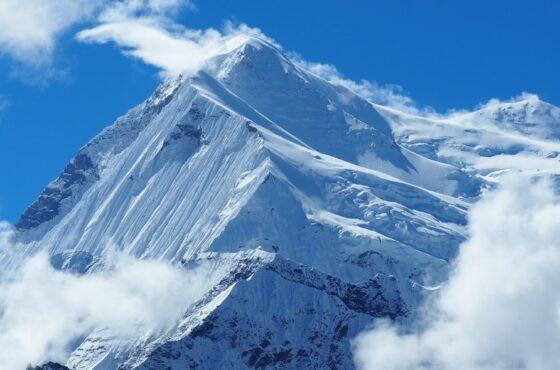
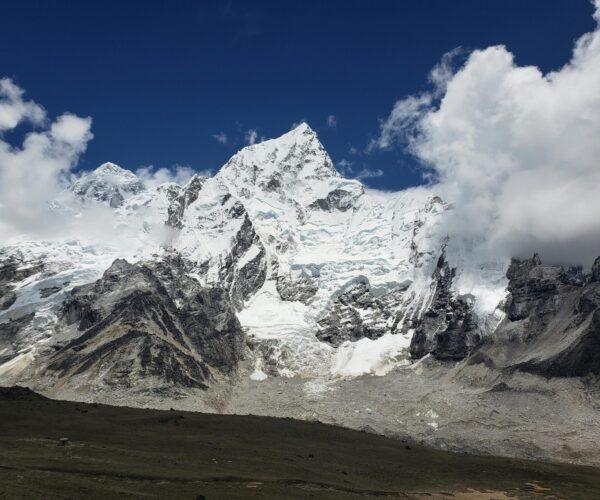
Climbing Mount Lhotse in 2026 is a true Himalayan challenge and a dream expedition for experienced mountaineers. Standing at 8,516 meters, Lhotse is the fourth-highest mountain in the world and lies just south of Mount Everest along the Nepal–Tibet border. The name “Lhotse” means South Peak in Tibetan.
Although closely connected to Everest, Lhotse has its own identity and reputation among climbers. Its massive south face, steep ice walls, and technical climbing sections make it one of the most demanding 8000-meter peaks in the Himalayas. Lhotse also includes two impressive sub-peaks: Lhotse Shar (8,400 m) and Lhotse Middle (8,413 m).
The Mount Lhotse Expedition 2026 is ideal for climbers seeking a serious high-altitude adventure. A strong level of physical fitness, technical mountaineering skills, and previous experience on a 7000-meter peak are highly recommended before attempting this expedition.
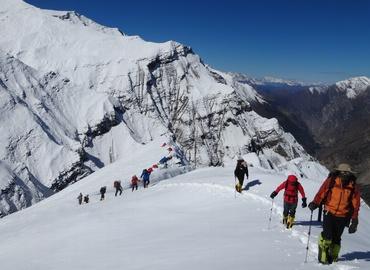
One of the major challenges of the climb is the famous Lhotse Face — a steep wall of hard blue ice rising at angles of 40 to 50 degrees. Climbers must ascend approximately 1,125 meters on fixed ropes to reach the upper camps and summit route. The climb requires endurance, determination, and careful acclimatization.
The route to Lhotse follows the classic Everest trail through the Khumbu Glacier, passing through Base Camp, Camp I, Camp II, and Camp III. Near the Yellow Band, the route separates from Everest. Everest climbers continue left toward the Geneva Spur, while Lhotse climbers move right and ascend directly up the Lhotse Face toward the summit.
Key Highlights
- Climb Mount Lhotse - the world’s 4th highest mountain at 8,516 m
- Experience a challenging and technical Himalayan expedition
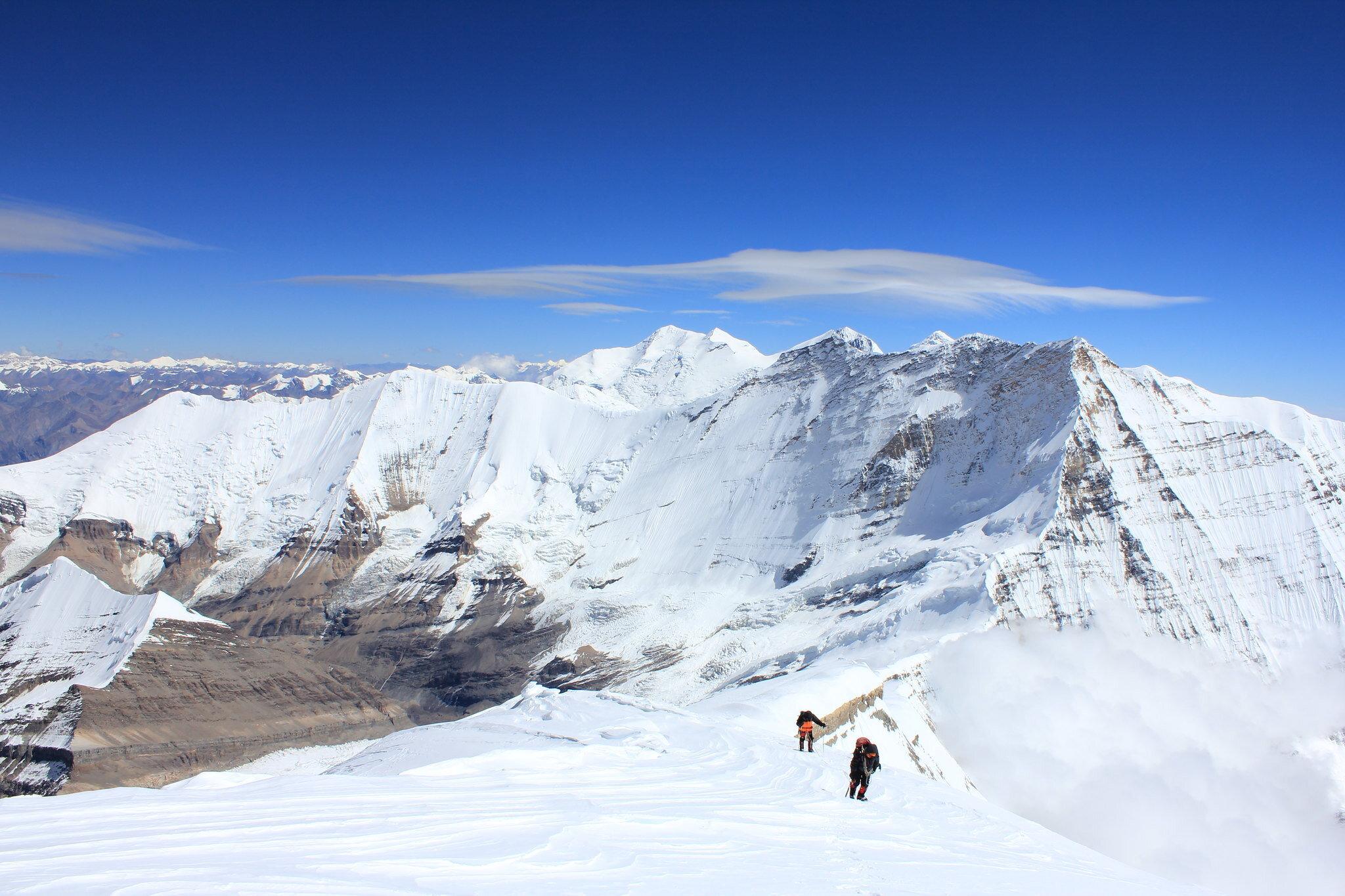
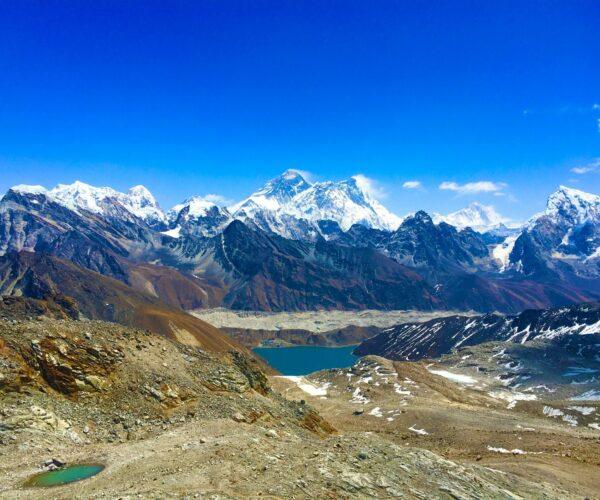
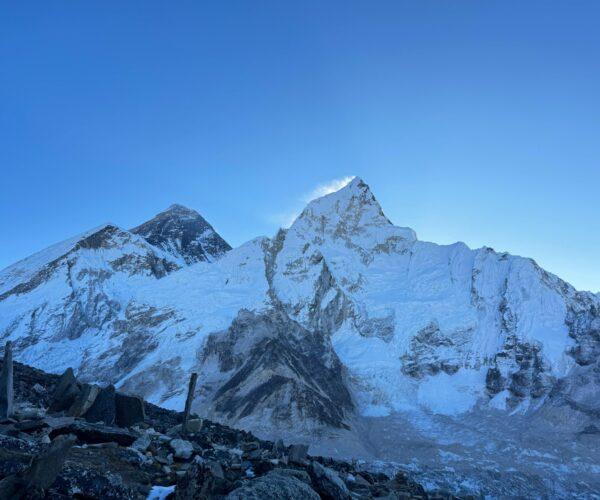
- Stunning panoramic views of Everest, Makalu, Nuptse, and the Khumbu region
- Climb the famous steep Lhotse Face with fixed rope support
- Follow the classic Everest Base Camp trekking route
- Adventure through the legendary Khumbu Icefall
- Opportunity to combine Everest and Lhotse summit in one expedition
- Professional Sherpa guides and experienced climbing support team
- Fully organized expedition logistics, permits, and base camp services
- Ideal for experienced climbers seeking an 8000-meter Himalayan challenge
- Lifetime achievement and unforgettable mountaineering experience in the Himalayas
Itineary
With your provided flight schedule details, one of our representatives will be waiting for you at the airport. As soon as you complete your Nepal Entry Visa Obtaining procedures, we will meet and greet you and transfer you to the hotel for you to rest.
On the second day, we will fulfill all our official procedures including necessary documentation, obtain permits, and other formalities needed for our expedition. Then you will have time for sightseeing around the city.
The next day, we will start our preparation for our expedition. We will now pack our bags, do some necessary shopping, re-check everything that we need (Especially medicines and essentials). Briefings will be made about every aspect of the expedition and all gears and equipment, trip duration, accommodation, facilities at the base camp, and all related to the expedition. It is also an opportunity for you to communicate and introduce yourself to your fellow climbers and teammates.
Early in the morning, after an amazing breakfast, we will take a thrilling flight to Lukla Airport. The flight gives you a bird’s eye view of the valleys, rivers, hills, and gradually mountain ranges. Even though the flight is only for half an hour, it does not fail to mesmerize you every now and then. As we land at Lukla Airport, which is already exciting, we start our trek to Phakding, our destination for the day. After obtaining the permit for the region, we will slowly move through the settlements on a mixed trail of dirt, stone pathways, and some rocky sections at times. This is an easy start so make sure to enjoy all the greeneries, floras, and faunas as you walk. The trail takes you over several suspension bridges and along the Dudh Koshi river. Enjoy the rest of the day at Phakding.
After Phakding, we continue our trek to Namche Bazaar, the vibrant trading hub of the Khumbu region. The trail passes through beautiful pine, juniper, and rhododendron forests inside Sagarmatha National Park, crossing suspension bridges and following the rushing Dudh Koshi River. The trek involves several uphill climbs as we gain elevation toward Namche.
After arriving in Namche Bazaar, we rest and enjoy the mountain atmosphere. The following day is reserved for acclimatization with a short hike to the Everest View Point (3,900 m), offering stunning Himalayan panoramas. You can also explore the local Sherpa culture, visit the Everest Photo Gallery, and the Sherpa Museum before returning to the hotel.
After our stay at Namche, we then approach one of the most beautiful and tranquil parts of this Expedition, the Tengboche monastery. Tengboche monastery is one of the most popular monasteries among Buddhists around the world. The views of Mt. Everest, Nuptse, Lhotse, and Ama Dablam are visible towards the north while Thamserku and Kangtega stand towards the south with striking views. We will also join in some prayer ceremonies and rest for the day.
After an overnight stay in Tengboche, we continue our trek toward Dingboche for acclimatization. The trail descends through rhododendron forests to Deboche, crosses the Imja River, and gradually climbs past Pangboche village with stunning views of Ama Dablam.
After 5–6 hours of trekking, we arrive at Dingboche, located at the entrance of the Imja Valley. We spend the following day acclimatizing with short hikes around the area while enjoying breathtaking mountain views.
After acclimatizing in Dingboche, we head towards another beautiful stop, Lobuche. The journey starts with a climb to the ridge behind Periche until the tea houses at Dughla followed by a steep ascent to the terminal moraine of Khumbu Glacier. You will encounter a series of stone monuments made in the memories of climbers who couldn’t make it back home. After walking for almost 6-7 hours on rugged terrain we reach Lobuche, a small settlement of Sherpas. It is the final village with lodges on this trail to Everest.
From Lobuche, we head towards the Base Camp. The trekking trail is absolutely enchanting and serene with all those prayer flags, small monuments, stupas, and the views of giant peaks peeking from the distance. Walking for about 4-5 hours on the rugged treeless alpine terrain, we finally reach the mesmerizing Base Camp.
Spend the day in a traditional prayer ceremony for blessings of a safe and successful climb. Participate in essential training sessions led by expert guides, focusing on climbing techniques and safety skills. The day also allows time for acclimatization, helping your body adjust to the high-altitude environment before the ascent.
Begin your ascent to Camp I (6,065 m), following a steep and icy route that tests endurance and skill. The climb offers breathtaking views of surrounding peaks and glaciers. Upon reaching Camp I, rest and prepare for higher altitudes while experiencing the serenity of the high Himalayan environment.
After completing your summit push, begin your descent back to Lhotse Base Camp. Move carefully through the steep and icy sections, maintaining focus as you lose altitude. Once you reach Base Camp, take time to rest, rehydrate, and celebrate your incredible achievement surrounded by your team and the majestic Himalayan peaks.
Head back down to Lhotse Base Camp for some well-deserved rest after the climb. The descent feels easier as the air gets thicker and warmer. Once at base camp, take the day to relax, eat well, and recharge your energy before continuing the next phase of your journey.
Climb steadily to Camp II (6,400 m), navigating through snow slopes and icy terrain with stunning views all around. Once you reach the camp, take the rest of the day to relax and recover, allowing your body to adjust to the higher altitude before the next stage of the climb.
Today, you’ll climb up to the West Shoulder for acclimatization and to familiarize yourself with the route. This rotation helps your body adapt to higher altitude and prepares you for the summit push.
After reaching the West Shoulder, descend back to camp for a well-deserved rest day, allowing your body to recover and regain strength before continuing the ascent.
Make your ascent to Camp III (7,300 m) along steep ice and snow slopes, testing your endurance and technical skills. Take in the incredible high-altitude views before descending safely back to Camp II for rest and recovery, allowing better acclimatization for the final push ahead.
Descend from Camp II back to Lhotse Base Camp, enjoying the easier terrain and the comfort of thicker air. This descent marks the end of your high-altitude rotation, giving you time to rest, refuel, and prepare mentally and physically for the next stage of the expedition.
Take this day to fully rest and recover while carefully monitoring the latest weather forecasts to determine the best summit window. The team will review logistics, check equipment, and finalize strategies for the climb ahead.
Mental and physical preparation are key at this stage, ensuring that you’re fully ready and confident for the final summit push.
Begin your ascent toward Camp II, steadily gaining altitude through the challenging ice and rock sections. The route offers stunning views of the surrounding peaks and glaciers. Upon reaching Camp II at 6,400 meters, set up camp, rest, and hydrate well. This camp serves as a vital acclimatization and staging point for higher climbs toward Camp III and the summit.
Spend the day resting and recovering at Camp II (6,400 m). This crucial pause allows your body to acclimatize to the high altitude and regain strength for the climbs ahead.
Use this time to stay hydrated, check your gear, and mentally prepare for the next stages of the ascent. The team will also monitor weather updates and assess overall readiness before moving higher.
Ascend to Camp III (7,300 m), tackling steep ice and snow slopes. The climb challenges both endurance and focus, offering breathtaking high-altitude views. Upon reaching Camp III, take time to rest and acclimatize, preparing your body and mind for the push toward the summit.
Ascend to Lhotse Camp IV (7,920 m), navigating steep, icy terrain at extreme altitude. The climb is challenging and requires careful pacing and focus. Upon reaching Camp IV, take time to rest, acclimatize, and prepare for the final summit attempt, while enjoying the awe-inspiring high Himalayan surroundings.
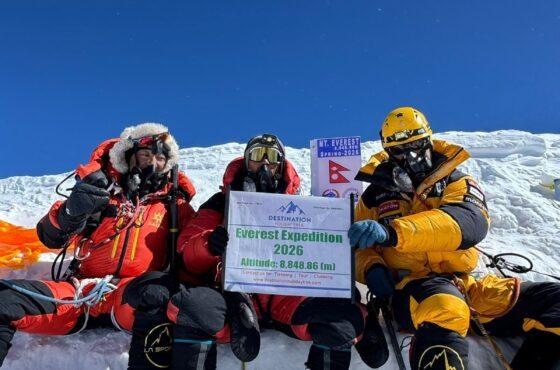
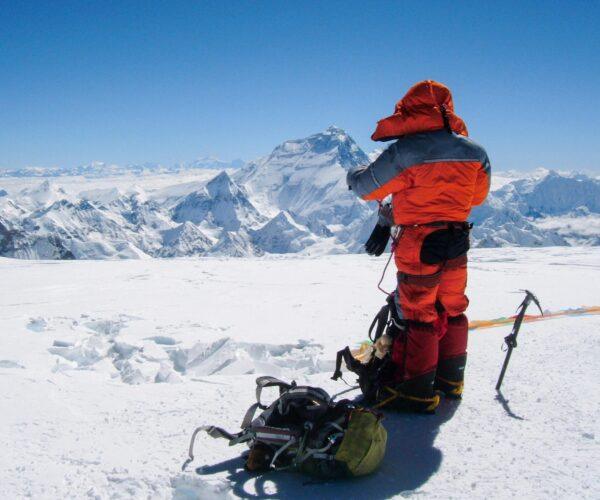
Make your final push to summit Mount Lhotse (8,516 m), standing atop the world and taking in breathtaking Himalayan panoramas. After celebrating this incredible achievement, descend carefully back to Camp IV or lower camps as per your condition, ensuring safety and proper acclimatization during the descent.
Make your way down from Camp II to Base Camp, leaving the high-altitude slopes behind. Enjoy the gentler terrain and thicker air as you descend, taking time to rest and recover after the climb while reflecting on the incredible journey and achievements.
Spend time cleaning up Base Camp, packing equipment, and ensuring the area is left tidy and environmentally responsible. This important step helps preserve the fragile Himalayan ecosystem and leaves the camp ready for future climbers, reflecting respect for the mountains and the expedition.
Begin your trek down to Pheriche, descending through scenic trails lined with rhododendron forests and Himalayan views. The journey offers a gentler pace, allowing your body to recover while enjoying the natural beauty of the Everest region and interacting with local villages along the way.
Trek to Namche bazaar goes through the trail with striking views throughout the journey. We slowly descend through the lush green forests of Rhododendron, pine, and junipers until we reach the suspension bridge over the Dudh Koshi River. After crossing Sansa and other dense forests, we finally reach the culturally rich Namche Bazaar where we stay overnight.
During our return, the trail is relatively easy as there is more descending so we head towards Lukla and spend our night in a cozy lodge.
It is time to leave the mesmerizing Khumbu region behind and fly back to Kathmandu city. We will take a short flight back to TIA viewing the valleys, cities, mountain ranges, and dense forests. You will then rest at the hotel or go sightseeing around the city.
In the evening we will all get together for a farewell dinner in a typical Nepali Restaurant with cultural shows.
If you have not booked any other packages or extended your holiday/stay in Nepal, one of our representatives will drop you off at the airport for your departure to your home country. We will look forward to traveling with you again.
Reserve contingency days in your itinerary to accommodate unexpected delays, such as bad weather, health issues, or logistical challenges. These extra days ensure flexibility, allowing the expedition to proceed safely without rushing, and provide additional time for acclimatization or rest if needed.
Costs Include/Exclude
Cost Includes
✅ Airport transfers (pick-up & drop-off) by private vehicle & All Domestic Flight And Transportation Fees.
✅ 4 nights in a 5-star hotel in Kathmandu on BB plan
(Hotel Yak & Yeti / Marriott Hotel or similar)
✅ Welcome dinner in Kathmandu
✅ Expedition permit, royalty & conservation fees
✅ Liaison Officer with salary, accommodation & equipment
✅ Garbage management & environmental fees
✅ Medical & emergency rescue insurance for Nepalese staff
✅ Trekking & climbing map with expedition duffel bag
✅ Transportation of expedition equipment (Kathmandu–Base Camp–Kathmandu)
✅ Up to 60 kg luggage allowance per member (carried by 2 porters) (form ktm- base camp-ktm)
✅ Full board meals & accommodation during the Trekking period
✅ Base Camp setup with single tent accommodation, kitchen tent, dining tent & toilet tent facilities
✅ Base Camp staff including Professional cook & helpers with fresh hyginic food and seasonal fruits.
✅ Salary, food, clothing & equipment for all expedition staff
✅ Comfortable Base Camp single box tents for client with mattress and pillow. ✅ Heater, solar power & charging facilities at Base Camp
✅ Climbing training at Base Camp before the summit rotation
✅ Supplemental oxygen support:
• 04-liter Poisk oxygen cylinders – 03 bottles for each member
• 04-liter Poisk oxygen cylinders – 02 bottles for each climbing Sherpa
• Summit oxygen mask & regulator set for both member and Sherpa during summit push
✅ 1 experienced climbing Sherpa Guide per member
✅ High Camp services (C1, C2, C3 & C4) including tents & meals
✅ Rope fixing & route preparation charges
✅ Backup oxygen system at Base Camp
✅ 1 Walkie-talkie communication service for Member and Sherpa.
✅ Professional weather forecast service
✅ Comprehensive medical kit for expedition
✅ Expedition climbing certificate & souvenir
Cost Excludes
❌ International airfare to/from Kathmandu
❌ Nepal entry visa fee (USD 125 for 90 days)
❌ Lunch & dinner in Kathmandu except included meals
❌ Extra hotel nights due to early arrival, delays or cancellations
❌ Additional rest/acclimatization days beyond itinerary
❌ Personal travel, medical & emergency rescue insurance (mandatory)
❌ Personal expenses (Wi-Fi, phone calls, laundry, beverages, etc.)
❌ Personal climbing gear & mountaineering equipment
❌ Personal toiletries (soap, shampoo, etc.)
❌ Filming, drone & special permit fees
❌ Paid internet Satellite phone services during expedition
❌ Summit bonus for climbing Sherpa (minimum USD 1500)
❌ Tips for guides, porters & expedition staff
❌ Any services not specifically mentioned in the “Cost Includes” section
Riding Gears And Equipments
Clothing (Expedition Layering System)
At altitudes above 8,000 meters, temperatures can drop below -40°C with strong winds. A proper layering system is essential for survival and comfort.
Base Layer
Moisture-wicking thermal tops & bottoms (2–3 sets)
Mid Layer
Heavy fleece or softshell jacket
Fleece pants
Insulation Layer
Expedition-grade Down Suit (one-piece recommended)
Heavyweight Down Jacket (for base camp)
Down Pants (if not using a down suit)
Shell Layer
Waterproof & windproof jacket (Gore-Tex Pro or equivalent)
Waterproof & windproof pants
Head & Face Protection
Warm beanie
Balaclava
Neck buff
Glacier cap / sun hat
High-altitude face mask
Oxygen mask (provided for Everest & similar peaks)
Hand Protection
Liner gloves
Softshell gloves
Insulated climbing gloves
Expedition mittens (8000m rated)
Socks
Heavy mountaineering socks (4–5 pairs)
Liner socks
Footwear
High-altitude double or triple boots (8000m rated, e.g., Olympus Mons type)
Overboots (if required)
Lightweight trekking boots (approach)
Camp shoes / down bootie
Technical Climbing Equipment
8000m expeditions require advanced technical gear for fixed rope climbing and glacier travel:
Climbing helmet
Climbing harness
Ice axe (technical or standard)
Crampons (step-in, compatible with boots)
Carabiners (locking & non-locking)
Ascender (Jumar)
Descender (ATC / Figure 8)
Safety cow’s tail / tether
Prusik loops
Slings
Fixed ropes (provided by expedition team)
Oxygen cylinders & regulator (for Everest & some 8000m peaks)
Bags & Sleeping Gear
90–120L expedition duffel bag
40–50L high-altitude backpack
Expedition sleeping bag (-40°C rated recommended)
Sleeping bag liner
Inflatable sleeping mat
Trekking poles
Accessories & Personal Items
Category 4 glacier sunglasses
Ski goggles (storm protection)
Headlamp (with spare batteries)
Water bottles (insulated covers recommended)
Thermos flask (essential above Camp 2)
Sunscreen SPF 50+
Lip balm SPF 50+
Personal first aid kit
High-altitude medications (as prescribed)
Toiletries (minimal & lightweight)
Energy gels / snacks
Wet wipes
Pee bottle (high camp essential)
Important Documents
Passport (valid at least 6 months)
Nepal visa
8000m expedition permit
Travel insurance (must cover 8000m climbing & helicopter evacuation)
Passport-size photos
Optional but Recommended
Satellite phone (team use)
Power bank / solar charger
Altitude watch
Personal camera
Lightweight repair kit (duct tape, zip ties)
Final Note
Climbing an 8000-meter peak is a serious expedition requiring months of preparation, proper acclimatization, and professional support. High-quality equipment is not optional — it is lifesaving. Always consult your expedition operator for specific gear requirements based on the mountain and season.
Lotse Expedition-FAQ
Mount Lhotse is located in the Khumbu region of Nepal, near Mount Everest on the Nepal–Tibet border.
Mount Lhotse stands at an elevation of 8,516 meters (27,940 ft), making it the fourth-highest mountain in the world.
The expedition is considered highly challenging and technical. Climbers must be physically fit and have previous high-altitude mountaineering experience, preferably on a 7000-meter peak.
Spring (April to May) is the best season for climbing Mount Lhotse due to stable weather and favorable climbing conditions. Autumn expeditions are also possible.
The full Mount Lhotse Expedition usually takes around 50–60 days, including trekking, acclimatization, climbing rotation, and summit push.
Yes. Previous experience in mountaineering, ice climbing, and high-altitude expeditions is strongly recommended before attempting Lhotse.
Yes. Most climbers use supplemental oxygen above higher camps for safety and better performance at extreme altitude.
The major challenges include high altitude, extreme weather, the Khumbu Icefall, and the steep blue-ice section of the Lhotse Face.
Can I combine Everest and Lhotse in one expedition?
Climbers need a Nepal Government climbing permit along with Sagarmatha National Park and local Khumbu permits.
Accommodation includes hotels in Kathmandu, tea houses during the trek, and fully equipped expedition tents at higher camps and Base Camp.
The expedition offers a world-class Himalayan climbing experience with breathtaking scenery, technical adventure, and the opportunity to summit one of the world’s legendary 8000-meter peaks.