
Trip Facts
- 5 Star Hotel And Tea House Lodge + Camping
- Spring ,Autumn
- Provided
- 8,167 meters (26,795 ft)
- Breakfast, Lunch, Dinner
Overview and Highlights
Dhaulagiri Expedition Overview
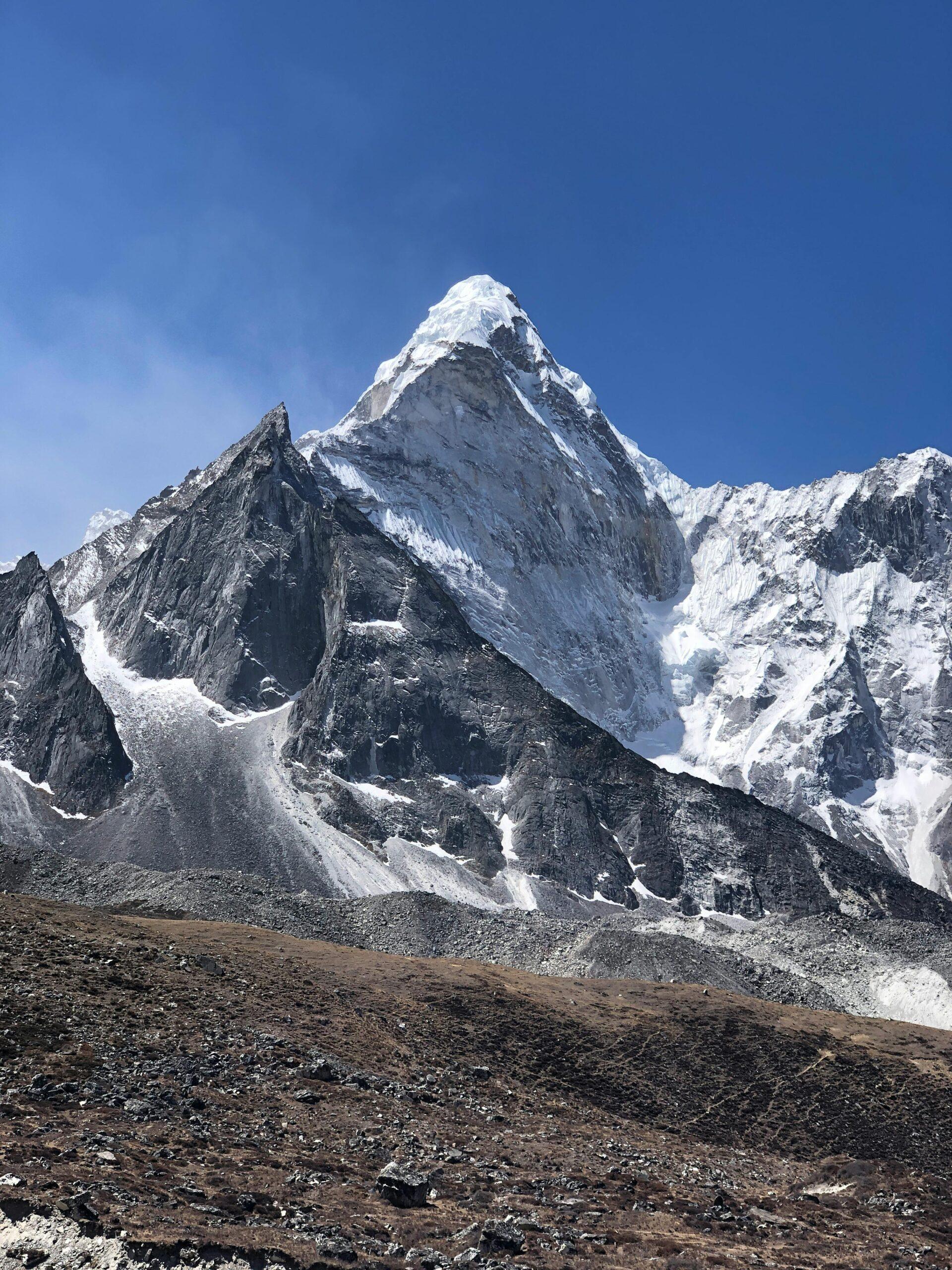
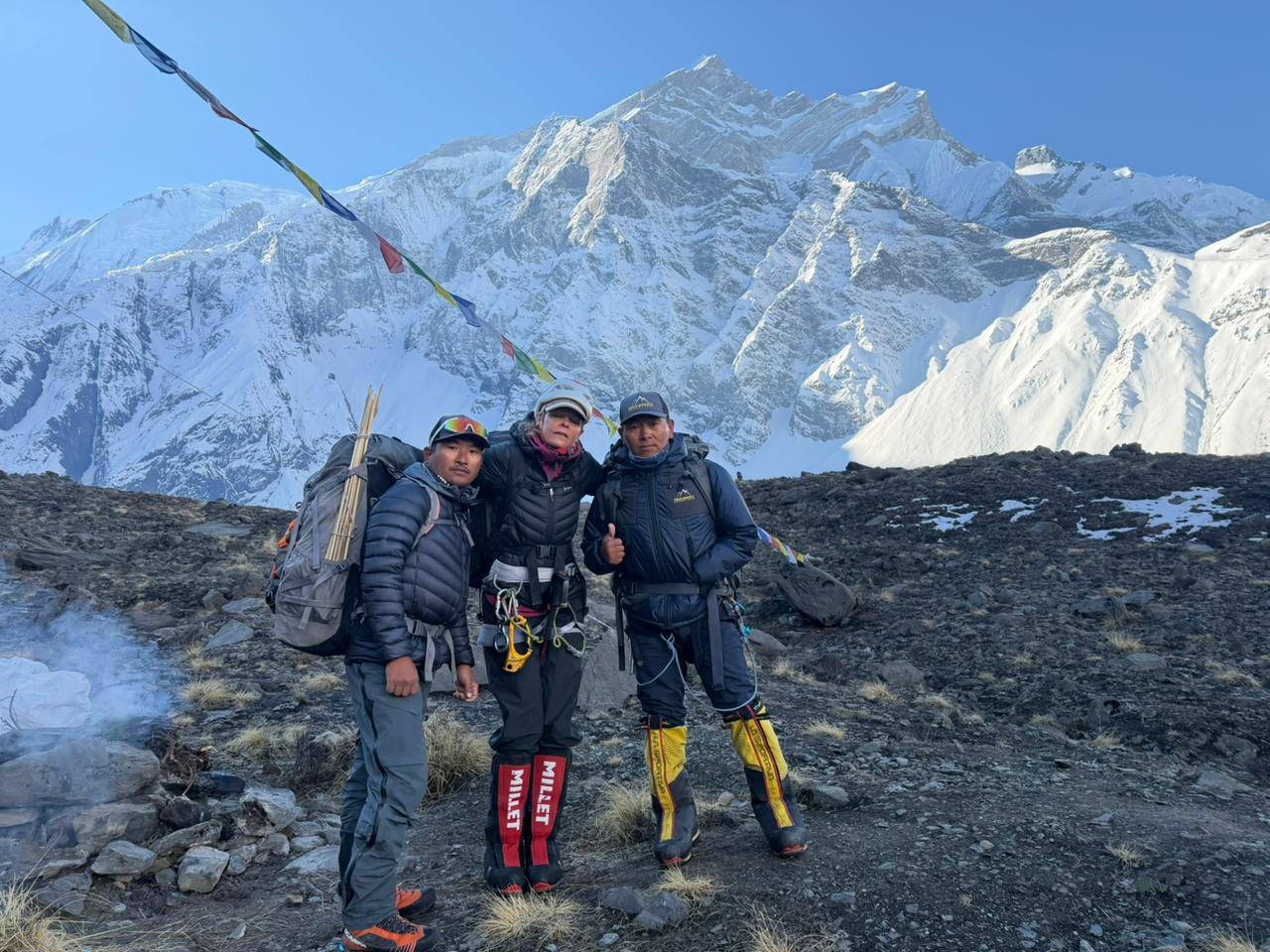
The Dhaulagiri I Expedition (8,167m) is one of the most demanding and rewarding mountaineering adventures in Nepal. Known as the world’s seventh-highest peak, Dhaulagiri offers a true wilderness experience far from crowded commercial routes.
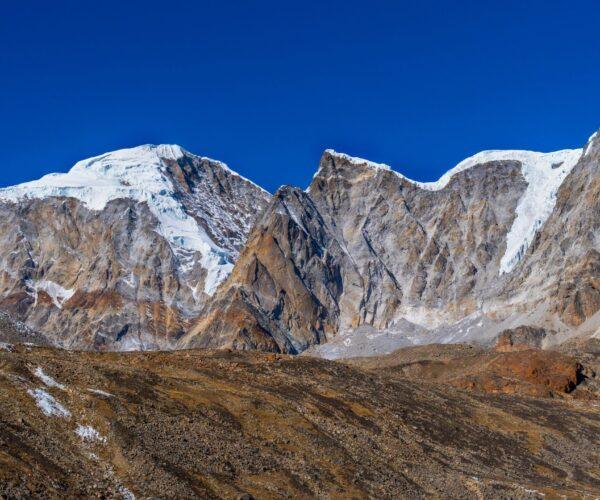
This expedition takes climbers through remote valleys, glaciers, and high mountain passes, delivering unmatched views of the Dhaulagiri Himal and neighboring Annapurna Range. Perfect for experienced climbers, Dhaulagiri combines technical challenges with raw Himalayan beauty.
Trip Highlights
- Summit one of the world’s highest peaks, Dhaulagiri I – the 7th highest mountain on Earth
- Experience a remote and less crowded expedition in the wild western region of Nepal
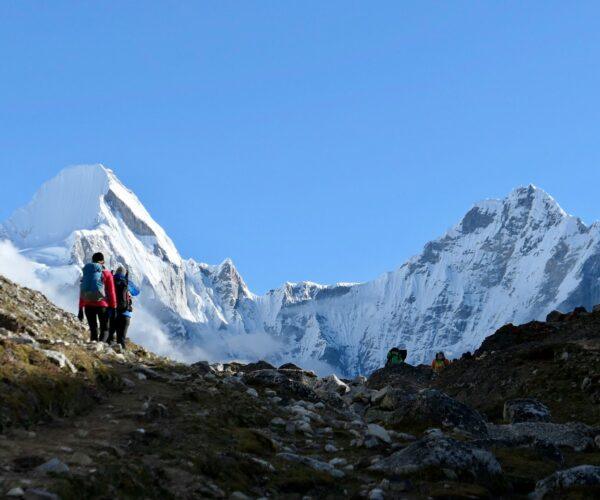
- Scenic trek through traditional villages, dense forests, and high alpine landscapes
- Cross the famous French Pass and Dhampus Pass
- Technical climbing experience involving glaciers, icefalls, and high-altitude camps
- Establish multiple camps (Base Camp to Summit Camp) for proper acclimatization
- Opportunity to witness diverse flora, fauna, and untouched natural beauty
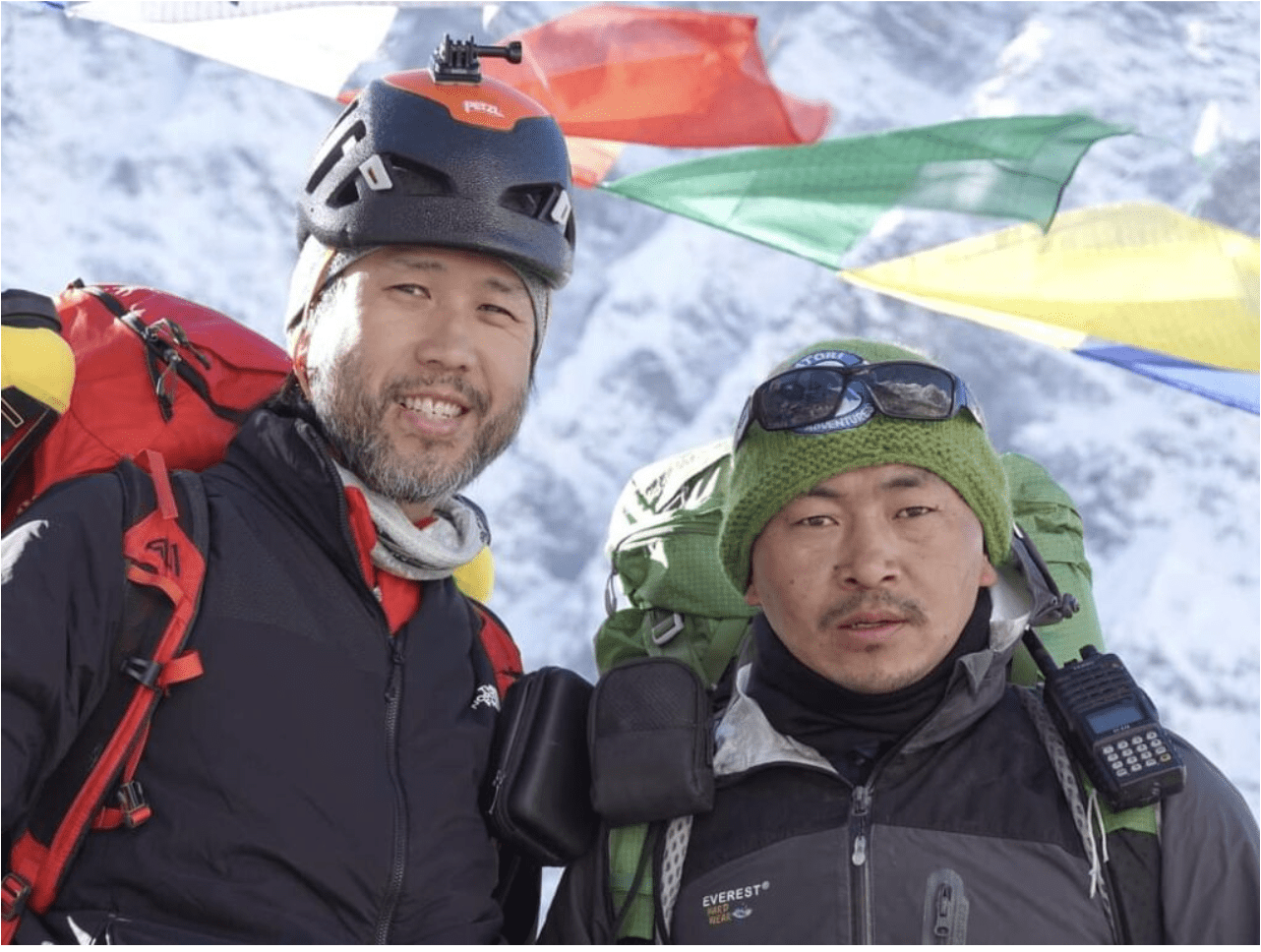
- Full support from experienced Sherpa guides and expedition crew
Trip Itineary
As soon as you arrive at the airport, you will need to fulfill some immigration procedures. Meanwhile, one of our representatives will be waiting for you at the arrivals gate with your name on a placard. You will then be safely driven to the hotel booked on a bed and breakfast basis for your stay in Kathmandu.
On the second day, we will complete our official formalities and obtain necessary documents. We might even go sightseeing and prepare for the Dhaulagiri expedition.
After early morning breakfast, we will drive to the airport and take a short scenic flight to the beautiful city Pokhara. Upon landing at Pokhara, we will then drive to Beni Bazaar to rest overnight.
After a cozy stay at Beni, we will resume our journey and drive to Marpha village. This is the last stop privileged by roadways. We will explore the village and get acquainted with the daily lifestyle of people. The Apple farms look amazing during the harvesting season. We will rest overnight as we will start our trek the next day.
Rest and acclimatization day.
Our trek starts from Marpha. We slowly elevate through the green lush forests in the tropical zone. As we trek, we will stop by for lunch and resume our trek until we reach Yak Kharka at 3680 m. The total trek time will be about 6 hours on this day.
Trek to Dhampus Base Camp via Thapa La Pass (5,244 m).
Yak Kharka, meaning the pasture for Yaks, is a popular stop for those trekking in the Annapurna dn Dhaulagiri regions as it offers majestic views of surrounding peaks including Dhaulagiri, Annapurna, and many more. After trekking for about 6 hours, we will reach our stop, Dhaulagiri Base Camp at 4700 m. At the base camp, we will enjoy the supper prepared by our cooks and rest in cozy tents.
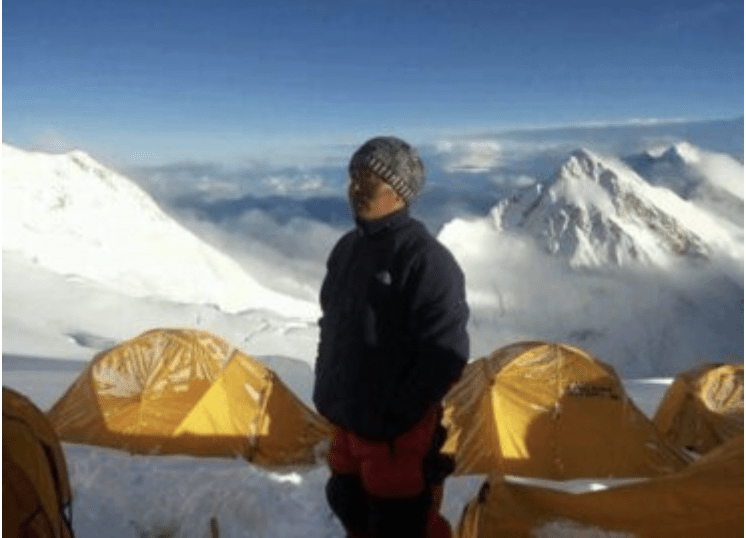
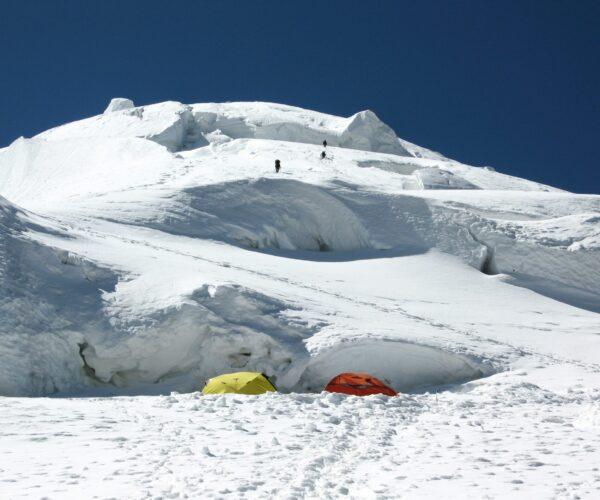
We will spend a few days at the base camp training and preparing for the summit. First, we ascend via an icefall that leads towards the broad north col at 5900 m where we will set up our Camp 1. We must set up the camp in a spot without any risk of avalanches and icefalls. The route to Camp 1 is not very steep as there are relatively lower elevations.
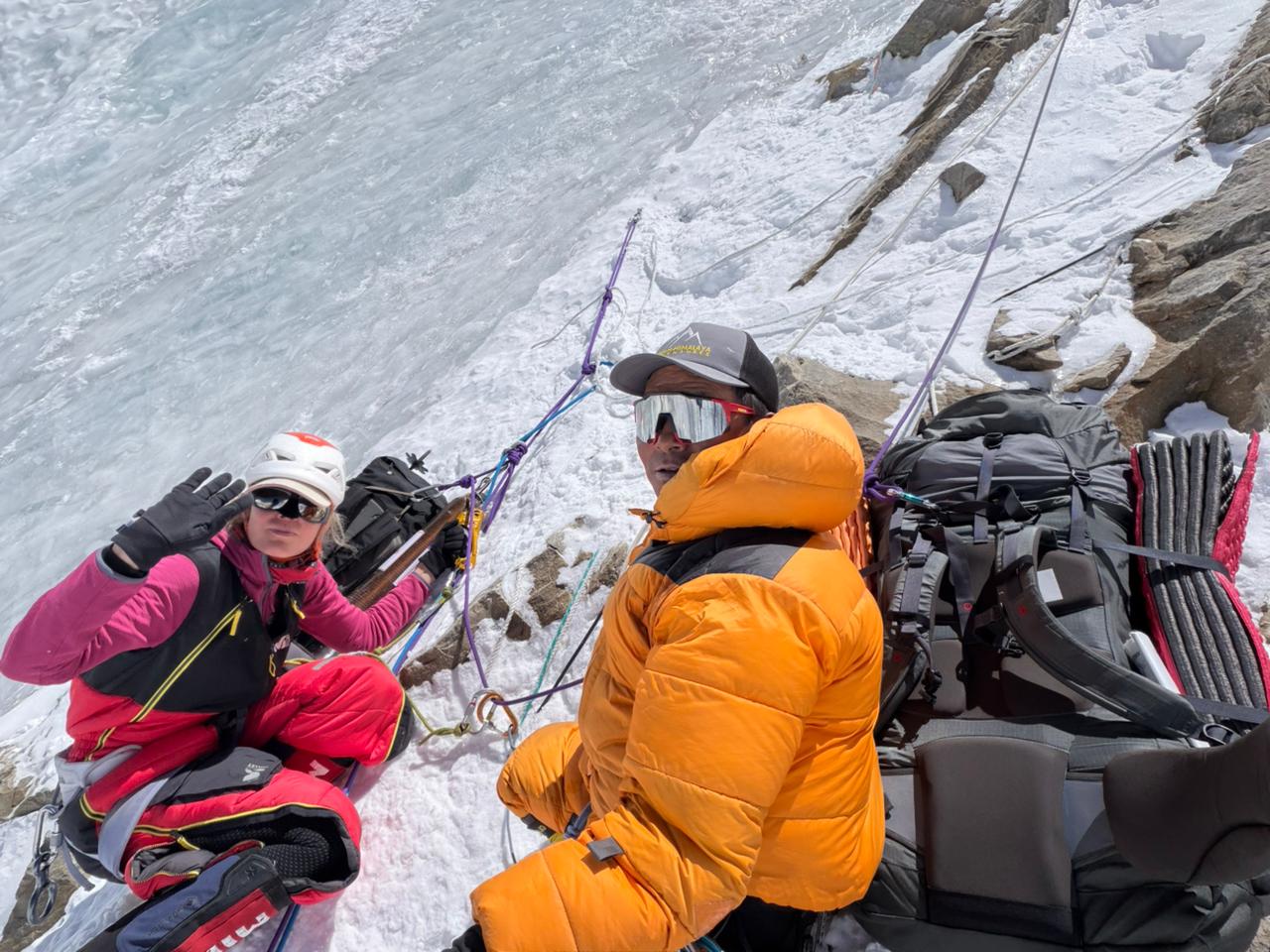
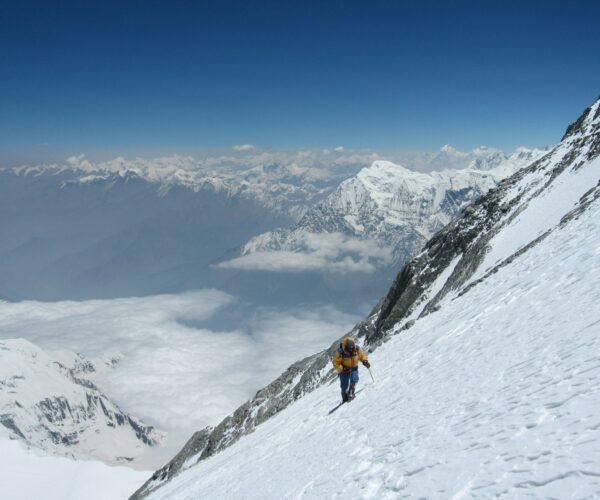
After Camp 1, the route is steep and you will need to walk with the help of fixed ropes and also use some technical gears. With the help of our Sherpas, we will reach 6400 m and set up a camp.
Above Camp 2, our route steepens as we head towards the northwest ridge below the summit. The climb is steep and requires walking on ice and snow, therefore, we stay together and traverse carefully. The route goes up and down at times. We may even encounter strong wind storms while approaching the East Ridge, which is one of the most challenging parts of the Dhaulagiri Expedition. We will finally set up our Camp 3 at 7400 m.
The climb to the Summit is led through the traverse across the snowfield towards 45 degrees narrow couloir that leads to the Summit of the Dazzling White peak. On the summit day, we will start early and have a fulfilling breakfast. Then we slowly ascend through the fixed ropes on the NorthEast face of Dhaulagiri. If the weather is favorable, we will succeed in our summit in 6-8 hours with enough time to adore the surrounding peaks including the Annapurna massif, Putha Hiunchuli, Churen range, and many more.
Our strong team of Sherpas will always be with us for support. We will also establish a fallback camp at 7900 m in case of weather contingencies.
Upon the successful summit of the Seventh highest peak of the world, Mt. Dhaulagiri, we will retrace our path back to lower camps and finally reach base camp.
After the successful summit, we will allocate one day for rest at the base camp. We will clean the base camp area and prepare to depart to Yak Kharka.
The trail slightly changes from Yak Kharka as we divert our path towards Jomsom, the beautiful town in the outskirts of the Mustang region. We spend our night at a cozy lodge in Jomsom and enjoy the local culture and traditions. The Kaligandaki river flows along the area which is beautiful and refreshing.
After a cozy stay at Beni, we will resume our journey and drive to Marpha village. This is the last stop privileged by roadways. We will explore the village and get acquainted with the daily lifestyle of people. The Apple farms look amazing during the harvesting season. We will rest overnight as we will start our trek the next day.
Drive back to Pokhara.
Fly back to Kathmandu.
After a wonderful day of sightseeing around the Kathmandu Valley, we will all get together for a farewell dinner hosted by the company at a typical Nepali restaurant.
After a wonderful journey to the giant Dhaulagiri, we will bid you farewell on this day. One of our representatives will drop you off at the airport for your scheduled departure. We hope to see you soon for a brand new adventure.
Cost Include/Exclude
Cost Includes
✅ Airport transfers (pick-up & drop-off) by private vehicle & All Domestic Flight And Transportation Fees.
✅ 4 nights in a 5-star hotel in Kathmandu on BB plan
(Hotel Yak & Yeti / Marriott Hotel or similar)
✅ Welcome dinner in Kathmandu
✅ Expedition permit, royalty & conservation fees
✅ Liaison Officer with salary, accommodation & equipment
✅ Garbage management & environmental fees
✅ Medical & emergency rescue insurance for Nepalese staff
✅ Trekking & climbing map with expedition duffel bag
✅ Transportation of expedition equipment (Kathmandu–Base Camp–Kathmandu)
✅ Up to 60 kg luggage allowance per member (carried by 2 porters) (form ktm- base camp-ktm)
✅ Full board meals & accommodation during the Trekking period
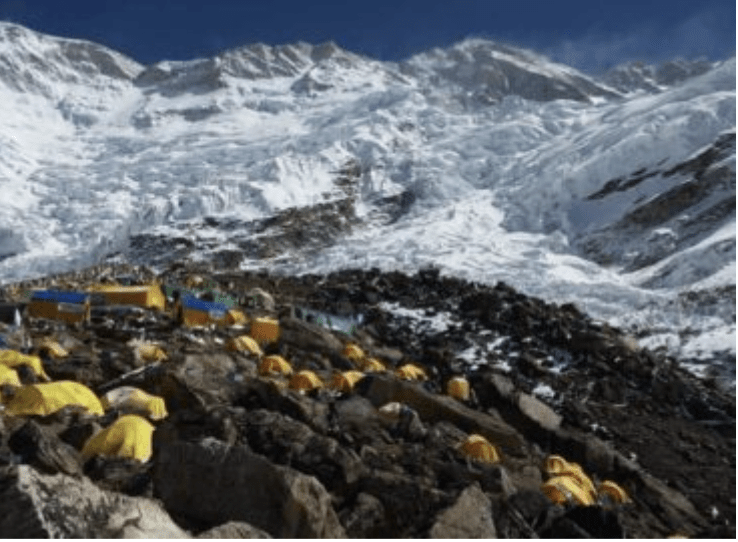
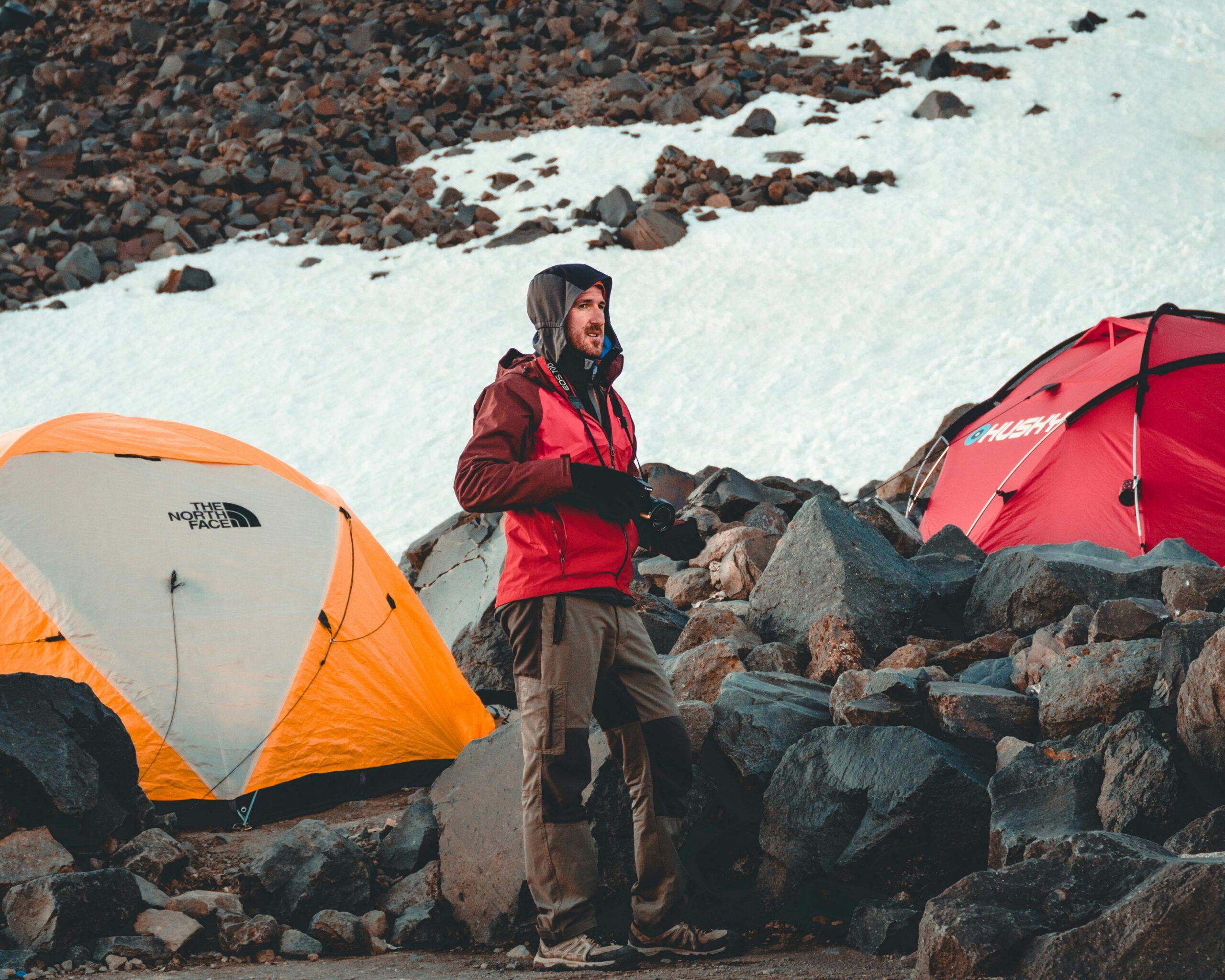
✅ Base Camp setup with single tent accommodation, kitchen tent, dining tent & toilet tent facilities
✅ Base Camp staff including Professional cook & helpers with fresh hyginic food and seasonal fruits.
✅ Salary, food, clothing & equipment for all expedition staff
✅ Comfortable Base Camp single box tents for client with mattress and pillow. ✅ Heater, solar power & charging facilities at Base Camp
✅ Climbing training at Base Camp before the summit rotation
✅ Supplemental oxygen support:
• 04-liter Poisk oxygen cylinders – 03 bottles for each member
• 04-liter Poisk oxygen cylinders – 02 bottles for each climbing Sherpa
• Summit oxygen mask & regulator set for both member and Sherpa during summit push
✅ 1 experienced climbing Sherpa Guide per member
✅ High Camp services (C1, C2, C3 & C4) including tents & meals
✅ Rope fixing & route preparation charges
✅ Backup oxygen system at Base Camp
✅ 1 Walkie-talkie communication service for Member and Sherpa.
✅ Professional weather forecast service
✅ Comprehensive medical kit for expedition
✅ Expedition climbing certificate & souvenir
Cost Excludes
❌ International airfare to/from Kathmandu
❌ Nepal entry visa fee (USD 125 for 90 days)
❌ Lunch & dinner in Kathmandu except included meals
❌ Extra hotel nights due to early arrival, delays or cancellations
❌ Additional rest/acclimatization days beyond itinerary
❌ Personal travel, medical & emergency rescue insurance (mandatory)
❌ Personal expenses (Wi-Fi, phone calls, laundry, beverages, etc.)
❌ Personal climbing gear & mountaineering equipment
❌ Personal toiletries (soap, shampoo, etc.)
❌ Filming, drone & special permit fees
❌ Paid internet Satellite phone services during expedition
❌ Summit bonus for climbing Sherpa (minimum USD 1500)
❌ Tips for guides, porters & expedition staff
❌ Any services not specifically mentioned in the “Cost Includes” section
Riding Gears And Equipments
Clothing (Expedition Layering System)
At 8000m, temperatures can drop below -40°C with strong winds. A proper layering system is essential.
Base Layer
- Moisture-wicking thermal tops & bottoms (2–3 sets)
Mid Layer
- Heavy fleece or softshell jacket
- Fleece pants
Insulation Layer
- Expedition-grade Down Suit (one-piece recommended)
- Heavyweight Down Jacket (for base camp)
- Down Pants (if not using a down suit)
Shell Layer
- Waterproof & Windproof Jacket (Gore-Tex Pro or equivalent)
- Waterproof & Windproof Pants
Head & Face Protection
- Warm Beanie
- Balaclava
- Neck Buff
- Glacier Cap / Sun Hat
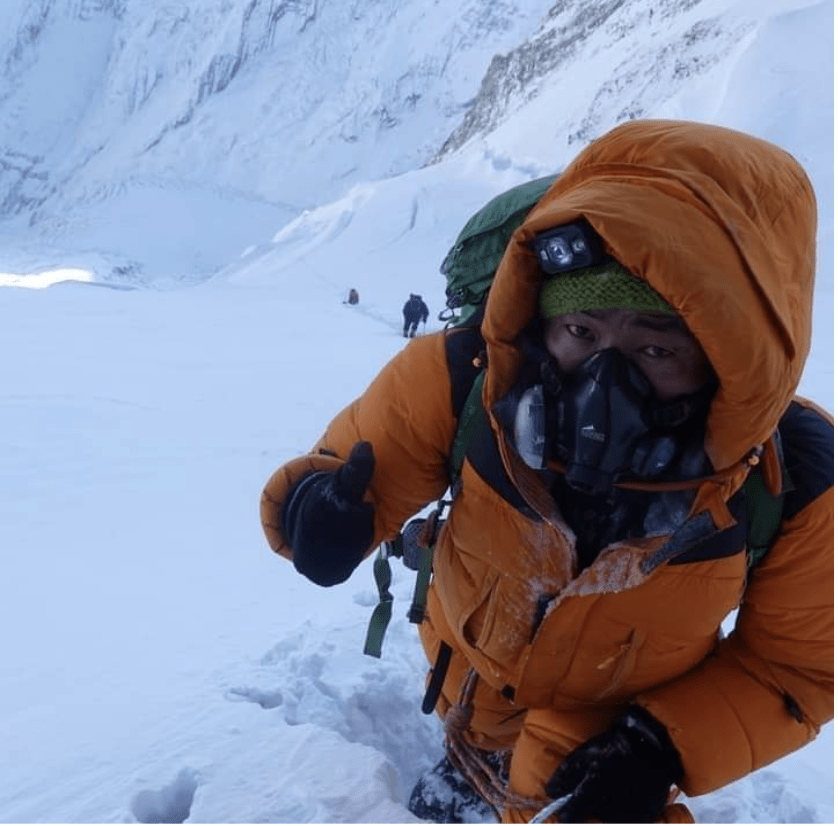
- High-altitude Face Mask
- Oxygen Mask (provided for Everest & similar peaks)
Hand Protection
- Liner Gloves
- Softshell Gloves
- Insulated Climbing Gloves
- Expedition Mittens (8000m rated)
Socks
- Heavy Mountaineering Socks (4–5 pairs)
- Liner Socks
Footwear
- High-Altitude Double or Triple Boots (8000m rated – e.g., Olympus Mons type)
- Overboots (if required)
- Lightweight Trekking Boots (approach)
- Camp Shoes / Down Bootie
Technical Climbing Equipment
8000m expeditions require advanced technical gear for fixed rope climbing and glacier travel.
- Climbing Helmet
- Climbing Harness
- Ice Axe (technical or standard as required)
- Crampons (step-in, compatible with boots)
- Carabiners (locking & non-locking)
- Ascender (Jumar)
- Descender (ATC / Figure 8)
- Safety Cow’s Tail / Tether
- Prusik Loops
- Slings
- Fixed Ropes (provided by expedition team)
- Oxygen Cylinders & Regulator (for Everest & some 8000m peaks)
Bags & Sleeping Gear
- 90–120L Expedition Duffel Bag
- 40–50L High-Altitude Backpack
- Expedition Sleeping Bag (-40°C rated recommended)
- Sleeping Bag Liner
- Inflatable Sleeping Mat
- Trekking Poles
Accessories & Personal Items
- Category 4 Glacier Sunglasses
- Ski Goggles (storm protection)
- Headlamp (with multiple spare batteries)
- Water Bottles (insulated covers recommended)
- Thermos Flask (essential above Camp 2)
- Sunscreen SPF 50+
- Lip Balm SPF 50+
- Personal First Aid Kit
- High-altitude medications (as prescribed)
- Toiletries (minimal & lightweight)
- Energy Gels / Snacks
- Wet Wipes
- Pee Bottle (high camp essential)
Important Documents
- Passport (valid at least 6 months)
- Nepal Visa
- 8000m Expedition Permit
- Travel Insurance (must cover 8000m climbing & helicopter evacuation)
- Passport-size Photos
Optional but Recommended
- Satellite Phone (team use)
- Power Bank / Solar Charger
- Altitude Watch
- Personal Camera
- Lightweight Repair Kit (duct tape, zip ties)
Final Note
Climbing an 8000-meter peak is a serious expedition requiring months of preparation, proper acclimatization, and professional support. High-quality equipment is not optional — it is lifesaving. Always consult your expedition operator for specific gear requirements based on the mountain and season.
Dhaulagiri Expedition-FAQ
Dhaulagiri is one of the most challenging 8000m peaks. It requires excellent physical fitness, prior high-altitude experience, and strong technical climbing skills (ice, snow, and fixed rope climbing).
Yes. Climbers should have experience on at least one 6000m–7000m peak (preferably 7000m+). Knowledge of using crampons, ice axe, and fixed ropes is essential.
The full expedition typically takes30-40 days, including arrival, acclimatization, climbing period, and return
The best seasons are:
- Spring (April–May) – most popular and stable weather
- Autumn (September–October) – less crowded but colder
Dhaulagiri stands at 8,167 meters (26,795 ft), making it the 7th highest mountain in the world.
Yes. Oxygen cylinders, masks, and regulators are provided for summit push, along with backup oxygen (chargeable if used).
- Kathmandu: 5-star hotel (BB plan)
- Base Camp: Fully serviced tented camp with dining, kitchen, and communication tents
- High Camps: Shared climbing tents
Yes.
- Fresh, hygienic meals at Base Camp (Continental, Nepali, Indian)
- High-energy meals at higher camps
Yes, it is mandatory. Insurance must cover:
- High-altitude trekking/climbing (8000m)
- Emergency helicopter evacuation (minimum USD 90,000 coverage)