

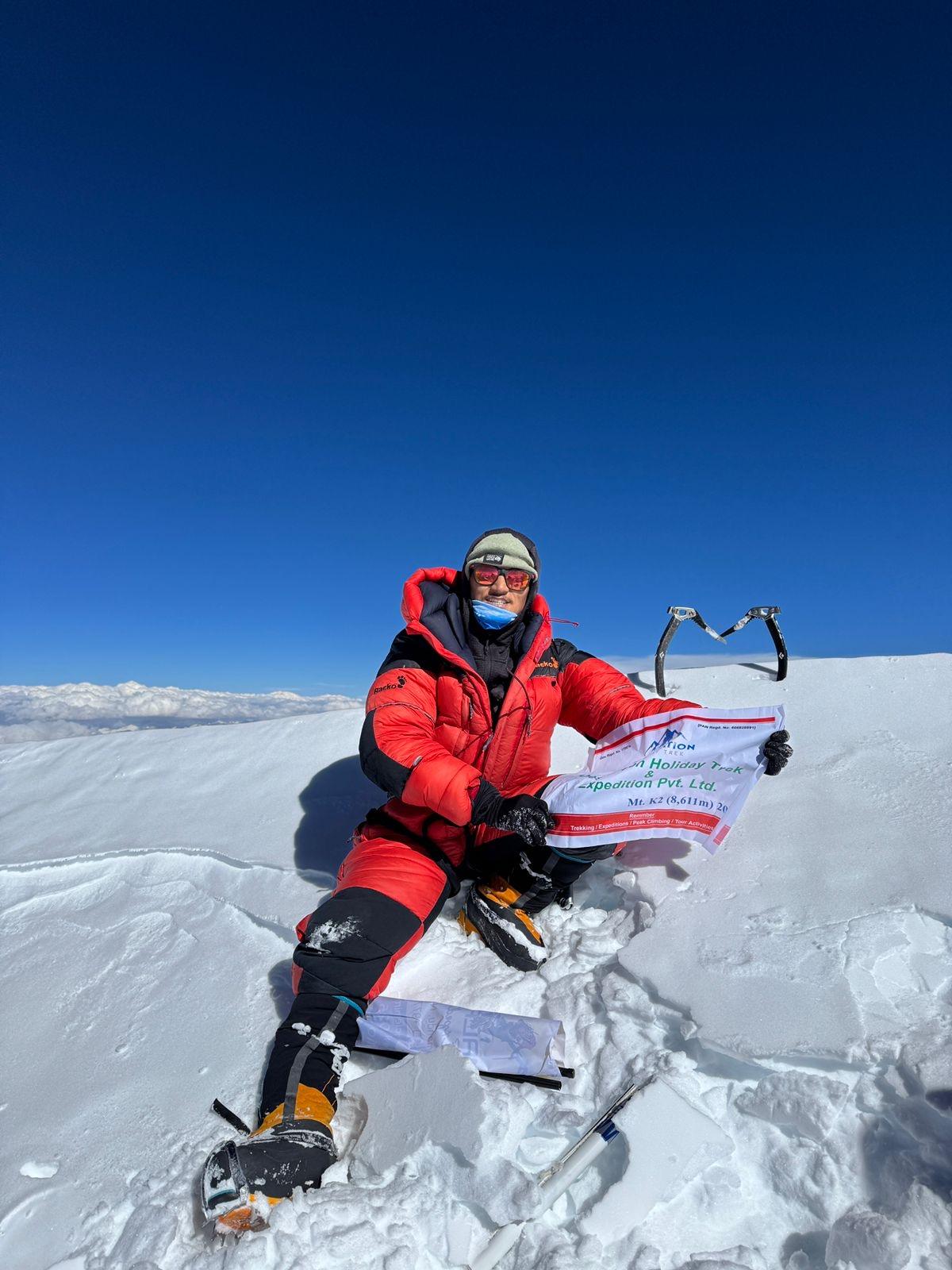
K2 Expedition
$ 47,000.00$ 45,500.00
Product Description
K2 Expedition: Cost, Itinerary, Difficulty, Permits & Complete Guide
The K2 Expedition is one of the most challenging and prestigious mountaineering adventures in the world. Rising to 8,611 meters (28,251 feet) above sea level, K2 is the second-highest mountain on Earth after Mount Everest.
Located in the Karakoram Range on the Pakistan–China border, K2 is famous for its steep terrain, unpredictable weather, technical climbing and demanding summit route. Unlike a standard Himalayan trek, a K2 expedition requires extensive mountaineering experience, excellent physical conditioning, technical climbing skills and careful acclimatization.
For experienced climbers seeking an extraordinary high-altitude challenge, a K2 Expedition in Pakistan represents one of the ultimate achievements in mountaineering.
What Is the K2 Expedition?
A K2 Expedition is a professionally organized mountaineering expedition to the summit of K2, also known as Mount Godwin-Austen or Chhogori.
The traditional expedition approaches K2 through the Baltoro Glacier in the Gilgit-Baltistan region of Pakistan. Climbers travel through spectacular landscapes before reaching K2 Base Camp, from where they establish progressively higher camps on the mountain.
A typical expedition can take 45 to 60+ days, depending on the route, acclimatization schedule, weather, climbing conditions and logistics.
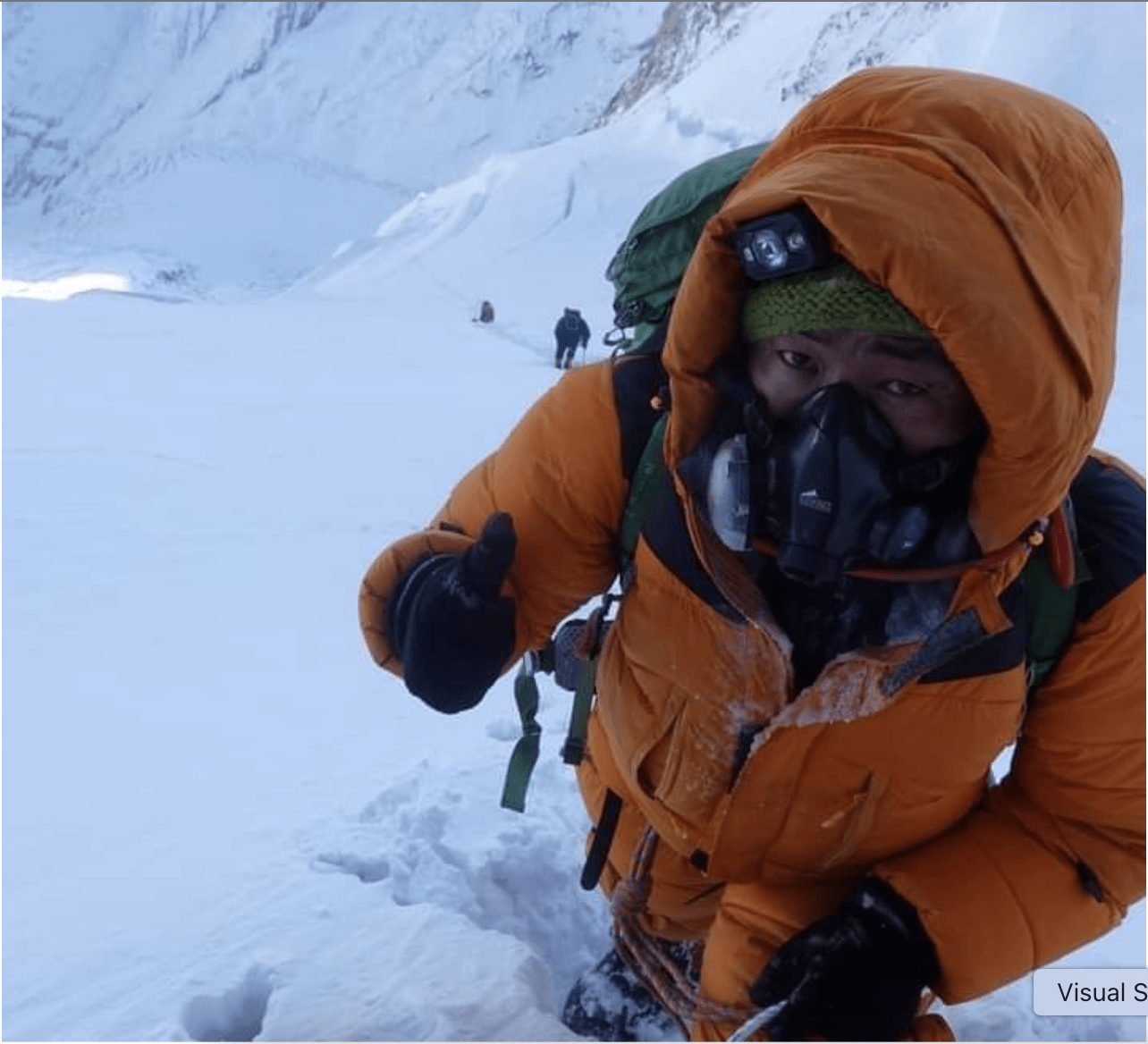
K2 is not a beginner’s climbing destination. The mountain demands experience with high-altitude mountaineering, fixed ropes, crampon techniques, steep snow and ice, and potentially severe weather.
Why Choose a K2 Expedition?
K2 attracts elite mountaineers from around the world because of its extraordinary difficulty and iconic status.
1. Climb the World’s Second-Highest Mountain
At 8,611 meters, K2 is the second-highest mountain in the world and one of the fourteen 8,000-meter peaks.
2. Extreme Technical Challenge
K2 combines altitude with steep rock, snow and ice terrain. Climbers may encounter technically demanding sections requiring advanced rope and climbing skills.
3. Legendary Karakoram Scenery
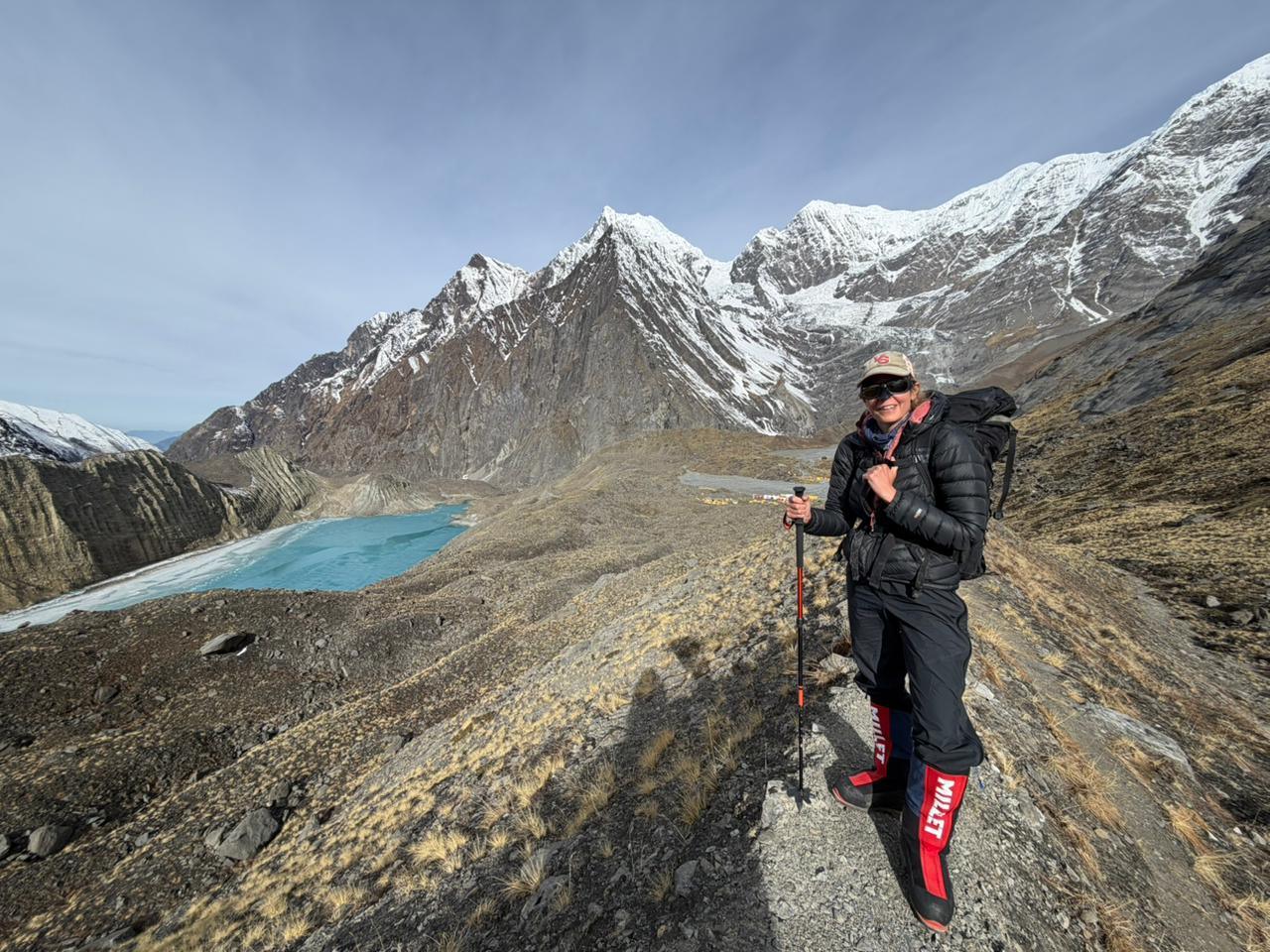
The approach to K2 passes through the spectacular Baltoro region, surrounded by some of the world’s most impressive peaks and glaciers.
4. A Major Mountaineering Achievement
Successfully reaching the summit of K2 is considered one of the greatest achievements in high-altitude mountaineering.
5. Experience the Baltoro Glacier
The expedition provides an opportunity to travel through one of the world’s most famous glacial landscapes before reaching K2 Base Camp.
K2 Expedition Cost
The K2 Expedition cost can vary significantly depending on the expedition operator, services, group size, logistics, permits, oxygen strategy and level of support.
A professionally organized K2 expedition can cost tens of thousands of US dollars, with premium or fully supported expeditions potentially costing substantially more.
Typical expenses may include:
- K2 climbing permit
- Expedition management
- Liaison and local logistics
- Base Camp services
- High-altitude Sherpa or mountain support
- Porters and expedition staff
- Domestic transportation
- Food and accommodation
- Climbing equipment
- Fixed-rope services
- Oxygen and masks, if required
- Satellite communication
- Rescue and emergency logistics
- Insurance
- Personal climbing equipment
What Affects K2 Expedition Price?
Several factors influence the final expedition price:
Expedition duration: Longer expeditions require more food, staff and logistical support.
Oxygen: Supplemental oxygen can significantly increase expedition costs.
Personal Sherpa support: Individual high-altitude support adds to the overall cost.
Group size: Larger groups can distribute certain logistical costs.
Equipment: Technical climbing equipment and high-altitude clothing can represent a substantial additional expense.
Insurance: Specialized high-altitude expedition insurance is essential and can be expensive.
Always confirm the current expedition price, inclusions, exclusions and permit fees with your expedition operator before booking.
K2 Expedition Itinerary
A K2 expedition generally requires considerably more time than a normal trekking trip because climbers need extensive acclimatization and weather flexibility.
Below is a representative 50-day K2 Expedition itinerary. The exact schedule can change because of weather, route conditions and expedition logistics.
Day 1: Arrive in Islamabad
Arrive in Islamabad and complete expedition preparations.
Day 2: Expedition Briefing and Preparation
Meet the expedition team, check equipment and complete necessary preparations.
Day 3: Travel Toward Skardu
Travel toward Skardu, the gateway to the Karakoram.
Day 4: Skardu
Rest, organize equipment and prepare for the trek.
Day 5: Drive Toward Askole
Travel toward Askole, the traditional starting point for the Baltoro approach.
Day 6: Askole to Korofong
Begin trekking through the spectacular Karakoram landscape.
Day 7: Korofong to Paiju
Continue toward Paiju and the Baltoro Glacier region.
Day 8: Paiju
Rest and prepare for the glacier journey.
Day 9: Paiju to Khoburtse
Continue along the Baltoro Glacier.
Day 10: Khoburtse to Urdukas
Trek toward Urdukas while enjoying views of surrounding Karakoram peaks.
Day 11: Urdukas to Goro II
Continue across the glacier toward Goro II.
Day 12: Goro II to Concordia
Reach Concordia, one of the most spectacular locations in the Karakoram.
Day 13: Concordia to K2 Base Camp
Continue toward K2 Base Camp.
Day 14–15: K2 Base Camp
Rest, organize equipment and prepare for the acclimatization and climbing rotations.
Day 16–40: Acclimatization and Climbing Rotations
Climbers gradually move between higher camps and return to lower elevations to acclimatize.
The exact rotations depend on mountain conditions.
Day 41–45: Summit Window
If weather and route conditions are favorable, the team begins the summit push.
Day 46–47: Descend Toward Base Camp
After the summit attempt, descend toward Base Camp and recover.
Day 48: Trek Back
Begin the return journey through the Baltoro region.
Day 49: Return Toward Skardu
Continue the journey toward Skardu.
Day 50: Islamabad
Return to Islamabad and conclude the expedition schedule.
Important: A K2 expedition itinerary is highly flexible. Weather, avalanche conditions, route changes, illness and other mountain hazards can significantly alter the schedule.
K2 Expedition Difficulty
The K2 Expedition difficulty is considered extreme.
K2 is significantly more demanding than ordinary trekking peaks and requires serious high-altitude mountaineering experience.
Major challenges include:
- Extreme altitude
- Steep climbing terrain
- Technical rock and ice
- Fixed-rope climbing
- Crevasses
- Avalanches
- Rockfall
- Severe storms
- High winds
- Freezing temperatures
- Altitude sickness
- Limited rescue options
- Long summit day
- Rapidly changing weather
K2 should only be attempted by climbers with substantial experience on high-altitude and technical mountains.
K2 Height and Altitude
K2 stands at approximately 8,611 meters (28,251 feet).
| Location | Approximate Elevation |
|---|---|
| Islamabad | 540 m |
| Skardu | 2,228 m |
| Askole | 3,050 m |
| Concordia | 4,600 m |
| K2 Base Camp | ~5,150 m |
| Camp I | ~6,050 m |
| Camp II | ~6,700 m |
| Camp III | ~7,350 m |
| Camp IV | ~7,900–8,000 m |
| K2 Summit | 8,611 m |
Elevations and camp positions can vary according to the route and season.
K2 Expedition Route
The classic K2 expedition route approaches the mountain from the Pakistan side.
The broad route is:
Islamabad → Skardu → Askole → Baltoro Glacier → Concordia → K2 Base Camp → Advanced Camps → K2 Summit
The approach trek itself is a major part of the expedition and takes climbers through spectacular glacial terrain.
K2 Base Camp
K2 Base Camp is located at approximately 5,150 meters.
It becomes the operational center of the expedition.
Depending on the expedition operator, Base Camp may include:
- Dining facilities
- Sleeping tents
- Kitchen facilities
- Communications
- Medical equipment
- Power systems
- Expedition management
- Equipment storage
- Weather forecasting
Climbers spend significant time at Base Camp while waiting for favorable climbing conditions.
K2 Camps
The standard Abruzzi Spur route uses several camps above Base Camp.
Camp I
Camp I is located at approximately 6,000 meters and represents the beginning of the more serious high-altitude climbing.
Camp II
Camp II is generally around 6,700 meters and requires continued technical climbing.
Camp III
Camp III sits above 7,000 meters, where altitude becomes increasingly severe.
Camp IV
Camp IV, located around 7,900–8,000 meters, is commonly associated with the Shoulder and the final preparation for the summit push.
From Camp IV, climbers enter the highest and most dangerous section of the mountain.
The Bottleneck
One of the most famous sections of K2 is the Bottleneck, a steep couloir located beneath a large hanging serac.
The Bottleneck is considered one of the most serious hazards on the standard route because of its steep terrain, exposure and overhead objective hazards.
Conditions can change dramatically, and the exact strategy used by an expedition depends on the route and current mountain conditions.
K2 Summit Day
The summit push is one of the most physically and mentally demanding stages of the expedition.
A summit attempt may involve:
- Starting during the night
- Climbing in extreme cold
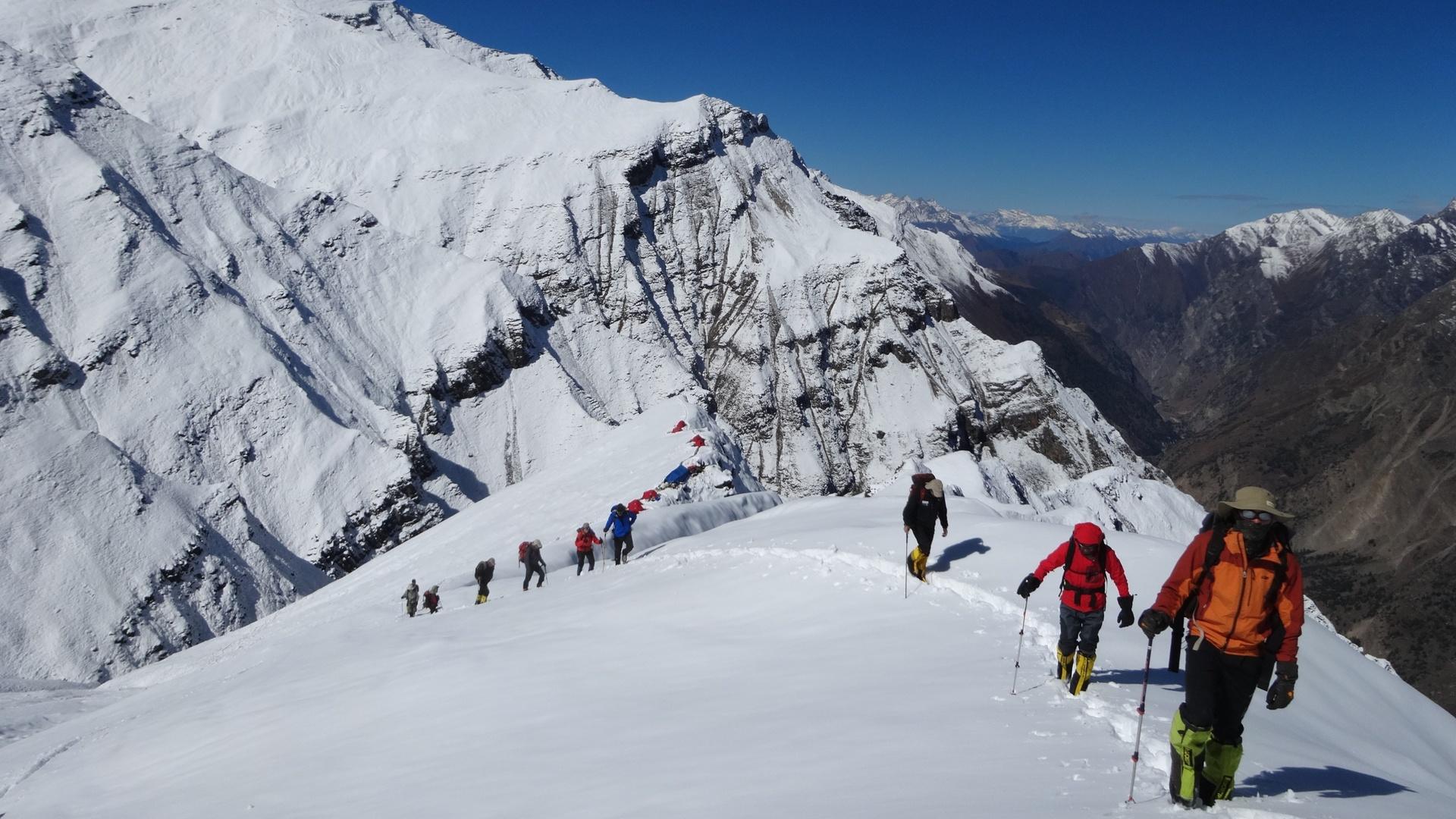
- Ascending fixed ropes
- Crossing steep terrain
- Passing technical sections
- Navigating above 8,000 meters
- Managing oxygen and energy
- Reaching the summit
- Beginning a rapid descent
At these elevations, even simple tasks become physically exhausting.
Reaching the summit is only half the challenge. A successful K2 expedition requires getting safely back down.
Best Time for K2 Expedition
The traditional K2 climbing season is generally the summer climbing season, when expedition teams attempt to take advantage of more favorable weather conditions.
However, conditions vary considerably from year to year.
The ideal climbing window depends on:
- Weather patterns
- Jet stream conditions
- Snow accumulation
- Avalanche danger
- Route conditions
- Temperature
- Wind
- Fixed-rope installation
Expedition operators closely monitor weather forecasts before planning summit attempts.
K2 Expedition Permits
Climbers attempting K2 require appropriate authorization and permits from the relevant Pakistani authorities.
The expedition operator normally handles much of the administrative and logistical process.
Permit requirements and fees can change, so climbers should verify the current regulations and fees before traveling.
K2 Expedition Equipment
A K2 expedition requires specialized mountaineering equipment.
Technical Climbing Equipment
- Mountaineering boots
- Crampons
- Ice axe
- Climbing harness
- Ascender
- Descender
- Carabiners
- Climbing helmet
- Jumars
- Ropes and slings
- Ice screws where appropriate
High-Altitude Clothing
- Base layers
- Insulated jacket
- Down suit
- Waterproof shell
- Expedition gloves
- Mittens
- Balaclava
- High-altitude goggles
- Sunglasses
- Warm socks
Camping Equipment
- Sleeping bag rated for extreme cold
- Sleeping mat
- Headlamp
- Personal cooking equipment where required
- Water bottles
- Thermos
Navigation and Communication
- Satellite communication device
- GPS
- Batteries
- Solar charger or power bank
- Emergency communication equipment
The expedition operator will normally provide or specify additional group equipment.
Physical Preparation for K2
K2 requires exceptional physical conditioning.
Preparation should ideally include:
Cardiovascular Training
Develop strong aerobic endurance through:
- Running
- Hiking
- Cycling
- Stair climbing
- Uphill walking
Strength Training
Focus on:
- Legs
- Core
- Back
- Shoulders
- Grip
Loaded Hiking
Regularly hiking with an expedition pack can help prepare the body for prolonged climbing days.
Technical Training
Experience should include:
- Crampon movement
- Ice climbing
- Fixed-rope techniques
- Rappelling
- Ascending ropes
- Glacier travel
- Crevasse rescue
Fitness alone is not enough for K2. Technical mountaineering experience is essential.
Is K2 Suitable for Beginners?
No.
K2 is not suitable for beginners or inexperienced climbers.
Before considering K2, climbers should have extensive experience with:
- High-altitude expeditions
- Technical climbing
- Glacier travel
- Steep snow and ice
- Fixed ropes
- Multi-day mountaineering
- Extreme weather
- Altitude above 7,000 meters
Many climbers build their experience by completing progressively more demanding mountains before attempting an 8,000-meter peak such as K2.
K2 Expedition Safety
Safety should be the highest priority on any K2 expedition.
Important considerations include:
Acclimatization
Gradual acclimatization helps the body adjust to decreasing oxygen availability.
Weather Monitoring
Summit attempts should be carefully planned around reliable weather forecasts.
Turnaround Strategy
Climbers must be prepared to abandon a summit attempt when conditions become unsafe.
Hydration and Nutrition
Maintaining adequate hydration and energy intake becomes increasingly important at high altitude.
Emergency Planning
Expedition teams should have clear plans for medical emergencies, evacuation and communication.
Professional Support
Experienced expedition leaders, high-altitude guides and local mountain staff can provide critical logistical and safety support.
K2 Expedition Insurance
Specialized expedition insurance is essential.
Standard travel insurance often excludes extreme-altitude mountaineering.
A suitable policy should be checked carefully for:
- High-altitude climbing coverage
- Emergency evacuation
- Search and rescue
- Medical treatment
- Expedition cancellation
- Repatriation
Always confirm the altitude and activity limits before purchasing insurance.
K2 vs Everest
K2 and Mount Everest are both among the world’s most famous mountains, but their challenges are different.
| Feature | K2 | Everest |
|---|---|---|
| Height | 8,611 m | 8,849 m |
| Rank | 2nd highest | Highest |
| Technical Difficulty | Extremely high | High |
| Weather | Extremely unpredictable | Severe |
| Technical Terrain | Extensive | Route dependent |
| Expedition Experience | Advanced | Advanced |
| Overall Challenge | Extreme | Extreme |
K2 is often regarded as more technically difficult and objectively dangerous than the standard Everest route.
K2 vs Other 8,000-Meter Peaks
K2 is frequently considered one of the most technically demanding 8,000-meter mountains.
Compared with some other 8,000-meter peaks, K2 combines:
- Very high altitude
- Steep terrain
- Technical climbing
- Severe weather
- Avalanche and serac hazards
- Difficult descent
- Limited margins for error
For experienced mountaineers, this combination makes K2 a particularly formidable objective.
How Long Does a K2 Expedition Take?
A complete K2 Expedition usually takes around 45–60+ days, depending on the expedition schedule and weather conditions.
The expedition includes:
- Arrival and preparation
- Travel to the Karakoram
- Approach trek
- Acclimatization
- Camp rotations
- Summit attempts
- Descent
- Return journey
Additional contingency days are essential because mountain weather can prevent climbing for extended periods.
Frequently Asked Questions About K2 Expedition
How high is K2?
K2 is 8,611 meters (28,251 feet) high, making it the second-highest mountain in the world.
How much does a K2 Expedition cost?
The cost varies considerably depending on the operator and level of support. A fully organized expedition can cost tens of thousands of US dollars.
How difficult is K2?
K2 is an extremely difficult and technical mountaineering objective requiring extensive experience and preparation.
Can beginners climb K2?
No. K2 is not appropriate for beginners. Climbers should have extensive high-altitude and technical mountaineering experience.
How long does a K2 Expedition take?
Most expeditions require approximately 45–60 or more days, including acclimatization and weather contingency.
What is the best month to climb K2?
K2 expeditions traditionally target the summer climbing season, but the actual summit window depends heavily on weather and route conditions.
Do I need supplemental oxygen on K2?
Some climbers use supplemental oxygen, while others attempt the mountain without it. The decision depends on the climber, expedition strategy, conditions and medical considerations.
Is K2 harder than Everest?
K2 is generally regarded as more technically demanding and objectively dangerous than the standard route on Everest, despite Everest being higher.
What route is normally used on K2?
The Abruzzi Spur is the most commonly used route from the Pakistan side.
Is K2 more dangerous than Everest?
K2 has historically had a very high fatality rate relative to successful ascents, although comparing mountains using a single fatality ratio can be misleading because climbing practices and conditions change over time.
Why Choose Destination Holiday Trek for Your Expedition?
Planning a major mountaineering expedition requires careful preparation, experienced logistics and reliable support.
Destination Holiday Trek can help adventure travelers with Himalayan and high-altitude expedition planning, logistics and travel arrangements.
Our team can assist with:
- Expedition planning
- Travel arrangements
- Accommodation
- Transportation
- Trekking logistics
- Permits and documentation
- Experienced local support
- Pre-expedition preparation
Contact Destination Holiday Trek to discuss your expedition requirements and receive an itinerary tailored to your objectives.
Final Thoughts
A K2 Expedition is far more than a high-altitude adventure. It is a serious mountaineering undertaking that tests physical endurance, technical ability, decision-making and mental resilience.
At 8,611 meters, K2 presents steep technical terrain, unpredictable weather and significant objective hazards. Successful climbers spend years developing the experience required to attempt such a mountain.
For those with the appropriate experience, preparation and support, standing on the summit of K2 represents one of the most remarkable achievements in mountaineering.
The mountain demands respect, preparation and patience—and safety must always come before the summit.
For the latest information on trekking regulations, permits, conservation areas, and mountaineering requirements in Nepal, visit the official Nepal Tourism Board and relevant government authorities before planning your Pisang Peak Climbing adventure.
Also if you want to view our other treks then you can follow this link.
Reviews
There are no reviews yet.