

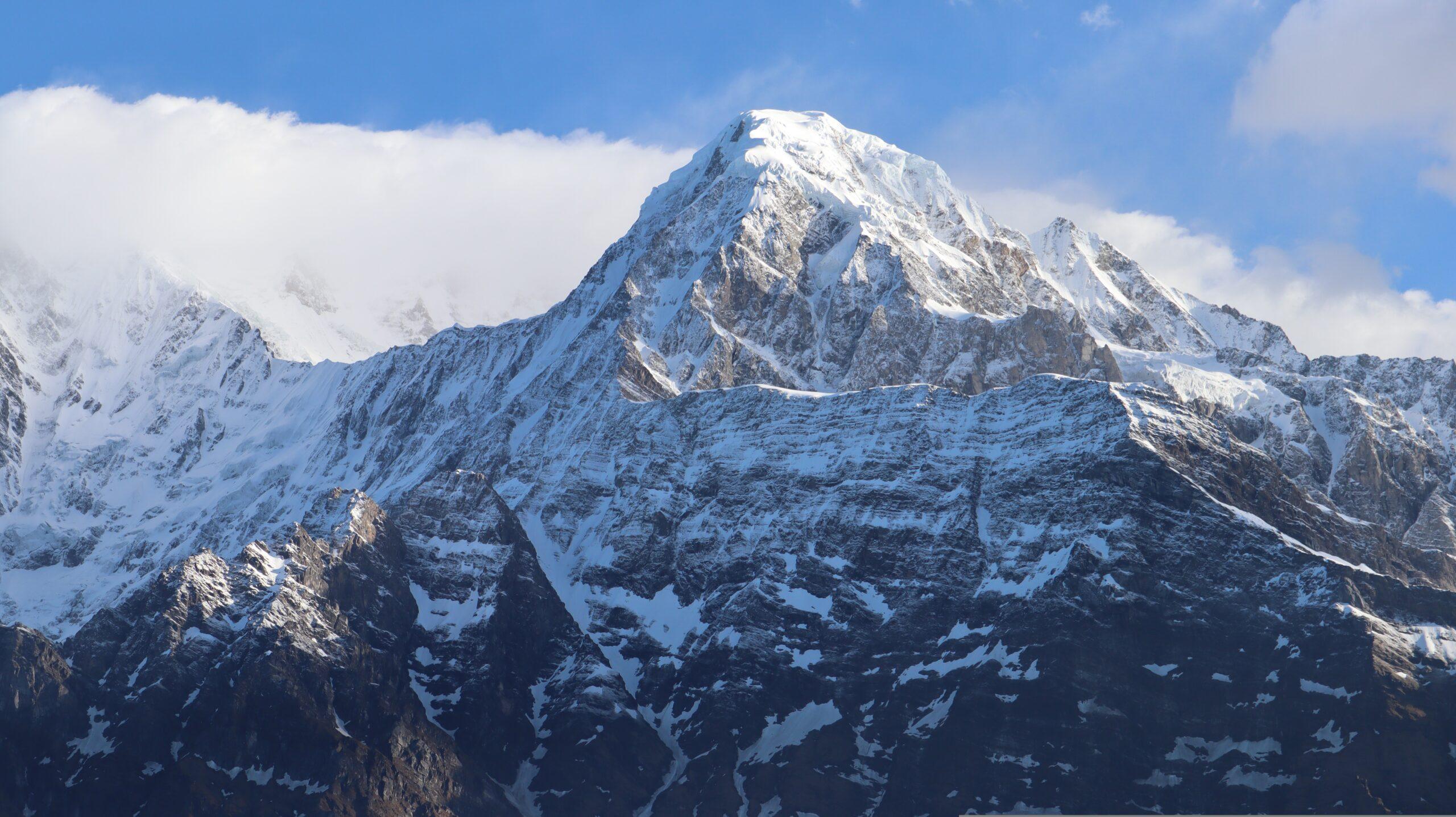
Cho Oyu Expedition
$ 33,500.00$ 32,000.00
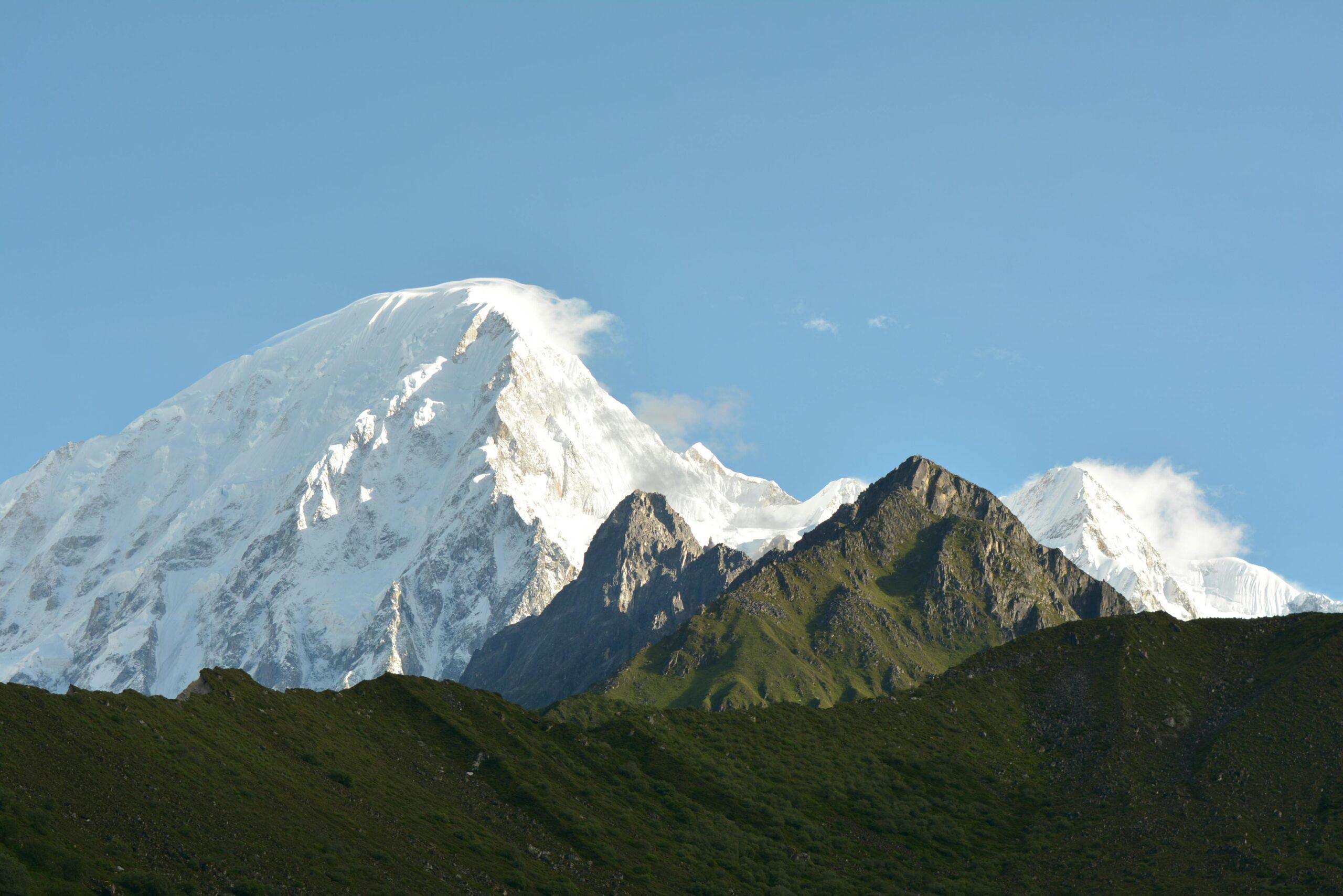
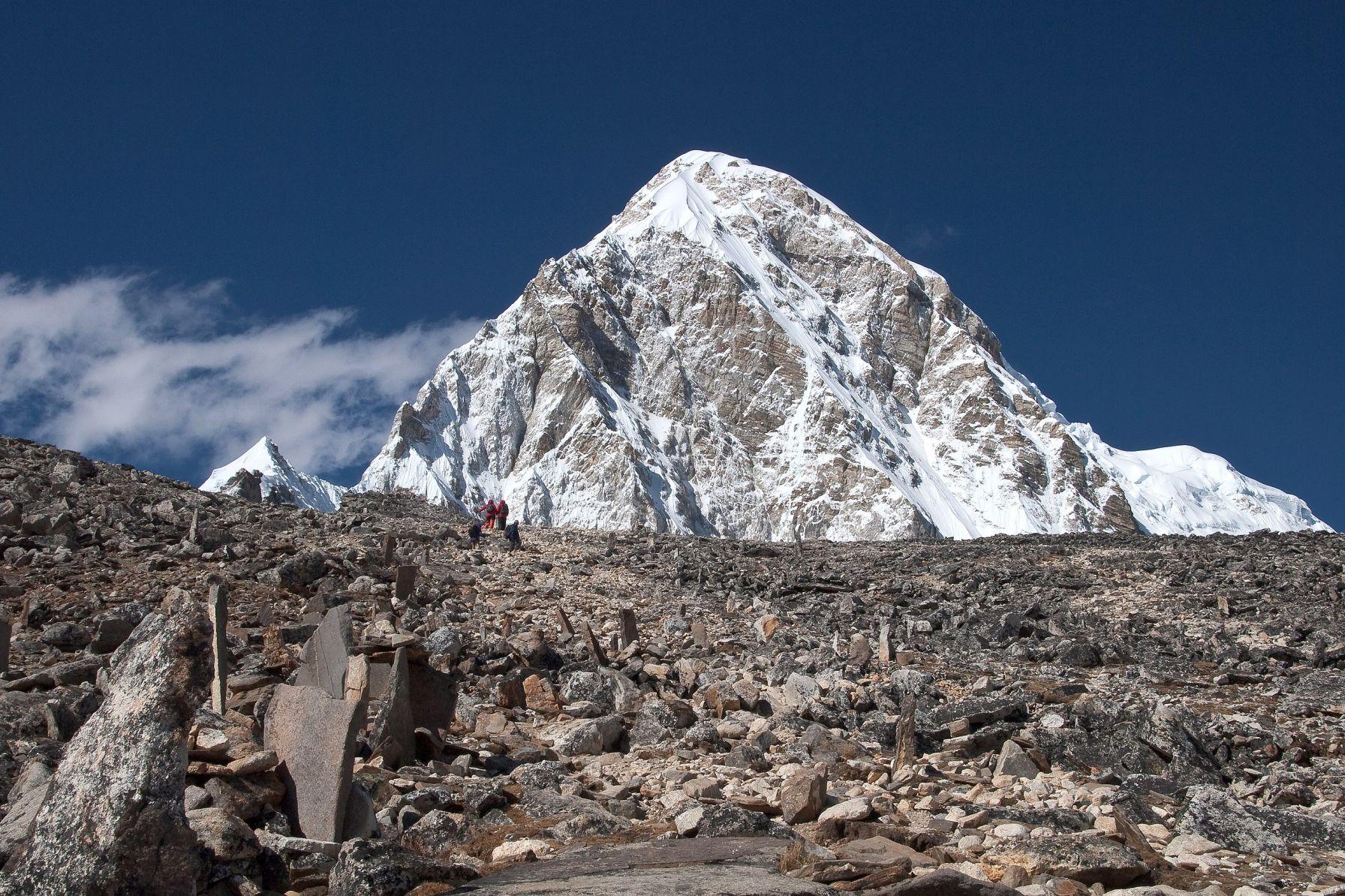
Cho Oyu (8,188 m) is the world’s sixth-highest mountain and is considered one of the most achievable 8,000m peaks in the Himalayas. Located on the Nepal–Tibet border, it is often the first choice for climbers preparing for Mount Everest.
Although less technical compared to other 8,000m peaks, Cho Oyu still demands strong fitness, endurance, and proper high-altitude experience due to long exposure in the “death zone.”
Product Description
Cho Oyu Expedition: Cost, Itinerary, Difficulty, Route & Complete Guide
The Cho Oyu Expedition is one of the world’s most prestigious high-altitude mountaineering adventures. Rising to approximately 8,188 meters (26,864 feet), Cho Oyu is the sixth-highest mountain in the world and one of the fourteen 8,000-meter peaks.
Known as the “Turquoise Goddess” in Tibetan, Cho Oyu stands on the Nepal–Tibet border, west of Mount Everest. Its standard commercial climbing route approaches the mountain from the Tibet side, following the northwest ridge and northwest face toward the summit.
Cho Oyu is often described as one of the more technically accessible 8,000-meter peaks because its standard route generally involves long snow and ice slopes rather than the extremely technical rock climbing found on some other 8,000-meter mountains. However, “easier” does not mean easy. Climbers still face the extreme altitude of the death zone, severe weather, cold, crevasses and potentially life-threatening high-altitude conditions.
For experienced mountaineers seeking their first or next 8,000-meter summit, a Cho Oyu Expedition in Tibet can be an extraordinary Himalayan challenge.
What Is the Cho Oyu Expedition?
The Cho Oyu Expedition is a full-scale mountaineering expedition to the summit of Mount Cho Oyu.
The mountain is located approximately west of Everest along the Nepal–Tibet border. Although many expeditions are organized from Kathmandu, the standard commercial climbing route is accessed from the Tibetan side.
The expedition normally involves:
- International arrival in Kathmandu
- Tibet travel and climbing permits
- Overland or air travel toward the Tibetan plateau
- Acclimatization
- Chinese Base Camp
- Advanced Base Camp
- Multiple high-altitude climbing rotations
- Camp establishment and stocking
- Summit attempt
- Descent and return to Kathmandu
A complete expedition generally takes around 40–45 days, although some operators offer longer schedules to provide additional acclimatization and weather contingency. Current 2026 commercial itineraries range from roughly 41 to 45 days.
Why Choose a Cho Oyu Expedition?
1. Climb the World’s Sixth-Highest Mountain
At approximately 8,188 meters, Cho Oyu is one of the world’s fourteen 8,000-meter peaks.
2. Attempt One of the More Accessible 8,000ers
Cho Oyu’s standard northwest route is generally regarded as technically more straightforward than several other 8,000-meter mountains. This has made it a popular objective for experienced climbers seeking their first 8,000-meter summit.
3. Experience Extreme High-Altitude Mountaineering
The expedition takes climbers well above 8,000 meters, where oxygen availability is extremely low and the human body cannot fully acclimatize.
4. Spectacular Tibetan Plateau
The approach offers extraordinary views across the Tibetan plateau and the surrounding Himalayan mountains.
5. Develop 8,000-Meter Experience
For experienced mountaineers, Cho Oyu can provide valuable experience with:
- High-altitude logistics
- Supplemental oxygen
- Fixed ropes
- High-altitude camps
- Expedition rotations
- Summit strategies
6. Views of Everest and Shishapangma
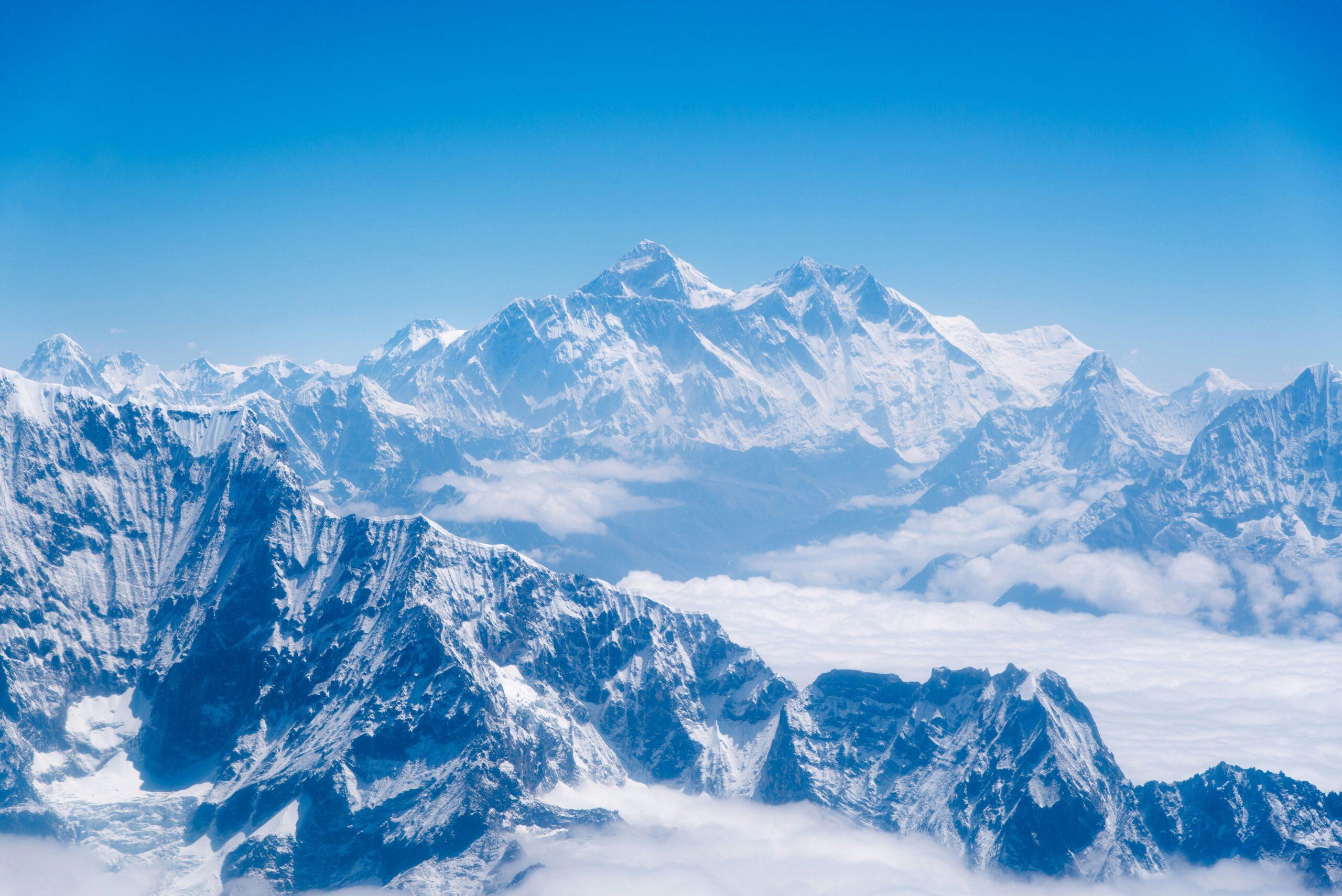
From the mountain and surrounding Tibetan landscape, climbers can experience spectacular views toward Everest, Lhotse, Shishapangma and other Himalayan peaks.
Cho Oyu Expedition Cost
The Cho Oyu Expedition cost varies substantially according to the operator, route, group size, guide-to-climber ratio, oxygen provision, logistics and level of support.
Published 2026 expedition prices illustrate this range. Some operators advertise packages around US$18,500–$20,500, while other full-service or premium expeditions are priced considerably higher. One current published comparison puts 2026 expedition prices roughly between US$18,500 and US$53,500, depending heavily on the service level.
Therefore, there is no single universal Cho Oyu climbing cost.
What Is Usually Included?
Depending on the package, an expedition may include:
- Cho Oyu climbing permit
- Tibet travel permits
- Expedition management
- Liaison officer arrangements
- Kathmandu accommodation
- Tibet accommodation
- Transportation
- Base Camp services
- Advanced Base Camp services
- Yaks for load transportation
- Expedition food
- Kitchen and dining facilities
- High-altitude climbing support
- Fixed-rope charges
- Expedition tents
- Oxygen packages
- Weather forecasting
- Communications
Personal international flights, personal climbing equipment, insurance and some rescue costs may be additional.
What Determines Cho Oyu Expedition Price?
Guide-to-climber ratio: A 1:1 climbing guide or Sherpa arrangement generally costs more than shared support.
Oxygen: Supplemental oxygen, masks and regulators can add significantly to the package.
Route logistics: Tibet-side permits, transportation and base-camp logistics contribute substantially to the total cost.
Expedition duration: Longer expeditions require additional accommodation, food and staff.
Level of service: Premium Western-led expeditions can cost substantially more than basic commercial packages.
Always request a detailed list of inclusions and exclusions before booking.
Cho Oyu Expedition Itinerary
A typical Cho Oyu Expedition itinerary takes approximately 41–45 days.
Below is a representative 42-day itinerary based on the general structure of current commercial expeditions.
Day 1: Arrival in Kathmandu
Arrive in Kathmandu and transfer to your hotel.
Day 2: Expedition Briefing and Preparation
Meet the expedition team, review the climbing plan and begin final preparations.
Day 3: Equipment Preparation
Complete equipment checks, packing and permit formalities.
Day 4: Travel Toward Tibet
Begin the journey toward the Tibet border and continue toward the Tibetan plateau.
Day 5: Enter Tibet
Travel toward Kyirong/Kerung or follow the applicable Tibet-side approach.
Day 6: Drive Toward Tingri
Continue toward the Tibetan plateau and Tingri.
Day 7: Acclimatization in Tingri
Rest and undertake an acclimatization activity around Tingri.
Day 8: Travel to Cho Oyu Base Camp
Continue toward Chinese Base Camp.
Day 9: Rest at Base Camp
Rest and prepare equipment for the trek toward Advanced Base Camp.
Day 10: Load Preparation
Prepare expedition loads and organize equipment for transport toward ABC.
Day 11: Trek Toward Middle Camp
Begin the approach toward Advanced Base Camp, with yaks carrying expedition supplies where applicable.
Day 12: Middle Camp
Continue acclimatizing at approximately 5,300 meters.
Day 13: Reach Advanced Base Camp
Reach Cho Oyu Advanced Base Camp, generally around 5,700 meters depending on the expedition setup. Current commercial itineraries commonly use an ABC around this elevation.
Day 14–32: Acclimatization and Climbing Rotations
The team begins progressive rotations between Advanced Base Camp and higher camps.
Climbers gradually gain altitude, establish or stock higher camps and return to lower elevations for recovery.
Day 33–36: Summit Window
When weather and route conditions are favorable, the team begins the summit push.
Day 37: Descend to Base Camp
Return toward Advanced Base Camp and Chinese Base Camp after the summit attempt.
Day 38: Drive Toward Tibet
Begin the return journey through the Tibetan plateau.
Day 39: Continue Toward the Border
Continue toward Kyirong/Kerung.
Day 40: Return to Kathmandu
Cross back toward Nepal and travel to Kathmandu.
Day 41: Rest and Contingency
Rest in Kathmandu and allow flexibility for delays.
Day 42: Final Departure
Transfer to the airport for your international departure.
Important: This is a representative itinerary. Actual schedules vary significantly because of weather, acclimatization, permit arrangements, road conditions and summit-window availability.
Cho Oyu Expedition Difficulty
The Cho Oyu Expedition difficulty is extremely high.
Cho Oyu is sometimes called the “easiest 8,000-meter mountain,” but this description can be misleading.
The standard route may be technically more accessible than some other 8,000-meter peaks, but climbers still face:
- 8,000-meter altitude
- Extreme cold
- Strong winds
- Low oxygen
- Crevasses
- Steep snow and ice
- Fixed ropes
- Long summit days
- Altitude sickness
- Frostbite
- Severe weather
- Exhaustion
- Difficult rescue conditions
The altitude alone makes Cho Oyu an exceptionally dangerous undertaking.
Cho Oyu Height and Altitude
Cho Oyu is approximately 8,188 meters (26,864 feet) high according to current references. Some older expedition materials continue to list the mountain as 8,201 meters, so you may encounter both figures online.
For SEO purposes, it is useful to naturally mention both the current elevation and the commonly used historical figure without presenting them as two different mountains.
| Location | Approximate Elevation |
|---|---|
| Kathmandu | 1,400 m |
| Kyirong/Kerung | ~2,850 m |
| Tingri | ~4,300–4,400 m |
| Chinese Base Camp | ~4,800–5,000 m |
| Advanced Base Camp | ~5,700 m |
| Camp I | ~6,400 m |
| Camp II | ~7,100–7,400 m |
| High Camp | ~7,400–7,500 m |
| Cho Oyu Summit | ~8,188 m |
Camp elevations can vary between expedition operators and according to route conditions. Current commercial itineraries commonly place ABC around 5,700 meters and higher camps progressively above 6,000 meters.
Cho Oyu Expedition Route
The standard commercial route approaches Cho Oyu from the Tibet side.
The broad route is:
Kathmandu → Tibet → Tingri → Chinese Base Camp → Middle Camp → Advanced Base Camp → Camp I → Camp II → High Camp → Cho Oyu Summit
The standard climbing line follows the northwest side of the mountain.
Cho Oyu Base Camp
The Chinese Base Camp serves as an important logistical center for the expedition.
Unlike some Himalayan expeditions that require long approaches on foot, the Tibet-side Cho Oyu route benefits from road access much closer to Base Camp.
Expedition services may include:
- Dining facilities
- Kitchen
- Sleeping tents
- Communications
- Medical supplies
- Power systems
- Equipment storage
- Weather forecasting
- Expedition management
From Base Camp, expedition loads are commonly transported toward Advanced Base Camp using yaks.
Cho Oyu Advanced Base Camp
Advanced Base Camp is generally located around 5,700 meters.
ABC becomes the main operational center for the high-altitude climbing phase.
From here, climbers begin their acclimatization rotations toward the higher camps.
Current expedition programs commonly establish ABC beneath the northwest face and use it as the staging point for the summit strategy.
Cho Oyu Camp I
Camp I is commonly positioned at approximately 6,400 meters.
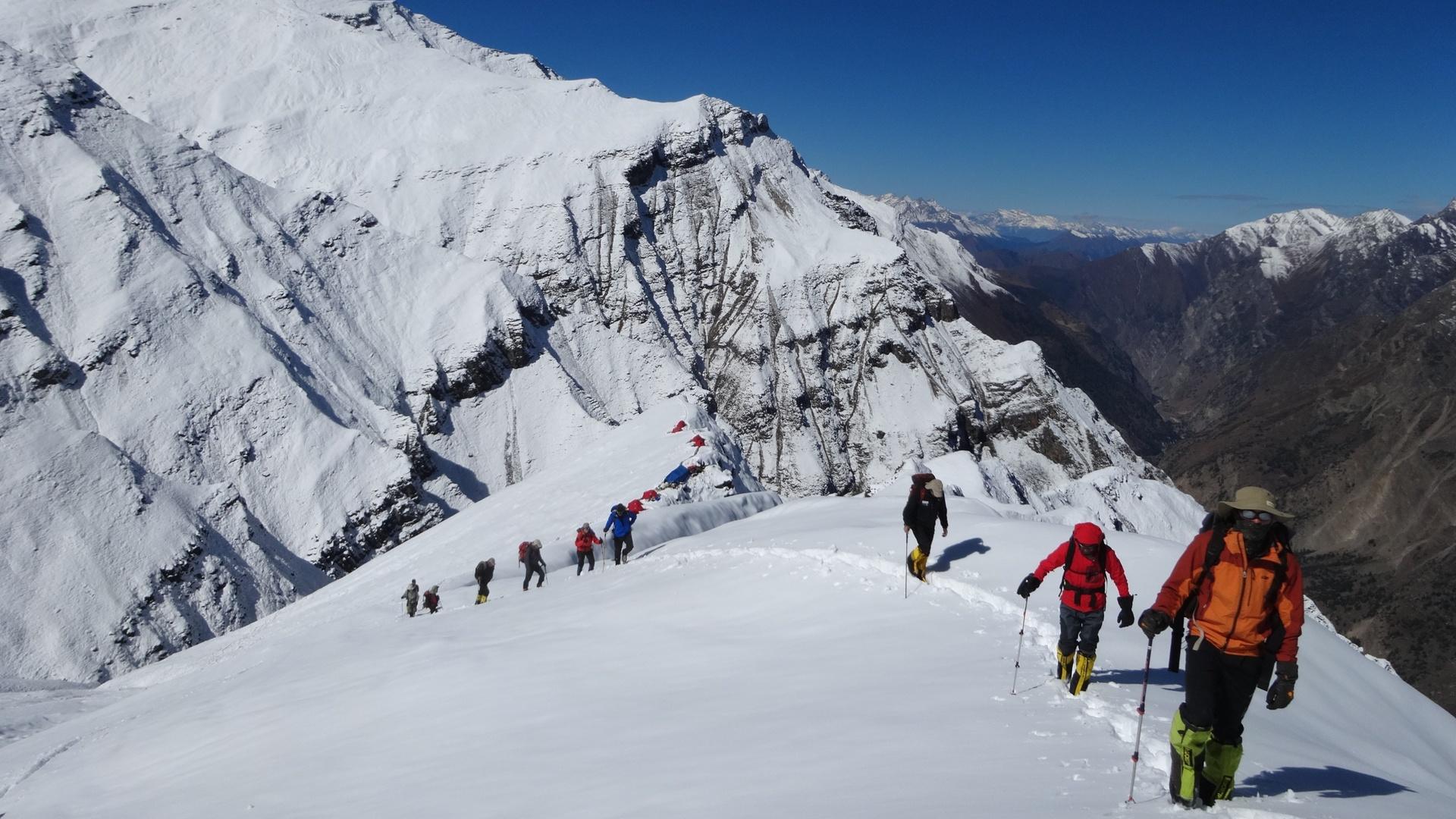
The route toward Camp I involves glacier travel and snow slopes.
Climbers normally use fixed ropes on more demanding sections and must be comfortable with crampons, ascenders and high-altitude movement.
Cho Oyu Camp II
Camp II is established at a significantly higher elevation, commonly around 7,100–7,400 meters, depending on expedition strategy.
At this altitude, oxygen availability is extremely low and recovery becomes increasingly difficult.
Climbers normally spend limited time at these elevations during acclimatization rotations.
Cho Oyu High Camp
A high camp may be established around 7,400–7,500 meters, depending on the route and current mountain conditions.
From here, climbers prepare for the final summit push.
The exact camp configuration can vary between seasons and expedition operators.
Cho Oyu Summit Day
The summit push is the most demanding stage of the expedition.
A typical summit attempt may involve:
- Starting during the night
- Climbing in extreme cold
- Ascending fixed ropes
- Crossing snow and ice terrain
- Managing supplemental oxygen
- Conserving energy
- Monitoring weather
- Reaching the summit
- Beginning the descent as soon as conditions permit
At more than 8,000 meters, even basic physical tasks become extremely demanding.
Reaching the summit is only half the objective. A successful expedition also requires a safe descent.
Best Time for Cho Oyu Expedition
The principal commercial climbing seasons are generally spring and autumn.
Spring Season
Spring can offer suitable conditions for high-altitude expeditions, although weather and route conditions vary from year to year.
Autumn Season
Autumn is a major commercial climbing period, with many current expedition programs scheduled around September and October. Current 2026 commercial departures include late-August and September starts for autumn expeditions.
The ideal summit window depends on:
- Wind
- Temperature
- Jet-stream conditions
- Snow accumulation
- Route conditions
- Avalanche risk
- Fixed ropes
- Weather forecasts
Cho Oyu Expedition Permits
Because the standard commercial route is on the Tibetan side, climbers require the appropriate Chinese/Tibetan mountaineering and travel permits.
Expedition operators generally coordinate:
- Tibet travel permits
- Climbing permits
- Border documentation
- Liaison arrangements
- Transportation permissions
The exact permit structure and fees can change, so climbers should verify current requirements with their expedition operator before departure.
Published 2026 expedition packages show that climbing permits and Tibet-related permissions can represent a substantial portion of the overall expedition cost.
Cho Oyu Expedition Equipment
A Cho Oyu expedition requires specialized high-altitude mountaineering equipment.
Technical Climbing Equipment
- Mountaineering boots
- Crampons
- Ice axe
- Climbing harness
- Climbing helmet
- Ascender/Jumar
- Descender
- Carabiners
- Prusik cords
- Slings
- Climbing hardware
High-Altitude Clothing
- Base layers
- Fleece layers
- Down jacket
- Expedition down suit
- Waterproof shell
- High-altitude gloves
- Mittens
- Balaclava
- Warm socks
- High-altitude goggles
- Glacier sunglasses
Camping Equipment
- Extreme-cold sleeping bag
- Sleeping mat
- Headlamp
- Thermos
- Water bottles
- Personal cooking equipment where required
Oxygen Equipment
Depending on the expedition package:
- Oxygen cylinders
- Oxygen regulator
- Oxygen mask
- Spare oxygen components
Your expedition company should provide a detailed equipment checklist before departure.
Physical Preparation for Cho Oyu
Physical preparation should begin months before the expedition.
Cardiovascular Training
Build aerobic endurance through:
- Hiking
- Running
- Cycling
- Stair climbing
- Uphill walking
Strength Training
Focus on:
- Legs
- Core
- Back
- Shoulders
- Grip
Loaded Hiking
Long hikes with an appropriate pack can help prepare your body for extended expedition days.
Technical Training
Climbers should be comfortable with:
- Crampons
- Ice axe
- Fixed ropes
- Jumar/ascender techniques
- Rappelling
- Glacier travel
- Self-arrest
- Crevasse awareness
High-Altitude Experience
Previous experience above 6,000–7,000 meters is highly valuable before attempting an 8,000-meter summit.
Is Cho Oyu Suitable for Beginners?
No.
Although Cho Oyu is often described as one of the more accessible 8,000-meter peaks, it is not a beginner’s mountain.
Climbers should ideally have substantial experience with:
- High-altitude mountaineering
- Technical snow and ice
- Crampon techniques
- Fixed ropes
- Glacier travel
- Extreme cold
- High-altitude camping
- Multi-day expeditions
A climber’s first 8,000-meter expedition should only be considered after developing appropriate technical and high-altitude experience.
Cho Oyu Expedition Safety
Safety must always come before the summit.
Acclimatization
Gradual acclimatization and carefully planned climbing rotations are essential.
Weather Monitoring
Summit attempts should be based on reliable weather forecasting and current route conditions.
Oxygen Management
Climbers using supplemental oxygen must understand their oxygen system and have sufficient supply for the planned ascent and descent.
Turnaround Strategy
A climber must be prepared to abandon the summit attempt when conditions become unsafe.
Hydration and Nutrition
Maintaining adequate fluid and calorie intake is particularly important at extreme altitude.
Professional Support
Experienced expedition leaders, high-altitude guides and Sherpa staff provide valuable climbing and logistical support.
Cho Oyu Expedition Insurance
Specialized mountaineering insurance is essential.
Before purchasing a policy, confirm that it covers:
- 8,000-meter mountaineering
- Emergency evacuation
- Search and rescue
- Medical treatment
- Repatriation
- Expedition cancellation
Pay particular attention to the maximum altitude covered by the policy.
Cho Oyu vs Everest
Both Cho Oyu and Everest are 8,000-meter Himalayan peaks, but their climbing experiences differ.
| Feature | Cho Oyu | Everest |
|---|---|---|
| Height | ~8,188 m | 8,849 m |
| World Ranking | 6th | 1st |
| Standard Route | Tibet | Nepal/Tibet |
| Technical Difficulty | High | High |
| Altitude | Extreme | Extreme |
| Reputation | More technically accessible | Highest mountain |
| Experience Required | Advanced | Advanced |
Cho Oyu is often considered technically more straightforward than Everest’s most demanding sections, but its extreme altitude still makes it a serious expedition.
Cho Oyu vs Manaslu
Manaslu is another popular 8,000-meter objective.
| Feature | Cho Oyu | Manaslu |
|---|---|---|
| Height | ~8,188 m | 8,163 m |
| Location | Nepal–Tibet border | Nepal |
| Standard Route | Tibet | Nepal |
| Technical Difficulty | High | High |
| Expedition Style | Tibetan plateau approach | Trekking approach |
| Altitude | Extreme | Extreme |
Both mountains require serious preparation, but their approaches and expedition logistics are very different.
Cho Oyu vs Lhotse
| Feature | Cho Oyu | Lhotse |
|---|---|---|
| Height | ~8,188 m | 8,516 m |
| Rank | 6th | 4th |
| Standard Route | Northwest side | Everest/Lhotse route |
| Technical Challenge | High | Very High |
| Location | Nepal–Tibet border | Khumbu |
| Experience | Advanced | Advanced |
Lhotse’s upper route is generally regarded as more technical, while Cho Oyu is often selected by climbers seeking a comparatively accessible introduction to 8,000-meter mountaineering.
How Long Does a Cho Oyu Expedition Take?
A complete Cho Oyu Expedition usually takes around 40–45 days.
The expedition includes:
- Kathmandu preparation
- Tibet travel
- Acclimatization
- Chinese Base Camp
- Advanced Base Camp
- High-altitude rotations
- Summit attempt
- Descent
- Return to Kathmandu
Additional contingency days are essential because weather and route conditions can delay summit attempts.
Frequently Asked Questions About Cho Oyu Expedition
How high is Cho Oyu?
Cho Oyu is currently commonly listed at approximately 8,188 meters (26,864 feet), making it the sixth-highest mountain in the world. Older sources frequently list 8,201 meters.
How difficult is the Cho Oyu Expedition?
Cho Oyu is an extremely challenging 8,000-meter expedition, despite having a comparatively accessible standard climbing route.
How much does a Cho Oyu Expedition cost?
Published 2026 expedition packages vary considerably, from roughly US$18,500 to more than US$50,000, depending on operator, support level, oxygen, guide ratio and logistics.
Can beginners climb Cho Oyu?
No. Cho Oyu is not suitable for beginners. Extensive high-altitude and technical mountaineering experience is recommended.
How long does a Cho Oyu Expedition take?
A typical commercial expedition takes approximately 40–45 days, although longer itineraries are possible.
What is the best time to climb Cho Oyu?
Spring and autumn are the principal expedition seasons, with many commercial programs operating during the autumn season.
Where is Cho Oyu located?
Cho Oyu stands on the Nepal–Tibet border, west of Mount Everest.
Which route is used for Cho Oyu?
The standard commercial route approaches from the Tibet side via the northwest ridge/northwest face.
Is Cho Oyu the easiest 8,000-meter mountain?
It is widely described as the most technically accessible or easiest of the 14 eight-thousanders, but this should not be confused with being easy or low-risk.
Do I need supplemental oxygen?
Many commercial expeditions provide or recommend supplemental oxygen for the upper mountain. The exact strategy depends on the climber, operator and expedition plan.
Why Choose Destination Holiday Trek?
Planning an 8,000-meter expedition requires careful preparation, experienced logistics and reliable high-altitude support.
Destination Holiday Trek can assist adventure travelers with:
- Expedition planning
- Travel arrangements
- Tibet-related logistics
- Accommodation
- Transportation
- Permit coordination
- High-altitude support
- Expedition preparation
- Local staff coordination
Contact Destination Holiday Trek to discuss your Cho Oyu Expedition requirements and receive a customized expedition plan.
Final Thoughts
The Cho Oyu Expedition represents one of the ultimate achievements in Himalayan mountaineering.
At approximately 8,188 meters, Cho Oyu offers experienced climbers the opportunity to enter the world of 8,000-meter mountaineering through a route that is generally considered more technically accessible than several other giants of the Himalayas.
But the mountain’s reputation should never be mistaken for simplicity.
Extreme altitude, freezing temperatures, unpredictable weather, low oxygen and prolonged exposure to the death zone make Cho Oyu a serious and potentially dangerous expedition.
For properly prepared climbers, however, standing on the summit of the Turquoise Goddess can be one of the most extraordinary experiences in high-altitude mountaineering.
Respect the altitude, prepare for the mountain, trust the process—and always make a safe return the ultimate objective.
For the latest information on trekking regulations, permits, conservation areas, and mountaineering requirements in Nepal, visit the official Nepal Tourism Board and relevant government authorities before planning your Pisang Peak Climbing adventure.
Also if you want to view our other treks then you can follow this link.
Reviews
There are no reviews yet.