

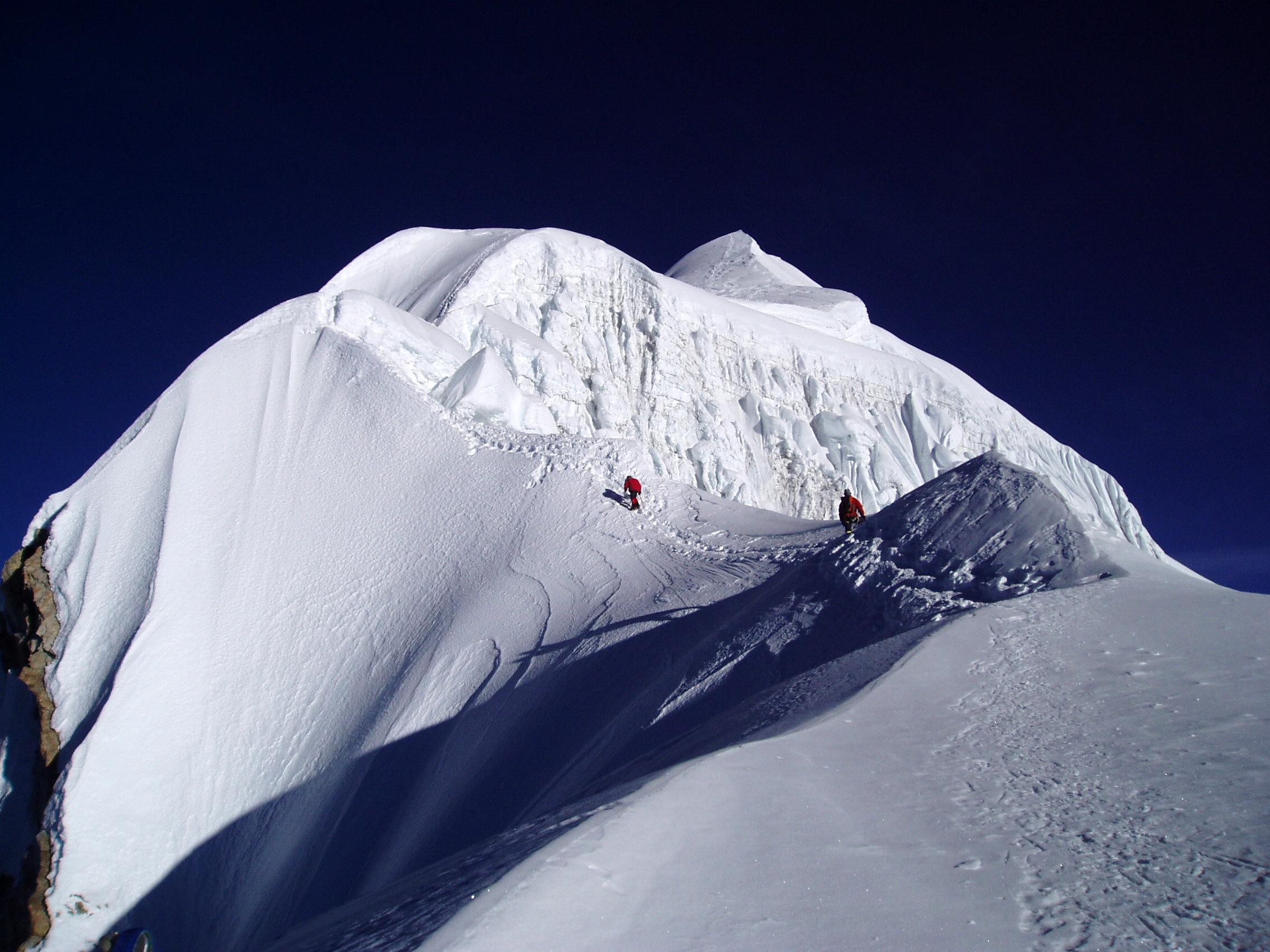
Baruntse Expedition-35 Days
$ 15,000.00$ 14,750.00
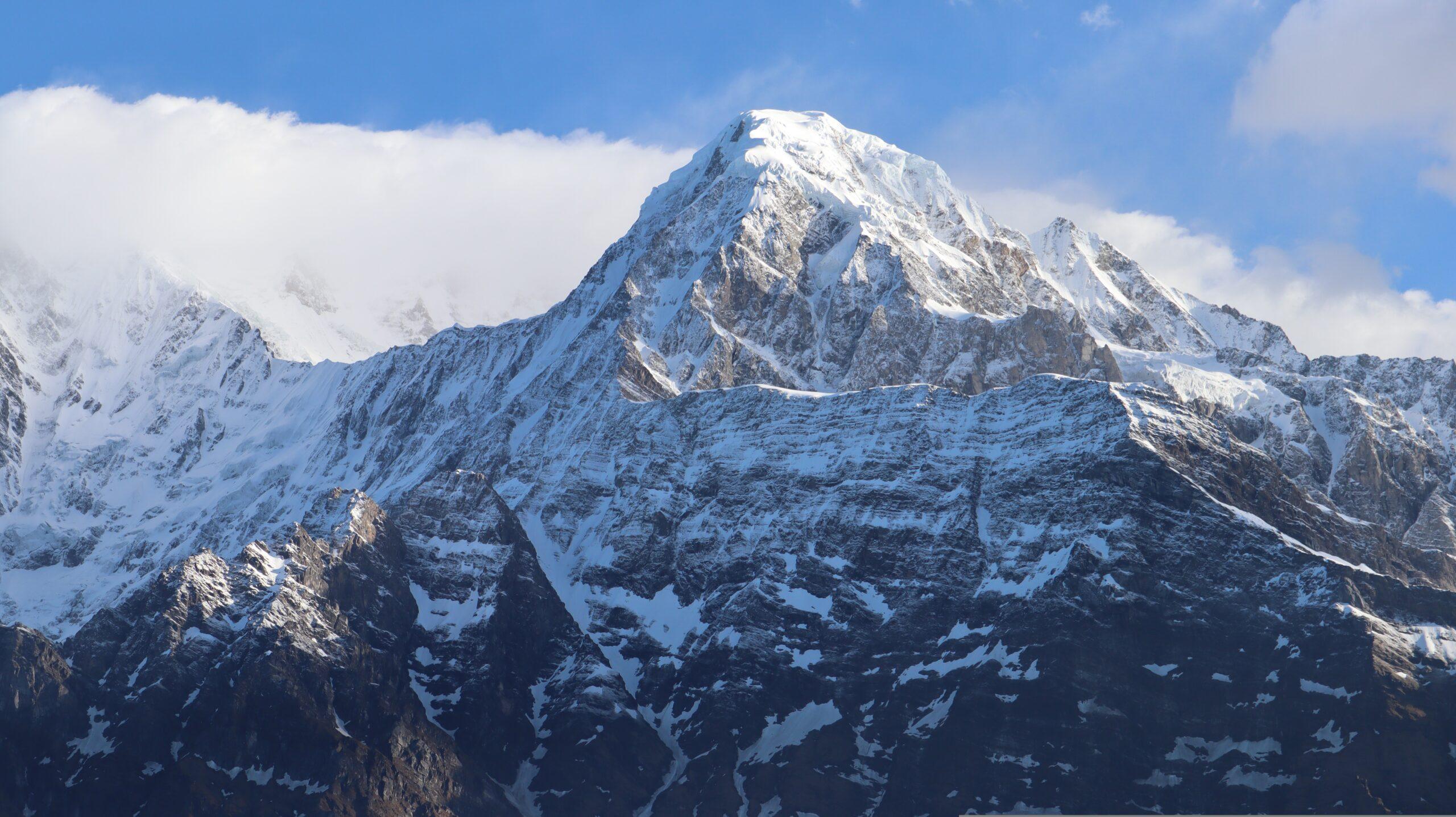
Baruntse Expedition is one of the great opportunities to prepare yourselves if you are eying for an 8000m in future. Mount Baruntse is a stunning and gorgeous snow peak between Makalu and Everest, lies in the epicenter of three glacier valleys, the Imja, the Hunku and Baruntse. The peak itself commands a central position amongst some of the high peaks of the Himalaya and it is the most accessible 7000m peak in the region besides having a normal route of ascent which can be guided.
Baruntse was the early Himalayan peaks recognized by Edmund Hillary’s team for climbing east of Everest and this mountain was first ascended by Colin Todd and Georg Harrow in 1954 by the South-East Ridge. The peak is crowned by four summits on four ridges with a high rate of successful ascent on the normal route via South Ridge.
Product Description
Baruntse Expedition: Cost, Itinerary, Difficulty & Complete Guide
The Baruntse Expedition is one of Nepal’s most rewarding high-altitude climbing adventures, offering experienced mountaineers the opportunity to summit Mount Baruntse at 7,129 meters (23,389 feet) in the spectacular Makalu-Barun region of eastern Nepal.
Located between the Everest and Makalu regions, Baruntse combines remote Himalayan scenery, glacier travel, steep snow and ice climbing, and a challenging summit ridge. The mountain’s standard Southeast Ridge provides a serious but achievable objective for climbers preparing for more demanding 7,000-meter and 8,000-meter peaks.
Unlike trekking peaks such as Mera Peak, Baruntse requires considerably stronger technical climbing skills and high-altitude experience. Climbers must be comfortable with crampons, fixed ropes, ice axes, glacier travel, steep snow and ice, and prolonged exposure to extreme altitude.
The mountain was first climbed on 30 May 1954 by Colin Todd and Geoff Harrow via the Southeast Ridge, the route that remains the classic line to the summit.
If you are searching for a Baruntse Expedition in Nepal, this guide covers the cost, itinerary, route, difficulty, altitude, permits, camps, equipment, acclimatization, best climbing season, preparation and everything you need to know before attempting the summit.
Baruntse Expedition Highlights
- Summit Mount Baruntse: 7,129m / 23,389ft
- Climb the classic Southeast Ridge
- Explore the remote Makalu-Barun Himalayan landscape
- Trek through the Hinku Valley and remote high-altitude wilderness
- Cross the Mera La approach
- Experience glacier and high-altitude mountaineering
- Establish high camps above 6,000 meters
- Experience technical snow and ice climbing
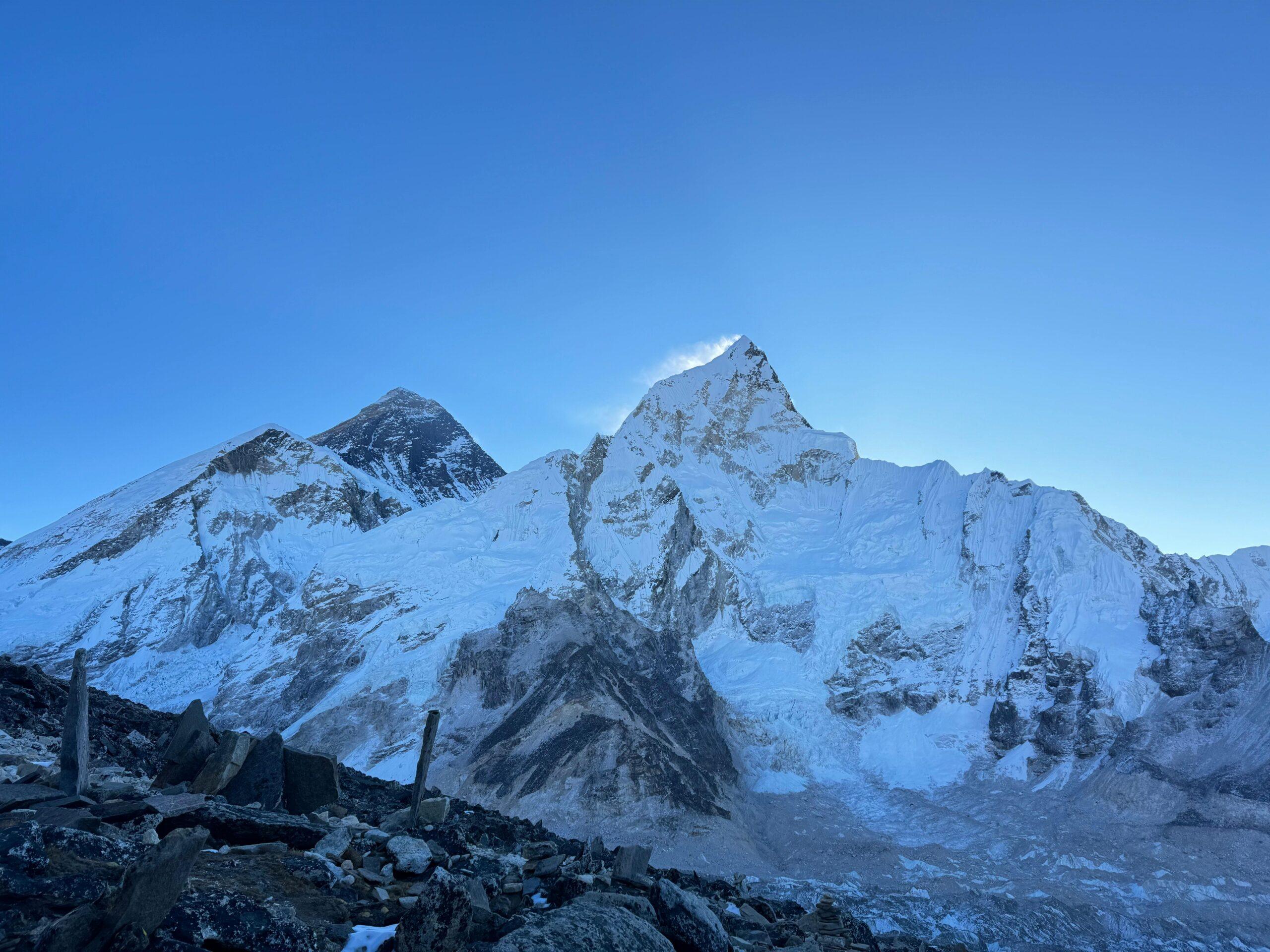
- Spectacular views of Everest, Lhotse, Makalu, Ama Dablam and surrounding peaks
- Opportunity to combine the expedition with Mera Peak
- Approximately 25–35 days for many commercial programs
- Suitable for experienced mountaineers rather than first-time climbers
What Is the Baruntse Expedition?
The Baruntse Expedition is a guided mountaineering expedition to the summit of Mount Baruntse, a 7,129-meter Himalayan peak in eastern Nepal.
The standard approach normally begins with a flight from Kathmandu to Lukla, followed by trekking through the Hinku Valley toward Mera Peak and the Barun region before reaching Baruntse Base Camp.
Several current itineraries use the sequence:
Kathmandu → Lukla → Chutanga → Thuli Kharka → Kothe → Thangnak → Khare → Mera Base Camp → Seto Pokhari → Baruntse Base Camp.
From Base Camp, climbers spend several days acclimatizing, establishing higher camps, practicing technical climbing and waiting for suitable weather before attempting the summit.
Current 2026 itineraries show approximately 10–12 trekking days to reach Baruntse Base Camp, followed by a dedicated climbing period.
Why Climb Mount Baruntse?
Baruntse occupies an interesting position in Himalayan mountaineering.
At 7,129 meters, it is substantially higher and more technically demanding than most trekking peaks, but it does not involve the extreme altitude of an 8,000-meter expedition.
This makes Baruntse attractive to experienced climbers looking to develop their skills for larger Himalayan objectives.
1. A Serious 7,000-Meter Objective
Baruntse provides genuine high-altitude expedition experience, including glacier travel, fixed ropes, high camps and summit-push logistics.
2. Technical Climbing
The Southeast Ridge contains steep sections of snow and ice, including sections reported at around 50 degrees, making technical preparation essential.
3. Remote Himalayan Environment
The approach takes you through relatively remote valleys and high mountain terrain away from the busiest trekking routes.
4. Spectacular Mountain Views
From the Baruntse region, climbers can experience views toward some of the Himalayas’ most famous peaks, including Makalu, Lhotse, Everest and Ama Dablam.
5. Preparation for Bigger Mountains
Baruntse can provide valuable experience for climbers planning future expeditions to mountains such as:
- Himlung Himal
- Ama Dablam
- Pumori
- Manaslu
- Lhotse
- Makalu
- Other 7,000-meter and 8,000-meter peaks
Baruntse Expedition Cost
The Baruntse Expedition cost varies considerably depending on the operator, group size, season, guide-to-climber ratio, logistics, oxygen arrangements, Sherpa support and services included.
For 2026, published commercial prices commonly fall approximately between US$7,500 and US$10,500 per person, although budget group programs can be lower and premium or highly personalized expeditions can cost considerably more.
For example, current published 2026 programs include prices around US$7,600–8,500, while some operators advertise packages around US$7,500–10,500 depending on the level of service.
Estimated Baruntse Expedition Cost
| Expense | Estimated Cost |
|---|---|
| Baruntse expedition package | US$7,500–10,500+ |
| Climbing permit | Seasonal |
| International flights | Varies |
| Personal climbing equipment | US$2,000–5,000+ |
| Travel insurance | US$150–500+ |
| Personal expenses | US$300–1,000+ |
| Tips and gratuities | Varies |
| Emergency evacuation insurance | Depends on policy |
These figures are planning estimates rather than a fixed quotation.
What Affects the Baruntse Expedition Price?
The final cost depends on:
- Group size
- Expedition duration
- Number of climbing Sherpas
- Guide-to-climber ratio
- Base Camp services
- High-altitude Sherpa support
- Oxygen availability
- High-altitude food
- Tents and camping equipment
- Domestic flights
- Helicopter services
- Accommodation in Kathmandu
- Permit and government fees
- Insurance
- Personal equipment
- Emergency evacuation arrangements
Always compare the inclusions, rather than choosing an expedition based only on the advertised price.
Baruntse Climbing Permit Cost
Baruntse is a regulated climbing peak and requires an appropriate climbing permit.
Current published permit information places the Baruntse royalty at approximately:
| Season | Permit/Royalty |
|---|---|
| Spring | US$500 |
| Autumn | US$250 |
| Summer | US$125 |
| Winter | US$125 |
Current expedition operators continue to publish these seasonal rates for Baruntse.
Government tourism statistics also record Baruntse as a 7,129-meter expedition peak and show climbing royalty collections for the mountain.
Because Nepal’s mountaineering regulations and fees can change, your expedition operator should confirm the applicable permit fees when your permit is processed.
Baruntse Expedition Itinerary
A typical Baruntse Expedition itinerary takes around 25–35 days, although longer itineraries are also available.
The following is a representative itinerary designed around current commercial expedition routes.
Day 1: Arrival in Kathmandu
Arrive in Kathmandu and transfer to your hotel.
Meet the expedition team and receive an initial briefing.
Altitude: approximately 1,350m
Day 2: Expedition Preparation
Spend the day preparing climbing equipment, checking gear and completing expedition documentation.
You can also purchase or rent any remaining mountaineering equipment in Kathmandu.
Day 3: Official Briefing and Preparation
Complete remaining formalities and attend the expedition briefing.
Your climbing team will review:
- Route
- Weather
- Safety procedures
- Communication
- High-altitude strategy
- Equipment
- Acclimatization plan
Day 4: Fly to Lukla and Trek to Chutanga
Fly toward Lukla and begin the trek toward Chutanga.
Altitude: approximately 3,050–3,100m
Day 5: Chutanga to Thuli Kharka
Cross the Zatrawa La area before descending toward Thuli Kharka.
This is an important acclimatization stage.
Day 6: Thuli Kharka to Kothe
Continue toward Kothe through the Hinku Valley.
The landscape gradually becomes more alpine.
Day 7: Kothe to Thangnak
Trek toward Thangnak.
Altitude: approximately 4,355m
This is where altitude becomes increasingly important.
Day 8: Acclimatization at Thangnak
Take a rest and acclimatization day.
Short hikes to higher elevations followed by sleeping lower can help your body adapt to altitude.
Day 9: Thangnak to Khare
Continue toward Khare.
Altitude: approximately 4,700–5,000m depending on itinerary.
Day 10: Khare to Mera Base Camp
Continue toward Mera Base Camp.
Some Baruntse expeditions use this region for additional acclimatization before crossing toward the Barun Valley.
Day 11: Mera Base Camp to Seto Pokhari
Cross toward Seto Pokhari.
This section moves deeper into the remote high-altitude wilderness.
Day 12: Seto Pokhari to Baruntse Base Camp
Trek toward Baruntse Base Camp, generally around 5,200–5,400m depending on the exact expedition route and camp location.
Current itineraries commonly place Baruntse Base Camp around 5,300–5,400m.
Days 13–25: Baruntse Climbing Period
The climbing period is deliberately flexible.
Weather, snow conditions, acclimatization and route conditions determine the actual summit schedule.
Activities may include:
- Rest and acclimatization
- Glacier training
- Fixed-rope practice
- Carrying equipment
- Establishing higher camps
- Rotations between camps
- Summit preparation
- Summit attempt
- Weather waiting days
Baruntse High Camps
The exact camp arrangement can vary between expeditions and depending on current route conditions.
A representative structure includes:
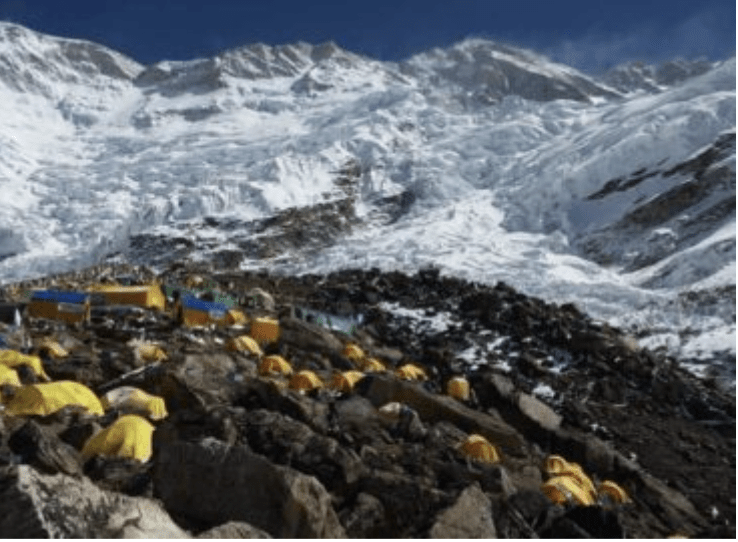
Base Camp
Approximately 5,300m
This is the main logistics and acclimatization center.
Camp I
Approximately 5,800–6,000m
Used during the first stage of the climbing rotation.
Camp II
Approximately 6,200–6,400m
This is generally an important high-altitude climbing camp.
Camp III / High Camp
Approximately 6,700–6,800m
Some current expedition programs identify a high camp near 6,700–6,800m before the summit push.
Summit
7,129m / 23,389ft
From high camp, climbers begin the final summit attempt when weather and route conditions are favorable.
Baruntse Summit Day
Summit day is the most demanding part of the expedition.
A typical summit push begins during the early hours of the morning.
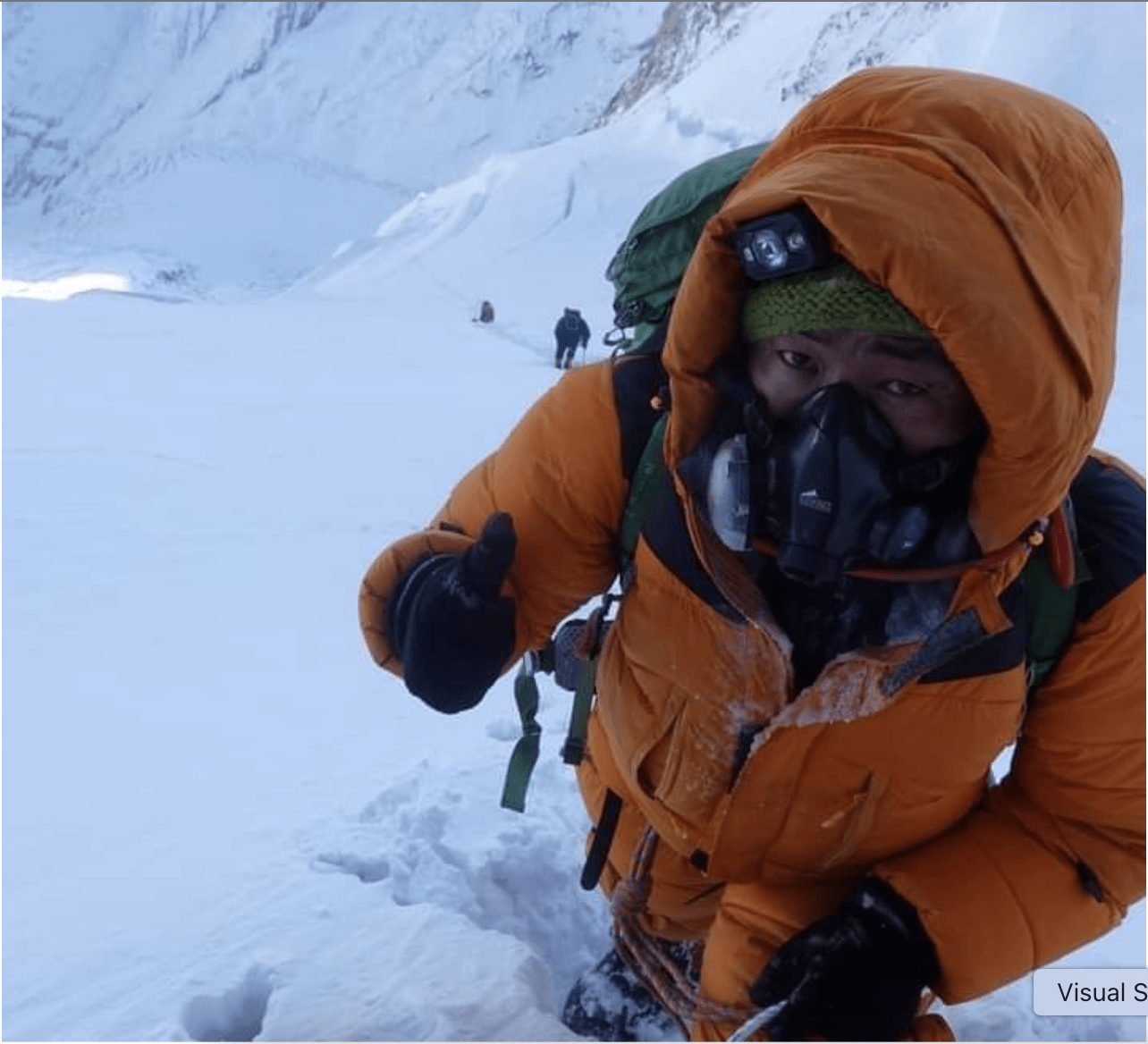
The team climbs through steep snow and ice terrain toward the summit ridge.
Depending on conditions, climbers may encounter:
- Fixed ropes
- Steep snow
- Hard ice
- Crevasses
- Ice cliffs
- Strong winds
- Extreme cold
- High-altitude fatigue
The final objective is:
Mount Baruntse Summit – 7,129m / 23,389ft
After reaching the summit, climbers descend carefully to the appropriate high camp and eventually return to Base Camp.
Baruntse Expedition Route
The classic Baruntse Expedition route commonly approaches the mountain from the Lukla side.
Typical route:
Kathmandu → Lukla → Chutanga → Thuli Kharka → Kothe → Thangnak → Khare → Mera Base Camp → Seto Pokhari → Baruntse Base Camp → Baruntse Summit
The Southeast Ridge is the standard historic climbing route.
An alternative approach can be made through the Makalu Base Camp/Arun Valley side, although this is less commonly used by commercial Baruntse expeditions.
Baruntse Expedition Difficulty
The Baruntse Expedition difficulty is generally considered challenging to advanced.
This is not a conventional trekking trip.
You need to be capable of functioning at more than 7,000 meters while climbing technical snow and ice terrain.
Current expedition operators commonly classify Baruntse as a challenging or advanced climb.
Main Challenges
High Altitude
At 7,129m, oxygen availability is dramatically lower than at sea level.
Technical Climbing
The Southeast Ridge includes steep sections requiring proper climbing technique.
Glacier Travel
Crevasses and unstable glacier terrain require experience and careful rope management.
Weather
High Himalayan weather can change rapidly.
Cold
Temperatures can fall significantly below freezing, particularly around the summit and high camps.
Avalanche Risk
Snow and ice conditions can create avalanche hazards on sections of the route.
Baruntse Height and Altitude
The official height commonly used for Mount Baruntse is:
7,129 meters / 23,389 feet
| Location | Approx. Altitude |
|---|---|
| Kathmandu | 1,350m |
| Lukla | 2,800–2,860m |
| Thuli Kharka | ~3,900m |
| Kothe | ~3,500m |
| Thangnak | ~4,355m |
| Khare | ~4,700–5,000m |
| Mera Base Camp | ~5,200–5,400m |
| Baruntse Base Camp | ~5,300–5,400m |
| High Camp | ~6,700–6,800m |
| Baruntse Summit | 7,129m |
Exact camp elevations can change according to route conditions and the expedition team’s chosen camps.
Acclimatization for Baruntse
Proper acclimatization is one of the most important factors in a successful Baruntse Expedition.
A well-designed itinerary should include:
- Gradual elevation gain
- Rest days
- Acclimatization hikes
- High-and-low sleeping strategies
- Climbing rotations
- Sufficient recovery time
Many itineraries also use the approach toward Mera Peak as part of the acclimatization process before reaching Baruntse Base Camp.
Never rush the acclimatization process simply to save a day or two.
Best Time for Baruntse Expedition
The two main climbing seasons are:
Spring: March to May
Spring is generally considered the preferred season for Baruntse climbing.
Advantages include:
- More stable mountain conditions
- Generally favorable climbing weather
- Better visibility
- Established expedition infrastructure
- Suitable snow and ice conditions
April and May are particularly popular for Himalayan expeditions.
Autumn: September to November
Autumn is the second major climbing season.
It can offer:
- Clear mountain views
- Stable post-monsoon weather
- Good visibility
- Cooler temperatures
- Excellent Himalayan scenery
Current 2026 programs are offered in both spring and autumn.
Best Overall Season
For most climbers, spring is the preferred season for a Baruntse Expedition, while autumn provides another strong option.
Baruntse Expedition Equipment List
Climbing a 7,129-meter Himalayan peak requires specialized equipment.
Mountaineering Equipment
- Mountaineering boots
- Crampons
- Ice axe
- Climbing harness
- Ascender
- Descender
- Locking carabiners
- Climbing helmet
- Prusik loops
- Trekking poles
- Climbing rope where required
- Headlamp
- Snow goggles
- Sunglasses
High-Altitude Clothing
- Base layers
- Fleece layers
- Down jacket
- Expedition down suit
- Waterproof shell
- Waterproof trousers
- Warm gloves
- Expedition mitts
- Balaclava
- Warm hat
- High-altitude socks
Camping Equipment
Depending on package inclusions:
- Four-season tent
- Sleeping bag
- Sleeping mat
- Duffel bags
- Backpack
- Thermos
- Water bottles
- Headlamp
- Personal cooking accessories
Your expedition operator should provide a detailed equipment checklist before departure.
Physical Preparation for Baruntse
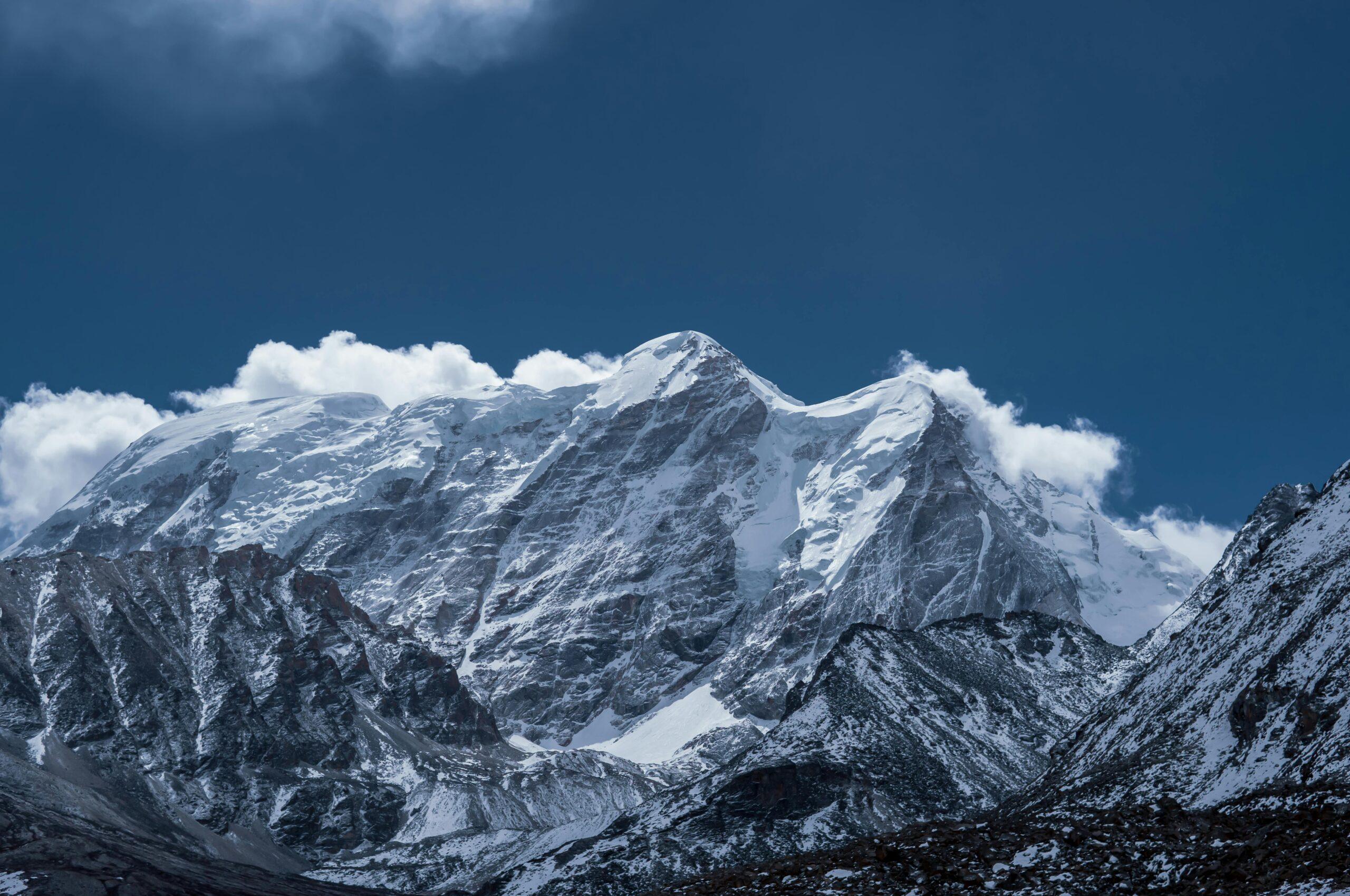
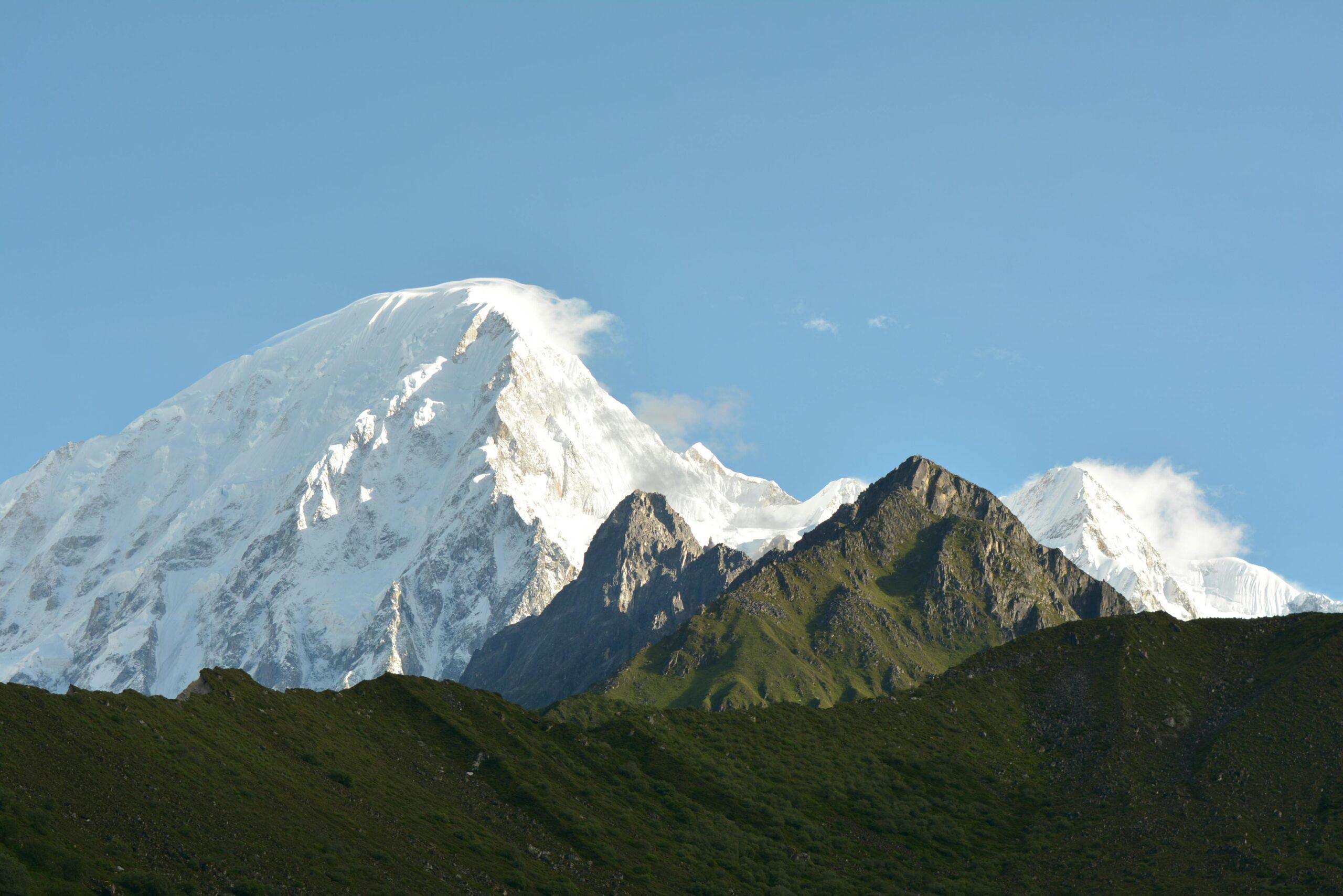
Baruntse Expedition distant summit view with clouds
You should begin structured training several months before the expedition.
Cardiovascular Training
Focus on:
- Hiking
- Running
- Cycling
- Stair climbing
- Long uphill walks
Strength Training
Develop:
- Leg strength
- Core strength
- Back strength
- Shoulder strength
Endurance
You should be comfortable hiking for multiple consecutive days while carrying a backpack.
Technical Training
Practice:
- Crampon walking
- Ice axe techniques
- Fixed-rope climbing
- Ascender use
- Descending with ropes
- Glacier travel
- Crevasse-rescue techniques
Previous experience on a technical peak is strongly recommended.
Can Beginners Climb Baruntse?
The Baruntse Expedition is not recommended for complete beginners.
While experience requirements vary between operators, climbers should ideally have previous experience with:
- High-altitude trekking
- Crampons
- Ice axes
- Glacier travel
- Rope systems
- Steep snow and ice
- High camps
- Multi-day expeditions
Experience on peaks such as Mera Peak, Island Peak, Lobuche East, Ama Dablam or other technical mountains can provide useful preparation, although simply summiting a trekking peak does not automatically qualify someone for Baruntse.
Baruntse Expedition Safety
Safety should always be the highest priority.
Major risks include:
- Acute Mountain Sickness
- High-altitude cerebral edema
- High-altitude pulmonary edema
- Frostbite
- Hypothermia
- Avalanche
- Crevasses
- Falling ice
- Rockfall
- Extreme weather
- Exhaustion
- Dehydration
A professional expedition should have:
- Experienced climbing guides
- High-altitude Sherpa support
- Weather forecasting
- Communication systems
- Emergency procedures
- Medical supplies
- Evacuation planning
Never continue climbing when your health or weather conditions make the summit attempt unsafe.
Travel Insurance for Baruntse Expedition
Standard travel insurance is usually not enough for a 7,129-meter expedition.
Your policy should specifically cover:
- High-altitude mountaineering
- Emergency evacuation
- Helicopter evacuation where available
- Medical treatment
- Search and rescue
- Trip cancellation/interruption
Check the maximum altitude covered by your policy before purchasing it.
Baruntse Expedition vs Mera Peak
| Feature | Baruntse | Mera Peak |
|---|---|---|
| Height | 7,129m | ~6,476m |
| Difficulty | Advanced | Moderate/Challenging |
| Technical climbing | Significant | Less technical |
| Expedition experience | Essential | Useful but more accessible |
| High-altitude exposure | Extreme | Very high |
| Typical duration | ~25–35+ days | ~16–20 days |
| Best for | Experienced climbers | Strong trekkers/climbers |
Mera Peak can be an excellent preparation objective, but Baruntse represents a substantial step up in altitude and technical difficulty.
Baruntse Expedition vs Ama Dablam
Both are technical Himalayan objectives, but their challenges are different.
Ama Dablam is lower at approximately 6,812m but is highly technical and involves exposed rock, snow and mixed climbing.
Baruntse reaches 7,129m and places greater emphasis on high-altitude endurance, glacier travel and steep snow and ice climbing.
Neither should be treated as an ordinary trekking trip.
Baruntse Expedition vs Pumori
Pumori is approximately 7,161m, making it similar to Baruntse in elevation.
However, route conditions and technical requirements differ significantly.
Baruntse’s Southeast Ridge is a popular expedition route, while Pumori is known for its technically demanding climbing and exposure.
Both require substantial mountaineering experience.
Baruntse Expedition Duration
A typical Baruntse Expedition duration is approximately 25–35 days, depending on the itinerary and climbing strategy.
Some commercial itineraries are around 30 days, while others extend to 34–35 days or longer to provide additional acclimatization and weather contingency.
A longer itinerary is not necessarily inefficient. Additional days can provide valuable flexibility for:
- Weather delays
- Acclimatization
- Route fixing
- Summit attempts
- Rest
- Flight delays
Baruntse Expedition Package
A comprehensive Baruntse Expedition package may include:
Before the Expedition
- Airport transfers
- Kathmandu hotel
- Expedition briefing
- Government documentation
- Climbing permits
- Expedition logistics
Trekking Phase
- Domestic flights
- Accommodation
- Trekking staff
- Porters
- Meals
- Camping logistics
Base Camp
- Base Camp tents
- Dining tent
- Kitchen
- Toilet facilities
- Expedition cook
- Food
- Communication
- Medical supplies
Climbing Phase
Depending on the package:
- High-altitude Sherpa
- High camps
- Tents
- Fixed ropes
- Climbing equipment
- High-altitude food
- Oxygen
- Weather forecasting
Always request a complete written list of inclusions before booking.
Baruntse Expedition Packing Tips
Pack as light as possible while ensuring you have the equipment necessary for a 7,000-meter expedition.
Your expedition duffel should generally contain:
- Technical climbing equipment
- Warm clothing
- Personal medication
- Sunscreen
- Lip balm
- Sunglasses
- Water bottles
- Headlamp
- Batteries
- Personal hygiene items
- Gloves
- Thermal layers
- Sleeping bag
- Down clothing
Keep essential personal items organized so they remain easily accessible throughout the expedition.
Why Choose a Guided Baruntse Expedition?
A guided expedition provides significant logistical and safety advantages.
A professional operator can manage:
- Permits
- Domestic flights
- Accommodation
- Porters
- Base Camp logistics
- Food
- High camps
- Sherpa support
- Weather information
- Route management
- Emergency coordination
For a technically demanding mountain such as Baruntse, professional support is strongly recommended.
Baruntse Expedition Success Depends On
A successful summit attempt depends on much more than physical fitness.
The most important factors include:
- Previous climbing experience
- Proper acclimatization
- Technical climbing ability
- Strong expedition support
- Weather conditions
- Route conditions
- Good decision-making
- Adequate recovery
- Proper equipment
- Patience
The goal should always be to return safely—not simply to reach the summit.
Frequently Asked Questions About Baruntse Expedition
How high is Mount Baruntse?
Mount Baruntse is 7,129 meters (23,389 feet) high.
How difficult is the Baruntse Expedition?
Baruntse is a challenging to advanced mountaineering expedition requiring experience with high-altitude and technical climbing.
How much does a Baruntse Expedition cost?
For 2026, published commercial packages commonly fall around US$7,500–10,500+, depending on the operator, group size and level of support.
How long does the Baruntse Expedition take?
Most commercial itineraries take approximately 25–35 days, although some programs are longer.
What is the best season for Baruntse?
Spring and autumn are the principal climbing seasons, with spring generally preferred for expedition conditions.
What route is used to climb Baruntse?
The standard route is the Southeast Ridge, which was also used during the mountain’s first ascent in 1954.
Where is Baruntse Base Camp?
Baruntse Base Camp is generally located around 5,300–5,400 meters, although the exact camp location can vary according to expedition logistics and route conditions.
Is Baruntse harder than Mera Peak?
Yes. Baruntse is considerably higher and more technically demanding than Mera Peak and requires stronger mountaineering experience.
Can beginners climb Baruntse?
Baruntse is not recommended for inexperienced beginners. Previous technical and high-altitude climbing experience is strongly recommended.
Do I need a permit to climb Baruntse?
Yes. Climbers need the appropriate Nepalese climbing permit and other applicable permits for the expedition area. Current published seasonal Baruntse royalty rates are approximately US$500 in spring, US$250 in autumn and US$125 in summer/winter.
Can Baruntse be combined with Mera Peak?
Yes. Several commercial itineraries use the Mera region as part of the approach and acclimatization strategy, and some programs offer Mera Peak as an additional climbing objective.
What mountains can I see from Baruntse?
Depending on weather and location, the expedition provides views toward major Himalayan peaks including Everest, Lhotse, Makalu and Ama Dablam.
Book Your Baruntse Expedition in Nepal
The Baruntse Expedition is an exceptional choice for experienced mountaineers seeking a challenging 7,000-meter Himalayan objective.
At 7,129 meters, Baruntse combines high-altitude endurance with technical snow and ice climbing, glacier travel and expedition-style mountaineering. The Southeast Ridge provides a historic climbing line, while the approach through the Hinku and Barun valleys offers an unforgettable Himalayan experience.
If you are planning your Baruntse Expedition in Nepal, choose an experienced expedition operator, allow adequate time for acclimatization, invest in proper equipment and make safety the foundation of your summit strategy.
Contact our expedition team to discuss Baruntse Expedition dates, availability, cost, climbing support and customized itineraries.
For the latest information on trekking regulations, permits, conservation areas, and mountaineering requirements in Nepal, visit the official Nepal Tourism Board and relevant government authorities before planning your Pisang Peak Climbing adventure.
Also if you want to view our other treks then you can follow this link.
Reviews
There are no reviews yet.