

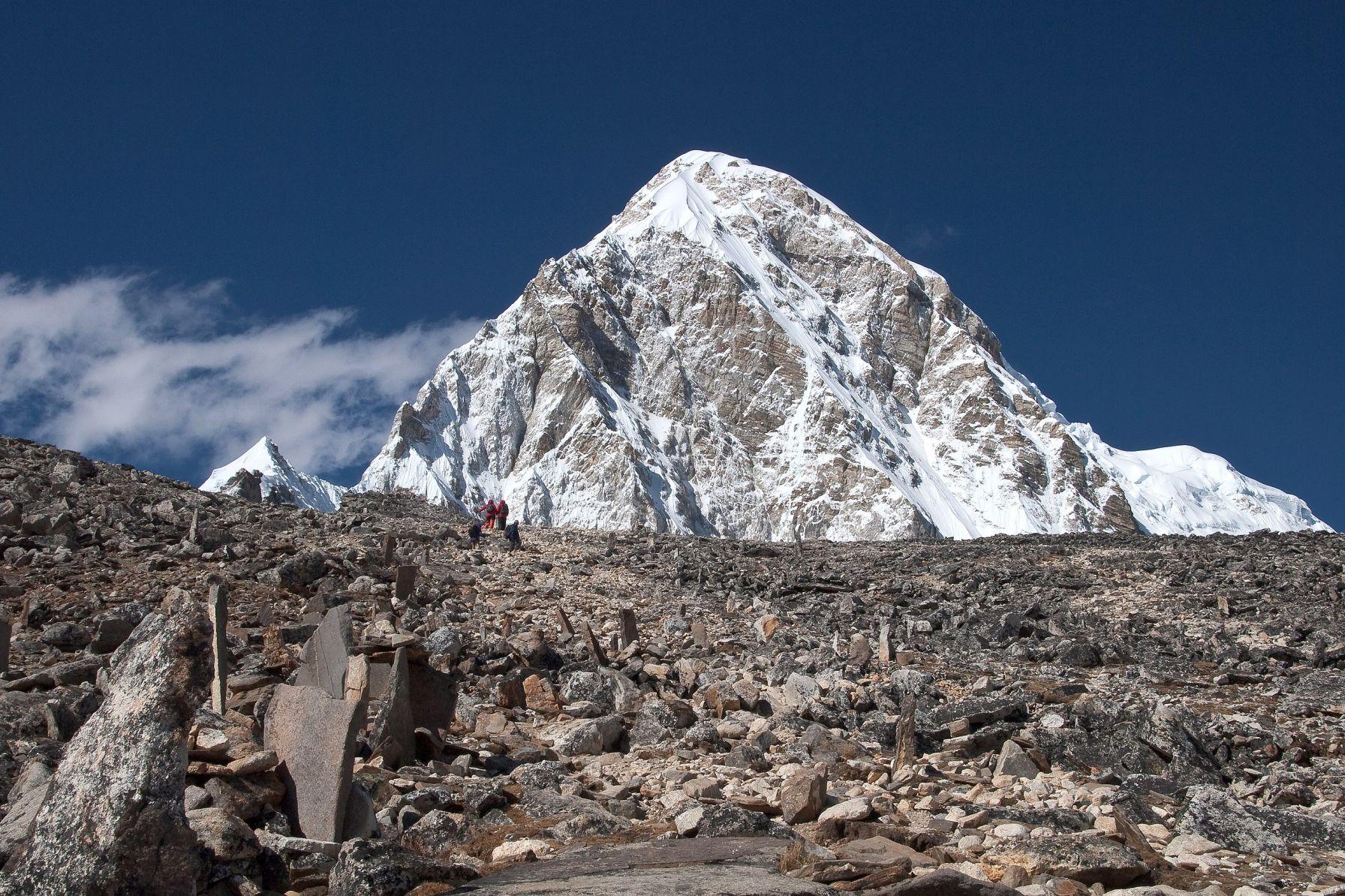
Pumori Expedition
$ 10,500.00$ 9,999.00
Product Description
Pumori Expedition: Cost, Itinerary, Difficulty & Complete Climbing Guide
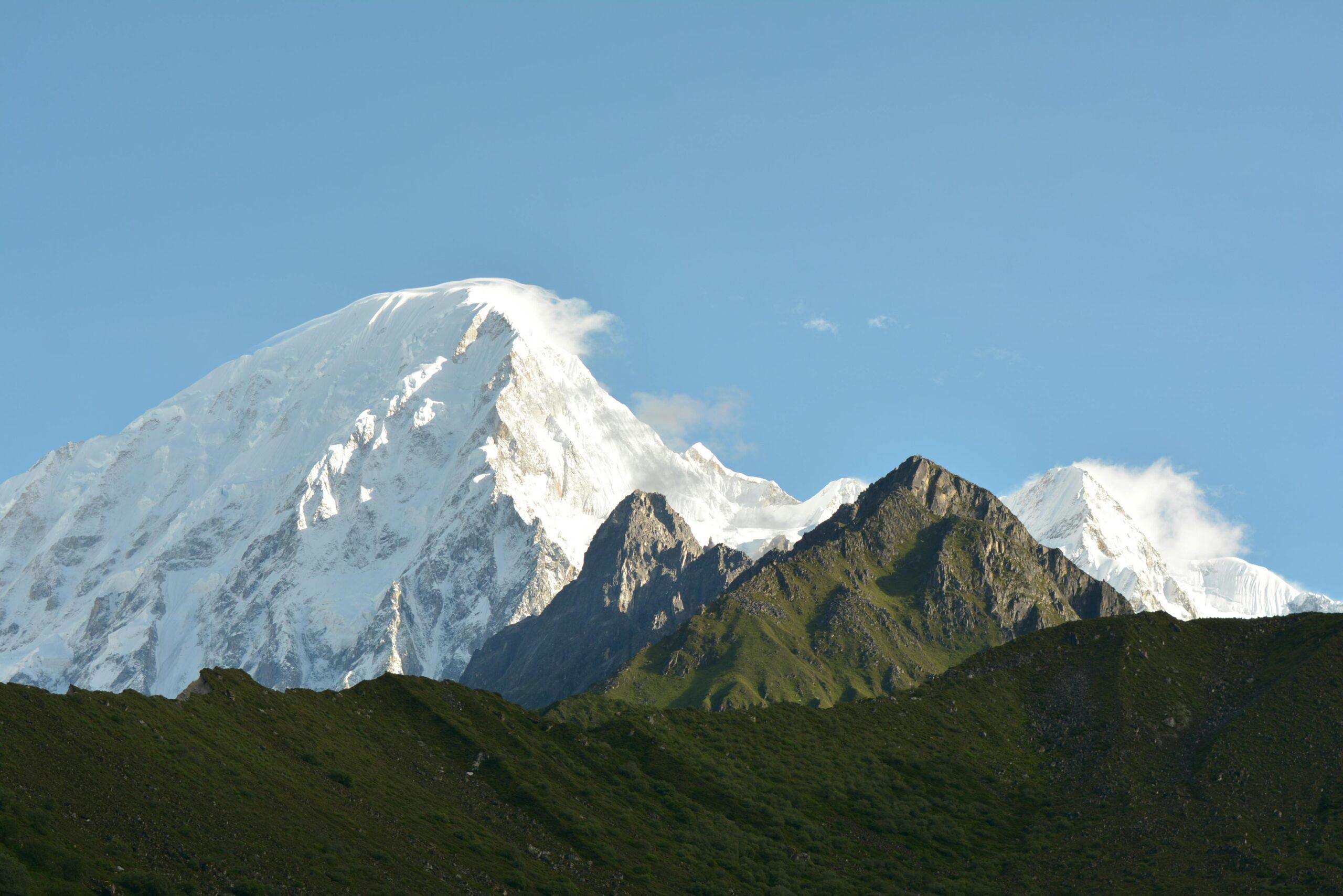
The Pumori Expedition is one of Nepal’s most exciting technical mountaineering adventures in the Everest region. Rising to approximately 7,161 meters (23,494 feet), Mount Pumori stands near Everest and offers experienced climbers the opportunity to undertake a serious high-altitude expedition surrounded by some of the world’s most spectacular Himalayan peaks.
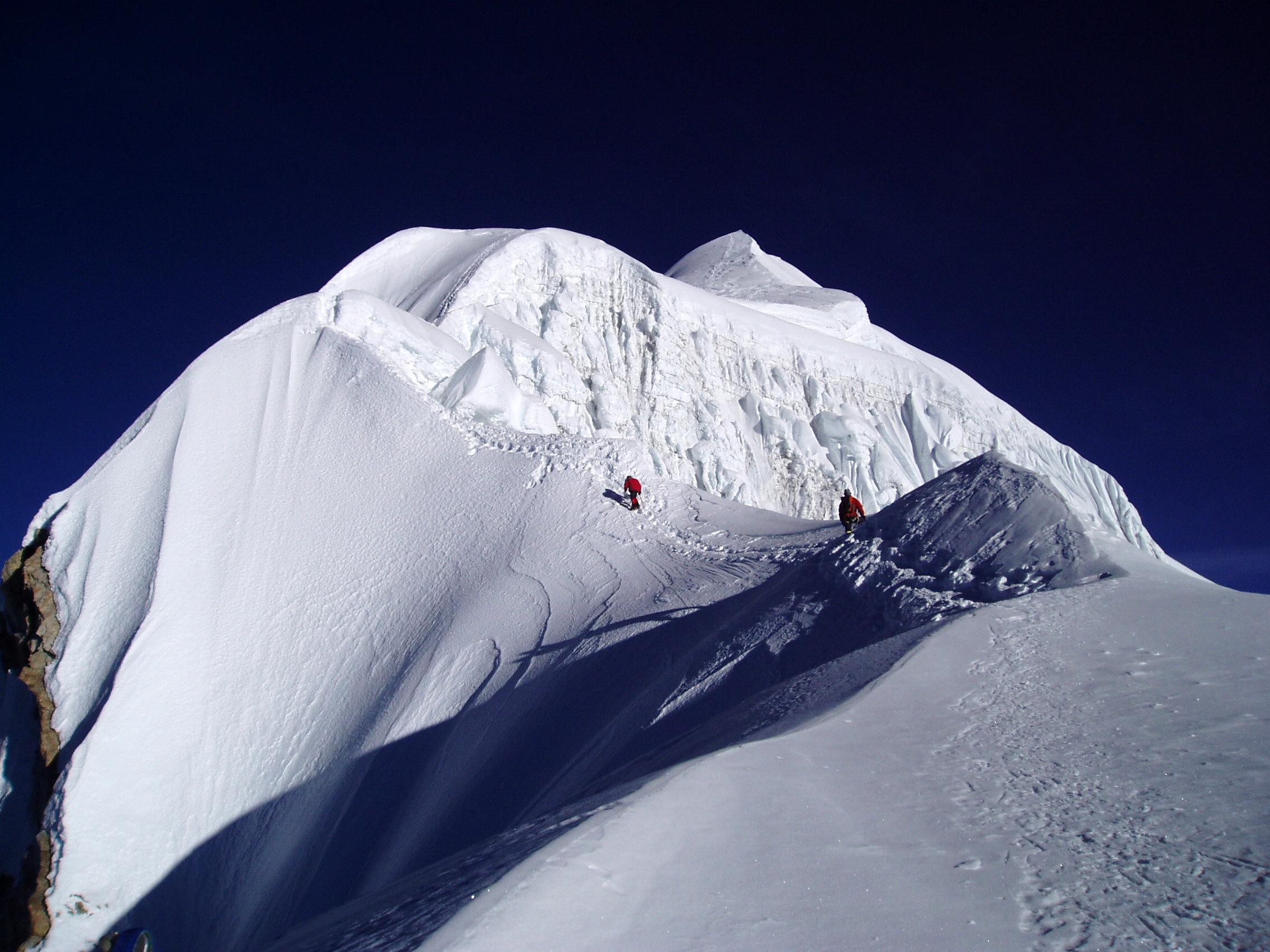
Unlike a conventional Everest Base Camp trek or easier trekking peak, Pumori climbing involves technical rock, ice and snow sections, steep terrain, exposed ridges, fixed ropes and prolonged exposure to extreme altitude. The standard Southeast Ridge route is considered a demanding technical climb and is generally better suited to climbers with previous high-altitude and technical mountaineering experience.
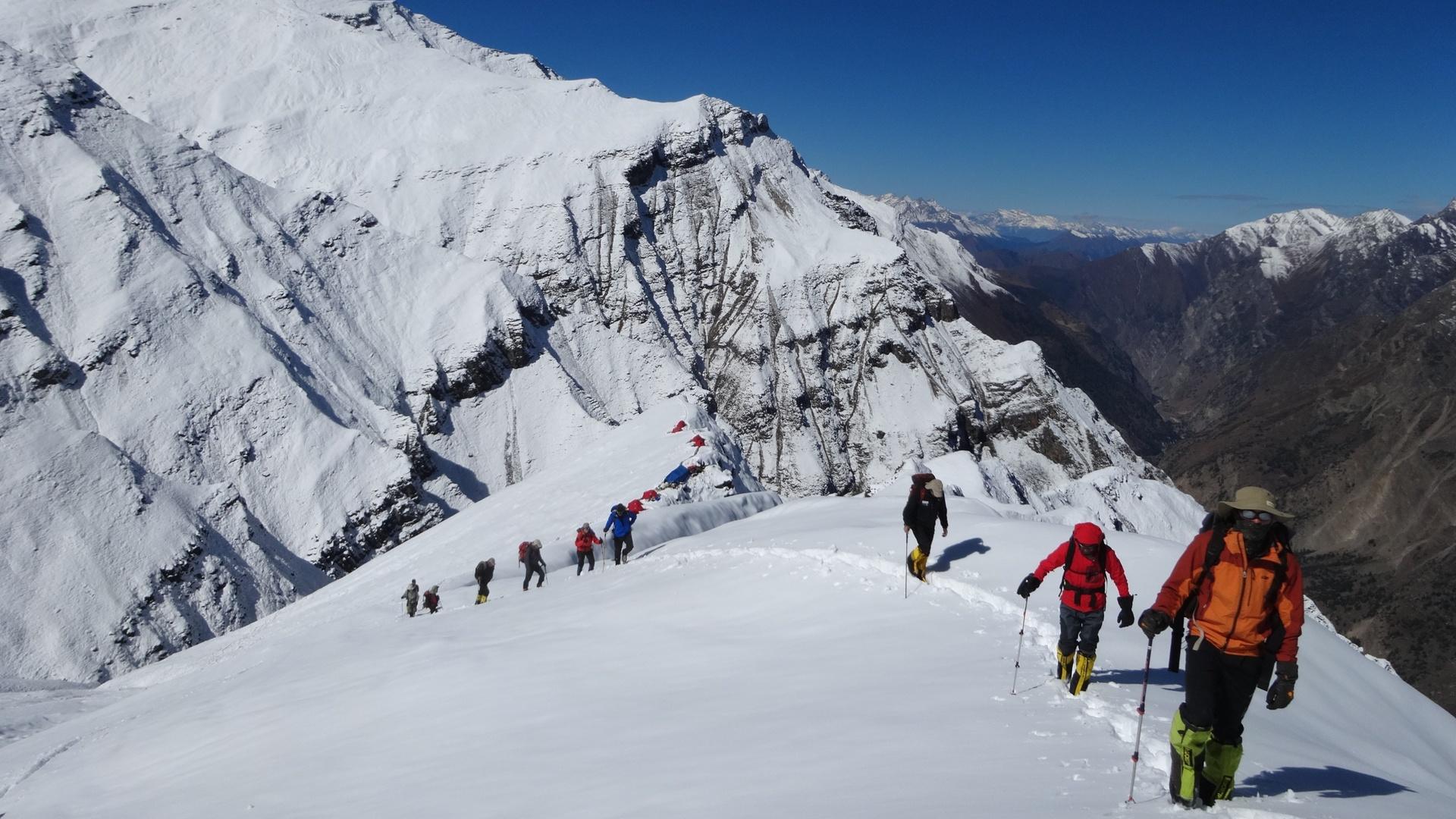
A typical Pumori Expedition in Nepal follows the classic Everest-region approach from Lukla through Namche Bazaar, Tengboche, Dingboche and Lobuche before reaching Pumori Base Camp. Climbers then spend several weeks acclimatizing, establishing higher camps and waiting for suitable summit conditions. Current commercial itineraries commonly range from about 33 to 37 days, although expedition schedules can vary depending on acclimatization, weather and route conditions.
Pumori Expedition Highlights
- Summit Mount Pumori at approximately 7,161 meters
- Climb a technical Himalayan 7,000-meter peak
- Follow the classic Everest-region approach
- Trek through Namche Bazaar, Tengboche, Dingboche and Lobuche
- Establish an expedition Base Camp around 5,300 meters
- Climb through multiple high camps
- Experience technical rock, snow and ice climbing
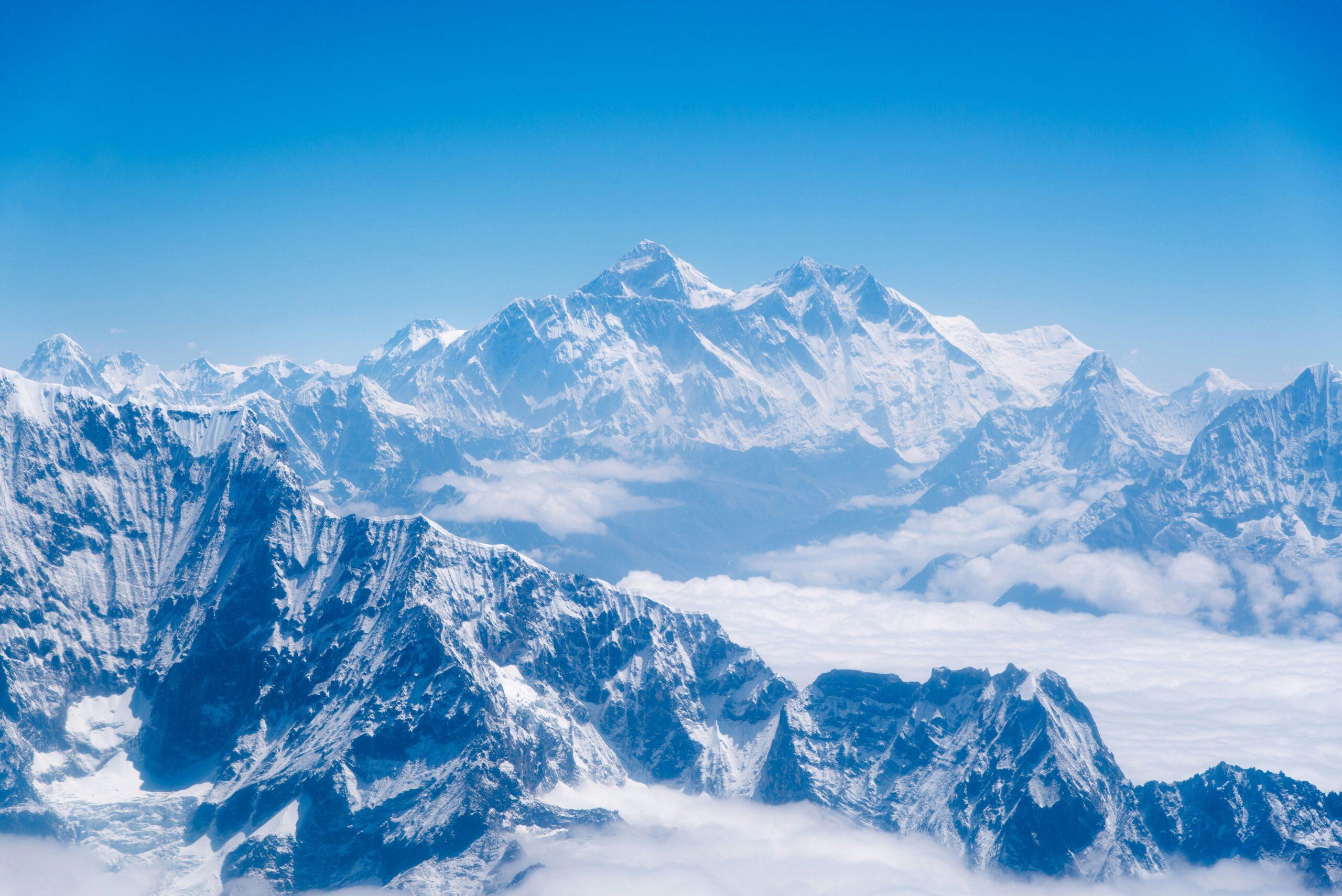
- Enjoy spectacular views of Everest, Lhotse, Nuptse, Ama Dablam and surrounding peaks
- Develop valuable experience for future 8,000-meter expeditions
- Experience Sherpa culture and the legendary Khumbu Valley
What Is the Pumori Expedition?
Mount Pumori is a prominent 7,000-meter mountain in the upper Khumbu region of Nepal, close to Mount Everest. Its name is commonly translated from Sherpa as “Unmarried Daughter.”
Pumori is particularly attractive to experienced mountaineers because it combines a classic Himalayan expedition environment with genuinely technical climbing. The standard Southeast Ridge involves steep mixed terrain, snow and ice, exposed sections and fixed-rope climbing.
The mountain’s proximity to Everest also provides extraordinary views of the world’s highest peak and the surrounding Khumbu giants.
The first successful ascent of Pumori was made in 1962 by a German-Swiss expedition led by Gerhard Lenser.
Why Choose the Pumori Expedition?
1. Climb a 7,000-Meter Himalayan Peak
At approximately 7,161 meters, Pumori offers an opportunity to experience the demands of extreme altitude without immediately committing to an 8,000-meter expedition.
However, its lower elevation compared with Everest does not make it easy. The technical climbing and exposure make Pumori a serious mountaineering objective.
2. Technical Mountaineering Experience
Pumori’s Southeast Ridge includes steep snow and ice, mixed climbing, exposed terrain and fixed-rope sections. Some current expedition operators describe difficult sections between Camps 1 and 2 with slopes reaching approximately 50–70 degrees.
This makes Pumori particularly valuable for climbers who want to strengthen their technical climbing skills.
3. Exceptional Everest Views
Pumori is located close to Everest, providing impressive views of:
- Mount Everest
- Lhotse
- Nuptse
- Ama Dablam
- Lobuche
- Khumbu Glacier
- surrounding Himalayan peaks
4. Classic Everest Region Approach
The journey begins along one of Nepal’s most famous trekking corridors, passing through:
Lukla → Phakding → Namche Bazaar → Tengboche → Dingboche → Lobuche → Pumori Base Camp
This means the expedition combines a spectacular Himalayan trek with a serious mountaineering challenge.
5. Preparation for Bigger Mountains
For experienced climbers, Pumori can provide valuable exposure to:
- High-altitude expedition logistics
- Fixed ropes
- Glacier travel
- Technical snow and ice
- Camp rotations
- Acclimatization
- High-altitude decision-making
- Summit-push strategy
It can therefore form part of a broader progression toward more demanding Himalayan objectives.
Pumori Expedition Cost
The Pumori Expedition cost varies considerably depending on the operator, group size, climbing Sherpa support, expedition duration, equipment, food, logistics and level of service.
Current published 2026 packages show prices ranging from approximately US$6,000 to over US$12,000 per climber, depending heavily on group size and the level of support included. For example, some current packages list prices around US$9,790–10,550, while other operators advertise different rates for larger or smaller groups.
Estimated Pumori Expedition Cost
| Expense | Typical consideration |
|---|---|
| Expedition package | Approximately US$6,000–12,500+ |
| Climbing permit | Included in many packages |
| Climbing Sherpa | Package-dependent |
| Kathmandu accommodation | Often included |
| Lukla flights | Often included |
| Food and accommodation | Usually included during expedition |
| Personal climbing equipment | Usually extra |
| Travel insurance | Usually extra |
| Emergency evacuation | Usually extra |
| Tips and summit bonus | Usually extra |
These figures are indicative rather than fixed. Always confirm the latest quotation, permit fees, inclusions and exclusions before booking.
What Does the Pumori Expedition Cost Include?
A full-board Pumori package may include:
- Airport transfers
- Kathmandu hotel accommodation
- Domestic flights to and from Lukla
- Expedition permits
- Sagarmatha National Park fees
- Trekking accommodation
- Expedition Base Camp accommodation
- Expedition food
- Kitchen and dining facilities
- Sherpa climbing support
- Porters or expedition staff
- Base Camp staff
- Common climbing equipment
- Fixed ropes
- Camping equipment
- Solar power at Base Camp
- Liaison and expedition logistics
The exact inclusions vary significantly between operators, so climbers should carefully compare packages rather than choosing solely based on advertised price.
Pumori Expedition Itinerary
A Pumori Expedition itinerary commonly takes around 33–37 days. The climbing period itself can occupy several weeks because climbers need sufficient time for acclimatization, camp rotations, weather windows and summit attempts. Current published itineraries show variations in both approach and climbing-period length.
Day 1: Arrival in Kathmandu
Arrive in Kathmandu and transfer to your hotel. Meet the expedition team and receive an initial briefing.
Altitude: Approximately 1,400 m
Day 2: Expedition Preparation in Kathmandu
Complete documentation and permit formalities, inspect climbing equipment and prepare expedition supplies.
Day 3: Expedition Briefing and Final Preparation
Attend the official expedition briefing and complete final gear checks.
Day 4: Fly to Lukla and Trek to Phakding
Take a scenic flight toward Lukla and begin trekking through the Khumbu Valley to Phakding.
Altitude: Approximately 2,600 m
Day 5: Phakding to Namche Bazaar
Continue along the Dudh Koshi River before ascending toward Namche Bazaar.
Altitude: Approximately 3,440 m
Day 6: Acclimatization at Namche Bazaar
Take an acclimatization day around Namche. Short hikes help your body adapt to increasing elevation.
Day 7: Namche to Tengboche
Trek toward Tengboche, home to the famous Tengboche Monastery.
Altitude: Approximately 3,860 m
Day 8: Tengboche to Dingboche
Continue through the upper Khumbu landscape toward Dingboche.
Altitude: Approximately 4,410 m
Day 9: Acclimatization at Dingboche
Rest and undertake a short acclimatization hike.
Day 10: Dingboche to Lobuche
Continue toward Lobuche through increasingly high-altitude terrain.
Altitude: Approximately 4,940 m
Day 11: Lobuche to Pumori Base Camp
Leave the main Everest trekking route and approach Pumori Base Camp, generally established around 5,300 m.
Days 12–29: Pumori Climbing Period
Spend the climbing period acclimatizing, conducting training, making rotations between camps and preparing for the summit push.
Day 30: Descend from Base Camp
After completing the climbing phase, pack expedition equipment and begin descending.
Day 31: Trek Toward Dingboche
Descend through the Khumbu Valley.
Day 32: Trek to Tengboche or Namche
Continue downhill toward lower elevations.
Day 33: Trek to Lukla
Complete the trek to Lukla.
Day 34: Fly to Kathmandu
Return to Kathmandu and enjoy a well-earned rest.
Day 35: Contingency / Leisure Day
Keep a contingency day in Kathmandu for weather-related flight delays or expedition schedule changes.
Day 36–37: Final Departure
Transfer to the airport for your international flight home.
Important: Expedition itineraries are flexible. Weather, acclimatization, route conditions, health, logistics and summit opportunities can all change the schedule. Current commercial itineraries range from roughly 33 to 37 days.
Pumori Expedition Route
The standard approach to Pumori follows the Everest region trekking route before branching toward Pumori Base Camp.
Main Approach
Kathmandu → Lukla → Phakding → Namche Bazaar → Tengboche → Dingboche → Lobuche → Pumori Base Camp
From Base Camp, climbers follow the mountain’s standard climbing route, commonly described as the Southeast Ridge.
The standard route uses several camps above Base Camp, with current operators commonly placing them around:
- Pumori Base Camp: ~5,300 m
- Camp 1: ~5,700 m
- Camp 2: ~6,200 m
- Camp 3: ~6,480 m
- Summit: ~7,161 m
Exact camp positions can change depending on route conditions and expedition strategy.
Pumori Base Camp
Pumori Base Camp is generally established at approximately 5,300 meters.
It becomes the operational center of the expedition and is where climbers:
- Rest and acclimatize
- Eat and hydrate
- Organize climbing equipment
- Receive weather forecasts
- Prepare for rotations
- Communicate with expedition staff
- Recover between climbing pushes
The Base Camp period can last several weeks because the expedition must allow enough time for acclimatization and suitable weather conditions.
Pumori Camps and Climbing Route
Camp 1 – Approximately 5,700 m
The route from Base Camp to Camp 1 involves glacier travel and steep terrain. Climbers may encounter crevasses, snow slopes and technical sections.
Camp 2 – Approximately 6,200 m
The climb becomes increasingly technical around this section. Current descriptions of the standard route include steep slopes and mixed climbing terrain.
Camp 3 – Approximately 6,480 m
Camp 3 is established high on the mountain and serves as an important staging point for the summit push.
Summit – 7,161 m
From Camp 3, climbers continue toward the summit through steep and exposed high-altitude terrain.
The summit day requires careful pacing because oxygen levels are dramatically reduced at this elevation.
Pumori Expedition Difficulty
The Pumori Expedition difficulty is high.
Pumori should not be treated as a standard trekking peak. The mountain requires:
- Previous high-altitude experience
- Strong physical fitness
- Technical climbing skills
- Glacier travel experience
- Snow and ice climbing ability
- Fixed-rope experience
- Knowledge of crampon and ice-axe techniques
- High-altitude acclimatization experience
- Ability to operate safely in extreme weather
Current commercial descriptions classify the Southeast Ridge as a technically demanding D to TD-level route, with steep mixed terrain and sections reported around 50–70 degrees.
Is Pumori Harder Than Island Peak?
For most climbers, yes.
Island Peak is also a technical climbing objective, but Pumori is considerably higher and involves more sustained technical terrain and a much longer expedition commitment.
Pumori Height and Altitude
The Pumori height is approximately:
7,161 meters / 23,494 feet
The altitude profile is one of the major challenges of the expedition.
| Location | Approximate Elevation |
|---|---|
| Kathmandu | 1,400 m |
| Lukla | 2,800 m |
| Namche Bazaar | 3,440 m |
| Tengboche | 3,860 m |
| Dingboche | 4,410 m |
| Lobuche | 4,940 m |
| Pumori Base Camp | 5,300 m |
| Camp 1 | 5,700 m |
| Camp 2 | 6,200 m |
| Camp 3 | 6,480 m |
| Pumori Summit | 7,161 m |
Altitude values can vary slightly between operators and depending on where camps are established.
Acclimatization During the Pumori Expedition
Acclimatization is one of the most important parts of a successful Pumori climbing expedition.
The itinerary includes gradual elevation gain through the Khumbu Valley before reaching Base Camp.
Typical acclimatization locations include:
- Namche Bazaar
- Dingboche
- Pumori Base Camp
- Higher camps during climbing rotations
A common expedition strategy involves climbing higher, returning to a lower camp to sleep and repeating the process before attempting the summit.
Best Time for Pumori Expedition
The primary climbing seasons for Pumori are generally:
Spring: April–May
Spring is one of the most popular periods for Himalayan expeditions. Weather and climbing conditions can be favorable, although conditions can change quickly.
Autumn: September–October
Autumn is another major Himalayan climbing season, with generally more stable post-monsoon conditions.
Some operators also list November as part of the broader autumn season, although the ideal summit window depends on current weather and route conditions.
Best Overall Season
For most commercial expeditions, spring and autumn are the preferred seasons for Pumori climbing.
Pumori Expedition Permits
Climbers need the appropriate Nepal government permissions and regional permits for the expedition.
Depending on the expedition package, these may include:
- Pumori climbing permit
- Sagarmatha National Park entry permit
- Local trekking-related permits
- Expedition documentation
- Liaison and government formalities where applicable
Permit fees can change, so climbers should confirm the latest regulations and fees with their expedition operator before departure.
Pumori Expedition Equipment
Climbing Pumori requires specialized mountaineering equipment.
Personal Technical Equipment
- Mountaineering boots
- Crampons
- Ice axe
- Climbing harness
- Ascender
- Descender
- Carabiners
- Climbing helmet
- Prusik loops
- Climbing rope
- Ice screws
- Snow protection
- Climbing gloves
- Goggles
- Headlamp
High-Altitude Clothing
- Base layers
- Fleece layers
- Down jacket
- Expedition down suit
- Waterproof shell
- Insulated gloves
- Warm hat
- Balaclava
- Technical socks
Camping and Personal Equipment
- Sleeping bag suitable for extreme cold
- Sleeping mat
- Duffel bag
- Backpack
- Water bottles
- Thermos
- Headlamp
- Sunglasses
- Sunscreen
- Personal medication
- Toiletries
Your expedition operator should provide a detailed equipment checklist before departure.
Physical Preparation for Pumori
Physical preparation should begin months before the expedition.
A good training program should combine:
Cardiovascular Training
- Running
- Hiking
- Cycling
- Stair climbing
- Incline treadmill
Strength Training
Focus on:
- Legs
- Glutes
- Core
- Back
- Shoulders
Endurance
Long-duration hikes with a progressively heavier backpack are particularly useful.
Technical Training
Previous experience with:
- Crampons
- Ice axe
- Fixed ropes
- Ascenders
- Descenders
- Glacier travel
- Snow and ice climbing
is strongly recommended.
Can Beginners Climb Pumori?
The Pumori Expedition is not recommended for complete beginners.
Although experience requirements vary between operators, current commercial guidance commonly recommends previous experience on peaks around 6,000 meters or higher together with technical snow and ice climbing skills.
A climber planning to attempt Pumori should ideally have experience with:
- High-altitude trekking
- Technical climbing
- Glacier travel
- Crampon use
- Fixed-rope systems
- High-altitude camping
- Previous Himalayan peaks
A progression through lower trekking and climbing peaks can be a sensible preparation strategy.
Pumori Expedition Safety
Safety should always be the highest priority.
Major risks include:
- Altitude sickness
- Extreme cold
- High winds
- Avalanches
- Crevasses
- Rockfall
- Icefall hazards
- Falls on steep terrain
- Exhaustion
- Frostbite
- Severe weather
- Rapidly changing mountain conditions
Climbers should never continue upward simply because they have reached a predetermined schedule.
The summit is optional; returning safely is mandatory.
Travel Insurance for Pumori Expedition
A normal travel insurance policy may not cover mountaineering at 7,000 meters.
Before departure, make sure your policy specifically covers:
- High-altitude mountaineering
- The full altitude of Pumori
- Emergency evacuation
- Helicopter rescue where applicable
- Medical treatment
- Expedition-related emergencies
Read the policy exclusions carefully before purchasing.
Pumori Expedition vs Everest Expedition
| Feature | Pumori Expedition | Everest Expedition |
|---|---|---|
| Height | ~7,161 m | ~8,849 m |
| Difficulty | Highly technical | Extremely demanding |
| Duration | ~33–37 days commonly | Usually significantly longer |
| Technical climbing | High | High |
| Altitude | Very high | Extreme |
| Cost | Generally lower | Much higher |
| Experience required | Advanced | Advanced/Expert |
| Region | Khumbu | Khumbu |
| Everest views | Exceptional | Direct summit objective |
Pumori should not be considered a simple “practice climb” for Everest. It is a serious technical mountain in its own right.
Pumori vs Ama Dablam
Both are technical Himalayan climbing objectives, but they offer different experiences.
Pumori reaches approximately 7,161 meters and involves a longer high-altitude expedition.
Ama Dablam, at approximately 6,812 meters, is famous for its steep rock and ice climbing and distinctive pyramid-shaped profile.
Pumori generally exposes climbers to greater altitude, while Ama Dablam is renowned for sustained technical climbing.
Pumori vs Island Peak
Island Peak is commonly used as an introduction to Himalayan mountaineering.
Pumori is a significantly more advanced objective.
Island Peak
- Lower elevation
- Shorter expedition
- More accessible to developing climbers
- Technical summit section
Pumori
- 7,161 m
- Longer expedition
- More demanding acclimatization
- More sustained technical terrain
- Stronger experience requirements
For climbers progressing toward serious Himalayan expeditions, Island Peak can be part of a progression toward more demanding objectives such as Pumori.
How Long Does the Pumori Expedition Take?
A complete Pumori Expedition generally takes approximately 33–37 days, although the exact duration varies by operator and expedition strategy. Current published programs range from 33-day to 37-day itineraries, while some full-board programs extend to approximately 35 days.
The longer schedule allows time for:
- Kathmandu preparation
- Trekking to Base Camp
- Acclimatization
- Climbing rotations
- Rest days
- Summit attempts
- Weather contingencies
- Descent
Who Should Attempt the Pumori Expedition?
The expedition is best suited to climbers who:
- Have previous Himalayan climbing experience
- Are comfortable above 6,000 meters
- Have technical climbing skills
- Have glacier travel experience
- Are physically fit
- Can handle prolonged expedition conditions
- Understand high-altitude risk
- Are prepared for changing weather and schedules
Pumori is not primarily a sightseeing trip. It is a serious mountaineering expedition.
Pumori Expedition FAQs
How high is Mount Pumori?
Mount Pumori is approximately 7,161 meters (23,494 feet) high.
How difficult is the Pumori Expedition?
Pumori is a highly demanding technical climbing expedition. The standard Southeast Ridge includes steep snow, ice and mixed climbing.
How much does a Pumori Expedition cost?
Current 2026 commercial packages vary widely, with published prices roughly ranging from US$6,000 to US$12,500+, depending on group size, guide ratio, logistics and services.
How long does the Pumori Expedition take?
Most commercial itineraries take approximately 33–37 days, although schedules vary.
Where is Pumori Base Camp?
Pumori Base Camp is generally established at approximately 5,300 meters in the upper Khumbu region.
What is the normal climbing route on Pumori?
The standard commercial route is generally the Southeast Ridge.
What camps are used during the Pumori climb?
Current expedition programs commonly establish camps around 5,700 m, 6,200 m and 6,480 m, although exact locations can vary depending on mountain conditions.
Is Pumori harder than Island Peak?
Yes. Pumori is considerably higher and generally involves more sustained technical climbing and a longer expedition.
Can beginners climb Pumori?
Complete beginners should not attempt Pumori. Previous high-altitude and technical climbing experience is strongly recommended.
What is the best time for the Pumori Expedition?
Spring and autumn are generally considered the main climbing seasons, particularly April–May and September–October.
Does the Pumori Expedition require oxygen?
Supplemental oxygen is not normally considered standard for Pumori expeditions, although individual climbers and expedition teams may make different decisions based on medical and operational circumstances.
Is Pumori near Everest?
Yes. Pumori is located in the Everest region and provides spectacular views toward Everest, Lhotse and Nuptse.
Book Your Pumori Expedition in Nepal
The Pumori Expedition is an extraordinary opportunity to climb one of Nepal’s most impressive 7,000-meter mountains. From the legendary trails of the Khumbu Valley to the technical Southeast Ridge and the final summit push at 7,161 meters, the expedition combines adventure, technical mountaineering and breathtaking Himalayan scenery.
However, Pumori demands serious preparation. The mountain requires technical climbing ability, physical endurance, altitude experience, proper equipment and a carefully planned expedition strategy.
If you are an experienced mountaineer looking for a challenging 7,000-meter expedition in Nepal, Pumori can be an exceptional Himalayan objective.
Contact Destination Holiday Trek to plan your Pumori Expedition in Nepal and receive the latest itinerary, cost, permit information and expedition package details.
For the latest information on trekking regulations, permits, conservation areas, and mountaineering requirements in Nepal, visit the official Nepal Tourism Board and relevant government authorities before planning your Pisang Peak Climbing adventure.
Also if you want to view our other treks then you can follow this link.
Reviews
There are no reviews yet.