

Upper Dolpo Trek-25 Days
$ 3,700.00$ 3,500.00
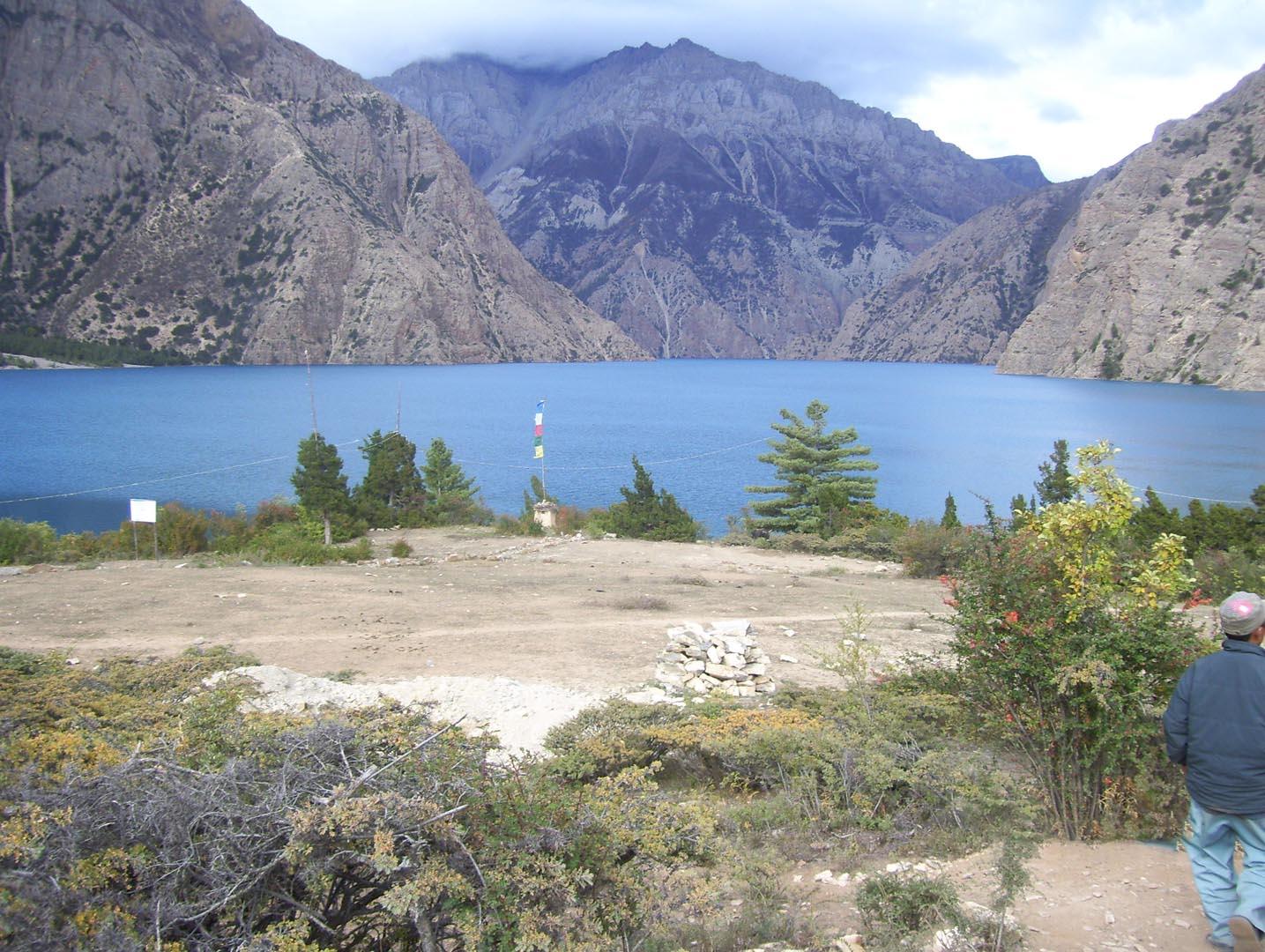
The Upper Dolpo Trek is one of Nepal’s most remote, adventurous, and culturally rich journeys, often referred to as the “land beyond the Himalayas.” This extraordinary trek is a rare opportunity to explore untouched landscapes, mysterious monasteries, and encounter some of the world’s highest-altitude communities, while immersing yourself in ancient Tibetan Buddhist culture. The trek begins from Kathmandu with a scenic flight to Nepalgunj, and onwards to Juphal, the gateway to Dolpo. From here, the trek takes you deep into the Shey Phoksundo National Park. One of the early highlights of the trek is breathtaking Phoksundo Lake (3,600 m/11,811 ft), a turquoise jewel surrounded by steep cliffs and cascading waterfalls. Beyond the lake, the trek enters wilder terrain, following the Phoksundo Khola through narrow gorges.
Product Description
Upper Dolpo Trek: Cost, Itinerary, Difficulty & Complete Guide
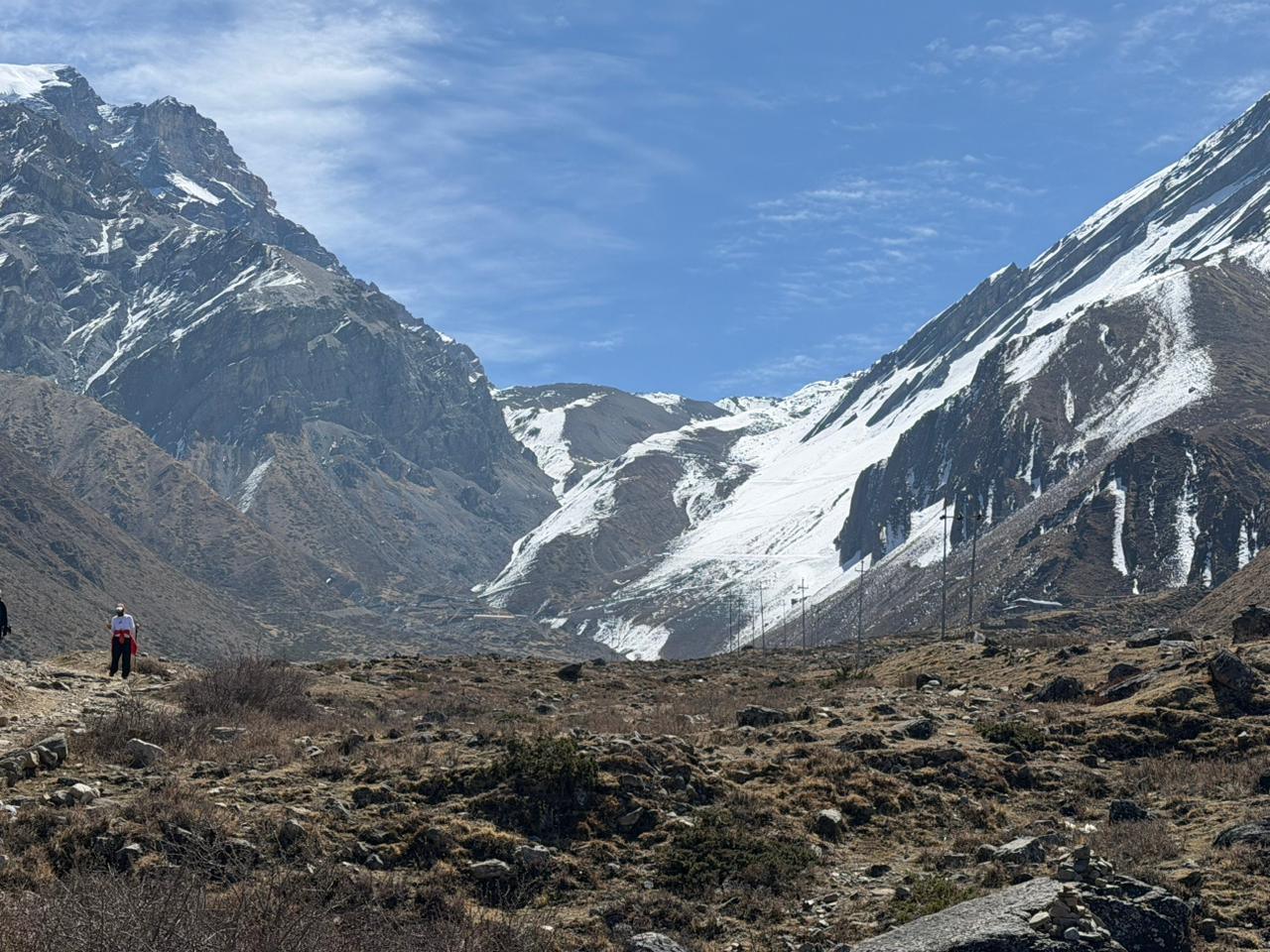
The Upper Dolpo Trek is one of Nepal’s most remote, spectacular, and culturally fascinating Himalayan adventures. Located in the remote Dolpo region of northwestern Nepal, this challenging trek takes you beyond the famous turquoise waters of Phoksundo Lake into an isolated landscape of high mountain passes, ancient monasteries, traditional Tibetan villages, dramatic valleys, and barren Himalayan wilderness.
Unlike the more developed trekking routes of Everest and Annapurna, Upper Dolpo remains remarkably remote. Much of the journey is a fully supported camping trek, with limited infrastructure and long stretches between settlements.
The classic Upper Dolpo route takes trekkers through Shey Phoksundo National Park, across high passes such as Kang La and Saldang La, through traditional villages including Shey, Namgung, and Saldang, and deep into the culturally rich landscapes of inner Dolpo.
With high-altitude passes reaching above 5,000 meters, remote camping, challenging terrain, and restricted-area permits, the Upper Dolpo Trek is best suited to experienced trekkers looking for an authentic wilderness adventure.
If you are searching for the Upper Dolpo Trek itinerary, cost, difficulty, permits, best time, altitude, route, or packing list, this complete guide covers everything you need to know.
Upper Dolpo Trek Highlights
- Explore one of Nepal’s most remote Himalayan regions
- Visit the spectacular Phoksundo Lake
- Explore the traditional village of Ringmo
- Cross the challenging Kang La Pass
- Visit ancient Shey Gompa
- See the sacred Crystal Mountain
- Cross the high Saldang La Pass
- Explore traditional Tibetan-style villages
- Experience the ancient Bon and Buddhist cultures of Dolpo
- Trek through the remote inner valleys of Upper Dolpo
- Experience dramatic trans-Himalayan landscapes
- Visit traditional monasteries and chortens
- Camp in remote Himalayan wilderness
- Encounter yak caravans and traditional mountain lifestyles
- Trek through one of Nepal’s least-developed trekking regions
What Is the Upper Dolpo Trek?
The Upper Dolpo Trek is a long-distance wilderness trek through the remote northern part of Nepal’s Dolpo region.
Dolpo lies behind the Dhaulagiri massif and borders Tibet. Its geography and cultural isolation have helped preserve traditional Tibetan Buddhist and Bon practices for centuries.
The trek typically begins by flying from Kathmandu to Nepalgunj and then onward to Juphal, the main air access point for Dolpo. From Juphal, trekkers enter the wilderness on foot.
A classic route follows:
Juphal → Dunai → Phoksundo Lake → Kang La → Shey Gompa → Saldang → inner Dolpo valleys → Chharka → high passes → Jomsom
Routes vary considerably depending on the itinerary. Some Upper Dolpo programs finish through Jomsom, while others use different return routes through the Dolpo valleys. Current commercial itineraries range from roughly 22 to 30 days, with longer expedition-style routes also available.
Upper Dolpo Trek Quick Facts
| Category | Details |
|---|---|
| Trek Name | Upper Dolpo Trek |
| Country | Nepal |
| Region | Dolpo |
| National Park | Shey Phoksundo National Park |
| Typical Duration | 22–30 days |
| Difficulty | Very Challenging |
| Trek Type | Camping / Wilderness Trek |
| Starting Point | Juphal |
| Major Attraction | Phoksundo Lake |
| Major Passes | Kang La, Saldang La and others |
| Highest Pass | Approximately 5,300–5,400m on classic routes |
| Best Seasons | Spring and Autumn |
| Accommodation | Camping with some local lodging |
| Required Experience | High-altitude trekking experience strongly recommended |
| Permit | Upper Dolpo Restricted Area Permit |
| Major Cultural Groups | Tibetan Buddhist and Bon communities |
Because Upper Dolpo itineraries differ substantially, exact elevations, passes and trekking days can vary between routes and operators.
Why Choose the Upper Dolpo Trek?
The Upper Dolpo Trek is unlike Nepal’s mainstream trekking routes.
It combines extreme wilderness, ancient Himalayan culture, dramatic landscapes, high-altitude passes, and genuine remoteness.
1. Explore One of Nepal’s Most Remote Regions
Upper Dolpo has remained geographically isolated for centuries.
The lack of extensive roads and modern infrastructure has helped preserve traditional communities and landscapes.
For travelers searching for an off-the-beaten-path Nepal trek, Upper Dolpo is one of the country’s most remarkable choices.
2. Visit Phoksundo Lake
One of the most spectacular highlights is Phoksundo Lake, famous for its striking turquoise-blue color and dramatic mountain surroundings.
The lake lies at roughly 3,600 meters and is surrounded by steep cliffs and Himalayan forests.
The traditional village of Ringmo lies nearby and provides an opportunity to experience the unique architecture and culture of the region.
3. Cross Kang La Pass
The crossing of Kang La Pass is one of the defining moments of the trek.
Depending on the route and source, the pass is listed around 5,150–5,360 meters.
The climb is demanding, but the views across the high valleys of Dolpo make the effort worthwhile.
4. Discover Shey Gompa
Shey Gompa is one of the spiritual centers of Upper Dolpo.
The monastery is associated with the ancient religious traditions of the region and is located beneath the spectacular Crystal Mountain.
The combination of sacred landscapes, ancient monasteries and remote villages gives this section of the trek a particularly spiritual atmosphere.
5. Experience Traditional Tibetan Culture
Upper Dolpo’s communities have strong cultural and historical connections with Tibet.
You can encounter:
- Tibetan Buddhist monasteries
- Bon traditions
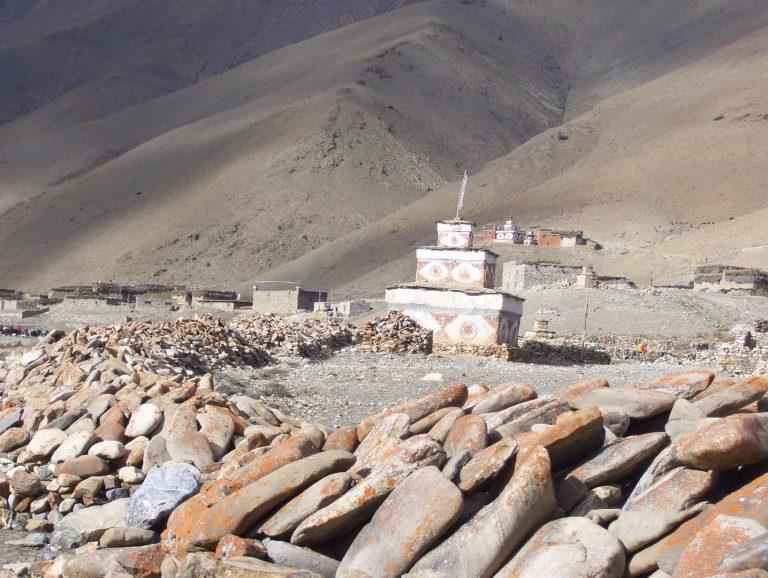
- Mani walls
- Chortens
- Traditional stone houses
- Barley fields
- Yak caravans
- Traditional mountain lifestyles
For many trekkers, the cultural experience is just as important as the scenery.
Upper Dolpo Trek Route
A classic Upper Dolpo itinerary can follow the route:
Kathmandu → Nepalgunj → Juphal → Dunai → Chhepka → Phoksundo Lake → Phoksundo Khola → Kang La → Shey Gompa → Saldang → Namgung → inner Dolpo → Chharka → high passes → Jomsom → Pokhara → Kathmandu
The exact route depends on the selected itinerary.
Some longer itineraries continue through Saldang, Yangze, Tinje, Chharka and Sangda before reaching the Mustang/Jomsom side of the Himalayas.
Upper Dolpo Trek Itinerary
Below is a representative 27-day Upper Dolpo Trek itinerary designed around a classic camping route.
Exact trekking days can vary because of weather, acclimatization, route conditions and flight schedules.
Day 1: Arrival in Kathmandu
Arrive in Kathmandu and transfer to your hotel.
Meet your trekking team and receive a detailed briefing about the Upper Dolpo Trek.
Overnight in Kathmandu.
Altitude: Approximately 1,350m
Day 2: Trek Preparation and Kathmandu Sightseeing
Spend the day preparing for the trek.
You can explore Kathmandu’s cultural attractions and purchase or rent any remaining trekking equipment.
Your agency will also finalize permits and logistics.
Overnight in Kathmandu.
Day 3: Fly Kathmandu to Nepalgunj
Take a domestic flight from Kathmandu to Nepalgunj.
Nepalgunj lies in the southwestern Terai region and serves as an important gateway to western Nepal.
Overnight in Nepalgunj.
Day 4: Fly Nepalgunj to Juphal and Trek to Dunai
Take a scenic flight toward Juphal.
From Juphal, begin trekking toward Dunai, the administrative center of Dolpa.
The trail follows the Bheri River and provides your first introduction to the remote landscapes of Dolpo.
Altitude: Approximately 2,140–2,475m
Trekking: Approximately 3–4 hours
Day 5: Dunai to Chhepka
Leave Dunai and follow the trail toward the Phoksundo Valley.
The route gradually enters more rugged landscapes and forests.
Altitude: Approximately 2,700–2,850m
Trekking: Approximately 5–6 hours
Day 6: Chhepka to Amchi / Chunuwar
Continue through forests and narrow valleys toward the Phoksundo region.
The trail gradually gains elevation.
Altitude: Approximately 3,100–3,200m
Trekking: Approximately 5–6 hours
Day 7: Trek to Phoksundo Lake
Continue toward the spectacular Phoksundo Lake.
The route passes through forested terrain before climbing toward Ringmo village and the lake.
Phoksundo’s turquoise waters and dramatic cliffs provide one of the most memorable sights of the trek.
Altitude: Approximately 3,600m
Trekking: Approximately 4–5 hours
Day 8: Acclimatization at Phoksundo Lake
Spend a full day acclimatizing.
Explore:
- Phoksundo Lake
- Ringmo village
- Local monasteries
- Traditional Tibetan-style houses
- Nearby viewpoints
A short hike helps prepare your body for the higher elevations ahead.
Day 9: Phoksundo Lake to Phoksundo Khola
Leave Phoksundo Lake and follow the dramatic trail along the western side of the lake.
Some sections are narrow and exposed.
Continue toward Phoksundo Khola and establish camp.
Altitude: Approximately 3,500–3,700m
Trekking: Approximately 5–6 hours
Day 10: Phoksundo Khola to Kang La High Camp
Continue climbing through an increasingly barren alpine landscape.
The vegetation becomes sparse as you approach the high mountain passes.
Camp near the base of Kang La.
Altitude: Approximately 4,400m
Trekking: Approximately 5–7 hours
Day 11: Cross Kang La Pass to Shey Gompa
This is one of the most challenging days of the trek.
Start early and climb toward Kang La Pass, reaching more than 5,000 meters.
After crossing the pass, descend toward the beautiful valley surrounding Shey Gompa.
Highest altitude: Approximately 5,150–5,360m
Destination: Shey Gompa
Trekking: Approximately 7–9 hours
Current itineraries differ on the exact elevation published for Kang La, with figures around 5,151m to 5,360m.
Day 12: Acclimatization at Shey Gompa
Spend the day exploring Shey Gompa and the surrounding landscape.
You can hike toward viewpoints overlooking the valley and enjoy views of Crystal Mountain.
This is also an important acclimatization day.
Altitude: Approximately 4,300–4,500m
Day 13: Shey Gompa to Namgung
Continue deeper into Upper Dolpo.
The route crosses another high pass before descending toward Namgung.
Major attraction: Namgung Gompa
Altitude: Approximately 4,300–4,500m
Day 14: Namgung to Saldang
Continue toward Saldang, one of the most important settlements in Upper Dolpo.
The landscape becomes increasingly dry and Tibetan in appearance.
Saldang is known for its traditional stone houses, agricultural terraces and spectacular mountain setting.
Trekking: Approximately 5–7 hours
Day 15: Explore Saldang
Take a rest and exploration day in Saldang.
Explore the village, interact with local communities and experience the traditional lifestyle of Upper Dolpo.
This also allows additional acclimatization.
Day 16: Saldang to Sibu
Continue along the valley following traditional caravan routes.
The landscape remains stark and dramatic.
Trekking: Approximately 5–7 hours
Day 17: Sibu to Jeng La and Tokyu
Climb toward Jeng La before descending into the Tarap Valley.
The pass provides expansive views of the surrounding highlands.
Highest altitude: Approximately 5,000m+
Trekking: Approximately 6–8 hours
Day 18: Tokyu to Dho Tarap
Continue through the beautiful Tarap Valley.
The landscape gradually opens into one of the most impressive high valleys in Dolpo.
Altitude: Approximately 4,000m
Trekking: Approximately 5–7 hours
Day 19: Dho Tarap Exploration
Spend time exploring Dho Tarap.
The area has strong Tibetan cultural influences and is one of the more significant settlements encountered during the trek.
Day 20: Dho Tarap to Serkam / High Camp
Begin the route toward the next high-altitude section.
The landscape becomes increasingly rugged as you move toward the high passes.
Day 21: Cross Chharka La toward Chharka Bhot
Cross Chharka La, another high mountain pass on longer Upper Dolpo itineraries.
The ascent is challenging but offers spectacular views across the remote Himalayan landscape.
Highest altitude: Approximately 5,000m+
Trekking: Approximately 6–8 hours
Day 22: Explore Chharka Bhot
Take a rest day in Chharka Bhot.
Explore the village and recover from the demanding high-altitude crossing.
Day 23: Chharka Bhot toward Yak Kharka
Continue through the high valleys toward the route leading east/southeast toward the Jomsom side of the Himalayas.
The terrain is remote and largely treeless.
Day 24: High Pass Crossing toward Santa / Lower Elevation
Depending on the selected route, cross additional high passes before descending toward lower elevations.
Weather and trail conditions are particularly important on this section.
Day 25: Trek / Drive toward Jomsom
Continue toward the Kali Gandaki region and eventually reach the road-accessible areas near Jomsom.
This marks the end of the wilderness section of the trek.
Day 26: Fly Jomsom to Pokhara
Take a morning flight from Jomsom to Pokhara, weather permitting.
Enjoy a well-deserved rest in Pokhara.
Day 27: Return to Kathmandu
Fly or drive from Pokhara to Kathmandu.
Your Upper Dolpo adventure officially comes to an end.
Upper Dolpo Trek Difficulty
The Upper Dolpo Trek is extremely challenging.
It is significantly more demanding than many of Nepal’s popular trekking routes.
The difficulty comes from:
- High-altitude passes
- Remote wilderness
- Long trekking days
- Limited infrastructure
- Camping
- Cold temperatures
- Rapid weather changes
- Rocky and uneven terrain
- Significant elevation changes
- Limited medical facilities
- Difficult emergency evacuation
- Multiple days above 4,000 meters
Trekkers should have previous experience with high-altitude multi-day trekking.
Is Upper Dolpo Trek Suitable for Beginners?
The Upper Dolpo Trek is not recommended for beginners.
Ideally, trekkers should have completed challenging Himalayan routes before attempting Upper Dolpo.
Useful previous experience may include:
- Everest Base Camp
- Manaslu Circuit
- Annapurna Circuit
- Dhaulagiri Circuit
- Kanchenjunga Trek
- Makalu Base Camp
- Other high-altitude camping treks
Previous experience does not eliminate the risks of Upper Dolpo, but it can significantly improve your preparedness.
Upper Dolpo Trek Altitude
Altitude is one of the biggest challenges on the trek.
| Location | Approximate Altitude |
|---|---|
| Kathmandu | 1,350m |
| Juphal | 2,400–2,475m |
| Dunai | 2,140m |
| Chhepka | 2,700–2,850m |
| Phoksundo Lake | ~3,600m |
| Phoksundo Khola | ~3,500–3,700m |
| High Camp | ~4,400m |
| Kang La | ~5,150–5,360m |
| Shey Gompa | ~4,300–4,500m |
| Saldang La | ~5,000–5,200m |
| Saldang | ~3,900–4,000m |
| Tarap Valley | ~4,000m |
| Chharka La | ~5,000m |
| Jomsom | ~2,720m |
Exact elevations differ among published itineraries because camps and routes vary.
Upper Dolpo Trek and Altitude Sickness
Because the trek repeatedly reaches elevations above 4,000 meters and crosses passes above 5,000 meters, altitude sickness must be taken seriously.
Possible symptoms include:
- Headache
- Nausea
- Dizziness
- Fatigue
- Loss of appetite
- Difficulty sleeping
- Shortness of breath
Important precautions include:
- Ascend gradually
- Follow your guide’s acclimatization schedule
- Drink enough water
- Avoid excessive alcohol
- Eat sufficiently
- Maintain a steady pace
- Never ignore worsening symptoms
- Descend if serious altitude-related symptoms develop
A qualified guide should monitor trekkers throughout the high-altitude sections.
Upper Dolpo Trek Best Time
The best seasons for the Upper Dolpo Trek are generally spring and autumn.
However, Upper Dolpo has a unique advantage compared with many areas of Nepal: it lies in the rain-shadow region of the Himalayas, meaning some parts receive considerably less monsoon precipitation than southern-facing trekking regions.
Spring: April to May
Spring offers:
- Relatively stable weather
- Increasingly warm temperatures
- Good visibility
- Better conditions for high passes
- Blooming vegetation at lower elevations
Summer / Monsoon: June to September
Upper Dolpo can be attractive during the monsoon because of its rain-shadow location.
However, flight reliability, trail conditions and local weather still need to be considered.
Autumn: September to November
Autumn is one of the best periods for the Upper Dolpo Trek.
Expect:
- Clear mountain views
- Stable weather
- Cool temperatures
- Good visibility
- Favorable high-pass conditions
Winter
Winter is generally unsuitable for standard Upper Dolpo trekking because of heavy snow, extreme cold and difficult high-pass conditions.
Upper Dolpo Trek Cost
The Upper Dolpo Trek cost is significantly higher than many popular Nepal trekking packages.
This is mainly because Upper Dolpo is a restricted and remote region requiring:
- Special permits
- Domestic flights
- Camping logistics
- Porters
- Guides
- Kitchen crew
- Food supplies
- Tents and camping equipment
- Longer itineraries
- Emergency contingency planning
Published 2026 commercial itineraries vary considerably depending on route and services. A realistic organized Upper Dolpo expedition generally requires a budget of several thousand US dollars per person, with longer and more comprehensive itineraries costing more.
The final price should be quoted based on:
- Number of trekking days
- Group size
- Route
- Accommodation
- Domestic flights
- Number of guides and porters
- Camping services
- Permit duration
- Meals
- Transportation
- Emergency support
Upper Dolpo Trek Permit
Upper Dolpo is a restricted trekking area, so trekkers require a special permit.
According to the current Nepal Tourism Board permit information, the Upper Dolpa restricted-area permit is:
US$50 per person per day.
This is an important distinction because the permit is charged per day, meaning longer itineraries can have substantially higher permit costs.
Your trekking agency should arrange the required restricted-area documentation before entering the region.
Other applicable national park and trekking documentation should also be confirmed before departure.
Shey Phoksundo National Park
Much of the approach to Upper Dolpo passes through Shey Phoksundo National Park, Nepal’s largest national park.
The park is famous for:
- Phoksundo Lake
- Himalayan landscapes
- High-altitude ecosystems
- Blue sheep
- Himalayan wildlife
- Remote valleys
- Traditional mountain communities
The park forms an important part of the Upper Dolpo trekking experience.
Upper Dolpo Trek Accommodation
The Upper Dolpo Trek is primarily a camping trek.
In some lower settlements, basic local accommodation may be available, but trekkers should not expect the extensive teahouse infrastructure found in Everest or Annapurna.
Typical camping facilities include:
- Sleeping tents
- Dining tent
- Kitchen tent
- Toilet tent
- Sleeping mattresses
- Cooking equipment
- Kitchen crew
- Porters
The camping experience is an important part of Upper Dolpo’s wilderness character.
Food During the Upper Dolpo Trek
Because the region is remote, food is normally carried and prepared by the trekking crew.
Typical meals include:
Breakfast
- Porridge
- Eggs
- Tibetan bread
- Pancakes
- Toast
- Tea
- Coffee
Lunch
- Dal bhat
- Rice
- Noodles
- Pasta
- Soup
- Vegetables
Dinner
- Dal bhat
- Pasta
- Rice
- Noodles
- Potatoes
- Vegetables
- Soup
High-calorie foods are particularly important because of the demanding terrain and cold temperatures.
Upper Dolpo Trek Packing List
A proper packing list is essential for this trek.
Clothing
- Thermal base layers
- Fleece jacket
- Down jacket
- Waterproof jacket
- Waterproof trousers
- Trekking trousers
- Warm socks
- Gloves
- Warm hat
- Sun hat
- Buff
Footwear
- High-quality trekking boots
- Camp shoes
- Warm socks
- Gaiters
Sleeping Equipment
- Four-season sleeping bag
- Sleeping bag liner
- Sleeping mat
- Warm camp clothing
Trekking Equipment
- Backpack
- Duffel bag
- Trekking poles
- Headlamp
- Water bottles
- Water purification system
- Sunglasses
- Sunscreen
- Lip balm
Personal Items
- Personal medication
- First-aid supplies
- Power bank
- Camera
- Batteries
- Waterproof bags
- Personal toiletries
Your trekking agency should provide a final equipment checklist based on the exact route and season.
Physical Preparation for Upper Dolpo Trek
Start training well before departure.
Focus on:
Cardiovascular Training
- Hiking
- Running
- Cycling
- Stair climbing
- Brisk walking
Strength Training
Focus on:
- Squats
- Lunges
- Step-ups
- Calf raises
- Core exercises
Hiking Practice
Long-distance hiking is particularly useful.
Try to complete progressively longer hikes while carrying a backpack.
The goal is to prepare your body for consecutive days of trekking rather than a single difficult hike.
Upper Dolpo Trek Safety Tips
1. Trek With an Experienced Team
Upper Dolpo is too remote for casual independent trekking.
An experienced guide and support crew can make a major difference.
2. Build in Acclimatization Days
Do not rush through the high-altitude sections.
3. Cross High Passes Early
Weather can change quickly in the afternoon.
4. Carry Warm Clothing
Temperatures can become extremely cold at high camps.
5. Stay Hydrated
Dehydration can worsen altitude-related problems.
6. Carry Travel Insurance
Your insurance should specifically cover high-altitude trekking and emergency evacuation.
7. Prepare for Flight Delays
Flights to and from remote mountain airstrips can be affected by weather.
Always keep contingency days in your schedule.
8. Respect Local Culture
Upper Dolpo contains culturally significant Buddhist and Bon sites.
Dress appropriately and ask permission before photographing people or religious ceremonies.
Upper Dolpo Trek vs Lower Dolpo Trek
| Feature | Upper Dolpo | Lower Dolpo |
|---|---|---|
| Difficulty | Very challenging | Challenging |
| Duration | Usually 22–30+ days | Usually shorter |
| Restricted Area | Yes | Different permit structure |
| High Passes | Multiple 5,000m+ passes | High passes depending on route |
| Camping | Extensive | Extensive |
| Phoksundo Lake | Yes | Yes |
| Remote Villages | Extensive | Moderate |
| Cost | Higher | Generally lower |
| Experience | Strongly recommended | High-altitude experience helpful |
| Wilderness | Exceptional | Excellent |
If you want a shorter introduction to the Dolpo region, Lower Dolpo may be more suitable.
If you want to penetrate deep into the remote Himalayan interior, Upper Dolpo offers a much more extensive wilderness experience.
Upper Dolpo Trek vs Manaslu Circuit Trek
| Feature | Upper Dolpo | Manaslu Circuit |
|---|---|---|
| Difficulty | Very challenging | Challenging |
| Infrastructure | Very limited | More developed |
| Camping | Extensive | Mainly teahouse |
| Restricted Area | Yes | Yes |
| Highest Pass | 5,000m+ | Larkya La ~5,106m |
| Crowds | Very low | Increasing |
| Cultural Experience | Tibetan/Bon | Tibetan/Himalayan |
| Duration | 22–30+ days | Usually 14–20 days |
| Cost | Higher | Lower |
| Remoteness | Exceptional | High |
Upper Dolpo is the better option for travelers seeking extreme isolation and a long wilderness expedition.
Who Should Do the Upper Dolpo Trek?
The trek is ideal for:
- Experienced Himalayan trekkers
- Adventure travelers
- Wilderness enthusiasts
- Photographers
- Cultural travelers
- Experienced campers
- Travelers seeking remote destinations
- People interested in Tibetan and Bon traditions
It is not ideal for:
- First-time trekkers
- Travelers seeking luxury accommodation
- People uncomfortable with camping
- Travelers with limited high-altitude experience
- People looking for short trekking holidays
Why Book a Guided Upper Dolpo Trek?
A professional guided trek provides essential logistical support in this remote region.
A trekking agency can arrange:
- Restricted-area permits
- National park documentation
- Domestic flights
- Experienced guides
- Porters
- Camping equipment
- Kitchen crew
- Food supplies
- Route planning
- Acclimatization
- Emergency coordination
- Transportation
Because of the region’s remoteness and restricted status, organized trekking is strongly recommended.
Frequently Asked Questions About Upper Dolpo Trek
How difficult is the Upper Dolpo Trek?
Upper Dolpo is one of Nepal’s most challenging trekking experiences. High-altitude passes, remote camping, long trekking days and limited infrastructure make it suitable primarily for experienced trekkers.
How long is the Upper Dolpo Trek?
Most organized itineraries take approximately 22–30 days, although longer expedition-style routes are also available.
What is the highest point of the Upper Dolpo Trek?
The classic route crosses Kang La at more than 5,000 meters, with published itineraries giving figures between approximately 5,150m and 5,360m. Other Upper Dolpo routes cross additional passes above 5,000 meters.
Is Upper Dolpo Trek suitable for beginners?
No. Previous high-altitude trekking and camping experience is strongly recommended.
Is Upper Dolpo a camping trek?
Yes. The remote sections are primarily completed as a fully supported camping trek.
What is the best time for Upper Dolpo Trek?
Spring and autumn are generally excellent seasons. Because Upper Dolpo lies in the Himalayan rain shadow, some summer/monsoon itineraries are also possible, although weather and flight conditions must be considered.
How much does Upper Dolpo Trek cost?
The cost varies substantially depending on the itinerary, permit duration, group size, flights and camping logistics. Upper Dolpo is considerably more expensive than standard teahouse treks because of its restricted status and remote logistics.
How much is the Upper Dolpo permit?
Nepal Tourism Board currently lists the Upper Dolpa restricted-area permit at US$50 per person per day.
Can I trek Upper Dolpo independently?
Because Upper Dolpo is a restricted trekking region with special permits and demanding logistics, trekkers should arrange the journey through an authorized trekking agency and follow current government requirements.
What is the main attraction of Upper Dolpo?
The major attractions include Phoksundo Lake, Shey Gompa, Crystal Mountain, high mountain passes, traditional Tibetan-style villages, ancient monasteries and the remote landscapes of inner Dolpo.
Is Upper Dolpo harder than Everest Base Camp?
Yes, generally. Everest Base Camp has a much more developed teahouse network and established trekking infrastructure. Upper Dolpo involves extensive camping, fewer services, more remote terrain and multiple high passes.
Book Your Upper Dolpo Trek in Nepal
The Upper Dolpo Trek is not simply a Himalayan hiking trip. It is a journey into one of Nepal’s most isolated landscapes, where ancient cultures, dramatic mountains and vast wilderness remain remarkably preserved.
From the turquoise waters of Phoksundo Lake and traditional village of Ringmo to Kang La Pass, Shey Gompa, Crystal Mountain, Saldang and the remote valleys of inner Dolpo, the trek offers an experience that few places in the Himalayas can match.
If you are an experienced trekker looking for a genuine wilderness adventure far away from Nepal’s crowded trekking routes, Upper Dolpo is an extraordinary choice.
Contact us today to plan your Upper Dolpo Trek in Nepal and begin your journey into one of the Himalayas’ last great wilderness regions.
For the latest information on trekking regulations, permits, conservation areas, and mountaineering requirements in Nepal, visit the official Nepal Tourism Board and relevant government authorities before planning your Pisang Peak Climbing adventure.
Also if you want to view our other treks then you can follow this link.
Reviews
There are no reviews yet.