

Langtang Valley Trek-10 Days
$ 1,130.00$ 1,000.00
Product Description
Langtang Valley Trek: Complete Guide to Trekking in Nepal
The Langtang Valley Trek is one of Nepal’s most rewarding Himalayan adventures, offering spectacular mountain scenery, traditional Tamang culture, beautiful forests, glaciers, and high-altitude landscapes without requiring the long itinerary of some of Nepal’s more famous trekking routes. Located north of Kathmandu near the Tibetan border, the Langtang region combines natural beauty and cultural experiences into an unforgettable Himalayan journey.
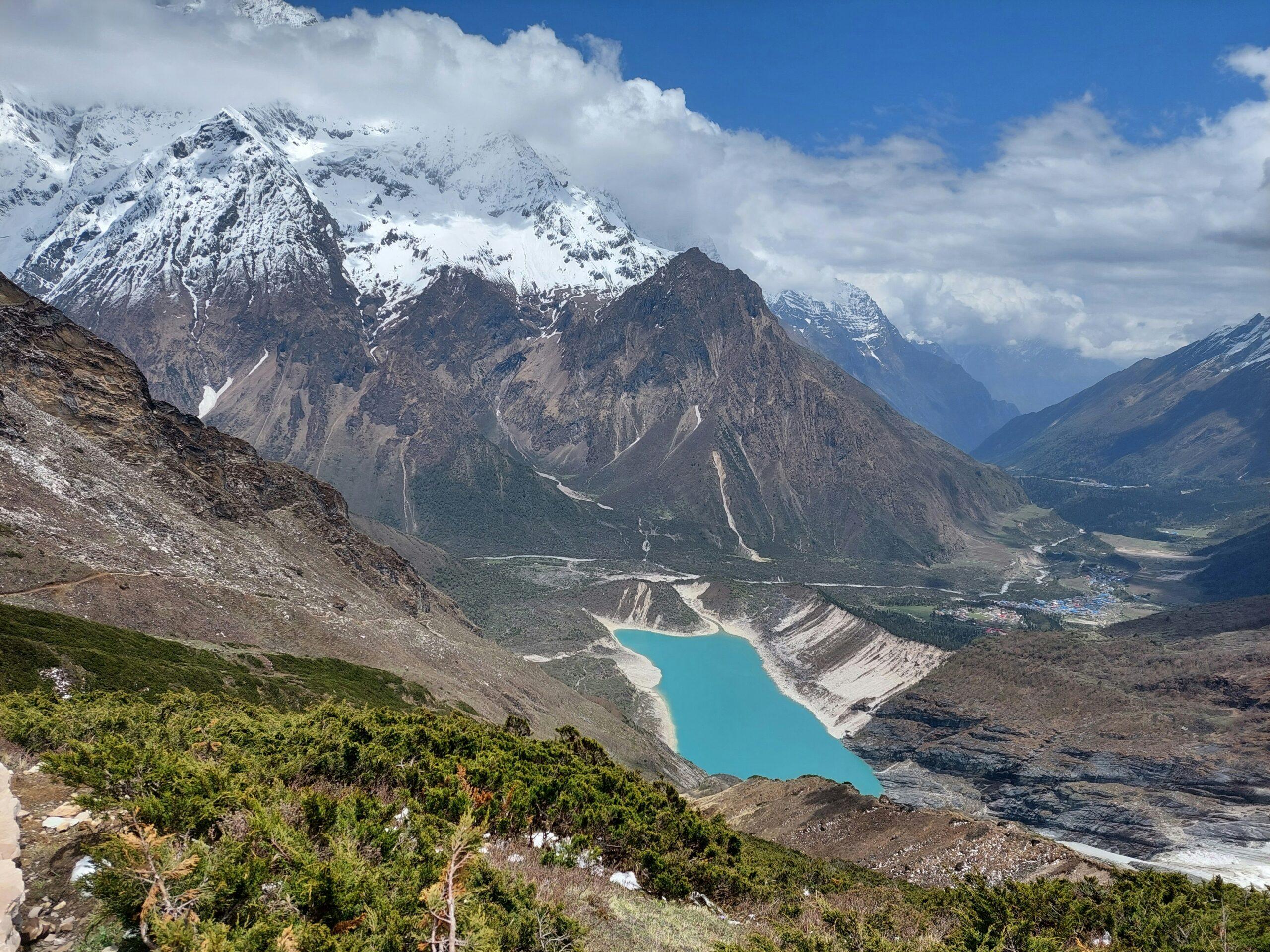
The trek takes you through the Langtang National Park, where rhododendron forests, bamboo forests, waterfalls, alpine meadows, and dramatic mountain peaks create an incredibly diverse landscape. Along the trail, trekkers can experience traditional mountain villages, Buddhist monasteries, yak pastures, and breathtaking views of Langtang Lirung and other Himalayan peaks.
For travelers looking for a relatively short but scenic Nepal trekking experience, the Langtang Valley Trek is an excellent choice.
Langtang Valley Trek Highlights
The Langtang Valley Trek offers a perfect combination of nature, culture, and Himalayan adventure. Some of the major highlights include:
- Spectacular views of Langtang Lirung and surrounding Himalayan peaks
- Trekking through Langtang National Park
- Beautiful rhododendron, oak, and bamboo forests
- Exploring traditional Tamang villages
- Visiting ancient Buddhist monasteries and prayer sites
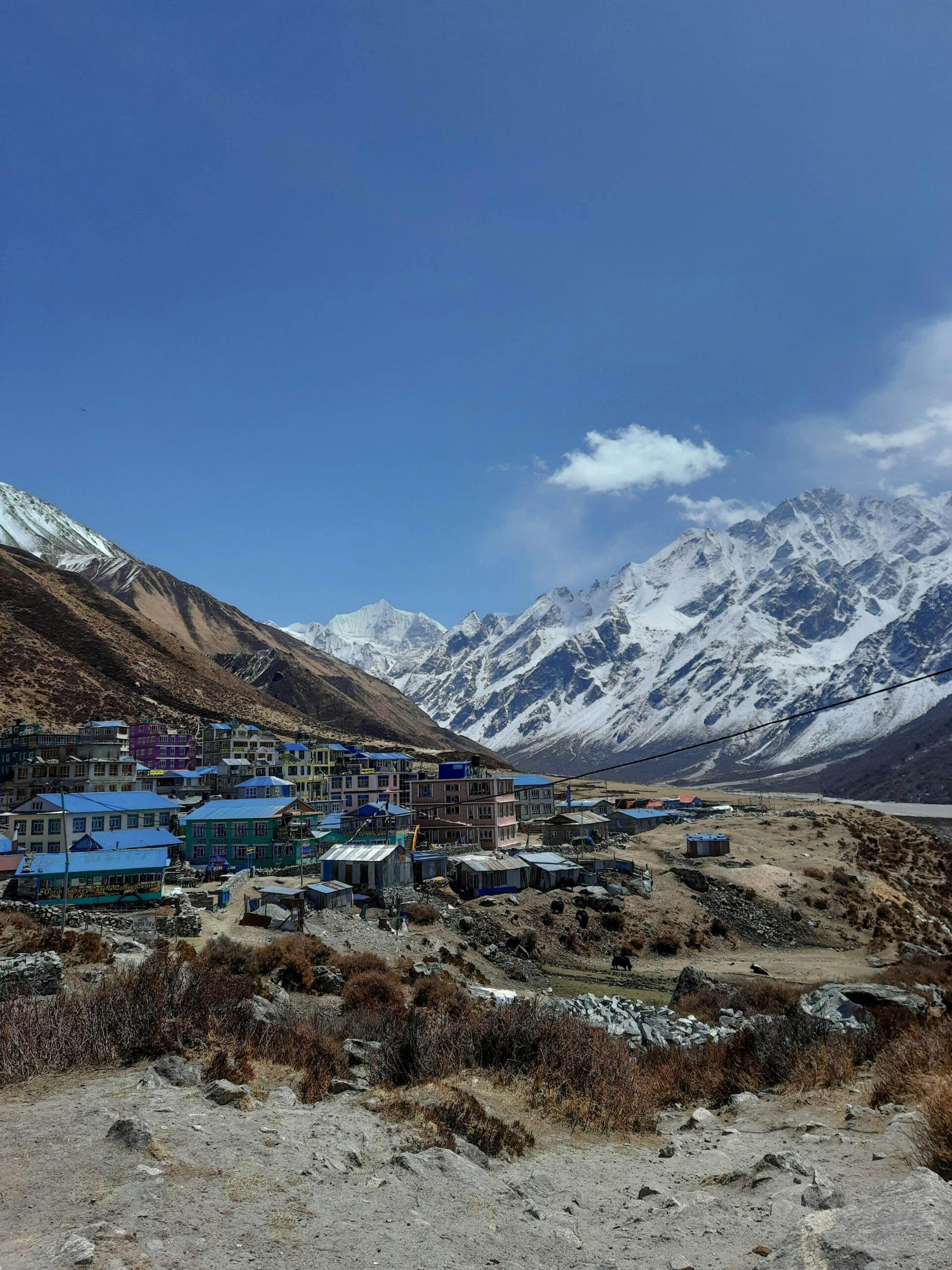
- Experiencing the peaceful atmosphere of Kyanjin Gompa
- Hiking to Kyanjin Ri or Tserko Ri for panoramic mountain views
- Exploring glaciers and alpine landscapes
- Enjoying traditional Nepali and Himalayan food
- Experiencing local mountain hospitality
- Scenic drive from Kathmandu to Syabrubesi
Where Is the Langtang Valley?
The Langtang Valley lies in north-central Nepal, approximately north of Kathmandu and close to the Tibetan border. Much of the trekking route is located inside Langtang National Park, Nepal’s first Himalayan national park.
The usual starting point of the trek is Syabrubesi, a mountain settlement that can be reached by road from Kathmandu. From Syabrubesi, the trail gradually follows the Langtang Khola through forests and villages before reaching the higher settlements of Langtang Valley.
The trek generally culminates at Kyanjin Gompa, a beautiful Himalayan settlement surrounded by spectacular peaks and alpine terrain.
Why Choose the Langtang Valley Trek?
One of the biggest advantages of the Langtang Valley Trek is its accessibility. Compared with longer Himalayan journeys such as the Everest Base Camp Trek or Annapurna Circuit Trek, Langtang can be completed in a shorter period while still offering an authentic Himalayan trekking experience.
The trail also provides a wonderful opportunity to interact with the Tamang people and learn about their traditions, lifestyle, religion, and mountain culture.
Another major attraction is the dramatic change in scenery. You can begin the journey surrounded by lush forests and gradually ascend into a high-altitude Himalayan environment filled with glaciers, rocky peaks, and alpine meadows.
For trekkers with limited time in Nepal, this makes the Langtang Valley Trek one of the best short Himalayan treks in Nepal.
Langtang Valley Trek Itinerary
A typical Langtang Valley Trek takes around 7–10 days depending on the itinerary, acclimatization schedule, transportation, and optional hikes.
Day 1: Kathmandu to Syabrubesi
The adventure begins with a scenic drive from Kathmandu to Syabrubesi. The journey passes through countryside landscapes, terraced farmland, hills, rivers, and mountain settlements.
Syabrubesi is the gateway to the Langtang Valley and is where trekkers usually spend the night before beginning the hike.
Day 2: Syabrubesi to Lama Hotel
The trek begins by following the Langtang Khola through dense forests. The trail gradually climbs through bamboo and rhododendron forests while crossing several suspension bridges.
The forest is home to diverse wildlife and birds, making this section particularly enjoyable for nature lovers.
After several hours of trekking, you reach Lama Hotel for an overnight stay.
Day 3: Lama Hotel to Langtang Village
The trail continues through beautiful forests before gradually opening up to wider mountain views.
As you approach Langtang Village, the landscape becomes increasingly dramatic. You can see Langtang Lirung and other surrounding peaks.
Langtang Village is an important settlement along the route and provides an opportunity to experience the culture and hospitality of the local communities.
Day 4: Langtang Village to Kyanjin Gompa
This is one of the most scenic sections of the trek. The trail passes through yak pastures, alpine landscapes, small settlements, and Buddhist prayer sites.
After several hours of trekking, you arrive at Kyanjin Gompa, one of the most beautiful destinations in the Langtang region.
Kyanjin Gompa is surrounded by spectacular Himalayan peaks and serves as the base for several optional day hikes.
Day 5: Explore Kyanjin Gompa
An acclimatization and exploration day at Kyanjin Gompa allows trekkers to enjoy the surrounding mountains without immediately descending.
One of the most popular hikes is Kyanjin Ri, which provides panoramic views of the Langtang Himalayan range.
More experienced trekkers can consider Tserko Ri, a higher viewpoint offering an even more extensive mountain panorama.
You can also explore nearby glaciers, yak pastures, monasteries, and surrounding valleys.
Day 6: Kyanjin Gompa to Lama Hotel
After exploring the upper Langtang Valley, you begin descending along the same trail.
The descent is generally easier than the ascent, although the long downhill sections can be tiring on the knees.
You spend the night around Lama Hotel.
Day 7: Lama Hotel to Syabrubesi
The final trekking day takes you back through the forest toward Syabrubesi.
After reaching Syabrubesi, you can relax and celebrate the completion of your Langtang trekking adventure.
Day 8: Syabrubesi to Kathmandu
A scenic drive takes you from Syabrubesi back to Kathmandu, marking the end of your Langtang Valley Trek in Nepal.
The itinerary can be extended or shortened depending on your preferences, fitness level, and travel schedule.
Best Time for Langtang Valley Trek
The best seasons for the Langtang Valley Trek are generally spring and autumn.
Spring
Spring lasts from March to May and is one of the most beautiful periods for trekking in Langtang. The forests become vibrant with blooming rhododendrons, while the weather is generally favorable for mountain views.
April and May are particularly popular among trekkers.
Autumn
September to November is another excellent trekking season. After the monsoon, the skies are generally clearer, visibility improves, and the mountain views can be spectacular.
October is often considered one of the best months for trekking in Nepal.
Winter
December to February can be cold, especially at higher elevations. Snow may cover portions of the trail, and temperatures around Kyanjin Gompa can become very low.
Experienced trekkers who are properly equipped can still enjoy the trek during winter.
Monsoon
June to August brings heavy rainfall to many parts of Nepal. Trails can become muddy and slippery, while clouds can obscure mountain views.
However, the Langtang region can still be visited by experienced trekkers who are prepared for wet conditions.
Langtang Valley Trek Difficulty
The Langtang Valley Trek is generally considered a moderate trek.
You do not need technical mountaineering skills, but good physical fitness is important because you will be walking for several hours each day at increasing elevations.
The highest popular viewpoints, such as Tserko Ri, involve significant altitude gain. Therefore, proper acclimatization is important.
Regular walking, hiking, stair climbing, and cardiovascular exercise before your trip can help prepare your body for the trek.
Langtang Valley Trek Altitude
Altitude is an important consideration during the trek.
The trek begins at relatively low elevation around Syabrubesi and gradually climbs toward Kyanjin Gompa at approximately 3,870 meters.
Optional hikes can take you considerably higher. Kyanjin Ri and Tserko Ri both provide excellent opportunities for panoramic views but require careful consideration of altitude and fitness.
Trekkers should ascend gradually, stay hydrated, eat properly, and pay attention to symptoms of altitude sickness.
Accommodation During the Langtang Trek
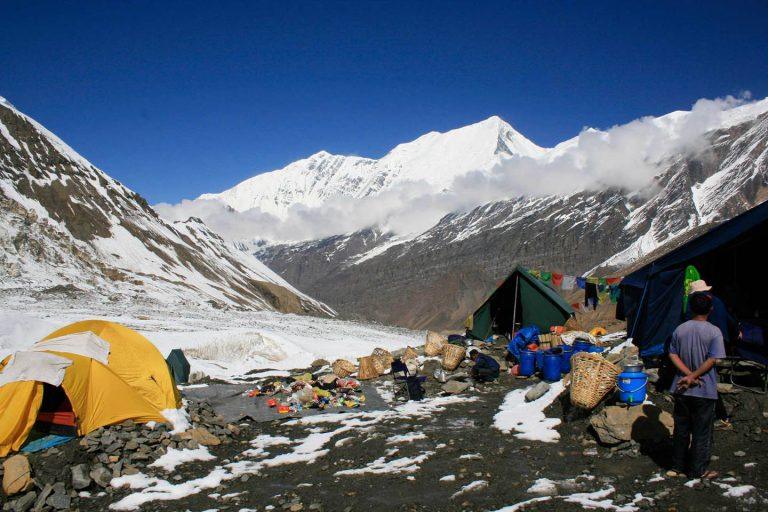
Accommodation along the Langtang Valley Trek is primarily provided by local teahouses and lodges.
Most teahouses offer basic but comfortable rooms, usually with twin beds and shared bathroom facilities. Some lodges at popular destinations may have attached bathrooms, although facilities become more basic at higher elevations.
The dining areas are generally warm and welcoming, and trekkers can enjoy meals such as dal bhat, noodles, soups, rice, vegetables, eggs, and Tibetan-style dishes.
Food on the Langtang Valley Trek
Food is an important part of the trekking experience.
The most common meal is dal bhat, consisting of rice, lentil soup, vegetables, and curry. It is popular among trekkers because it provides a filling and nutritious meal.
Other common options include:
- Vegetable and chicken noodles
- Fried rice
- Pasta
- Soups
- Momos
- Tibetan bread
- Eggs
- Potatoes
- Porridge
- Pancakes
- Tea and coffee
At higher elevations, food choices may become more limited because supplies have to be transported from lower settlements.
Langtang Valley Trek Cost
The cost of the Langtang Valley Trek depends on the duration, transportation, accommodation, guide services, permits, meals, and personal expenses.
A typical trekking package may include:
- Kathmandu–Syabrubesi–Kathmandu transportation
- Trekking permits
- Langtang National Park entry fee
- Licensed trekking guide
- Porter services if required
- Teahouse accommodation
- Meals during the trek
- Basic trekking equipment depending on the package
- Emergency support
Personal expenses such as snacks, drinks, charging, Wi-Fi, tips, travel insurance, and personal shopping may be additional.
For an accurate price, it is best to choose an itinerary based on the number of trekking days and services required.
Permits for Langtang Valley Trek
Trekkers generally need the required national park and trekking permits before entering the Langtang region.
A licensed trekking agency can arrange the necessary permits and explain the current requirements before your departure.
Carrying your passport and relevant travel documents is also recommended throughout the trek.
What to Pack for Langtang Valley Trek
Packing appropriately can make a significant difference to your trekking experience.
Essential items include:
- Trekking boots
- Comfortable trekking trousers
- Thermal base layers
- Fleece jacket
- Down jacket
- Waterproof jacket
- Warm hat and gloves
- Sunglasses
- Sunscreen
- Sleeping bag
- Water bottle
- Headlamp
- Trekking poles
- Basic first-aid supplies
- Personal medication
- Power bank
- Toiletries
- Backpack or duffel bag
Your packing list should be adjusted according to the season of your trek.
Is Langtang Valley Trek Suitable for Beginners?
Yes. The Langtang Valley Trek can be suitable for beginners who have reasonable fitness and are prepared for several days of walking.
Previous high-altitude trekking experience is not essential, but beginners should understand that this is a Himalayan trek involving significant elevation gain.
Walking regularly before your trip and following a sensible acclimatization schedule can make the experience considerably easier.
Hiring an experienced local guide is also recommended, particularly for first-time trekkers.
Langtang Valley Trek vs Everest Base Camp
Both are spectacular Himalayan adventures, but they offer different experiences.
The Everest Base Camp Trek is longer, more famous, and reaches a higher maximum trekking elevation. It also provides views of Mount Everest and takes trekkers into the Khumbu region.
The Langtang Valley Trek is generally shorter and less crowded. It offers beautiful mountain scenery, Tamang culture, forests, glaciers, and alpine landscapes while requiring less time.
If you have limited time and want a quieter Himalayan experience, Langtang can be an excellent alternative.
Responsible Trekking in Langtang
Responsible tourism is essential for protecting the Langtang region.
Trekkers should avoid single-use plastics where possible, carry reusable water bottles, dispose of waste properly, respect local customs, and avoid damaging vegetation.
Supporting locally owned teahouses, guides, porters, and businesses also helps ensure that tourism benefits mountain communities.
Respect Buddhist monuments, prayer flags, mani walls, monasteries, and local traditions throughout the trek.
Why Trek Langtang Valley with a Local Trekking Agency?
Booking the Langtang Valley Trek through an experienced local trekking agency can simplify the entire journey.
A professional agency can help with transportation, permits, accommodation, guides, porters, itinerary planning, and emergency support. Local guides also provide valuable knowledge about the region’s culture, history, mountains, and communities.
A well-planned itinerary can also help you manage altitude gain and make the most of your time in the Langtang Valley.
Frequently Asked Questions About Langtang Valley Trek
How many days is the Langtang Valley Trek?
A typical Langtang Valley Trek takes around 7–10 days, although the itinerary can be customized according to your schedule and preferred pace.
How difficult is Langtang Valley Trek?
The trek is generally considered moderate. Good physical fitness is recommended, but technical climbing skills are not required.
What is the highest point of Langtang Valley Trek?
Kyanjin Gompa is around 3,870 meters, while optional hikes such as Tserko Ri take trekkers significantly higher.
Can beginners trek Langtang Valley?
Yes. Beginners with reasonable fitness can complete the trek with proper preparation, gradual acclimatization, and an appropriate itinerary.
When is the best time to trek Langtang Valley?
Spring and autumn are generally the best seasons. March to May and September to November offer favorable trekking conditions and good mountain visibility.
Do I need a guide for Langtang Valley Trek?
A guide is strongly recommended because they can assist with navigation, accommodation, permits, cultural interpretation, and emergency situations.
Is Langtang Valley Trek worth it?
Absolutely. The trek combines spectacular Himalayan scenery, traditional Tamang culture, forests, glaciers, Buddhist heritage, and relatively quiet trails, making it one of Nepal’s most rewarding trekking experiences.
Book Your Langtang Valley Trek
The Langtang Valley Trek is an excellent choice for travelers who want to experience the Himalayas without committing to a very long expedition. From the forests of Langtang National Park to the spectacular mountains surrounding Kyanjin Gompa, every section of the trail offers something memorable.
Whether you are a first-time Himalayan trekker, an experienced hiker, or a traveler searching for a shorter adventure in Nepal, Langtang provides an authentic combination of natural beauty, culture, and mountain adventure.
Plan your journey with a trusted local trekking agency, prepare properly for high-altitude conditions, and get ready to explore one of Nepal’s most beautiful Himalayan valleys.
For the latest information on trekking regulations, permits, conservation areas, and mountaineering requirements in Nepal, visit the official Nepal Tourism Board and relevant government authorities before planning your Pisang Peak Climbing adventure.
Also if you want to view our other treks then you can follow this link.

Reviews
There are no reviews yet.