

Everest Base Camp Trek-14 Days
$ 1,800.00$ 1,600.00
Product Description
Everest Base Camp Trek: Complete Guide to Cost, Itinerary, Difficulty & Best Time
The Everest Base Camp Trek is one of the world’s most iconic Himalayan trekking adventures, taking travelers deep into Nepal’s Khumbu region and to the base camp of Mount Everest. The journey combines spectacular mountain scenery, traditional Sherpa villages, Buddhist monasteries, suspension bridges, and some of the highest trekking trails on Earth.
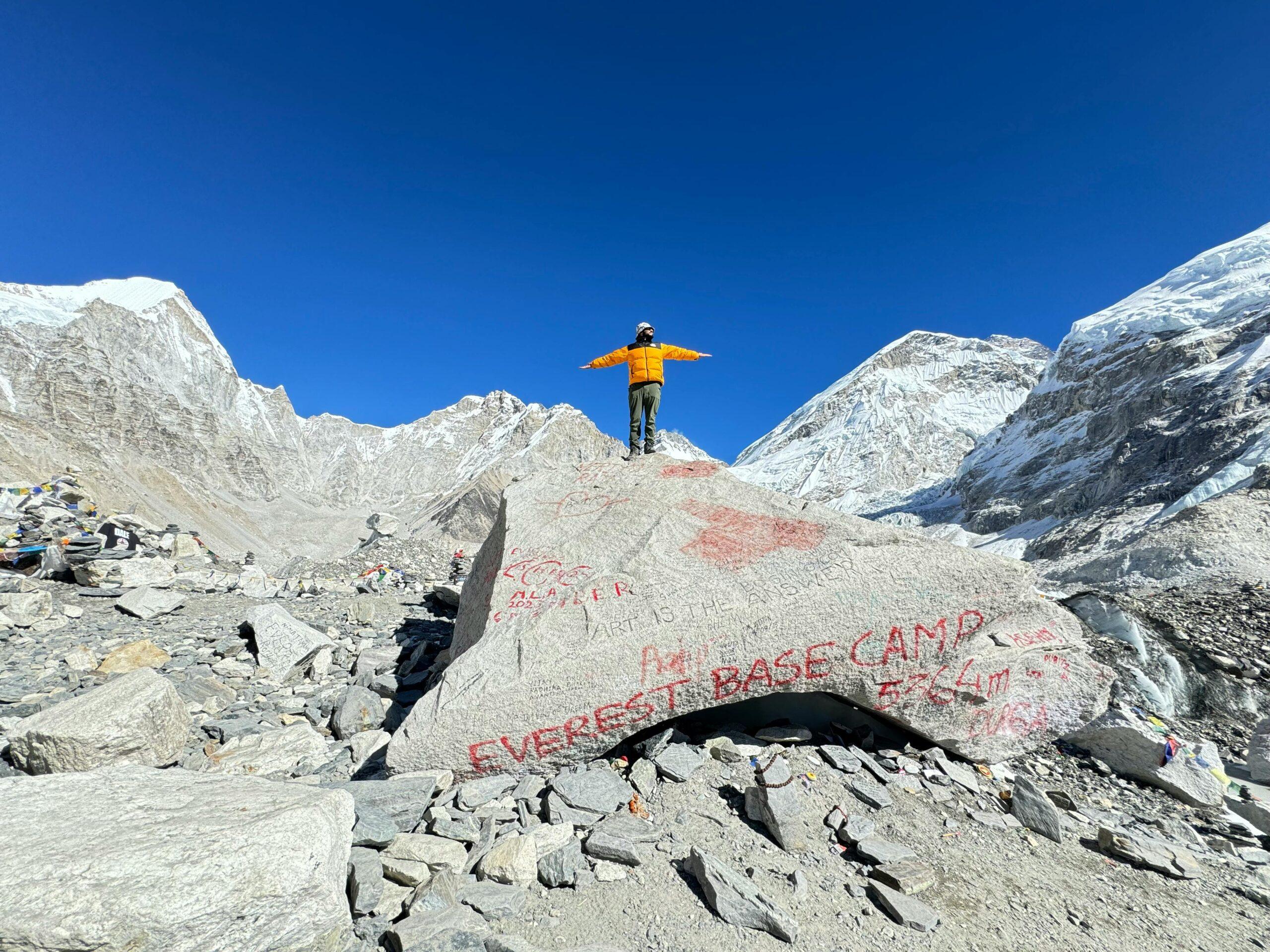
Reaching Everest Base Camp at 5,364 meters (17,598 feet) is a dream for trekkers from around the world. Along the way, you experience famous Himalayan destinations such as Namche Bazaar, Tengboche, Dingboche, Lobuche, and Gorak Shep while enjoying breathtaking views of Mount Everest and surrounding peaks.
If you are planning an Everest Base Camp Trek in Nepal, this complete guide covers the Everest Base Camp Trek cost, itinerary, difficulty, altitude, best time to trek, route, permits, accommodation, preparation, packing list, and frequently asked questions.
What Is the Everest Base Camp Trek?
The Everest Base Camp Trek is a high-altitude trekking adventure through the Khumbu region of Nepal.
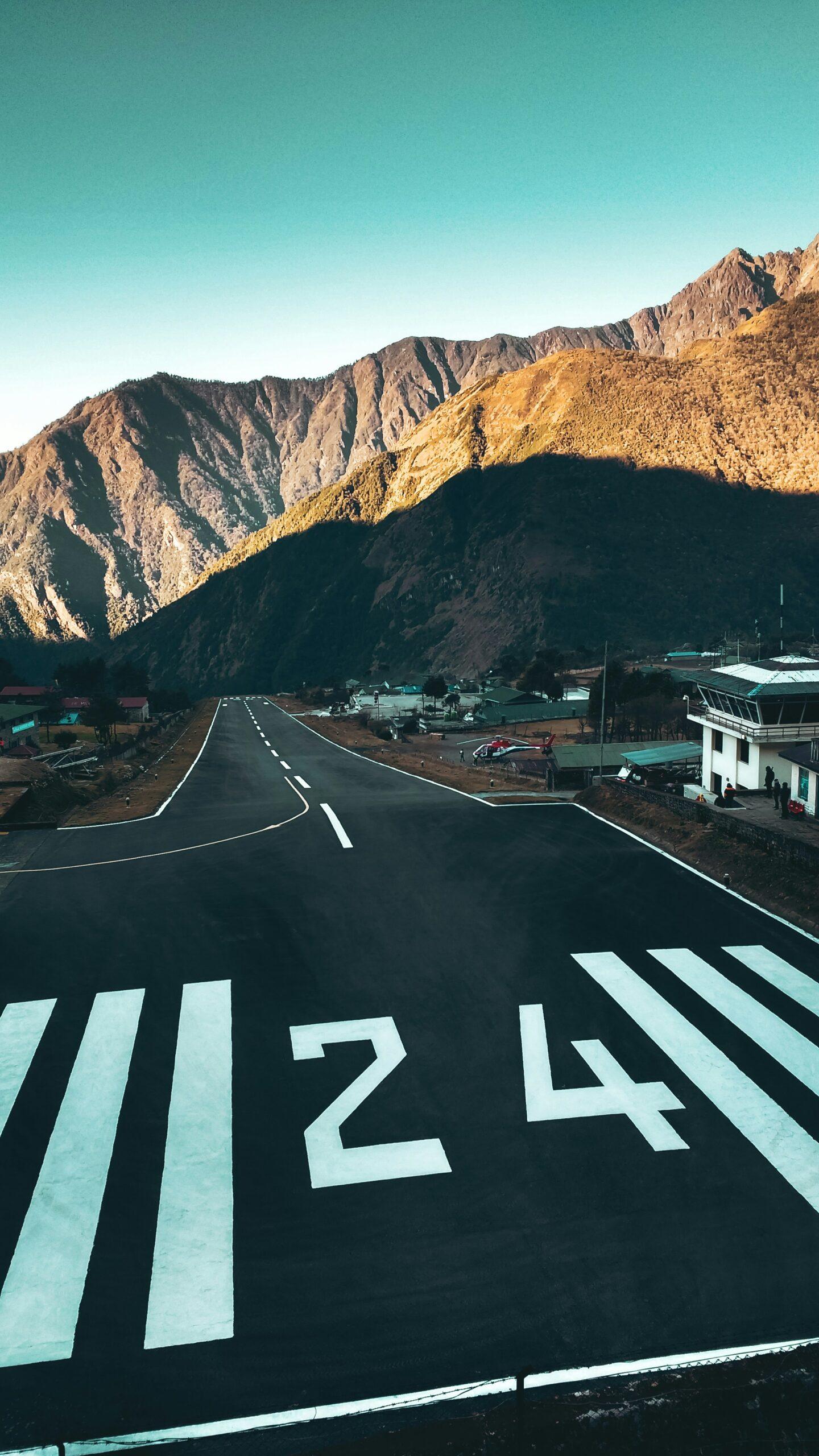
The classic route begins with a flight from Kathmandu to Lukla before continuing on foot through mountain villages and valleys toward Everest Base Camp.
The trek normally takes around 12–16 days, depending on the itinerary, acclimatization days, route, and travel arrangements.
The classic trekking route includes:
Lukla → Phakding → Namche Bazaar → Tengboche → Dingboche → Lobuche → Gorak Shep → Everest Base Camp
After reaching Everest Base Camp, trekkers generally return through the same region toward Lukla.
Why Choose the Everest Base Camp Trek?
There are many reasons the Everest Base Camp Trek remains one of Nepal’s most popular trekking adventures.
1. See Mount Everest Up Close
The trek takes you into the heart of the Everest region, offering spectacular views of Mount Everest and surrounding Himalayan peaks.
2. Experience Sherpa Culture
The trail passes through traditional Sherpa settlements where you can experience Himalayan culture, Buddhist traditions, monasteries, and mountain hospitality.
3. Visit Namche Bazaar
Namche Bazaar is the commercial and cultural hub of the Khumbu region and an important acclimatization stop.
4. Explore Tengboche Monastery
Tengboche is famous for its Buddhist monastery and spectacular mountain surroundings.
5. Reach Everest Base Camp
Standing at Everest Base Camp is the major objective of the trek and provides an unforgettable Himalayan experience.
6. Enjoy Himalayan Scenery
The trek offers views of:
- Mount Everest
- Lhotse
- Nuptse
- Ama Dablam
- Thamserku
- Kongde
- Pumori
- Cho Oyu
Everest Base Camp Trek Cost
The Everest Base Camp Trek cost varies depending on the trekking package, group size, accommodation, guide services, transportation, season, and additional services.
A typical package may include:
- Airport transfers
- Kathmandu accommodation
- Lukla flights
- Trekking permits
- Experienced trekking guide
- Porter
- Teahouse accommodation
- Meals during the trek
- Ground transportation
- Trekking documentation
- Basic medical and safety support
Personal expenses, international flights, travel insurance, trekking equipment, tips, beverages, Wi-Fi, charging, and emergency evacuation may be additional.
What Determines the Everest Base Camp Trek Cost?
Several factors influence the total price:
- Trek duration
- Private or group trek
- Accommodation category
- Guide and porter services
- Domestic flights
- Season
- Meals included
- Number of acclimatization days
- Additional Kathmandu hotel nights
- Emergency and insurance arrangements
When comparing an Everest Base Camp Trek package, always check what is included rather than comparing prices alone.
Everest Base Camp Trek Itinerary
A standard Everest Base Camp Trek itinerary takes approximately 12–16 days.
Below is a sample itinerary.
Day 1: Arrival in Kathmandu
Arrive in Kathmandu and transfer to your hotel.
Meet your trekking team and prepare your equipment for the journey.
Day 2: Kathmandu Preparation and Flight Briefing
Complete final preparations and check your trekking equipment.
Your guide will explain the route, altitude, weather, safety procedures, and trekking schedule.
Day 3: Fly to Lukla and Trek to Phakding
Take an early flight to Lukla.
After landing, begin your trek toward Phakding through the beautiful mountain landscape.
Day 4: Phakding to Namche Bazaar
Continue along the Dudh Koshi Valley, crossing suspension bridges and passing through mountain villages.
The trail gradually climbs toward Namche Bazaar, the gateway to Everest.
Day 5: Acclimatization Day in Namche Bazaar
Spend a day acclimatizing to the increasing altitude.
You can explore Namche Bazaar and take a short hike to higher viewpoints.
Day 6: Namche Bazaar to Tengboche
Continue toward Tengboche, one of the most beautiful locations on the Everest Base Camp route.
The trail provides excellent views of Ama Dablam and other Himalayan peaks.
Day 7: Tengboche to Dingboche
Continue through forests and mountain villages toward Dingboche.
The landscape becomes increasingly alpine as you gain altitude.
Day 8: Acclimatization Day in Dingboche
Another acclimatization day helps your body adjust to the altitude.
You can take a short hike toward higher elevations before returning to Dingboche.
Day 9: Dingboche to Lobuche
Continue toward Lobuche.
As you climb higher, the landscape becomes colder, drier, and more rugged.
Day 10: Lobuche to Gorak Shep and Everest Base Camp
Trek toward Gorak Shep before continuing to Everest Base Camp.
Reaching Base Camp is one of the highlights of the entire journey.
After spending time at Base Camp, return to Gorak Shep for the night.
Day 11: Gorak Shep to Kala Patthar and Pheriche
Start early and hike toward Kala Patthar, one of the best viewpoints for Mount Everest.
After enjoying the sunrise and Himalayan panorama, descend toward Pheriche.
Days 12–15: Return to Lukla
Continue descending through the Khumbu region, passing through familiar villages before reaching Lukla.
Day 16: Fly from Lukla to Kathmandu
Take the flight back to Kathmandu and conclude your Everest Base Camp adventure.
Note: Actual itineraries vary depending on weather, flight schedules, acclimatization requirements, trail conditions, and the trekking agency.
Everest Base Camp Trek Difficulty
The Everest Base Camp Trek difficulty is generally considered moderate to challenging.
You do not need technical mountaineering skills to complete the classic trek, but you need good physical fitness and the ability to walk for several hours on consecutive days.
How Difficult Is the Everest Base Camp Trek?
The major challenges include:
- High altitude
- Long trekking days
- Steep ascents and descents
- Rocky terrain
- Cold temperatures
- Thin air
- Unpredictable mountain weather
- Remote terrain
The altitude is the biggest challenge for many trekkers.
Everest Base Camp Trek Altitude
Altitude is one of the most important considerations when planning an Everest Base Camp Trek.
Important elevations include:
| Location | Approximate Elevation |
|---|---|
| Lukla | 2,860 m |
| Namche Bazaar | 3,440 m |
| Tengboche | 3,860 m |
| Dingboche | 4,410 m |
| Lobuche | 4,910 m |
| Gorak Shep | 5,164 m |
| Everest Base Camp | 5,364 m |
| Kala Patthar | 5,545 m |
Because the trek reaches more than 5,000 meters, gradual ascent and proper acclimatization are extremely important.
Everest Base Camp Acclimatization
A good Everest Base Camp Trek itinerary should include acclimatization days.
The most common acclimatization stops are:
- Namche Bazaar
- Dingboche
During acclimatization days, trekkers normally hike to a higher elevation during the day and return to sleep at a lower elevation.
This helps your body gradually adjust to the decreasing oxygen levels.
Best Time for Everest Base Camp Trek
The best time for Everest Base Camp Trek is generally during the spring and autumn seasons.
Spring: March to May
Spring offers:
- Generally stable weather
- Good visibility
- Pleasant trekking conditions
- Beautiful mountain scenery
- Rhododendron blooms at lower elevations
Autumn: September to November
Autumn is widely considered one of the best seasons for the Everest Base Camp Trek.
Advantages include:
- Clear mountain views
- Stable weather
- Good trail conditions
- Pleasant daytime temperatures
Winter: December to February
Winter trekking is possible but temperatures can be extremely cold, particularly at higher elevations.
Snow and cold weather can also make the trek more challenging.
Monsoon: June to August
The monsoon season brings substantial rainfall to many parts of Nepal.
Cloud cover can affect mountain visibility and flights to Lukla may experience delays or cancellations.
Everest Base Camp Trek Route
The classic Everest Base Camp Trek route follows the Dudh Koshi Valley into the Khumbu region.
The main route is:
Lukla → Phakding → Namche Bazaar → Tengboche → Dingboche → Lobuche → Gorak Shep → Everest Base Camp
After reaching Base Camp, trekkers normally return through the Khumbu Valley.
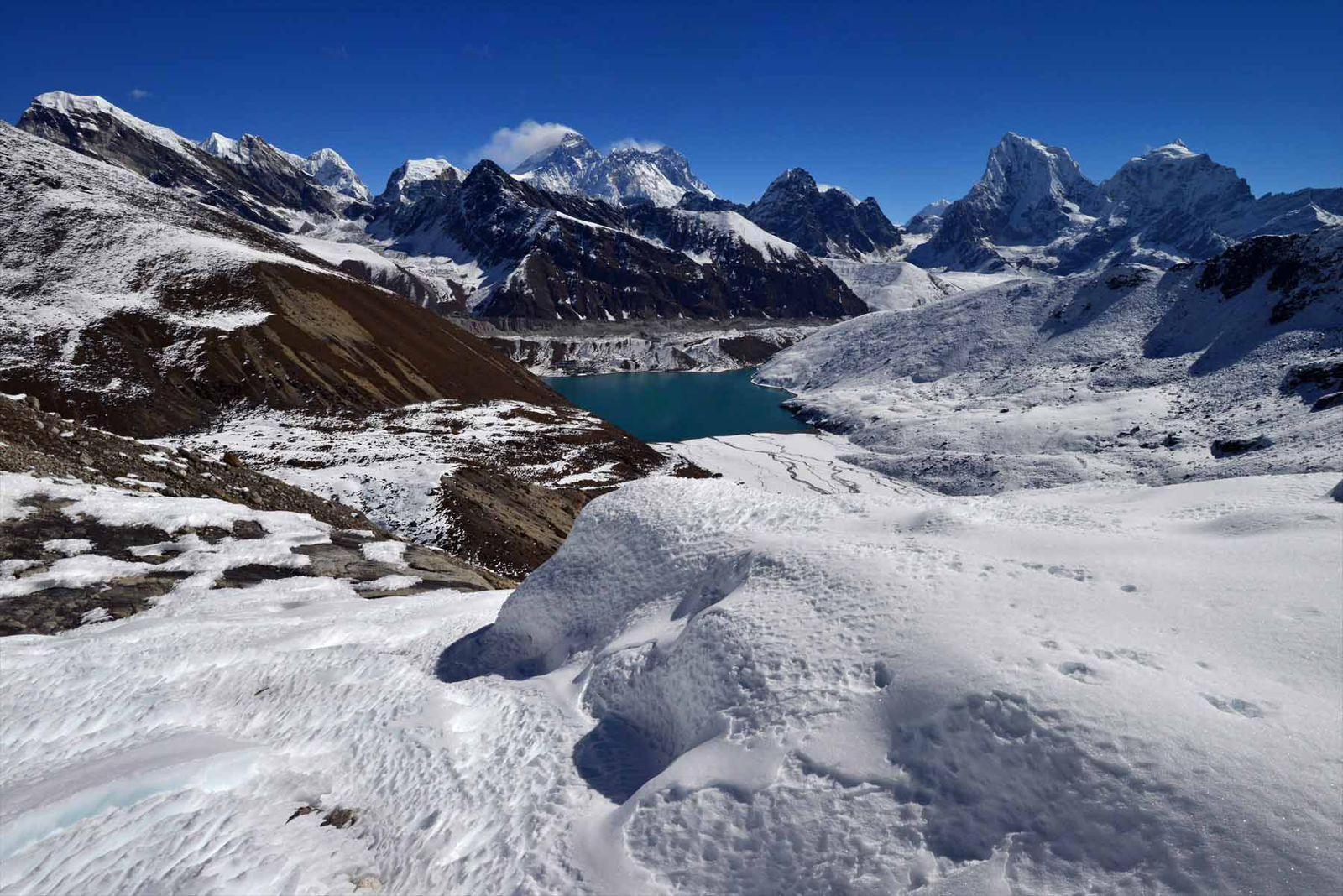
An alternative route can include destinations such as Gokyo Lakes, providing a longer and more diverse Himalayan trekking experience.
Everest Base Camp Trek Permits
Trekkers need the required permits and entry documents for the Everest region.
Depending on the current regulations and route, these can include:
- Sagarmatha National Park entry permit
- Khumbu Pasang Lhamu Rural Municipality entry fee
- Other required local permissions
Permit requirements and fees can change, so travelers should confirm the latest requirements before starting their trek.
A local trekking agency can arrange the necessary permits as part of the trekking package.
Everest Base Camp Trek Accommodation
Accommodation along the classic route is primarily provided by mountain teahouses and lodges.
Rooms are generally simple and may include:
- Twin beds
- Blankets
- Shared bathrooms
- Dining rooms
- Heating areas
Facilities become increasingly basic as you move toward higher elevations.
At higher-altitude villages, hot showers, electricity, internet access, and charging may cost extra.
Food on the Everest Base Camp Trek
Teahouses provide a variety of meals throughout the trek.
Common options include:
- Dal bhat
- Rice
- Noodles
- Pasta
- Momos
- Soup
- Potatoes
- Eggs
- Bread
- Pancakes
- Vegetables
- Tea
- Coffee
Dal bhat is particularly popular because it provides a substantial combination of rice, lentils, vegetables, and other side dishes.
Staying hydrated and eating enough food is important during high-altitude trekking.
Everest Base Camp Trek Packing List
A good Everest Base Camp Trek packing list should balance warmth, comfort, and weight.
Clothing
- Base layers
- Fleece jacket
- Down jacket
- Waterproof jacket
- Trekking pants
- Thermal trousers
- Warm hat
- Gloves
- Trekking socks
- Waterproof trousers
Trekking Equipment
- Backpack
- Duffel bag
- Trekking poles
- Sleeping bag
- Headlamp
- Water bottles
- Water purification tablets or filter
- Sunglasses
- Sunscreen
- First-aid supplies
Personal Items
- Passport
- Insurance documents
- Toiletries
- Power bank
- Camera
- Personal medication
Your trekking agency should provide a detailed packing list before departure.
Physical Preparation for Everest Base Camp Trek
You should begin preparing several weeks before your trek.
Cardiovascular Training
Useful activities include:
- Walking
- Hiking
- Running
- Cycling
- Stair climbing
Strength Training
Focus particularly on:
- Squats
- Lunges
- Step-ups
- Core exercises
- Calf exercises
Hiking Practice
Regular hikes are one of the best ways to prepare.
Gradually increase your walking distance and practice carrying a backpack.
The goal is to build endurance rather than simply maximize strength.
Everest Base Camp Trek for Beginners
One of the most frequently asked questions is whether beginners can complete the Everest Base Camp Trek.
Yes, many first-time Himalayan trekkers successfully complete the trek with proper preparation.
However, beginners should understand that this is a high-altitude trek, not an ordinary walking holiday.
You should be prepared for:
- Long walking days
- Significant altitude
- Cold temperatures
- Basic accommodation
- Steep trails
- Variable weather
A slower itinerary with adequate acclimatization can make the experience more manageable.
Everest Base Camp Trek With Guide and Porter
Hiring a professional guide can make the journey safer and more convenient.
A trekking guide can help with:
- Navigation
- Accommodation
- Acclimatization
- Weather decisions
- Communication
- Local culture
- Emergency situations
Porters can carry the majority of your luggage, allowing you to trek with a lighter daypack.
For first-time visitors to the Everest region, professional local support can significantly improve the overall trekking experience.
Everest Base Camp Trek Safety
High-altitude trekking involves inherent risks.
Potential problems include:
- Acute mountain sickness
- Dehydration
- Hypothermia
- Exhaustion
- Falls
- Cold-related injuries
- Severe weather
- Flight delays
- Trail conditions
Never ignore serious altitude symptoms.
If symptoms become severe, descending to a lower elevation is often the safest response.
Travel insurance that covers high-altitude trekking and emergency evacuation is strongly recommended.
Everest Base Camp Trek Insurance
Before beginning the trek, make sure your travel insurance covers the altitude of your planned itinerary.
Check whether your policy covers:
- Emergency medical treatment
- Helicopter evacuation
- High-altitude trekking
- Trip cancellation
- Flight delays
- Lost baggage
Do not assume that standard travel insurance automatically covers high-altitude trekking.
Everest Base Camp Trek vs Everest Base Camp Helicopter Tour
The traditional trek and helicopter tour offer very different experiences.
Everest Base Camp Trek
- Multi-day adventure
- Immersive Himalayan experience
- Cultural interaction
- Physical challenge
- Gradual acclimatization
- More time in mountain villages
Everest Base Camp Helicopter Tour
- Much shorter
- Less physically demanding
- Aerial Himalayan views
- Limited time on the ground
- No multi-day trekking experience
For travelers who want the journey itself to be part of the adventure, trekking is the traditional choice.
Everest Base Camp Trek vs Gokyo Trek
Both routes offer spectacular Himalayan scenery.
The Everest Base Camp Trek focuses on reaching Everest Base Camp and experiencing the classic Khumbu route.
The Gokyo Trek focuses on the beautiful Gokyo Lakes and surrounding mountain landscapes.
For travelers with additional time, the Gokyo and Everest Base Camp combined trek can provide an even more comprehensive experience.
How Long Does the Everest Base Camp Trek Take?
A standard Everest Base Camp Trek usually takes around 12–16 days, although the exact duration depends on the itinerary.
A longer itinerary can provide:
- Additional acclimatization
- More rest
- Greater flexibility
- More time to explore villages
- Additional contingency days
It is better to allow sufficient time than to rush the trek.
Frequently Asked Questions About Everest Base Camp Trek
How much does the Everest Base Camp Trek cost?
The cost depends on the itinerary, guide and porter services, accommodation, meals, flights, permits, group size, and package inclusions.
How difficult is the Everest Base Camp Trek?
The trek is moderate to challenging because of the high altitude, long walking days, steep terrain, and cold weather.
How high is Everest Base Camp?
Everest Base Camp is approximately 5,364 meters (17,598 feet) above sea level.
How long does the Everest Base Camp Trek take?
Most classic itineraries take around 12–16 days from Kathmandu, including acclimatization and travel time.
Can beginners do the Everest Base Camp Trek?
Yes. Beginners with good fitness and proper preparation can complete the trek, particularly with a sensible itinerary and professional support.
What is the best time for Everest Base Camp Trek?
Spring and autumn are generally the most popular seasons because of favorable weather and mountain visibility.
Do I need a guide for Everest Base Camp?
Guide requirements and regulations can change, so trekkers should check the latest rules before traveling. Regardless of requirements, professional guide support can be valuable for navigation, acclimatization, logistics, and safety.
Do I need previous trekking experience?
Previous trekking experience is helpful but not essential. Good preparation and physical fitness are more important.
What is the highest point of the Everest Base Camp Trek?
Kala Patthar, at approximately 5,545 meters, is generally the highest point reached on the classic trekking itinerary.
Is Everest Base Camp harder than Mera Peak?
They are different types of adventures. Everest Base Camp is a high-altitude trek without technical mountaineering, while Mera Peak involves reaching a substantially higher summit and requires additional climbing equipment and skills.
Book Your Everest Base Camp Trek in Nepal
The Everest Base Camp Trek is more than a journey to see Mount Everest. It is an opportunity to walk through the legendary Khumbu region, experience Sherpa culture, visit ancient monasteries, cross suspension bridges, and witness some of the world’s most spectacular mountain scenery.
With proper preparation, a well-planned Everest Base Camp Trek itinerary, gradual acclimatization, experienced local guides, and appropriate equipment, the trek can become one of the most memorable adventures of your life.
If you are planning an Everest Base Camp Trek in Nepal, choose a reliable local trekking company that can assist with permits, flights, accommodation, guides, porters, safety, and the logistics of your Himalayan adventure.
Start planning your Everest Base Camp adventure and take the first step toward the foot of Mount Everest.
For the latest information on trekking regulations, permits, conservation areas, and mountaineering requirements in Nepal, visit the official Nepal Tourism Board and relevant government authorities before planning your Pisang Peak Climbing adventure.
Also if you want to view our other treks then you can follow this link.
Reviews
There are no reviews yet.