

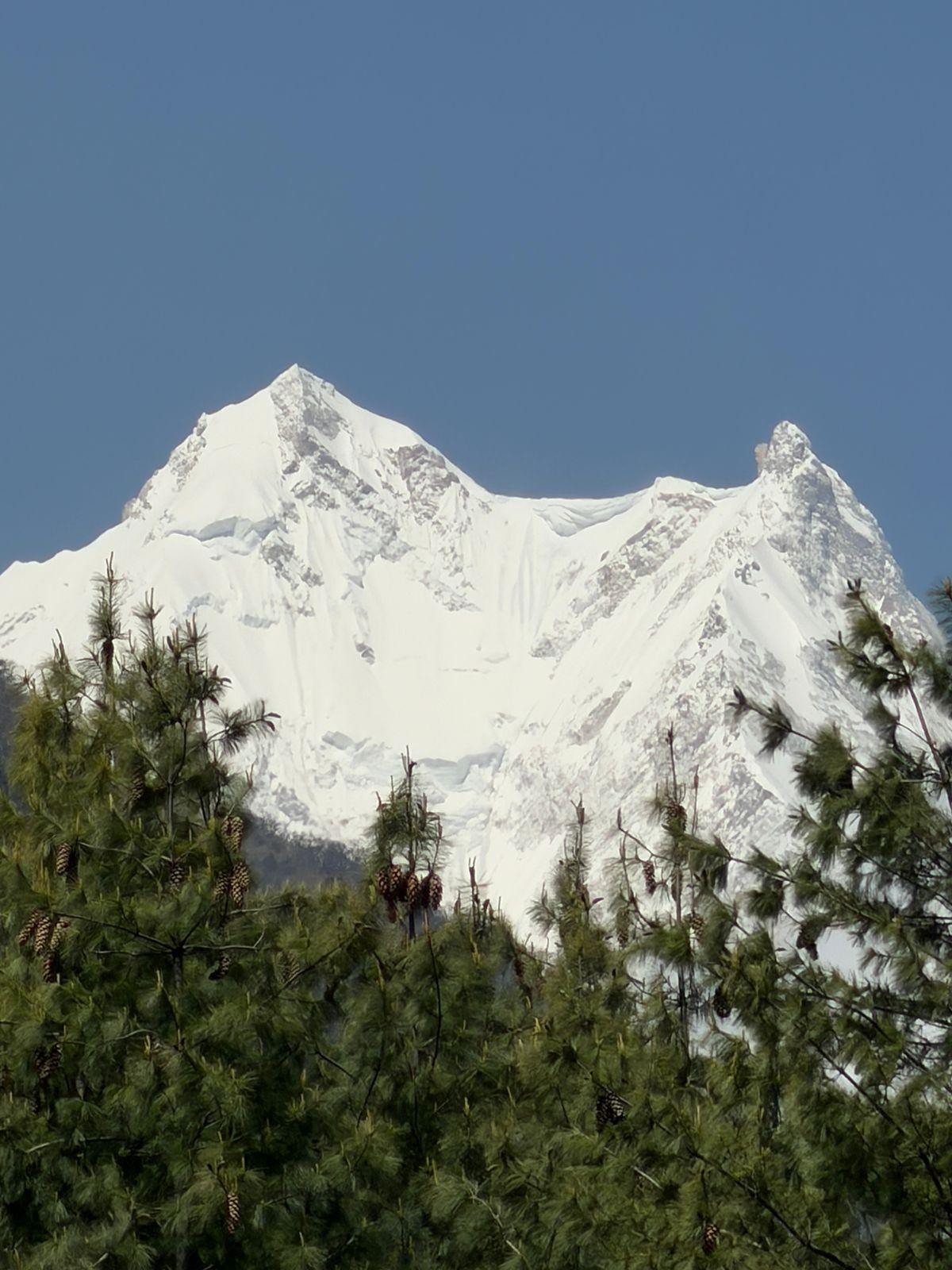
Manaslu Expedition (8,163M)
$ 18,600.00$ 17,300.00
Product Description
Manaslu Expedition: Complete Guide, Cost, Itinerary & Climbing Information
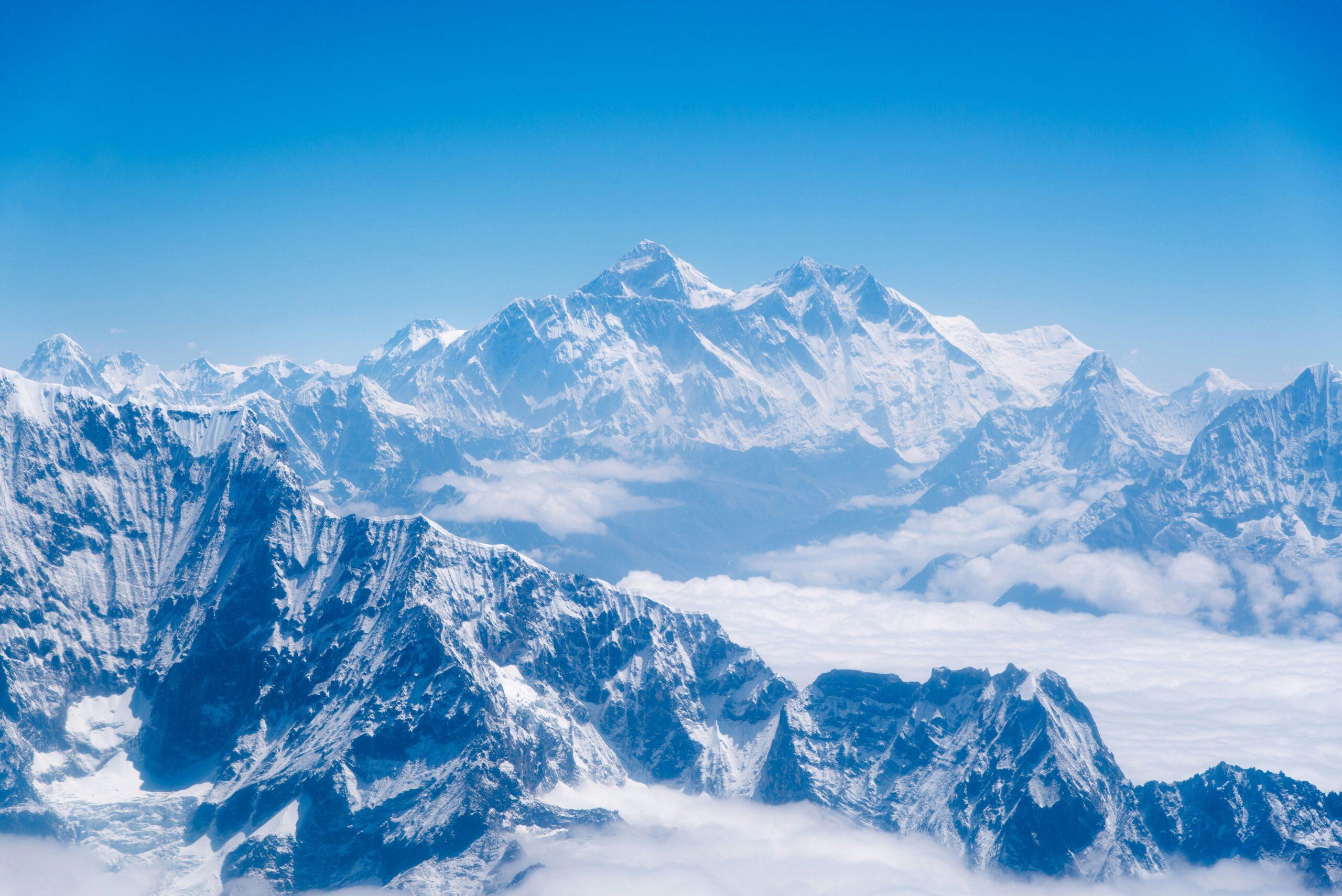
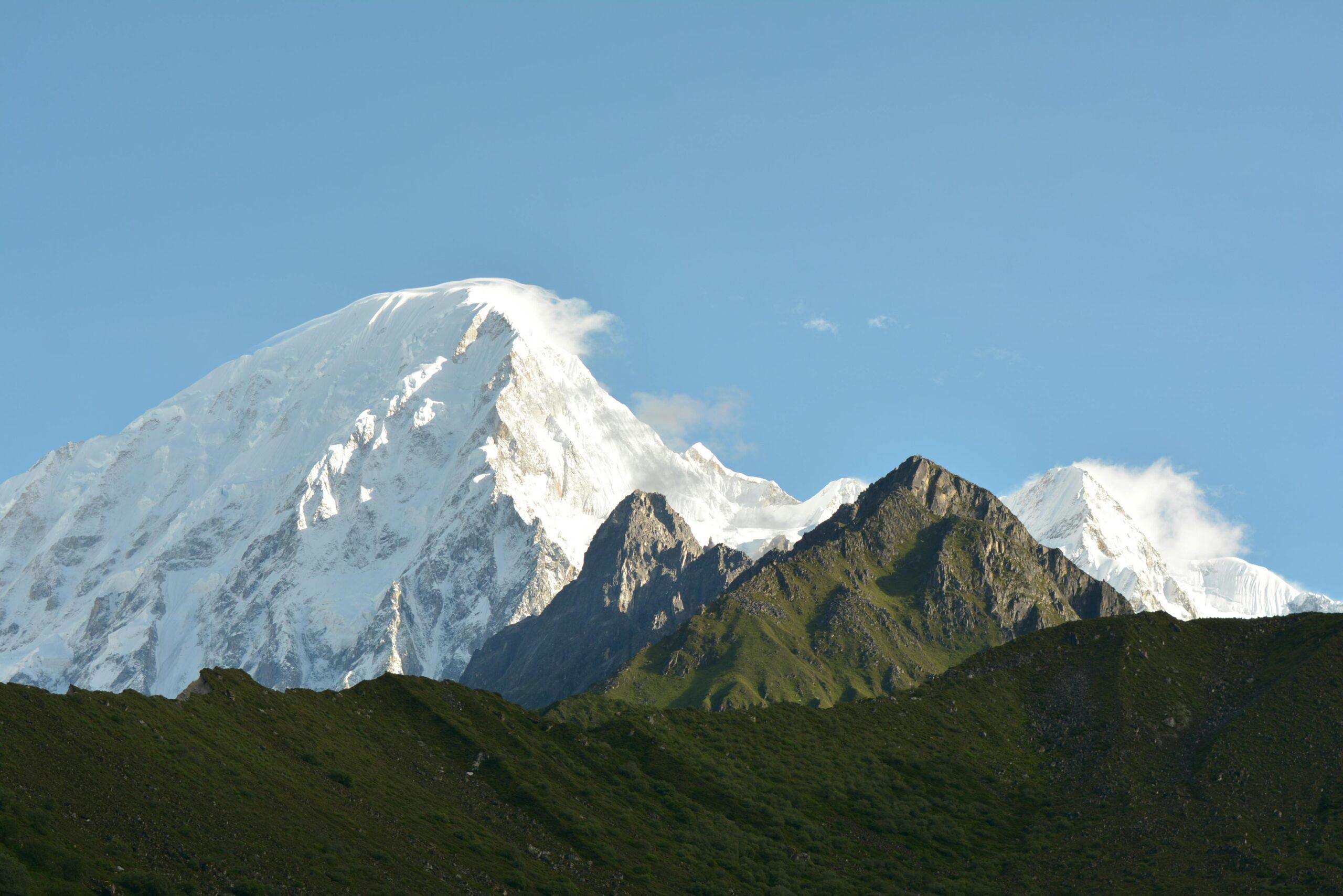
The Manaslu Expedition is one of the most spectacular and demanding mountaineering adventures in Nepal. Rising to 8,163 meters (26,781 feet) above sea level, Mount Manaslu is the eighth-highest mountain in the world and offers experienced climbers an extraordinary Himalayan expedition.
Located in the Mansiri Himal range of western-central Nepal, Manaslu combines breathtaking mountain scenery, challenging high-altitude climbing, remote Himalayan landscapes and rich local culture.
For climbers planning to attempt this magnificent 8,000-meter peak, understanding the Manaslu Expedition cost, itinerary, difficulty, permits, best season, climbing route and preparation requirements is essential.
This complete guide provides everything you need to know before planning your Manaslu expedition in Nepal.
What Is the Manaslu Expedition?
Mount Manaslu, also known as the Mountain of the Spirit, stands at 8,163 meters above sea level.
The mountain is located in the Gorkha District of Nepal and is part of the Mansiri Himal range. Its remote location and challenging climbing environment make it a prestigious objective for experienced mountaineers.
The standard Manaslu climbing expedition typically approaches the mountain through the Manaslu region before establishing Manaslu Base Camp and progressively higher camps.
A typical expedition involves:
- Trekking to Manaslu Base Camp
- Acclimatization rotations
- Establishing higher camps
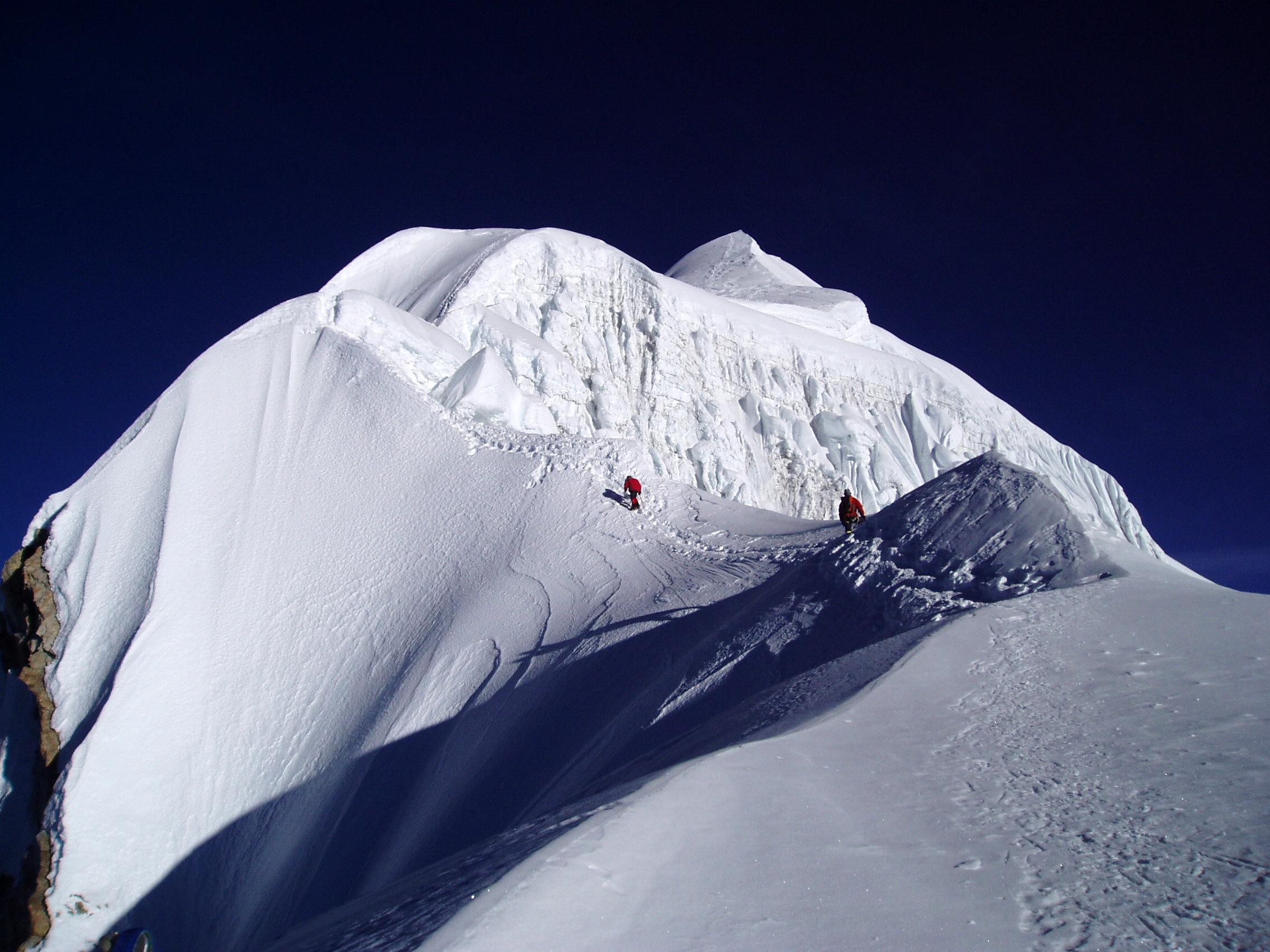
- Fixed-rope climbing
- Snow and ice climbing
- Multiple acclimatization rotations
- Summit preparation
- Summit attempt
- Descent to Base Camp
Because Manaslu is an 8,000-meter peak, climbers must be prepared for extreme altitude, cold temperatures, difficult terrain and rapidly changing Himalayan weather.
Why Climb Manaslu?
There are many reasons why experienced climbers choose the Manaslu Expedition.
1. Climb the Eighth-Highest Mountain in the World
At 8,163 meters, Manaslu is one of the world’s legendary 8,000-meter peaks.
Reaching its summit represents a significant mountaineering achievement and requires extensive preparation, experience and commitment.
2. Less Crowded Than Some Other 8,000-Meter Peaks
Compared with some of the world’s most famous mountains, the Manaslu region can provide a more remote Himalayan expedition experience.
The approach trek takes climbers through traditional mountain communities, dramatic valleys and spectacular Himalayan scenery.
3. Spectacular Himalayan Scenery
The expedition provides views of numerous peaks throughout the Mansiri Himal range.
The journey combines:
- Glacial landscapes
- High mountain passes
- Himalayan valleys
- Traditional villages
- Snow-covered peaks
- High-altitude camps
4. A Major Mountaineering Challenge
Manaslu is not a beginner’s mountain.
The expedition requires physical endurance, technical climbing ability, altitude experience and the ability to operate safely in a demanding high-altitude environment.
Manaslu Expedition Cost
The Manaslu Expedition cost depends on several factors, including the expedition operator, group size, duration, level of support, permits, Sherpa support, oxygen arrangements and equipment.
A commercial Manaslu expedition can cost tens of thousands of US dollars when all expedition services and personal expenses are included.
Major factors affecting the cost include:
| Cost Factor | Description |
|---|---|
| Climbing permit | Required for the expedition |
| Expedition duration | Longer expeditions require more logistics |
| Sherpa support | Personal or group high-altitude support affects cost |
| Oxygen | Supplemental oxygen can significantly increase expenses |
| Accommodation | Kathmandu hotels and trekking lodges |
| Transportation | Private or group transportation |
| Food | Meals during trekking and expedition |
| Equipment | Personal and group climbing equipment |
| Insurance | High-altitude mountaineering insurance |
| Staff | Guides, cooks, porters and expedition personnel |
| Base Camp logistics | Tents, food, communications and support |
What Should Be Included in a Manaslu Expedition Package?
Before booking, check whether the package includes:
- Airport transfers
- Kathmandu accommodation
- Domestic transportation
- Trekking accommodation
- Manaslu climbing permit
- Conservation-area permits
- Trekking permits
- Experienced expedition leader
- High-altitude Sherpa support
- Porters
- Base Camp accommodation
- Expedition food
- Kitchen and support staff
- Tents
- Fixed-rope support
- Climbing equipment
- Garbage deposit or applicable environmental fees
- Staff insurance
- Government fees
Always request a detailed cost breakdown before confirming your expedition.
Manaslu Expedition Itinerary
A typical Manaslu Expedition itinerary can take approximately 40–50 days, depending on the route, acclimatization schedule, weather conditions and expedition operator.
A longer itinerary allows sufficient time for acclimatization and multiple rotations between Base Camp and higher camps.
Below is an example itinerary.
Day 1: Arrival in Kathmandu
Arrive in Kathmandu and meet your expedition team.
Complete the necessary preparations and rest after your international journey.
Overnight: Kathmandu
Day 2: Expedition Preparation and Briefing
Spend the day preparing for the expedition.
Your team can inspect climbing equipment, organize permits and complete the final logistical preparations.
Overnight: Kathmandu
Day 3: Drive Toward Machha Khola
Begin the journey from Kathmandu toward the Manaslu region.
The drive takes you through Nepal’s hilly landscape and rural communities.
Overnight: Machha Khola or nearby settlement
Day 4: Trek to Jagat
Continue trekking along the Budhi Gandaki Valley.
The trail passes through forests, suspension bridges and traditional Himalayan settlements.
Overnight: Jagat
Day 5: Trek to Deng
Continue through the spectacular Budhi Gandaki Valley toward Deng.
The landscape gradually becomes more mountainous as you gain elevation.
Overnight: Deng
Day 6: Trek to Namrung
Continue toward Namrung.
As the altitude increases, the scenery becomes increasingly dramatic, with spectacular mountain views appearing along the route.
Overnight: Namrung
Day 7: Trek to Lho
Continue toward Lho village.
The Himalayan landscape becomes more alpine, with impressive views of Manaslu and surrounding peaks.
Overnight: Lho
Day 8: Trek to Samagaon
Continue toward Samagaon, one of the most important villages on the Manaslu route.
Samagaon is an important acclimatization point before approaching Base Camp.
Overnight: Samagaon
Acclimatization in Samagaon
Day 9: Acclimatization Day
Spend the day acclimatizing around Samagaon.
Depending on conditions, you may take a short hike to higher elevations before returning to the village.
This helps your body adapt to increasing altitude.
Overnight: Samagaon
Day 10: Trek to Manaslu Base Camp
Continue toward Manaslu Base Camp.
The trail becomes increasingly rugged as you approach the glacier and mountain environment.
Upon reaching Base Camp, the expedition team begins establishing the necessary infrastructure.
Overnight: Manaslu Base Camp
Manaslu Base Camp
Manaslu Base Camp becomes the operational center of the expedition.
It can include:
- Sleeping tents
- Dining tent
- Kitchen
- Communications
- Medical supplies
- Equipment storage
- Expedition management facilities
Climbers spend considerable time at Base Camp while acclimatizing and preparing for higher-altitude rotations.
Manaslu Climbing Camps
The exact camp locations can vary depending on route and seasonal conditions, but expeditions generally use several camps above Base Camp.
A simplified structure may include:
Base Camp → Camp 1 → Camp 2 → Camp 3 → Summit
Your expedition operator and climbing leader determine the exact strategy based on current mountain conditions.
Acclimatization Rotations
Acclimatization is one of the most important parts of a Manaslu Expedition.
Rather than immediately attempting the summit, climbers normally make multiple rotations between Base Camp and higher camps.
A typical rotation may involve:
Base Camp → Camp 1 → Camp 2 → Return to Base Camp
A later rotation may involve:
Base Camp → Camp 1 → Camp 2 → Camp 3 → Return to Base Camp
These rotations allow the body to gradually adapt to lower oxygen levels.
Summit Push
After sufficient acclimatization and when weather conditions are favorable, the expedition team prepares for the summit push.
The summit attempt usually starts during the night or very early morning.
The exact timing depends on:
- Weather
- Route conditions
- Climbing strategy
- Camp location
- Snow conditions
- Team fitness
The summit day can be extremely long and physically demanding.
After reaching the summit, climbers descend carefully to a lower camp or Base Camp depending on conditions.
Descent From Manaslu Base Camp
After completing the summit attempt, the team begins descending through the Manaslu region.
The descent is generally faster than the approach because the body no longer needs to acclimatize to progressively higher elevations.
The route eventually returns to lower Himalayan villages before transportation back toward Kathmandu.
How Difficult Is the Manaslu Expedition?
The Manaslu Expedition is extremely challenging.
It is an 8,000-meter expedition involving extreme altitude and potentially hazardous mountain conditions.
Major challenges include:
Extreme Altitude
Above 8,000 meters, oxygen availability is dramatically reduced.
The so-called “death zone” presents serious physiological challenges, making acclimatization and careful expedition management essential.
Technical Climbing
Depending on route and conditions, climbers may encounter:
- Steep snow
- Ice
- Fixed ropes
- Crevassed terrain
- Avalanche-prone sections
- Exposed slopes
Weather
Himalayan weather can change rapidly.
Strong winds, snowfall, poor visibility and extreme cold can force teams to postpone summit attempts.
Physical Endurance
A Manaslu expedition involves weeks of trekking, acclimatization and repeated climbing rotations.
Excellent endurance is essential.
Best Time for Manaslu Expedition
The primary climbing seasons for Manaslu are generally spring and autumn.
Autumn: September to November
Autumn is one of the most popular seasons for Himalayan expeditions.
After the monsoon, conditions can provide relatively clear skies and excellent mountain visibility.
September, October and November are commonly considered the main autumn expedition months.
Spring: March to May
Spring provides another important climbing window.
Temperatures gradually become warmer, while conditions can be suitable for high-altitude climbing.
Which Season Is Better?
For many climbers, autumn is the preferred season, particularly because of generally favorable weather and visibility.
However, mountain conditions vary every year, so expedition decisions should always be based on current weather forecasts and route conditions.
Manaslu Expedition Permits
Climbing Manaslu requires appropriate government permits and registrations.
Depending on the expedition and route, climbers may need:
- Manaslu climbing permit
- Manaslu Conservation Area Permit
- Trekking permits
- Local permits or registrations
- Other applicable government documentation
Permit fees and regulations can change, so climbers should confirm current requirements before beginning their expedition.
A licensed expedition operator can normally arrange the necessary permits.
Manaslu Expedition Route
The classic approach to Manaslu generally follows the Budhi Gandaki Valley.
A simplified route is:
Kathmandu → Machha Khola → Jagat → Deng → Namrung → Lho → Samagaon → Manaslu Base Camp → Higher Camps → Manaslu Summit → Base Camp → Samagaon → Lower Manaslu Region → Kathmandu
The approach trek itself is an important part of the expedition.
It provides an opportunity to experience remote Himalayan villages and the unique culture of the Manaslu region before entering the high-altitude climbing environment.
Manaslu Expedition Equipment
Proper equipment is critical for an 8,000-meter expedition.
Clothing
Essential clothing can include:
- Base layers
- Fleece layers
- Down jacket
- Expedition down suit
- Waterproof jacket
- Waterproof trousers
- Insulated trousers
- Warm gloves
- Expedition mitts
- Wool or synthetic socks
- Warm hat
- Balaclava
- Neck gaiter
Climbing Equipment
Depending on the route and expedition operator:
- Mountaineering boots
- Crampons
- Ice axe
- Climbing harness
- Mountaineering helmet
- Ascender
- Descender
- Carabiners
- Climbing slings
- Jumars
- Figure-eight or other descent device
- Headlamp
- Climbing rope
High-Altitude Equipment
For a major expedition, equipment may also include:
- High-altitude sleeping bag
- Four-season tent
- Down clothing
- High-altitude gloves
- Goggles
- Glacier sunglasses
- Trekking poles
- Duffel bags
- Oxygen system where applicable
Your expedition operator should provide a comprehensive equipment checklist before departure.
Physical Preparation for Manaslu
Training for an 8,000-meter expedition should begin well before departure.
A strong preparation program should combine:
Cardiovascular Training
Include activities such as:
- Hiking
- Running
- Cycling
- Stair climbing
- Long-distance walking
Strength Training
Focus on:
- Legs
- Core
- Back
- Shoulders
Endurance Training
Long-duration hikes are particularly useful.
Gradually increase:
- Distance
- Elevation gain
- Duration
- Pack weight
Technical Mountaineering Training
Climbers should be comfortable with fundamental mountaineering skills before attempting Manaslu.
Training may include:
- Crampon movement
- Ice axe techniques
- Fixed-rope systems
- Ascending
- Descending
- Self-arrest
- Glacier travel
- Rope techniques
Previous experience on high-altitude mountains is strongly recommended.
Altitude Acclimatization on Manaslu
Acclimatization is critical during the expedition.
The itinerary should allow gradual elevation gain and adequate rest.
Potential symptoms of altitude illness include:
- Headache
- Nausea
- Dizziness
- Fatigue
- Loss of appetite
- Difficulty sleeping
- Shortness of breath
Severe symptoms require immediate attention.
Climbers should never attempt to push through serious altitude-related symptoms simply to maintain the itinerary.
Food During the Manaslu Expedition
Food is an important component of maintaining energy during a long expedition.
During the trekking section, meals commonly include:
- Dal bhat
- Rice
- Noodles
- Pasta
- Potatoes
- Vegetables
- Soup
- Eggs
- Bread
- Tibetan-style meals
At Base Camp and higher camps, expedition cooks generally prepare meals designed to provide sufficient calories for demanding climbing days.
Adequate hydration and nutrition become increasingly important as the altitude increases.
Manaslu Expedition Insurance
High-altitude mountaineering insurance is an important part of expedition preparation.
Standard travel insurance may not cover an 8,000-meter expedition.
Before departure, confirm whether your policy covers:
- High-altitude mountaineering
- Emergency evacuation
- Helicopter rescue
- Medical treatment
- Search and rescue
- Trip interruption
Always read the policy carefully and verify the maximum altitude covered.
Who Should Attempt the Manaslu Expedition?
Manaslu should be considered by experienced mountaineers, not casual trekkers.
Suitable candidates generally have:
- Strong physical fitness
- High-altitude experience
- Previous mountaineering experience
- Technical climbing skills
- Strong mental resilience
- Ability to spend weeks in remote environments
- Understanding of expedition risks
Experience on high-altitude peaks below 8,000 meters can provide valuable preparation.
Manaslu Expedition vs. Trekking in the Manaslu Region
The Manaslu region is also famous for trekking.
However, trekking and climbing Manaslu are very different experiences.
Manaslu Circuit Trek
Focuses on:
- Trekking
- Culture
- Himalayan scenery
- Mountain passes
- Villages
Manaslu Expedition
Focuses on:
- High-altitude mountaineering
- Technical climbing
- Acclimatization rotations
- High-altitude camps
- Summit attempt
Travelers should choose the experience that matches their physical ability, experience and objectives.
Safety Tips for the Manaslu Expedition
Safety should always be the highest priority.
Choose an Experienced Expedition Operator
Work with a properly licensed and experienced Nepalese expedition company.
Follow Your Climbing Leader
Mountain conditions can change quickly. Follow the instructions of your expedition leader and high-altitude guides.
Take Acclimatization Seriously
Never rush the acclimatization process.
Monitor Weather Conditions
Summit attempts should be based on reliable weather information and current route conditions.
Know When to Turn Around
Reaching the summit is never more important than returning safely.
Frequently Asked Questions About Manaslu Expedition
How high is Mount Manaslu?
Mount Manaslu is 8,163 meters (26,781 feet) high, making it the eighth-highest mountain in the world.
How much does a Manaslu Expedition cost?
The Manaslu Expedition cost varies depending on the operator, duration, group size, Sherpa support, oxygen, permits, equipment and other logistics. A complete commercial expedition can cost tens of thousands of US dollars.
How long does the Manaslu Expedition take?
A typical expedition can take approximately 40–50 days, including the approach trek, acclimatization, climbing rotations, summit attempt and return journey.
Is Manaslu harder than Everest?
Difficulty is highly dependent on route, weather, climbing conditions and individual experience. Manaslu is an extremely challenging 8,000-meter mountain and should not be underestimated.
What is the best month for the Manaslu Expedition?
September, October and November are among the main autumn months for expeditions, while March, April and May provide the main spring climbing window.
Do I need previous mountaineering experience?
Yes. Previous high-altitude mountaineering experience and technical climbing skills are strongly recommended.
Can beginners climb Manaslu?
Manaslu is not generally appropriate for inexperienced climbers. An 8,000-meter expedition requires substantial preparation, physical fitness, technical ability and high-altitude experience.
What equipment is required for Manaslu?
Climbers need specialized high-altitude clothing, mountaineering boots, crampons, ice axe, harness, helmet, ascender, descender, high-altitude sleeping gear and other expedition equipment.
How difficult is the Manaslu Expedition?
Manaslu is an extremely demanding expedition due to its altitude, weather, technical terrain, long expedition duration and physical requirements.
Book Your Manaslu Expedition in Nepal
Standing at 8,163 meters, Manaslu offers experienced mountaineers the opportunity to take on one of the world’s great Himalayan challenges.
From the remote villages of the Manaslu region to the glaciers surrounding Base Camp and the final ascent toward the summit, the expedition combines adventure, endurance, technical climbing and unforgettable Himalayan scenery.
A successful Manaslu Expedition requires much more than ambition. Proper acclimatization, experienced expedition leadership, reliable logistics, appropriate equipment and careful preparation are essential.
If you are ready to take on this extraordinary Himalayan challenge, contact Destination Holiday Trek to plan your Manaslu Expedition in Nepal.
For the latest information on trekking regulations, permits, conservation areas, and mountaineering requirements in Nepal, visit the official Nepal Tourism Board and relevant government authorities before planning your Pisang Peak Climbing adventure.
Also if you want to view our other treks then you can follow this link.
Reviews
There are no reviews yet.