

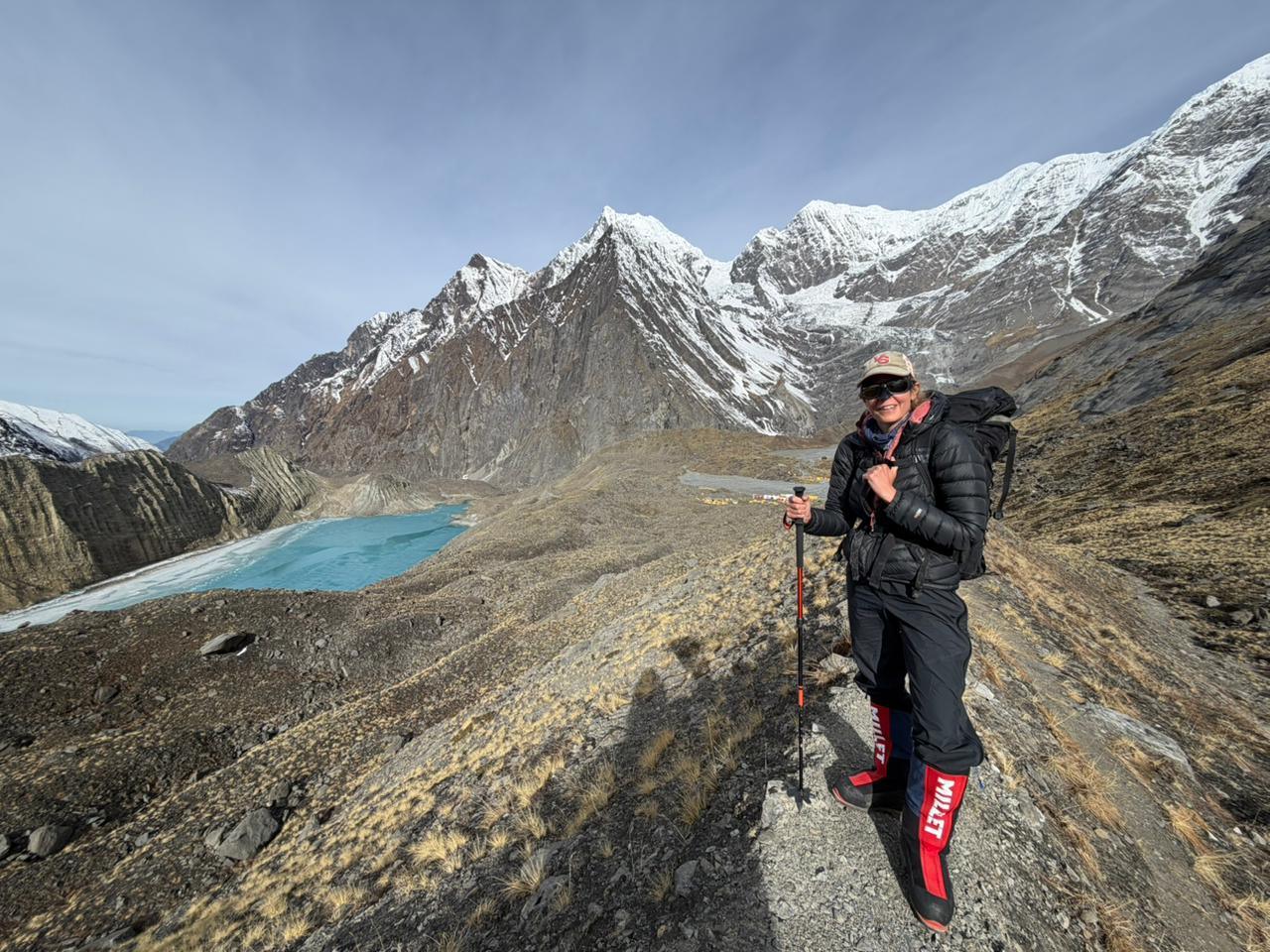
Annapurna I Expedition
$ 23,000.00$ 19,000.00
The Annapurna I Expedition is one of the most challenging and respected high-altitude mountaineering adventures in the world. Standing at 8,091 meters, Annapurna I is the 10th highest mountain on Earth and is renowned for its steep terrain, unpredictable weather, and serious avalanche risk. This expedition is recommended only for highly experienced climbers with strong technical skills and previous 7,000–8,000m peak experience.
Located in central Nepal, Annapurna I was the first 8,000-meter peak ever climbed, successfully summited in 1950. Despite its historical significance, it remains one of the least climbed due to its demanding nature. The route to the summit passes through remote valleys, massive glaciers, and exposed high camps that require careful planning and expert leadership.
The expedition usually begins in Kathmandu, followed by a scenic drive to the Annapurna region and a trek to Annapurna Base Camp (around 4,200m). From Base Camp, climbers establish a series of high camps and conduct multiple acclimatization rotations before attempting the summit during a short and carefully selected weather window.
Product Description
Annapurna I Expedition: Cost, Itinerary, Difficulty & Complete Guide
The Annapurna I Expedition is one of the most prestigious and demanding mountaineering adventures in Nepal. Rising to 8,091 meters (26,545 feet), Annapurna I is the 10th-highest mountain in the world and one of the most challenging peaks in the Himalayas.Located in north-central Nepal, Annapurna I forms part of the spectacular Annapurna massif. The mountain is renowned for its steep faces, technical climbing, unpredictable weather, avalanche exposure and demanding high-altitude terrain.
For experienced mountaineers, an Annapurna I Expedition in Nepal represents the ultimate combination of technical climbing, extreme altitude and Himalayan adventure.
Modern commercial expeditions generally take around 40–50 days, although the exact duration varies depending on the approach, acclimatization strategy, weather conditions and expedition operator. Current published programs range from approximately 41 days to longer programs of 50 days or more.
Annapurna I Expedition Highlights
- Mountain: Annapurna I
- Height: 8,091 m / 26,545 ft
- World ranking: 10th-highest mountain in the world
- Location: Annapurna region, north-central Nepal
- Mountain range: Annapurna Himalaya
- First ascent: 1950
- Expedition duration: Approximately 40–50+ days
- Difficulty: Extreme / highly technical
- Best seasons: Spring and autumn
- Main approach: Pokhara – Dana/Tatopani – Annapurna Base Camp
- Base Camp: Approximately 4,100–4,200 m
- Camp I: Approximately 5,500–5,700 m
- Camp II: Approximately 6,000–6,400 m
- Camp III: Approximately 6,700–7,000 m
- Camp IV: Approximately 7,400 m
- Summit: 8,091 m
- Climbing style: Technical Himalayan expedition
Current commercial itineraries use different camp locations and approaches depending on route and conditions, but the expedition generally involves multiple acclimatization rotations between Base Camp and the higher camps before the summit attempt.
What Is the Annapurna I Expedition?
The Annapurna I Expedition is a full-scale mountaineering expedition to the summit of Annapurna I, one of the world’s fourteen 8,000-meter mountains.
Annapurna I is famous not only for its elevation but also for the technical and objective hazards associated with climbing it.
The mountain has several major climbing routes, with expedition teams selecting their route according to conditions, experience, logistics and current route availability.
A typical expedition begins in Kathmandu and continues toward Pokhara before reaching the Annapurna region. Depending on the operator, climbers may approach Base Camp by trekking from the lower valleys or use helicopter transportation for logistical efficiency.
Current expedition programs include approaches through Dana, Tatopani and the Annapurna Base Camp area, while some premium expeditions use helicopter transfers to reduce the lengthy approach.
Once at Base Camp, climbers spend several weeks acclimatizing, training and rotating through the higher camps before attempting the summit.
Why Climb Annapurna I?
1. Climb an 8,000-Meter Mountain
Annapurna I is one of only fourteen mountains in the world exceeding 8,000 meters.
Reaching its summit is a major achievement in high-altitude mountaineering.
2. Experience Technical Himalayan Climbing
Unlike many trekking peaks, Annapurna I requires serious technical mountaineering skills.
Climbers may encounter:
- Steep snow
- Ice
- Glaciers
- Exposed ridges
- Fixed ropes
- Avalanche-prone terrain
- High-altitude mixed climbing
3. Explore the Annapurna Himalaya
The expedition takes place within one of Nepal’s most spectacular mountain regions.
The surrounding landscape includes enormous peaks, glaciers, deep valleys and dramatic Himalayan terrain.
4. Climb One of Nepal’s Most Iconic Mountains
Annapurna I has a legendary place in mountaineering history.
The mountain was the first 8,000-meter peak ever successfully climbed, when Maurice Herzog and Louis Lachenal reached the summit in 1950.
5. Prepare for Elite Himalayan Mountaineering
The experience gained from Annapurna can be valuable for mountaineers preparing for other 8,000-meter expeditions.
Annapurna I Expedition Cost
The Annapurna I Expedition cost varies significantly depending on the operator, climbing route, group size, support level, Sherpa ratio, oxygen strategy, transportation and services included.
Current commercial packages demonstrate a wide range of pricing. For example, a current 2026/27 listing advertises approximately USD 20,500, while premium expedition programs can cost USD 30,000–35,000+ depending on the level of service and support.
Major factors affecting Annapurna I Expedition cost include:
- Annapurna climbing permit
- Annapurna Conservation Area fees
- Liaison officer
- Domestic flights
- Helicopter transportation
- Ground transportation
- Trekking staff
- Porters
- Climbing Sherpas
- High-altitude Sherpa support
- Base Camp services
- High camps
- Food and accommodation
- Fixed ropes
- Oxygen
- Oxygen masks and regulators
- Satellite communication
- Medical equipment
- Garbage management
- Insurance
- Emergency evacuation
- Expedition equipment
Nepal’s Annapurna I climbing royalty
The Nepal Department of Tourism’s current royalty schedule lists USD 3,000 per foreign climber in spring, USD 1,500 in autumn, and USD 750 in winter/summer for mountains above 8,000 meters other than Everest and Manaslu. The current schedule became effective September 1, 2025.
Therefore, the climbing permit itself represents only one component of the total expedition cost.
Annapurna I Expedition Package
A professional Annapurna I Expedition package may include:
Accommodation
- Hotel in Kathmandu
- Hotel in Pokhara
- Lodge accommodation during the approach
- Tented accommodation at Base Camp
- High-altitude camping
Transportation
- Airport transfers
- Kathmandu–Pokhara flight
- Ground transportation
- Helicopter transfers where included
- Return transportation
Trekking Support
- Trekking guide
- Porters
- Kitchen staff
- Base Camp staff
Mountaineering Support
- Experienced climbing Sherpas
- High-altitude Sherpa support
- Fixed-rope support
- Camp establishment
- Summit logistics
Permits and Government Fees
- Annapurna I climbing permit
- Conservation area permits
- Liaison officer
- Garbage management
- Applicable government fees
Base Camp Services
- Sleeping tents
- Dining tent
- Kitchen
- Toilet facilities
- Food
- Fuel
- Communication facilities
Exact inclusions vary by operator. Current published programs, for example, include combinations of government permits, conservation fees, transportation, porters, Base Camp staff and expedition logistics.
Annapurna I Expedition Itinerary
A typical Annapurna I Expedition itinerary takes approximately 40–50 days, although the exact duration depends on the expedition style and acclimatization plan.
Below is a representative itinerary.
Day 1: Arrival in Kathmandu
Arrive in Kathmandu and transfer to your hotel.
Meet the expedition team and receive an initial briefing.
Day 2: Expedition Preparation
Complete:
- Permit formalities
- Equipment inspection
- Team briefing
- Final shopping
- Expedition preparation
Day 3: Kathmandu to Pokhara
Fly from Kathmandu to Pokhara.
Enjoy views of the Himalayan range during the flight.
Day 4: Pokhara to Dana/Tatopani
Drive toward the Annapurna region and continue to Dana or Tatopani depending on the expedition itinerary.
Day 5: Approach Toward Annapurna Base Camp
Continue toward the Annapurna Base Camp area.
Some current commercial expeditions use helicopter transportation from Dana to Base Camp rather than a traditional multi-day approach.
Day 6: Reach Annapurna Base Camp
Establish the expedition camp around the Annapurna Base Camp area.
Days 7–10: Base Camp Acclimatization
Rest and acclimatize.
The team conducts:
- Climbing training
- Equipment checks
- Route briefings
- Puja ceremony
- Weather monitoring
- Medical checks
Days 11–25: Acclimatization Rotations
Begin climbing rotations between:
Base Camp → Camp I → Camp II → Base Camp
Further rotations may extend toward Camp III depending on route conditions.
Days 26–30: Rest and Summit Preparation
Return to Base Camp and rest.
Prepare for the summit push.
Days 31–37: Summit Window
Begin the final climbing period.
The summit attempt depends on:
- Weather
- Route conditions
- Acclimatization
- Team health
- Fixed ropes
- Avalanche conditions
Summit Day
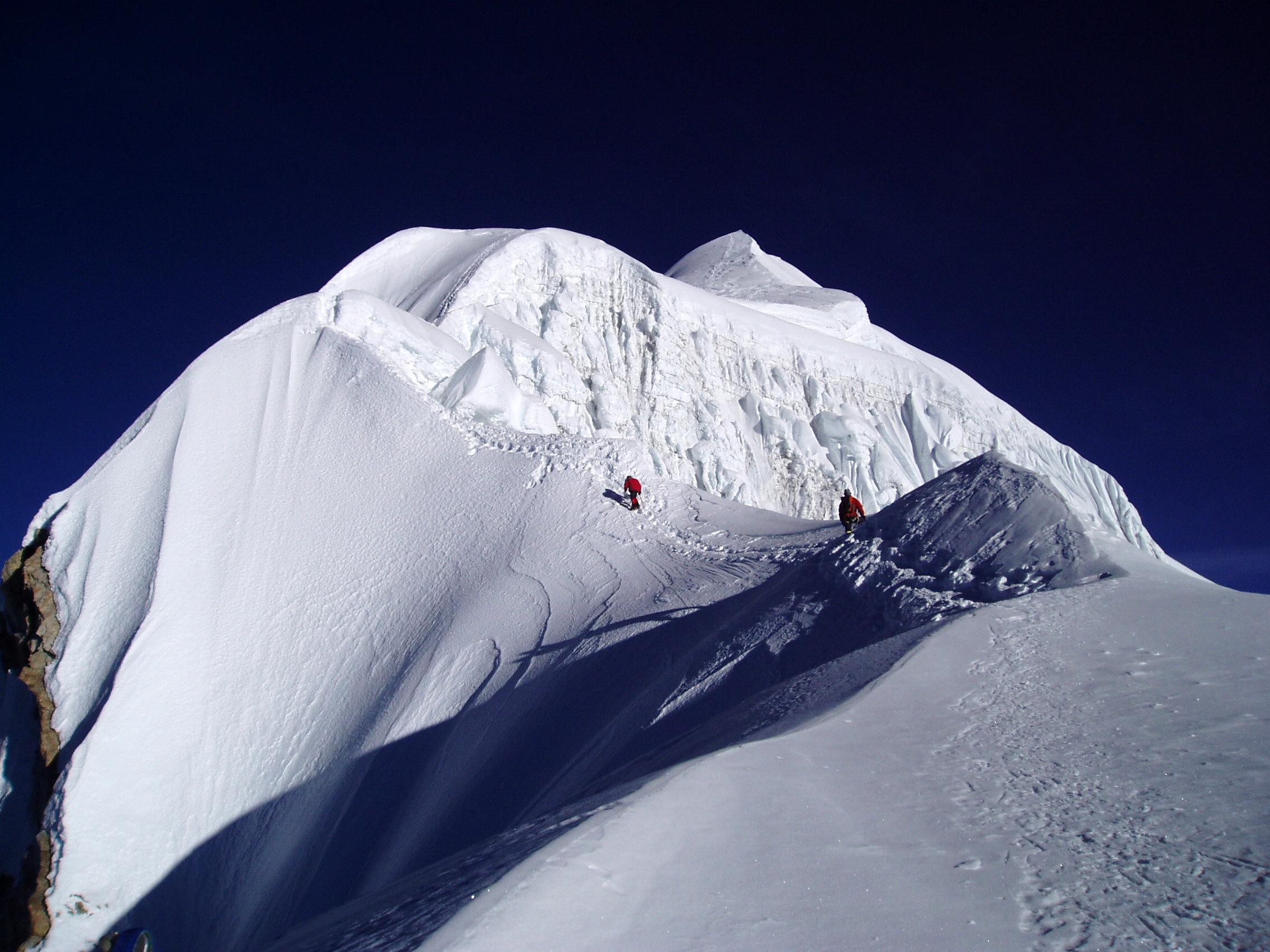
Climb from the upper camp toward the 8,091-meter Annapurna I summit.
After reaching the summit, descend carefully to the lower camps.
Days 38–40: Return
Descend to Base Camp and continue toward the lower valleys.
Days 41–42: Return to Pokhara
Return to Pokhara and recover.
Days 43–44: Return to Kathmandu
Fly back to Kathmandu.
Final Day: International Departure
Transfer to Tribhuvan International Airport.
Important: This is a representative itinerary. Actual expedition schedules can change significantly because of weather, route conditions, acclimatization and summit opportunities.
Annapurna I Expedition Route
The Annapurna I Expedition route can vary according to the climbing season and expedition strategy.
A common approach is:
Kathmandu → Pokhara → Dana/Tatopani → Annapurna Base Camp
Some expeditions then establish:
Base Camp → Camp I → Camp II → Camp III → Camp IV → Summit
Current commercial itineraries show Base Camp around 4,190–4,200 meters and use rotations through Camp I and Camp II before the summit period.
The exact climbing route above Base Camp depends on the expedition’s chosen line and current mountain conditions.
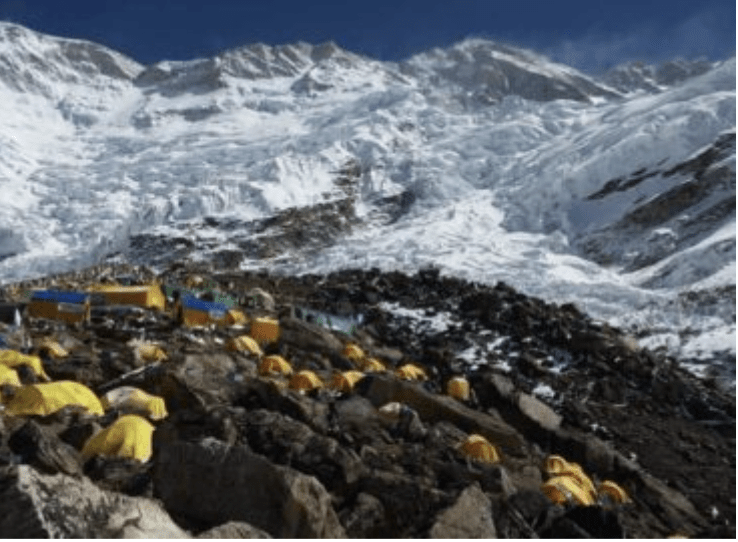
Annapurna I Base Camp
Annapurna I Base Camp is generally located around 4,100–4,200 meters for expedition programs.
It functions as the central operational base for the climb.
Facilities may include:
- Sleeping tents
- Dining tent
- Kitchen
- Communications
- Medical supplies
- Equipment storage
- Food storage
- Expedition staff facilities
Base Camp is also where climbers spend significant time acclimatizing before moving higher.
Annapurna I Camps and Climbing Route
The exact elevations of Annapurna’s higher camps can change according to route and conditions.
A representative climbing structure is:
| Camp | Approximate Elevation |
|---|---|
| Base Camp | 4,100–4,200 m |
| Camp I | 5,500–5,700 m |
| Camp II | 6,000–6,400 m |
| Camp III | 6,700–7,000 m |
| Camp IV | ~7,400 m |
| Summit | 8,091 m |
Some current expedition programs describe Camp IV at around 7,400 meters, while other route descriptions may use different camp positions.
The mountain’s route is not static. Snow, ice, avalanche conditions and route fixing can change the position and usability of high camps.
Annapurna I Expedition Difficulty
The Annapurna I Expedition difficulty is considered extreme.
Annapurna I is not suitable for inexperienced climbers.
The major challenges include:
- 8,000-meter altitude
- Steep climbing terrain
- Glacier travel
- Crevasses
- Avalanche exposure
- Extreme cold
- Strong winds
- Technical snow and ice
- Long summit day
- High-altitude fatigue
- Unpredictable weather
- Remote rescue conditions
The mountain’s reputation is based not simply on its elevation but also on its technical terrain and objective hazards.
Annapurna I Height and Altitude
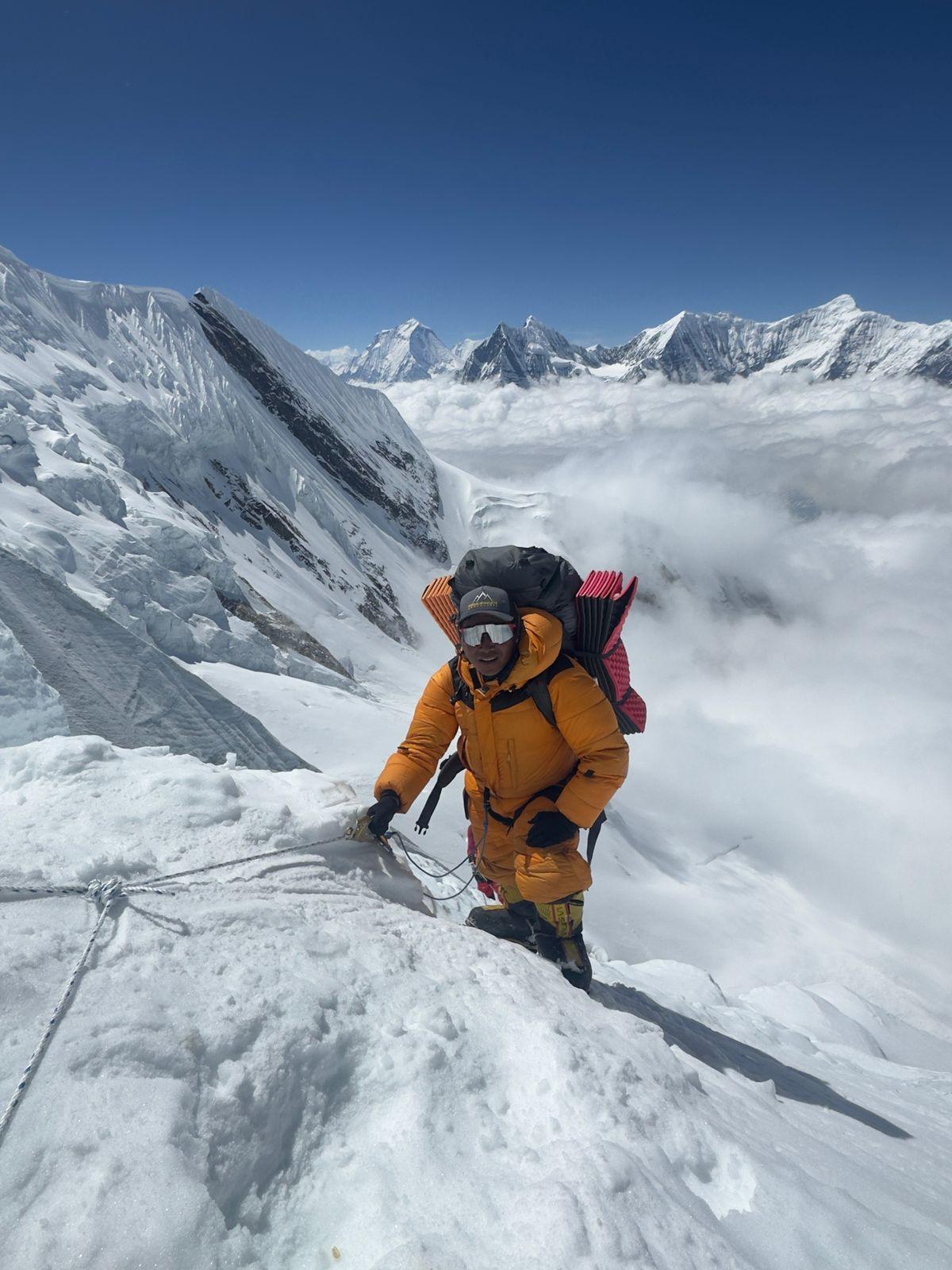
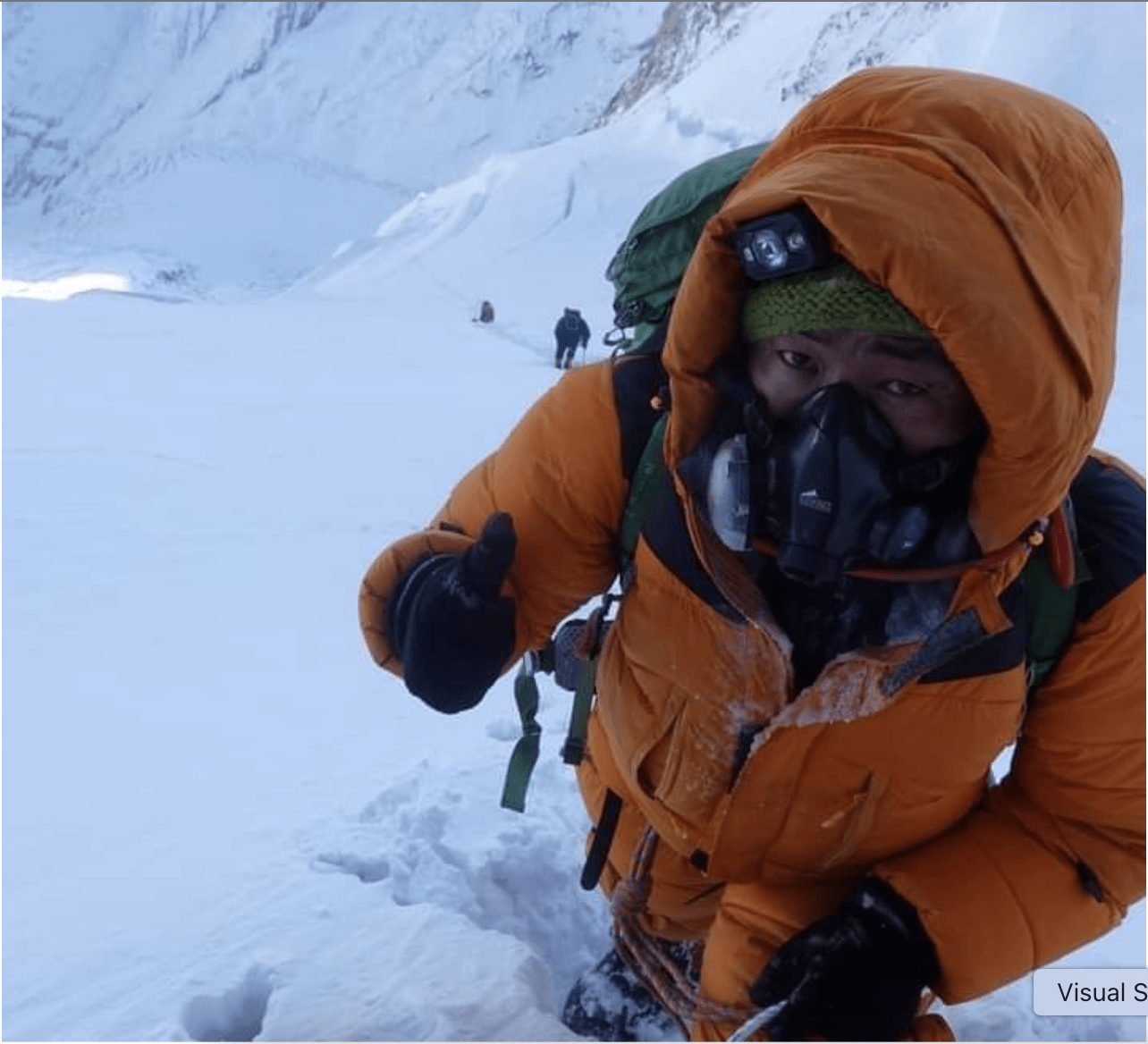
Climber above the clouds during Annapurna I ascent Spring 2026
Annapurna I is 8,091 meters (26,545 feet) high.
It is the world’s 10th-highest mountain.
Major elevations
| Location | Approximate Elevation |
|---|---|
| Kathmandu | 1,400 m |
| Pokhara | ~800 m |
| Dana | ~1,400 m |
| Annapurna Base Camp | ~4,200 m |
| Camp I | ~5,500–5,700 m |
| Camp II | ~6,000–6,400 m |
| Camp III | ~6,700–7,000 m |
| Camp IV | ~7,400 m |
| Annapurna I Summit | 8,091 m |
Current expedition itineraries place Base Camp around 4,190–4,200 meters and the summit at 8,091 meters.
Acclimatization for Annapurna I Expedition
Acclimatization is one of the most important elements of a successful Annapurna I Expedition.
A typical strategy includes progressively climbing higher and then descending to recover.
For example:
Base Camp → Camp I → Base Camp
followed by:
Base Camp → Camp I → Camp II → Base Camp
Later rotations may reach higher camps before the team returns to Base Camp for recovery.
This approach allows climbers to progressively adapt to lower oxygen levels.
A summit attempt should only begin after the expedition team determines that climbers are sufficiently acclimatized and weather conditions are appropriate.
Best Time for Annapurna I Expedition
The principal climbing seasons for Annapurna I Expedition are spring and autumn.
Spring Season
March to May is one of the main Himalayan expedition seasons.
Advantages can include:
- Longer daylight
- Established climbing activity
- Suitable summit windows
- Generally favorable expedition conditions
Current commercial Annapurna I programs are scheduled during spring, including March–April departures.
Autumn Season
September to November is another major climbing season.
Autumn follows the monsoon period and can provide excellent mountain visibility.
However, high-altitude conditions remain unpredictable and summit opportunities depend on actual weather and route conditions.
Annapurna I Expedition Permits
Climbers require an official Annapurna I climbing permit issued through Nepal’s mountaineering authorities.
Additional permits and administrative requirements can include:
- Annapurna Conservation Area permit
- TIMS or applicable trekking registration
- Liaison officer
- Garbage management
- Local administrative requirements
The exact requirements should be confirmed for the expedition season.
Nepal’s Department of Tourism currently lists the climbing royalty for mountains above 8,000 meters other than Everest and Manaslu at USD 3,000 in spring and USD 1,500 in autumn for foreign climbers.
Annapurna I Expedition Equipment
A successful Annapurna I Expedition requires specialized 8,000-meter mountaineering equipment.
Personal Climbing Equipment
- 8,000-meter mountaineering boots
- Crampons
- Ice axe
- Climbing harness
- Helmet
- Ascender
- Descender
- Carabiners
- Prusik loops
- Climbing slings
- Headlamp
- Trekking poles
- Expedition backpack
- Duffel bags
- High-altitude sleeping bag
- Down suit
- Down jacket
- Insulated gloves
- Thermal layers
- Waterproof shell
- Goggles
- Sunglasses
- High-altitude sunscreen
Technical Equipment
Depending on the route:
- Fixed ropes
- Ice screws
- Snow protection
- Ascenders
- Descenders
- Technical hardware
- Glacier rescue equipment
- Climbing ropes
- Anchoring equipment
High-Altitude Equipment
An 8,000-meter expedition may also use:
- Supplemental oxygen
- Oxygen masks
- Oxygen regulators
- High-altitude tents
- Satellite communication
- GPS
- Emergency medical equipment
Your expedition operator should provide a detailed equipment checklist before departure.
Physical Preparation for Annapurna I Expedition
You need exceptional physical and mental preparation for Annapurna I.
Training should ideally begin several months before the expedition.
Cardiovascular Training
Recommended activities include:
- Long-distance hiking
- Running
- Cycling
- Stair climbing
- Uphill walking
- High-altitude trekking
Strength Training
Focus on:
- Quadriceps
- Hamstrings
- Glutes
- Calves
- Core
- Back
- Shoulders
Endurance Training
Train for long consecutive days carrying a backpack.
Your preparation should simulate:
- 6–10 hours of daily movement
- Significant elevation gain
- Cold weather
- Heavy loads
- Repeated climbing days
Can Beginners Climb Annapurna I?
No. Annapurna I is not suitable for beginners.
A climber attempting Annapurna I should have extensive experience in:
- High-altitude trekking
- Glacier travel
- Technical mountaineering
- Crampon techniques
- Ice axe techniques
- Fixed-rope climbing
- Snow and ice climbing
- High-altitude camping
- Previous 6,000–7,000-meter peaks
- Preferably previous 8,000-meter experience
Annapurna I should be regarded as an elite-level mountaineering objective.
Annapurna I Expedition Safety
Safety is critical on an 8,000-meter mountain.
1. Weather
Never underestimate Himalayan weather.
A summit attempt should only proceed when conditions are considered safe by the expedition leadership.
2. Acclimatization
Rapid ascent increases the risk of altitude-related illness.
Follow the expedition acclimatization schedule carefully.
3. Avalanche Risk
Annapurna is known for significant avalanche exposure. Teams must continuously assess snow and weather conditions.
4. Crevasses
Glacier travel requires appropriate rope systems and technical equipment.
5. Communication
Professional expeditions should maintain reliable communication between Base Camp and climbing teams.
6. Emergency Planning
The team should have clear procedures for:
- Medical emergencies
- Evacuation
- Weather delays
- Search and rescue
- High-altitude illness
Annapurna I Expedition Insurance
High-altitude mountaineering insurance is essential.
Your insurance should specifically cover:
- 8,000-meter mountaineering
- Emergency medical treatment
- Search and rescue
- High-altitude evacuation
- Helicopter evacuation where available
- Hospital treatment
- Expedition emergencies
Do not assume that standard travel insurance covers an expedition to 8,091 meters.
Always check the policy’s maximum covered altitude and mountaineering exclusions.
Annapurna I vs Other 8,000-Meter Expeditions
Annapurna I vs Everest
Everest is higher at 8,848.86 meters, but Annapurna I is generally regarded as a more technically demanding and objectively hazardous climb.
Everest has significantly more commercial infrastructure.
Annapurna offers a more remote and technically focused expedition experience.
Annapurna I vs Manaslu
Manaslu reaches 8,163 meters.
Manaslu is generally considered more accessible than Annapurna I, although it remains a serious 8,000-meter expedition.
Annapurna is often selected by climbers seeking a more technically demanding objective.
Annapurna I vs Dhaulagiri
Dhaulagiri I reaches 8,167 meters and is another extremely challenging Nepalese 8,000-meter peak.
Both mountains require strong technical skills and extensive high-altitude experience.
Annapurna I vs Makalu
Makalu reaches 8,485 meters and is famous for its steep pyramid-shaped summit and technical climbing.
Both Makalu and Annapurna I are considered highly demanding 8,000-meter objectives.
Annapurna I Expedition vs Annapurna Base Camp Trek
Do not confuse the Annapurna I Expedition with the Annapurna Base Camp Trek.
Annapurna Base Camp Trek
The Annapurna Base Camp Trek is a non-technical trekking journey reaching approximately 4,130 meters.
It is designed for trekkers rather than technical mountaineers.
Annapurna I Expedition
The expedition continues beyond Base Camp toward the 8,091-meter summit.
It requires:
- Technical climbing
- Crampons
- Ice axe
- Fixed ropes
- High-altitude equipment
- Expedition camps
- High-altitude Sherpa support
- Serious acclimatization
- Extreme physical preparation
The two experiences are therefore fundamentally different.
How Long Does the Annapurna I Expedition Take?
A typical Annapurna I Expedition takes around 40–50 days.
Some current programs use approximately 41 days, while premium programs can use 40 days or longer depending on the approach and climbing strategy.
The duration generally includes:
- Kathmandu preparation
- Travel to Pokhara
- Approach to Base Camp
- Acclimatization
- Camp rotations
- Summit window
- Contingency days
- Descent
- Return to Kathmandu
A longer itinerary can provide additional flexibility for weather and acclimatization.
Annapurna I Expedition History
Annapurna I holds an important place in mountaineering history.
It became the first 8,000-meter mountain successfully climbed, when a French expedition led by Maurice Herzog reached the summit in 1950.
The expedition’s achievement marked a major milestone in Himalayan mountaineering.
Today, Annapurna I remains one of the most respected and challenging mountains in Nepal.
Frequently Asked Questions About Annapurna I Expedition
How high is Annapurna I?
Annapurna I is 8,091 meters (26,545 feet) high.
Is Annapurna I the highest mountain in Nepal?
No. Annapurna I is the 10th-highest mountain in the world. Everest is Nepal’s highest mountain.
How difficult is the Annapurna I Expedition?
It is an extreme and highly technical 8,000-meter expedition requiring advanced mountaineering experience.
How long does the Annapurna I Expedition take?
Most commercial programs take approximately 40–50 days, although the exact duration varies by operator and expedition strategy.
How much does the Annapurna I Expedition cost?
Current commercial prices vary widely. Published 2026/27 examples range from around USD 20,500 to USD 35,000+, depending on the level of support and services included.
What is the Annapurna I climbing permit fee?
For foreign climbers, Nepal’s current royalty schedule lists USD 3,000 in spring and USD 1,500 in autumn for mountains above 8,000 meters other than Everest and Manaslu.
What is the Annapurna I Base Camp altitude?
Expedition Base Camp is generally around 4,100–4,200 meters, depending on the route and expedition setup.
What is the best time to climb Annapurna I?
Spring and autumn are the principal climbing seasons.
Can beginners climb Annapurna I?
No. Extensive high-altitude and technical mountaineering experience is strongly recommended.
Is Annapurna I harder than Everest?
Annapurna I is generally considered more technically demanding and objectively hazardous than the standard Everest route, although the actual difficulty varies with route and conditions.
What equipment is needed for Annapurna I?
Climbers need specialized 8,000-meter equipment including high-altitude boots, crampons, ice axe, harness, helmet, ascender, descender, technical clothing and potentially supplemental oxygen.
Can Annapurna I be climbed in autumn?
Yes. Autumn is one of the principal climbing seasons for Nepal’s high mountains.
Book Your Annapurna I Expedition in Nepal
The Annapurna I Expedition is one of the most demanding and prestigious mountaineering adventures in Nepal.
At 8,091 meters, Annapurna I combines extreme altitude, technical climbing, glaciers, steep terrain, avalanche exposure and unpredictable Himalayan weather.
From the approach through the Annapurna region to the final summit push above 8,000 meters, every stage demands careful preparation, professional support and disciplined decision-making.
If you are an experienced mountaineer looking for a serious 8,000-meter expedition in Nepal, Annapurna I offers an extraordinary challenge.
Contact our expedition team for the latest Annapurna I Expedition cost, itinerary, permits, departure dates, climbing support and customized expedition packages.
For the latest information on trekking regulations, permits, conservation areas, and mountaineering requirements in Nepal, visit the official Nepal Tourism Board and relevant government authorities before planning your Pisang Peak Climbing adventure.
Also if you want to view our other treks then you can follow this link.
Reviews
There are no reviews yet.