

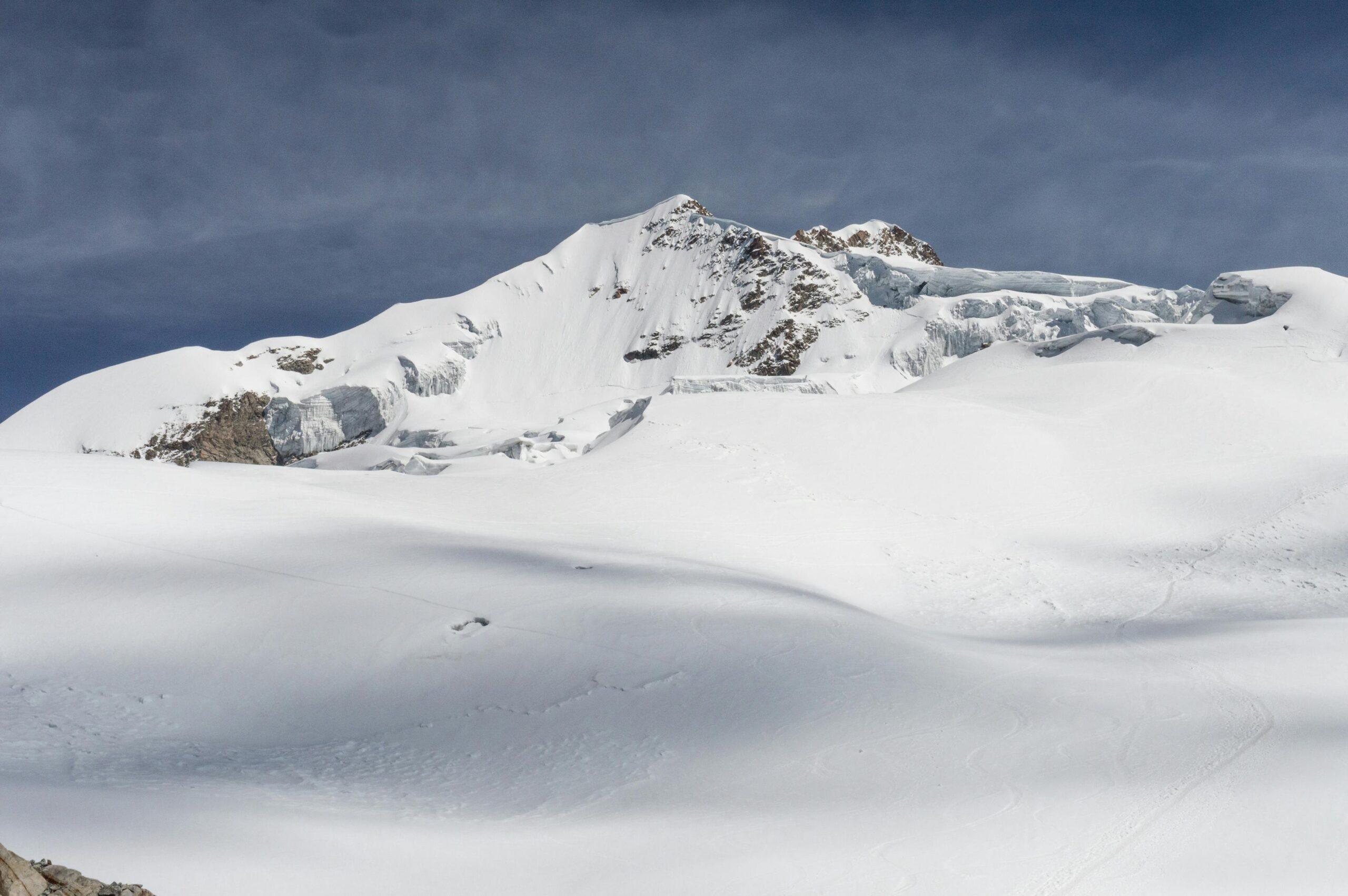
Yala Peak Climbing-13 Days
$ 2,650.00$ 2,499.00
Yala Peak (5,520 m / 18,110 ft) is one of Nepal’s most accessible trekking peaks, located in the beautiful Langtang region. Known for its stunning mountain views and moderate difficulty, it’s an excellent choice for beginners and trekkers seeking their first high-altitude climbing experience close to Kathmandu.
Product Description
Yala Peak Climbing: Cost, Itinerary, Difficulty & Complete Guide
Yala Peak Climbing is one of the best introductory Himalayan climbing adventures in Nepal. Located in the spectacular Langtang region, Yala Peak rises to approximately 5,500 meters (18,044 feet) and offers an accessible introduction to glacier travel, crampon use, ice-axe techniques and high-altitude mountaineering.
Unlike many of Nepal’s famous climbing peaks, Yala Peak can be reached without a domestic flight to Lukla. The journey begins with an overland drive from Kathmandu to Syabrubesi before following the beautiful Langtang Valley toward Kyanjin Gompa.
The climb combines a scenic trek through Langtang National Park with a genuine Himalayan summit experience. From Kyanjin Gompa, the landscape gradually changes from forests and alpine meadows to glaciers, rocky ridges and snow-covered terrain.
Yala Peak is particularly attractive to trekkers who want to move from high-altitude trekking into mountaineering without immediately committing to a technically demanding 6,000m or 7,000m expedition.
This complete Yala Peak Climbing guide covers the cost, itinerary, difficulty, altitude, route, permits, best season, equipment, preparation, safety and everything you need to know before climbing Yala Peak in Nepal.
Yala Peak Climbing at a Glance
| Feature | Details |
|---|---|
| Peak | Yala Peak |
| Altitude | Approximately 5,500 m / 18,044 ft |
| Region | Langtang, Nepal |
| National Park | Langtang National Park |
| Nearest Major Village | Kyanjin Gompa |
| Base Camp | Around 4,800–5,000 m depending on itinerary |
| Typical Duration | 10–16 days |
| Climbing Grade | Beginner-friendly / introductory alpine climb |
| Best Seasons | Spring and Autumn |
| Starting Point | Kathmandu |
| Roadhead | Syabrubesi |
| Main Skills | Crampons, ice axe, rope techniques |
| Accommodation | Teahouses and camping |
| Popular Combination | Langtang Valley Trek + Yala Peak |
Published 2026 itineraries vary in duration and in the elevation they use for the summit, but approximately 5,500 m is the most consistent figure among current commercial sources.
What Is Yala Peak Climbing?
Yala Peak Climbing is a mountaineering adventure in the Langtang region of Nepal that combines trekking through the Langtang Valley with an ascent of Yala Peak.
The mountain lies northeast of Kyanjin Gompa, close to the Nepal–Tibet border. The surrounding landscape features dramatic Himalayan peaks, glaciers and high alpine valleys.
The expedition involves two distinct experiences:
- A multi-day trek through the Langtang Valley
- A technical climbing section toward the Yala Peak summit
The trekking section passes through forests, traditional Tamang and Tibetan-influenced villages, rivers, suspension bridges and alpine landscapes.
Once you reach Kyanjin Gompa, the expedition becomes increasingly focused on acclimatization and climbing preparation.
Why Choose Yala Peak Climbing?
There are several reasons Yala Peak is an excellent choice for aspiring mountaineers.
1. Excellent Introduction to Himalayan Climbing
Yala Peak is widely marketed as a beginner-friendly climbing peak. Current 2026 operators describe it as one of Nepal’s more accessible Himalayan summits, although climbers still need to be comfortable with snow, ice and high-altitude conditions.
It provides an opportunity to learn:
- Crampon techniques
- Ice-axe handling
- Rope techniques
- Glacier movement
- Basic mountaineering safety
- High-altitude climbing techniques
2. Close to Kathmandu
One of Yala Peak’s biggest advantages is its accessibility.
Instead of flying to Lukla, the expedition normally travels by road from Kathmandu toward Syabrubesi, making the logistics comparatively straightforward.
This can also make the expedition less vulnerable to Lukla flight disruptions.
3. Beautiful Langtang Valley
The approach itself is a major attraction.
The Langtang Valley contains:
- Rhododendron forests
- Pine forests
- High alpine meadows
- Buddhist monasteries
- Tamang villages
- Glacial rivers
- Dramatic Himalayan peaks
The trek toward Kyanjin Gompa is an adventure in its own right.
4. Spectacular Himalayan Views
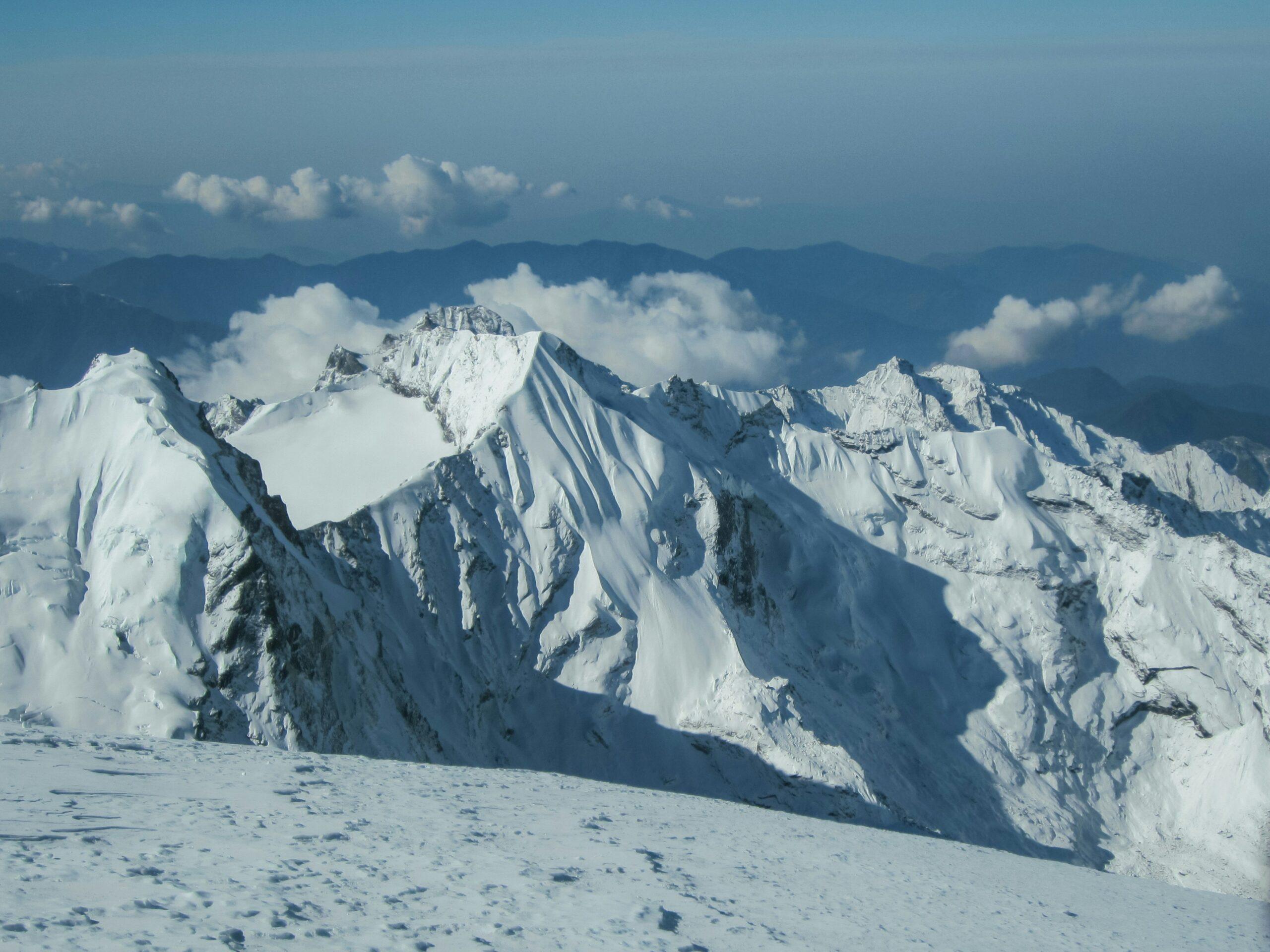
From the Yala Peak region, climbers can see mountains including:
- Langtang Lirung
- Dorje Lakpa
- Ganchenpo
- Naya Kanga
- Shishapangma
- Other peaks of the Langtang Himal
The summit also provides views toward Tibet and the surrounding Himalayan landscape.
Yala Peak Height
The commonly used elevation for Yala Peak is approximately 5,500 meters (18,044 feet).
However, some commercial sources publish elevations ranging from approximately 5,500 m to 5,732 m. This discrepancy appears in current trekking and climbing itineraries, so climbers should confirm the elevation and route used by their operator.
Regardless of the exact figure used by an operator, Yala Peak is high enough for altitude sickness to become a serious consideration.
Proper acclimatization is therefore essential.
Yala Peak Climbing Difficulty
Yala Peak is considered one of Nepal’s more accessible introductory climbing peaks, but it is not simply a high-altitude trek.
The difficulty depends heavily on:
- Snow conditions
- Weather
- Glacier conditions
- Your physical fitness
- Previous trekking experience
- Acclimatization
- Technical ability
- Guide support
Some current operators classify Yala Peak as relatively easy or non-technical, while others describe the climb as technically challenging because of the glacier, snow and climbing equipment involved.
For this reason, it is best described as an introductory Himalayan climbing expedition rather than an ordinary trekking route.
Is Yala Peak Suitable for Beginners?
Yes, Yala Peak can be suitable for fit beginners, particularly those who have previous trekking experience and are climbing with a qualified guide.
Previous technical mountaineering experience is not always required.
However, beginners should be prepared to learn and use:
- Crampons
- Ice axe
- Climbing harness
- Rope systems
- Carabiners
- Basic ascending and descending techniques
Professional operators commonly provide climbing training before the summit attempt.
A beginner should not attempt the mountain independently simply because it is considered an easier climbing peak.
Yala Peak Climbing Cost
The Yala Peak Climbing cost depends on the duration, group size, level of support, accommodation, equipment and services included.
Published 2026 prices vary considerably. Current commercial examples range from roughly US$1,000 to US$1,800+ per person, while some operators publish lower or higher rates depending on group size and inclusions. For example, current advertised packages include approximately US$1,025 for larger groups and US$1,825 for a 14-day program.
A realistic budget should therefore be based on the services included rather than simply choosing the cheapest advertised package.
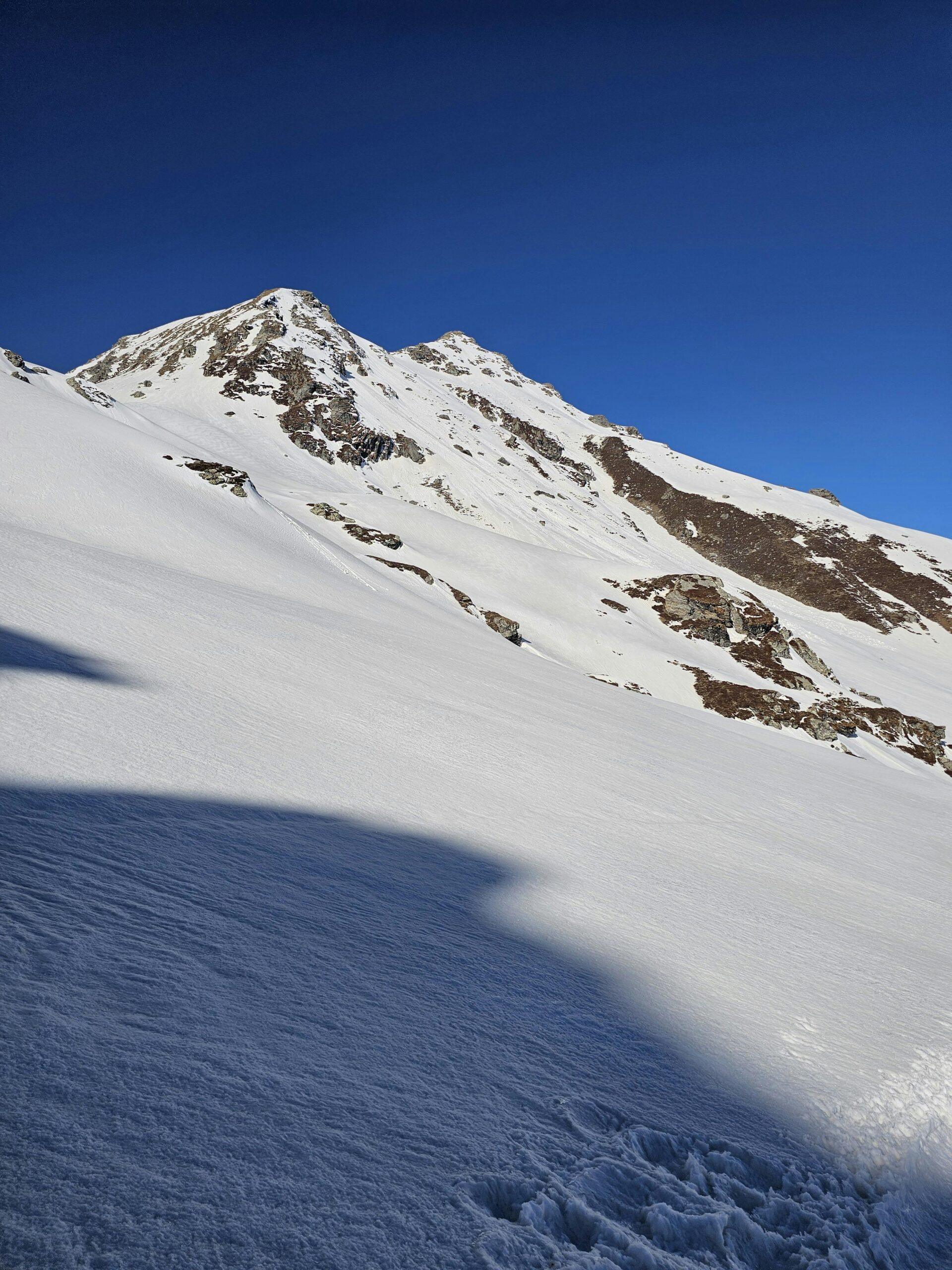
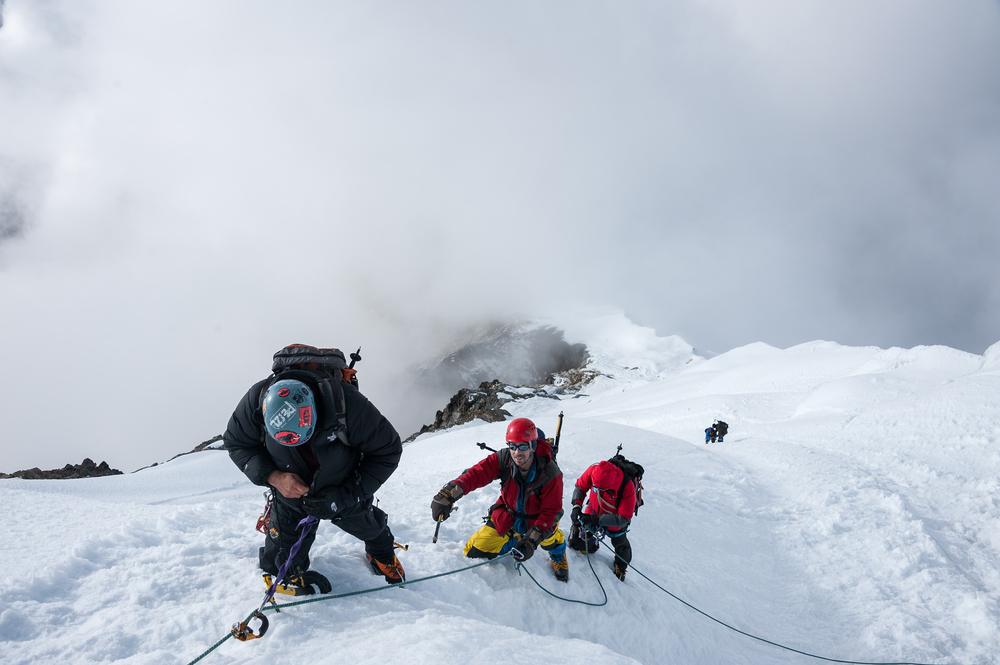
Snow-covered slope on the Yala Peak climbing route in Langtang
Typical Yala Peak Climbing Cost
| Expense | Typical Situation |
|---|---|
| Guided climbing package | US$1,000–1,800+ |
| Kathmandu accommodation | Usually package-dependent |
| Langtang accommodation | Usually included |
| Road transportation | Usually included |
| Guide | Usually included |
| Porter | Usually included or available |
| Climbing equipment | Depends on package |
| National Park permit | Required |
| TIMS | Applicable according to current rules |
| Travel insurance | Additional |
| Personal expenses | Additional |
| Tips | Additional |
Some 2026 operators advertise packages around US$700–1,200, while others are above US$1,800. The difference can come from group size, equipment, guide ratios, accommodation and transportation.
What You Should Check Before Booking
Before choosing a Yala Peak climbing package, ask whether the price includes:
- Kathmandu hotel
- Kathmandu–Syabrubesi transportation
- Return transportation
- Langtang National Park permit
- TIMS
- Accommodation
- Meals
- Climbing guide
- Porter
- Tented camping
- Climbing equipment
- Sleeping bag
- Down jacket
- Insurance for staff
- Emergency arrangements
- Summit bonus
A very cheap package may exclude several of these expenses.
Yala Peak Climbing Permits
The permit situation for Yala Peak has changed over time, so older online information can be misleading.
Current 2026 sources indicate that Yala Peak is below the 5,800-meter threshold for the NMA climbing royalty, meaning a separate paid NMA climbing royalty is currently not charged in the same way as higher trekking peaks. However, climbers still need the applicable Langtang National Park entry permit and trekking documentation, and current rules should be confirmed before departure.
Depending on the current regulations and itinerary, documentation can include:
- Langtang National Park entry permit
- TIMS card
- Applicable climbing/trekking documentation
- Local administrative requirements
Because permit rules can change, your registered trekking agency should confirm the latest requirements before the expedition.
Yala Peak Climbing Route
The standard Yala Peak Climbing route begins in Kathmandu and travels overland to Syabrubesi.
Standard Route
Kathmandu → Syabrubesi → Lama Hotel → Langtang Village → Kyanjin Gompa → Yala Peak Base Camp → Yala Peak Summit → Kyanjin Gompa → Lama Hotel → Syabrubesi → Kathmandu
The route initially follows the Langtang Valley.
As you approach Kyanjin Gompa, the landscape becomes increasingly alpine.
From Kyanjin Gompa, climbers continue toward the Yala Peak climbing area before establishing a high-altitude camp and preparing for the summit attempt.
Yala Peak Climbing Itinerary
A typical expedition takes approximately 12–14 days, although commercial itineraries range from around 10 to 16 days depending on acclimatization, preparation and contingency days.
Below is a representative 14-day Yala Peak itinerary.
Day 1: Arrival in Kathmandu
Arrive in Kathmandu and transfer to your hotel.
Meet your climbing guide and complete an expedition briefing.
Use the day to check your equipment and prepare for the Langtang journey.
Altitude: Approximately 1,400m
Day 2: Kathmandu Preparation
Spend the day preparing for the expedition.
Your climbing team can:
- Check technical equipment
- Review the itinerary
- Confirm permits
- Discuss safety
- Prepare trekking equipment
This day can also provide flexibility for logistical issues.
Day 3: Kathmandu to Syabrubesi
Drive from Kathmandu toward Syabrubesi.
The journey follows the Trishuli River and passes through hilly landscapes before reaching the Langtang gateway.
Altitude: Approximately 1,460m
Driving time: Approximately 6–8 hours depending on road conditions.
Day 4: Syabrubesi to Lama Hotel
Begin trekking through the Langtang Valley.
The trail passes through forests and follows the Langtang Khola.
Altitude: Approximately 2,400m
Walking time: Approximately 5–6 hours
Day 5: Lama Hotel to Langtang Village
Continue ascending through dense forest.
The landscape gradually opens as you approach the higher valley.
Altitude: Approximately 3,400m
Walking time: Approximately 5–6 hours
Day 6: Langtang Village to Kyanjin Gompa
Continue toward Kyanjin Gompa.
The mountain scenery becomes increasingly dramatic.
You will begin to see the surrounding Himalayan peaks and glaciers.
Altitude: Approximately 3,800–3,870m
Walking time: Approximately 3–4 hours
Day 7: Acclimatization at Kyanjin Gompa
Spend the day acclimatizing.
This is an important part of the expedition.
Depending on weather and fitness, you may hike toward a nearby viewpoint such as Tserko Ri or another high point.
The purpose is not simply sightseeing but allowing your body to adapt to the increasing altitude.
Day 8: Kyanjin Gompa to Yala Peak Base Camp
Leave Kyanjin Gompa and begin the approach toward Yala Peak Base Camp.
The trail becomes increasingly rocky and alpine.
Depending on the chosen route and current conditions, the camp may be established around 4,800–5,000 meters. Current operators publish slightly different camp elevations.
Walking time: Approximately 5–7 hours
Day 9: Climbing Training and Route Preparation
Spend the day preparing for the summit.
Your climbing guide can provide practical training covering:
- Crampon walking
- Ice-axe techniques
- Rope techniques
- Harness use
- Ascending
- Descending
- Glacier safety
- Self-arrest techniques
The guide will also assess the weather and climbing route.
Day 10: Yala Peak Summit
Begin the summit attempt early in the morning.
The exact departure time depends on weather, snow conditions and the climbing team’s strategy.
The route may involve:
- Snow slopes
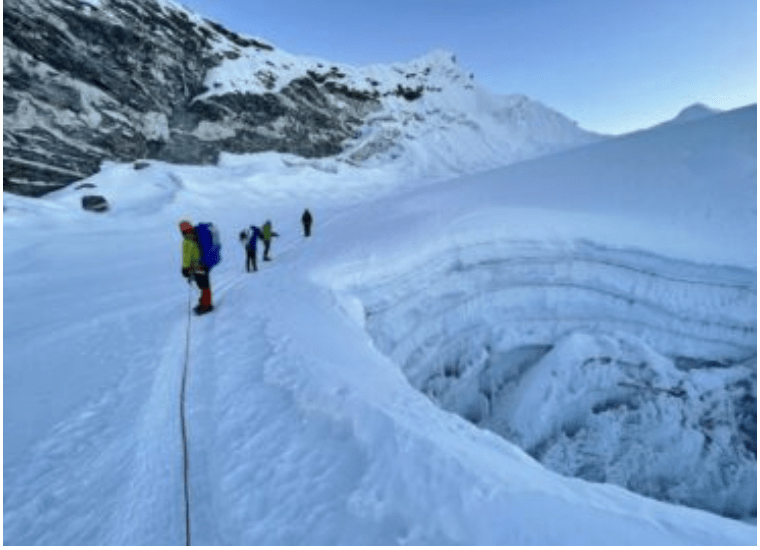
- Glacier terrain
- Rocky sections
- Crampon climbing
- Ice-axe use
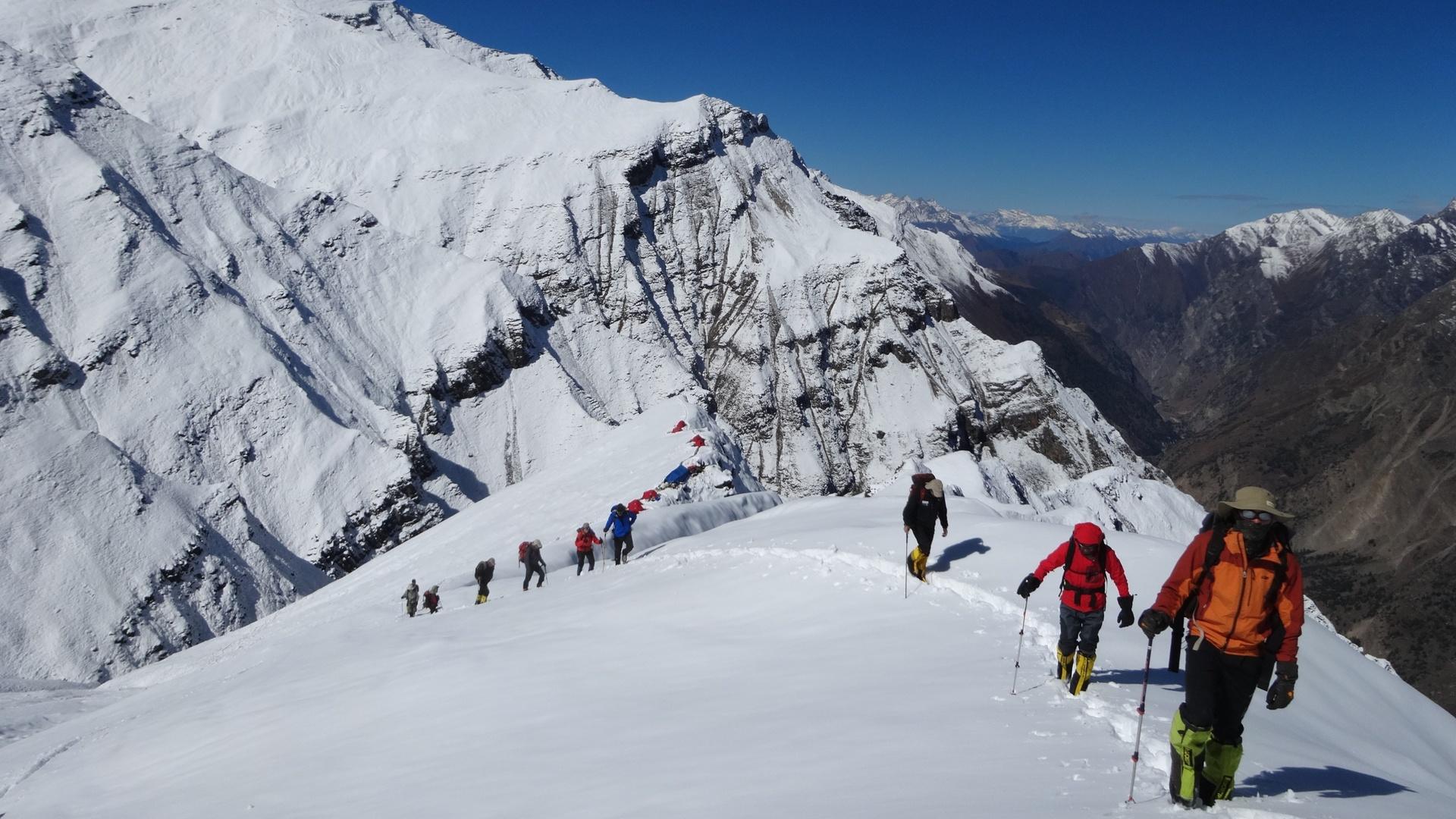
- Rope-assisted sections depending on route conditions
The final summit push requires endurance because you are operating above 5,000 meters.
After reaching the summit, descend carefully toward the lower camp and eventually Kyanjin Gompa.
Current commercial itineraries describe the summit day as a long climbing day, often taking approximately 8–10 hours depending on conditions and route.
Day 11: Kyanjin Gompa to Lama Hotel
After completing the summit, descend through the Langtang Valley.
The lower elevation usually makes the descent considerably more comfortable.
Altitude: Approximately 2,400m
Day 12: Lama Hotel to Syabrubesi
Continue descending toward Syabrubesi.
This completes the main trekking section of the expedition.
Day 13: Syabrubesi to Kathmandu
Drive back to Kathmandu.
Once you arrive, enjoy a well-earned rest after the expedition.
Day 14: International Departure
Transfer to Tribhuvan International Airport for your onward journey.
If your flight schedule allows, you may use the extra time to explore Kathmandu.
Yala Peak Base Camp
Yala Peak Base Camp is located in the high alpine area above Kyanjin Gompa.
Current commercial itineraries place the camp at approximately 4,800–5,000 meters, although exact locations vary according to the route and season.
Base Camp is where climbers prepare for the final ascent.
Activities typically include:
- Equipment checks
- Technical training
- Route assessment
- Weather monitoring
- Acclimatization
- Food preparation
- Rest
The environment at Base Camp is significantly colder and more exposed than Kyanjin Gompa.
Yala Peak Summit Day
Summit day is the most demanding part of the expedition.
A typical summit push begins before sunrise.
Climbers generally move slowly because of:
- High altitude
- Cold temperatures
- Snow
- Reduced oxygen
- Technical terrain
The use of crampons and an ice axe may be required depending on current conditions and the selected route.
Some current operators describe the route as non-technical or relatively straightforward, while others use ropes on sections of the climb. This illustrates why the actual climbing conditions should be assessed locally rather than relying solely on a fixed itinerary description.
The summit should only be attempted when weather and route conditions are considered safe by the climbing guide.
Best Time for Yala Peak Climbing
The best seasons for Yala Peak Climbing are generally spring and autumn.
Spring: March to May
Spring provides favorable conditions for trekking and climbing.
Advantages include:
- Relatively stable weather
- Good visibility
- Warmer conditions
- Beautiful rhododendron forests
- Favorable climbing conditions
April and May are particularly popular.
Autumn: September to November
Autumn is another excellent season.
After the monsoon, skies generally become clearer and mountain visibility improves.
Advantages include:
- Clear mountain views
- Dry trails
- Stable weather
- Comfortable trekking conditions
October is particularly popular for trekking and climbing in Nepal.
Winter
Yala Peak can be climbed during winter by appropriately prepared teams, but cold temperatures and snow can make conditions considerably more difficult.
Monsoon
June to August is generally less favorable.
Heavy rainfall, clouds, slippery trails and difficult road conditions can affect the Langtang approach.
Yala Peak Climbing Equipment
Although Yala Peak is considered accessible compared with more technical Himalayan mountains, proper equipment remains essential.
Trekking Equipment
- Backpack
- Trekking boots
- Trekking poles
- Sleeping bag
- Down jacket
- Fleece jacket
- Waterproof jacket
- Waterproof trousers
- Thermal base layers
- Warm socks
- Gloves
- Hat
- Sunglasses
- Headlamp
- Water bottles
- Duffel bag
Climbing Equipment
Depending on the route and operator:
- Mountaineering boots
- Crampons
- Ice axe
- Climbing harness
- Helmet
- Carabiners
- Slings
- Ascender
- Climbing rope
- Prusik cord
- Climbing gloves
Some operators include climbing equipment in the package, while others require climbers to rent or bring their own. Always request a detailed equipment list before booking.
Physical Preparation for Yala Peak Climbing
You should begin preparing several weeks or months before the expedition.
Cardiovascular Training
Useful exercises include:
- Hiking
- Running
- Cycling
- Stair climbing
- Incline walking
The objective is to improve endurance rather than simply build maximum strength.
Leg Strength
Focus on:
- Squats
- Lunges
- Step-ups
- Calf raises
- Hill walking
Strong legs are particularly useful during long descents and summit-day climbing.
Hiking Training
Try to complete progressively longer hikes.
Training with a backpack helps prepare your body for the physical demands of the expedition.
Technical Training for Yala Peak
Beginners should learn the fundamentals of mountaineering before the summit attempt.
Important skills include:
Crampon Walking
Learn how to move safely on snow and ice while wearing crampons.
Ice-Axe Use
Learn how to hold and use an ice axe correctly and how to respond to a slip.
Rope Techniques
Understand how to move safely while attached to a climbing rope.
Ascending and Descending
Practice controlled movement on steep terrain.
Self-Arrest
Self-arrest is an important mountaineering safety technique that climbers should learn from a qualified instructor.
Yala Peak Climbing Safety
Safety should always take priority over reaching the summit.
Acclimatization
Do not rush the ascent.
The acclimatization day around Kyanjin Gompa is an important component of the itinerary.
Altitude Sickness
At elevations above 3,000 meters, altitude sickness becomes a genuine concern.
Symptoms can include:
- Headache
- Nausea
- Dizziness
- Fatigue
- Loss of appetite
- Difficulty sleeping
More serious altitude-related conditions can be life-threatening.
If severe symptoms develop, descent should be considered immediately.
Weather
Mountain weather can change rapidly.
Your guide should assess:
- Wind
- Snow
- Visibility
- Temperature
- Route conditions
- Avalanche risk
Never prioritize the summit over safety.
Travel Insurance
Travel insurance should specifically cover:
- High-altitude trekking
- Mountaineering
- Emergency evacuation
- Medical treatment
- The maximum altitude of your expedition
A normal travel policy may not cover climbing at Yala Peak.
Accommodation During Yala Peak Climbing
Accommodation during the Langtang Valley trekking section is generally provided in local teahouses and lodges.
Typical facilities include:
- Beds
- Dining rooms
- Shared bathrooms
- Meals
- Charging facilities in some locations
Kyanjin Gompa has several trekking lodges.
Above Kyanjin Gompa, the expedition transitions toward tented accommodation or basic high-altitude camping depending on the operator and route.
Food During Yala Peak Climbing
Typical meals along the Langtang route include:
- Dal bhat
- Rice
- Noodles
- Pasta
- Soup
- Potatoes
- Eggs
- Bread
- Tibetan bread
- Vegetables
- Porridge
- Tea
Dal bhat is particularly popular because it provides a substantial combination of carbohydrates and protein.
During the climbing phase, meals are generally simpler because of the logistical challenges of transporting food to high altitude.
Do You Need a Guide for Yala Peak?
A professional climbing guide is strongly recommended.
A guide can help with:
- Route selection
- Weather assessment
- Acclimatization
- Technical training
- Safety
- Equipment
- Camps
- Emergency response
- Permits
- Local logistics
Current commercial programs use professional mountaineering guides and provide climbing instruction before the summit attempt.
How Long Does Yala Peak Climbing Take?
Most commercial Yala Peak Climbing programs take approximately 10–16 days.
A 12–14-day itinerary is a practical option for many climbers.
Longer itineraries allow:
- More acclimatization
- More rest
- Greater flexibility
- Additional contingency time
- Better preparation for the summit
Short itineraries may be possible for experienced trekkers, but rushing a high-altitude climbing expedition is generally not advisable.
Yala Peak vs Mera Peak
Yala Peak and Mera Peak are both popular introductory Himalayan climbing objectives, but they offer different experiences.
| Feature | Yala Peak | Mera Peak |
|---|---|---|
| Approx. altitude | 5,500m | 6,476m |
| Region | Langtang | Khumbu/Makalu-Barun area |
| Difficulty | Introductory | More demanding due to altitude |
| Technical demand | Relatively low | Relatively low technically |
| Altitude challenge | Moderate-high | Very high |
| Approach | Road + Langtang trek | Lukla + longer trek |
| Typical duration | 10–16 days | 15–20+ days |
| Best for | First Himalayan climb | High-altitude climbing introduction |
If your priority is a shorter and more accessible first climbing experience, Yala Peak can be an excellent choice.
Yala Peak vs Island Peak
Island Peak is significantly higher and generally more technical.
| Feature | Yala Peak | Island Peak |
|---|---|---|
| Approx. altitude | 5,500m | 6,189m |
| Region | Langtang | Everest |
| Technical difficulty | Lower | Higher |
| Glacier climbing | Yes | Yes |
| Fixed ropes | Route-dependent | Common on technical sections |
| Typical duration | 10–16 days | 14–20 days |
| Best for | First climbing experience | More technical progression |
Yala Peak is generally the more accessible starting point, while Island Peak can be a natural progression for climbers seeking more technical climbing.
Yala Peak vs Lobuche East
Lobuche East is another popular climbing peak in the Everest region.
Compared with Yala Peak, Lobuche East is:
- Higher
- More physically demanding
- More exposed
- More technical in sections
- Usually approached through the Everest trekking region
Yala Peak provides a shorter and more accessible introduction to Himalayan climbing.
Combining Yala Peak with Langtang Valley Trek
One of the biggest advantages of this expedition is that the climbing experience is naturally integrated with the Langtang Valley Trek.
The journey includes:
- Syabrubesi
- Lama Hotel
- Langtang Village
- Kyanjin Gompa
- Langtang Valley
- High alpine terrain
- Yala Peak Base Camp
- Yala Peak Summit
This makes the trip attractive to travelers who want both trekking and mountaineering in a single adventure.
Who Should Climb Yala Peak?
Yala Peak is particularly suitable for:
- Fit trekkers
- First-time Himalayan climbers
- Adventure travelers
- Experienced hikers
- People interested in learning mountaineering
- Climbers preparing for higher peaks
It is especially attractive to people who want their first Himalayan summit without committing to a long 6,000m-plus expedition.
Yala Peak Climbing Preparation Checklist
Before your expedition, make sure you have:
- Appropriate travel insurance
- High-altitude trekking preparation
- Good cardiovascular fitness
- Strong legs
- Warm clothing
- Proper trekking boots
- Mountaineering equipment
- Sunglasses
- Headlamp
- Sleeping bag
- Water bottles
- Personal medication
- Necessary permits
- Qualified climbing guide
- Emergency contacts
Frequently Asked Questions About Yala Peak Climbing
How high is Yala Peak?
Yala Peak is commonly listed at approximately 5,500 meters (18,044 feet). Some current commercial sources publish higher figures, so confirm the elevation used by your operator.
How difficult is Yala Peak Climbing?
Yala Peak is generally considered an introductory Himalayan climbing peak. However, altitude, snow, glacier conditions and weather can make the expedition challenging.
Is Yala Peak suitable for beginners?
Yes. Fit beginners with trekking experience can attempt Yala Peak with professional guidance and appropriate technical training.
How much does Yala Peak Climbing cost?
Current 2026 commercial packages vary considerably, with many published programs falling roughly between US$1,000 and US$1,800+ per person, depending on group size and inclusions.
Do I need previous mountaineering experience?
Previous mountaineering experience is not always required, but basic trekking experience and good physical fitness are strongly recommended.
What is the best season for Yala Peak Climbing?
Spring and autumn are generally the best seasons, particularly March–May and September–November.
Do I need a climbing permit for Yala Peak?
Current 2026 sources indicate that Yala Peak, being below 5,800 meters, does not currently carry the same NMA climbing royalty charged for higher trekking peaks. However, Langtang National Park entry and applicable trekking documentation are still required. Always confirm current regulations before departure.
How long does Yala Peak Climbing take?
Most commercial itineraries take approximately 10–16 days, with 12–14 days being common.
Can Yala Peak be combined with Langtang Valley Trek?
Yes. In fact, the standard approach naturally passes through the Langtang Valley and Kyanjin Gompa.
What equipment do I need for Yala Peak?
Depending on the route and operator, you may need crampons, an ice axe, climbing harness, helmet, rope equipment, mountaineering boots and other technical gear.
Is Yala Peak harder than Island Peak?
Generally, Island Peak is higher and more technical, particularly around its steep summit sections. Yala Peak is usually considered a more accessible first climbing objective.
Book Your Yala Peak Climbing Adventure
Yala Peak Climbing offers one of the most accessible ways to experience Himalayan mountaineering in Nepal.
The journey combines the spectacular Langtang Valley, traditional Tamang and Tibetan-influenced culture, high-altitude trekking, glacier landscapes and an unforgettable summit attempt at approximately 5,500 meters.
For beginners, Yala Peak can provide valuable experience with crampons, ice axes, ropes and high-altitude climbing before progressing to more demanding peaks such as Mera Peak, Island Peak or Lobuche East.
With proper preparation, gradual acclimatization, professional climbing support and suitable equipment, Yala Peak can be an unforgettable first step into Himalayan mountaineering.
Contact us today to plan your Yala Peak Climbing adventure in Nepal and receive a customized itinerary, cost estimate and departure options.
For the latest information on trekking regulations, permits, conservation areas, and mountaineering requirements in Nepal, visit the official Nepal Tourism Board and relevant government authorities before planning your Pisang Peak Climbing adventure.
Also if you want to view our other treks then you can follow this link.
Reviews
There are no reviews yet.