

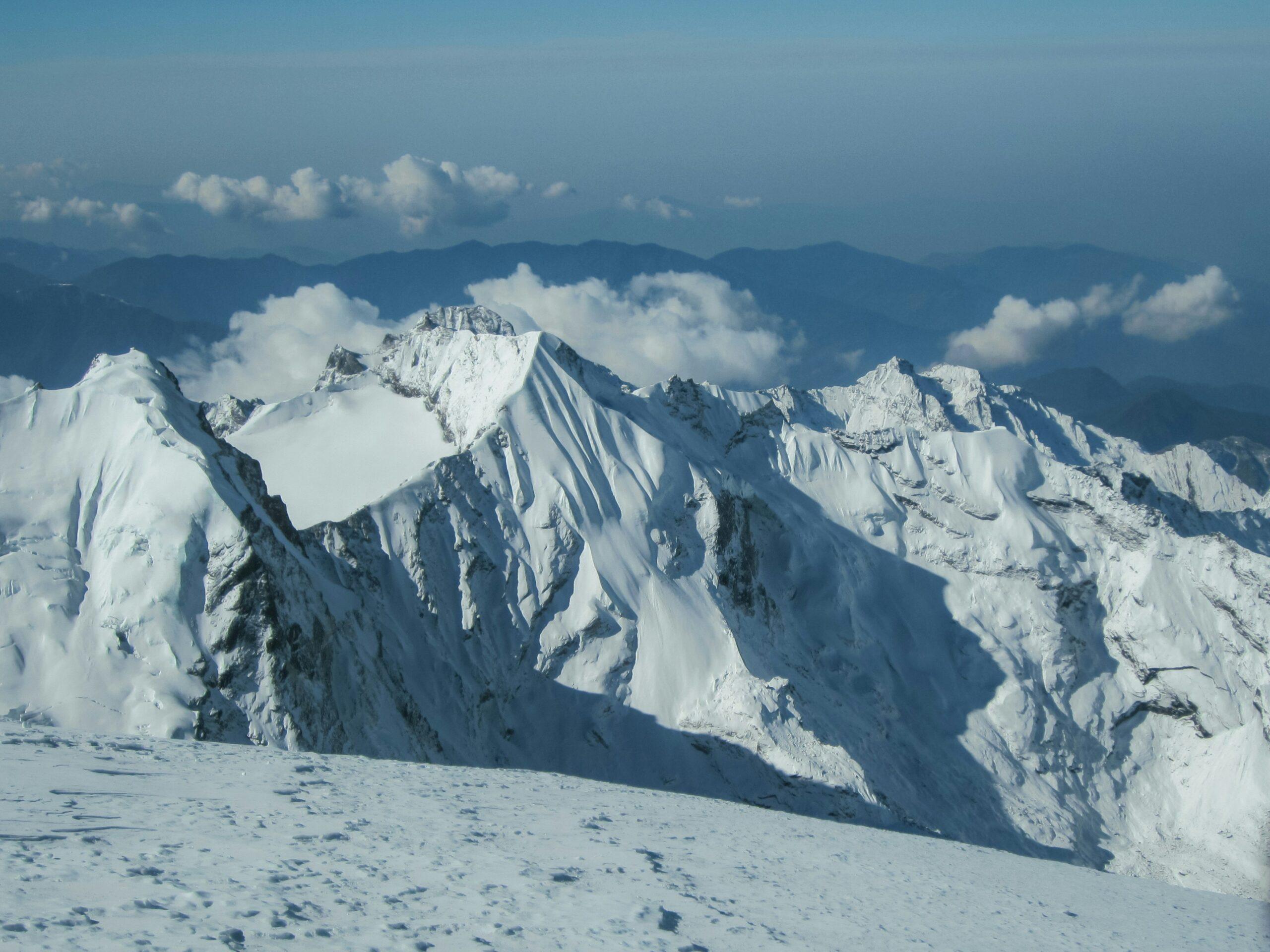
Mera Peak Climbing
$ 2,650.00$ 2,499.00
Product Description
Mera Peak Climbing: Complete Guide to Cost, Itinerary & Summit
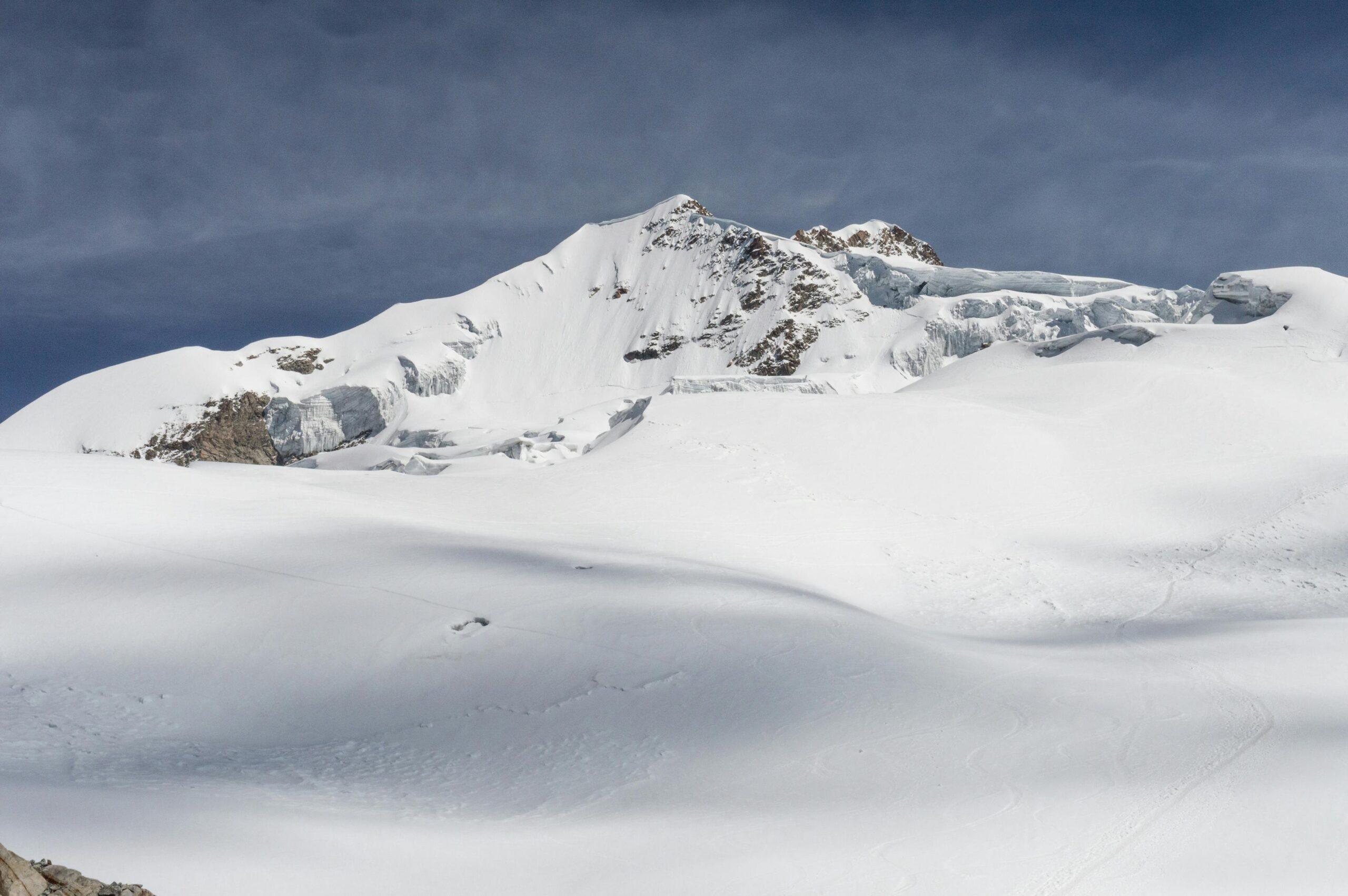
Mera Peak Climbing is one of the most rewarding Himalayan climbing adventures in Nepal, offering an exciting introduction to high-altitude mountaineering without requiring the same level of technical climbing experience as many higher Himalayan peaks. Standing at 6,476 meters (21,247 feet), Mera Peak is the highest trekking peak in Nepal and provides spectacular views of some of the world’s most famous mountains.
The journey combines trekking through the remote Khumbu region, high-altitude acclimatization, glacier travel, and the excitement of reaching a Himalayan summit. From the forests and villages of the lower Solukhumbu region to the snowy slopes of Mera Peak, every stage of the adventure offers something unique.
If you are planning Mera Peak Climbing in Nepal, this guide covers everything you need to know, including the Mera Peak climbing cost, itinerary, difficulty, permits, best season, route, equipment, preparation, and summit experience.
What Is Mera Peak Climbing?
Mera Peak Climbing is a Himalayan trekking and mountaineering adventure that takes climbers to the summit of Mera Peak in Nepal’s Everest region.
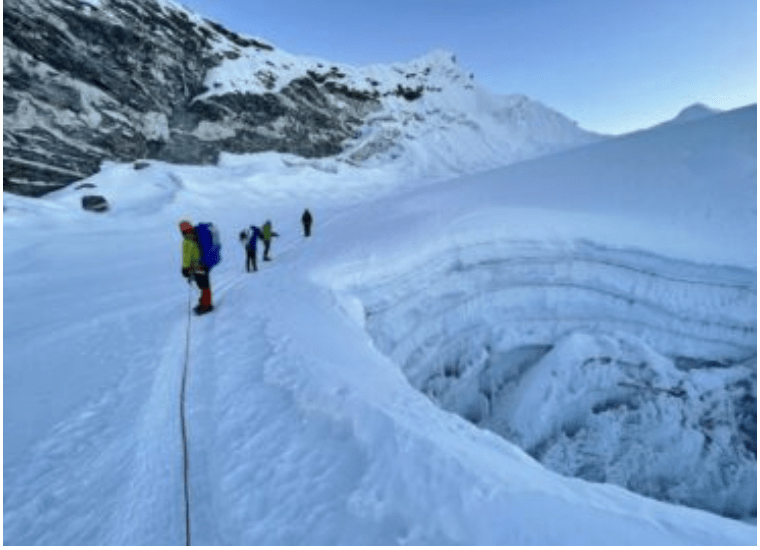
Although Mera Peak is commonly classified as a trekking peak, reaching its summit involves high-altitude mountaineering techniques, glacier travel, crampons, ropes, and an ice axe depending on the route and conditions.
The mountain has three main summits:
- Mera North – 6,476 m
- Mera Central – approximately 6,461 m
- Mera South – approximately 6,064 m
Most commercial expeditions aim for Mera Central, which provides an exceptional panoramic view of the Himalayan range.
From the summit, climbers can see several iconic mountains, including Mount Everest, Lhotse, Makalu, Cho Oyu, Kanchenjunga, and Baruntse in favorable conditions.
Why Choose Mera Peak Climbing in Nepal?
There are several reasons why Mera Peak is popular among trekkers and aspiring mountaineers.
1. Experience High-Altitude Mountaineering
Mera Peak provides an opportunity to experience climbing at more than 6,000 meters while developing fundamental mountaineering skills.
2. Spectacular Himalayan Views
The summit offers an incredible panorama of some of Nepal’s highest mountains.
3. Less Technical Than Many Himalayan Peaks
Compared with technically demanding Himalayan mountains, the standard Mera Peak climbing route is relatively straightforward. However, altitude, weather, glacier conditions, and steep terrain still make the climb physically demanding.
4. Remote Himalayan Experience
The route passes through quiet mountain settlements, forests, valleys, and high-altitude landscapes away from some of the busier trekking routes.
5. Ideal Preparation for Higher Expeditions
Mera Peak can be a valuable experience for climbers preparing for more demanding Himalayan expeditions.
Mera Peak Height and Altitude
The official height of Mera Peak is 6,476 meters (21,247 feet).
The altitude is one of the biggest challenges of the climb. Even though the technical difficulty is moderate, climbing above 6,000 meters requires proper acclimatization and physical preparation.
Altitude-related problems can affect climbers regardless of their previous trekking experience. A carefully planned itinerary therefore includes acclimatization days and gradual elevation gain.
Mera Peak Climbing Cost in Nepal
The Mera Peak climbing cost varies depending on the itinerary, group size, services, season, accommodation, guide and Sherpa support, permits, transportation, and equipment.
A typical commercial Mera Peak climbing package may include:
- Airport transfers
- Kathmandu accommodation
- Domestic flights
- Trekking accommodation
- Meals during the trek
- Experienced climbing guide
- Sherpa support
- Climbing permits
- National park or local-area fees
- Camping equipment
- Group climbing equipment
- Insurance for guides and support staff
- Ground transportation
- Trekking and climbing logistics
How Much Does Mera Peak Climbing Cost?
The total Mera Peak climbing price depends heavily on the quality and level of service included in the package.
Budget packages may provide basic services, while premium expeditions may include better accommodation, additional staff, private transportation, more comprehensive logistics, and stronger support at higher camps.
When comparing packages, travelers should look beyond the advertised price and check exactly what is included.
What Is Included in a Mera Peak Climbing Package?
A professional Mera Peak climbing package generally includes the major logistics required for the expedition.
Before booking, check whether your package includes:
- Airport pickup and drop-off
- Kathmandu hotel
- Domestic flights
- Trekking permits
- Climbing permits
- Experienced climbing guides
- Porters or Sherpa support
- Accommodation during the trek
- Meals
- Camping equipment
- High-altitude tents
- Kitchen and crew support
- Group climbing equipment
- Emergency communication
- Ground transportation
Personal expenses, international flights, travel insurance, personal climbing equipment, tips, and unexpected evacuation costs are usually separate.
Mera Peak Climbing Itinerary
A well-designed Mera Peak climbing itinerary normally takes around two to three weeks from arrival in Kathmandu, depending on the chosen route and acclimatization schedule.
A sample itinerary may look like this:
Day 1: Arrival in Kathmandu
Arrive in Kathmandu and transfer to your hotel. Meet your expedition team and prepare your equipment.
Day 2: Kathmandu Preparation and Briefing
Use the day to check climbing equipment, complete necessary preparations, and attend the expedition briefing.
Day 3: Fly to Lukla and Trek to Chhuthang
Take an early flight toward Lukla and begin trekking through the Solukhumbu region.
Day 4: Chhuthang to Thuli Kharka
Continue through forests and mountain terrain toward Thuli Kharka.
Day 5: Thuli Kharka to Kothe
Trek through the Hinku Valley toward Kothe.
Day 6: Kothe to Thangnak
Continue north along the Hinku Valley toward Thangnak.
Day 7: Acclimatization at Thangnak
Take an acclimatization day to allow your body to adjust to increasing altitude.
Short hikes around the area can help with acclimatization.
Day 8: Thangnak to Khare
Continue toward Khare, which serves as an important preparation point before climbing higher.
Day 9: Acclimatization and Climbing Training
Spend another day acclimatizing and practicing essential mountaineering techniques.
Depending on conditions, your climbing guide may provide training with:
- Crampons
- Ice axe
- Harness
- Ascender
- Ropes
- Glacier travel techniques
Day 10: Khare to Mera Base Camp
Trek toward Mera Base Camp and prepare for the high-altitude climbing section.
Day 11: Base Camp to High Camp
Climb toward High Camp while crossing increasingly snowy and glaciated terrain.
Day 12: Mera Peak Summit Day
Start very early for the summit attempt.
The climb can take several hours depending on weather, snow conditions, route conditions, and individual fitness.
After reaching the summit, enjoy panoramic Himalayan views before descending to a lower camp.
Day 13: Reserve or Descent Day
A reserve day can be extremely valuable because Himalayan weather can change rapidly.
If summit conditions are favorable, begin descending toward lower elevations.
Days 14–18: Return to Lukla and Kathmandu
Continue trekking through the Hinku Valley and return toward Lukla before flying back to Kathmandu.
Note: Actual itineraries vary according to route, weather, acclimatization requirements, flight schedules, and climbing conditions.
Mera Peak Climbing Difficulty
Mera Peak climbing difficulty is generally considered moderate to challenging because of the combination of altitude, long trekking days, cold temperatures, steep terrain, and glacier travel.
The technical climbing itself may be manageable for a properly trained climber, but the altitude makes the expedition significantly more demanding than an ordinary trek.
How Difficult Is Mera Peak Climbing?
The major challenges include:
- High altitude
- Low oxygen levels
- Long summit day
- Cold temperatures
- Snow and ice
- Glacier travel
- Steep sections
- Variable weather
- Physical exhaustion
The summit is above 6,400 meters, so proper acclimatization is essential.
Can Beginners Climb Mera Peak?
One of the most common questions is whether Mera Peak Climbing is suitable for beginners.
Mera Peak can be suitable for motivated trekkers with good physical fitness and proper preparation. However, it should not be treated as an easy trekking destination.
Previous high-altitude trekking experience is highly beneficial, and beginners should receive proper instruction in basic mountaineering skills before attempting the summit.
Anyone attempting Mera Peak should be prepared for long days, cold conditions, steep terrain, and significant altitude.
Best Time for Mera Peak Climbing
The best time for Mera Peak Climbing is generally during Nepal’s spring and autumn climbing seasons.
Spring Season
March to May offers generally favorable trekking and climbing conditions.
Advantages include:
- Stable weather
- Good visibility
- Mild conditions at lower elevations
- Beautiful mountain scenery
Autumn Season
September to November is another excellent period for climbing.
The post-monsoon atmosphere often provides clear mountain views and relatively stable weather.
Winter
Winter brings extreme cold and heavy snow at higher elevations. Although experienced climbers may attempt the mountain, conditions can be considerably more challenging.
Monsoon
June to August brings significant rainfall to lower elevations, potentially affecting trails and flights. High-altitude conditions can also be less predictable.
For most climbers, spring and autumn are the preferred seasons for Mera Peak Climbing in Nepal.
Mera Peak Climbing Route
The classic Mera Peak climbing route begins in the Lukla region and gradually moves toward the remote Hinku Valley.
A typical route includes:
Lukla → Chhuthang → Thuli Kharka → Kothe → Thangnak → Khare → Mera Base Camp → High Camp → Mera Peak Summit
The route gradually transitions from lush forests to alpine landscapes and finally to snow-covered high-altitude terrain.
The gradual progression is important because it allows climbers to acclimatize while trekking toward the summit.
Mera Peak Base Camp
Mera Peak Base Camp is an important stage of the expedition where climbers prepare for the higher sections of the mountain.
At Base Camp, the team may:
- Check climbing equipment
- Review weather conditions
- Practice mountaineering skills
- Rest and acclimatize
- Prepare for High Camp
- Discuss the summit strategy
The environment becomes increasingly remote and demanding at this altitude.
Mera Peak High Camp
High Camp is located at a significantly higher elevation and serves as the final major staging point before the summit attempt.
Climbers normally arrive at High Camp after spending sufficient time acclimatizing at lower elevations.
The summit push usually begins very early because climbers want to take advantage of favorable morning conditions and return to lower elevations before the weather deteriorates.
Mera Peak Climbing Permits
A Mera Peak climbing permit and other required permissions are necessary for the expedition.
Requirements and fees can change, so climbers should confirm the latest regulations before departure.
Depending on the route and current regulations, climbers may need permits and fees related to:
- Mera Peak climbing
- Sagarmatha National Park
- Local-area entry
- Domestic transportation
A professional trekking agency can assist with the required permits and expedition documentation.
Mera Peak Climbing Equipment List
Having the right equipment is essential for a safe and comfortable climb.
Clothing
- Thermal base layers
- Fleece jacket
- Down jacket
- Waterproof jacket
- Waterproof trousers
- Trekking pants
- Warm gloves
- Inner gloves
- Wool or synthetic socks
- Warm hat
- Balaclava
Climbing Equipment
- Mountaineering boots
- Crampons
- Ice axe
- Climbing harness
- Helmet
- Ascender
- Carabiners
- Climbing sling
- Prusik cord
- Headlamp
Trekking Equipment
- Backpack
- Sleeping bag
- Trekking poles
- Water bottles
- Water purification system
- Sunglasses
- Sunscreen
- First-aid supplies
- Personal medication
- Duffel bag
Your climbing agency should provide a detailed Mera Peak packing list before the expedition.
Physical Preparation for Mera Peak Climbing
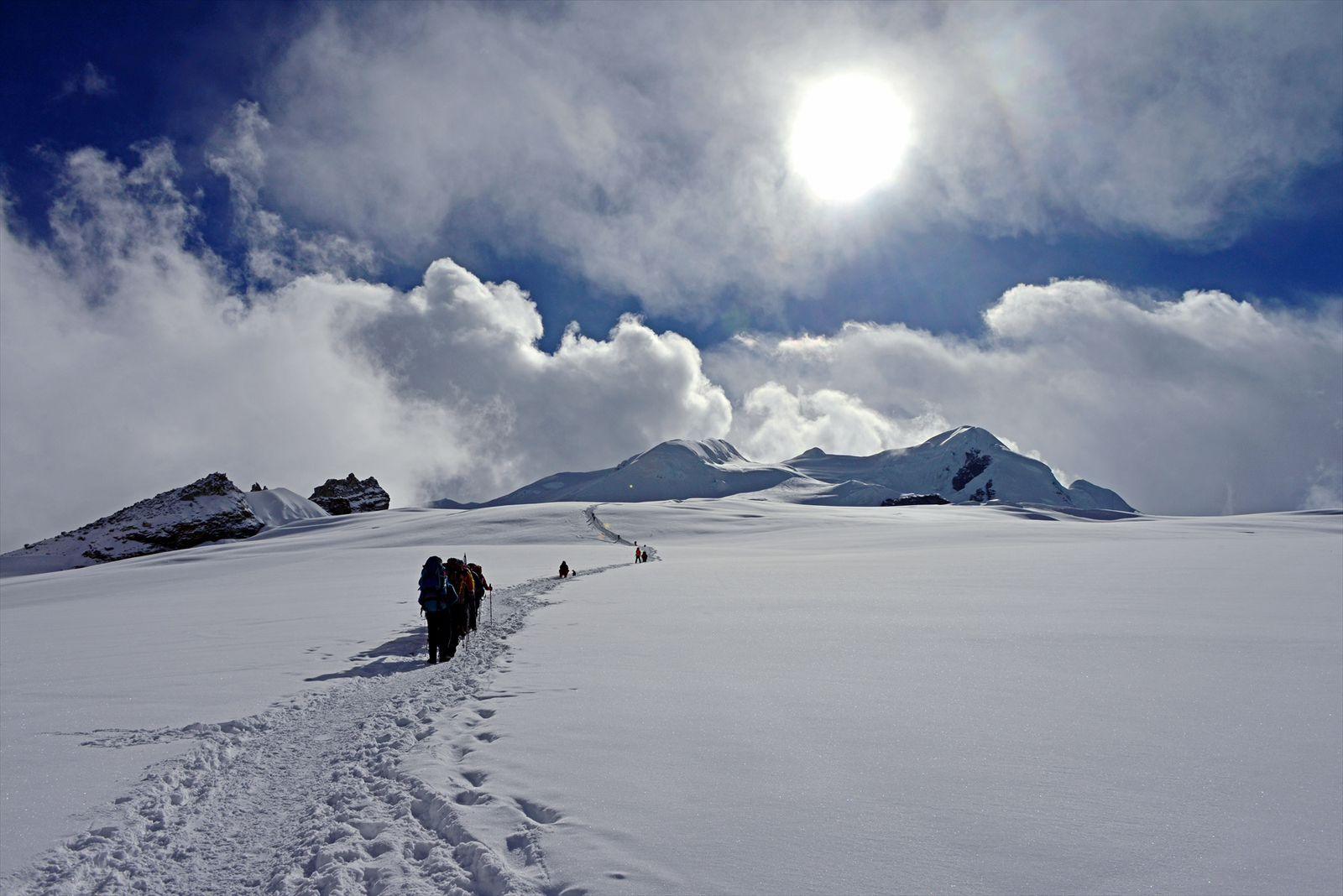
Climbers on the summit of Mera Peak, the highest trekking peak in Nepal, during a Destination Holiday Trek expedition.
Physical preparation is one of the most important parts of the expedition.
You should ideally begin training several weeks or months before your trip.
Cardiovascular Training
Include activities such as:
- Running
- Cycling
- Swimming
- Hiking
- Stair climbing
Strength Training
Focus on:
- Squats
- Lunges
- Step-ups
- Core exercises
- Calf exercises
- Leg strengthening
Endurance Training
Long-distance hikes carrying a moderate backpack can help prepare your body for multiple consecutive days in the mountains.
The goal is not simply to become strong. You need to develop endurance, cardiovascular fitness, balance, and the ability to perform for long periods at altitude.
Mera Peak Acclimatization
Acclimatization is essential because the amount of oxygen available decreases significantly as altitude increases.
A good itinerary should allow gradual altitude gain and adequate rest.
Common acclimatization strategies include:
- Gradual ascent
- Rest days
- Short acclimatization hikes
- Staying hydrated
- Maintaining adequate nutrition
- Avoiding excessive alcohol
- Listening to your guide and body
Symptoms such as severe headache, confusion, extreme weakness, difficulty breathing, or loss of coordination should never be ignored.
Food and Accommodation During Mera Peak Climbing
During the lower sections of the trek, accommodation is generally available in local teahouses and lodges.
As you move toward Base Camp and High Camp, facilities become increasingly basic and camping becomes necessary.
Typical trekking meals can include:
- Dal bhat
- Rice
- Noodles
- Pasta
- Soup
- Potatoes
- Eggs
- Bread
- Vegetables
- Tea
At higher elevations, maintaining adequate calorie and fluid intake becomes particularly important.
Mera Peak Climbing Guide and Sherpa Support
An experienced Mera Peak climbing guide can make a significant difference to the safety and success of the expedition.
Professional guides can assist with:
- Route navigation
- Acclimatization
- Weather assessment
- Climbing techniques
- Equipment management
- Glacier travel
- Emergency procedures
- Summit planning
Sherpa climbing support can also be valuable during high-altitude sections of the expedition.
Mera Peak Climbing Safety
Mountain climbing always involves risks, particularly at high altitude.
Potential hazards include:
- Altitude sickness
- Extreme cold
- Snowstorms
- High winds
- Falling rocks or ice
- Glacier crevasses
- Slippery terrain
- Exhaustion
- Flight delays
- Rapid weather changes
The best approach is to climb conservatively and follow the advice of experienced guides.
Never prioritize reaching the summit over safety.
The summit is optional; returning safely is essential.
Mera Peak Climbing Insurance
Travel insurance should be arranged before beginning the expedition.
For high-altitude climbing, make sure your insurance policy specifically covers the activities and elevation involved in your trip.
Depending on the policy, coverage may include:
- Emergency medical treatment
- High-altitude evacuation
- Helicopter evacuation
- Trip cancellation
- Lost baggage
- Travel delays
Always read the policy carefully rather than assuming that standard travel insurance covers mountaineering.
Mera Peak Climbing for Experienced Trekkers
Mera Peak is particularly attractive to trekkers who want to transition from high-altitude trekking into mountaineering.
If you have previously completed challenging Himalayan treks, you may already have experience with:
- High-altitude environments
- Long trekking days
- Remote mountain conditions
- Cold temperatures
- Multi-day expeditions
However, previous trekking experience does not eliminate the need for proper climbing preparation.
Mera Peak vs Island Peak
Mera Peak and Island Peak are two popular climbing objectives in Nepal.
Mera Peak is higher, reaching approximately 6,476 meters, while Island Peak reaches approximately 6,189 meters.
Mera Peak generally offers a more remote trekking experience, while Island Peak is located closer to the main Everest Base Camp trekking route.
The better choice depends on your:
- Previous experience
- Fitness
- Available time
- Interest in technical climbing
- Desired route
- Budget
Both peaks can provide valuable Himalayan mountaineering experience.
How Long Does Mera Peak Climbing Take?
A typical Mera Peak Climbing itinerary takes approximately two to three weeks from Kathmandu, although the exact duration varies.
Factors affecting the duration include:
- Chosen route
- Acclimatization schedule
- Weather
- Flight conditions
- Rest days
- Summit conditions
- Contingency days
Adding a reserve day is strongly recommended because mountain weather can change quickly.
Mera Peak Climbing Requirements
There is no single formula that guarantees a successful summit.
However, climbers should have:
- Good physical fitness
- Strong cardiovascular endurance
- Mental resilience
- Ability to walk for several hours per day
- Willingness to train with climbing equipment
- Proper acclimatization
- Appropriate clothing and equipment
- Travel insurance
- Experienced guide support
Previous high-altitude trekking or climbing experience is beneficial but does not replace proper preparation.
Frequently Asked Questions About Mera Peak Climbing
How much does Mera Peak Climbing cost?
The cost varies according to the itinerary, group size, permits, accommodation, guide and Sherpa support, transportation, equipment, and services included in the package.
How difficult is Mera Peak Climbing?
Mera Peak is considered a moderate-to-challenging high-altitude climb. The biggest challenges are altitude, endurance, cold weather, glacier conditions, and the long summit day.
How high is Mera Peak?
Mera Peak reaches approximately 6,476 meters (21,247 feet) above sea level.
How long does Mera Peak Climbing take?
Most itineraries take around two to three weeks from Kathmandu, although longer itineraries may be used to provide additional acclimatization and contingency days.
Can beginners climb Mera Peak?
Fit and well-prepared beginners may be able to climb Mera Peak with professional support and proper training. However, it should not be considered an easy trek because of the extreme altitude.
What is the best time for Mera Peak Climbing?
Spring and autumn are generally considered the best seasons because of more favorable weather and visibility.
What equipment is required for Mera Peak Climbing?
Essential equipment can include mountaineering boots, crampons, an ice axe, harness, helmet, warm clothing, sleeping bag, headlamp, and other high-altitude trekking equipment.
Do I need a climbing guide for Mera Peak?
Professional guide support is strongly recommended, particularly for climbers without previous Himalayan mountaineering experience.
Where is Mera Peak located?
Mera Peak is located in Nepal’s Khumbu region, in the vicinity of the Hinku Valley and Makalu-Barun area.
Is Mera Peak harder than Everest Base Camp?
Mera Peak is significantly more demanding than the Everest Base Camp trek because it involves climbing above 6,400 meters and requires mountaineering equipment and high-altitude preparation.
Book Your Mera Peak Climbing Adventure in Nepal
Mera Peak Climbing is more than simply reaching a Himalayan summit. It is a journey through remote mountain landscapes, challenging high-altitude terrain, and some of Nepal’s most spectacular scenery.
With proper preparation, a carefully designed itinerary, experienced guides, appropriate equipment, and adequate acclimatization, Mera Peak can be an unforgettable introduction to Himalayan mountaineering.
If you are planning your Mera Peak Climbing adventure in Nepal, choose an experienced local trekking and climbing agency that can manage permits, transportation, accommodation, guides, Sherpa support, climbing logistics, and safety throughout the journey.
Start planning your Mera Peak adventure and take the next step toward standing on a Himalayan summit.
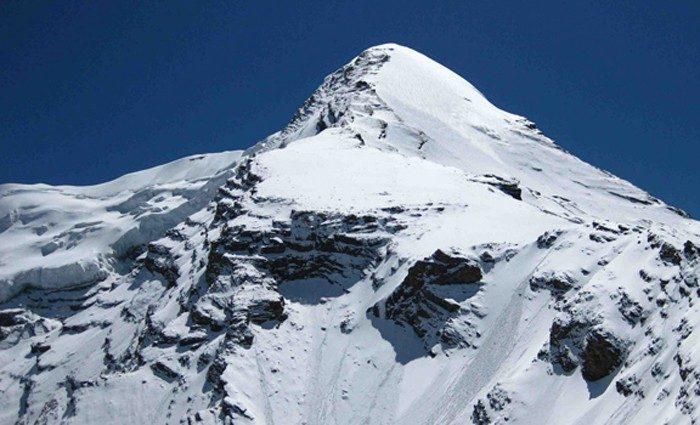
For the latest information on trekking regulations, permits, conservation areas, and mountaineering requirements in Nepal, visit the official Nepal Tourism Board and relevant government authorities before planning your Pisang Peak Climbing adventure.
Also if you want to view our other treks then you can follow this link.
Reviews
There are no reviews yet.