

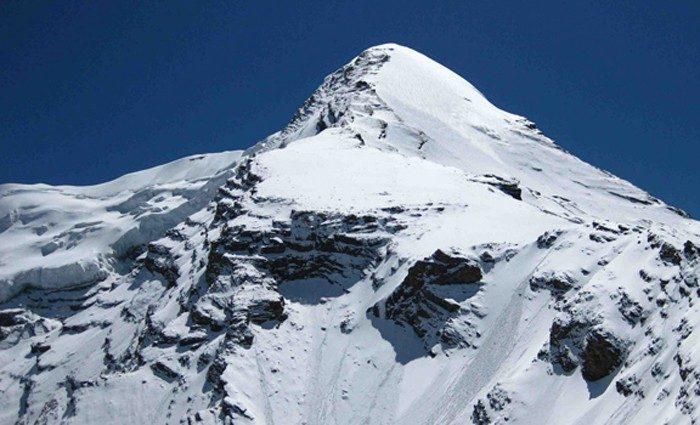
Pisang Peak Climbing
$ 2,550.00$ 2,499.00
Product Description
Pisang Peak Climbing: 10 Essential Tips for an Epic Himalayan Adventure
Pisang Peak climbing is one of Nepal’s most popular Himalayan climbing adventures, combining the classic Annapurna trekking experience with an exciting ascent of a 6,091-meter Himalayan peak. Located in the Annapurna region, Pisang Peak offers spectacular views of Annapurna II, Annapurna III, Annapurna IV, Gangapurna, Tilicho Peak and the surrounding Himalayan landscape.For trekkers looking to progress from high-altitude trekking to Himalayan peak climbing, Pisang Peak is an excellent introduction to technical mountaineering in Nepal.
This complete guide covers everything you need to know about Pisang Peak climbing, including the Pisang Peak climbing cost, itinerary, difficulty, best season, permits, route and preparation.
What Is Pisang Peak?
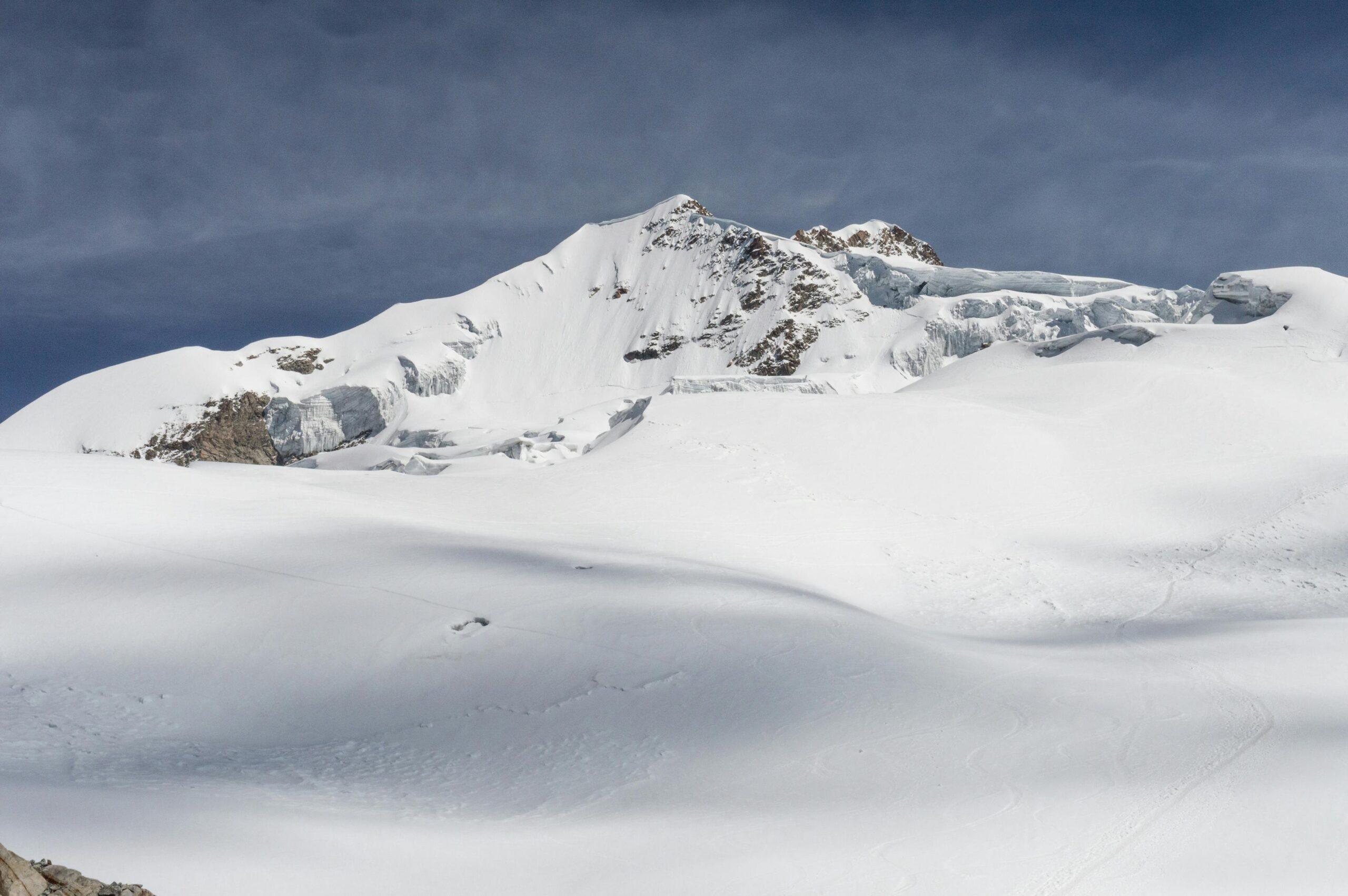
Pisang Peak is a 6,091-meter (19,984-foot) trekking peak located in the Annapurna region of Nepal.
The mountain rises above Pisang village along the famous Annapurna Circuit. Its location makes it particularly attractive because climbers can combine the peak ascent with one of Nepal’s most scenic trekking routes.
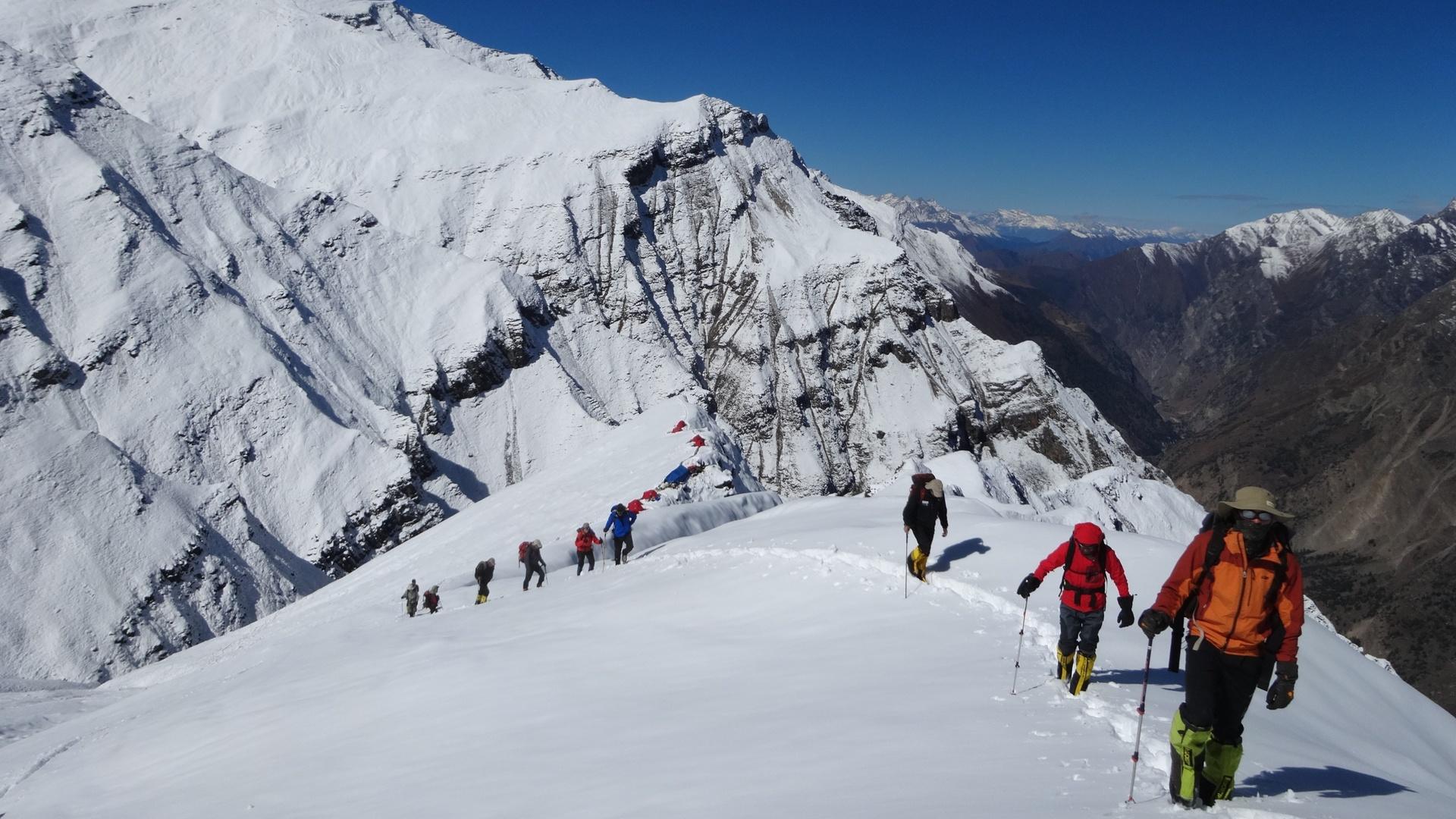
The normal climbing route involves trekking through the Marsyangdi Valley before reaching Pisang Base Camp and High Camp. From High Camp, climbers make an early-morning summit attempt before descending.
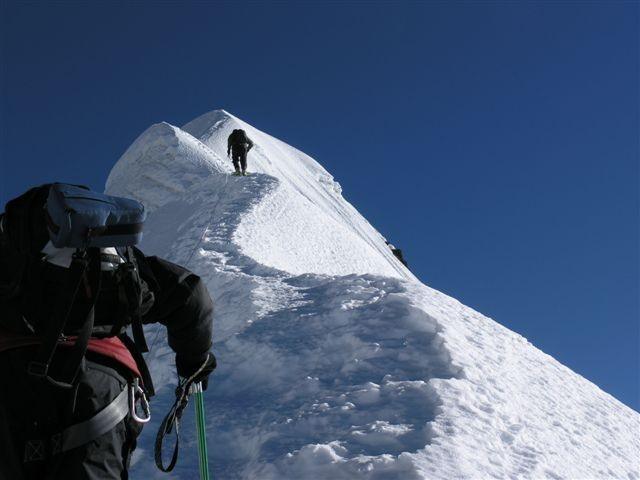
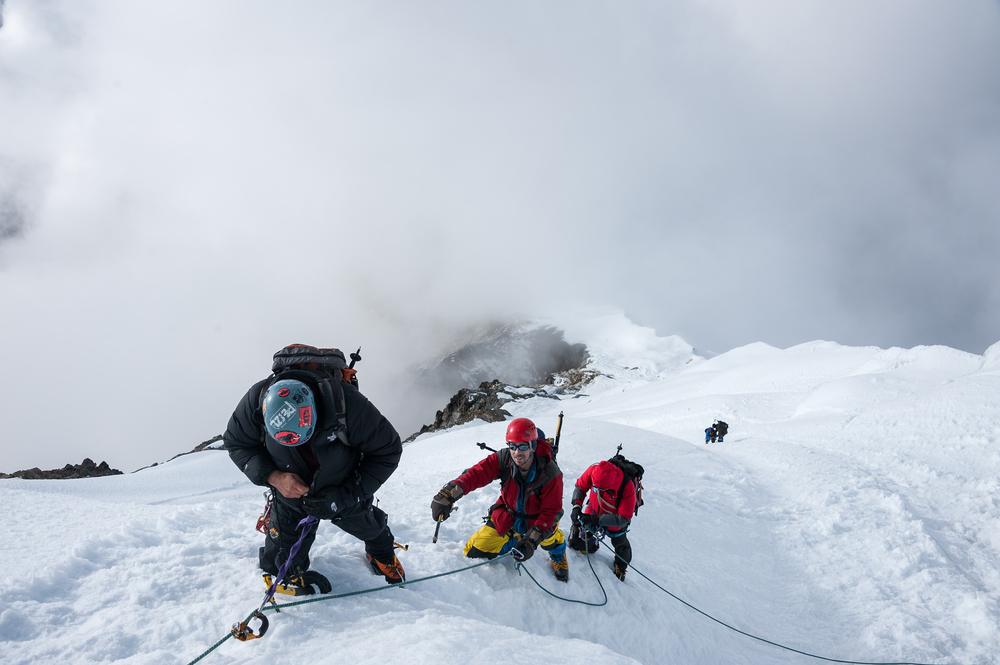
Although Pisang Peak is often considered a suitable climbing peak for experienced trekkers, it should not be underestimated. Climbers may encounter steep snow, ice, exposed terrain and changing Himalayan weather conditions.
Why Climb Pisang Peak?
There are several reasons why Pisang Peak climbing is popular among adventure travelers.
1. Spectacular Annapurna Mountain Views
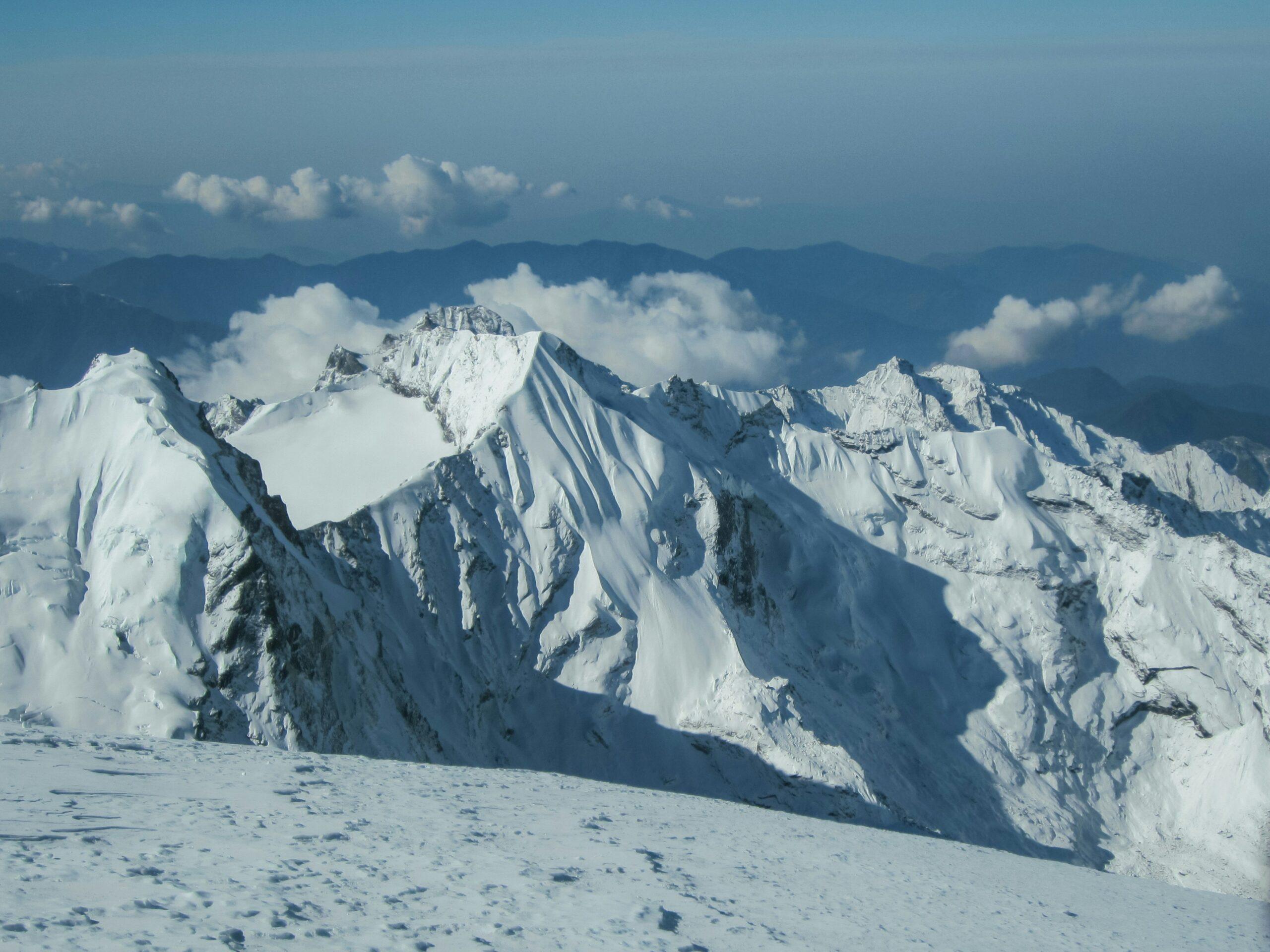
From the Pisang Peak climbing route, you can experience impressive views of some of the world’s most famous Himalayan mountains, including:
- Annapurna II
- Annapurna III
- Annapurna IV
- Gangapurna
- Tilicho Peak
- Chulu peaks
- Manaslu and surrounding ranges
The combination of mountain scenery and traditional Himalayan villages makes the journey particularly rewarding.
2. Ideal Introduction to Himalayan Climbing
Pisang Peak can be an excellent choice for climbers who have previous high-altitude trekking experience and want to attempt their first Himalayan trekking peak.
The expedition introduces climbers to:
- Crampon techniques
- Ice axe use
- Rope techniques
- Ascending steep terrain
- High-altitude camping
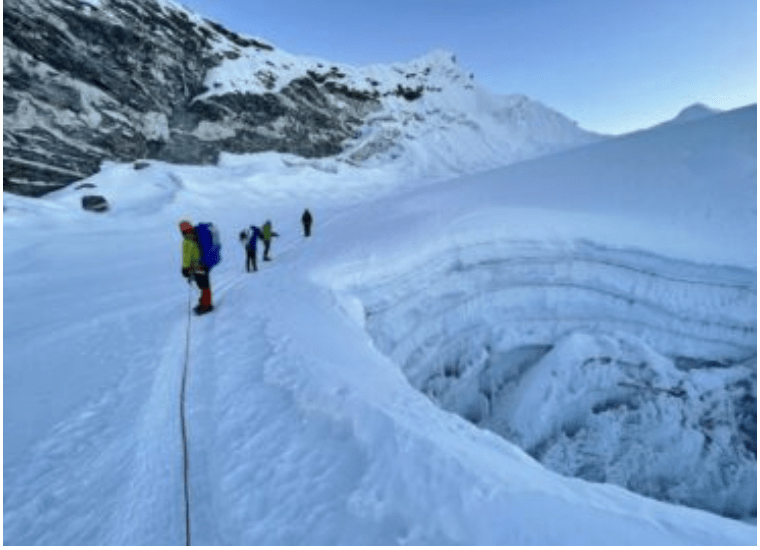
- Glacier and snow travel
- Himalayan expedition routines
Previous mountaineering experience is highly beneficial, and proper preparation is essential.
3. Combine Climbing With the Annapurna Circuit
One of the biggest advantages of the expedition is that Pisang Peak can be incorporated into an Annapurna Circuit itinerary.
Instead of completing a separate climbing expedition, travelers can experience:
Annapurna Circuit + Pisang Peak Climbing
This creates a diverse adventure involving mountain villages, cultural experiences, high-altitude trekking and technical climbing.
Pisang Peak Climbing Cost
The Pisang Peak climbing cost varies depending on the itinerary, group size, services included and length of the expedition.
A typical commercial Pisang Peak climbing package can include:
- Airport transfers
- Kathmandu accommodation
- Trekking accommodation
- Camping during the climbing section
- Experienced climbing guide
- Sherpa support
- Porters
- Climbing permits
- Conservation and local permits
- Trekking permits
- Food during the trek and climbing period
- Tents and camping equipment
- Kitchen and support staff
- Necessary climbing equipment
- Ground transportation
- Staff wages and insurance
Estimated Pisang Peak Climbing Cost
For an organized expedition, travelers should generally expect the total cost to be several thousand US dollars, depending on the level of service and itinerary.
The final price can change considerably based on:
| Cost Factor | Impact on Price |
|---|---|
| Trip duration | Longer trips cost more |
| Group size | Larger groups can reduce per-person costs |
| Guide and Sherpa support | Private support increases cost |
| Accommodation | Premium hotels increase cost |
| Transportation | Private transportation costs more |
| Equipment | Rental or purchase affects budget |
| Permits | Required climbing and trekking permits add cost |
| Season | Peak-season logistics can be more expensive |
Important: Always check exactly what is included in a climbing package before booking. A cheaper package may exclude permits, equipment, meals, accommodation or climbing support.
Pisang Peak Climbing Itinerary
A typical Pisang Peak climbing itinerary takes approximately 18–21 days, depending on the starting point, acclimatization schedule and whether the expedition is combined with the Annapurna Circuit.
Below is an example itinerary.
Day 1: Arrival in Kathmandu
Arrive in Kathmandu and meet your trekking agency or climbing team.
You can use this day to complete preparations, check climbing equipment and attend a briefing.
Overnight: Kathmandu
Day 2: Kathmandu Preparation Day
Spend the day preparing for the expedition.
Your climbing guide can inspect your equipment and help arrange any missing gear.
This is also a useful day to obtain permits and complete final preparations.
Overnight: Kathmandu
Day 3: Drive to Dharapani
Travel from Kathmandu toward the Annapurna region and continue to Dharapani.
The journey takes you through changing landscapes, rivers, hills and traditional villages.
Overnight: Dharapani
Day 4: Trek to Chame
Begin trekking through the Marsyangdi Valley toward Chame.
The trail passes through forests and mountain settlements while the Himalayan scenery gradually becomes more dramatic.
Overnight: Chame
Day 5: Trek to Pisang
Continue toward Pisang.
As you approach Pisang, the landscape becomes increasingly alpine, with spectacular views of the surrounding mountains.
Overnight: Pisang
Day 6: Acclimatization in Pisang
Take an acclimatization day around Pisang.
Rather than remaining completely inactive, a short hike can help your body adjust to the increasing altitude.
This is also an opportunity to prepare climbing equipment.
Overnight: Pisang
Day 7: Trek to Pisang Peak Base Camp
Leave Pisang and ascend toward Pisang Peak Base Camp.
The environment changes from the relatively comfortable trekking trail to a more rugged high-altitude landscape.
Overnight: Pisang Peak Base Camp
Day 8: Acclimatization and Climbing Training
Spend the day acclimatizing and preparing for the summit attempt.
Depending on conditions, your climbing guide may provide training on:
- Crampon techniques
- Ice axe techniques
- Rope systems
- Ascending steep terrain
- Descending safely
- Basic climbing safety
This training is particularly valuable for climbers with limited technical climbing experience.
Overnight: Base Camp
Day 9: Move to Pisang Peak High Camp
Trek from Base Camp toward High Camp.
The ascent becomes progressively steeper and more demanding.
Your climbing team will establish camp and prepare equipment for the summit attempt.
Overnight: High Camp
Day 10: Pisang Peak Summit Attempt
Summit day normally begins very early.
After breakfast, the climbing team begins the ascent toward the summit.
Depending on the route and conditions, climbers may encounter snow, ice and steep sections requiring rope and crampon techniques.
After reaching the summit, enjoy panoramic Himalayan views before beginning the descent.
Overnight: Base Camp or lower camp
Day 11: Contingency / Weather Day
A contingency day is extremely useful for Pisang Peak climbing.
Mountain weather can change quickly, and summit attempts sometimes need to be postponed because of:
- Strong winds
- Heavy snowfall
- Poor visibility
- Unsafe snow conditions
- Unfavorable forecasts
If the summit attempt was successful, this day can be used to continue the trek.
Day 12: Trek Toward Manang
Descend from the climbing area and continue toward Manang.
The trail provides a dramatic transition from the climbing environment to the classic Annapurna Circuit.
Overnight: Manang
Day 13: Acclimatization in Manang
Spend another acclimatization day in Manang.
A short hike around the valley provides an excellent opportunity to explore the region while continuing altitude adaptation.
Overnight: Manang
Day 14: Trek to Thorong Phedi
Continue toward Thorong Phedi.
The landscape becomes increasingly barren and high-altitude as you approach the Thorong La region.
Overnight: Thorong Phedi
Day 15: Cross Thorong La Pass
Start early and cross Thorong La Pass at approximately 5,416 meters.
The pass is one of the highlights of the Annapurna Circuit and offers spectacular mountain scenery.
Descend toward Muktinath after crossing the pass.
Overnight: Muktinath
Day 16: Trek/Drive Toward Jomsom
Continue through the Mustang region toward Jomsom.
The landscape changes dramatically as you descend into the Kali Gandaki Valley.
Overnight: Jomsom
Day 17: Fly to Pokhara
Depending on weather and transportation conditions, fly from Jomsom to Pokhara.
Pokhara provides a relaxing change of pace after the high-altitude expedition.
Overnight: Pokhara
Day 18: Return to Kathmandu
Travel back to Kathmandu.
Spend the evening relaxing, shopping for souvenirs or enjoying the city.
Overnight: Kathmandu
Day 19: Departure
Your Pisang Peak climbing adventure officially comes to an end.
Transfer to the airport for your international departure.
Pisang Peak Climbing Difficulty
Pisang Peak is considered a challenging Himalayan trekking peak rather than a simple trekking destination.
The difficulty comes from a combination of:
- High altitude
- Long summit day
- Steep terrain
- Snow and ice conditions
- Weather changes
- Physical endurance
- Technical climbing requirements
The exact difficulty can vary significantly depending on seasonal conditions and the route used.
A strong level of physical fitness and previous high-altitude trekking experience is recommended.
Best Season for Pisang Peak Climbing
The best seasons for Pisang Peak climbing are generally:
Spring: March to May
Spring offers relatively stable weather and excellent mountain visibility.
The warmer temperatures and generally favorable conditions make this one of the most popular climbing seasons.
Autumn: September to November
Autumn is another excellent season for climbing in Nepal.
After the monsoon, skies are often clearer and the mountain scenery can be spectacular.
Spring and autumn are generally the preferred seasons for Pisang Peak climbing.
Winter can bring extreme cold and challenging snow conditions, while the monsoon can cause rain, clouds and difficult trail conditions at lower elevations.
Pisang Peak Climbing Permits
Climbers need the appropriate permits for Pisang Peak and the trekking route.
Depending on the itinerary, these can include:
- Pisang Peak climbing permit
- Annapurna Conservation Area Permit (ACAP)
- Trekker registration requirements
- Other applicable local or regional permits
Permit requirements and fees can change, so travelers should verify the latest requirements before departure.
A registered trekking agency can normally arrange the required permits as part of the expedition package.
Pisang Peak Climbing Route
The classic approach follows the Annapurna region and eventually branches toward Pisang Peak.
A simplified route can look like:
Kathmandu → Dharapani → Chame → Pisang → Pisang Peak Base Camp → High Camp → Summit → Manang → Thorong La → Muktinath → Jomsom → Pokhara → Kathmandu
This route combines some of the best elements of the Annapurna region:
Mountain scenery + Himalayan villages + high-altitude trekking + technical climbing + cultural experiences
Pisang Peak Climbing Equipment
Proper equipment is essential for a safe and successful expedition.
Clothing
- Base layers
- Fleece jacket
- Down jacket
- Waterproof jacket
- Trekking trousers
- Insulated trousers
- Gloves
- Warm hat
- Trekking socks
- Mountaineering socks
Climbing Equipment
Depending on the route and operator, required equipment may include:
- Mountaineering boots
- Crampons
- Ice axe
- Climbing harness
- Helmet
- Carabiners
- Ascender
- Descender
- Climbing slings
- Mountaineering rope
- Headlamp
Trekking Equipment
You should also carry:
- Backpack
- Sleeping bag
- Trekking poles
- Water bottles
- Water purification system
- Sunglasses
- Sunscreen
- First-aid supplies
- Personal medication
- Headlamp
- Duffel bag
Your climbing agency should provide a detailed equipment checklist before departure.
Physical Preparation for Pisang Peak
Good preparation can make a major difference.
Start training several weeks or months before your expedition.
Focus on:
Cardiovascular Training
Walking, hiking, running, cycling and stair climbing can improve cardiovascular endurance.
Strength Training
Focus particularly on:
- Legs
- Core
- Back
- Shoulders
Hiking Practice
Regular hiking with a backpack is one of the best ways to prepare for the expedition.
Gradually increase:
- Distance
- Elevation gain
- Hiking duration
- Backpack weight
The objective is not simply to become stronger but to develop the endurance required for multiple consecutive days at altitude.
Altitude Acclimatization
Altitude is one of the most important considerations during Pisang Peak climbing.
A well-designed itinerary should include adequate acclimatization days and gradual elevation gain.
Listen to your climbing guide and pay attention to symptoms such as:
- Headache
- Nausea
- Dizziness
- Unusual fatigue
- Shortness of breath
Do not ignore symptoms of altitude illness.
If symptoms become serious or worsen, descending to a lower elevation is often the safest response.
Accommodation During Pisang Peak Climbing
Accommodation depends on the itinerary.
During the trekking section, climbers generally stay in local teahouses or lodges.
During the climbing section, accommodation can involve:
- Tents
- Sleeping bags
- Dining tents
- Kitchen tents
- High-altitude camps
The transition from teahouse trekking to expedition-style camping is an important part of the experience.
Food During the Expedition
Food is generally available at teahouses during the trekking section.
Common meals include:
- Dal bhat
- Rice
- Noodles
- Pasta
- Soup
- Potatoes
- Eggs
- Bread
- Vegetables
- Tibetan-style dishes
At higher elevations, expedition staff may prepare meals at camp.
Staying hydrated and maintaining adequate calorie intake is particularly important during the climbing period.
Who Should Climb Pisang Peak?
Pisang Peak can be suitable for:
- Experienced trekkers
- Adventure travelers
- Beginner mountaineers with proper training
- Climbers looking for a Himalayan trekking peak
- Travelers combining Annapurna Circuit with peak climbing
However, it is not simply an extended sightseeing trek.
You should be prepared for long trekking days, high altitude, cold temperatures and technical climbing sections.
Pisang Peak vs. Other Nepal Trekking Peaks
Pisang Peak is one of several popular trekking peaks in Nepal.
It is particularly attractive because it combines naturally with the Annapurna Circuit.
Other popular peaks include:
- Island Peak
- Mera Peak
- Lobuche East
- Yala Peak
- Chulu Far East
The right peak depends on your previous climbing experience, technical ability, available time and desired level of difficulty.
Book Your Pisang Peak Climbing Adventure
Ready to experience the Annapurna region from a different perspective?
Pisang Peak climbing offers an unforgettable combination of Himalayan trekking, technical climbing, spectacular mountain scenery and authentic Himalayan culture.
Whether you are an experienced trekker looking for your next challenge or an aspiring mountaineer preparing for your first Himalayan peak, Pisang Peak can be an extraordinary adventure with the right preparation, experienced guides and a properly designed itinerary.
Contact Destination Holiday Trek to plan your Pisang Peak climbing adventure in Nepal.
Frequently Asked Questions About Pisang Peak Climbing
How high is Pisang Peak?
Pisang Peak stands at approximately 6,091 meters (19,984 feet) above sea level.
How difficult is Pisang Peak climbing?
Pisang Peak is a challenging trekking peak involving high-altitude trekking and technical climbing. Difficulty can vary according to weather, snow and route conditions.
How much does Pisang Peak climbing cost?
The Pisang Peak climbing cost depends on the duration, group size, permits, accommodation, transportation, guides, climbing support and equipment. A complete commercial expedition generally costs several thousand US dollars.
How many days does Pisang Peak climbing take?
A typical expedition can take approximately 18–21 days, although itineraries vary depending on acclimatization, transportation and whether the climb is combined with the Annapurna Circuit.
When is the best time for Pisang Peak climbing?
Spring (March–May) and autumn (September–November) are generally considered the best seasons for climbing.
Do I need previous climbing experience?
Previous mountaineering experience is highly beneficial. Climbers should have good physical fitness and be prepared to learn and use basic technical climbing techniques.
Can I combine Pisang Peak with the Annapurna Circuit?
Yes. This is one of the major advantages of Pisang Peak. The climb can be incorporated into a longer Annapurna Circuit itinerary.
What mountains can I see from Pisang Peak?
The climb and surrounding region provide views of major Himalayan peaks including Annapurna II, Annapurna III, Annapurna IV, Gangapurna and Tilicho Peak.
Final Thoughts
Pisang Peak is more than a mountain ascent. It is a journey through the heart of the Annapurna region, combining Himalayan villages, dramatic landscapes, high-altitude trekking and the challenge of reaching a 6,091-meter summit.
With a carefully planned Pisang Peak climbing itinerary, proper acclimatization, appropriate equipment and experienced climbing support, the expedition can become one of the most memorable adventures in Nepal.
For the latest information on trekking regulations, permits, conservation areas, and mountaineering requirements in Nepal, visit the official Nepal Tourism Board and relevant government authorities before planning your Pisang Peak Climbing adventure.
Also if you want to view our other treks then you can follow this link.
Reviews
There are no reviews yet.