

Pikey Peak Trek-7 Days
$ 750.00$ 600.00
Product Description
Pikey Peak Trek: Complete Guide to Cost, Itinerary, Difficulty & Best Time
The Pikey Trek is one of Nepal’s most rewarding short trekking adventures, offering spectacular panoramic views of the Himalayas while taking trekkers through peaceful Sherpa villages, beautiful forests, Buddhist monasteries and traditional mountain landscapes.
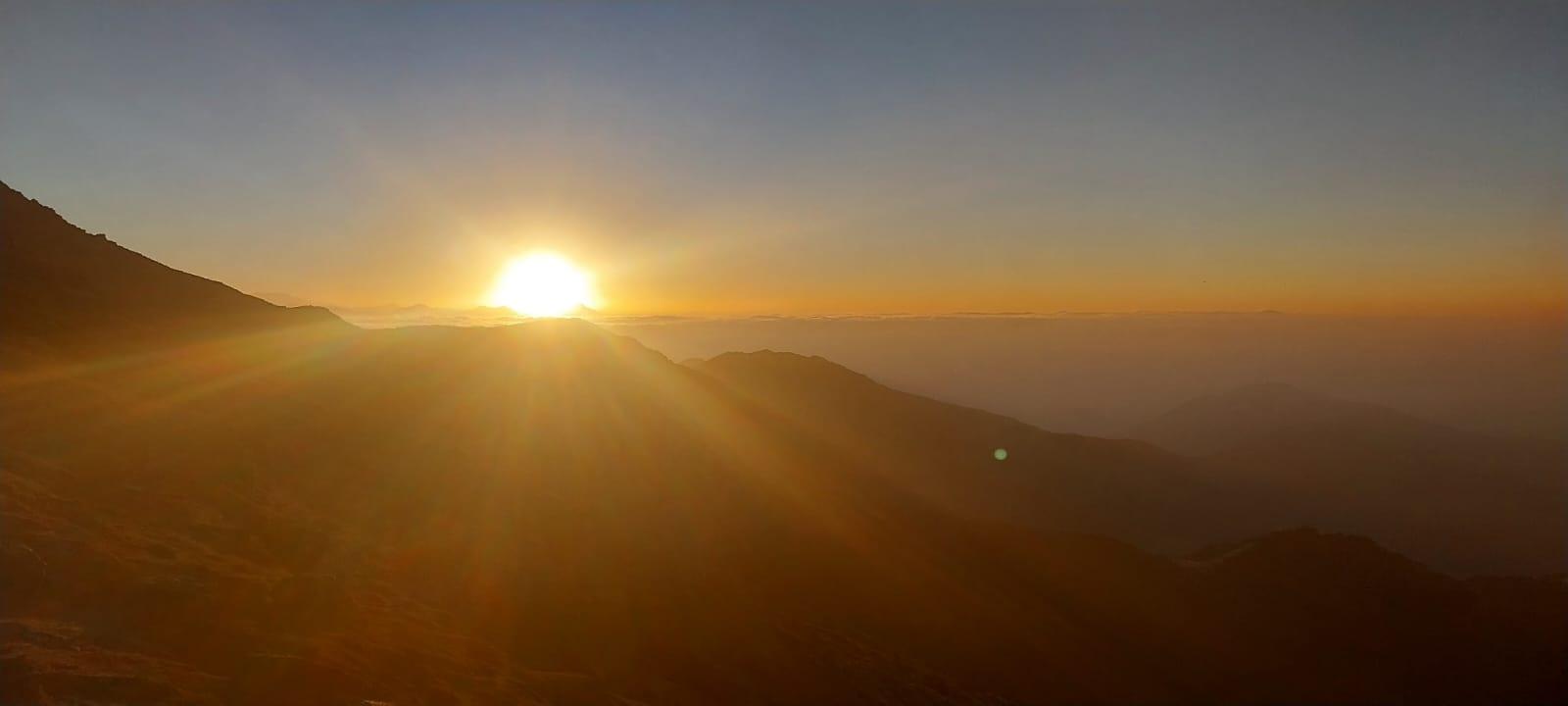
Located in the lower Solukhumbu region, the trek is centered around Pikey Peak, a scenic viewpoint famous for its exceptional sunrise and sunset views over the Himalayan range.
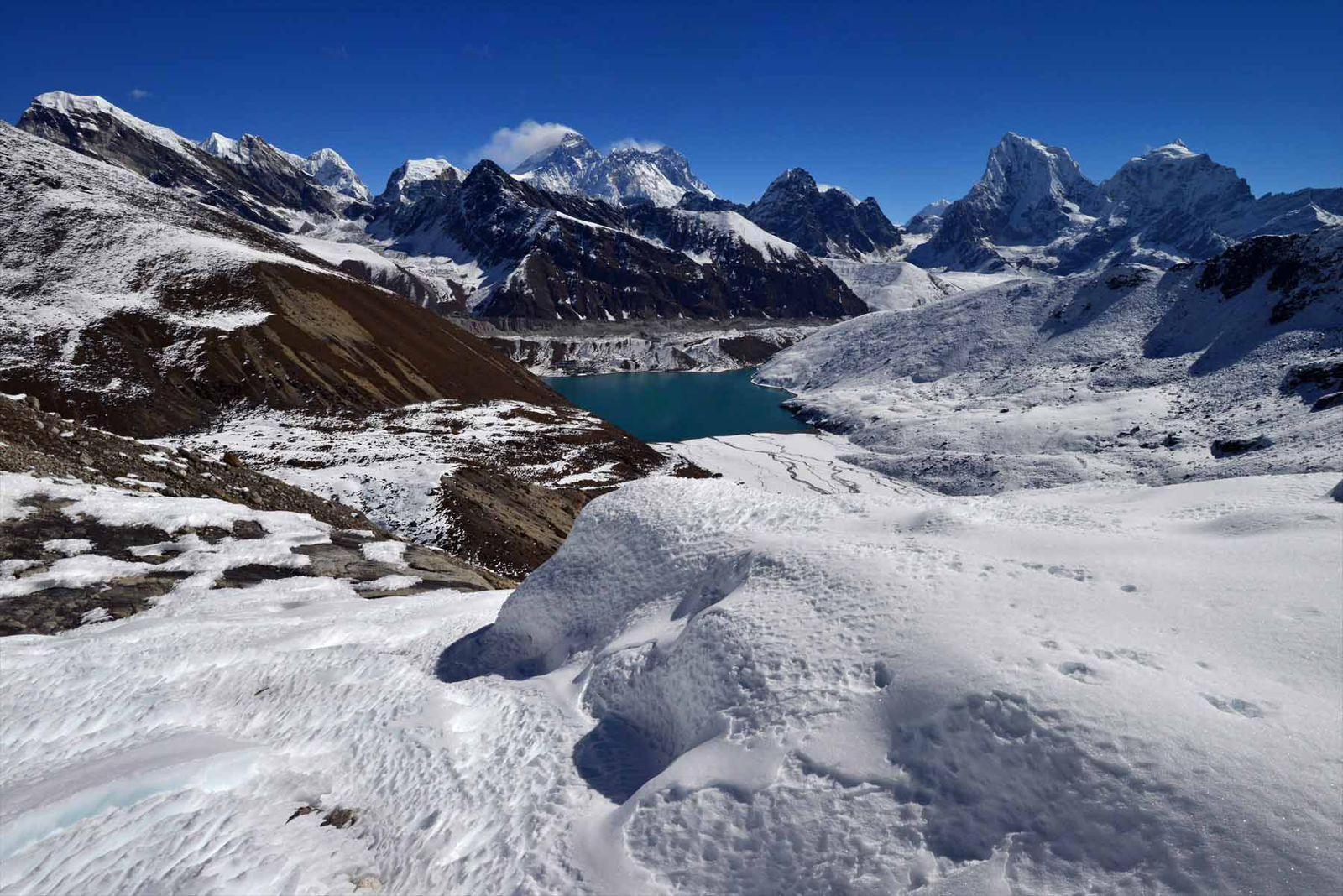
From the summit area, trekkers can enjoy views of some of Nepal’s most iconic mountains, including Mount Everest, Makalu, Kanchenjunga, Lhotse, Numbur Himal and Mera Peak, depending on weather and visibility.
Unlike the busy Everest Base Camp route, the Pikey Trek offers a quieter and more culturally immersive Himalayan experience. It is particularly attractive to travelers who want spectacular Everest-region scenery without spending two or more weeks at high altitude.
Whether you are researching the Pikey Trek cost, itinerary, difficulty, altitude, route, permits, or best time, this complete guide provides everything you need to plan your journey.
What Is the Pikey Trek?
The Pikey Trek is a short-to-moderate trekking route in Nepal’s Solukhumbu region.
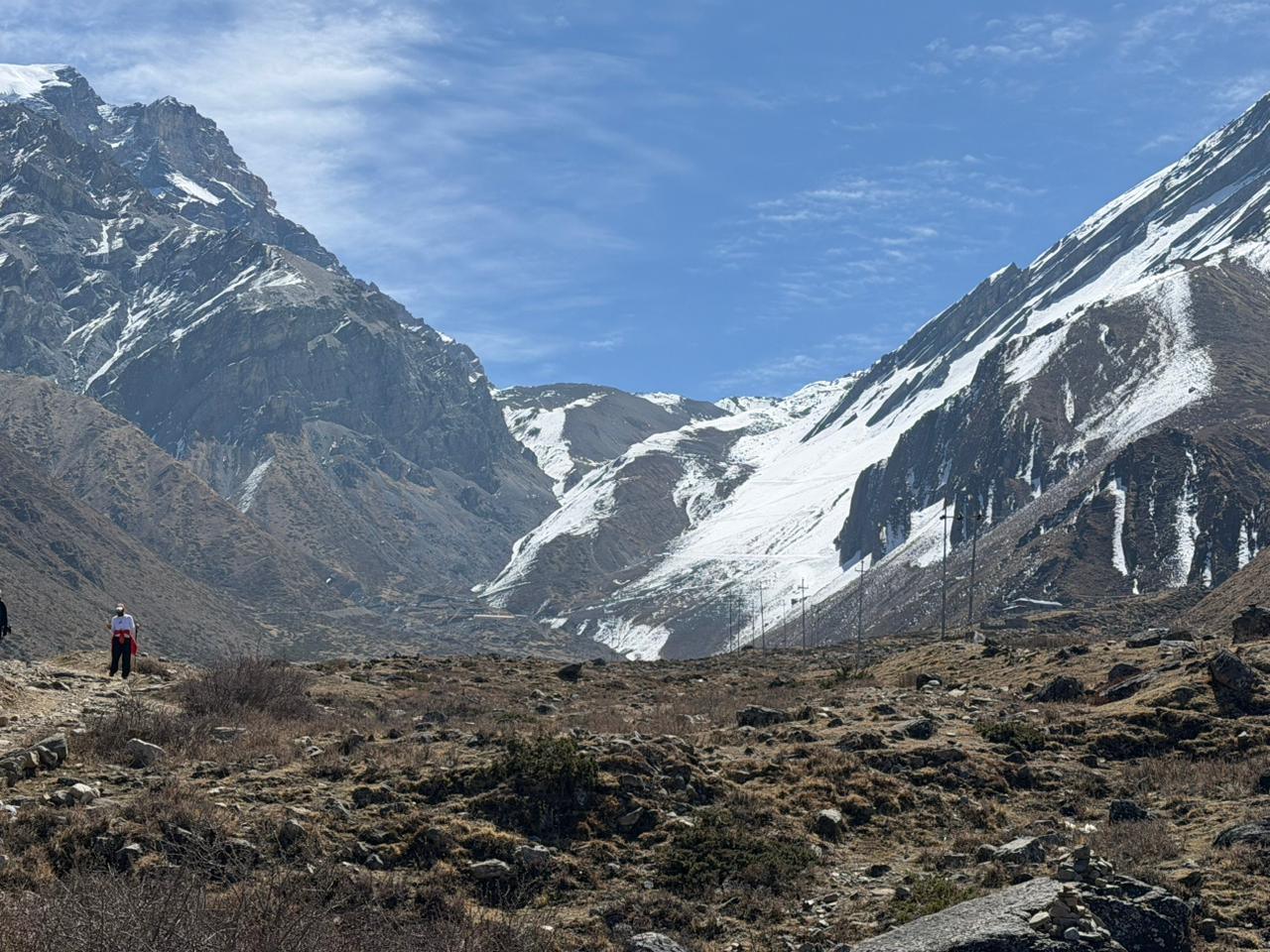
The trek takes you through remote Sherpa settlements, rhododendron and pine forests, mountain ridges, monasteries and scenic viewpoints before reaching Pikey Peak.
Pikey Peak is generally associated with an elevation of approximately 4,065 meters (13,335 feet), depending on the particular summit or viewpoint referenced.
The route provides an excellent alternative to more crowded Everest-region trekking routes.
Instead of focusing on reaching Everest Base Camp, the Pikey Trek emphasizes:
- Himalayan panoramic views
- Sherpa culture
- Buddhist monasteries
- Peaceful mountain villages
- Forest trails
- Sunrise and sunset viewpoints
- A quieter trekking experience
Why Choose the Pikey Trek?
There are several reasons why the Pikey Trek has become increasingly popular among trekkers looking for an alternative Himalayan adventure.
1. Incredible Everest Views
One of the biggest attractions of Pikey Peak is its panoramic Himalayan scenery.
On clear days, you may see:
- Mount Everest
- Lhotse
- Makalu
- Kanchenjunga
- Mera Peak
- Numbur Himal
- Gaurishankar
- Thamserku
The combination of high Himalayan peaks and rolling mountain ridges creates spectacular views.
2. Excellent Sunrise and Sunset
Pikey Peak is particularly famous for sunrise and sunset.
From the ridge, the changing light across the Himalayan mountains creates unforgettable scenery.
For photographers, the Pikey Trek provides excellent opportunities to capture:
- Sunrise
- Sunset
- Mountain panoramas
- Sherpa villages
- Monasteries
- Rhododendron forests
- Himalayan landscapes
3. Less Crowded Than Everest Base Camp
The Everest Base Camp Trek is one of Nepal’s most famous trekking routes.
The Pikey Trek offers a quieter alternative.
You can experience the Everest region without following the busiest sections of the traditional EBC trail.
4. Sherpa Culture
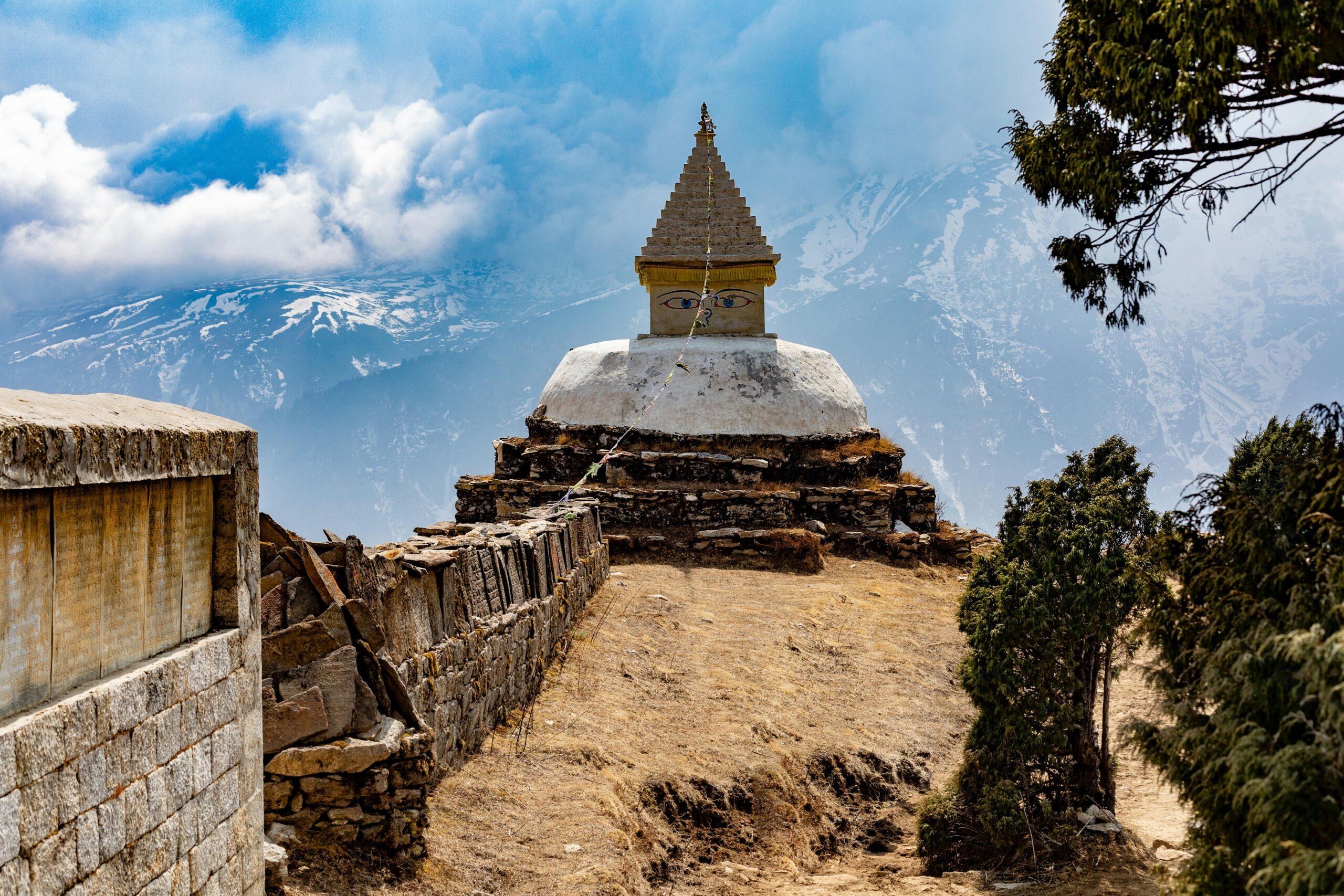
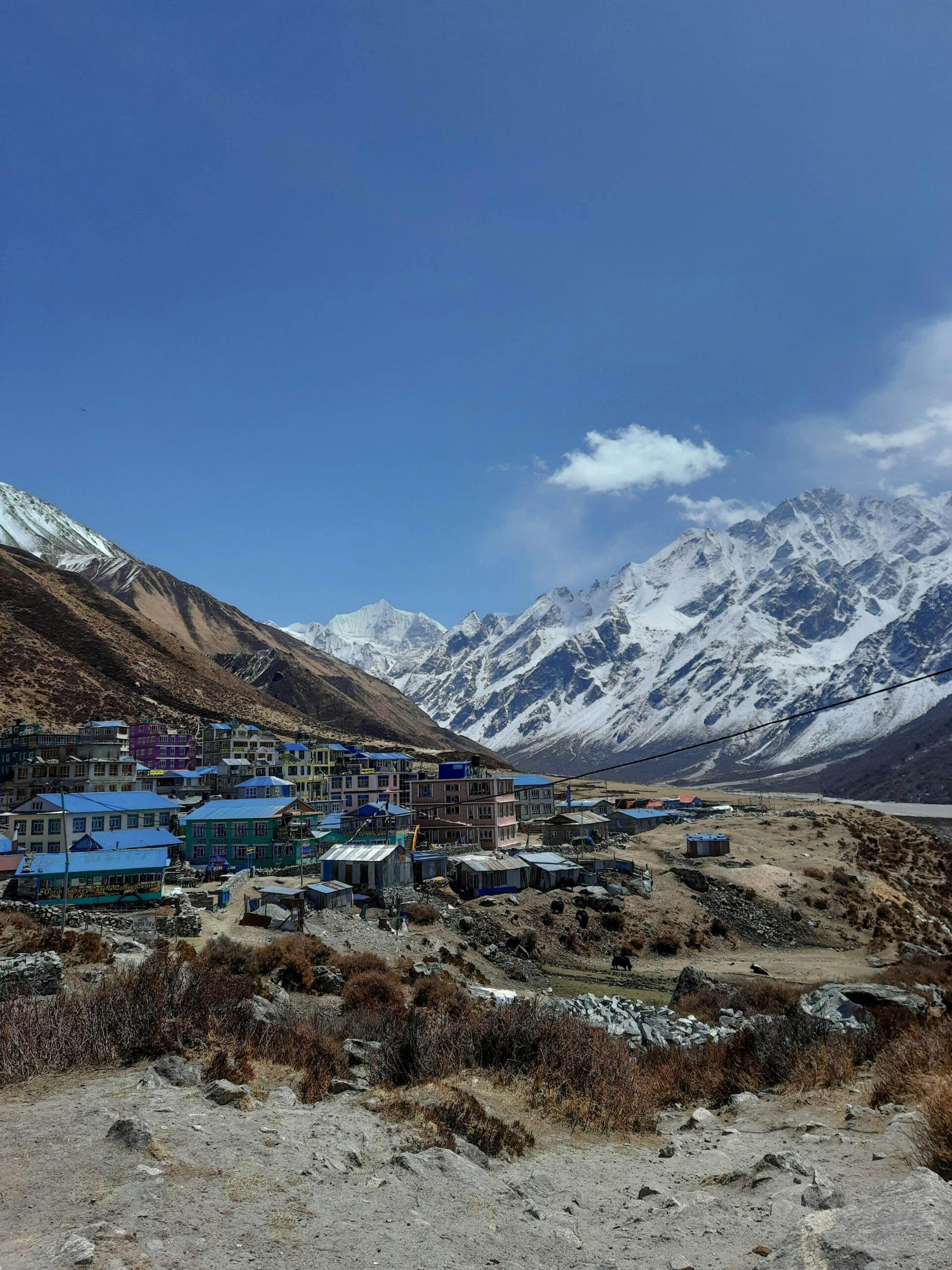
The trek passes through traditional Sherpa communities where you can experience Himalayan culture and hospitality.
Along the trail, you may encounter:
- Buddhist monasteries
- Prayer flags
- Mani walls
- Chortens
- Traditional houses
- Sherpa villages
- Local teahouses
5. Short Himalayan Adventure
Depending on the route, the Pikey Trek can often be completed in approximately 6–10 days.
This makes it an attractive option for travelers who have limited time but still want a genuine Himalayan trekking experience.
Pikey Trek Cost in Nepal
The Pikey Trek cost depends on the itinerary, group size, transportation, accommodation, guide and porter services, permits and other inclusions.
An organized trekking package may include:
- Airport transfers
- Kathmandu accommodation
- Transportation to and from the trekking region
- Trekking guide
- Porter
- Teahouse accommodation
- Meals during the trek
- Necessary permits
- Trekking registration
- Guide and porter expenses
- Emergency assistance
Personal expenses are generally not included.
These can include:
- International airfare
- Travel insurance
- Snacks
- Soft drinks
- Hot showers
- Wi-Fi
- Laundry
- Personal trekking equipment
- Tips
The final Pikey Trek price depends on the selected itinerary and services.
Pikey Trek Itinerary
A typical Pikey Trek itinerary can range from 6 to 10 days.
The exact route depends on whether you begin from Dhap, Jiri, Salleri or another access point.
Below is an example of a 7-day itinerary.
Day 1: Kathmandu to Dhap
Drive from Kathmandu toward Dhap.
The journey takes you through scenic hills, rural villages and mountain landscapes.
Dhap is an important starting point for the Pikey Peak trekking route.
Overnight at a local teahouse.
Day 2: Dhap to Jhapre
Begin trekking through forests and mountain villages.
The trail gradually climbs toward Jhapre, a beautiful settlement with views of the surrounding mountains.
Overnight in Jhapre.
Day 3: Jhapre to Pikey Base Camp
Continue through rhododendron and pine forests toward the higher elevations.
The trail becomes increasingly mountainous as you approach Pikey Peak.
Overnight near Pikey Base Camp.
Day 4: Pikey Base Camp to Pikey Peak and Junbesi
Wake early for the hike toward Pikey Peak.
The summit area provides spectacular sunrise views across the Himalayas.
After enjoying the mountain panorama, descend toward Junbesi.
Junbesi is one of the most important Sherpa settlements in the region.
Overnight in Junbesi.
Day 5: Explore Junbesi and Thupten Chholing
Spend time exploring the area around Junbesi.
You can visit nearby Buddhist monasteries and experience the traditional Sherpa culture of the Solukhumbu region.
Overnight in Junbesi.
Day 6: Junbesi to Phaplu
Continue through forests and mountain villages toward Phaplu.
Enjoy the changing landscapes as you descend toward the lower elevations.
Overnight in Phaplu.
Day 7: Phaplu to Kathmandu
Drive or fly back toward Kathmandu, depending on the transportation arrangement and current operating conditions.
Pikey Trek Difficulty
The Pikey Trek difficulty is generally considered moderate.
The trek does not require technical climbing skills, but you should have reasonable physical fitness because some sections involve steep ascents and descents.
The main challenges include:
- Long walking days
- Steep uphill sections
- High-altitude terrain
- Cold mornings
- Uneven trails
- Remote mountain villages
The altitude around Pikey Peak is also an important consideration.
Pikey Peak Altitude
The highest point of the trek is around 4,065 meters (13,335 feet).
Approximate elevations along a typical route include:
| Location | Approximate Altitude |
|---|---|
| Dhap | 2,900 m |
| Jhapre | 2,820 m |
| Pikey Base Camp | 3,585 m |
| Pikey Peak | 4,065 m |
| Junbesi | 2,680 m |
| Phaplu | 2,413 m |
Because the route reaches above 4,000 meters, proper acclimatization and a sensible trekking pace are important.
Pikey Trek Acclimatization
Although the Pikey Trek is shorter than many high-altitude Himalayan treks, altitude should not be underestimated.
To reduce altitude-related problems:
- Ascend gradually
- Stay hydrated
- Walk at a comfortable pace
- Avoid excessive alcohol
- Get adequate sleep
- Listen to your guide
- Monitor symptoms of altitude sickness
If you develop serious symptoms, descending to a lower elevation is an important safety measure.
Best Time for Pikey Trek
The best seasons for the Pikey Trek are generally spring and autumn.
Spring: March to May
Spring provides excellent trekking conditions.
Highlights include:
- Rhododendron flowers
- Pleasant daytime temperatures
- Clear mountain views
- Green forests
- Good visibility
March, April and May are popular months.
Autumn: September to November
Autumn is one of the best periods for Himalayan trekking.
You can generally expect:
- Stable weather
- Clear skies
- Excellent visibility
- Comfortable trekking temperatures
- Spectacular mountain views
October and November are particularly popular.
Winter: December to February
Winter trekking is possible, but temperatures can become very cold.
Snow can also affect the higher sections of the route.
Trekkers should carry adequate winter clothing and check current trail conditions.
Monsoon: June to August
The monsoon brings rainfall to the region.
Trails can become wet and slippery, and clouds can reduce mountain visibility.
For the best overall experience, spring and autumn are generally recommended for the Pikey Trek.
Pikey Trek Route
The exact Pikey Trek route varies depending on the itinerary.
A popular route is:
Kathmandu → Dhap → Jhapre → Pikey Base Camp → Pikey Peak → Junbesi → Phaplu → Kathmandu
Longer itineraries can incorporate additional villages and cultural sites.
Some routes also approach the region through Jiri or other traditional access points.
Pikey Peak Sunrise
The Pikey Peak sunrise is one of the major highlights of the trek.
Trekkers usually begin the summit hike early in the morning.
From the ridge, the first sunlight gradually illuminates the surrounding Himalayan peaks.
On clear days, the panorama can include Everest, Makalu, Kanchenjunga and other major Himalayan mountains.
The combination of sunrise, mountain scenery and peaceful surroundings makes this one of the most memorable experiences on the Pikey Trek.
Pikey Trek Permits
Permit and registration requirements depend on the exact route and current regulations.
Depending on your itinerary, you may need applicable local-area permits, conservation-area permits or trekking registrations.
Because regulations can change, trekkers should confirm the latest requirements before departure.
A registered trekking agency can assist with the necessary permits and documentation.
Accommodation During the Pikey Trek
Accommodation is generally provided by local teahouses and lodges.
Facilities are more basic than those found on heavily developed trekking routes.
A typical teahouse may provide:
- Private or shared rooms
- Beds and mattresses
- Blankets
- Dining room
- Local meals
- Tea and coffee
- Basic bathrooms
The availability and standard of facilities can vary significantly between villages.
Food During the Pikey Trek
Teahouses generally offer simple but filling meals.
Common choices include:
- Dal bhat
- Rice
- Noodles
- Pasta
- Momos
- Soup
- Potatoes
- Eggs
- Pancakes
- Tibetan bread
- Vegetables
Dal bhat is a particularly popular trekking meal because it provides substantial energy for long walking days.
Pikey Trek Packing List
A proper packing list is important because temperatures can change significantly between lower villages and high elevations.
Clothing
- Base layers
- Fleece jacket
- Down jacket
- Waterproof jacket
- Trekking trousers
- Thermal underwear
- Warm hat
- Gloves
- Trekking socks
- Sun hat
Footwear
- Comfortable trekking boots
- Camp shoes or sandals
- Extra socks
Trekking Equipment
- Backpack
- Sleeping bag
- Trekking poles
- Water bottles
- Water purification system
- Headlamp
- Sunglasses
- Sunscreen
- Power bank
Personal Items
- First-aid supplies
- Personal medications
- Toiletries
- Camera
- Travel documents
- Travel insurance information
Physical Preparation for Pikey Trek
The Pikey Trek does not require advanced mountaineering skills, but physical preparation will make the journey much more enjoyable.
Before the trek, focus on:
Cardiovascular Training
- Walking
- Hiking
- Cycling
- Jogging
- Stair climbing
Strength Training
Focus on:
- Squats
- Lunges
- Step-ups
- Calf raises
- Core exercises
Hiking Practice
Regular hiking is one of the best ways to prepare.
Gradually increase your:
- Walking distance
- Hiking duration
- Elevation gain
- Backpack weight
Is Pikey Trek Suitable for Beginners?
Yes, the Pikey Trek for beginners can be an excellent introduction to high-altitude trekking in Nepal.
However, beginners should understand that the route reaches more than 4,000 meters.
You should be prepared for:
- Several hours of walking
- Steep sections
- Cold weather
- High-altitude conditions
- Basic teahouse accommodation
A properly paced itinerary with adequate acclimatization makes the trek considerably more manageable.
Pikey Trek for Families
The trek can be suitable for families with older children and adults who are physically prepared.
A customized itinerary can provide:
- Shorter walking days
- Additional rest days
- Comfortable accommodation
- Private guides
- Porter support
Families should consider individual fitness levels and altitude tolerance before selecting the itinerary.
Pikey Trek Safety
Although the Pikey Trek is less technically demanding than a mountaineering expedition, it is still a Himalayan trek.
Important safety measures include:
- Check weather conditions
- Trek with appropriate clothing
- Stay hydrated
- Walk carefully on uneven terrain
- Acclimatize properly
- Monitor altitude-related symptoms
- Follow your guide’s advice
- Carry basic first-aid supplies
- Have suitable travel insurance
Mountain weather can change rapidly, particularly at higher elevations.
Guide and Porter for Pikey Trek
A professional guide can make the trek easier and more enjoyable.
A guide can assist with:
- Navigation
- Accommodation
- Local communication
- Cultural interpretation
- Trekking logistics
- Weather decisions
- Emergency situations
Hiring a porter can also reduce the weight of your backpack and allow you to focus on enjoying the trek.
Pikey Trek vs Everest Base Camp Trek
Both routes provide Himalayan scenery, but they offer very different experiences.
| Feature | Pikey Trek | Everest Base Camp Trek |
|---|---|---|
| Duration | Shorter | Longer |
| Highest altitude | ~4,065 m | ~5,364 m |
| Crowds | Generally fewer | Generally more |
| Main attraction | Sunrise and panoramic views | Everest Base Camp |
| Culture | Sherpa villages and monasteries | Sherpa culture and Khumbu villages |
| Difficulty | Moderate | Moderate to challenging |
| Best for | Shorter Himalayan adventure | Iconic Everest experience |
Choose Pikey Trek if you want a quieter and shorter alternative.
Choose Everest Base Camp Trek if reaching Everest Base Camp is your primary goal.
Pikey Trek vs Poon Hill Trek
Both are excellent short treks, but the scenery and cultural experiences differ.
| Feature | Pikey Trek | Poon Hill Trek |
|---|---|---|
| Region | Solukhumbu | Annapurna |
| Highest point | ~4,065 m | ~3,210 m |
| Main attraction | Everest-region panorama | Annapurna sunrise |
| Culture | Strong Sherpa influence | Gurung and Magar communities |
| Altitude | Higher | Lower |
| Crowds | Generally fewer | More popular |
Pikey Peak is a good choice for trekkers who want a quieter, higher-altitude experience with panoramic Everest-region views.
How Long Does the Pikey Trek Take?
The Pikey Trek can generally take around 6–10 days, depending on the starting and ending points and whether you include additional cultural or acclimatization days.
Short itineraries can focus primarily on Pikey Peak, while longer itineraries can include more villages, monasteries and scenic trails.
Frequently Asked Questions About Pikey Trek
How much does the Pikey Trek cost?
The cost depends on the itinerary, group size, transportation, accommodation, guide, porter and permits. Contact a trekking agency for a current package quotation.
How difficult is the Pikey Trek?
The Pikey Trek is generally considered moderate. It includes several uphill sections and reaches approximately 4,065 meters.
How high is Pikey Peak?
Pikey Peak is commonly listed at approximately 4,065 meters (13,335 feet).
How many days is the Pikey Trek?
Most Pikey Trek itineraries take approximately 6–10 days, depending on the route.
What is the best time for Pikey Trek?
Spring and autumn are generally the best seasons, especially March to May and September to November.
Can beginners do the Pikey Trek?
Yes. Beginners with reasonable fitness can complete the trek with proper preparation, gradual acclimatization and a sensible itinerary.
Is Pikey Trek better than Everest Base Camp?
Neither is universally better. Pikey Trek is better for travelers seeking a shorter, quieter experience, while Everest Base Camp is better for those who specifically want to reach Everest Base Camp.
Can you see Mount Everest from Pikey Peak?
Yes. On clear days, Pikey Peak offers impressive views toward Mount Everest along with numerous other Himalayan peaks.
Is Pikey Trek worth it?
Yes. The combination of panoramic mountain views, Sherpa culture, Buddhist monasteries, peaceful trails and spectacular sunrise and sunset makes Pikey Trek a highly rewarding Himalayan adventure.
Book Your Pikey Trek with Destination Holiday Trek
Ready to explore the quieter side of the Everest region?
Destination Holiday Trek can help organize your Pikey Trek with experienced guides, transportation, accommodation, permits and carefully planned itineraries.
Whether you are a first-time trekker, a photographer looking for incredible Himalayan landscapes, or an experienced hiker seeking a less crowded route, we can help create a Pikey Peak itinerary suited to your schedule.
Contact Destination Holiday Trek today and start planning your Pikey Peak adventure.
For the latest information on trekking regulations, permits, conservation areas, and mountaineering requirements in Nepal, visit the official Nepal Tourism Board and relevant government authorities before planning your Pisang Peak Climbing adventure.
Also if you want to view our other treks then you can follow this link.

Reviews
There are no reviews yet.