


Lower Dolpo Trek
$ 3,000.00$ 2,890.00
Product Description
Lower Dolpo Trek: Cost, Itinerary, Difficulty, Permits & Complete Guide
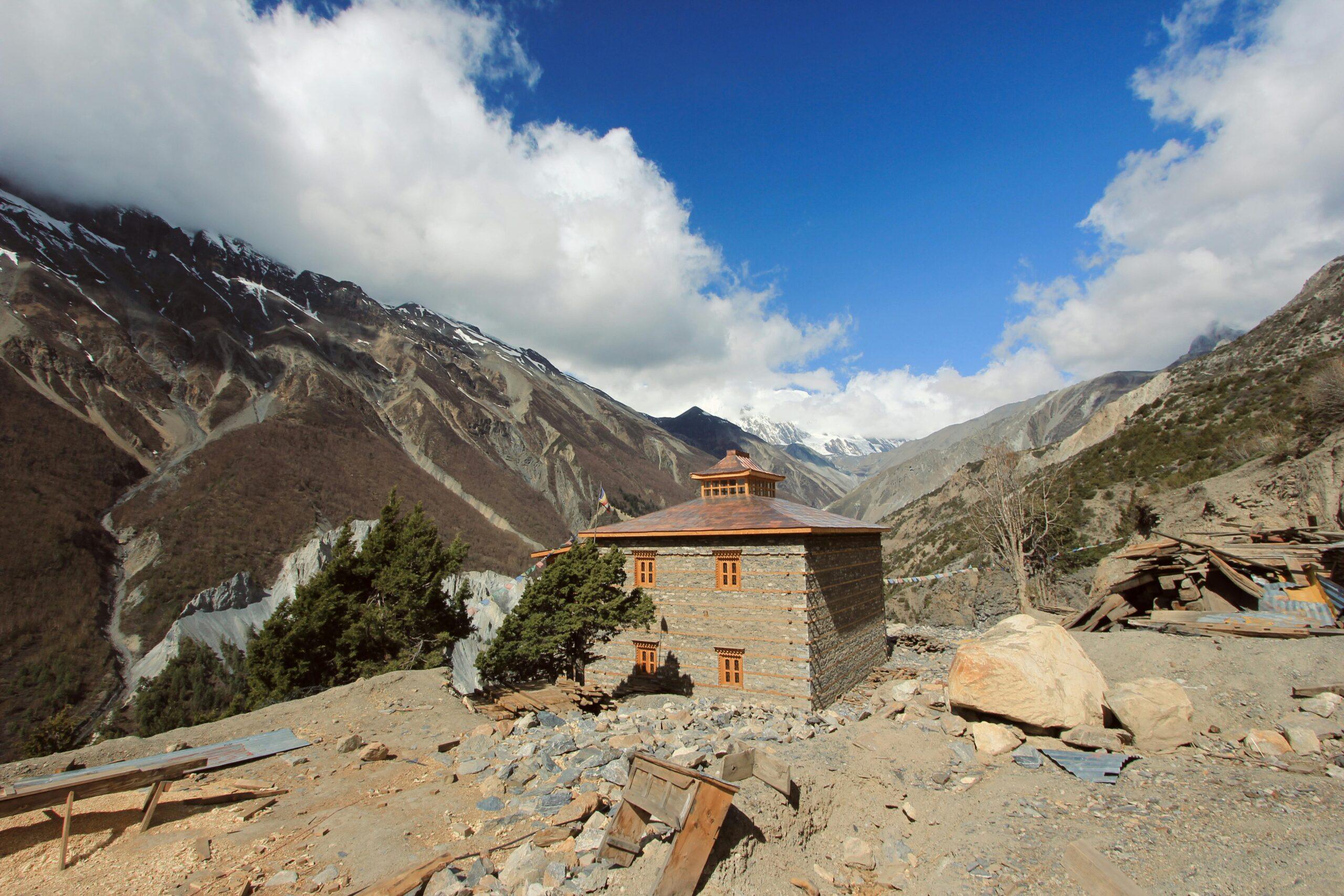
The Lower Dolpo Trek is one of Nepal’s most remote and fascinating Himalayan trekking adventures. Located in the far-western region of Nepal, Dolpo is known for its rugged landscapes, ancient Tibetan Buddhist culture, dramatic mountains, high-altitude passes and pristine alpine lakes.
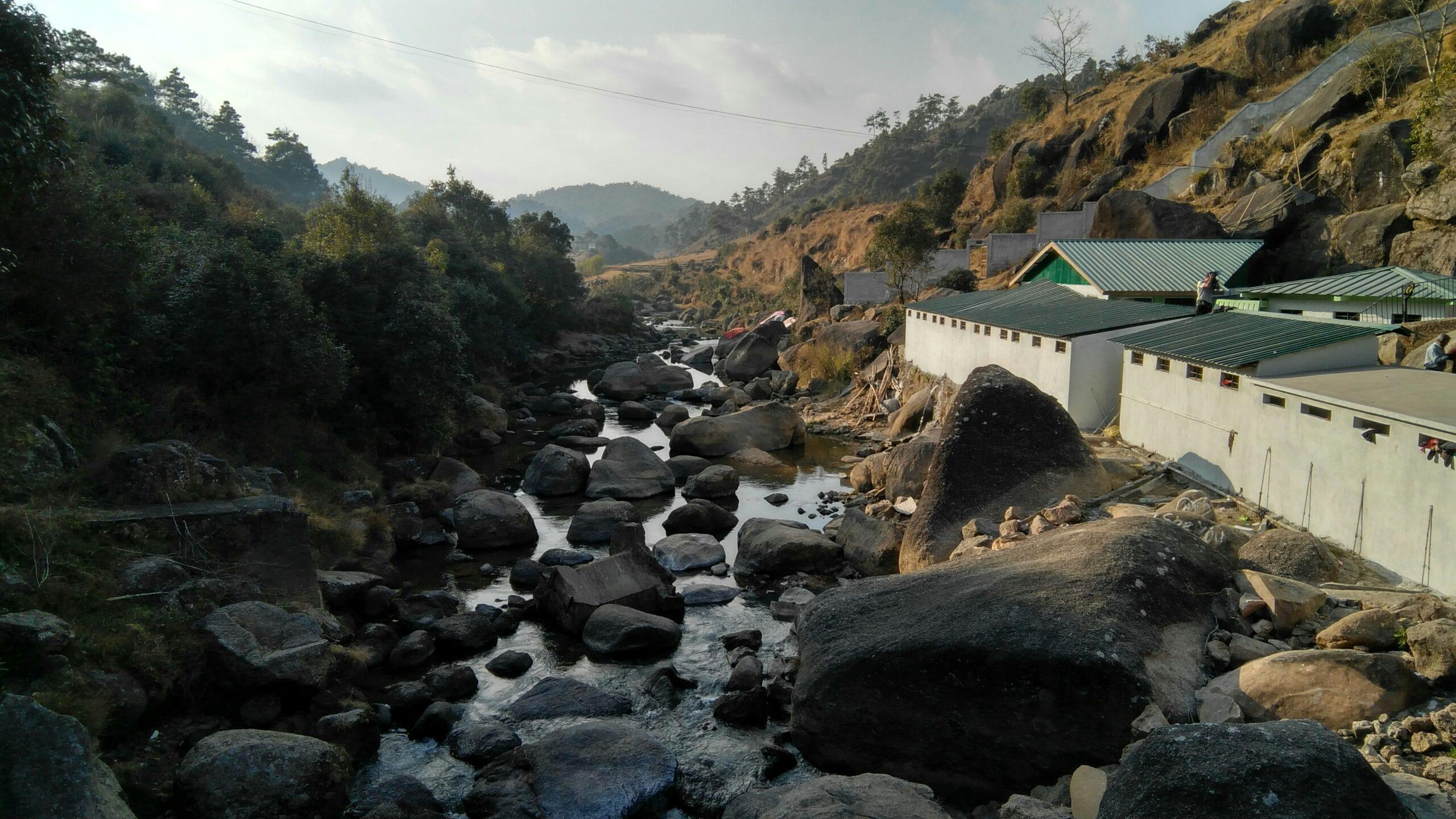
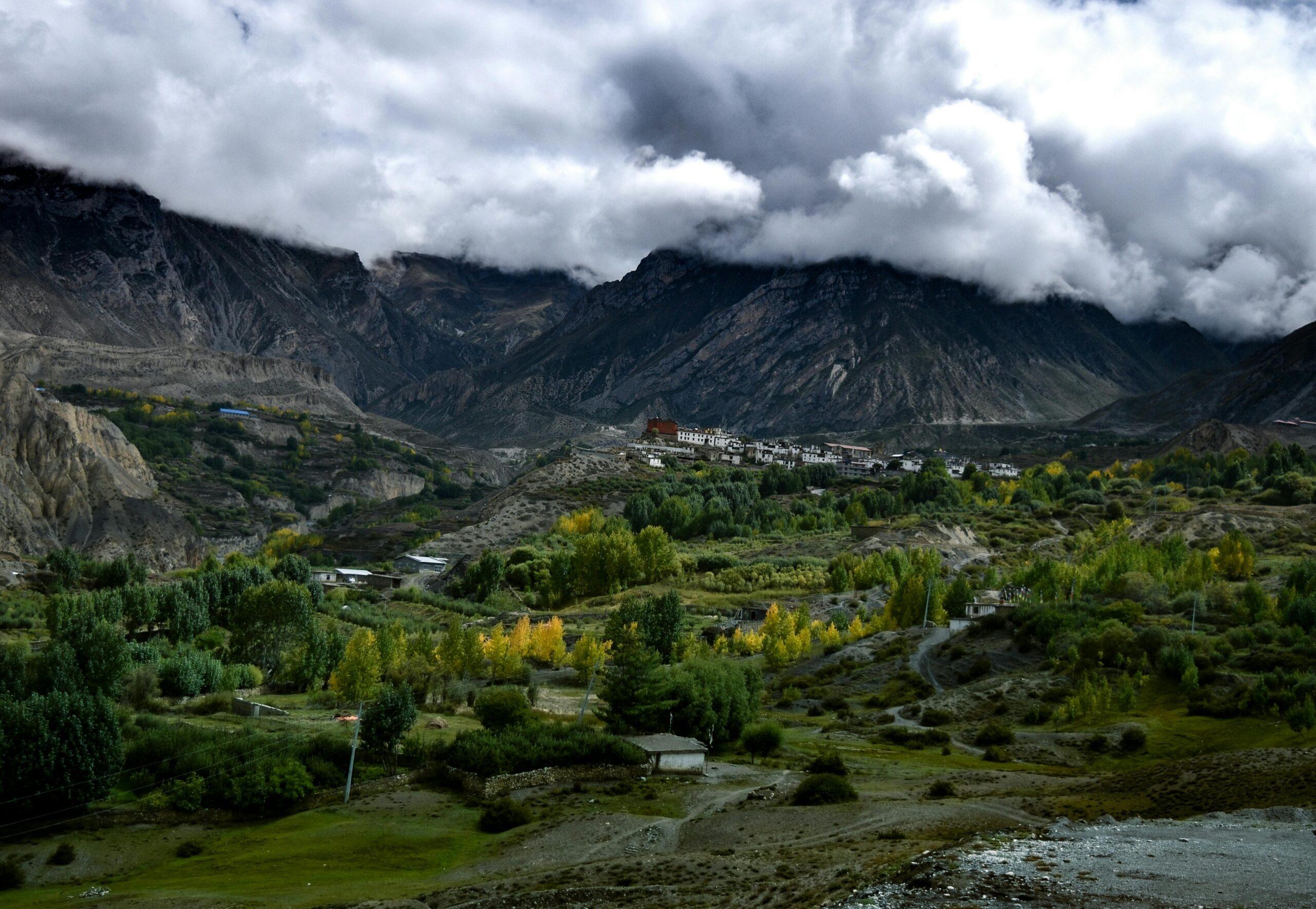
Far from the crowded trekking routes of the Everest and Annapurna regions, the Lower Dolpo Trek in Nepal offers an extraordinary wilderness experience. The trail passes through remote mountain villages, deep valleys, forests, high passes and spectacular Himalayan landscapes.
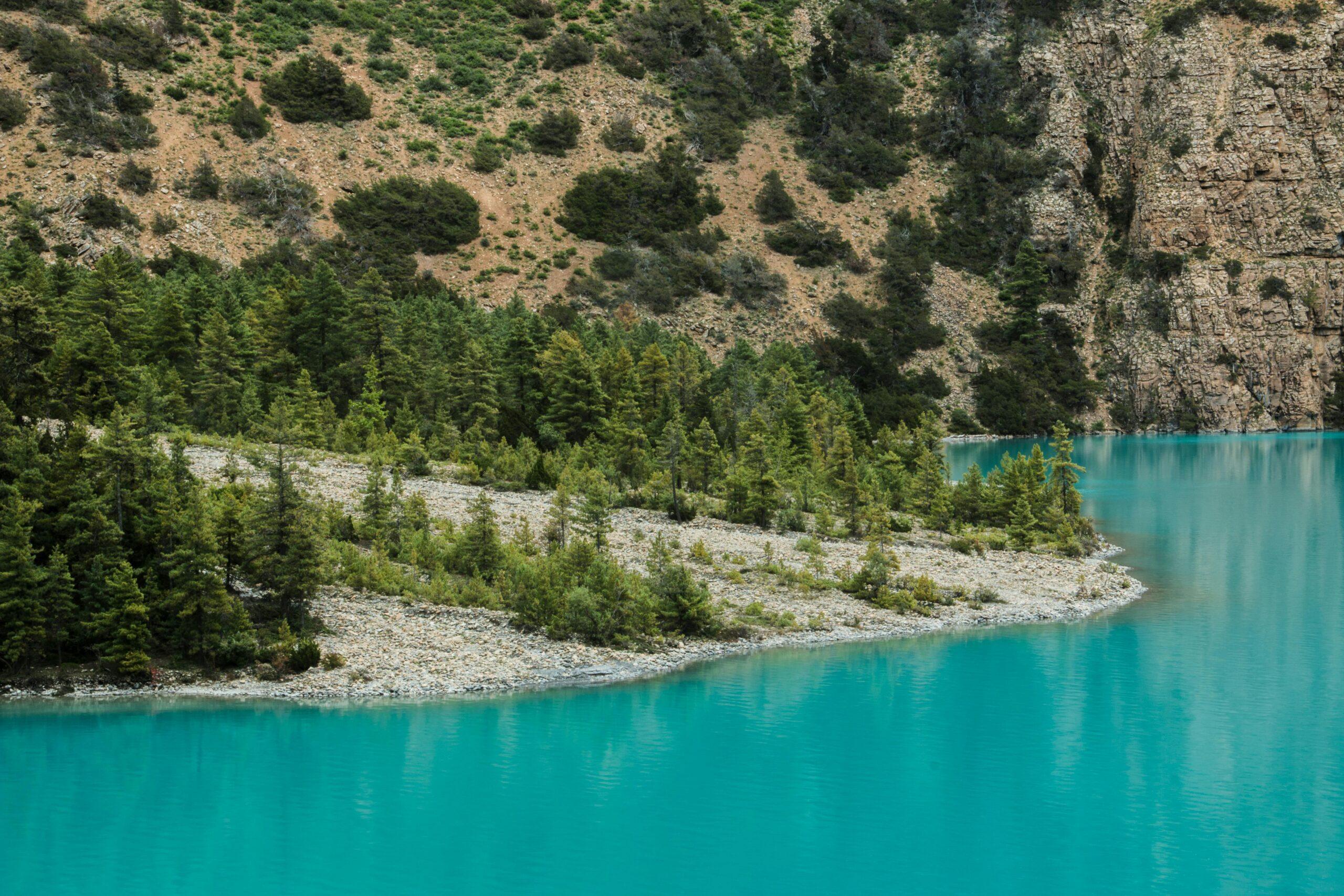
One of the highlights of the journey is Phoksundo Lake, a striking turquoise-blue lake surrounded by dramatic cliffs and mountains.
The Lower Dolpo Trek is a challenging adventure that is best suited to trekkers with good physical fitness and some previous high-altitude trekking experience.
What Is the Lower Dolpo Trek?
The Lower Dolpo Trek is a remote trekking route through the Dolpo region of western Nepal.
Dolpo is one of Nepal’s most isolated Himalayan areas and is strongly influenced by Tibetan culture and Buddhism. The region is famous for its traditional villages, ancient monasteries, dramatic landscapes and unique mountain lifestyle.
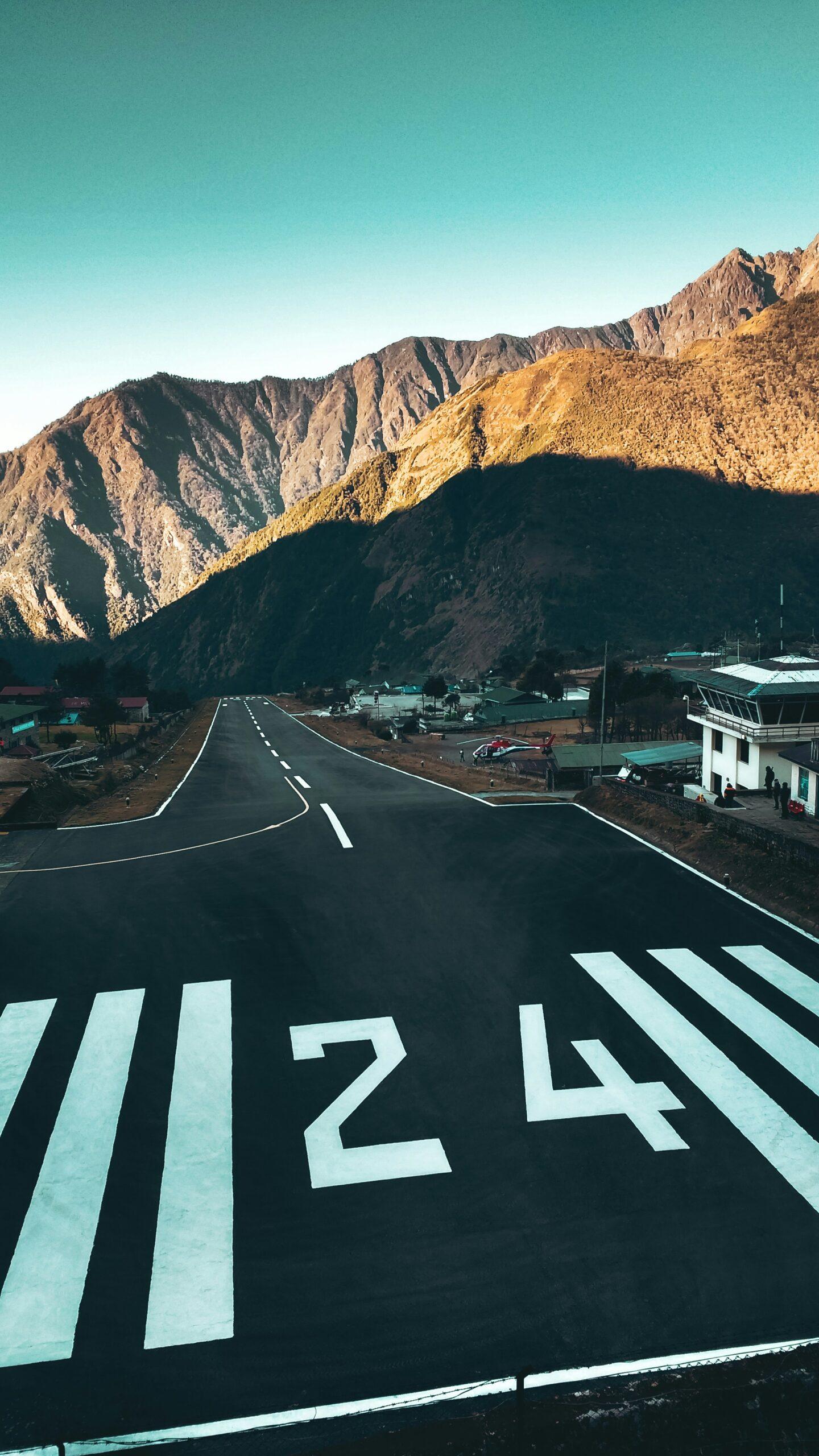
The trek usually begins with a flight to Nepalgunj followed by a flight to Juphal, from where the trekking journey begins.
One of the main attractions is Phoksundo Lake, located within Shey Phoksundo National Park.
The trail also crosses Nagdalo La, one of the high passes encountered on the route, making the trek physically demanding and adventurous.
Why Choose the Lower Dolpo Trek?
There are many reasons to choose Lower Dolpo for a Himalayan trekking adventure.
1. Explore One of Nepal’s Most Remote Regions
Lower Dolpo remains significantly less developed for tourism than popular trekking regions such as Everest and Annapurna.
2. Visit Phoksundo Lake
Phoksundo Lake is one of Nepal’s most spectacular high-altitude lakes and a major highlight of the trek.
3. Experience Tibetan-Inspired Culture
The region has a strong Tibetan Buddhist influence, reflected in its monasteries, villages, traditions and architecture.
4. Trek Through Shey Phoksundo National Park
The route passes through Shey Phoksundo National Park, home to diverse Himalayan flora and fauna.
5. Cross High Mountain Passes
The trek involves challenging high-altitude passes and demanding terrain, making it rewarding for experienced trekkers.
6. Discover Traditional Mountain Villages
Villages such as Ringmo provide an opportunity to observe traditional Himalayan lifestyles that have remained relatively unchanged for generations.
7. Experience Untouched Himalayan Wilderness
Lower Dolpo offers a sense of solitude that is increasingly difficult to find on Nepal’s more popular trekking routes.
Lower Dolpo Trek Cost
The Lower Dolpo Trek cost depends on the duration, trekking agency, group size, permits, domestic flights, accommodation and level of support.
Because Lower Dolpo is a remote and restricted trekking region, it generally costs more than popular trekking routes such as the Annapurna Circuit or Ghorepani Poon Hill Trek.
A typical package may include:
- Lower Dolpo restricted-area permit
- Shey Phoksundo National Park entry permit
- Domestic flights
- Trekking guide
- Porters
- Camping equipment
- Food
- Accommodation
- Staff wages
- Transportation
- Trekking permits
- Government and local fees
- Trekking logistics
What Affects Lower Dolpo Trek Price?
Several factors influence the total cost.
Permits: Restricted-area permits can add significantly to the cost.
Duration: Longer itineraries require additional food, staff and accommodation.
Flights: Flights to remote areas such as Juphal can contribute significantly to the overall budget.
Camping logistics: Some sections require camping rather than conventional teahouse accommodation.
Group size: Larger groups may distribute certain logistical expenses.
Guide and porter services: Professional support adds to the cost but is particularly valuable in a remote region.
Always confirm current permit fees, flight costs and package inclusions before booking.
Lower Dolpo Trek Itinerary
A typical Lower Dolpo Trek itinerary takes around 17–20 days, depending on the route and acclimatization schedule.
Below is a representative 18-day itinerary.
Day 1: Kathmandu to Nepalgunj
Fly from Kathmandu to Nepalgunj and stay overnight.
Day 2: Nepalgunj to Juphal and Trek to Dunai
Take a flight toward Juphal and begin trekking toward Dunai, the administrative center of Dolpo.
Day 3: Dunai to Ankhe
Follow the trail through valleys and forests toward Ankhe.
Day 4: Ankhe to Somdu
Continue along the rugged trail through the Bheri River valley.
Day 5: Somdu to Phoksundo Lake
Continue toward the spectacular Phoksundo Lake.
Day 6: Explore Phoksundo Lake
Spend a day exploring the lake and nearby Ringmo Village while acclimatizing.
Day 7: Phoksundo Lake to Phoksundo Khola Camp
Continue through the remote mountain landscape.
Day 8: Phoksundo Khola to Kang La/Nagdalo La Area
Continue toward the high mountain pass section.
Day 9: Cross the High Pass
Cross the challenging high-altitude pass and descend toward the next valley.
Day 10: Trek Toward Shey
Continue through the remote Dolpo landscape toward Shey.
Day 11: Explore Shey
Explore the traditional village and surrounding Himalayan landscape.
Day 12: Shey to Namgung
Continue toward Namgung and experience the rugged high-altitude environment.
Day 13: Namgung to Saldang
Trek toward Saldang, one of the most culturally significant villages in the region.
Day 14: Explore Saldang
Spend time exploring the village, monasteries and surrounding landscape.
Day 15: Saldang to Yak Kharka
Continue through the remote mountain valleys.
Day 16: Yak Kharka to Dho Tarap
Descend toward the culturally rich Dho Tarap Valley.
Day 17: Dho Tarap to Tarakot
Continue toward lower elevations.
Day 18: Tarakot to Dunai
Complete the trek toward Dunai and prepare for the return journey.
Note: Lower Dolpo itineraries vary considerably. Some routes focus specifically on the Lower Dolpo and Phoksundo area, while longer itineraries extend deeper into Upper Dolpo. Flight schedules and weather can also affect the itinerary.
Lower Dolpo Trek Difficulty
The Lower Dolpo Trek difficulty is generally considered challenging.
The remoteness of the region adds another dimension to the trek.
Major challenges include:
- High altitude
- Long trekking days
- Steep ascents and descents
- Rocky trails
- High mountain passes
- Limited infrastructure
- Remote settlements
- Variable weather
- Cold temperatures
- Basic accommodation
- Limited medical facilities
Trekkers should be physically fit and comfortable walking for several hours each day in rugged mountain terrain.
Lower Dolpo Trek Altitude
The trek reaches significant elevations, particularly around the high passes.
| Location | Approximate Elevation |
|---|---|
| Kathmandu | 1,400 m |
| Nepalgunj | 150 m |
| Juphal | 2,475 m |
| Dunai | 2,150 m |
| Ankhe | ~2,900 m |
| Phoksundo Lake | ~3,600 m |
| Ringmo | ~3,600 m |
| High Passes | 5,000 m+ |
| Saldang | ~3,900 m |
| Dho Tarap | ~4,000 m |
Exact elevations vary according to the route and camping locations.
Phoksundo Lake
Phoksundo Lake is one of the major highlights of the Lower Dolpo Trek.
The lake is famous for its striking blue-green water and spectacular mountain surroundings.
The landscape around the lake includes:
- Sheer cliffs
- Alpine mountains
- Pine and juniper forests
- Traditional villages
- Buddhist cultural sites
Ringmo Village, located near the lake, is another major attraction.
The combination of the lake, surrounding mountains and traditional architecture makes this one of the most memorable destinations in western Nepal.
Lower Dolpo Trek Route
The classic Lower Dolpo route can broadly be described as:
Kathmandu → Nepalgunj → Juphal → Dunai → Ankhe → Phoksundo Lake → High Passes → Remote Dolpo Villages → Dho Tarap → Dunai → Juphal → Nepalgunj → Kathmandu
The exact route depends on the trekking package and whether the itinerary focuses exclusively on Lower Dolpo or extends toward Upper Dolpo.
Best Time for Lower Dolpo Trek
The best seasons for the Lower Dolpo Trek are generally spring and autumn.
Spring
March to May provides generally favorable trekking conditions, with increasingly warmer temperatures and blooming vegetation at lower elevations.
Autumn
September to November is another excellent trekking period, generally offering clearer skies and good mountain visibility.
Summer/Monsoon
Dolpo lies in the rain-shadow region of the Himalayas, making parts of the area more suitable for summer trekking than many other regions of Nepal.
However, flight schedules, road conditions and weather can still affect travel plans.
Winter
Winter brings very cold temperatures and significant snow at higher elevations. Some high passes and routes may become difficult or inaccessible.
Lower Dolpo Trek Permits
Lower Dolpo is a restricted trekking area, so trekkers require the appropriate permits.
Depending on the itinerary, permits may include:
- Restricted Area Trekking Permit
- Shey Phoksundo National Park entry permit
- Trekkers’ Information Management System (TIMS) requirements where applicable
Permit rules and fees can change, so it is important to verify current regulations before traveling.
Trekkers generally need to travel with an authorized trekking agency and guide because of the region’s restricted-area regulations.
Accommodation on the Lower Dolpo Trek
Accommodation is considerably more basic than on popular trekking routes.
Depending on the section of the trail, trekkers may stay in:
- Basic teahouses
- Local lodges
- Homestays
- Camping tents
Camping is often an important part of remote Dolpo trekking because accommodation infrastructure is limited.
A supported camping expedition normally includes:
- Sleeping tents
- Dining tent
- Kitchen tent
- Toilet tent
- Trekking staff
- Cooking equipment
Food During the Lower Dolpo Trek
Food options are more limited than on established trekking routes.
Common meals may include:
- Dal bhat
- Rice
- Noodles
- Pasta
- Potatoes
- Soup
- Tibetan-style bread
- Chapati
- Vegetables
- Eggs
- Tea
During camping sections, the expedition kitchen team prepares meals for trekkers.
It is recommended to carry high-energy snacks such as:
- Energy bars
- Chocolate
- Nuts
- Dried fruit
- Electrolyte supplements
Lower Dolpo Trek Packing List
A proper packing list is essential for a remote trek.
Clothing
- Base layers
- Fleece jacket
- Down jacket
- Waterproof jacket
- Trekking trousers
- Thermal underwear
- Warm socks
- Gloves
- Hat
- Sun hat
Trekking Equipment
- Trekking boots
- Trekking poles
- Backpack
- Sleeping bag
- Headlamp
- Water bottles
- Water purification tablets or filter
- Sunglasses
- Sunscreen
Personal Items
- First-aid supplies
- Personal medications
- Toiletries
- Power bank
- Camera
- Snacks
For camping expeditions, the trekking agency normally provides major group camping equipment.
Physical Preparation for Lower Dolpo Trek
Good physical preparation can make the trek significantly more enjoyable.
Cardiovascular Training
Include:
- Hiking
- Running
- Cycling
- Stair climbing
- Brisk walking
Strength Training
Focus on:
- Legs
- Core
- Back
- Shoulders
Hiking Practice
Regular long-distance hikes are one of the best ways to prepare.
Gradually increase:
- Hiking distance
- Elevation gain
- Pack weight
- Consecutive trekking days
Is Lower Dolpo Trek Suitable for Beginners?
The Lower Dolpo Trek is not the easiest choice for a first Himalayan trek.
While technically manageable for a fit trekker, the remote environment, high passes and limited infrastructure make it considerably more demanding than routes such as:
- Ghorepani Poon Hill
- Everest View Trek
- Lower-altitude cultural treks
Previous high-altitude trekking experience is strongly recommended.
Lower Dolpo Trek Safety
Because Dolpo is remote, preparation and safety are particularly important.
Acclimatization
Follow a gradual itinerary and allow your body sufficient time to adapt to altitude.
Weather
Mountain weather can change rapidly. Always follow the advice of your guide.
Altitude Sickness
Watch for symptoms such as:
- Headache
- Nausea
- Dizziness
- Unusual fatigue
- Shortness of breath
Never continue ascending when experiencing serious altitude-sickness symptoms.
Flights
Flights to remote mountain airstrips can be delayed or cancelled because of weather.
It is important to include contingency days in your itinerary.
Communication
Communication facilities can be limited in remote sections, so expedition teams should have appropriate emergency communication equipment.
Travel Insurance for Lower Dolpo Trek
Travel insurance is strongly recommended.
Your policy should ideally cover:
- High-altitude trekking
- Emergency evacuation
- Helicopter evacuation where available
- Medical treatment
- Trip cancellation
- Flight delays
- Repatriation
Always check the maximum altitude covered by the policy.
Lower Dolpo Trek vs Upper Dolpo Trek
Lower Dolpo and Upper Dolpo offer different trekking experiences.
| Feature | Lower Dolpo | Upper Dolpo |
|---|---|---|
| Difficulty | Challenging | Very Challenging |
| Duration | Generally shorter | Generally longer |
| Main Highlight | Phoksundo Lake | Remote Tibetan landscapes |
| Accessibility | More accessible | More remote |
| Cost | High | Higher |
| Camping | Common | Common |
| Cultural Experience | Excellent | Exceptional |
Lower Dolpo is a great option for trekkers seeking a remote Himalayan experience without committing to one of the longest Upper Dolpo itineraries.
Lower Dolpo Trek vs Manaslu Circuit Trek
Both routes offer remote Himalayan experiences, but the environments are different.
| Feature | Lower Dolpo | Manaslu Circuit |
|---|---|---|
| Region | Western Nepal | Central Nepal |
| Difficulty | Challenging | Challenging |
| Remoteness | Very High | Moderate to High |
| Major Attraction | Phoksundo Lake | Larkya La & Manaslu |
| Accommodation | Basic/Camping | Mostly Teahouse |
| Culture | Tibetan-influenced | Tibetan & Gurung |
| Infrastructure | Limited | More developed |
Lower Dolpo is generally better suited to trekkers specifically seeking solitude and wilderness.
How Long Does the Lower Dolpo Trek Take?
A typical Lower Dolpo Trek takes around 17–20 days, although longer itineraries are possible.
The duration depends on:
- Route
- Acclimatization
- Side trips
- Camping requirements
- Flight schedules
- Weather
- Trekking pace
It is wise to include additional contingency days because flights to remote mountain regions can be affected by weather.
Frequently Asked Questions About Lower Dolpo Trek
How difficult is the Lower Dolpo Trek?
The Lower Dolpo Trek is generally considered challenging because of its altitude, remote trails, high passes and limited infrastructure.
How much does the Lower Dolpo Trek cost?
The cost depends on permits, flights, duration, guide and porter services, camping logistics and group size. It is generally more expensive than popular teahouse treks.
How long is the Lower Dolpo Trek?
A typical itinerary takes approximately 17–20 days, although the duration varies depending on the route.
What is the main attraction of Lower Dolpo?
Phoksundo Lake is one of the trek’s biggest attractions, along with remote villages, high mountain passes and Tibetan-influenced culture.
Can beginners do the Lower Dolpo Trek?
Fit beginners may be able to complete some versions of the route with strong preparation and professional support, but previous high-altitude trekking experience is recommended because of the region’s remoteness and demanding terrain.
What is the best season for Lower Dolpo Trek?
Spring and autumn are generally excellent seasons. Because Dolpo lies partly in the Himalayan rain shadow, some sections can also be suitable during the monsoon season.
Do I need a permit for Lower Dolpo?
Yes. Lower Dolpo is a restricted trekking region and requires the appropriate permits.
Is Lower Dolpo harder than Annapurna Circuit?
Lower Dolpo can feel more challenging because of its remoteness, limited infrastructure, camping requirements and high passes, even though difficulty varies according to the specific itinerary.
Is camping required in Lower Dolpo?
Camping is common, especially on remote sections where teahouse accommodation is unavailable.
Where does the Lower Dolpo Trek start?
The trekking portion commonly begins around Juphal, reached by air via Nepalgunj, before continuing toward Dunai.
Why Choose Destination Holiday Trek?
Planning a remote Himalayan trek requires experienced logistics, reliable staff and careful preparation.
Destination Holiday Trek can assist with:
- Trekking permits
- Domestic flights
- Professional guides
- Porters
- Camping logistics
- Accommodation
- Meals
- Transportation
- Trekking equipment
- Acclimatization planning
- Emergency support
Our team can customize the Lower Dolpo Trek itinerary according to your available time, fitness level and trekking objectives.
Contact Destination Holiday Trek to plan your Lower Dolpo adventure.
Final Thoughts
The Lower Dolpo Trek is one of Nepal’s most rewarding wilderness adventures.
From the turquoise waters of Phoksundo Lake to remote Himalayan villages and high mountain passes, the trek offers an experience far removed from Nepal’s busier trekking routes.
The combination of dramatic landscapes, Tibetan-influenced culture, ancient traditions and extraordinary remoteness makes Lower Dolpo particularly appealing to adventurous trekkers.
The trek requires careful preparation, good physical fitness and respect for the altitude and remote environment.
For travelers looking for a remote, culturally rich and adventurous Himalayan trekking experience, Lower Dolpo is an exceptional choice.
Walk beyond the familiar trails and discover the wild beauty of Dolpo.
For the latest information on trekking regulations, permits, conservation areas, and mountaineering requirements in Nepal, visit the official Nepal Tourism Board and relevant government authorities before planning your Pisang Peak Climbing adventure.
Also if you want to view our other treks then you can follow this link.


Reviews
There are no reviews yet.