

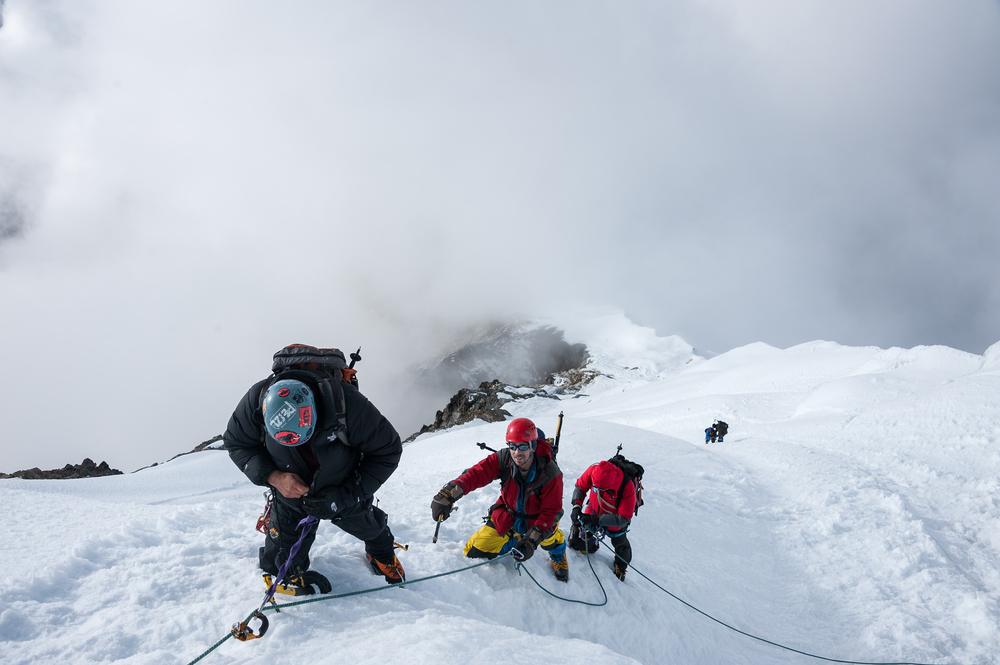
Lobuche East (6,119m)-18 Days
$ 2,650.00$ 2,499.00
Product Description
Lobuche East Climbing: Complete Guide to Cost, Itinerary, Difficulty & Best Time
Lobuche East Climbing is one of Nepal’s most exciting Himalayan peak-climbing adventures, combining the spectacular Everest region with the challenge of reaching a summit above 6,000 meters.
Standing at approximately 6,119 meters (20,075 feet), Lobuche East offers experienced trekkers and aspiring mountaineers an opportunity to experience high-altitude climbing while surrounded by some of the world’s most famous mountains.
The journey takes you through the legendary Khumbu Valley, passing Sherpa villages, Buddhist monasteries, alpine landscapes, glaciers and iconic viewpoints before reaching Lobuche East Base Camp and High Camp.
Many climbers combine Lobuche East Climbing with the Everest Base Camp Trek, creating an adventure that includes both Everest Base Camp and a Himalayan summit.
Whether you are searching for Lobuche East Climbing cost, itinerary, difficulty, altitude, route, permits, equipment or the best time to climb, this complete guide covers everything you need to know.
What Is Lobuche East?
Lobuche East is a mountain in Nepal’s Khumbu region of the Himalayas.
With an elevation of approximately 6,119 meters, it is one of the popular climbing peaks in the Everest region.
Lobuche East is particularly attractive because it combines a demanding high-altitude ascent with the classic Everest trekking experience.
The mountain provides spectacular views of:
- Mount Everest
- Lhotse
- Nuptse
- Ama Dablam
- Pumori
- Cholatse
- Thamserku
- Khumbu Glacier
Lobuche East should not be confused with Lobuche West, which is a separate and more technically demanding mountaineering objective.
Why Choose Lobuche East Climbing?
There are several reasons why Lobuche East is popular among Himalayan climbers.
1. Climb a 6,000-Meter Himalayan Peak
Reaching a summit above 6,000 meters is a major mountaineering achievement.
Lobuche East provides an opportunity to experience high-altitude climbing without committing to an expedition to an 8,000-meter mountain.
2. Incredible Everest Region Views
The summit and surrounding ridges provide extraordinary views of the Himalayan landscape.
On clear days, climbers can see some of the world’s most famous mountains.
The combination of Everest, Lhotse, Nuptse, Ama Dablam and Pumori creates an unforgettable mountain panorama.
3. Combine Lobuche East with Everest Base Camp
One of the biggest advantages of Lobuche East Climbing is the ability to combine the climb with the Everest Base Camp Trek.
A typical itinerary can take you through Namche Bazaar, Tengboche, Dingboche, Lobuche and Everest Base Camp before beginning the climbing portion of the adventure.
4. Experience Sherpa Culture
The approach to Lobuche East passes through traditional Sherpa settlements.
You can experience:
- Buddhist monasteries
- Prayer flags
- Mani walls
- Chortens
- Traditional villages
- Local teahouses
- Sherpa hospitality
5. Develop Mountaineering Experience
Lobuche East can help experienced trekkers develop practical mountaineering skills.
Depending on conditions and the climbing route, you may learn or practice:
- Crampon techniques
- Ice axe techniques
- Fixed-rope climbing
- Ascending and descending ropes
- Glacier travel
- High-altitude climbing techniques
Lobuche East Climbing Cost in Nepal
The Lobuche East Climbing cost depends on several factors, including the length of the expedition, group size, climbing permits, transportation, accommodation, guide and Sherpa support, equipment and services included in the package.
A professional Lobuche East Climbing package may include:
- Airport transfers
- Kathmandu accommodation
- Lukla flights
- Trekking guide
- Climbing Sherpa
- Porter services
- Teahouse accommodation
- Base Camp accommodation
- Meals
- Climbing permit
- Sagarmatha National Park permit
- Trekking registration
- Group climbing equipment
- Ropes and technical support
- Staff wages
- Staff insurance
- Emergency support
Additional Costs
Some expenses are normally paid separately, including:
- International airfare
- Travel insurance
- Personal climbing equipment
- Personal medication
- Snacks and drinks
- Wi-Fi
- Hot showers
- Laundry
- Tips
- Emergency evacuation
Because permit fees and operating costs can change, travelers should request a current Lobuche East Climbing price before booking.
Lobuche East Climbing Itinerary
A typical Lobuche East Climbing itinerary takes approximately 18–21 days, depending on the selected route, acclimatization schedule, Everest Base Camp visit and weather contingency days.
Below is an example itinerary.
Day 1: Arrival in Kathmandu
Arrive in Kathmandu and transfer to your hotel.
Meet your trekking or climbing team and prepare your equipment.
Day 2: Kathmandu Preparation and Briefing
Complete final preparations and equipment checks.
Your climbing team can review the itinerary, equipment and safety procedures.
Day 3: Fly to Lukla and Trek to Phakding
Take a scenic flight to Lukla.
Begin trekking through the Dudh Koshi Valley toward Phakding.
Day 4: Phakding to Namche Bazaar
Continue through forests and suspension bridges toward Namche Bazaar.
Namche is the main commercial and cultural center of the Khumbu region.
Day 5: Acclimatization in Namche Bazaar
Spend the day acclimatizing.
Take a short hike to a higher elevation before returning to Namche.
Day 6: Namche Bazaar to Tengboche
Trek through scenic mountain trails toward Tengboche.
Enjoy spectacular views of Ama Dablam and surrounding peaks.
Visit Tengboche Monastery if time permits.
Day 7: Tengboche to Dingboche
Continue toward Dingboche through alpine landscapes.
The trail gradually climbs into higher elevations.
Day 8: Acclimatization at Dingboche
Spend the day acclimatizing.
A short hike toward a nearby viewpoint can help your body adjust to the altitude.
Day 9: Dingboche to Lobuche
Continue toward Lobuche through increasingly dramatic Himalayan terrain.
You will pass memorials dedicated to climbers who lost their lives in the Everest region.
Day 10: Lobuche to Everest Base Camp and Return
Trek toward Everest Base Camp along the Khumbu Glacier.
Spend time exploring the area before returning to Lobuche or another planned overnight location.
Day 11: Lobuche to Lobuche East Base Camp
Begin the climbing section of the expedition.
Trek toward Lobuche East Base Camp and prepare for the ascent.
Day 12: Climbing Training and Acclimatization
Use the day for acclimatization and technical preparation.
Depending on the climbing team, training can include:
- Crampon use
- Ice axe techniques
- Harness systems
- Fixed ropes
- Ascender use
- Descending techniques
Day 13: Lobuche Base Camp to High Camp
Climb toward Lobuche East High Camp.
The terrain becomes increasingly steep and exposed.
Day 14: Lobuche East Summit Day
Begin the summit attempt very early.
Climb toward the summit through snow, ice and steep terrain depending on current route conditions.
After reaching the summit, descend carefully toward a lower camp.
Day 15: Reserve Weather Day
A contingency day provides flexibility in case weather or route conditions prevent a summit attempt.
Day 16: Descend Toward Namche Bazaar
Begin descending through the Khumbu Valley.
Day 17: Namche Bazaar to Lukla
Continue toward Lukla.
Enjoy the final trekking section of your Himalayan adventure.
Day 18: Lukla to Kathmandu
Fly from Lukla to Kathmandu, subject to weather and flight conditions.
Day 19: Departure
Transfer to the airport for your international departure.
Important: Actual itineraries can change because of weather, acclimatization requirements, route conditions, aviation schedules and climbing decisions.
Lobuche East Climbing Difficulty
The Lobuche East Climbing difficulty is generally considered challenging.
It is considerably more demanding than a standard Everest Base Camp Trek because the climb involves high altitude and technical mountaineering sections.
The main challenges can include:
- Altitude above 6,000 meters
- Steep terrain
- Snow and ice
- Glacier travel
- Cold temperatures
- Strong winds
- Long summit day
- Crampon use
- Fixed ropes
- Reduced oxygen
Good physical fitness, appropriate acclimatization and mountaineering preparation are essential.
Lobuche East Height and Altitude
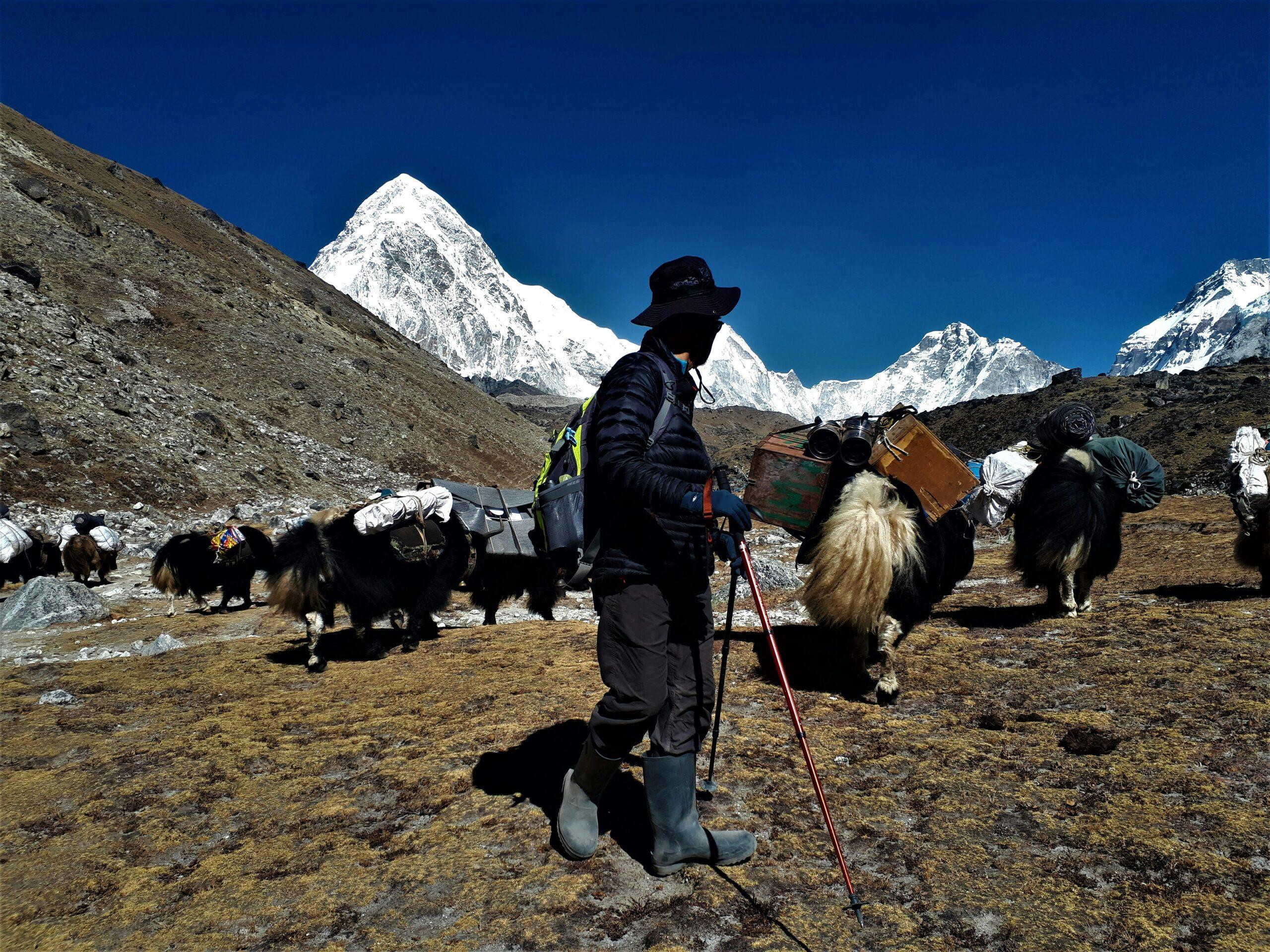
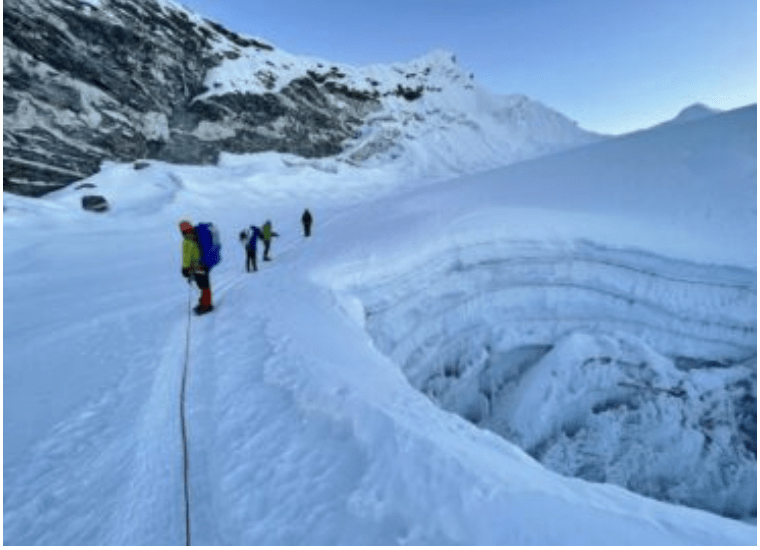
Climbers trekking toward Lobuche East Peak
The Lobuche East height is approximately 6,119 meters (20,075 feet) above sea level.
Important elevations along a typical route include:
| Location | Approximate Altitude |
|---|---|
| Lukla | 2,860 m |
| Namche Bazaar | 3,440 m |
| Tengboche | 3,860 m |
| Dingboche | 4,410 m |
| Lobuche | 4,910 m |
| Everest Base Camp | 5,364 m |
| Lobuche East Base Camp | ~5,000 m |
| Lobuche East High Camp | ~5,400–5,700 m |
| Lobuche East Summit | 6,119 m |
The substantial elevation gain makes acclimatization one of the most important components of the expedition.
Lobuche East Acclimatization
Proper acclimatization is essential because the climb reaches more than 6,000 meters.
A well-planned itinerary normally includes acclimatization days in locations such as Namche Bazaar and Dingboche.
Good altitude practices include:
- Ascending gradually
- Taking acclimatization days
- Staying hydrated
- Walking at a controlled pace
- Getting adequate sleep
- Avoiding excessive alcohol
- Monitoring symptoms of altitude sickness
- Following your climbing team’s instructions
Never continue ascending if you develop serious altitude-related symptoms.
Best Time for Lobuche East Climbing
The best seasons for Lobuche East Climbing are generally spring and autumn.
Spring: March to May
Spring provides favorable conditions for trekking and climbing.
The season offers:
- Increasingly stable weather
- Good mountain visibility
- Longer daylight hours
- Warmer conditions compared with winter
- Suitable climbing windows during favorable weather
Autumn: September to November
Autumn is another excellent season for climbing in the Everest region.
Advantages include:
- Clear skies
- Excellent mountain visibility
- Generally stable weather
- Good trekking conditions
October and November are particularly popular.
Winter: December to February
Winter brings very cold temperatures and potentially difficult snow conditions.
Although experienced mountaineers may attempt the climb, winter requires additional preparation and appropriate equipment.
Monsoon: June to August
Monsoon brings rainfall to lower elevations and less predictable weather.
Clouds can also affect visibility and flights to and from Lukla.
For most climbers, spring and autumn are the preferred seasons for Lobuche East Climbing.
Lobuche East Climbing Route
The standard Lobuche East climbing route begins with the classic Everest Base Camp trekking route before continuing toward the mountain.
A simplified route is:
Kathmandu → Lukla → Phakding → Namche Bazaar → Tengboche → Dingboche → Lobuche → Everest Base Camp → Lobuche East Base Camp → Lobuche East High Camp → Lobuche East Summit → Namche Bazaar → Lukla → Kathmandu
The precise climbing route can vary depending on mountain conditions, route changes and the decisions of the climbing team.
Lobuche East Base Camp
Lobuche East Base Camp serves as the main staging point for the summit attempt.
Climbers use Base Camp to:
- Rest
- Acclimatize
- Organize equipment
- Practice climbing techniques
- Prepare for High Camp
- Monitor weather
- Review the summit strategy
Technical equipment should be carefully checked before moving higher on the mountain.
Lobuche East High Camp
The move to Lobuche East High Camp marks a major transition toward the summit.
At this elevation, conditions become significantly colder and oxygen levels are much lower.
Climbers need to be prepared for:
- Freezing temperatures
- Strong winds
- Steep terrain
- Snow and ice
- Reduced visibility
- High-altitude fatigue
The timing of the move to High Camp depends on weather, route conditions and acclimatization.
Lobuche East Summit Day
Summit day is the most demanding stage of the expedition.
Climbers generally begin during the early hours to take advantage of the available weather and climbing window.
A typical summit day involves:
- Leaving High Camp
- Ascending steep terrain
- Using crampons
- Negotiating snow and ice
- Using fixed ropes where installed
- Reaching the summit
- Taking photographs
- Descending safely
Reaching the summit is only half the challenge. A controlled descent is essential after reaching 6,119 meters.
Lobuche East Permits
Climbing Lobuche East requires the appropriate climbing permits and trekking registrations.
Depending on current regulations and the itinerary, requirements may include:
- Lobuche East climbing permit
- Sagarmatha National Park entry permit
- Applicable trekking registration
- Other required local documentation
Permit fees and regulations can change, so climbers should verify the current requirements before departure.
A registered trekking and mountaineering agency can arrange the required paperwork.
Lobuche East Equipment List
Because Lobuche East is a climbing peak, appropriate technical equipment is essential.
Technical Climbing Equipment
- Mountaineering boots
- Crampons
- Ice axe
- Climbing harness
- Helmet
- Ascender
- Carabiners
- Slings
- Climbing gloves
- Mountaineering goggles
- Headlamp
Clothing
- Thermal base layers
- Fleece jacket
- Down jacket
- Waterproof shell
- Insulated trousers
- Waterproof trousers
- Warm gloves
- Balaclava
- Wool socks
- Warm hat
Trekking Equipment
- Backpack
- Duffel bag
- Sleeping bag
- Trekking poles
- Water bottles
- Water purification system
- Sunglasses
- Sunscreen
- Headlamp
Your climbing agency should provide a detailed packing list before the expedition.
Physical Preparation for Lobuche East Climbing
Physical preparation is essential for a successful Lobuche East Climbing expedition.
You should ideally begin training several weeks or months before departure.
Cardiovascular Training
Useful activities include:
- Hiking
- Running
- Cycling
- Stair climbing
- Swimming
- Brisk walking
Strength Training
Focus on:
- Squats
- Lunges
- Step-ups
- Calf raises
- Core exercises
Endurance Training
Long hikes with elevation gain are particularly valuable.
Gradually increase the:
- Distance
- Duration
- Elevation gain
- Backpack weight
The goal is to develop enough endurance to perform for many hours at high altitude.
Can Beginners Climb Lobuche East?
Lobuche East is not an easy beginner-level mountain.
A person with no trekking or mountaineering experience should not assume that hiring a guide automatically makes the climb easy.
Previous high-altitude trekking experience is strongly recommended.
Experience with the following is particularly useful:
- Multi-day Himalayan trekking
- Crampons
- Ice axe
- Fixed ropes
- Harness systems
- High-altitude environments
Professional climbing guides can teach technical skills, but climbers still need adequate fitness, preparation and altitude awareness.
Lobuche East Safety
High-altitude climbing involves genuine risks.
Important safety considerations include:
- Proper acclimatization
- Experienced climbing leadership
- Appropriate equipment
- Weather monitoring
- Route assessment
- Altitude-sickness awareness
- Adequate hydration
- Conservative summit decisions
- Emergency evacuation planning
Mountain conditions can change quickly.
A summit is never more important than the safety of the climbing team.
Travel Insurance for Lobuche East
Travel insurance is strongly recommended for Lobuche East Climbing.
Your insurance should specifically cover:
- High-altitude trekking
- Peak climbing or mountaineering
- Emergency medical treatment
- Helicopter evacuation
- Trip cancellation
- Lost baggage
Always check the maximum altitude covered by the policy and whether the policy specifically covers peak climbing.
Lobuche East with Everest Base Camp
Combining Lobuche East Climbing with Everest Base Camp is one of the most popular ways to experience the expedition.
The itinerary allows climbers to:
- Trek through the Khumbu Valley
- Experience Sherpa culture
- Visit Tengboche Monastery
- Reach Everest Base Camp
- Explore the Khumbu Glacier area
- Climb a 6,000-meter peak
This combination makes the journey more comprehensive than climbing Lobuche East alone.
Lobuche East vs Island Peak
Lobuche East and Island Peak are two popular climbing peaks in Nepal’s Everest region.
| Feature | Lobuche East | Island Peak |
|---|---|---|
| Height | 6,119 m | 6,189 m |
| Region | Everest | Everest |
| Difficulty | Challenging | Challenging |
| Main attraction | Everest-region panorama | Classic Himalayan climbing |
| EBC combination | Excellent | Excellent |
| Technical climbing | Required | Required |
Both peaks require appropriate preparation and professional climbing support.
Lobuche East vs Mera Peak
Mera Peak is higher than Lobuche East, while Lobuche East is often considered a more technical climbing objective depending on the route and conditions.
| Feature | Lobuche East | Mera Peak |
|---|---|---|
| Height | 6,119 m | 6,476 m |
| Main challenge | Technical climbing + altitude | Altitude + endurance |
| Technical sections | More significant | Generally less technical on standard route |
| Everest Base Camp | Easily combined | Usually separate |
| Experience | Technical Himalayan climbing | High-altitude peak climbing |
The better choice depends on your previous experience, fitness and climbing goals.
How Long Does Lobuche East Climbing Take?
A complete Lobuche East Climbing itinerary generally takes approximately 18–21 days.
The duration includes:
- Kathmandu preparation
- Trek to the Everest region
- Acclimatization
- Everest Base Camp
- Lobuche Base Camp
- High Camp
- Summit attempt
- Descent
- Return to Kathmandu
Additional contingency days may be added to account for weather and mountain conditions.
Frequently Asked Questions About Lobuche East Climbing
How much does Lobuche East Climbing cost?
The cost depends on the climbing permit, itinerary, group size, guide and Sherpa support, transportation, accommodation, equipment and services included. Request a current quotation for an exact price.
How difficult is Lobuche East Climbing?
Lobuche East is a challenging high-altitude climb involving technical sections, steep terrain, snow and ice, and a summit above 6,000 meters.
How high is Lobuche East?
Lobuche East is approximately 6,119 meters (20,075 feet) high.
How long does Lobuche East Climbing take?
Most complete itineraries take approximately 18–21 days, depending on acclimatization, weather and the selected route.
What is the best time to climb Lobuche East?
Spring and autumn are generally considered the best seasons, especially March to May and September to November.
Can beginners climb Lobuche East?
Beginners with no trekking or climbing experience should not treat Lobuche East as an introductory climb. Previous high-altitude trekking and mountaineering experience is strongly recommended.
Do I need climbing experience for Lobuche East?
Experience with high-altitude trekking and basic mountaineering skills is highly beneficial. Climbers should be prepared to learn and use crampons, ice axes, harnesses and fixed ropes.
Can Lobuche East be combined with Everest Base Camp?
Yes. Many climbers combine the Everest Base Camp Trek and Lobuche East Climbing into one itinerary.
What is the difference between Lobuche East and Lobuche West?
Lobuche East and Lobuche West are separate summits. Lobuche East is the summit commonly targeted by commercial peak-climbing expeditions, while Lobuche West presents a more demanding mountaineering objective.
Is Lobuche East harder than Everest Base Camp?
Yes. Everest Base Camp is a high-altitude trek, while Lobuche East involves an additional technical climbing component and reaches 6,119 meters.
Is Lobuche East worth climbing?
For properly prepared climbers, Lobuche East offers an excellent combination of Himalayan trekking, technical climbing, Sherpa culture, Everest-region scenery and the achievement of reaching a 6,000-meter summit.
Book Your Lobuche East Climbing Adventure with Destination Holiday Trek
Ready to go beyond Everest Base Camp and take on a Himalayan summit?
Destination Holiday Trek can organize your Lobuche East Climbing adventure with experienced trekking and climbing guides, permits, accommodation, transportation, acclimatization planning and technical climbing support.
Whether you want to combine Lobuche East with Everest Base Camp or create a customized peak-climbing itinerary, our team can help you plan your Himalayan adventure.
Contact Destination Holiday Trek today and start planning your Lobuche East Climbing expedition.
For the latest information on trekking regulations, permits, conservation areas, and mountaineering requirements in Nepal, visit the official Nepal Tourism Board and relevant government authorities before planning your Pisang Peak Climbing adventure.
Also if you want to view our other treks then you can follow this link.
Reviews
There are no reviews yet.