

Island Peak Climbing-18 Days
$ 2,650.00$ 2,499.00
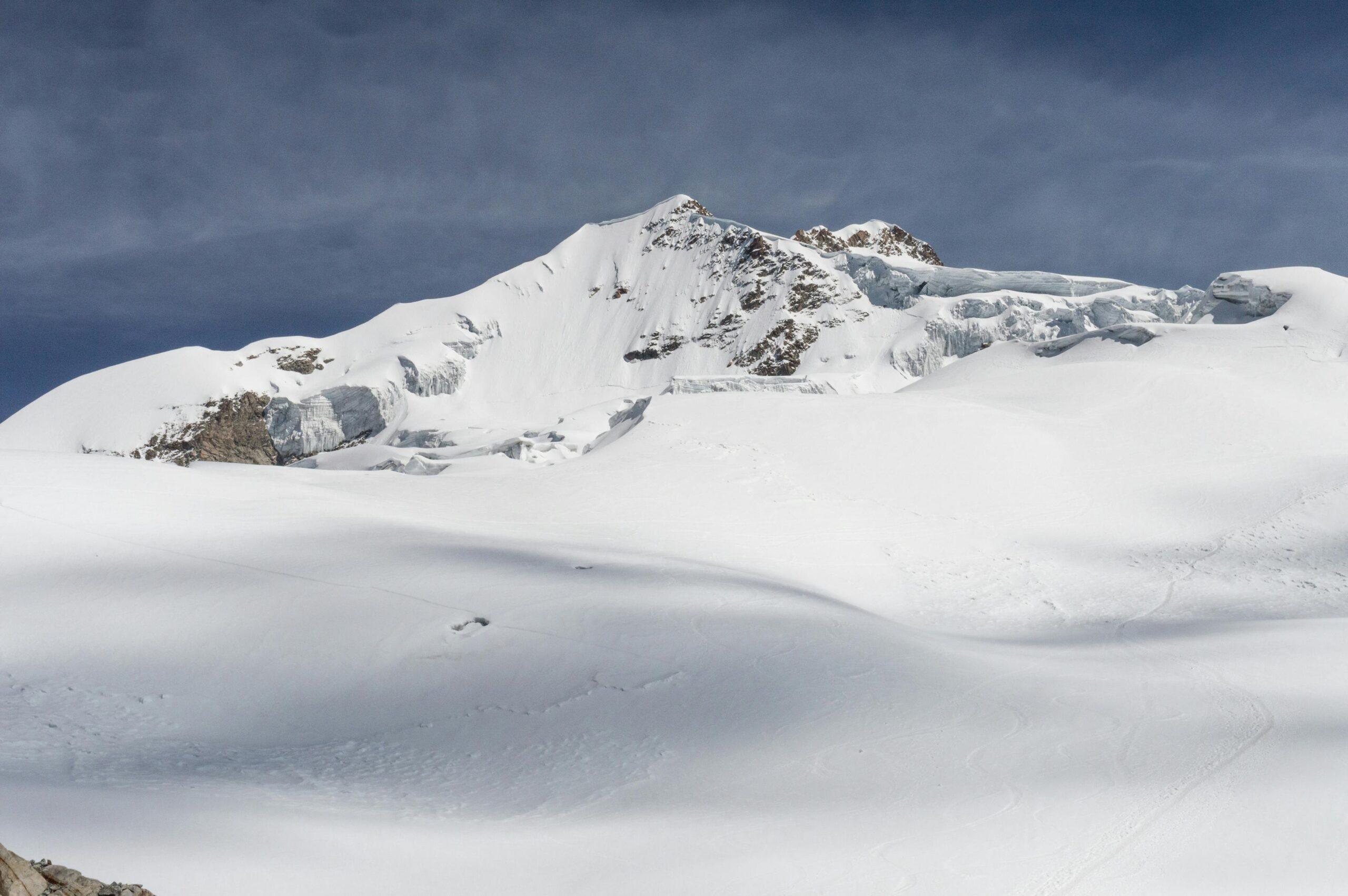
Island Peak, locally known as Imja Tse, is one of the most iconic trekking peaks in Nepal, standing at 6,189 meters (20,305 ft) in the Sagarmatha (Everest) region. Renowned for its stunning views and moderate climbing challenge, Island Peak is a perfect blend of high-altitude trekking, mountaineering adventure, and Himalayan scenery, attracting both novice climbers and experienced trekkers.
TREK AND CLIMB OVERVIEW
The Island Peak climb typically begins with a scenic flight from Kathmandu to Lukla, followed by a trek through the heart of the Everest region, passing through classic Sherpa villages, lush valleys, and iconic landmarks such as:
- Namche Bazaar – Sherpa capital and cultural hub
- Tengboche Monastery – spiritual and scenic highlight
- Dingboche & Lobuche – high-altitude acclimatization villages
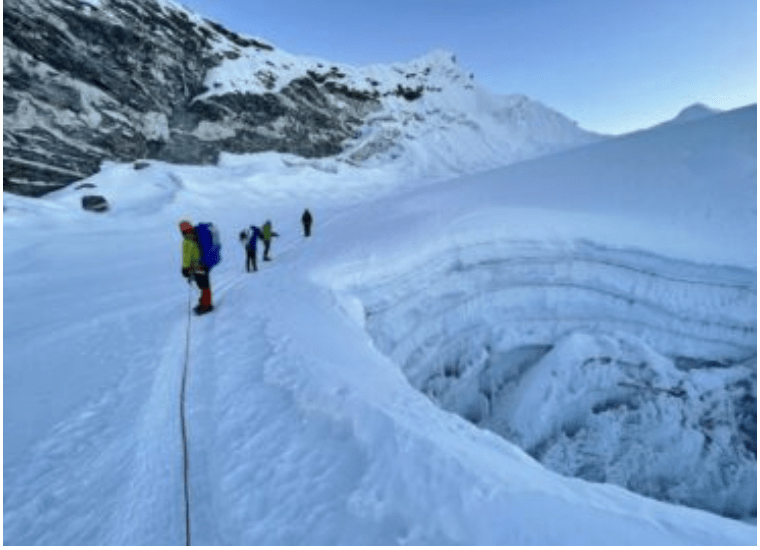
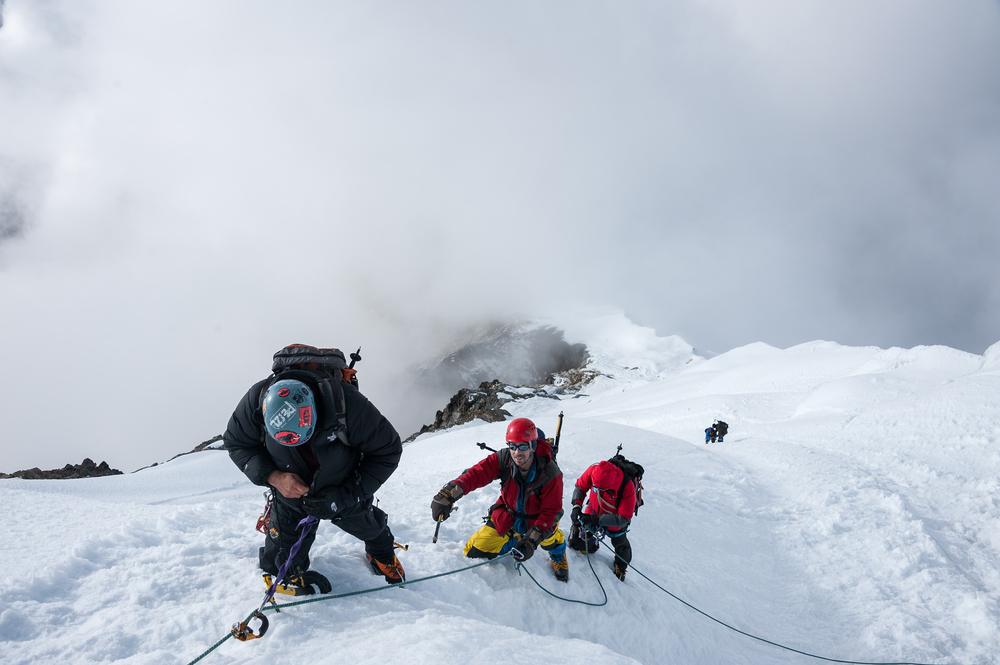
The climb itself involves glacier travel, fixed rope sections, and a short technical ascent, giving trekkers a genuine mountaineering experience while being accessible to first-time climbers under expert Sherpa guidance. Summit day usually begins in the early morning hours to reach the top in time for sunrise over the Khumbu Himalayas, including breathtaking views of Mount Everest, Lhotse, Nuptse, Ama Dablam, and Tawoche.
Product Description
Island Peak Climbing: Cost, Itinerary, Difficulty & Complete Guide
Island Peak Climbing is one of the most popular introductory mountaineering adventures in Nepal. Also known as Imja Tse, Island Peak rises to approximately 6,189 meters (20,305 feet) in the Everest region and offers an exciting combination of Himalayan trekking, glacier travel, fixed-rope climbing and a spectacular summit experience.
Located in the Khumbu region near Chhukung, Island Peak is an excellent choice for trekkers who want to progress from high-altitude trekking to technical Himalayan climbing. The route follows much of the famous Everest Base Camp trail before branching into the Imja Valley toward Island Peak Base Camp.
Although Island Peak is often considered an entry-level Himalayan climbing peak, it should not be underestimated. Summit day involves crampons, an ice axe, fixed ropes, glacier terrain and a steep headwall at high altitude. Proper acclimatization, physical preparation, technical training and experienced climbing guides are essential.
This complete Island Peak Climbing guide covers the cost, itinerary, difficulty, altitude, permits, route, best season, equipment, preparation, safety and everything you need to know before attempting the summit.
Island Peak Climbing at a Glance
| Feature | Details |
|---|---|
| Peak Name | Island Peak / Imja Tse |
| Altitude | 6,189 m / 20,305 ft |
| Location | Khumbu, Everest Region, Nepal |
| Region | Sagarmatha National Park |
| Climbing Grade | Introductory / semi-technical alpine climb |
| Typical Duration | 14–20 days |
| Standard Approach | Lukla – Namche – Dingboche – Chhukung |
| Base Camp | Around 5,000 m |
| High Camp | Around 5,600 m |
| Best Seasons | Spring and Autumn |
| Main Skills | Crampons, ice axe, fixed ropes, jumar and abseiling |
| Typical Cost | Approximately US$2,000–4,000+ |
| Popular Combination | Island Peak + Everest Base Camp |
Island Peak is one of Nepal’s most frequently climbed trekking peaks, and government tourism statistics have historically recorded substantial numbers of climbers on Imja Tse.
What Is Island Peak Climbing?
Island Peak Climbing is a Himalayan mountaineering expedition to the summit of Imja Tse, commonly called Island Peak.
The mountain is situated in the Everest region and is surrounded by some of the world’s most famous Himalayan peaks, including Lhotse, Nuptse, Ama Dablam, Makalu and Baruntse.
The expedition combines:
- High-altitude trekking
- Glacier crossing
- Snow and ice climbing
- Fixed-rope climbing
- Crampon and ice-axe techniques
- High-altitude acclimatization
- Himalayan expedition camping
- A demanding summit push
For many climbers, Island Peak provides an important transition between trekking and climbing higher Himalayan peaks.
Why Choose Island Peak Climbing?
There are several reasons why Island Peak has become one of Nepal’s most popular climbing objectives.
1. An Ideal Introduction to Himalayan Climbing
Island Peak provides an opportunity to experience genuine Himalayan mountaineering without immediately committing to a 7,000m or 8,000m expedition.
2. Stunning Everest Region Location
The mountain is surrounded by spectacular Himalayan scenery, including Lhotse, Nuptse, Ama Dablam, Makalu and other major peaks.
3. Combination of Trekking and Climbing
The approach follows the famous Khumbu trekking route, allowing climbers to experience Sherpa villages, Buddhist monasteries and dramatic Himalayan landscapes.
4. Technical Climbing Experience
Unlike a normal trekking route, Island Peak requires participants to use:
- Crampons
- Ice axe
- Harness
- Ascender/Jumar
- Carabiners
- Fixed ropes
- Climbing helmet
5. Island Peak with Everest Base Camp
Many climbers combine Island Peak Climbing with Everest Base Camp Trek to improve acclimatization and experience two famous Himalayan destinations during one expedition.
Current commercial programs commonly offer approximately 18–20-day itineraries combining Island Peak with Everest Base Camp.
Island Peak Height
The commonly cited height of Island Peak is 6,189 meters (20,305 feet).
At this altitude, oxygen availability is significantly reduced compared with sea level. Consequently, acclimatization becomes one of the most important factors in a successful Island Peak expedition.
The climb should never be treated as simply a physically demanding hike. Altitude, cold, wind, snow conditions and technical terrain can all affect the summit attempt.
Island Peak Climbing Difficulty
Island Peak Climbing is considered a challenging introductory Himalayan climb.
You do not necessarily need extensive previous mountaineering experience, but you need excellent physical fitness and the ability to learn basic climbing techniques.
The climb becomes difficult because of the combination of:
- High altitude
- Long summit day
- Glacier travel
- Steep snow and ice
- Fixed ropes
- Cold temperatures
- Exposure
- Changing mountain weather
- Altitude-related fatigue
Current 2026 climbing guides describe Island Peak as a genuine alpine climb rather than a simple trekking peak, with fixed-rope sections and a steep headwall forming important parts of the summit route.
Is Island Peak Suitable for Beginners?
Yes, Island Peak can be suitable for beginners with good physical fitness, particularly when climbing with an experienced guide and following an adequate acclimatization schedule.
However, “beginner-friendly” does not mean “easy.”
A first-time climber should ideally:
- Have previous high-altitude trekking experience
- Be comfortable hiking for 6–8 hours
- Have good cardiovascular endurance
- Train with a backpack
- Learn crampon techniques
- Learn ice-axe techniques
- Practice ascending fixed ropes
- Understand basic mountaineering safety
- Allow sufficient time for acclimatization
If you have never climbed before, a professional climbing guide should provide technical training before the summit attempt.
Island Peak Climbing Cost
The Island Peak Climbing cost varies considerably depending on the itinerary, group size, guide-to-climber ratio, accommodation, transportation, equipment and level of support.
For 2026, published commercial packages range from approximately US$2,000 to US$4,000+ per person, while premium or highly customized expeditions can cost considerably more. Current examples include packages around US$2,200–2,550 for 20-day programs and approximately US$2,800–3,200 for fully guided programs.
Estimated Island Peak Climbing Cost
| Expense | Approximate Cost |
|---|---|
| Climbing package | US$2,000–4,000+ |
| Domestic Lukla flights | US$300–450+ |
| Climbing permit | Varies by season |
| Accommodation | Usually package-dependent |
| Meals | Usually package-dependent |
| Guide & climbing Sherpa | Usually included |
| Climbing equipment | Included or rented depending on package |
| Travel insurance | Additional |
| Personal equipment | Additional |
| Tips | Additional |
| International airfare | Additional |
Always check exactly what is included before comparing two Island Peak climbing packages.
A lower advertised price may exclude flights, climbing gear, permits, meals, insurance or climbing Sherpa support.
Island Peak Climbing Permit
A climbing permit is required for Island Peak because it is a designated trekking peak.
The principal climbing authorization is associated with the Nepal Mountaineering Association (NMA), while trekkers also need the applicable conservation-area and local-entry permissions for the Everest region.
Permit rates can change, so climbers should confirm the current seasonal fee with their registered Nepal trekking or expedition agency before departure. Current 2026 commercial sources publish different NMA fee figures depending on season and how fees are presented, so it is better not to rely on an outdated fixed number.
A typical Island Peak expedition may involve:
- NMA climbing permit
- Sagarmatha National Park entry
- Khumbu Pasang Lhamu Rural Municipality fee
- Applicable trekking documentation
- Expedition/garbage-related requirements where applicable
Your trekking agency normally handles the permit process.
Island Peak Climbing Route
The classic Island Peak Climbing route starts in Kathmandu and follows the Everest region trekking trail toward Chhukung.
Standard Route
Kathmandu → Lukla → Phakding → Namche Bazaar → Tengboche → Dingboche → Chhukung → Island Peak Base Camp → High Camp → Island Peak Summit
The lower section of the journey follows the famous Everest Base Camp trekking corridor.
At Dingboche, the route eventually turns toward the Imja Valley and Chhukung before continuing to Island Peak Base Camp.
Island Peak Climbing Itinerary
A well-designed itinerary is extremely important because rushing the approach can increase the risk of altitude-related problems.
Below is a representative 20-day Island Peak Climbing itinerary with Everest Base Camp.
Day 1: Arrival in Kathmandu
Arrive in Kathmandu and transfer to your hotel.
Meet your climbing team and complete a briefing, equipment inspection and expedition preparation.
Altitude: Approximately 1,400m
Day 2: Kathmandu Preparation and Briefing
Use the day for final preparation.
Your climbing guide can inspect your technical equipment and make sure everything required for the expedition is ready.
This is also useful as a contingency day for flight or logistical issues.
Day 3: Fly to Lukla and Trek to Phakding
Take the scenic flight toward Lukla.
From Lukla, begin trekking toward Phakding.
Walking time: Approximately 3–4 hours
Altitude: Approximately 2,610m
Day 4: Phakding to Namche Bazaar
Follow the Dudh Koshi Valley toward Namche Bazaar.
Cross suspension bridges and enter the Sagarmatha National Park.
Altitude: Approximately 3,440m
Day 5: Acclimatization at Namche
Spend the day acclimatizing.
A short hike toward the Everest View Hotel or nearby villages helps your body adjust to the increasing elevation.
Day 6: Namche to Tengboche
Continue toward Tengboche through beautiful Himalayan terrain.
Tengboche is famous for its Buddhist monastery and panoramic mountain views.
Altitude: Approximately 3,860m
Day 7: Tengboche to Dingboche
Descend toward the Imja Khola and gradually climb toward Dingboche.
Altitude: Approximately 4,410m
Day 8: Acclimatization at Dingboche
Take an acclimatization hike around Dingboche.
Depending on conditions, the hike may reach a nearby viewpoint before returning to the village.
Day 9: Dingboche to Lobuche
Continue toward Lobuche along the Everest Base Camp route.
The landscape becomes increasingly barren and alpine.
Altitude: Approximately 4,940m
Day 10: Lobuche to Everest Base Camp
Trek toward Everest Base Camp.
The trail passes through the Khumbu Glacier area before reaching the famous Everest Base Camp.
After exploring the area, return toward Gorak Shep or another planned overnight location.
Day 11: Kala Patthar and Trek to Chhukung
Depending on the itinerary and acclimatization plan, an early morning hike toward Kala Patthar can provide an additional high-altitude acclimatization experience.
Afterward, descend and travel toward the Imja Valley and Chhukung.
Day 12: Chhukung to Island Peak Base Camp
Leave Chhukung and trek toward Island Peak Base Camp.
The landscape gradually changes from trekking terrain to glacial and alpine terrain.
Base Camp: Around 5,000m
Day 13: Technical Training and Acclimatization
Spend the day preparing for the summit.
Your climbing team may practice:
- Crampon walking
- Ice-axe techniques
- Fixed-rope ascending
- Jumar use
- Rappelling
- Harness systems
- Glacier safety
This training day can be one of the most important parts of the expedition.
Day 14: Island Peak Base Camp to High Camp
Depending on the current route and climbing conditions, the team moves toward High Camp.
High Camp: Approximately 5,600m
Prepare equipment for the summit attempt.
Go to bed early because the summit push usually begins during the night.
Day 15: Island Peak Summit Day
This is the most challenging day of the expedition.
The summit attempt generally begins very early, often around midnight to the early morning hours, depending on weather, route conditions and the guide’s strategy.
The route involves:
- Leaving High Camp
- Ascending toward the glacier
- Crossing glaciated terrain
- Reaching the technical climbing section
- Ascending fixed ropes
- Crossing steep snow and ice
- Reaching the summit ridge
- Climbing toward the summit
- Reaching the summit of Island Peak
- Descending carefully
Summit day can take many hours and requires significant physical and mental endurance. Current 2026 sources describe summit days of roughly 10–13 hours depending on conditions and itinerary.
The summit provides spectacular views toward Lhotse, Nuptse, Ama Dablam, Makalu and the surrounding Himalayan peaks.
After celebrating at the summit, descend carefully toward Base Camp or Chhukung according to the expedition plan.
Day 16: Contingency / Rest Day
A contingency day provides flexibility in case poor weather or route conditions prevent a summit attempt.
This extra day can be critical because Himalayan weather is unpredictable.
Day 17: Chhukung to Pangboche
Descend through the beautiful Imja Valley toward Pangboche.
Day 18: Pangboche to Namche Bazaar
Continue downhill through the Khumbu villages and forests toward Namche.
Day 19: Namche to Lukla
Complete the final trekking section toward Lukla.
Day 20: Fly Lukla to Kathmandu
Take the flight back to Kathmandu and complete your Island Peak adventure.
The exact itinerary may vary depending on weather, acclimatization, flight schedules and the climbing operator.
Island Peak Base Camp
Island Peak Base Camp is located at approximately 5,000 meters above sea level.
It becomes the main staging point for the climbing phase of the expedition.
At Base Camp, climbers normally:
- Rest
- Acclimatize
- Prepare equipment
- Receive technical training
- Review the climbing route
- Check weather forecasts
- Prepare food and water
- Organize summit-day equipment
The atmosphere changes dramatically compared with the lower trekking villages. The environment becomes colder, more exposed and more alpine.
Island Peak High Camp
High Camp is generally established at approximately 5,600 meters, although the exact location can vary depending on route conditions and the climbing team’s strategy.
The High Camp is used to reduce the distance and elevation gain required during the summit push.
Because summit day begins very early, climbers usually spend only a short period at High Camp before beginning the ascent.
Island Peak Summit Day
Summit day is the defining part of the expedition.
You may climb through darkness using a headlamp before reaching the glacier and technical climbing sections.
The steep headwall is one of the most recognizable challenges of Island Peak.
Fixed ropes are commonly used on technical sections, but climbers must still understand how to use their harness, ascender and other equipment correctly.
Once above the technical section, climbers continue toward the summit ridge.
The final section can be physically demanding because you are operating at more than 6,000 meters.
The summit is not guaranteed. Weather, route conditions, altitude sickness, fatigue and safety considerations can require a turnaround.
Best Time for Island Peak Climbing
The best seasons for Island Peak Climbing in Nepal are generally spring and autumn.
Spring: March to May
Spring is one of the best periods for Himalayan climbing.
Advantages include:
- More stable weather
- Good visibility
- Warmer conditions than winter
- Suitable climbing conditions
- Excellent mountain views
April and May are particularly popular for climbing expeditions.
Autumn: September to November
Autumn is another excellent climbing season.
The monsoon gradually clears, producing dry trails and generally excellent visibility.
Advantages include:
- Clear mountain views
- Stable weather
- Dry trekking trails
- Favorable climbing conditions
- Comfortable trekking temperatures
October and November are particularly popular.
Winter
Winter climbing is possible for experienced teams, but conditions can be significantly colder.
Snow, wind and extreme temperatures increase the difficulty.
Monsoon
June through August is generally less favorable because of monsoon conditions, rain, cloud, flight disruptions and potentially more difficult trail conditions.
Island Peak Climbing Equipment
Having appropriate equipment is essential.
Personal Trekking Equipment
- Trekking boots
- Trekking poles
- Down jacket
- Fleece layers
- Waterproof jacket
- Waterproof trousers
- Thermal base layers
- Gloves
- Wool socks
- Sun hat
- Warm hat
- Sunglasses
- Headlamp
- Backpack
- Sleeping bag
- Water bottles
Technical Climbing Equipment
- Mountaineering boots
- Crampons
- Ice axe
- Climbing harness
- Helmet
- Jumar/ascender
- Carabiners
- Sling
- Descender
- Prusik cord
- Climbing gloves
- Goggles
The exact technical equipment supplied by an operator varies, so ask for an equipment list before booking.
Physical Training for Island Peak Climbing
You should begin training several months before the expedition.
Focus on four areas:
Cardiovascular Endurance
Train with:
- Hiking
- Running
- Cycling
- Stair climbing
- Incline walking
Leg Strength
Useful exercises include:
- Squats
- Lunges
- Step-ups
- Calf raises
Core Strength
A strong core improves balance while carrying a backpack and climbing with technical equipment.
Hiking Endurance
Long hikes with a progressively heavier backpack are especially useful.
The goal is to become comfortable walking for several consecutive hours at altitude.
Technical Training for Island Peak
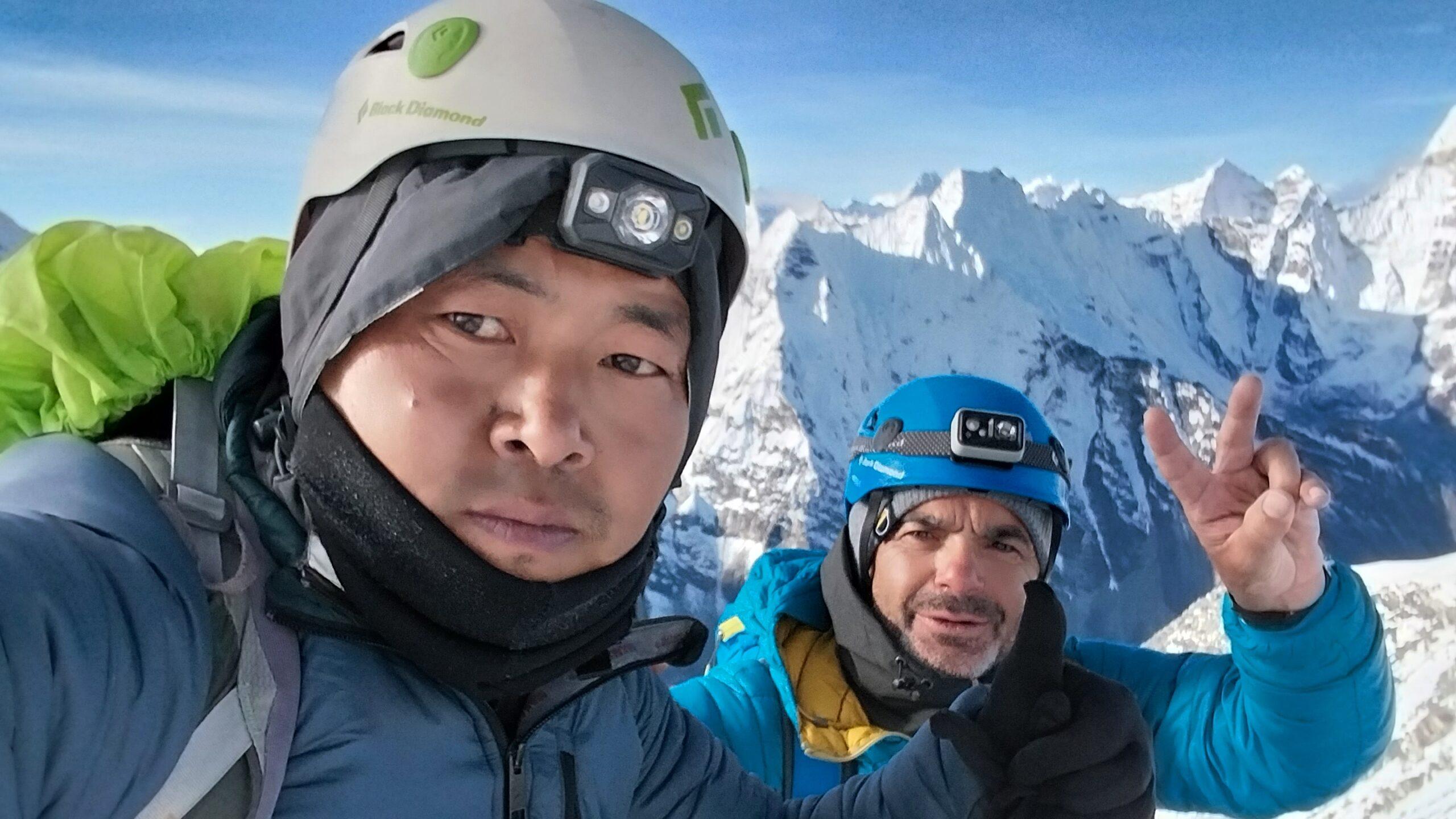
Technical training should cover:
- How to wear crampons
- French technique
- Ice-axe arrest
- Fixed-rope climbing
- Jumar ascending
- Rappelling
- Clipping into fixed lines
- Glacier movement
- Basic rope systems
A good climbing operator should provide practical training before the summit attempt.
Island Peak Climbing Safety
Safety should be the highest priority.
Important considerations include:
Acclimatization
Never rush the ascent.
Altitude Sickness
Learn the symptoms of:
- Acute Mountain Sickness
- High-altitude pulmonary edema
- High-altitude cerebral edema
Any serious altitude symptoms require immediate attention and potentially descent.
Weather
Mountain weather can change rapidly.
Your guide should make the final summit decision based on current weather and route conditions.
Hydration
Drink regularly throughout the trek and climbing period.
Insurance
Purchase travel insurance that specifically covers high-altitude trekking, mountaineering and emergency evacuation to the altitude relevant to your itinerary.
Emergency Evacuation
Make sure your insurance and expedition operator have a clear emergency-response plan.
Island Peak Climbing with Everest Base Camp
Combining Island Peak Climbing with Everest Base Camp Trek is one of the most popular ways to complete the expedition.
The combination provides:
- Additional acclimatization
- Everest Base Camp experience
- Kala Patthar opportunity
- More time in the Khumbu
- Sherpa cultural experiences
- Better preparation for the climbing phase
A longer itinerary is often preferable to rushing directly toward the mountain.
Island Peak vs Mera Peak
Island Peak and Mera Peak are two of Nepal’s most popular introductory climbing peaks.
| Feature | Island Peak | Mera Peak |
|---|---|---|
| Approx. altitude | 6,189m | 6,476m |
| Region | Everest/Khumbu | Everest/Makalu region |
| Technical difficulty | More technical | Generally less technical |
| Fixed ropes | Yes | Depending on route |
| Glacier travel | Yes | Yes |
| Popularity | Extremely popular | Extremely popular |
| Best for | Technical climbing introduction | High-altitude mountaineering introduction |
Island Peak is lower than Mera Peak but generally involves more obvious technical climbing.
Island Peak vs Lobuche East
Both are popular 6,000-meter peaks in the Everest region.
Island Peak generally offers a more pronounced glacier and fixed-rope climbing experience, while Lobuche East includes steep and exposed sections and can also provide a strong introduction to Himalayan mountaineering.
Your choice should depend on your experience, fitness, technical goals and the current route conditions.
Accommodation During Island Peak Climbing
During the trekking portion, accommodation is generally provided in local teahouses or lodges.
Rooms are typically simple and may include:
- Beds
- Blankets
- Dining areas
- Shared bathrooms
- Charging facilities where available
During the climbing phase, accommodation changes to tents at Base Camp and potentially High Camp.
Food During Island Peak Climbing
Typical trekking meals include:
- Dal bhat
- Rice
- Noodles
- Pasta
- Soup
- Potatoes
- Eggs
- Bread
- Tibetan bread
- Vegetables
- Porridge
- Tea
- Coffee
- Snacks
At higher elevations, meals become simpler because of logistical limitations.
Adequate carbohydrate and protein intake is important because of the energy demands of high-altitude trekking and climbing.
Do You Need a Guide for Island Peak?
For foreign climbers, working with a registered Nepal trekking and climbing company is strongly recommended.
An experienced climbing team can assist with:
- Permits
- Route planning
- Acclimatization
- Technical training
- Fixed ropes
- Camps
- Weather assessment
- Emergency response
- Porter logistics
- Food and accommodation
The quality of your guide and climbing support can have a significant effect on safety and overall experience.
How Long Does Island Peak Climbing Take?
A typical Island Peak Climbing itinerary takes around 14–20 days from Kathmandu and back.
Shorter itineraries may be available, particularly for experienced trekkers who have already acclimatized in the Everest region.
However, first-time climbers generally benefit from a longer itinerary with sufficient acclimatization and contingency days.
Current commercial programs commonly advertise 18–20-day Island Peak itineraries.
Who Should Climb Island Peak?
Island Peak is suitable for:
- Experienced trekkers
- Fit adventure travelers
- Beginner mountaineers with proper training
- Climbers preparing for higher peaks
- People interested in learning Himalayan climbing techniques
It is less suitable for people who are unprepared for prolonged high-altitude trekking or technical climbing.
Island Peak Climbing Preparation Checklist
Before leaving for Nepal, make sure you have:
- Good cardiovascular fitness
- Strong legs
- High-altitude trekking experience if possible
- Appropriate insurance
- Complete climbing equipment
- Proper footwear
- Warm clothing
- Adequate acclimatization schedule
- Qualified climbing guide
- Appropriate permits
- Emergency contacts
- Contingency days
Frequently Asked Questions About Island Peak Climbing
How high is Island Peak?
Island Peak, also known as Imja Tse, is approximately 6,189 meters (20,305 feet) high.
How difficult is Island Peak Climbing?
Island Peak is a challenging introductory Himalayan climb involving glacier travel, fixed ropes, crampons, an ice axe and steep terrain.
How much does Island Peak Climbing cost?
In 2026, commercial packages commonly fall around US$2,000–4,000+, depending on the operator, itinerary and services included.
Do I need previous climbing experience?
Not necessarily. Fit trekkers without previous summit experience can attempt Island Peak with proper technical training and professional guidance. However, previous high-altitude trekking experience is highly beneficial.
What is the best season for Island Peak?
Spring and autumn are generally considered the best seasons, particularly March–May and September–November.
Can I combine Island Peak with Everest Base Camp?
Yes. Combining Island Peak Climbing with Everest Base Camp Trek is one of the most popular itineraries.
How long does Island Peak Climbing take?
Most commercial itineraries take approximately 14–20 days, depending on acclimatization and whether Everest Base Camp is included.
Do I need a climbing permit?
Yes. Island Peak is a designated climbing peak and requires the applicable climbing authorization and other regional permits.
Is Island Peak harder than Mera Peak?
Island Peak is lower than Mera Peak but generally more technical, particularly because of the fixed-rope and steep climbing sections.
What equipment do I need?
You need standard high-altitude trekking equipment plus mountaineering equipment such as crampons, an ice axe, harness, helmet, ascender, carabiners and appropriate climbing boots.
Book Your Island Peak Climbing Adventure
Island Peak Climbing is an ideal opportunity to experience genuine Himalayan mountaineering while exploring the spectacular Everest region.
From the vibrant streets of Kathmandu to the Sherpa villages of the Khumbu, the route combines cultural discovery, high-altitude trekking, glacier travel and an unforgettable summit attempt at 6,189 meters.
With proper preparation, gradual acclimatization, professional climbing support and the right equipment, Island Peak can become an important milestone in your mountaineering journey.
Contact us today to plan your Island Peak Climbing adventure in Nepal and receive a customized itinerary, cost estimate and departure options.
For the latest information on trekking regulations, permits, conservation areas, and mountaineering requirements in Nepal, visit the official Nepal Tourism Board and relevant government authorities before planning your Pisang Peak Climbing adventure.
Also if you want to view our other treks then you can follow this link.
Reviews
There are no reviews yet.