

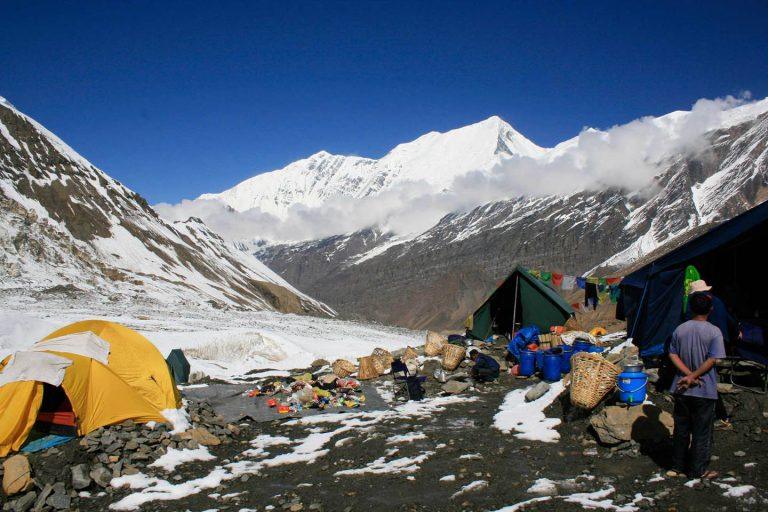
Dhaulagiri Circuit Trek-20 Days
$ 3,250.00$ 3,100.00
The Dhaulagiri Circuit Trek is an exhilarating and challenging adventure that takes you through high alpine pastures, towering passes, and remote, untouched valleys. This trek offers an unparalleled journey around Dhaulagiri (8,167 m), the world’s seventh-highest mountain, known as the “White Mountain.” While many peaks around the globe bear names translating to White Mountain, Dhaulagiri stands out as an iconic name in the world of mountaineering and trekking. Located in western Nepal, the Dhaulagiri region is renowned for its remote and adventurous trekking routes, making it one of the most sought-after destinations for those seeking solitude and grandeur in the Himalayas.
Product Description
Dhaulagiri Circuit Trek: Cost, Itinerary, Difficulty & Complete Guide
The Dhaulagiri Circuit Trek is one of Nepal’s most challenging and remote Himalayan trekking adventures. Circumnavigating Mount Dhaulagiri (8,167m), the world’s seventh-highest mountain, this spectacular wilderness trek takes you through deep river valleys, remote mountain villages, high alpine landscapes, glaciers, the dramatic French Pass, the mysterious Hidden Valley, and Dhampus Pass.
Unlike popular teahouse routes such as the Annapurna Circuit or Everest Base Camp Trek, the Dhaulagiri Circuit is an expedition-style camping trek. Much of the high-altitude section requires tents, a professional trekking crew, experienced guides, and careful acclimatization.
The route reaches its highest point at approximately 5,360 meters at French Pass before descending through Hidden Valley toward Dhampus Pass, Yak Kharka, Marpha, and Jomsom. The combination of extreme landscapes, limited infrastructure, demanding terrain, and exceptional mountain views makes this trek ideal for experienced and adventurous trekkers.
If you are searching for a Dhaulagiri Circuit Trek itinerary, cost, difficulty, permits, best time to trek, route, altitude, or packing list, this complete guide covers everything you need to know.
Dhaulagiri Circuit Trek Highlights
- Circumnavigate Mount Dhaulagiri, 8,167m
- Explore one of Nepal’s most remote trekking regions
- Trek through the dramatic Myagdi Khola Valley
- Visit traditional Magar and Gurung settlements
- Cross the spectacular French Pass at 5,360m
- Explore the remote and beautiful Hidden Valley
- Cross Dhampus Pass at around 5,240m
- Visit Italian Base Camp and Dhaulagiri Base Camp
- Trek across rugged glacial and moraine terrain
- Enjoy spectacular views of Dhaulagiri, Tukuche Peak, Dhampus Peak and surrounding mountains
- Experience a genuine Himalayan wilderness and camping adventure
- Descend toward the Kali Gandaki Valley
- Visit the beautiful Thakali village of Marpha
- Finish the trek at Jomsom
- Enjoy far fewer trekkers than on Nepal’s major commercial routes
What Is the Dhaulagiri Circuit Trek?
The Dhaulagiri Circuit Trek is a challenging high-altitude trekking route that circles the Dhaulagiri massif in western Nepal.
Dhaulagiri I rises to 8,167 meters and is officially recognized by the Nepal Tourism Board as the seventh-highest mountain in the world.
The trek generally begins around Darbang, reached by road from Beni, and follows the Myagdi Khola upstream through remote settlements and increasingly rugged landscapes.
As the trail climbs, trekkers pass through:
Darbang → Dharapani → Muri → Boghara → Dobang → Sallaghari → Italian Base Camp → Glacier Camp → Dhaulagiri Base Camp → French Pass → Hidden Valley → Dhampus Pass → Yak Kharka → Marpha → Jomsom
The upper section is particularly remote. There is no continuous teahouse network on the high-altitude section, so organized camping support is essential.
Dhaulagiri Circuit Trek Quick Facts
| Category | Details |
|---|---|
| Trek Name | Dhaulagiri Circuit Trek |
| Region | Dhaulagiri / Myagdi |
| Country | Nepal |
| Highest Point | French Pass – approximately 5,360m |
| Dhaulagiri I | 8,167m |
| Duration | Approximately 17–21 days |
| Difficulty | Very Challenging / Strenuous |
| Trek Type | Camping / Wilderness Trek |
| Best Seasons | Spring and Autumn |
| Major Passes | French Pass & Dhampus Pass |
| Starting Point | Darbang |
| Ending Point | Jomsom |
| Major Valley | Myagdi Khola |
| Major Attraction | Hidden Valley |
| Accommodation | Camping and selected teahouses/lodges |
| Experience Recommended | Previous high-altitude trekking |
| Maximum Altitude | About 5,360m |
Exact itinerary length varies between operators depending on acclimatization days, transport arrangements, weather buffers, and route conditions. Current 2026 itineraries commonly range from about 16 to 21 days.
Why Choose the Dhaulagiri Circuit Trek?
The Dhaulagiri Circuit is not simply another Himalayan trekking route. It is an expedition-style wilderness journey for people looking for solitude, demanding terrain, and dramatic mountain scenery.
1. Experience the Seventh-Highest Mountain in the World
The centerpiece of the trek is Dhaulagiri I, standing at 8,167 meters.
The mountain dominates the surrounding landscape and provides spectacular views throughout the upper section of the trek.
2. Cross the French Pass
At approximately 5,360 meters, French Pass is the highest point of the standard Dhaulagiri Circuit.
The ascent is demanding, particularly because of altitude, cold temperatures, snow and rugged terrain. Reaching the top provides spectacular views of the surrounding Himalayan peaks.
3. Explore Hidden Valley
After crossing French Pass, the trail descends into the remote Hidden Valley, a high-altitude wilderness surrounded by enormous Himalayan peaks.
The isolated landscape is one of the defining experiences of the Dhaulagiri Circuit Trek.
4. Cross Dhampus Pass
The route continues across Dhampus Pass, generally around 5,240 meters, before descending toward the Kali Gandaki Valley.
This is another demanding section requiring good acclimatization and appropriate weather conditions.
5. Escape the Crowds
Compared with Everest Base Camp, Annapurna Base Camp and the Annapurna Circuit, Dhaulagiri sees substantially fewer trekkers.
If you want a remote Nepal trekking experience, this route offers a genuine sense of wilderness.
Dhaulagiri Circuit Trek Route
The classic Dhaulagiri Circuit route follows the Myagdi Khola before climbing into the high alpine zone.
Typical route:
Kathmandu → Pokhara → Beni → Darbang → Dharapani → Muri → Boghara → Dobang → Sallaghari → Italian Base Camp → Glacier Camp → Dhaulagiri Base Camp → French Pass → Hidden Valley → Dhampus Pass → Yak Kharka → Marpha → Jomsom → Pokhara → Kathmandu
The lower section gradually transitions from subtropical forests and agricultural settlements into alpine terrain, glaciers and barren high-altitude landscapes.
Dhaulagiri Circuit Trek Itinerary
Below is a representative 20-day Dhaulagiri Circuit Trek itinerary. Exact trekking days can vary depending on the operator and conditions.
Day 1: Arrival in Kathmandu
Arrive in Kathmandu and transfer to your hotel.
Meet your trekking team and attend a briefing about the Dhaulagiri Circuit Trek.
Overnight in Kathmandu.
Maximum altitude: Approximately 1,350m
Day 2: Kathmandu Sightseeing and Trek Preparation
Spend part of the day exploring Kathmandu and preparing for the trek.
This is also an opportunity to purchase or rent any last-minute trekking equipment.
Overnight in Kathmandu.
Day 3: Drive from Kathmandu to Beni
Travel toward Beni, the gateway to the Dhaulagiri region.
The journey passes through Nepal’s scenic middle hills, rivers, terraced fields and rural settlements.
Accommodation: Hotel/guesthouse
Day 4: Drive to Darbang and Trek to Dharapani
Continue by road toward Darbang.
From Darbang, the actual Dhaulagiri Circuit Trek begins.
Follow the Myagdi River through the valley before gradually climbing toward Dharapani.
Altitude: Approximately 1,470m
Trekking: Around 3 hours
Day 5: Dharapani to Muri
The trail continues through rural landscapes, forests and terraced farmland.
You pass through traditional settlements before reaching Muri.
Altitude: Approximately 1,850m
Trekking: Around 6–7 hours
Day 6: Muri to Boghara
Leave Muri and continue toward Boghara.
The trail climbs and descends through forests and remote mountain terrain, with increasingly impressive views of the Dhaulagiri massif.
Altitude: Approximately 2,080m
Trekking: Around 6–7 hours
Day 7: Boghara to Dobang
The route becomes increasingly rugged as you follow the Myagdi Khola deeper into the wilderness.
Forests gradually become denser and the valley narrower.
Altitude: Approximately 2,500m
Trekking: Around 5–6 hours
Day 8: Dobang to Sallaghari
Continue through forests of bamboo, rhododendron and other Himalayan vegetation.
Waterfalls and streams add to the scenery as you approach Sallaghari.
Altitude: Approximately 2,820m
Trekking: Around 5–6 hours
Day 9: Sallaghari to Italian Base Camp
The trail climbs toward Italian Base Camp.
The landscape changes noticeably as you gain altitude and enter a more alpine environment.
Dhaulagiri and surrounding peaks begin to dominate the skyline.
Altitude: Approximately 3,660m
Trekking: Around 4–5 hours
Day 10: Acclimatization at Italian Base Camp
Spend the day acclimatizing.
You can take a short hike around the surrounding ridges while allowing your body to adjust to the increasing altitude.
Proper acclimatization becomes particularly important from this point onward.
Day 11: Italian Base Camp to Glacier Camp
Continue toward Glacier Camp.
The trail becomes more rugged as you enter the glacial environment around the Chhonbardan Glacier.
This is one of the more demanding sections of the route.
Altitude: Approximately 4,200m
Trekking: Around 5–6 hours
Day 12: Acclimatization at Glacier Camp
Take a rest and acclimatization day.
Short exploratory hikes may be possible depending on weather and trail conditions.
The goal is to prepare your body for the even higher elevations ahead.
Day 13: Glacier Camp to Dhaulagiri Base Camp
Trek along rocky and glacial terrain toward Dhaulagiri Base Camp.
The surrounding mountains become increasingly dramatic as you approach the base of Dhaulagiri.
Altitude: Approximately 4,700–4,750m
Trekking: Around 4–7 hours
Day 14: Acclimatization at Dhaulagiri Base Camp
Spend another important acclimatization day at Dhaulagiri Base Camp.
A short hike above camp can help with acclimatization, but the day should primarily focus on rest, hydration and preparation for the French Pass crossing.
Day 15: Dhaulagiri Base Camp to Hidden Valley via French Pass
This is one of the hardest and most spectacular days of the entire trek.
Start early and gradually climb toward French Pass at approximately 5,360 meters.
After reaching the pass, descend toward the remote Hidden Valley.
The views of the Dhaulagiri massif and surrounding peaks are extraordinary.
Highest altitude: Approximately 5,360m
Destination: Hidden Valley
Trekking: Approximately 6–8 hours
Day 16: Explore Hidden Valley
After the demanding French Pass crossing, spend time recovering and exploring Hidden Valley.
Depending on weather and group condition, short hikes around the area may be possible.
This is also an important opportunity to prepare for the Dhampus Pass crossing.
Day 17: Hidden Valley to Yak Kharka via Dhampus Pass
Begin early and climb toward Dhampus Pass, which stands at approximately 5,240m.
After crossing the pass, descend toward Yak Kharka.
The landscape changes dramatically as you leave the high alpine environment behind.
Highest altitude: Approximately 5,240m
Trekking: Around 6–9 hours
Day 18: Yak Kharka to Marpha
Continue descending toward the Kali Gandaki Valley.
The landscape becomes greener as altitude decreases.
Eventually you reach Marpha, one of the most beautiful villages in the Mustang region, famous for its whitewashed houses, traditional architecture and apple orchards.
Altitude: Approximately 2,670m
Trekking: Around 5–6 hours
Day 19: Marpha to Jomsom
Trek toward Jomsom through the Kali Gandaki Valley.
This marks the final trekking section of the Dhaulagiri Circuit.
Jomsom is an important transportation hub in the Mustang region.
Altitude: Approximately 2,720m
Trekking: Around 4–5 hours
Day 20: Fly from Jomsom to Pokhara and Return to Kathmandu
Take a morning flight from Jomsom to Pokhara, weather permitting.
From Pokhara, continue to Kathmandu by flight or road depending on your itinerary.
Your Dhaulagiri Circuit adventure officially comes to an end.
Dhaulagiri Circuit Trek Difficulty
The Dhaulagiri Circuit Trek is considered very challenging.
It is not recommended as a first Himalayan trekking experience.
The difficulty comes from a combination of:
- High altitude
- Long trekking days
- Remote terrain
- Glacier and moraine sections
- Snow and ice conditions
- Two passes above 5,200m
- Rapid changes in weather
- Limited access to medical facilities
- Camping in cold and exposed environments
- Significant elevation gain and loss
- Physical and mental isolation
Current 2026 trekking guides consistently describe the route as strenuous or very strenuous and recommend previous high-altitude trekking experience.
Is Dhaulagiri Circuit Trek Suitable for Beginners?
Generally, no.
A beginner who has never completed a multi-day high-altitude trek should consider less demanding routes first.
Good preparation could include previous experience on routes such as:
- Everest Base Camp Trek
- Annapurna Circuit Trek
- Manaslu Circuit Trek
- Langtang Valley Trek
- Annapurna Base Camp Trek
However, even experience on these routes does not automatically qualify someone for Dhaulagiri.
The trekker should be comfortable with long days, camping, cold temperatures, high altitude and challenging terrain.
Dhaulagiri Circuit Trek Altitude
Altitude is one of the most important considerations on this trek.
| Location | Approx. Altitude |
|---|---|
| Kathmandu | 1,350m |
| Darbang | 1,100–1,150m |
| Dharapani | 1,470m |
| Muri | 1,850m |
| Boghara | 2,080m |
| Dobang | 2,500m |
| Italian Base Camp | 3,660m |
| Glacier Camp | 4,200m |
| Dhaulagiri Base Camp | 4,700–4,750m |
| French Pass | 5,360m |
| Hidden Valley | Around 5,050–5,200m |
| Dhampus Pass | Around 5,240m |
| Yak Kharka | Around 3,680m |
| Marpha | Around 2,670m |
| Jomsom | Around 2,720m |
Different operators publish slightly different elevations for camps and passes because campsite locations and route conditions can vary.
Dhaulagiri Circuit Trek and Altitude Sickness
Because the route climbs above 5,000 meters, altitude sickness is a serious consideration.
Symptoms of acute mountain sickness can include:
- Headache
- Nausea
- Loss of appetite
- Dizziness
- Fatigue
- Difficulty sleeping
- Shortness of breath
Never ignore worsening symptoms at high altitude.
The safest approach is to:
- Ascend gradually
- Follow your guide’s acclimatization plan
- Stay hydrated
- Avoid excessive alcohol
- Eat adequately
- Avoid rushing
- Descend if serious symptoms develop
Your trekking guide should monitor the group’s condition throughout the high-altitude section.
Dhaulagiri Circuit Trek Best Time
The best seasons for the Dhaulagiri Circuit are generally spring and autumn, particularly April–May and October–November.
Nepal Tourism Board identifies spring and autumn as the country’s principal trekking seasons, with October and November often offering especially clear post-monsoon skies.
Spring: April to May
Spring offers:
- Relatively stable weather
- Clear mountain views
- Warmer temperatures than winter
- Rhododendron blooms at lower elevations
- Better conditions for high passes
Autumn: October to November
Autumn is generally considered the prime trekking period.
Expect:
- Clear skies
- Excellent mountain visibility
- Stable weather
- Cooler temperatures
- Good high-pass conditions
For the Dhaulagiri Circuit specifically, late April–May and October–early November are commonly recommended because the high passes are more likely to be accessible.
Winter
Winter brings severe cold and increased snow at high elevations.
The French Pass and Dhampus Pass may become difficult or unsafe depending on conditions.
Monsoon
June through September brings heavy rainfall to much of Nepal.
Landslides, muddy trails, cloud cover and difficult road conditions can make the lower approach challenging, while snow and route conditions remain important concerns at higher elevations.
Dhaulagiri Circuit Trek Cost
The Dhaulagiri Circuit Trek cost depends heavily on group size, itinerary length, camping support, guide and porter services, transportation, accommodation, permits and contingency days.
Current 2026 published estimates commonly place guided trips around US$2,000–3,200 per person, while specific operators publish packages around US$2,400 or more.
A realistic budget should account for:
- Airport transfers
- Kathmandu accommodation
- Transportation to the trailhead
- Transportation from Jomsom/Pokhara
- Licensed trekking guide
- Porters
- Camping equipment
- Kitchen and cooking crew
- Tents
- Meals during the trek
- Conservation permits
- Staff wages
- Domestic flights
- Insurance requirements
- Emergency contingency
- Government and local fees
Because this is a camping expedition rather than a standard teahouse trek, the logistics and crew requirements make it more expensive than many popular lodge-based treks.
Dhaulagiri Circuit Trek Permits
Permit requirements should be confirmed with your trekking agency before departure because Nepal’s trekking regulations can change.
The Nepal Tourism Board states that special permits are required for routes classified as restricted areas and that trekkers must carry their permits during the trek.
For the Dhaulagiri route, operators commonly arrange applicable conservation-area and trekking documentation, along with the required guide and local logistics.
A professional trekking agency should confirm the current 2026 permit requirements before the trek.
Accommodation on the Dhaulagiri Circuit Trek
One of the defining characteristics of this trek is that it is primarily a camping trek.
In the lower villages, basic guesthouses or lodges may be available.
However, once you move deeper into the Dhaulagiri wilderness, accommodation becomes tent-based.
Typical camping infrastructure includes:
- Sleeping tents
- Dining tent
- Kitchen tent
- Toilet tent
- Trekking mattresses
- Cooking equipment
- Kitchen crew
- Porters
The camping requirement is one of the reasons the Dhaulagiri Circuit feels more like a Himalayan expedition than a conventional teahouse trek.
Food on the Dhaulagiri Circuit Trek
Meals are generally prepared by the trekking kitchen crew during the camping section.
Typical meals can include:
Breakfast
- Tibetan bread
- Porridge
- Eggs
- Pancakes
- Toast
- Tea
- Coffee
Lunch
- Dal bhat
- Rice
- Pasta
- Noodles
- Soup
- Vegetables
Dinner
- Dal bhat
- Pasta
- Rice
- Noodles
- Potatoes
- Vegetables
- Soup
At high altitude, nutritious carbohydrates and adequate hydration are particularly important.
Dhaulagiri Circuit Trek Packing List
Because this is a remote and high-altitude trek, proper equipment is essential.
Clothing
- Thermal base layers
- Fleece jacket
- Down jacket
- Waterproof jacket
- Waterproof trousers
- Trekking trousers
- Warm hiking socks
- Gloves
- Hat
- Sun hat
- Buff or neck gaiter
Footwear
- High-quality trekking boots
- Camp shoes
- Warm socks
- Gaiters
High-Altitude Equipment
Depending on route conditions and operator requirements:
- Crampons
- Microspikes
- Ice axe
- Trekking poles
- Headlamp
- Harness and rope equipment where required
Your guide or trekking agency should confirm technical equipment requirements before departure.
Sleeping Equipment
- Four-season sleeping bag
- Sleeping bag liner
- Sleeping mat
- Warm camping clothing
Personal Equipment
- Backpack
- Duffel bag
- Water bottles
- Water purification tablets/filter
- Sunglasses
- Sunscreen
- Lip balm
- Personal medication
- First-aid supplies
- Power bank
- Camera
- Waterproof bags
Physical Preparation for Dhaulagiri Circuit Trek
You should begin training several weeks or months before the trek.
Focus on:
Cardiovascular Training
- Hiking
- Running
- Cycling
- Stair climbing
- Brisk walking
Strength Training
Focus particularly on:
- Squats
- Lunges
- Step-ups
- Calf raises
- Core exercises
Endurance
Practice long hikes carrying a moderate backpack.
The goal is not simply to become strong but to develop the endurance necessary for consecutive days of trekking.
Dhaulagiri Circuit Trek Safety Tips
Safety should be the highest priority on this route.
1. Trek With an Experienced Guide
The route is remote and complex, particularly around the glacier and high-pass sections.
2. Allow Acclimatization Days
Do not rush through the high-altitude section.
3. Start Early for High Passes
Weather conditions can deteriorate later in the day.
4. Carry Adequate Warm Clothing
Temperatures can fall dramatically above 4,000 meters.
5. Maintain Hydration
Drink regularly throughout the day.
6. Monitor Weather Conditions
French Pass and Dhampus Pass should only be crossed when conditions are appropriate.
7. Carry Travel Insurance
Your insurance should specifically cover high-altitude trekking and emergency evacuation where applicable.
8. Include Contingency Days
Weather can delay flights and high-pass crossings. Building spare days into your itinerary is strongly recommended.
Dhaulagiri Circuit Trek vs Annapurna Circuit Trek
| Feature | Dhaulagiri Circuit | Annapurna Circuit |
|---|---|---|
| Difficulty | Very challenging | Moderate to challenging |
| Crowds | Very low | High |
| Accommodation | Mainly camping on high route | Extensive teahouse network |
| Highest Point | French Pass ~5,360m | Thorong La ~5,416m |
| Experience | Experienced trekkers | Wider range of trekkers |
| Infrastructure | Very limited | Well developed |
| Glacier Terrain | Yes | Limited |
| Remote Wilderness | Exceptional | Moderate |
| Trek Style | Expedition-style | Teahouse |
The Dhaulagiri Circuit Trek is the better choice for experienced trekkers looking for isolation and expedition-style adventure, while the Annapurna Circuit is considerably more accessible.
Dhaulagiri Circuit Trek vs Manaslu Circuit Trek
| Feature | Dhaulagiri Circuit | Manaslu Circuit |
|---|---|---|
| Difficulty | Very challenging | Challenging |
| Camping | Required on high section | Mainly teahouse |
| Highest Point | French Pass ~5,360m | Larkya La ~5,106m |
| Crowds | Very low | Increasingly popular |
| Infrastructure | Limited | Better developed |
| Glacier Terrain | Significant | Less extensive |
| Experience | Strongly recommended | High-altitude experience helpful |
| Wilderness | Exceptional | Excellent |
Dhaulagiri is generally the more demanding choice because of its remote camping environment, glacier terrain and logistical complexity.
Who Should Do the Dhaulagiri Circuit Trek?
The trek is ideal for:
- Experienced Himalayan trekkers
- Adventure travelers
- Wilderness enthusiasts
- Mountaineers preparing for higher objectives
- Trekkers who prefer remote routes
- Photographers seeking dramatic landscapes
- Travelers looking for an off-the-beaten-path Nepal experience
It is less suitable for:
- First-time trekkers
- People uncomfortable with camping
- Travelers with limited trekking experience
- People who cannot tolerate high altitude
- Travelers looking for luxury accommodation
- Those who prefer short and easy trekking days
Why Book a Guided Dhaulagiri Circuit Trek?
A guided Dhaulagiri Circuit Trek provides significant logistical advantages.
A professional team can help with:
- Route navigation
- Permit arrangements
- Camping logistics
- Meals
- Porter support
- Acclimatization planning
- Weather decisions
- High-pass crossings
- Emergency response
- Transportation
- Communication with local communities
Given the remoteness of the route, professional organization is strongly recommended.
Frequently Asked Questions About Dhaulagiri Circuit Trek
How difficult is the Dhaulagiri Circuit Trek?
The Dhaulagiri Circuit is one of Nepal’s most challenging trekking routes. The combination of high altitude, glacier terrain, camping, long trekking days and two passes above 5,200 meters makes it suitable primarily for experienced trekkers.
How high is the Dhaulagiri Circuit Trek?
The highest point is French Pass at approximately 5,360 meters.
How long is the Dhaulagiri Circuit Trek?
Most complete itineraries take approximately 17–21 days, depending on acclimatization days, transportation and weather contingencies.
What is the highest point of the Dhaulagiri Circuit?
The highest point is French Pass at around 5,360 meters.
Is Dhaulagiri Circuit Trek suitable for beginners?
Generally, no. Previous high-altitude trekking experience is strongly recommended.
Is the Dhaulagiri Circuit a camping trek?
Yes. The high section is primarily a fully supported camping trek rather than a conventional teahouse trek.
What is the best month for Dhaulagiri Circuit Trek?
The most favorable periods are generally April–May and October–November, with autumn often offering particularly clear mountain views.
Do I need a guide for Dhaulagiri Circuit Trek?
The route is remote and demanding, so trekking with an experienced, licensed guide and organized support crew is strongly recommended.
How much does Dhaulagiri Circuit Trek cost?
Current 2026 published guided-trip estimates are commonly around US$2,000–3,200 per person, although the final price depends on itinerary, group size, services and logistics.
Can I combine Dhaulagiri Circuit with Dhampus Peak?
Yes. Some itineraries offer an optional Dhampus Peak climbing extension, which requires additional time, equipment and climbing expertise. Dhampus Peak is around 6,000 meters, making the extension significantly more demanding.
Book Your Dhaulagiri Circuit Trek in Nepal
The Dhaulagiri Circuit Trek is a journey for trekkers who want something beyond Nepal’s established teahouse trails.
From the green valleys of Myagdi and traditional mountain villages to the glaciers beneath Dhaulagiri, the high French Pass, mysterious Hidden Valley, challenging Dhampus Pass, and beautiful Marpha village, every section offers a different Himalayan experience.
If you are physically prepared, have previous high-altitude trekking experience and are looking for a genuine wilderness adventure, the Dhaulagiri Circuit can be one of the most rewarding trekking experiences in Nepal.
Contact us today to plan your Dhaulagiri Circuit Trek in Nepal and begin your journey around one of the world’s greatest mountains.
For the latest information on trekking regulations, permits, conservation areas, and mountaineering requirements in Nepal, visit the official Nepal Tourism Board and relevant government authorities before planning your Pisang Peak Climbing adventure.
Also if you want to view our other treks then you can follow this link.

Reviews
There are no reviews yet.