
Trek Facts
- 3 Star Hotel And Tea House & Expedition Camp
- Spring (April–May) & Autumn (Oct–Nov)
- Kathmandu
- Provided
- English, Japanese
- 6,812 meters (22,349 ft)
- Provided
Ama Dablam Expedition (6,812m)
Ama Dablam Expedition Overview
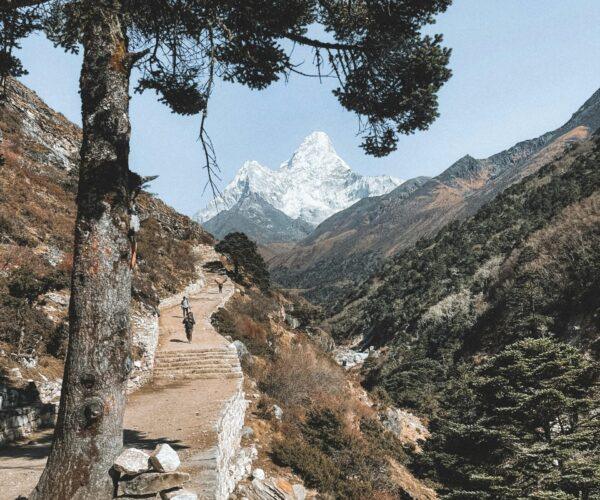
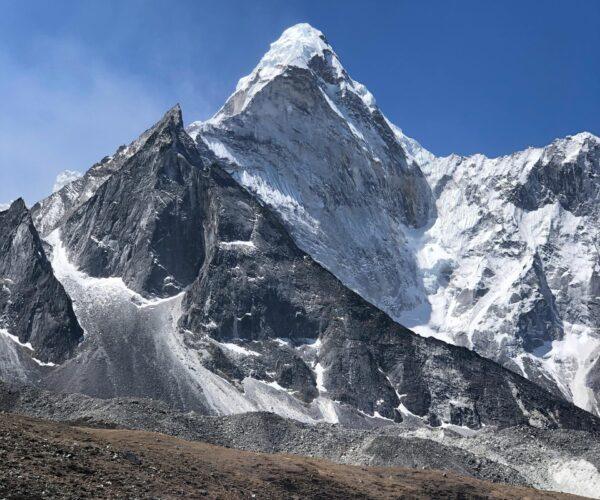
Ama Dablam is widely regarded as one of the most beautiful and striking peaks in the Himalayas. Rising above the scenic Sherpa village of Pangboche, it stands out as one of the most iconic and frequently climbed mountains in Nepal.
An expedition to Ama Dablam offers an excellent technical climbing experience in the heart of the Khumbu region, not far from the famous Tengboche Monastery, along the classic trail to Everest Base Camp. The name “Ama Dablam” translates to “Mother’s Necklace.” The mountain’s long ridges resemble a mother’s arms (Ama) protecting her child, while the hanging glacier represents the “Dablam,” a traditional Sherpa pendant worn for protection.
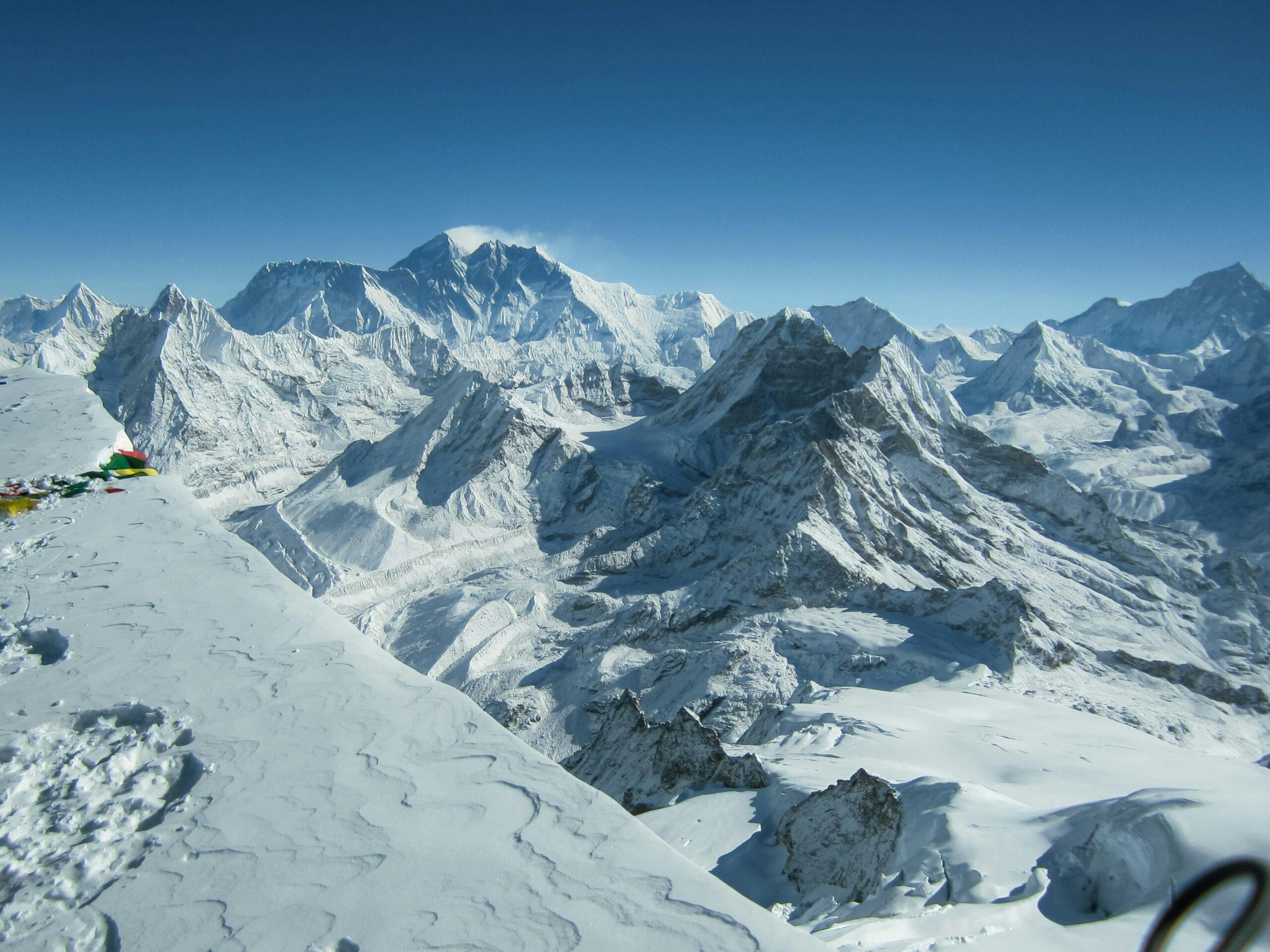
From the summit, climbers are rewarded with breathtaking views of some of the world’s highest peaks, including Mount Everest, Lhotse, Makalu, and Cho Oyu. Nearby peaks such as Nuptse, Baruntse, and Pumori can also be clearly seen.
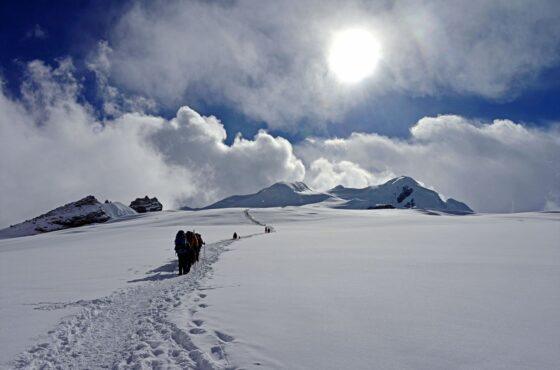
The journey typically follows part of the Everest high pass trekking route, passing through Thame and crossing stunning passes like Renjo La Pass and Cho La Pass before reaching Lobuche East base camp. Climbing Lobuche East serves as an excellent acclimatization and preparation step before heading to Ama Dablam Base Camp, where the expedition team assembles.
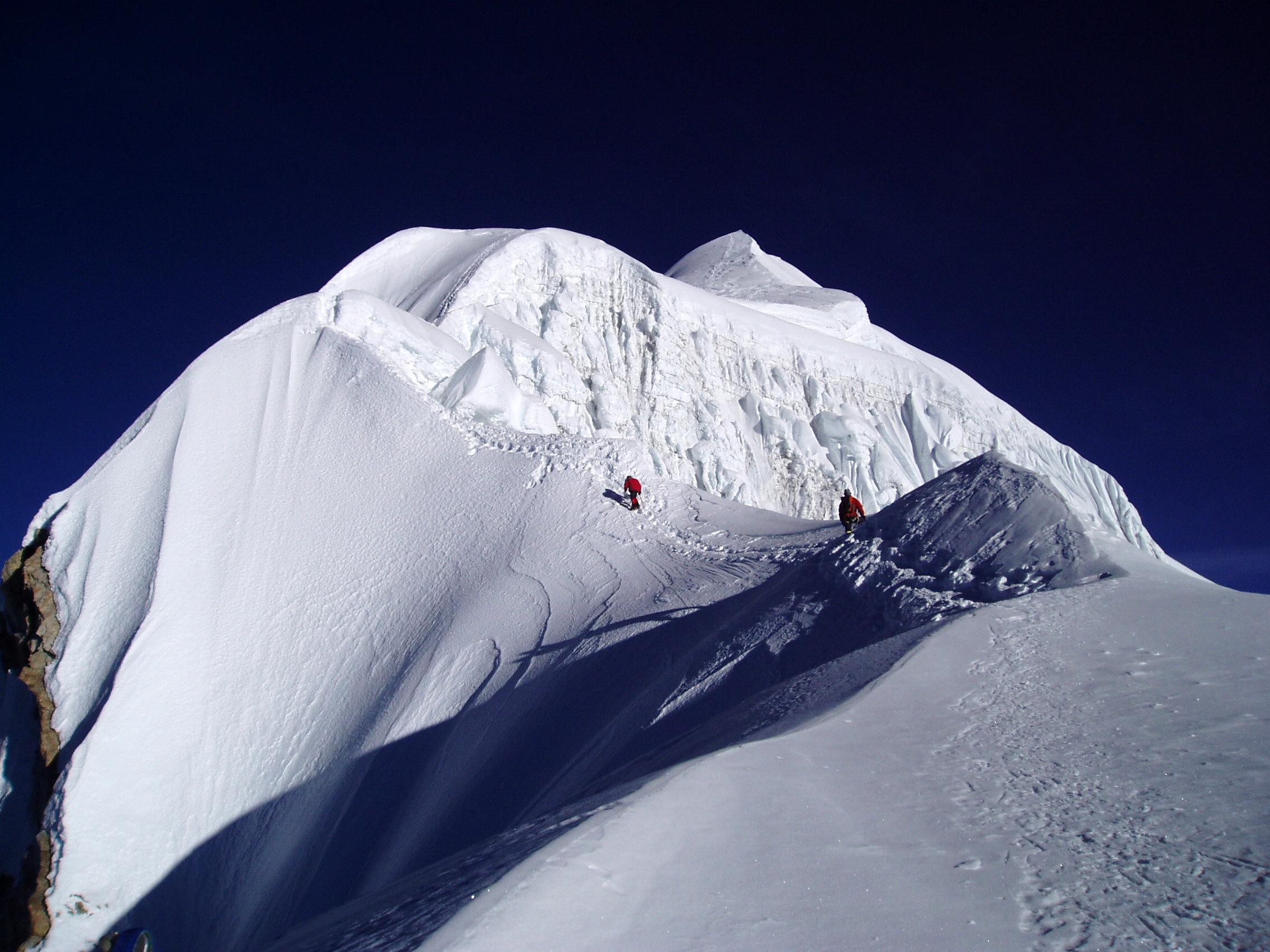
The climb follows the southeast ridge, offering an exciting mix of rock, snow, and ice climbing. Climbers need solid multi-pitch experience, as the route involves technical sections on both rock and ice. This expedition is not only a rewarding climb in itself but also serves as excellent preparation for higher 8000-meter peaks.
Trip Highlights
- Peak: Ama Dablam, 6812 m – steep, technical, iconic Himalayan peak (“Matterhorn of the Himalayas”).
- Experience Needed: Prior high‑altitude trekking and basic mountaineering skills required.
- Guides & Permits: Licensed guide mandatory; climbing permit required.
- Duration: ~30+ days including trek, acclimatization, summit, and return.
- Best Seasons: Spring (April–May) and Autumn (Sept–Oct).
- Fitness Level: Excellent physical condition needed for long days and thin air.
- Gear: Expedition‑grade climbing gear (ice axe, crampons, harness, helmet, insulated layers).
- Acclimatization: Multiple rotations to higher camps before summit.
- Risks: Altitude sickness, extreme weather, technical climbing terrain.
- Support: Guides and staff carry most expedition supplies; climbers carry daypacks for summit rotations.
- Insurance: Travel and high-altitude medical insurance required.
Itinerary
Arrive in Kathmandu, settle into your hotel, and meet your guides and expedition team. Prepare climbing permits, check and organize gear, and attend a briefing about the trek and climbing schedule.]
On the second day, we will fulfill all our official procedures including necessary documentation, obtain permits, and other formalities needed for our expedition. Then you will have time for sightseeing around the city.
The next day, we will start our preparation for our expedition. We will now pack our bags, do some necessary shopping, and re-check everything that we need (Especially medicines and essentials). Briefings will be made about every aspect of the expedition and all gear and equipment, trip duration, accommodation, facilities at the base camp, and all related to the expedition. It is also an opportunity for you to communicate and introduce yourself to your fellow climbers and teammates.
After an amazing breakfast, we will take a thrilling flight to Lukla Airport early in the morning. The flight gives you a bird’s eye view of the valleys, rivers, hills, and gradually mountain ranges. Even though the flight is only for half an hour, it does not fail to mesmerize you now and then. As we land at Lukla Airport, which is already exciting, we start our trek to Phakding, our destination for the day. After obtaining the permit for the region, we will slowly move through the settlements on a mixed trail of dirt, stone pathways, and some rocky sections at times. This is an easy start, so make sure to enjoy all the greeneries, floras, and faunas as you walk. The trail takes you over several suspension bridges and along the Dudh Koshi river. Enjoy the rest of the day at Phakding.
After Phakding, we move towards another beautiful destination, Namche Bazaar, which is the commercial point of the Khumbu region. Passing through the dense luscious forests of pine, juniper, Rhododendron, looking out for animals in the Sagarmatha National Park, climbing the stairs, enjoying the rages of rivers at some points, and mostly walking uphills are the major activities of the day’s trek. This trek will be long and tiring as we start gaining significant elevation. As we reach Namche, we rest at our hotel and enjoy our dinner.
The next day, we hike up to Everest View Point (3900m) & decend back to our Hotel to acclimatize where we can also go around the village area and experience some local sherpa culture. We can also visit the Everest Photo Gallery and the Sherpa Museum while in Namche
- Short hikes to nearby viewpoints.
- Visit Everest View Hotel for panoramic mountain views.
- Explore local Sherpa culture and markets.
- Overnight in Namche.
After a day’s rest and acclimatization at Namche, we then approach one of the most beautiful and tranquil parts of this Expedition, the Tengboche monastery. Tengboche monastery is one of the most popular monasteries among Buddhists around the world. The views of Mt. Everest, Nuptse, Lhotse, and Ama Dablam are visible towards the north while Thamserku and Kangtega stand towards the south with striking views. We will also join in some prayer ceremonies and rest for the day.
- The trek passes Pangboche village.
- Enter the alpine region with dramatic mountain scenery.
- Overnight in Pangboche
After Tengboche monastery, we head towards the base camp of Ama Dablam which is situated in a beautiful meadow also used as the Yak Pasture beneath the west face of the mountain. We cross the Imja River over a suspension bridge and hike up to Pangboche simultaneously leading the trail uphill through forests of junipers, the high-altitude tree lines. The route lies in the quieter region of the Khumbu valley. Embracing the 360 degrees view of the mountains like Kangtega (6783 m), Taboche (6542 m), Thamserku (6618 m), and many more, we reach Ama Dablam base camp at 4450 m.
Prayer ceremony, training & acclimatization day.
After the equipment check and preparation, we head towards camp 1 (5700 m) through easy terrain. But the trail gets technical with steep and difficult slopes before a steep ridge and requires tackling a steep slab.
Before heading for the summit push we will be acclimatizing by completing the following rotation. We will be heading to Camp I from Base Camp and staying overnight at Camp I. The next day we will be heading to Camp II from Camp I & staying overnight at Camp II & return to base camp the next day. Camp 2 is set up at around 5900 m. We will need to climb past steep ridges and snowy slopes with the help of fixed ropes set up by our team.
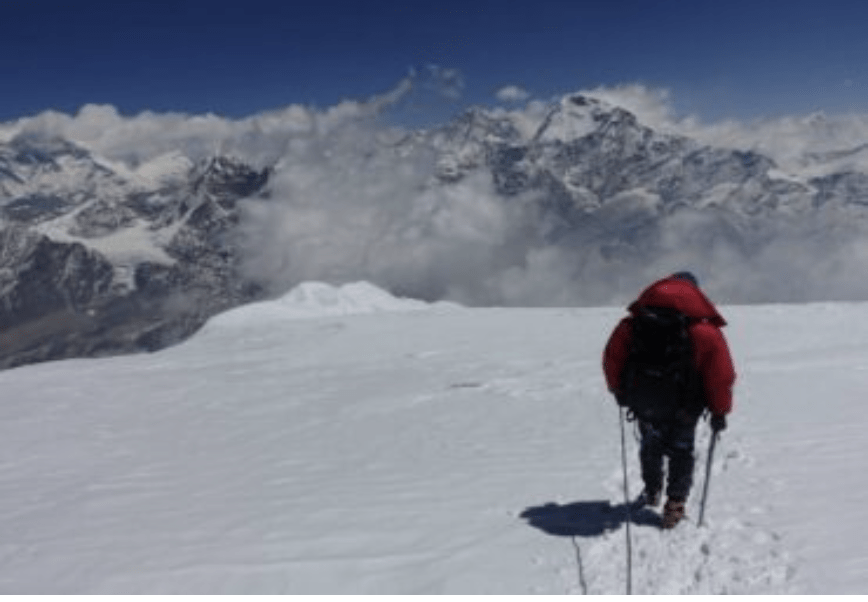
The summit climb is an easy one. We wake up early, have our breakfast, and climb up on snowy slopes mixed with rocks above Camp 2.
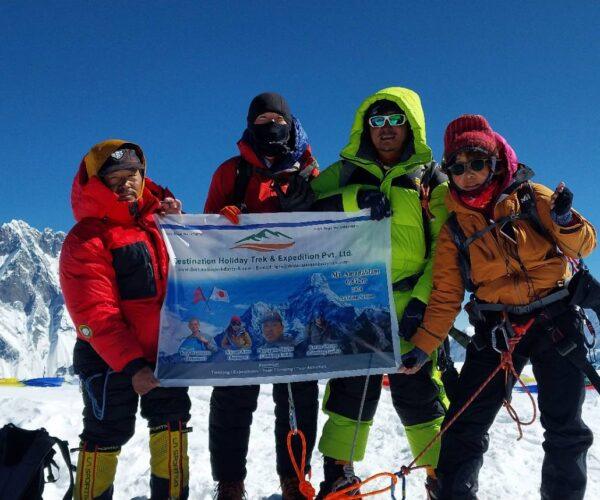
We will ascend the peak of marvelous Ama Dablam (6812m) and return back to the Base Camp. The following day will be allocated for cleaning up and preparation to leave.
(NOTE: We will conduct rotations between the camps for acclimatization and training purposes. The mentioned itinerary is an overview of the circumstances during the climb.)
After the successful ascent of Ama Dablam, we retrace our path to Namche and rest overnight in a comfortable lodge.
From Namche, we walk downhill through the enchanting forests crossing the villages of Monjo and Phakding to reach Lukla to rest overnight.
From Lukla, we take the exciting flight back to Kathmandu viewing and bidding farewell to the Khumbu Region and the majestic Himalayas. After a flight of about 25 minutes, we land at the airport and get back to the hotel to rest and relax. You can go sightseeing around the city in the evening.
With gratitude and lots of beautiful memories, we will have to bid you farewell to our valued clients. One of our representatives will drop you off at the airport 3 hours before your scheduled departure.
It's a free day in Kathmandu for you to relax and explore around. You can take this opportunity to visit different World Heritage sites and buy some souvenirs for your family and friends.
Costs Includes / Excludes
Cost Includes
✅ Pick-up & drop-off services for both international & domestic flights as per itinerary.
✅ 03 nights 4-star hotel accommodation in Kathmandu on bed & breakfast plan with single occupancy.
✅ Welcome & farewell dinner at a typical Nepali restaurant in Kathmandu.
✅ Round-trip domestic flights via Ramechhap (Kathmandu – Lukla – Kathmandu) including airport tax.
✅ Early morning 5-hour drive from Kathmandu to Ramechhap.
✅ Land & air transportation and cargo for the expedition crew.
✅ Permits for Ama Dablam Expedition.
✅ One official Nepal Government Mountaineering Liaison Officer.
✅ Summit route fixing charges.
✅ Garbage disposal & management fees.
✅ High altitude, medical & helicopter rescue insurance for Nepalese staff.
✅ Base Camp Sirdar, cook & kitchen helpers.
✅ 03 meals a day (Breakfast, Lunch & Dinner) during the trek and expedition.
✅ Freshly cooked Continental, Nepali, Indian & Chinese meals with hot drinks at Base Camp.
✅ Base Camp climbing training by experienced expedition guide/leader.
✅ One highly experienced climbing guide.
✅ Personal baggage allowance up to 45 kg per member.
✅ Individual Box Tent, mattress & pillow at Base Camp.
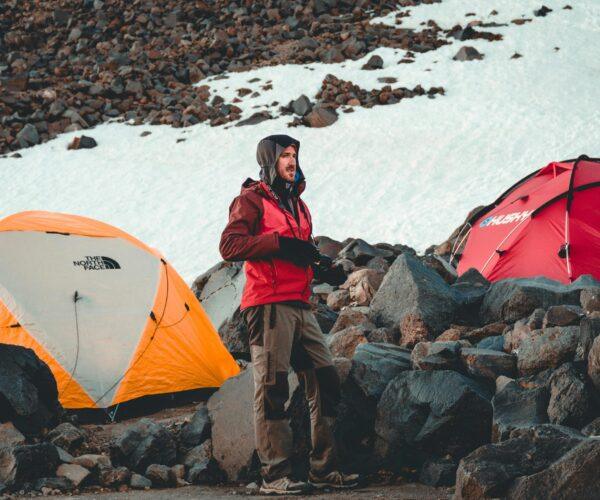
✅ Common Base Camp facilities including dining, kitchen, communication, toilet & shower tents, tables, chairs & heater.
✅ Walkie-talkie communication from Base Camp to higher camps.
✅ Wi-Fi internet access at Base Camp (nominal charge applicable).
✅ Satellite phone available for emergency use.
✅ Weather forecast service throughout the expedition.
✅ Backup oxygen bottles & mask regulator sets available at Base Camp (usage charge applies).
✅ Comprehensive first aid medical kits.
✅ Expedition duffle bag & outdoor cap.
✅ Government taxes & company service charges.
✅ Official summit certificate upon successful ascent of Ama Dablam.
Cost Excludes
❌ Nepal entry visa fee.
❌ International airfare.
❌ Drone & special filming permits.
❌ Lunch & dinner during stay in Kathmandu.
❌ Personal high-altitude medical & emergency helicopter rescue insurance (minimum coverage US$50,000 mandatory).
❌ Personal climbing gears & equipment.
❌ Summit bonus: US$700 for each climbing guide & US$250 for cook/kitchen helpers (cash payment at Base Camp after successful summit).
❌ Tips for trekking guides & porters.
❌ Any services not mentioned under “Cost Includes”.
Group Price
| Group Size | Price per Person (USD) |
|---|---|
| 1 Person | USD 8000 |
| 2–4 People | USD 7500 |
| 5–8 People | USD 6000 |
| 10–15 People | USD 5500 |
Riding Gears
Riding Gears And Equipments
Here is a list of what you might want to pack for the hike. Please take this as a starting point. You’ll need layers of warmer clothing during the winter. We provide a 75 liter duffel bag for you to use for the trek. It will be given to you during your pre-trip meeting in Kathmandu. The duffle bag is yours to keep. Also, you can rent sleeping bag and down jacket with us at the additional fee of USD 35 for each once you are in Kathmandu.
Climbing Gear
- Alpine climbing harness. Must have adjustable leg loops and fit over all clothing.
- 2 locking carabiners. Large, pear-shaped carabiner is best, screw gate type recommended
- 3 regular carabiners. Lightweight; BD Hot wire are recommended.
- Ice axe w/leash. Light weight (Grivel Air tech, Black Diamond Raven, or Charlet Moser Snow Walker). Under 5’7” use 60cm; 5’7”- 6’2” use 65cm; over 6’2” use 70cm.
- Plastic Mountaineering boots (Koflach Degree, Lowa Civetta, or Scarpa Alpha) or Leather Double Mountaineering boots (La Sportiva Olympic Mons, Boreal GI or equivalent; must be mountaineering/crampon compatible)
- Crampons. Must be fit to plastic boots prior to trip, new-matic type recommended; include a simple repair kit (Grivel G12, Black Diamond Contact, or Charlet Moser Super 12)
- Adjustable trekking poles.
- Belay/rappel device (Figure 8 preferred)
General
- Four-season (zero degree) sleeping bag (We have rental sleeping bags available for an additional USD 35)
- Puffy down jacket (We have rental jackets available for an additional USD 35)
- Daypack (35-45 liters recommended) with rain cover
- Sleeping bag liner
Upper Body
- Sun hat or cap
- Knitted hat/Beanie
- Headlamp
- Sunglasses
Torso
- Technical fabric base layer (light for warmer months, heavy for colder months)
- Technical fabric short (2) and long sleeve (2) shirts
- Waterproof, windproof shell
- Fleece jacket or pullover
Lower Body
- Technical fabric base layer (light for warmer months, heavy for colder months)
- Hiking pants (2)
- Comfortable pants for inside the teahouses
- Waterproof, windproof shell
- Hiking shorts
Hands
- Wool or technical fabric liner gloves
- Hard-shell outer gloves (insulated for colder months)
Feet
- Wool or technical fabric warm socks
- Hiking socks
- Liner socks (optional such as silk)
- Trekking/hiking boots (waterproof recommended)
- Casual shoes
- Gaiters (lightweight for dust or heavy for snow in colder months)
- Ice Cleats /Micro Spikes
Undergarments
Note: The quantity of each article of clothing can be adjusted to suit the preferences of each participant.
- Technical fabric/quick drying is best for underwear (opportunities to launder during the trip)
- Sports bras (women)
- Pajamas or sleeping clothes
First Aid Kits and Medications
- (Note: Guides carry medications and first aid kits during the trip. However, personal kits and medications are highly recommended.)
- Sunscreen
- Lip balm
- ointment
Other Essentials
- Passport
- Extra copies of passport-sized photos
- Reusable water bottle
- Toiletry kits
- Water purification tablets or UV water purifier (if you plan to treat water)
- Hydration bladder
- Towel
- Pillowcase
- Toilet paper (2 rolls)
- High protein snacks (such as protein bars or nuts)
- Waterproof/dry bags for carrying important documents and money
- Airline tickets (Please leave a copy at our office in Kathmandu. This can be useful if there is a change in the date of the flight.)
- Earplugs
- Trekking poles
Optional
Once in Nepal, if you have the time, you can purchase supplies and gear for hiking. Thamel, Kathmandu’s tourist hub, is home to many shops where you can get a variety of reasonably priced trekking equipment.
- Power bank or extra batteries
- Cameras and mobile phone
- Cards/book
- Binoculars
- Whistle
Important Information
- We give you a free duffel bag and baseball cap during your pre-trip meeting in Kathmandu. The duffel bag will be used to pack your trekking supplies.
- For every two participants, we assign one porter. The duffel bag, which should weigh around 10 kg/22 lbs, will be carried by the porter throughout the walk.
- To carry your daily necessities like cash, crucial papers, a water bottle or bladder, a camera, toiletries, sunscreen, a notebook, clothing, etc., you must have your own daypack (with a waterproof cover).
- You can store your luggage (non- trekking items) at the hotel in Kathmandu.
- Total luggage allotment allowance for Kathmandu-Lukla flight is 15 Kg/33 lbs including both duffel (10 Kg/22 lbs.) and backpack (5Kg/11 lbs.)
- Down jacket with a hood is a must for altitudes above 4,000 m to keep warm. You can rent a down jacket for USD 35. Please note that in case of loss or damage, you need to reimburse the cost of USD 100 per item.
- You can rent a 4-season sleeping bag for USD 35. Please note that in case of loss or damage, you need to reimburse the cost of USD 100 per item.
Note: Some clothing, especially form-fitting, figure-hugging items made of elastic material (like yoga pants), may offend locals. Therefore, if you choose to wear these clothes for comfort, please make sure to wear something over them.
FAQ
Ama Dablam is a high‑altitude Himalayan peak known for its steep, technical ice, snow and rock sections — often called the “Matterhorn of the Himalayas.” It’s more demanding than a normal trek and requires mountaineering skills and experience.
Yes — this isn’t a simple trek. Most operators recommend you have trekking experience at altitude and basic technical mountaineering skills (ropes, ice axes, crampons). Many climbers do prep climbs like Lobuche or Island Peak first to help acclimatize and gain confidence.
Yes. Nepal requires climbers to have a climbing permit and to be accompanied by a licensed guide for high Himalayan peaks in protected regions. Independent solo climbing without a guide is generally not permitted by the Nepal Mountaineering Association.
You should be in excellent physical condition. Expect long days of trekking and climbing, carrying gear, and coping with thin air. The fitter you are, the safer and more enjoyable your expedition will be.
Expedition‑grade gear is essential:
- Ice axe, crampons, mountaineering boots
- Climbing harness, helmet, carabiners, ascenders
Warm insulated layers and a -20°C sleeping bag
Many climbers buy high‑quality gear rather than rent because reliability and fit are important in extreme conditions.
Yes — travel and medical insurance covering high‑altitude evacuation (including helicopter rescue) and treatment is mandatory before you can join an expedition.
Typical commercial expeditions are ~30 + days total:
- Trek to base camp
- Multiple acclimatization rotations to higher camps
- Summit push and return
Time in Kathmandu before and after the mountain.
The schedule may change with weather conditions.
The two main seasons are spring (April–May) and autumn/post‑monsoon (September–October). Autumn often has slightly more stable weather, though both windows are popular.
Expeditions include rotations where you climb to higher camps (Camp I, Camp II, Camp III) and return to lower camps to sleep and adapt. This slow, staged ascent helps reduce altitude sickness risk.
Above Base Camp, you’ll carry a daypack with essentials (water, food, oxygen, extra clothing). Guides and support staff carry much of the expedition supplies, but climbers still carry gear during summit rotations.