
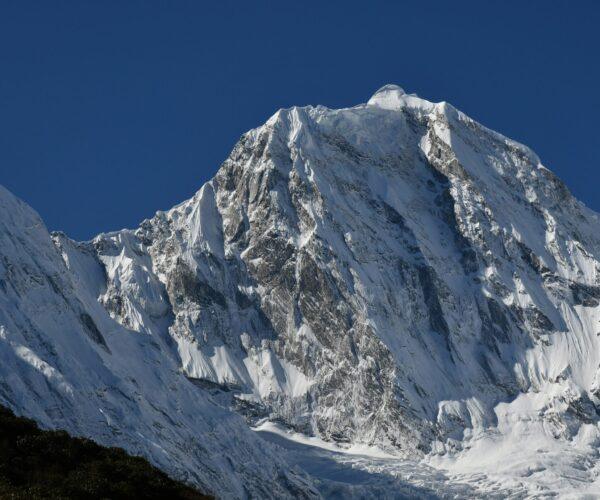
Cho-Oyu Expedition (8,188m)

ChO-OYU EXPEDITION

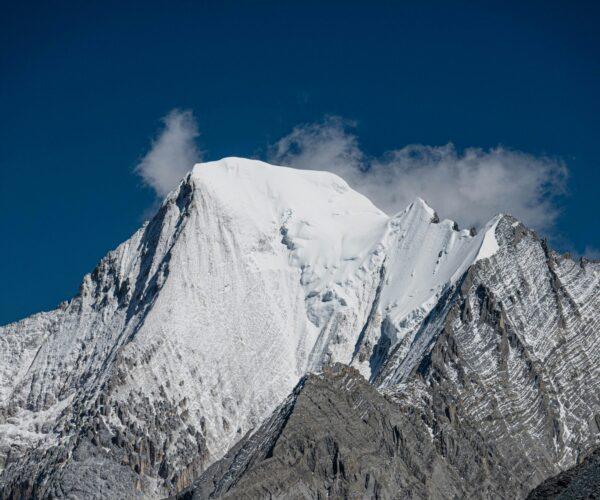
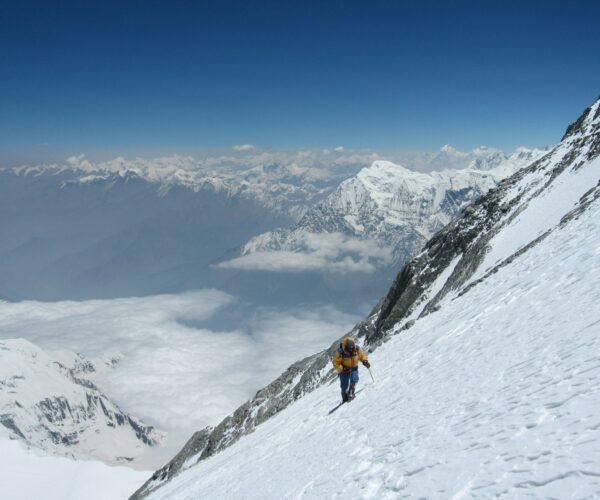
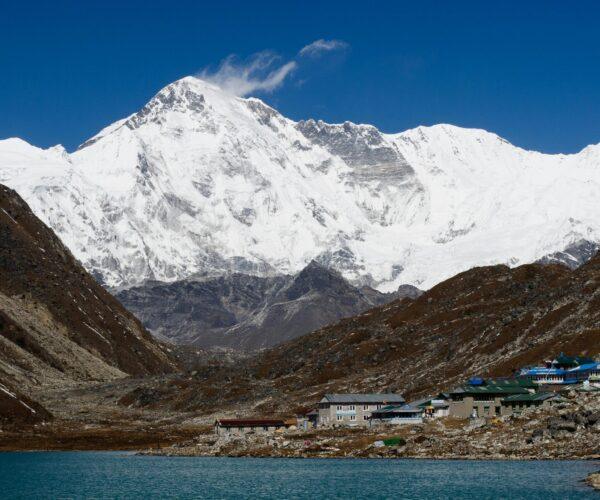
Despite standing an imposing 8,188m above sea level, the world’s sixth highest mountain is actually a relatively straightforward climb – at least when compared to some of the other 8,000ers. Its flat summit plateau, and the relatively gentle slopes approaching it don’t require the same level of technical climbing expertise that, say, Kanchenjunga or Makalu do. It’s often the first 8,000m peak that climbers tackle, and is a popular preparatory peak for people training themselves to climb Mount Everest.

Β 

Despite its comparatively mellow reputation, this is still a significant mountaineering challenge, which involves spending long hours in the death zone. Don’t be fooled into thinking that you can skimp on preparation or planning, just because it’s a popular peak.

Β 

Destination Holiday Trek & Expedition expert team of highly-trained mountain guides have extensive experience of climbing Cho Oyu, with multiple successful summits between them. We’re well aware of the pitfalls of underestimating this mountain, and will ensure that everyone on this expedition meets the required levels of fitness, and has the ability to make it to the summit and safely back home.

Β 

The Destination Holiday Trek & Expedition Cho Oyu expedition tackles the conventional route up the mountain’s Northwest Ridge, and the relative accessibility of this peak means it can be completed in 49 days.Β 

Β 

Our approach to expedition planning means that we control every aspect of the trip, from the food provision to the fixing of ropes. We leave nothing to chance, controlling the controllable to ensure that your expedition experience runs as smoothly as possible.

Β 

Our leader Furtemba Sherpa have built his careers on careful planning and stringent safety standards.Β 

Β 

All our guides are trained in high-altitude rescue and recovery techniques. Furtemba Sherpa has many summit record when tackling 8,000m speaks for itself, but his and our team’s long history of conducting successful rescue operations – coming to the aid of other expeditions in need – is arguably more important. Simply put, you could not be in safer hands when attempting this 8,000m peak.

Β 

TREK FACTS IN DETAIL

Region: Cho-Oyu is located in the Khumbu region of Nepal, on the border with Tibet (China). The expedition passes through remote Himalayan landscapes and offers breathtaking views of Everest, Shishapangma, and the surrounding peaks.

Duration: The full expedition typically takes 35–40 days, including arrival in Kathmandu

Difficulty Level: Considered a strenuous high-altitude expedition, suitable for climbers with prior experience above 6,000 meters and basic technical mountaineering skills.

Maximum Altitude: 8,188 meters (26,864 feet) – the sixth-highest mountain in the world.

Trek Style: Combination of tea house trekking in the lower regions and fully supported high-altitude expedition from Base Camp onwards.

Meals:

  • Trekking phase: Breakfast, lunch, and dinner included at tea houses

  • Base Camp and higher camps: Full-board meals prepared by the expedition kitchen team

Group Size: 2–12 climbers (private groups can be arranged). Small group size ensures safety, personalized support, and higher summit success.

Best Seasons:
🌸 Spring: April – May (Stable weather, clearer skies)
🍁 Autumn: September – October (Dry season, excellent visibility)

Accommodation:

  • Trekking: Local tea houses and lodges

  • Base Camp and higher camps: High-quality expedition tents (dining, kitchen, toilet)

PERMIT REQUIREMENTS

Cho-Oyu Climbing Permit issued by the Government of Nepal

  • Sagarmatha National Park Permit (if entering via Nepal side)

  • Khumbu / Solu region trekking permits (for route access)

  • Liaison officer fee (mandatory for 8,000m expeditions)

  • Summit one of the world’s highest peaks – Cho-Oyu (8,188m), the sixth-highest mountain on Earth

  • Remote and less crowded climbing route on the Nepal-Tibet border

  • Trekking through scenic Himalayan landscapes, including traditional Sherpa villages and alpine forests

  • Fully supported expedition with experienced climbing Sherpas and Base Camp crew

  • Tea house accommodation and meals during the trekking phase for comfort and cultural immersion

  • Full-board meals provided at Base Camp and higher camps, prepared by professional expedition kitchen staff

  • Carefully planned acclimatization rotations to maximize safety and summit success

  • Stunning panoramic views of Everest, Shishapangma, Lhotse, and surrounding peaks

  • Fixed ropes and high camps established for safe ascent

  • Official summit certificate issued by the Government of Nepal

βœ” Cho-Oyu climbing permit (Government royalty fee)
βœ” All required trekking and conservation permits
βœ” Experienced expedition leader and climbing Sherpa guides
βœ” Full-board meals during trekking and expedition period
βœ” Tea house accommodation during trekking
βœ” Fully equipped Base Camp and high camp tents
βœ” Fixed ropes and group climbing equipment

Β 

❌ International airfare to and from Nepal
❌ Nepal entry visa fees
❌ Personal climbing equipment (boots, crampons, harness, down suit, etc.)
❌ Travel and high-altitude rescue insurance
❌ Emergency evacuation and medical expenses
❌ Personal expenses (drinks, Wi-Fi, laundry, snacks, etc.)
❌ Tips and summit bonus for expedition staff

Β 

1. How difficult is the Cho-Oyu Expedition?
Cho-Oyu (8,188m) is a strenuous high-altitude expedition, suitable for climbers with prior experience above 6,000 meters. It is considered one of the more achievable 8,000-meter peaks.

2. Do I need previous climbing experience?
Yes. Climbers should have experience with high-altitude trekking or mountaineering, including familiarity with crampons, ice axe, fixed ropes, and glacier travel.

3. How long does the expedition take?
The full expedition typically takes 35–40 days, including trekking, acclimatization, summit attempt, and return to Kathmandu.

4. What is the best season to climb Cho-Oyu?
The recommended seasons are Spring (April–May) and Autumn (September–October), when the weather is more stable and visibility is excellent.

5. What kind of accommodation is provided?

  • Trekking: Local tea houses and lodges

  • Base Camp and higher camps: High-quality expedition tents for dining, sleeping, and kitchen facilities

6. Is travel insurance mandatory?
Yes. Comprehensive travel insurance covering high-altitude climbing, emergency evacuation, and medical support is mandatory for all climbers.

Backpack (50–65L), Daypack (20–30L), Rain cover, Down jacket, Fleece jacket, Thermal top, Thermal bottom, Waterproof jacket, Waterproof pants, Trekking pants, Quick-dry T-shirts, Warm hat (beanie), Sun hat / cap, Gloves, Buff / neck gaiter, Trekking boots, Trekking socks, Camp shoes / sandals, Sleeping bag (-10Β°C or lower), Trekking poles, Headlamp, Sunglasses (UV protection), Water bottle, Water purification tablets / filter, Sunscreen, Lip balm (SPF), Personal first aid kit, Toiletries, Towel (quick dry), Power bank

WHY TRAVEL WITH – DESTINATION HOLIDAY TREK?
Β Local Experts from the HimalayasΒ 

➀ Destination Holiday Trek is led by experienced Sherpa professionals born and raised in the Himalayan region. Our deep-rooted local knowledge of the mountains, weather, culture, and trails allows us to operate safely and efficiently while providing authentic insights that only local experts can offer.

Highly Experienced Trekking & Expedition Team

➀ Our guides have extensive experience guiding treks and expeditions across Nepal’s most challenging regions, including Everest, Annapurna, Manaslu, Makalu, and Kanchenjunga. Their expertise in high-altitude trekking, acclimatization, and mountain safety ensures you are in capable hands throughout your journey.

Safety-First Approach at High Altitude

➀ We prioritize your safety above all. From proper acclimatization schedules to trained guides and staff, high-quality trekking equipment, and emergency response plans, every aspect of your trek is designed to minimize risks while allowing you to enjoy the adventure.

Personalized & Flexible Itineraries

 ➀ Every trek and expedition is tailored to your preferences, fitness level, and schedule. Whether you are a seasoned mountaineer or a first-time trekker, we customize routes, daily schedules, and activities to ensure your journey is comfortable, enjoyable, and memorable.

ITINERARY
Day 1: Arrival in Kathmandu (1,400m)

Arrive at Tribhuvan International Airport. Transfer to hotel. Rest and recover from your flight. Evening expedition briefing and equipment check.

Day 2: Preparation in Kathmandu

Complete climbing and trekking permit processing. Final gear inspection and expedition orientation, including safety briefing and route overview.

Day 3: Drive to Syangboche / Phaplu (2,400m)

Scenic drive through the Solu-Khumbu region. Overnight at a local lodge.

Day 4: Trek to Lukla (2,860m) or Phakding (2,610m)

Optional short acclimatization trek. Overnight at tea house.

Day 5–8: Trek to Gokyo / Base Camp Approach

Trek through Sherpa villages, alpine forests, and suspension bridges. Rest days included for acclimatization. Reach advanced Base Camp area near Cho-Oyu.

Day 9: Arrival at Cho-Oyu Base Camp (5,700m)

Set up high-quality tents. Orientation on high-altitude climbing and safety procedures.

Day 10–25: Acclimatization and High Camp Rotations

Climbers establish higher camps (Camp I, II, III). Rotation hikes are conducted to improve acclimatization. Fixed ropes and high camps are set by climbing Sherpas. Rest days are included for recovery and weather contingency.

Summit Day: Cho-Oyu (8,188m)

Early morning departure from the highest camp. Climbers reach the summit and enjoy panoramic Himalayan views, including Everest, Lhotse, and Shishapangma. Return safely to high camp or Base Camp.

Day 26–33: Descent to Lower Villages

Pack equipment and descend through Gokyo or Lukla route. Overnight stays at tea houses along the way.

Day 34: Return to Kathmandu

Drive or fly back to Kathmandu. Rest and optional sightseeing.

Day 35–40: Contingency / Departure

Extra days for weather delays, summit success delays, or additional cultural sightseeing in Kathmandu. Transfer to the airport for departure.

TREKKING MAP

PHOTO GALLERY