


Putha Hiunchuli Expedition
Product Description
Putha Hiunchuli Expedition: Cost, Itinerary, Difficulty & Complete Guide
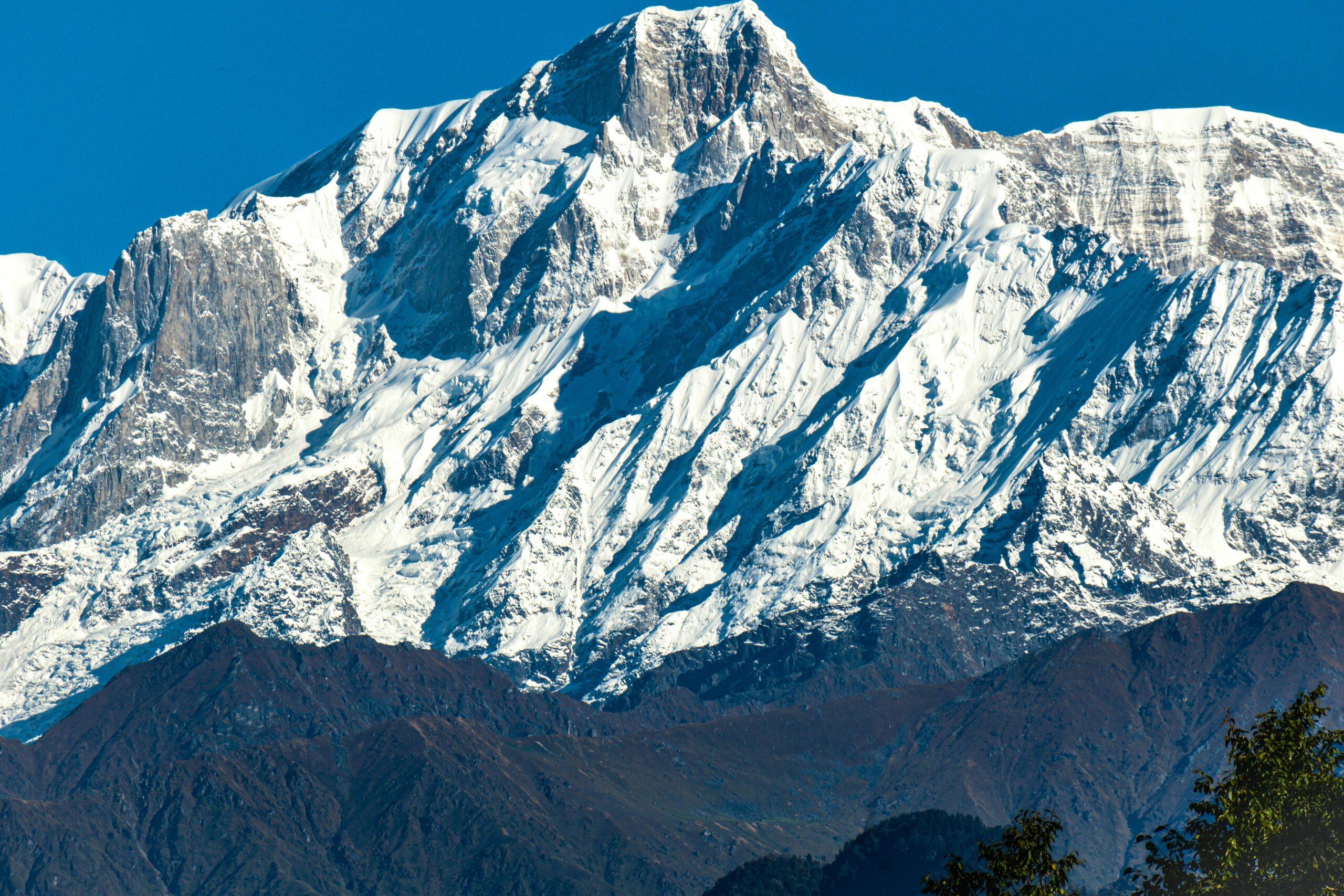
The Putha Hiunchuli Expedition is an exciting 7,246-meter Himalayan climbing adventure in western Nepal. Also known as Dhaulagiri VII, Putha Hiunchuli rises from the remote Dhaulagiri region and offers experienced mountaineers an opportunity to climb a challenging 7,000-meter peak away from Nepal’s busier expedition routes.
The mountain combines a demanding approach through remote valleys with glacier travel, steep snow slopes, high-altitude camps, and a spectacular summit. A typical expedition takes around 33–40 days, depending on the chosen route, acclimatization schedule, weather conditions, and logistics.
Unlike a short trekking peak expedition, climbing Putha Hiunchuli requires serious preparation, strong acclimatization, technical climbing ability, and professional high-altitude support.
Putha Hiunchuli Expedition Highlights
- Summit altitude: 7,246 meters / 23,773 feet
- Also known as: Dhaulagiri VII
- Location: Western Nepal, Dhaulagiri region
- Expedition duration: approximately 33–40 days
- Difficulty: Challenging to strenuous
- Accommodation: Hotels, lodges and expedition camps
- Main climbing season: Spring and autumn
- Base Camp: approximately 4,800–4,910 meters
- High camps: Camp I, Camp II and Camp III depending on expedition strategy
- Remote approach through the Dolpo/Dhaulagiri region
- Exceptional views of the Dhaulagiri Himalayan range
- Suitable for experienced mountaineers with high-altitude climbing experience
What Is Putha Hiunchuli?
Putha Hiunchuli is a 7,246-meter mountain in the western section of the Dhaulagiri massif. It is often identified as Dhaulagiri VII and is one of Nepal’s notable 7,000-meter expedition peaks.
The mountain was first climbed in 1954 by Jimmy Roberts and Ang Nyima Sherpa. Modern expeditions generally approach the mountain through remote valleys before establishing Base Camp at approximately 4,800–4,900 meters.
Its remote setting is one of the major attractions. Climbers experience a combination of wilderness trekking and serious Himalayan mountaineering, with fewer crowds than on popular peaks such as Island Peak, Mera Peak or Lobuche East.
Putha Hiunchuli Expedition Quick Facts
| Category | Details |
|---|---|
| Mountain | Putha Hiunchuli |
| Height | 7,246m / 23,773ft |
| Alternative Name | Dhaulagiri VII |
| Region | Western Nepal / Dhaulagiri |
| Duration | 33–40 days |
| Difficulty | Challenging to Strenuous |
| Base Camp | Approx. 4,800–4,910m |
| Climbing Style | Expedition / Alpine climbing |
| Best Seasons | Spring and Autumn |
| Accommodation | Hotel, lodge and tented camps |
| Maximum Altitude | 7,246m |
| Experience Required | High-altitude mountaineering |
Why Climb Putha Hiunchuli?
1. A 7,000-Meter Himalayan Challenge
Putha Hiunchuli is an excellent objective for climbers who want to progress beyond trekking peaks and undertake a serious 7,000-meter expedition.
2. Remote Himalayan Environment
The approach passes through remote valleys with traditional settlements, forests, high pastures and dramatic mountain landscapes. The journey itself becomes a major part of the expedition.
3. Fewer Crowds
Compared with Everest, Manaslu and other highly commercialized Himalayan expeditions, Putha Hiunchuli receives considerably fewer climbers.
4. Spectacular Mountain Views
From the approach and higher camps, climbers can experience impressive views across the Dhaulagiri massif and surrounding Himalayan landscapes.
5. A Valuable Mountaineering Experience
The expedition provides experience in glacier travel, fixed ropes, crampon techniques, acclimatization, high-altitude camping and summit-day strategy.
Putha Hiunchuli Expedition Route
The exact itinerary varies between operators, but a common expedition approach involves Kathmandu → Nepalgunj → Juphal → Dunai → Tarakot → Musi Khola → Kakot/Kagkot → German Base Camp → Putha Hiunchuli Base Camp.
Some itineraries approach from the Dhaulagiri side using road transport before trekking toward Base Camp, while others use domestic flights through Nepalgunj and Juphal. Current commercial itineraries commonly place Base Camp around 4,800–4,910 meters.
Putha Hiunchuli Expedition Itinerary
A representative itinerary can look like this:
Days 1–3: Arrival and Expedition Preparation
Arrive in Kathmandu, complete expedition documentation, meet your climbing team and check all mountaineering equipment.
Days 4–5: Kathmandu to Nepalgunj and Juphal
Fly from Kathmandu to Nepalgunj and continue toward Juphal. From Juphal, the expedition begins the trek toward the remote Dhaulagiri/Dolpo region.
Days 6–8: Trek to Kakot
Continue through Dunai and Tarakot toward Musi Khola and Kakot. The landscape gradually changes as the trail enters higher Himalayan terrain.
Day 9: Acclimatization at Kakot
Take an acclimatization and preparation day. Short hikes help the body adjust to increasing elevation.
Days 10–12: Trek to Base Camp
Continue toward Panjing and German Base Camp before reaching Putha Hiunchuli Base Camp at approximately 4,800–4,910 meters.
Days 13–24: Acclimatization and Climbing Period
Spend the climbing period acclimatizing and making rotations through the higher camps. Depending on route conditions, climbers may establish Camp I, Camp II and Camp III before attempting the summit.
Summit Day: Putha Hiunchuli 7,246m
The summit push begins when weather, snow conditions and acclimatization are favorable. The final ascent requires sustained effort at extreme altitude and careful use of climbing equipment.
Descent to Base Camp
After reaching the summit, descend carefully to Base Camp. Recovery and adequate hydration are important after the summit push.
Return Trek
Retrace the route toward lower elevations before continuing to Juphal and flying through Nepalgunj to Kathmandu, depending on the chosen itinerary.
A complete commercial expedition commonly lasts 33–40 days, with substantial flexibility built in for weather and acclimatization.
Putha Hiunchuli Climbing Camps
The precise camp locations can vary according to route and seasonal conditions. A commonly published climbing strategy includes:
| Camp | Approximate Altitude |
|---|---|
| Base Camp | 4,800–4,910m |
| Camp I | Around 5,300–5,400m |
| Camp II | Around 5,900–6,200m |
| Camp III | Around 6,400–6,600m |
| Summit | 7,246m |
One published expedition itinerary lists Camp I at approximately 5,337m, Camp II at 5,940m and Camp III at 6,475m. Camp placement may change depending on snow, glacier and weather conditions.
Putha Hiunchuli Expedition Difficulty
The Putha Hiunchuli Expedition is difficult and should not be treated as a beginner climbing trip.
The primary challenges include:
- Extreme altitude above 7,000 meters
- Long expedition duration
- Remote approach route
- Glacier and snow travel
- Cold temperatures
- Steep terrain
- Fixed-rope climbing
- High-altitude camping
- Rapidly changing Himalayan weather
- Risk of altitude-related illness
Previous experience on peaks such as Mera Peak, Island Peak, Lobuche East, Baruntse or other 6,000–7,000-meter mountains can be valuable preparation.
Who Can Climb Putha Hiunchuli?
Putha Hiunchuli is best suited to experienced mountaineers rather than first-time trekkers.
A strong candidate should have:
- Previous high-altitude climbing experience
- Good cardiovascular fitness
- Strong legs and core
- Experience using crampons and an ice axe
- Familiarity with fixed ropes
- Ability to travel for several weeks in remote terrain
- Good understanding of altitude acclimatization
- Mental resilience in cold and physically demanding environments
Technical training before the expedition can significantly improve confidence and safety.
Best Time for Putha Hiunchuli Expedition
The best time for Putha Hiunchuli Expedition is generally spring and autumn.
Spring: March to May
Spring provides an important Himalayan climbing window. March, April and May are commonly used for mountaineering expeditions, although weather and snow conditions can vary.
Autumn: September to November
Autumn is another popular climbing season because of generally favorable weather and clearer mountain views. Several current expedition operators identify spring and autumn as the principal seasons for Putha Hiunchuli.
Putha Hiunchuli Expedition Cost
The Putha Hiunchuli Expedition cost varies considerably depending on the operator, group size, route, logistics, climbing Sherpa support, oxygen, domestic flights and services included.
Current commercial packages commonly fall around US$7,000–11,000+ per person, although premium or highly supported expeditions can cost more.
Your expedition budget may include:
- Climbing permit
- Domestic flights
- Expedition staff
- High-altitude Sherpa support
- Base Camp services
- Tents and cooking equipment
- Expedition food
- Fixed ropes
- Porters and transportation
- Liaison and government-related services
- Accommodation in Kathmandu
- Trekking logistics
Personal expenses, international airfare, insurance, rescue costs, personal climbing equipment, tips and summit bonuses may be additional.
Putha Hiunchuli Climbing Permit
Because Putha Hiunchuli reaches 7,246 meters, the current Nepal Department of Tourism royalty schedule places it in the 7,001–7,500-meter category. From September 1, 2025, the foreign-climber royalty is listed as US$800 in spring, US$400 in autumn, and US$200 in winter/summer.
Other route-related requirements may include applicable national park or conservation-area permits, TIMS and expedition administration. The exact permits depend on the selected approach route and should be confirmed with the expedition operator before departure.
Accommodation During the Expedition
Accommodation changes throughout the journey.
In Kathmandu, climbers normally stay in hotels. During the approach trek, accommodation may include local lodges or camping depending on the route.
Once the expedition reaches higher elevations, tented camps become essential. Base Camp generally functions as the operational center, with dining, sleeping, kitchen and communication facilities.
Higher camps use specialized mountaineering tents designed for cold and high-altitude conditions.
Food and Meals
Expedition meals are designed to provide sufficient calories for long days of trekking and climbing.
Typical meals can include:
- Rice and dal
- Pasta
- Noodles
- Potatoes
- Soup
- Eggs
- Bread
- Vegetables
- Porridge
- High-calorie snacks
- Tea and hot drinks
At higher camps, meals become simpler because cooking conditions are more difficult.
Putha Hiunchuli Expedition Packing List
Essential equipment generally includes:
Technical Equipment
- Mountaineering boots
- Crampons
- Ice axe
- Climbing harness
- Ascender
- Descender
- Carabiners
- Climbing helmet
- Prusik cord
- Mountaineering rope equipment
Clothing
- Thermal base layers
- Down jacket
- Waterproof shell
- Insulated trousers
- Gloves
- Warm hat
- Balaclava
- High-altitude socks
Personal Equipment
- Sleeping bag rated for extreme cold
- Headlamp
- Sunglasses
- Goggles
- Trekking poles
- Water bottles
- Duffel bag
- Backpack
- Sunscreen
- Personal first-aid supplies
Your expedition operator should provide a detailed equipment checklist before departure.
Altitude Sickness and Safety
Altitude is one of the biggest risks during a Putha Hiunchuli Expedition.
As the expedition climbs above 5,000 meters and eventually reaches 7,246 meters, oxygen availability becomes significantly lower. Symptoms of altitude sickness can include headache, nausea, dizziness, fatigue and loss of appetite.
More serious conditions such as HAPE and HACE can become life-threatening.
The safest approach is to:
- Acclimatize gradually
- Stay hydrated
- Follow your guide’s instructions
- Avoid unnecessary rapid ascents
- Monitor symptoms
- Descend immediately when serious symptoms develop
- Carry appropriate emergency communication equipment
- Have comprehensive evacuation insurance
High-altitude expeditions should always include contingency days for weather and acclimatization.
Why Choose a Professional Putha Hiunchuli Expedition Operator?
A professional expedition company handles much more than simply arranging a trekking route.
A reliable operator can manage:
- Government permits
- Domestic transportation
- Experienced climbing Sherpas
- Base Camp logistics
- High-altitude camps
- Food and accommodation
- Fixed ropes
- Communication
- Emergency planning
- Weather monitoring
- Rescue coordination
This support becomes particularly important on remote 7,000-meter peaks.
Putha Hiunchuli vs Other 7,000-Meter Peaks
Putha Hiunchuli offers a different experience from Nepal’s more popular climbing mountains.
Putha Hiunchuli vs Baruntse: Putha Hiunchuli is more remote, while Baruntse is a popular objective for climbers developing technical Himalayan skills.
Putha Hiunchuli vs Pumori: Pumori is technically demanding and located close to Everest Base Camp, while Putha Hiunchuli offers a much more remote wilderness experience.
Putha Hiunchuli vs Island Peak: Island Peak is considerably more accessible and is commonly used as an introductory Himalayan climbing peak. Putha Hiunchuli is a serious 7,000-meter expedition.
Is Putha Hiunchuli Worth Climbing?
For experienced mountaineers looking for a remote 7,000-meter Himalayan expedition, Putha Hiunchuli can be an exceptional objective.
The combination of wilderness, demanding climbing, limited crowds and spectacular Himalayan scenery creates an expedition that is substantially different from Nepal’s commercial trekking peaks.
It is particularly attractive to climbers who want to develop their experience before attempting even higher Himalayan objectives.
Frequently Asked Questions
How high is Putha Hiunchuli?
Putha Hiunchuli is 7,246 meters (23,773 feet) high.
How long does the Putha Hiunchuli Expedition take?
A complete expedition generally takes around 33–40 days, although the exact duration depends on the route and operator.
Is Putha Hiunchuli difficult?
Yes. It is a challenging 7,000-meter expedition requiring previous high-altitude mountaineering experience, technical skills and excellent physical fitness.
What is the best season for Putha Hiunchuli?
Spring and autumn are the main climbing seasons, with March–May and September–November commonly used for expeditions.
How much does Putha Hiunchuli Expedition cost?
A typical commercial expedition may cost approximately US$7,000–11,000+, depending on services and logistics.
What permits are required?
The expedition requires the appropriate government climbing permit/royalty and route-related permits. The exact requirements depend on the approach route and should be confirmed before departure.
Do I need previous climbing experience?
Yes. Putha Hiunchuli is not recommended as a first Himalayan climbing experience. Previous experience with crampons, ice axes, fixed ropes and high-altitude expeditions is highly beneficial.
Can beginners climb Putha Hiunchuli?
Generally, no. Beginners should first develop experience on lower and more accessible trekking peaks before attempting a 7,246-meter expedition.
Book Your Putha Hiunchuli Expedition in Nepal
The Putha Hiunchuli Expedition is a demanding journey for climbers seeking a genuine Himalayan mountaineering experience in one of Nepal’s remote mountain regions. From the long approach through isolated valleys to the final ascent at 7,246 meters, every stage demands preparation, patience and strong teamwork.
With experienced climbing Sherpas, carefully planned acclimatization, reliable expedition logistics and appropriate equipment, Putha Hiunchuli can become a remarkable milestone in your mountaineering career.
If you are planning a Putha Hiunchuli Expedition in Nepal, choose an experienced expedition operator and begin your physical and technical preparation well before your departure.
For the latest information on trekking regulations, permits, conservation areas, and mountaineering requirements in Nepal, visit the official Nepal Tourism Board and relevant government authorities before planning your Pisang Peak Climbing adventure.
Also if you want to view our other treks then you can follow this link.
Reviews
There are no reviews yet.