


Kathmandu Valley Tour
$ 620.00$ 550.00
The Kathmandu Valley tour is one of the most enriching travel experiences in Nepal, offering a perfect blend of ancient heritage, vibrant culture, and deep spiritual significance. Located in the heart of the country, the valley includes three historic cities—Kathmandu, Patan, and Bhaktapur—each filled with centuries-old temples, royal palaces, and beautifully preserved courtyards. This region is globally recognized for its cultural importance, featuring several UNESCO World Heritage Sites such as Pashupatinath Temple, Boudhanath Stupa, and Swayambhunath. As travelers explore these iconic landmarks, they experience a unique harmony between Hindu and Buddhist traditions, seen in daily rituals, festivals, and architectural styles. The valley’s rich artistry is evident in its intricate wood carvings, ancient statues, and pagoda-style temples, all crafted by skilled Newar artisans. Walking through lively markets and narrow alleys offers a glimpse into local life, where tradition and modernity exist side by side, making every moment culturally immersive and historically fascinating.
Product Description
Kathmandu Valley Tour: The Complete Guide to Nepal’s UNESCO Heritage Capital
SEO Title Tag: Kathmandu Valley Tour | Full Guide to UNESCO Sites & Itinerary
Meta Description: Explore the Kathmandu Valley Tour — 7 UNESCO World Heritage Sites, ancient temples & living culture. Get the full itinerary, cost & best time to visit. (153 characters)
Focus Keywords: Kathmandu Valley Tour, Kathmandu UNESCO Heritage Tour, Kathmandu Sightseeing Tour, Kathmandu Durbar Square Tour, Things to Do in Kathmandu Valley
Introduction: Why the Kathmandu Valley Tour Belongs on Every Nepal Itinerary
Long before trekkers set their sights on Everest or the Annapurna range, the Kathmandu Valley was already one of the great cultural crossroads of Asia. Just 20 kilometers wide, this compact valley is home to an extraordinary concentration of history: ancient royal palaces, sacred Hindu temples, towering Buddhist stupas, and centuries-old Newari architecture, all layered together in three historic cities — Kathmandu, Patan, and Bhaktapur.
A Kathmandu Valley Tour is often the first — and sometimes only — cultural experience travelers have in Nepal, whether they’re arriving before a trek to Everest Base Camp, adding a few days after an Annapurna adventure, or visiting Nepal purely for its culture and heritage. And with seven UNESCO World Heritage Sites packed into a single valley, it may be one of the most rewarding half-day-to-multi-day sightseeing experiences anywhere in the world.
This guide walks through everything you need to know: what’s included, sample itineraries, costs, the best time to go, and practical tips for making the most of your Kathmandu Valley Tour.
What Is the Kathmandu Valley Tour?
The Kathmandu Valley Tour is a sightseeing itinerary — typically ranging from a single day to four or five days — that covers the valley’s major historical, religious, and cultural landmarks. Rather than a physically demanding trek, this is a guided cultural journey by private vehicle and on foot, ideal for travelers of all ages and fitness levels.
Core elements typically include:
- Kathmandu Durbar Square, the historic royal palace complex and home of the Kumari, Nepal’s living goddess
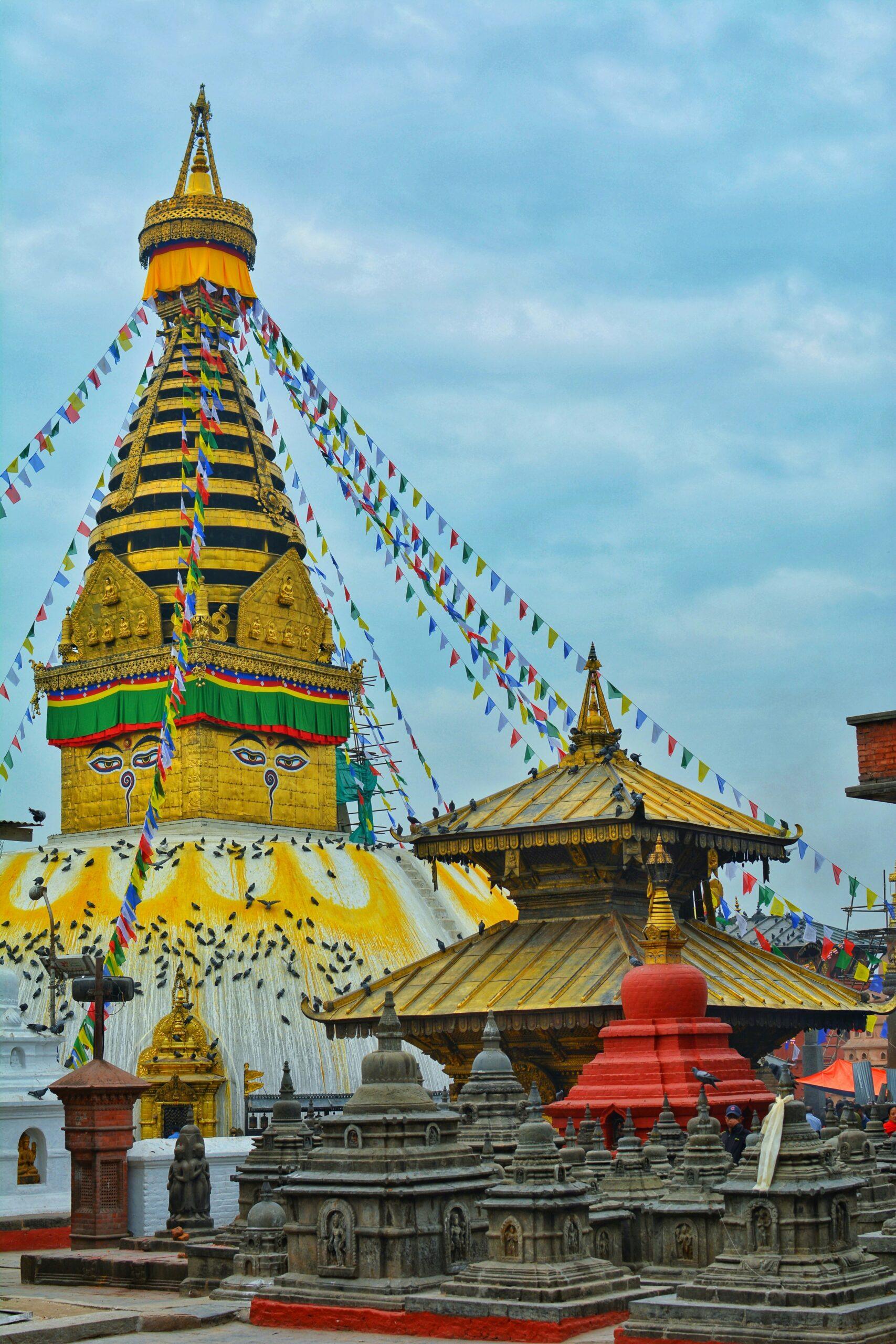
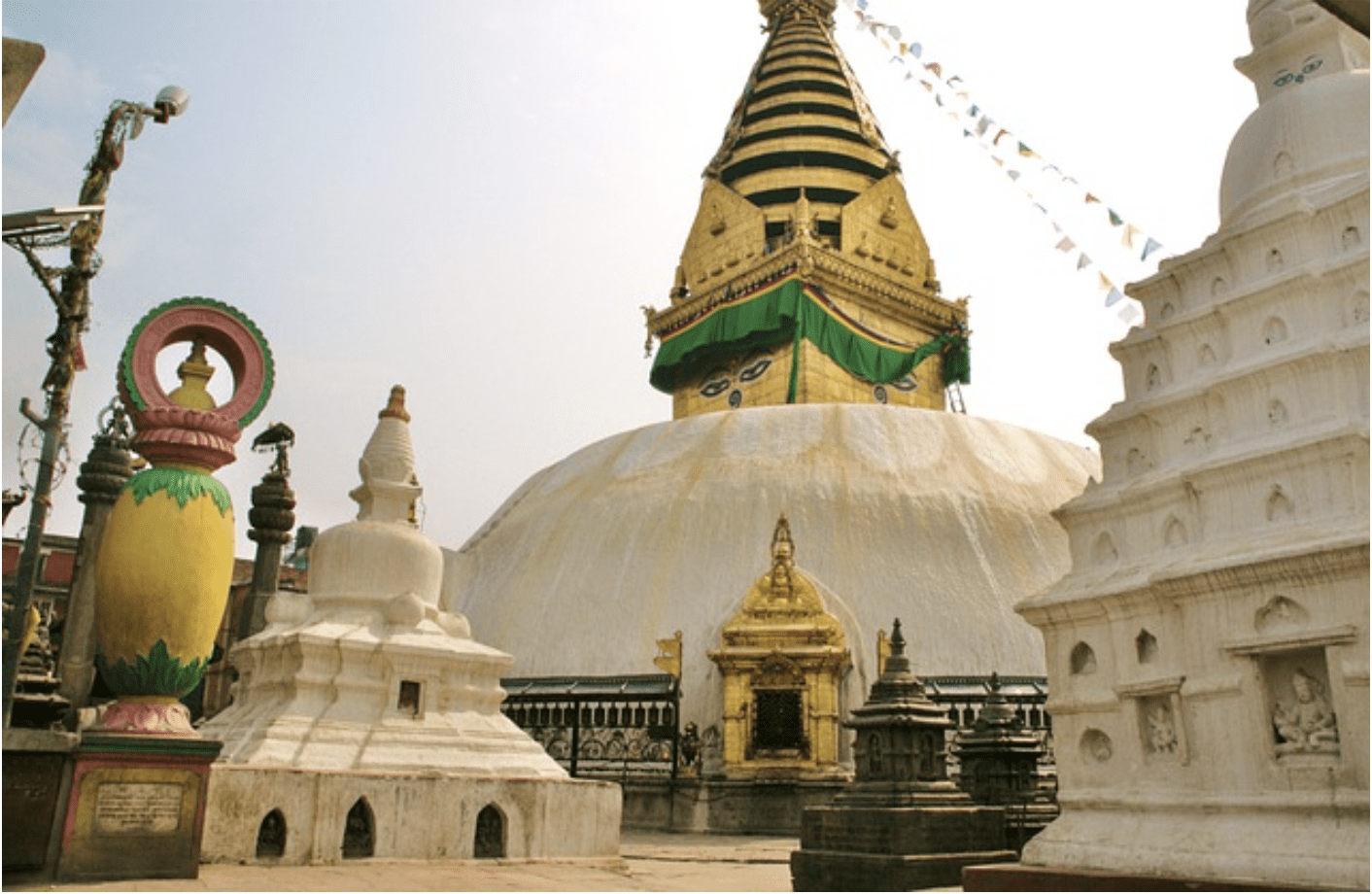
- Swayambhunath Stupa, the hilltop “Monkey Temple” with panoramic valley views
- Pashupatinath Temple, one of the holiest Hindu temple complexes in the world
- Boudhanath Stupa, one of the largest Buddhist stupas on Earth and the heart of Nepal’s Tibetan Buddhist community
- Patan Durbar Square, celebrated for its Newari craftsmanship and the Golden Temple
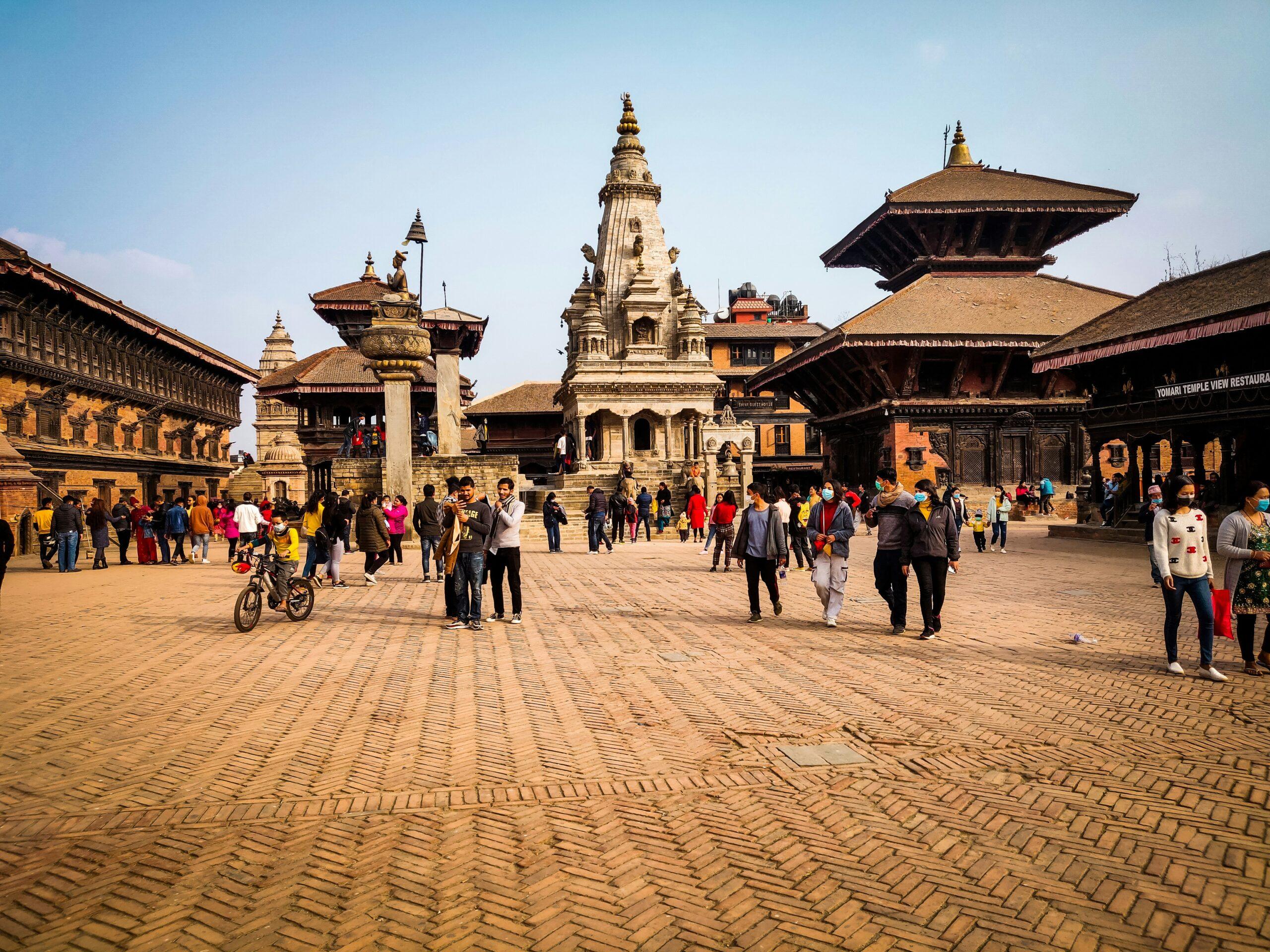
- Bhaktapur Durbar Square, a remarkably preserved medieval city famous for pottery, woodcarving, and the 55-Window Palace
- Optional extensions to Changu Narayan Temple, Dakshinkali Temple, Budhanilkantha, Kirtipur, and Kopan Monastery
Together, these sites tell the layered story of Nepal’s Hindu and Buddhist heritage, Newari artistry, and centuries of Himalayan trade and pilgrimage.
Why the Kathmandu Valley Deserves More Than a Day
Many travelers treat Kathmandu as a brief stopover before heading to the mountains — but the valley rewards those who slow down.
1. Unmatched UNESCO Density
Few places in the world pack seven UNESCO World Heritage Sites into such a small area, making the Kathmandu Valley Tour one of the most efficient cultural itineraries anywhere.
2. Living Heritage, Not Just Ruins
Unlike many historical sites that function purely as museums, Kathmandu’s temples and squares are still in daily religious use — pilgrims, monks, sadhus, and locals move through these spaces exactly as they have for centuries.
3. Three Distinct Cities, Three Distinct Personalities
Kathmandu, Patan, and Bhaktapur each developed independently as rival Newari kingdoms, and each retains its own architectural style, craft traditions, and atmosphere — making a multi-day valley tour feel like visiting three different cities.
4. A Perfect Complement to Trekking
Whether you’re heading to Everest Base Camp, the Annapurna region, or elsewhere in the Himalayas, a Kathmandu Valley Tour before or after your trek adds meaningful cultural context to your Nepal experience.
5. Accessible to All Travelers
No special fitness is required — the Kathmandu Valley Tour is well suited to families, older travelers, and anyone looking for a rich cultural experience without physical exertion.
Sample Kathmandu Valley Tour Itinerary (4 Days)
While many operators offer single-day tours, a multi-day itinerary allows for a much richer, less rushed experience. Here’s a representative 4-day version:
Day 1: Arrival and Welcome
Arrive at Tribhuvan International Airport, where a representative will transfer you to your hotel. After settling in, enjoy an evening welcome dinner featuring traditional Nepali cuisine and a briefing on the days ahead.
Day 2: Kathmandu City Highlights
Begin at Kathmandu Durbar Square, exploring the Hanuman Dhoka Palace complex, the Kumari Ghar (home of the living goddess), and intricately carved Newari temples. Continue to Swayambhunath Stupa, climbing the hillside steps to panoramic valley views amid resident monkeys and fluttering prayer flags. In the afternoon, visit Pashupatinath Temple, one of the most sacred Hindu sites in the world, followed by Boudhanath Stupa, where you can walk the circumambulation path alongside Tibetan Buddhist pilgrims.
Day 3: Patan (Lalitpur)
Cross the Bagmati River into Patan, often considered the artistic heart of the valley. Explore Patan Durbar Square, the Golden Temple (Hiranya Varna Mahavihar), and the Patan Museum, renowned for its collection of bronze statues and metalwork. Wander the narrow lanes where generations of Newari metalsmiths and woodcarvers still practice their craft.
Day 4: Bhaktapur and Departure
Spend the morning in Bhaktapur, the best-preserved of the valley’s three medieval cities. Visit Bhaktapur Durbar Square, the 55-Window Palace, the Golden Gate, and the towering five-story Nyatapola Temple. Sample local specialties like juju dhau (king curd) before transferring to the airport for your onward journey.
Shorter one-day tours typically combine Kathmandu Durbar Square, Swayambhunath, Pashupatinath, and Boudhanath, while longer itineraries add Patan, Bhaktapur, and optional stops like Changu Narayan, Dakshinkali, or Kopan Monastery.
What’s Included in a Kathmandu Valley Tour Package
Most reputable operators include:
- Airport pickup and drop-off
- Private, air-conditioned vehicle transport between sites
- A licensed, English-speaking tour guide
- Hotel accommodation (for multi-day packages), typically with breakfast
- Monument entrance fees (or clearly stated separately)
- Government taxes and administrative charges
Commonly excluded: international airfare, lunch and dinner (unless specified), personal expenses, tips for guides and drivers, and travel insurance.
Best Time to Take a Kathmandu Valley Tour
Because the Kathmandu Valley Tour is a cultural sightseeing experience rather than a high-altitude trek, it can be enjoyed year-round. That said, some seasons offer a more pleasant experience:
- Autumn (September to November): Clear skies, comfortable temperatures, and major festivals like Dashain and Tihar make this the most popular season.
- Spring (March to May): Warm weather and blooming flowers, ideal for combining sightseeing with the start or end of a trekking trip.
- Winter (December to February): Cooler but generally dry, with fewer crowds at major sites.
- Monsoon (June to August): Lush green scenery, though afternoon rains can disrupt outdoor sightseeing — mornings are usually clearer.
Because most of the tour takes place outdoors and involves walking between temple courtyards, avoiding the heaviest monsoon downpours makes for a more comfortable experience.
How Much Does a Kathmandu Valley Tour Cost?
Pricing depends on tour length, group size, and hotel category. As a general guide:
- Single-day private tours typically range from $50 to $150 per person, depending on the number of sites and inclusions.
- Multi-day packages (3–5 days) with hotel accommodation generally range from $300 to $800+ per person, depending on hotel star rating and group size.
- Luxury or fully private multi-day tours with 5-star hotels and dedicated guides can run higher, often $800 to $2,000+ per person.
Entrance fees at individual sites — often $10–15 USD each for foreign visitors — may be included or charged separately, so it’s worth confirming with your operator in advance.
Practical Tips for Your Kathmandu Valley Tour
- Dress modestly, especially at Pashupatinath and other active religious sites — shoulders and knees should generally be covered.
- Wear comfortable walking shoes, as many sites involve uneven stone courtyards and staircases.
- Carry cash in Nepali rupees for entrance fees, small purchases, and tips, as cards aren’t always accepted at smaller sites.
- Respect photography restrictions, particularly around cremation ceremonies at Pashupatinath and inside certain temple sanctums.
- Start early to avoid both midday heat and the largest crowds at popular sites like Swayambhunath and Boudhanath.
- Hire a knowledgeable guide. The valley’s history is dense and layered — a good guide transforms a walk through old buildings into a vivid story of Nepal’s cultural evolution.
Who Should Take the Kathmandu Valley Tour?
This experience suits nearly every type of traveler, including:
- First-time visitors to Nepal wanting an efficient introduction to the country’s culture and history
- Trekkers adding cultural depth before or after a mountain expedition
- Families and older travelers seeking a rewarding experience without physical strain
- History and architecture enthusiasts drawn to centuries-old Newari craftsmanship
- Photographers chasing the valley’s vivid temple details, prayer flags, and daily religious rituals
- Short-stay travelers with limited time who still want to experience Nepal’s UNESCO heritage
Frequently Asked Questions About the Kathmandu Valley Tour
How many UNESCO World Heritage Sites are in the Kathmandu Valley? There are seven: Kathmandu Durbar Square, Patan Durbar Square, Bhaktapur Durbar Square, Swayambhunath, Boudhanath, Pashupatinath, and Changu Narayan Temple.
Can I see all seven UNESCO sites in one day? It’s possible with an early start and a private vehicle, though most travelers find a two- to four-day itinerary allows for a far less rushed, more meaningful experience.
Is the Kathmandu Valley Tour physically demanding? No. It involves walking on foot around temple complexes and city squares, with private vehicle transfers between sites, making it accessible to nearly all fitness levels.
Do I need a guide for the Kathmandu Valley Tour? While not mandatory, a licensed guide significantly enhances the experience by explaining the history, mythology, and cultural significance behind each site.
Is the Kathmandu Valley Tour worth doing before or after a trek? Yes. Many trekkers use a Kathmandu Valley Tour as a way to acclimate to Nepal, adjust to the time zone, and add cultural context before heading into the mountains — or as a relaxing way to unwind afterward.
Final Thoughts: Is the Kathmandu Valley Tour Worth It?
The Kathmandu Valley Tour offers something the Himalayas alone cannot: a window into Nepal’s layered religious, artistic, and architectural history, all within a single, compact valley. From the sacred ghats of Pashupatinath to the medieval stone courtyards of Bhaktapur, this tour captures centuries of Newari, Hindu, and Buddhist heritage in a way few destinations in the world can match.
Whether it’s your first stop in Nepal or your last, the Kathmandu Valley Tour is an essential complement to any Himalayan adventure — and, for many travelers, one of the most memorable parts of their entire trip.
For the latest information on trekking regulations, permits, conservation areas, and mountaineering requirements in Nepal, visit the official Nepal Tourism Board and relevant government authorities before planning your Pisang Peak Climbing adventure.
Also if you want to view our other treks then you can follow this link.
Reviews
There are no reviews yet.