

Best Time to Trek Everest Base Camp: 7 Essential Tips for Choosing the Perfect Season
Planning an Everest Base Camp trek is an exciting adventure, but choosing the right time to go can make a major difference to your experience. Weather, mountain visibility, trail conditions, temperatures, crowds, and flight conditions can all vary throughout the year.
The best time to trek Everest Base Camp is generally during spring (March to May) and autumn (September to November). These seasons usually offer more stable weather, clearer mountain views, and better trekking conditions. Nepal Tourism Board also identifies spring and autumn as the best trekking seasons in Nepal, with October and November known for particularly clear skies after the monsoon.
However, each month offers something different. Whether you prioritize clear mountain views, warmer temperatures, fewer crowds, or the Everest climbing-season atmosphere, understanding the seasons will help you choose the right time for your trek.
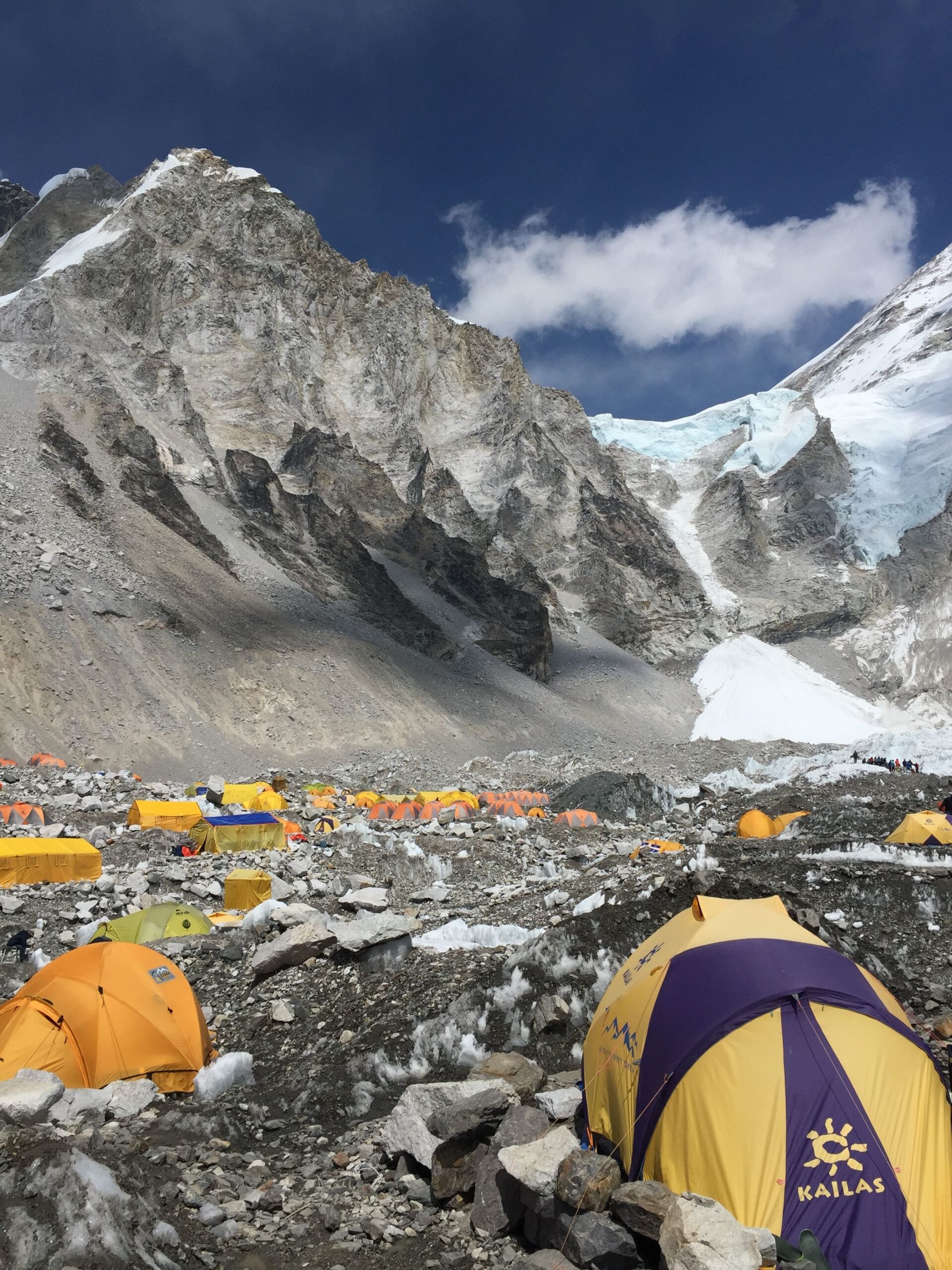
When Is the Best Time to Trek Everest Base Camp?
For most trekkers, October and November are the best months to trek Everest Base Camp. The post-monsoon period generally brings clear skies and excellent visibility of Everest and other Himalayan peaks.
The second major trekking window to Best Time to Trek Everest Base Camp is March to May. Spring brings gradually warmer temperatures, blooming rhododendrons at lower elevations, and the excitement of the Everest climbing season.
Best months at a glance
| Month | Conditions | Crowds | Recommended? |
|---|---|---|---|
| January | Very cold, possible snow | Low | For experienced trekkers |
| February | Cold and snowy | Low | For experienced trekkers |
| March | Cold but improving | Moderate | Yes |
| April | Stable and pleasant | High | Excellent |
| May | Warmer, increasing clouds | Moderate | Very good |
| June | Monsoon begins | Low | Not ideal |
| July | Rain and clouds | Very low | Not recommended |
| August | Wet and cloudy | Very low | Not recommended |
| September | Improving after monsoon | Moderate | Good, especially late September |
| October | Clear skies and stable weather | High | Excellent |
| November | Clear and colder | Moderate | Excellent |
| December | Cold and increasingly wintry | Low | For experienced trekkers |
Autumn: September to November
Autumn is one of the most popular seasons for the Everest Base Camp trek, The Best Time to Trek Everest Base Camp. After the summer monsoon, the atmosphere generally becomes clearer, making this period particularly attractive for Himalayan views.
September
September is a transition month. Early September can still experience some monsoon influence, but conditions generally improve as the month progresses.
Late September can be a good choice for trekkers who want fewer crowds than the October peak season while enjoying increasingly clear skies.
Advantages:
- Fewer trekkers than October
- Green landscapes after the monsoon
- Improving mountain visibility
- Comfortable trekking conditions
The main disadvantage is that early September can still experience rain and cloud cover.
October
October is widely considered the best overall month for the Everest Base Camp trek.
The post-monsoon atmosphere generally provides excellent visibility, dry trails, and spectacular views of Everest, Ama Dablam, Lhotse, Nuptse, and other Himalayan peaks.
The major disadvantage is popularity. October is a peak trekking month, so trails, teahouses, and popular stops can be considerably busier.
If your priority is clear mountain views and reliable trekking conditions, October is an excellent choice.
November
November continues to offer excellent visibility, although temperatures become colder as winter approaches.
For trekkers who want excellent mountain views but prefer somewhat fewer people than the October peak, November can be an excellent alternative.
The first half of November is particularly attractive because conditions can still be relatively stable while temperatures remain manageable with proper clothing and equipment.
Spring: March to May
Spring is the second major trekking season in the Everest region. As winter gradually ends, temperatures become more comfortable and the landscapes begin to come alive.
March
March marks the beginning of the spring trekking season.
Temperatures can still be cold at higher elevations, particularly in the mornings and evenings, but conditions generally improve as the month progresses.
March can be attractive for trekkers who want:
- Fewer crowds
- Spring scenery
- Improving weather
- A quieter trekking experience
You should still prepare for cold temperatures and possible snow at higher elevations.
April
April is one of the best months for the Everest Base Camp trek.
The weather is generally favorable, temperatures are more comfortable than in early spring, and rhododendrons can add color to the lower sections of the trail.
April also coincides with the Everest climbing season, meaning trekkers may experience the unique atmosphere surrounding Everest Base Camp and mountaineering expeditions.
If you want a combination of good weather, beautiful scenery, and Everest expedition activity, April is an excellent choice.
May
May is the final month of the main spring trekking season.
Temperatures are generally warmer, but the pre-monsoon period can bring increasing clouds and less predictable conditions as the month progresses.
Early May can be a particularly good option for trekkers who prefer warmer conditions and want to experience the Everest climbing season.
Is Winter a Good Time to Trek Everest Base Camp?
Winter lasts from December through February and is considerably colder at high elevations.
The main advantage is that there are fewer trekkers on the trail. Mountain views can still be spectacular during clear weather, and the quieter trails can appeal to experienced adventurers.
However, winter trekking requires greater preparation. Snow, freezing temperatures, icy trails, and difficult high-altitude conditions can make the trek more challenging.
Winter can therefore be suitable for experienced trekkers who are properly equipped and prepared for extreme cold.
For first-time trekkers, spring or autumn is generally a more comfortable choice.
Is Monsoon a Good Time for the Everest Base Camp Trek?
The monsoon period generally falls between June and August in Nepal.
During these months, lower sections of the route can experience rain, while clouds can reduce mountain visibility. Rain can also affect trails and transportation.
The Everest region receives less monsoon rainfall than some other areas of Nepal because of the Himalayas’ rain-shadow effect, but monsoon conditions can still create challenges for trekking and flights.
For most travelers, spring or autumn is a better choice.
Everest Base Camp Trek: Spring vs Autumn
Both spring and autumn are excellent seasons, but they offer slightly different experiences.
| Feature | Spring | Autumn |
|---|---|---|
| Best months | March–May | September–November |
| Mountain visibility | Good to excellent | Excellent |
| Temperature | Gradually warmer | Gradually colder |
| Crowds | Moderate to high | High |
| Rhododendrons | Excellent | Limited |
| Everest expedition atmosphere | Excellent | Lower |
| Weather stability | Very good | Excellent |
| Best for photography | Very good | Excellent |
If clear mountain views are your top priority, autumn is usually the better choice.
If you want warmer conditions, spring flowers, and the Everest climbing-season atmosphere, April and May can be excellent.
What Is the Best Month for First-Time Trekkers?
For first-time trekkers, October and April are two of the strongest choices.
October offers excellent post-monsoon visibility and generally stable trekking conditions. However, it is also one of the busiest months.
April offers good spring weather, beautiful landscapes, and the excitement of the Everest climbing season.
If you have flexibility in your schedule, late October, early November, or April can provide an excellent balance of weather, scenery, and trekking conditions.
Best Time for Clear Views of Mount Everest
Mountain visibility is one of the biggest reasons trekkers choose spring or autumn.
Autumn is particularly attractive because the summer monsoon helps clear atmospheric dust and haze. October and November are therefore well known for clear Himalayan skies.
For photographers and trekkers who want the best chance of seeing Everest, Ama Dablam, Lhotse, Nuptse, and other surrounding peaks, October and November are excellent choices.
Keep in mind that mountain weather can change quickly at high altitude, so no month can guarantee clear skies every day.
Best Time for Fewer Crowds
If you prefer a quieter trail, avoid the busiest periods of October.
Consider:
- Late March
- Early April
- Late September
- Early November
- Winter months for experienced trekkers
Shoulder-season trekking can provide a quieter experience while still offering reasonably favorable conditions.
However, fewer trekkers can also mean fewer available services in some periods, particularly during winter.
Does the Season Affect the Everest Base Camp Trek Cost?
Yes. The season can influence accommodation availability, transportation, guide availability, and overall trip planning.
Peak trekking periods such as spring and autumn are more popular, so demand for flights, teahouses, guides, and trekking packages can be higher.
If you’re planning your budget, check the [Everest Base Camp Trek Cost] information on our website to understand the major expenses involved in the trek.
For a complete overview of the route, daily walking schedule, acclimatization days, and major stops, see our [Everest Base Camp Trek Itinerary].
What Should You Consider Before Choosing Your Trekking Month?
The best time isn’t the same for everyone. Before booking your trek, consider:
1. Weather
Choose spring or autumn if stable weather and clear mountain views are your priorities.
2. Crowds
October and April can be busy. Consider March, late September, or November if you prefer fewer trekkers.
3. Temperature
Winter is significantly colder, especially at higher elevations. Spring generally becomes warmer as the season progresses.
4. Mountain Views
October and November generally provide some of the clearest skies of the year.
5. Your Experience
Experienced trekkers may choose winter or shoulder seasons, while beginners will usually find spring and autumn more comfortable.
6. Your Schedule
Even if your available dates don’t fall within the traditional peak seasons, the Everest region can still be trekked outside them with appropriate preparation.
Tips for Planning Your Everest Base Camp Trek
Regardless of when you trek, good preparation is essential.
- Allow enough time for acclimatization.
- Pack appropriate clothing for changing temperatures.
- Carry good-quality trekking shoes.
- Prepare for cold nights at higher elevations.
- Keep some flexibility in your itinerary for weather-related delays.
- Check current weather and flight conditions before departure.
- Stay hydrated throughout the trek.
- Follow your guide’s advice regarding altitude and acclimatization.
- Book accommodation and transportation early during peak seasons.
You can also read our [Everest Base Camp Trek Packing List] to see what clothing, footwear, equipment, and personal items you should take with you.
Final Verdict: What Is the Best Time to Trek Everest Base Camp?
The best time to trek Everest Base Camp is generally spring and autumn, with October, November, and April being particularly attractive months.
Choose October or November if your priority is clear Himalayan views and stable autumn conditions.
Choose April or May if you want warmer spring conditions, blooming rhododendrons, and the excitement of the Everest climbing season.
Choose March or late September if you want a balance between good trekking conditions and fewer crowds.
Winter and monsoon trekking are possible, but they involve greater challenges and require more careful preparation.
Ultimately, the right time depends on your priorities, experience, schedule, and tolerance for cold, crowds, and changing weather. With proper planning and acclimatization, the Everest Base Camp trek can be an unforgettable Himalayan adventure.
To Know the Accesories Packing list for Mount Everest, you can click this link
If you’re planning your trek, check our complete [Everest Base Camp Trek] guide for the itinerary, cost, difficulty, permits, and preparation details.