

Everest Base Camp Trek Packing List
Preparing the right equipment is an essential part of a successful Everest Base Camp Trek. The journey takes you from the lower-elevation villages of the Khumbu region to elevations above 5,000 meters, where temperatures can drop significantly and weather conditions can change quickly.
You don’t need to bring everything you own. A well-planned Everest Base Camp Trek Packing List should focus on lightweight, practical equipment that keeps you warm, dry, comfortable and prepared throughout the journey.
Whether you are trekking in spring, autumn, winter or the monsoon season, your equipment should be suitable for changing mountain conditions. This guide covers the essential clothing, footwear, backpacking equipment, personal items, electronics, documents and other gear you should consider before starting your trek.
Complete Everest Base Camp Trek Packing List
Before packing for your journey, separate your belongings into items you will carry in your daypack and items that can be stored in your main duffel bag. If your trekking company provides porter support, heavier equipment can usually be carried separately.
Your main packing categories should include:
- Clothing and layers
- Trekking footwear
- Backpack and duffel bag
- Sleeping equipment
- Sun protection
- Water and hydration supplies
- Toiletries and personal items
- Electronics
- Personal medical supplies
- Travel documents and money
- Snacks and energy foods
The goal is to pack light while preparing for cold, wind, rain and changing weather conditions.
Clothing
Layering is one of the best ways to manage changing temperatures during the Everest Base Camp Trek. Mornings and evenings can be particularly cold, while walking during the daytime can make you warm.
Your Everest Base Camp Trek Packing List should include:
- Moisture-wicking base layers
- Fleece or warm mid-layer
- Down jacket
- Waterproof and windproof jacket
- Trekking trousers
- Thermal trousers
- Lightweight T-shirts
- Warm trekking socks
- Thermal socks
- Underwear
- Warm hat
- Sun hat or cap
- Gloves
- Buff or neck warmer
Choose lightweight and quick-drying clothing whenever possible. Rather than carrying several heavy garments, use multiple layers that can be added or removed as temperatures change.
A good down jacket is particularly useful at higher elevations, while a waterproof outer layer provides protection from rain, snow and wind.
Footwear
Comfortable footwear is one of the most important parts of your Everest Base Camp Trek Packing List. You will walk for several hours on rocky, uneven and sometimes steep mountain trails.
Consider bringing:
- Well-broken-in trekking boots
- Lightweight camp shoes or sandals
- Several pairs of trekking socks
- Gaiters, if preferred
Your trekking boots should provide good grip, comfort and adequate support. Avoid taking brand-new boots on the trek. Wear them during training walks before your trip so you can identify potential problems with fit and reduce the risk of blisters.
Spare socks are also useful if your feet become wet during the journey.
Backpack and Bags
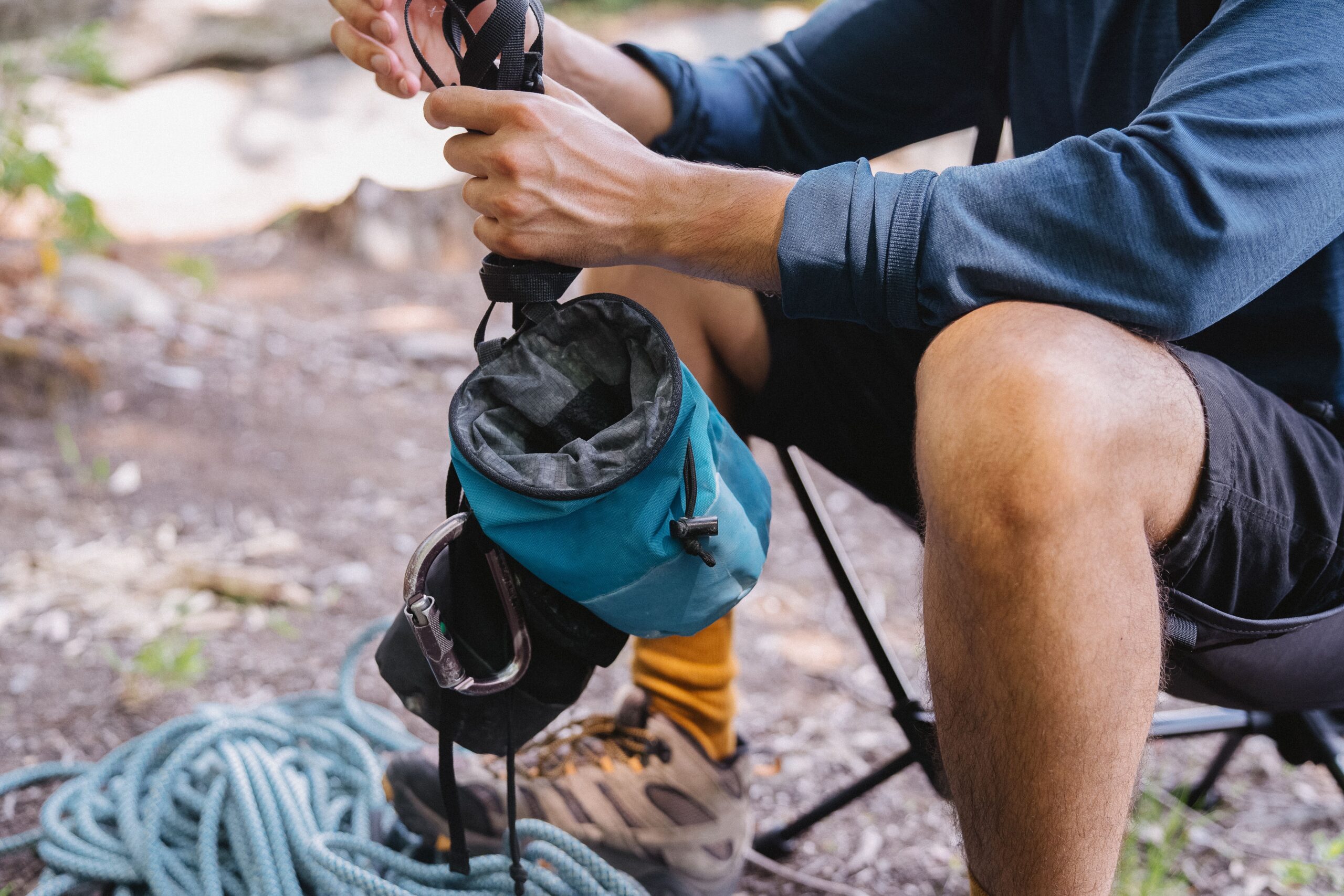
A comfortable daypack makes carrying your daily essentials much easier. If your trekking company provides porter support, you can keep heavier belongings in a separate duffel bag.
Useful items include:
- Comfortable daypack
- Duffel bag
- Backpack rain cover
- Dry bags or waterproof packing bags
- Small travel locks
- Packing organizers
Keep frequently used items such as water, snacks, sunscreen, sunglasses, rain protection and personal medication in your daypack.
Avoid carrying unnecessary weight. Even a few extra kilograms can become tiring when you are walking for several hours each day.
Sleeping Equipment
Although teahouse accommodation is available along the Everest Base Camp route, temperatures can become very cold at higher elevations. A warm sleeping bag is therefore highly recommended.
Consider packing:
- Cold-weather sleeping bag
- Sleeping bag liner, if preferred
- Headlamp
- Spare batteries
- Quick-drying towel
Your trekking company may provide or arrange certain equipment depending on your package. Confirm what is included before purchasing or carrying bulky items.
Water and Hydration
Staying properly hydrated is important during long trekking days, especially as you gain altitude.
Bring:
- Reusable water bottle
- Hydration bladder, if preferred
- Water purification tablets
- Water purification drops or a suitable filtration system
- Electrolyte or hydration sachets
You can refill water at various points along the trekking route. Treating water appropriately can help make it safer to drink.
A reusable water bottle or hydration system is also more practical for a multi-day trek than relying entirely on disposable plastic bottles.
Sun Protection
Sun protection becomes increasingly important as you gain elevation. You can experience strong sunlight even when the air feels cold.
Your Everest Base Camp Trek Packing List should include:
- Sunglasses with good UV protection
- Sunscreen
- Sun hat
- Lip balm with SPF
- Moisturizer
Apply sunscreen regularly to exposed areas such as your face, ears, neck and hands.
Good-quality sunglasses with UV protection are especially useful because sunlight can be intense at higher elevations.
Toiletries and Personal Items
Keep your toiletries simple and lightweight. You generally don’t need large bottles or excessive personal-care products.
Useful items include:
- Toothbrush and toothpaste
- Small soap
- Shampoo
- Toilet paper
- Tissues
- Wet wipes
- Hand sanitizer
- Lip balm
- Moisturizer
- Quick-drying towel
- Personal hygiene products
Pack toiletries in small, leak-proof bags to protect your clothing and other equipment.
Electronics
You may want to bring a few electronic devices to stay connected and capture photographs during your trek.
Consider packing:
- Mobile phone
- Camera
- Power bank
- Charging cables
- Universal travel adapter
- Spare camera batteries
- Extra memory cards
Charging facilities may be available at teahouses for an additional fee, although availability can vary depending on the location and conditions.
A power bank is therefore useful when charging opportunities are limited.
Try to avoid carrying unnecessary electronic equipment because every additional device adds weight to your luggage.
Personal Medical Kit
Bring any regular medication you require along with a basic personal first-aid kit.
Useful items may include:
- Personal prescription medication
- Blister treatment
- Bandages
- Antiseptic supplies
- Basic pain relief
- Personal hygiene products
If you take prescription medication, bring enough for the entire journey and keep it in your daypack rather than in your porter-carried luggage.
For altitude-related concerns, speak with a qualified medical professional before your trek and follow appropriate acclimatization practices.
Documents and Money
Keep important documents protected and easily accessible throughout your journey.
Bring:
- Passport
- Nepal visa or required entry documentation
- Travel insurance documents
- Trekking permits or copies, where appropriate
- Emergency contact information
- Some Nepalese cash
It is also useful to keep digital copies of important documents as a backup.
Before departure, confirm with your trekking company which permits and documents they will arrange on your behalf.
Snacks and Energy Foods
Food and drinks are available at teahouses along the Everest Base Camp route, so you generally don’t need to carry large quantities of food from Kathmandu.
However, a few lightweight snacks can be convenient during long walking days.
Consider bringing:
- Energy bars
- Nuts
- Dried fruit
- Chocolate
- Biscuits
- Electrolyte sachets
Choose foods that are lightweight, easy to carry and convenient to eat during breaks.
What Not to Pack
Avoid unnecessarily heavy luggage. You generally don’t need multiple pairs of heavy clothing, excessive toiletries or large amounts of electronic equipment.
Avoid packing:
- Too many clothes
- Heavy unnecessary shoes
- Large toiletry bottles
- Unnecessary electronic devices
- Excessive food
- Items that can easily be rented or purchased in Nepal
If you are using porter support, ask your trekking company about baggage limits and what your porter will carry.
Everest Base Camp Trek Packing Tips by Season
Your Everest Base Camp Trek Packing List should change according to the season because weather conditions vary throughout the year.
Spring
March to May generally offers good trekking conditions, although mornings and evenings can still be cold at higher elevations. Bring warm layers, sun protection and a waterproof outer layer.
Summer and Monsoon
June to August can bring rain, clouds and wet trails. Waterproof clothing, a backpack rain cover and waterproof packing bags become particularly useful.
Autumn
September to November is one of the most popular periods for trekking in the Everest region. Although daytime conditions can be comfortable, temperatures can still become cold at higher elevations, especially in the mornings and evenings.
Winter
December to February can be significantly colder, particularly at night and at higher elevations. A warm sleeping bag, down jacket, thermal layers, gloves and suitable cold-weather equipment are especially important.
Always check current conditions and discuss your equipment requirements with your trekking company before departure.
How to Pack Your Backpack
Organizing your luggage properly can make your trek more comfortable.
Keep frequently used items near the top of your backpack or in easily accessible pockets. Water, snacks, sunscreen, sunglasses, rain protection and personal medication should be easy to reach.
Place clothing and other equipment inside waterproof or dry bags. This provides additional protection if rain or snow reaches your backpack.
Keep heavier items close to your back and distribute the weight evenly. Avoid carrying unnecessary items simply because you have extra space.
30 Essential Items for Everest Base Camp
Use this quick checklist before departure:
- Trekking boots
- Moisture-wicking base layer
- Fleece jacket
- Down jacket
- Waterproof jacket
- Trekking trousers
- Thermal trousers
- Warm socks
- Gloves
- Warm hat
- Sun hat
- Buff
- Daypack
- Duffel bag
- Backpack rain cover
- Sleeping bag
- Headlamp
- Water bottle
- Water purification method
- Sunglasses
- Sunscreen
- Lip balm with SPF
- Power bank
- Mobile phone
- Personal medication
- Basic first-aid supplies
- Toiletries
- Passport
- Travel insurance documents
- Nepalese cash
Final Tips for Your Everest Base Camp Trek Packing List
The key to a successful Everest Base Camp Trek Packing List is to pack light without leaving behind essential equipment. You should be prepared for cold temperatures, wind, rain and rapidly changing mountain conditions.
Before leaving for the trek, test your boots, backpack and other important equipment during training walks. This gives you time to identify uncomfortable footwear, poorly fitting clothing or equipment that does not work as expected.
Your exact requirements will depend on the season, itinerary, accommodation and whether you use porter support. For this reason, confirm your final equipment list with your trekking company before starting your journey.
If you are still planning your trek, explore our Everest Base Camp Trek guide for information about the route, itinerary, cost and other important details.
A carefully prepared Everest Base Camp Trek Packing List can make your journey more comfortable and allow you to focus on enjoying the spectacular landscapes, mountain villages and Himalayan experience.
To know more on Everest Base Camp, you can follow this link.
The [Everest Base Camp Trek] is one of Nepal’s most popular Himalayan adventures. Explore our complete guide to learn about the itinerary, cost, difficulty, and preparation.