

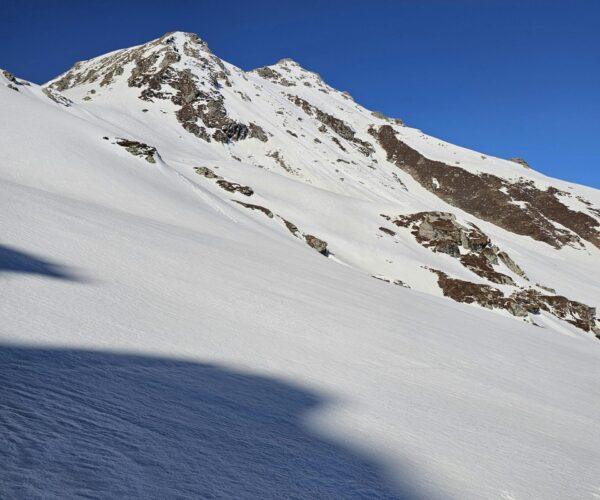
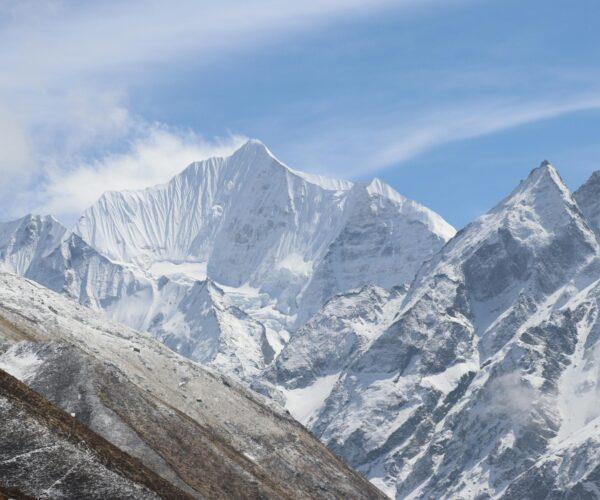
Yala Peak Climbing (5520 Meters)
OVERVIEW OF YALA PEAK
Yala Peak (5,520 m / 18,110 ft) is one of Nepal’s most accessible and popular trekking peaks, located in the Langtang region. Known for its stunning Himalayan views, moderate climbing difficulty, and proximity to Kathmandu, Yala Peak is ideal for beginner climbers and adventurous trekkers looking to experience high-altitude mountaineering in Nepal.
Yala Peak is classified as a trekking peak (Trekking Peak #29) by the Nepal Mountaineering Association (NMA). It offers a non-technical yet rewarding climbing experience, combining trekking through the scenic Langtang Valley with a moderate ascent to the summit.
Climbing Experience
- Alpine meadows and glacial moraines
- The Langtang National Park biodiversity, including Himalayan flora and fauna
- Traditional Tamang and Sherpa villages, monasteries, and cultural sites
Trip Highlights
- Scenic trek through the Langtang Valley with beautiful rhododendron forests and traditional Sherpa villages
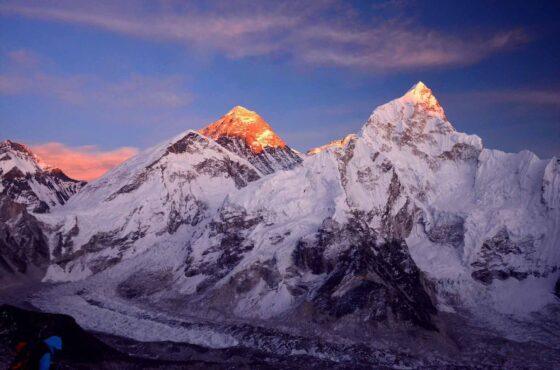
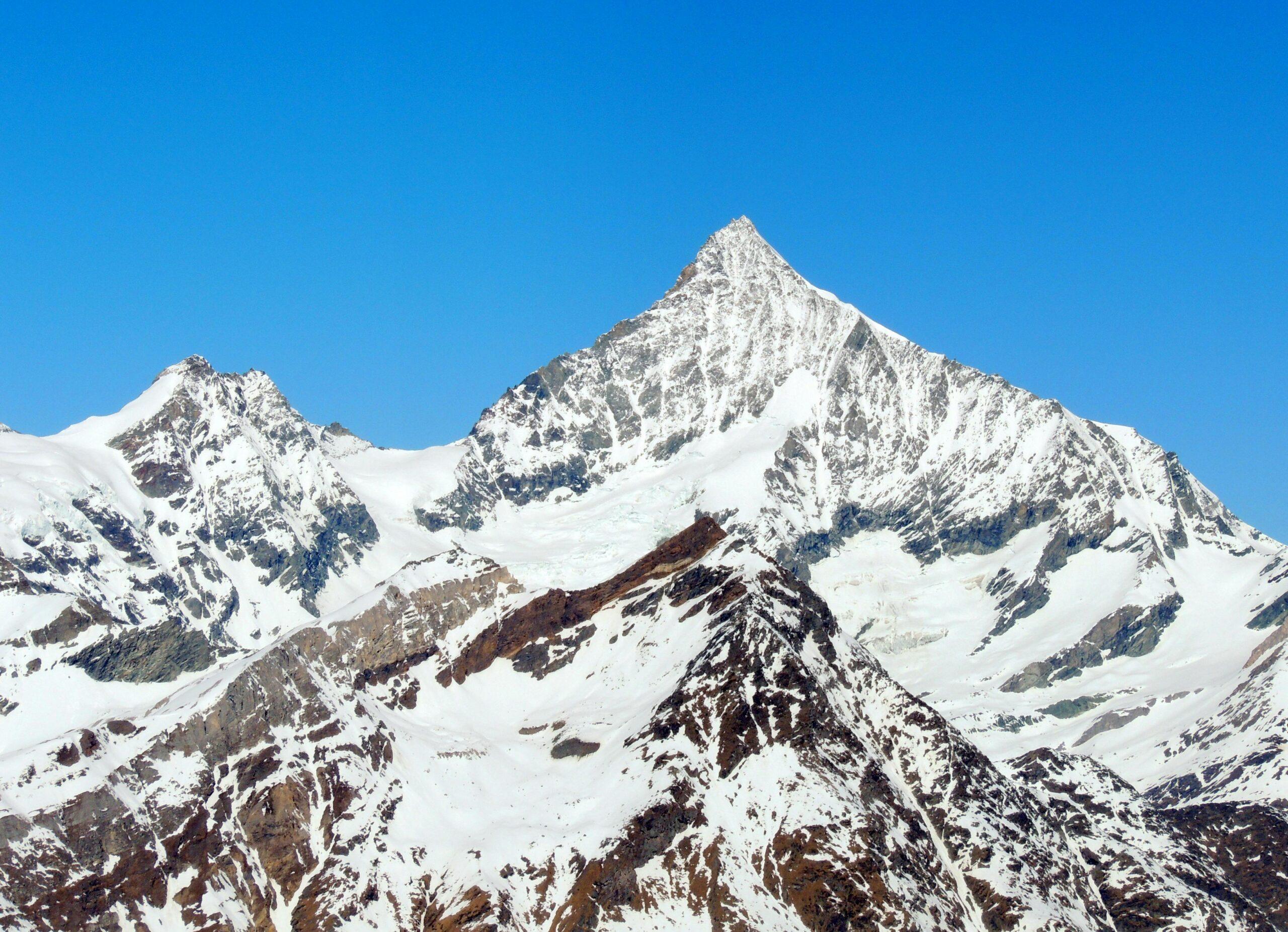
- Panoramic views of surrounding Himalayan peaks including Langtang Lirung, Shishapangma, and nearby glaciers
- Moderate-altitude peak climb suitable for first-time climbers of Himalayan trekking peaks
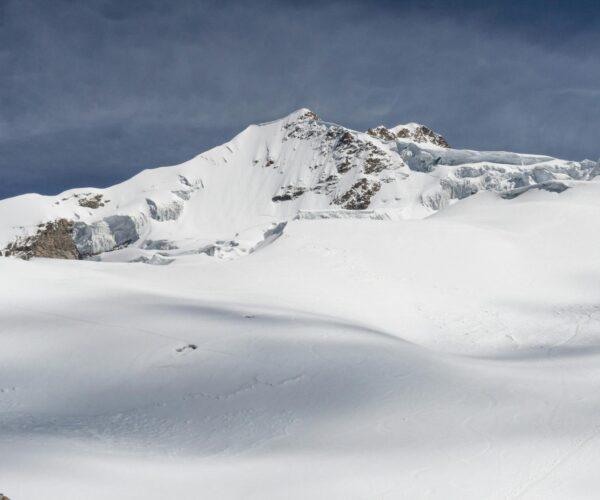
- Experience glacier walking, snow slopes, and use of basic climbing equipment like crampons and ice axes
- Less crowded and more peaceful compared to other popular trekking peaks
- Can serve as an introduction to higher Himalayan climbs such as Island Peak or Lobuche East
- Stunning sunrise and sunset views over Langtang and Helambu ranges
- Professional support from licensed climbing guides for a safe summit attempt
Itinerary
As soon as you arrive at Tribhuwan International Airport, one of our representatives will welcome and escort you to the booked hotel. On the second day, we will initiate our official procedure including travel permit, bag pack, shopping, documentation and briefing about our expedition. Additionally, you will also be able to greet other travelling companions.
After our final preparation to Yala Peak, we will drive to Dhunche, a major town of Rasuwa district. The drive will be a bit bumpy as soon as we cross Trishuli Bazar. You can enjoy the diversified foothills on the way and reach Dhunche in no time.
Our trek vigorously starts from the fourth day. The trail is convenient as we will walk through terrace hills and forests. After descending to a ridgeline, we will reach a point where River Trishuli and LangtangKhola separate. We will continue to follow the trail and finally reach Syabru, an exquisite village which offers some glorious sighs of Langtag (7,245m) and the Tibetan Mountain Ranges.
After a palatable breakfast in at Syabru, we will march on to Rimche (2,400m). The trail starts to descend through some forests leading to Ghopche Khola and asends through a bamboo forest. If we get fortunate enough, we might encounter black bears and even red panda on the way. After hiking for a few hours, we will reach Rimche and rest for the night.
Following our travelling schedule, we will resume our trek from Rimche to Langtang Village (3,500m) which is also the headquarterof Langtang National Park.The trail starts getting steeper as we will pass Ghora Tabela. On the way, the magnificent sight of Langtang continues to appear passing through several Tamang villages. After a few hours walk, we will reach Langtang Village where we will begin to experience Tibetan culture.
Today, we will have a relaxant day. We will resume our trek after an early breakfast from Langtang village. The trail passes through yak pastures opening the vale with an exclusive view. After hiking for a couple of hours, we will reach Kyangjin (3,870m), a small settlement rich in Buddhist Tibetan culture and acclimatize after the lunch.
After trekking continuously for four days, we will rest in Kyangjin for a day and explore some monasteries and a government-operated cheese factory. Alternatively, we can trek to KyangjinRe (4,350m) and return to Kyangjin for the overnight.
- Short hike to nearby peaks or ridges for acclimatization.
- Climbing gear briefing and practice sessions with guides.
- Overnight at lodge.
Following our travelling schedule, we will resume our trek to Tserko Re (4,984m) after a scrumptious breakfast. The path gradually elevates to Tserko Re which bestows some remarkable sights of The Langtang Range. After relishing the sights, we will descend down to KyangjinGumba (3,840m) and rest for the night.
The tenth day marks as one of the most significant days of our expedition. The path continues to ascend as we will head to the base camp (4,500m).The trail to the base camp is slightly rocky and steep. After elevating for a few hours, we will reach to Yala Base Camp and prepare for the summit. Additionally, we will complete our final preparation to elevate to the high camp as our Sherpas will rehearse glacial travel and climbing technique on this day.
Following our schedule, we will initiate our summit to Yala Peak at the earliest hour. We will use crampons and rope to climb through the ridge. After glorifying the summit 5,700m successfully, we will be astonished with the unprecedented sights of Shishapangma (8,013m), Dorje Lakpa (6,966m), Naya Kang (5,846m), Tserko Ri (4,984m), Ganchenpo (6,387m) and numerous Tibetan mountains from the top. Eventually, we will descend down to the base camp and rest for the night.
Retracing the trail, we will descend down from the vales to Langtang Village. We will energize with our lunch at GhoraTabela and continue our hike to Lama Hotel for an overnight.
The thirteenth day will be our last day to trek. We will hike along Langtang Khola passing through a bamboo forest still glancing the spectacular Langtang gaon the way. After a few hours walk, we will reach SyabruBesi and rest for the night.
We will take an early bus from SyabruBesi and drive back to Kathmandu enjoying some scenic views of Trishuli River and mountains. As soon as we reach Kathmandu, we will freshen up after a long drive.
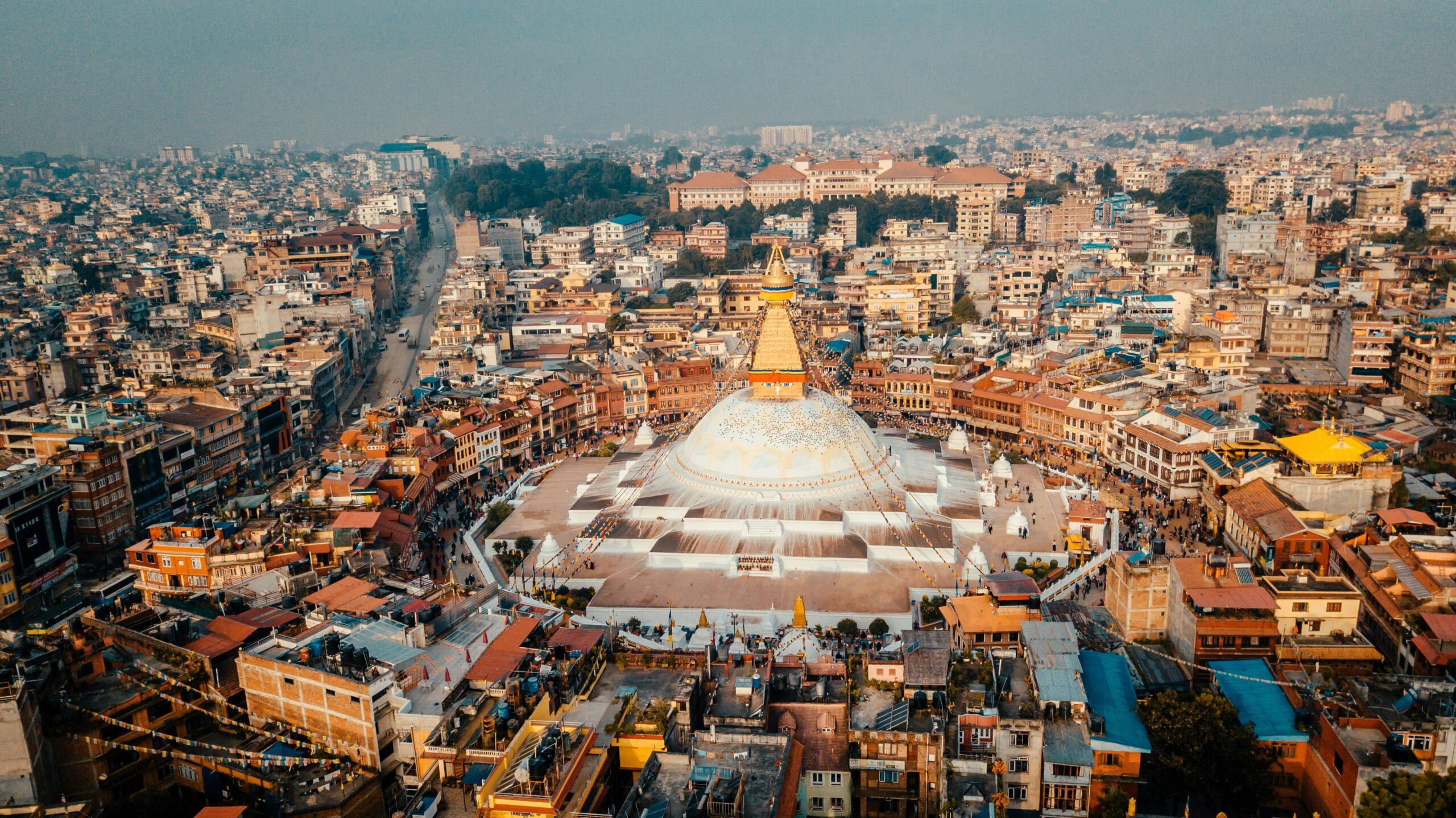
After the attainment of our long trek, you can relish in Kathmandu as a relaxant day. You can pay a brief visit to Pashupatinath Temple, Swayambhu Temple, Boudhanath Stupa, Kathmandu Durbar Square and many more cultural heritages inside the capital.
Our trip to Yala Peak will end on this day. However, you will return home with infinite memories locked in your memory for eternity. One of our representatives will escort you to Tribhuwan International Airport and bid you a cordial farewell before your scheduled flight.
Cost Include/ EXclude
Cost Includes
✅ Airport pick-up & drop-off in a private vehicle as per schedule.
✅ Hotel accommodation in Kathmandu & Dhunche on bed & breakfast basis.
✅ Meals during the trek from Thulo Syabru to Syabru Besi including Breakfast, Lunch, Dinner & 3 cups of tea/coffee daily.
✅ All necessary permits for Yala Peak Climbing 2026.
✅ Langtang National Park Conservation Fee.
✅ TIMS Card.
✅ Tourist bus transportation from Kathmandu – Dhunche and Syabru Besi – Kathmandu.
✅ Lodge/Tea house accommodation on twin-sharing basis during trek.
✅ Experienced Government licensed English-speaking trekking guide.
✅ One porter for every 2 members for carrying personal gear.
✅ Salary, food, accommodation, transportation & insurance for guide and porters.
✅ Emergency oxygen bottle with mask regulator (additional charge if used).
✅ Basic medical kit.
✅ Farewell dinner at a typical Nepali restaurant.
✅ All Government taxes.
Cost Excludes
❌ International airfare.
❌ Lunch & dinner in Kathmandu.
❌ Personal clothing, climbing gears & equipment.
❌ Nepal entry visa fee.
❌ Travel insurance.
❌ Rescue evacuation costs if required.
❌ Personal expenses.
❌ Alcoholic drinks, cold drinks, phone calls, internet, battery charging & laundry during trek.
❌ Bottled or boiled drinking water during trek.
❌ Tips for guide & porter.
❌ Entrance fees for monasteries, temples, and sightseeing in Kathmandu or during the trek.
Group Price
| Group Size | Price per Person (USD) |
|---|---|
| 1 Person | USD 2610 |
| 2–4 People | USD 2510 |
| 5–8 People | USD 2410 |
| 10–15 People | USD 2310 |
Riding Gears And Equipments
Riding Gears And Equipments
Here is a list of what you might want to pack for the hike. Please take this as a starting point. You’ll need layers of warmer clothing during the winter. We provide a 75 liter duffel bag for you to use for the trek. It will be given to you during your pre-trip meeting in Kathmandu. The duffle bag is yours to keep. Also, you can rent sleeping bag and down jacket with us at the additional fee of USD 35 for each once you are in Kathmandu.
Climbing Gear
- Alpine climbing harness. Must have adjustable leg loops and fit over all clothing.
- 2 locking carabiners. Large, pear-shaped carabiner is best, screw gate type recommended
- 3 regular carabiners. Lightweight; BD Hot wire are recommended.
- Ice axe w/leash. Light weight (Grivel Air tech, Black Diamond Raven, or Charlet Moser Snow Walker). Under 5’7” use 60cm; 5’7”- 6’2” use 65cm; over 6’2” use 70cm.
- Plastic Mountaineering boots (Koflach Degree, Lowa Civetta, or Scarpa Alpha) or Leather Double Mountaineering boots (La Sportiva Olympic Mons, Boreal GI or equivalent; must be mountaineering/crampon compatible)
- Crampons. Must be fit to plastic boots prior to trip, new-matic type recommended; include a simple repair kit (Grivel G12, Black Diamond Contact, or Charlet Moser Super 12)
- Adjustable trekking poles.
- Belay/rappel device (Figure 8 preferred)
General
- Four-season (zero degree) sleeping bag (We have rental sleeping bags available for an additional USD 35)
- Puffy down jacket (We have rental jackets available for an additional USD 35)
- Daypack (35-45 liters recommended) with rain cover
- Sleeping bag liner
Upper Body
- Sun hat or cap (We’ll provide you with a free Ace the Himalaya baseball cap.)
- Knitted hat/Beanie
- Headlamp
- Sunglasses
Torso
- Technical fabric base layer (light for warmer months, heavy for colder months)
- Technical fabric short (2) and long sleeve (2) shirts
- Waterproof, windproof shell
- Fleece jacket or pullover
Lower Body
- Technical fabric base layer (light for warmer months, heavy for colder months)
- Hiking pants (2)
- Comfortable pants for inside the teahouses
- Waterproof, windproof shell
- Hiking shorts
Hands
- Wool or technical fabric liner gloves
- Hard-shell outer gloves (insulated for colder months)
Feet
- Wool or technical fabric warm socks
- Hiking socks
- Liner socks (optional such as silk)
- Trekking/hiking boots (waterproof recommended)
- Casual shoes
- Gaiters (lightweight for dust or heavy for snow in colder months)
- Ice Cleats /Micro Spikes
Undergarments
Note: The quantity of each article of clothing can be adjusted to suit the preferences of each participant.
- Technical fabric/quick drying is best for underwear (opportunities to launder during the trip)
- Sports bras (women)
- Pajamas or sleeping clothes
First Aid Kits and Medications
- (Note: Guides carry medications and first aid kits during the trip. However, personal kits and medications are highly recommended.)
- Sunscreen
- Lip balm
- ointment
Other Essentials
- Passport
- Extra copies of passport-sized photos
- Reusable water bottle
- Toiletry kits
- Water purification tablets or UV water purifier (if you plan to treat water)
- Hydration bladder
- Towel
- Pillowcase
- Toilet paper (2 rolls)
- High protein snacks (such as protein bars or nuts)
- Waterproof/dry bags for carrying important documents and money
- Airline tickets (Please leave a copy at our office in Kathmandu. This can be useful if there is a change in the date of the flight.)
- Earplugs
- Trekking poles
Optional
Once in Nepal, if you have the time, you can purchase supplies and gear for hiking. Thamel, Kathmandu’s tourist hub, is home to many shops where you can get a variety of reasonably priced trekking equipment.
- Power bank or extra batteries
- Cameras and mobile phone
- Cards/book
- Binoculars
- Whistle
Important Information
- We give you a free duffel bag and baseball cap during your pre-trip meeting in Kathmandu. The duffel bag will be used to pack your trekking supplies.
- For every two participants, we assign one porter. The duffel bag, which should weigh around 10 kg/22 lbs, will be carried by the porter throughout the walk.
- To carry your daily necessities like cash, crucial papers, a water bottle or bladder, a camera, toiletries, sunscreen, a notebook, clothing, etc., you must have your own daypack (with a waterproof cover).
- You can store your luggage (non- trekking items) at the hotel in Kathmandu.
- Total luggage allotment allowance for Kathmandu-Lukla flight is 15 Kg/33 lbs including both duffel (10 Kg/22 lbs.) and backpack (5Kg/11 lbs.)
- Down jacket with a hood is a must for altitudes above 4,000 m to keep warm. You can rent a down jacket for USD 35. Please note that in case of loss or damage, you need to reimburse the cost of USD 100 per item.
- You can rent a 4-season sleeping bag for USD 35. Please note that in case of loss or damage, you need to reimburse the cost of USD 100 per item.
Note: Some clothing, especially form-fitting, figure-hugging items made of elastic material (like yoga pants), may offend locals. Therefore, if you choose to wear these clothes for comfort, please make sure to wear something over them.
FAQ
Yala Peak is located in the Langtang region of Nepal, north of Kathmandu, inside the Langtang National Park.
The summit stands at 5,520 meters (18,110 feet) above sea level.
Yala Peak is considered moderate in difficulty. It is suitable for first-time climbers of Himalayan trekking peaks, requiring basic mountaineering skills such as using crampons, ice axe, and rope techniques.
Previous technical climbing experience is helpful but not mandatory. Most climbers receive basic training at Base Camp before the summit attempt.
The expedition usually takes 10–14 days, including acclimatization and trekking to Base Camp.
You need:
- Yala Peak climbing permit issued by the Nepal Mountaineering Association
- Langtang National Park entry permit
- Local area (Rural Municipality) permit
The best seasons are:
- Spring (March–May)
- Autumn (September–November)
These months offer stable weather and clear mountain views.
Yes. Comprehensive travel insurance covering high-altitude trekking and helicopter evacuation is strongly recommended.
Tea houses or lodges during trekking, and tents at Yala Peak Base Camp and High Camp.
Yes. Yala Peak is often chosen by climbers as an introduction to Himalayan climbing and as preparation for higher peaks like Island Peak or Lobuche East.