- Gorkarneswor-9, Kathmandu, Nepal
- destinationholidaytreks@gmail.com
- info@destinationholidaytrek.com


Annapurna I Expedition 2026: Complete Guide to Climbing Nepal's 8091m Giant
Experience the Challenge of Annapurna I
Rising to 8,091 meters, Annapurna I is one of the world’s most challenging and respected peaks. Located in the heart of Nepal, it offers a raw and demanding alternative to climbs like Mount Everest, attracting experienced mountaineers seeking a true high-altitude adventure.
Known for its technical difficulty and unpredictable conditions, Annapurna I is not just about reaching the summit—it’s about endurance, skill, and determination. For climbers looking beyond commercial expeditions, it delivers a more authentic and rewarding Himalayan experience.
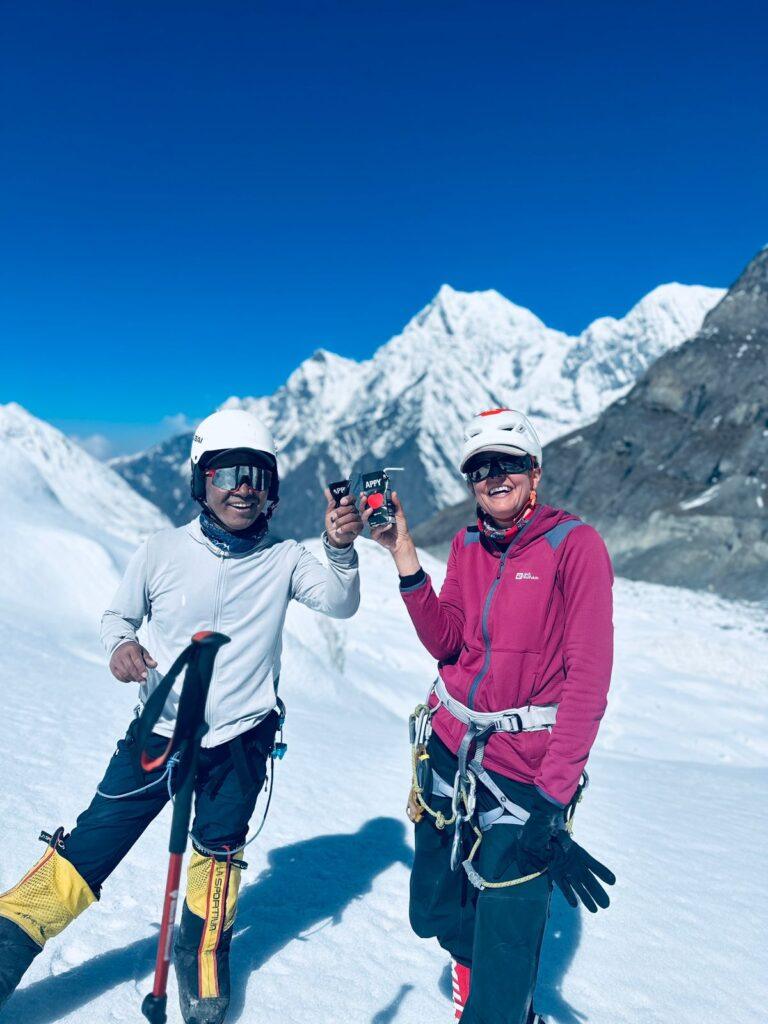
We are proud to share that our experienced guide and guest successfully summited Annapurna I on April 18, 2026, at 6:00 AM, reflecting our strong commitment to safety, expert leadership, and successful expeditions.
This guide walks you through everything a serious climber needs to know before committing to an Annapurna I Expedition: the route, the risks, the training required, the gear list, permit information, and why guided support from an experienced local team genuinely changes your odds of a safe and successful summit.

A Journey into the Annapurna Region
Your adventure begins in Kathmandu, where you prepare for the climb and meet your expedition team. From there, the journey continues toward Pokhara and into the remote Annapurna region.
As you move closer to base camp, the scenery transforms dramatically—from green hills and traditional villages to rugged glaciers and high alpine terrain.
The Annapurna region is rich in natural beauty and cultural heritage, making the journey as rewarding as the summit itself.

Challenges of an Annapurna I Expedition
Climbing Annapurna I is one of the toughest challenges in high-altitude mountaineering. It is not only physically demanding but also mentally intense and technically complex.
Major challenges include:
- Avalanche Risk: Annapurna I is known for frequent avalanches, making route selection and timing critical.
- Extreme Altitude: Oxygen levels drop significantly above 7,000 meters, requiring proper acclimatization and often supplemental oxygen.
- Unpredictable Weather: Sudden himalaya storms, strong winds, and freezing temperatures increase the difficulty.
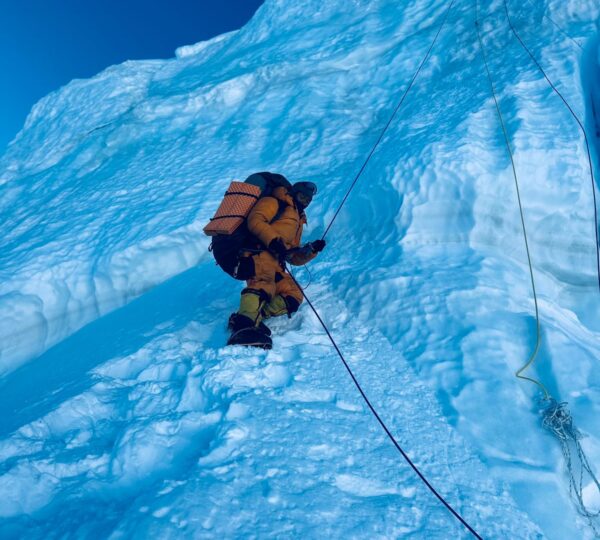
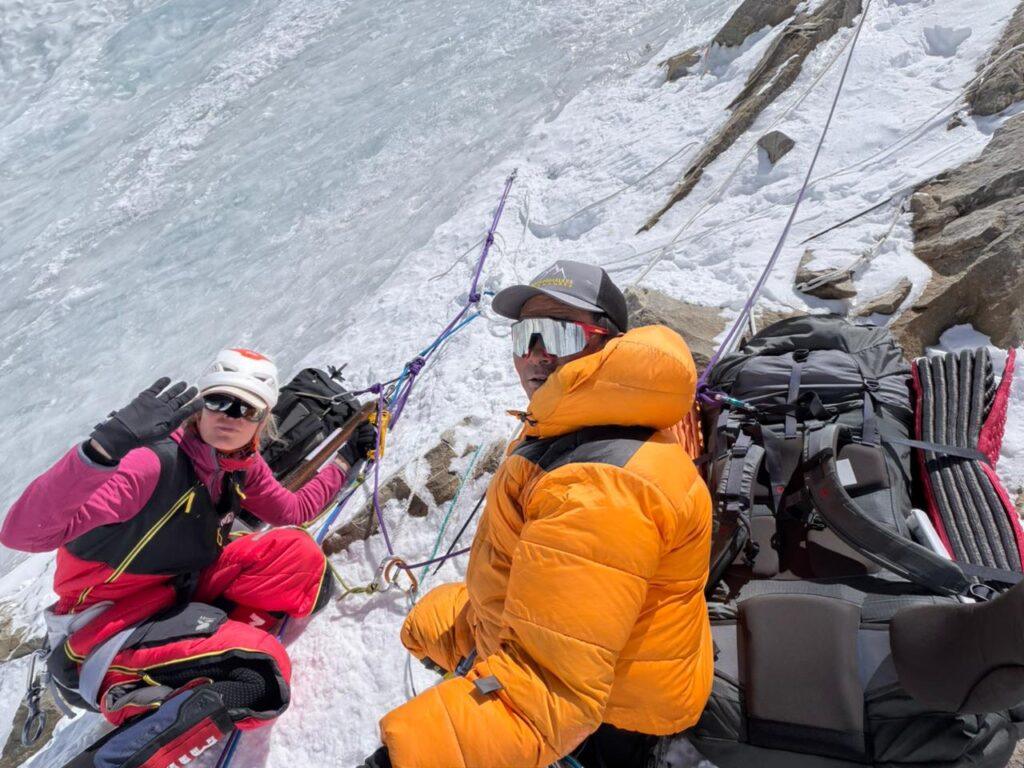
- Technical Climbing: Steep ice slopes, crevasses, and mixed terrain demand advanced mountaineering skills.
Physical and Mental Preparation
A successful Annapurna I expedition requires serious preparation and experience.
- Physical Fitness: Climbers need strong endurance, strength, and stamina, built through months of training.
- Technical Skills: Experience with ropes, crampons, ice axes, and glacier travel is essential.
- Mental Strength: The ability to stay focused, manage stress, and make decisions under pressure is critical.
If you are unsure whether your current fitness and altitude experience are ready for an expedition of this scale, our team recommends first completing our Annapurna Base Camp Trek or the longer Annapurna Circuit Trek 16 Days as a training and acclimatization benchmark before committing to a full Annapurna I Expedition.
Sherpa Support and Expert Guides
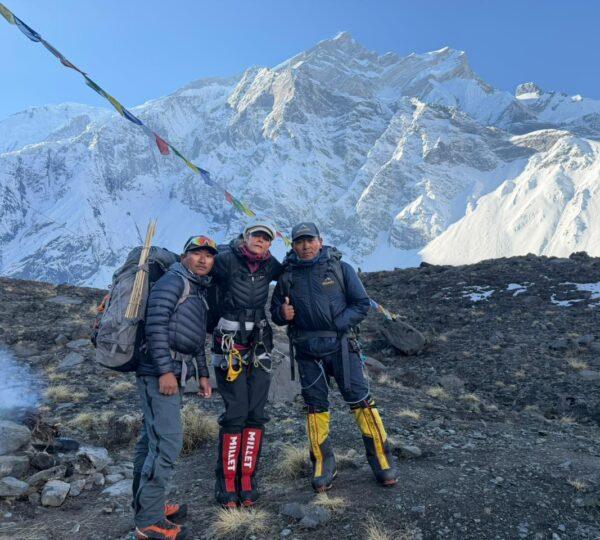
No Annapurna I Expedition succeeds on client fitness alone. Our climbing Sherpas and lead guides carry years of route fixing experience on this specific mountain, and they handle load carrying, camp setup, fixed rope installation, and real time safety decisions throughout the climb.
This local expertise is what genuine EEAT looks like in practice. Our guides do not simply follow a fixed script. They read the mountain daily, communicate directly with climbers about changing risk levels, and have the authority to modify or delay a summit push whenever conditions demand it. That authority, combined with a documented successful summit history, is why climbers trust us with an objective as serious as Annapurna I.
Essential Gear for Annapurna I Expedition
Climbing Annapurna I requires high-quality, expedition-grade equipment:
- Clothing: Layered system with insulated jackets, down suits, and waterproof shells
- Footwear: High-altitude boots, crampons, and gaiters
- Climbing Gear: Ice axe, harness, ropes, helmet, and carabiners
- Camping Equipment: Four-season tents, extreme cold sleeping bags, and cooking gear
- Oxygen Support: Supplemental oxygen systems for higher camps
- Medical Supplies: First aid kits, altitude sickness medication, and energy food
Environmental Responsibility
As one of Nepal’s most sensitive mountain regions, Annapurna requires responsible and sustainable climbing practices:
- Follow leave no trace principles
- Carry back all waste and used equipment
- Respect local culture and environment
- Minimize impact on fragile ecosystems
Annapurna I Expedition Itinerary Overview
- Arrival in Kathmandu (1,400m) and rest at the hotel
- Official formalities, gear check, shopping, and expedition briefing
- Fly from Kathmandu to Pokhara (822m)
- Drive from Pokhara to Tatopani (1,190m)
- Drive to Dana (1,440m) and trek to Lete (2,480m)
- Rest and acclimatization day
- Trek to Thulo Bugin (3,265m)
- Trek to Annapurna Base Camp (4,190m)
- Rest day, prayer ceremony, training, and acclimatization
- Climbing period of Annapurna I (8,091m)
- Trek back to Lete
- Trek back to Dana and drive to Tatopani
- Drive to Pokhara and fly back to Kathmandu
- Leisure day in Kathmandu
- Final departure
Why Book Your Annapurna I Expedition With Destination Holiday Trek
Choosing an operator for an 8,091 meter expedition is a decision that directly affects your safety. Here is what sets our Annapurna I Expedition apart.
- A documented, verified summit success on April 18, 2026, not a marketing claim
- Experienced climbing Sherpas with direct route knowledge of Annapurna I
- Flexible summit timing based on real weather data rather than a fixed brochure schedule
- Full support across permits, logistics, gear checks, and emergency evacuation planning
- A responsible, environmentally conscious approach to one of Nepal’s most sensitive mountain regions
Conclusion
The Annapurna I Expedition 2026 is not a checklist adventure. It is a serious, demanding climb that rewards proper preparation, expert local guidance, and respect for one of the most challenging mountains on earth. From the first steps out of Kathmandu to the final summit push at 8,091 meters, every stage of this expedition is designed around one goal, bringing climbers home safely with a summit story that is genuinely earned.
If you are ready to take on Annapurna I, or want to build toward it through our Annapurna Base Camp Trek and Annapurna Circuit Trek programs, our team is ready to help you plan the right path to the summit.
Photo Gallery