
Food and Accommodations During Everest Base Camp Trek
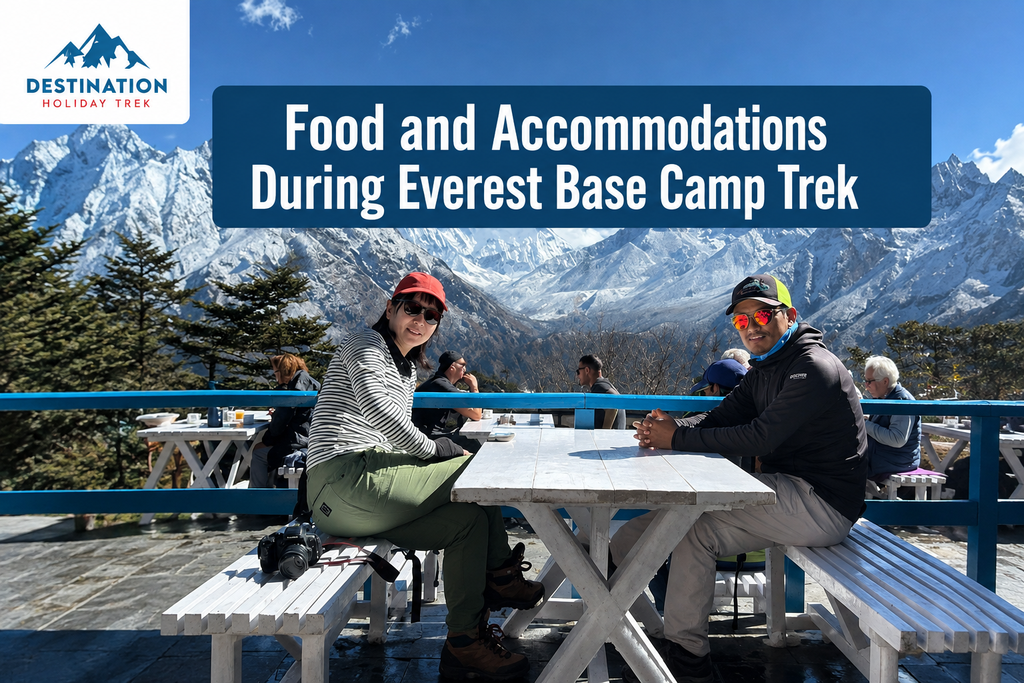
Table of Content
Introduction
Food and accommodations are an essential part of the Everest Base Camp Trek, and knowing what to expect can make your journey more comfortable and enjoyable. Trekking to Everest Base Camp does not mean surviving on protein bars for two weeks, so you can put that worry aside. Teahouses along the trail serve warm, satisfying meals every day, and every single night of Everest Base Camp trekking ends with a real bed and a roof over your head, not a tent pitched in the cold.
That said, both the food and the lodges change quite a lot depending on where you are on the route. Namche Bazaar feels close to a normal mountain town, while Gorak Shep, just below Base Camp, is about as remote as accommodation gets in Nepal. This guide walks you through what to eat and where to sleep at every stage of the trek, so nothing catches you off guard.
How Food and Supplies Reach These Remote Villages
Before getting into menus and room types, it helps to understand why both get simpler, and pricier, the higher you climb. There are no roads once you leave Lukla, so everything, including the timber used to build the lodges, is carried in by porter or yak, and occasionally by helicopter above Namche Bazaar. Lower down, mule trains keep villages like Namche stocked with fresh vegetables, eggs, dairy, and even some imported goods, so both the food and the lodging feel fairly close to normal. Past Namche, fresh produce becomes genuinely scarce, and supplies for both kitchens and guest rooms grow thinner the higher you climb.
There is also a cultural layer worth knowing. Many Sherpa communities follow Buddhist customs that discourage the slaughter of animals, and Sagarmatha National Park itself does not allow animals to be killed within its boundaries. That is why meat on the trail is brought in from Kathmandu rather than sourced locally, and why it is treated with a bit of caution the higher you go.
Accommodations During Everest Base Camp Trek
Every night on the route, you will stay in a teahouse, a lodge run by a local family with private guest rooms and a shared dining hall where trekkers gather around a stove after a long day. This teahouse style of lodging is the backbone of Everest Base Camp trekking accommodations, and it is part of what makes the trek feel so social.
Rooms typically come with two single beds, a mattress, pillow, and blanket. Walls are usually made of wood, so rooms are simple rather than heavily insulated, and heating is rarely provided in the bedrooms themselves. The dining hall, warmed by a central stove, is where trekkers actually spend their evenings. Hot showers and Wi Fi are available for a small extra fee in most villages, though both become less reliable and more expensive the higher you climb.
Accommodation also changes noticeably as you gain elevation. Rooms below Namche are the most comfortable on the route, while the stretch above Dingboche is where the trek starts to feel genuinely remote. The table below gives a quick sense of what to expect at each stage
| Trail Section | Typical Elevation | Room Comfort | Bathroom | Hot Shower and Wi Fi |
| Lukla to Namche Bazaar | 2,860m to 3,440m | Comfortable, some bakeries and cafes | Often attached | Usually available |
| Namche to Dingboche | 3,440m to 4,410m | Simple but warm dining halls | Mostly shared | Available for a fee |
| Dingboche to Gorak Shep | 4,410m to 5,164m | Basic, smaller rooms | Shared, limited hot water | Rare or unavailable |
Villages like Tengboche and Deboche also offer some of the most scenic lodge locations on the trail, sitting right beside the region’s important monasteries. Rooms above Dingboche can fill up quickly during peak season in spring and autumn, which is one reason experienced operators such as Destination Holiday Trek prebook rooms along the route well ahead of the trekking season, an approach covered in more detail on this Everest Base Camp trekking itinerary. For trekkers who want more comfort lower down, upgraded lodges with better bedding are available on some itineraries below Namche, though above Dingboche nearly every company works with the same handful of basic lodges.
A few things are worth packing to make teahouse nights more comfortable:
- A sleeping bag liner for extra warmth and added comfort.
- Earplugs, as wooden walls provide little sound insulation and dining halls often remain lively into the evening.
- A headlamp for nighttime trips to shared bathrooms, especially in villages where facilities are located outside the main building.
- A power bank, since charging electronic devices usually costs extra at higher elevations and may not always be available when the lodge is busy.
Breakfast on the Trail: Fueling Up Before the Climb
Breakfast is usually served in the early morning, timed so you are ready to start Breakfast is usually served early in the morning, allowing trekkers to begin walking soon after sunrise. It is arguably the most important meal of the day, as several hours of uphill hiking often lie ahead before lunch.
At higher elevations, your body works harder simply because there is less oxygen available. Combined with several hours of walking, this significantly increases your daily energy requirements. Most trekkers burn between 3,000 and 5,000 calories per day, depending on the route, pace, altitude, and pack weight. Starting the day with a filling breakfast helps maintain energy levels and supports recovery throughout the trek.
Most teahouses offer a surprisingly varied breakfast menu. Common choices include:
- Tibetan bread served with honey, jam, or peanut butter. Crispy on the outside and soft inside, it remains one of the most popular breakfasts on the trail.
- Eggs prepared boiled, fried, scrambled, or as an omelette.
- Porridge or oatmeal, a warm and easily digested option that many trekkers prefer at higher elevations.
- Chapati or roti with butter, jam, honey, or peanut butter.
- Pancakes topped with honey, jam, or chocolate sauce.
- Toast with butter and jam, usually served alongside tea or coffee.
- Muesli with milk or yoghurt, available at many lower elevation villages.
Many trekkers also bring their own tea bags or instant coffee from home. While tea is generally excellent throughout the Khumbu, coffee quality becomes more limited as you climb higher.
Lunch: Refueling Mid Trail
Lunch happens at a teahouse somewhere between your morning start and your evening stop, and it is honestly one of the best parts of the trekking day, a chance to sit, eat something warm, and rest for a while before the afternoon push.
The undisputed champion of trail lunches is dal bhat, steamed rice, lentil soup, and a vegetable curry known as tarkari, almost always served with unlimited refills. It is filling, balanced, and exactly what locals eat every single day for a reason.
Other lunch regulars include:
- Thukpa, a warming Tibetan noodle soup, great on cold days
- Sherpa stew, known locally as shyakpa, made with noodles, potatoes, and vegetables in a thick, savory broth
- Fried rice or fried noodles with egg and vegetables
- Momos, Nepali dumplings filled with vegetables, potato and cheese, or meat
- Pasta and pizza, simpler than what you are used to, but comforting all the same
Dinner: The Recovery Meal
Dinner is less about big flavors and more about ritual, when trekkers gather around the dining table, warm up by the stove, and unwind after a long day. Try not to overload your stomach right before bed, since digestion slows down at altitude, and a heavy dinner can leave you tossing and turning above 4,000 meters.
Dinner menus mirror lunch fairly closely:
- Dal bhat again, and that is genuinely fine, since it remains one of the most nutritionally balanced options on the trail
- Thenthuk, a hand pulled noodle soup and Sherpa specialty
- Garlic soup, a trail favorite widely believed to help with acclimatization
- Boiled or baked potatoes, simple, filling, and safe at any elevation
- Vegetable soup with rice or bread, gentle on an appetite that altitude has already suppressed
Staying Warm and Hydrated
Hydration matters just as much as food up here, arguably more, since cold, dry mountain air pulls moisture out of your body faster than you would expect, even when you are not visibly sweating. Aim for around 3 to 4 liters of fluid a day, combining water with hot drinks.
Popular beverages along the route include:
- Butter tea, known as suja, salty and buttery, an absolute Sherpa staple for warmth and calories
- Masala tea, a spiced black tea with milk, cardamom, and ginger
- Ginger lemon honey tea, good for digestion, sore throats, and general comfort
- Garlic soup, technically a food, but often treated as a warming, medicinal drink
- Hot chocolate and instant coffee, for a comforting caffeine or sugar boost
Tap water and stream water should never be consumed untreated, no matter how clean it looks. Boiling is the most common and reliable purification method at teahouses, and it is worth backing that up with purification tablets, a UV purifier, or a portable filter for extra peace of mind. Trekkers heading further into the Khumbu, past Base Camp and over three high passes, will notice the same hydration routine matters even more on the extended Everest Three Pass trekking route, where days at altitude stretch on for longer.
Vegetarian, Vegan, and Food Allergy Considerations
Good news if you are vegetarian, you will eat extremely well on this trek. Vegetarian meals are widely available at every altitude, and many trekkers actually choose to go vegetarian specifically to reduce the risk of food related illness, since meat is not refrigerated once it is carried up the mountain.
Vegan trekkers need to ask a few more questions before ordering. Ghee shows up in dal bhat and Tibetan bread, milk tea is dairy by default, and some soups are finished with yak butter. It is manageable, just ask.
If you have food allergies, whether gluten, nuts, dairy, soy, or eggs, tell your guide and the teahouse staff ahead of time so meals can be adjusted. It is also smart to carry your own safe snacks as backup, since options thin out considerably the higher you climb.
Foods and Habits to Avoid at Altitude
A few things are worth skipping entirely once you are above Namche Bazaar:
- Meat dishes, since storage is limited and the risk of food poisoning is not worth it
- Raw vegetables and salads, since wash water is not always treated
- Alcohol, since it worsens dehydration and interferes with acclimatization
- Excess caffeine, since it accelerates fluid loss when you are already fighting to stay hydrated
- Loose, unpackaged snacks, so always check expiry dates on anything wrapped
Practical Tips for Eating and Sleeping Well
A few habits make a real difference on the trail:
- Eat and sleep where you are booked, since teahouses generally reserve their freshest food and best rooms for overnight guests
- Wash your hands before every meal, since trekking poles, railings, and shared surfaces carry more bacteria than you would think
- Carry snacks from Kathmandu, such as energy bars, nuts, dried fruit, and dark chocolate, as lifesavers between meals
- Carry cash, since card payments become unreliable the higher you go
- Be patient in the dining hall, since most kitchens run on a single gas burner, so the wait is genuinely part of the experience
- Layer up at night, since bedrooms are not heated and a warm sleeping bag matters more than the mattress underneath it
Final Thoughts
Food and accommodation during Everest Base Camp trekking are a satisfying blend of local Sherpa and Nepali dishes, hearty soups, and simple comfort food, paired with cozy teahouse lodges designed to keep trekkers warm after long days on the trail. Dal bhat remains the backbone of the trekker’s diet, supported by dishes such as Sherpa stew, thukpa, momos, and a variety of warming teas and soups. From Namche Bazaar to Gorak Shep, the dining halls of teahouses are not only places to eat and rest, but also where many trekkers share stories and build friendships along the route.
Eating and sleeping well on the trek comes down to a few practical habits: choosing freshly prepared meals, staying consistently hydrated, layering up at night, and allowing the body enough fuel and rest as altitude increases. With proper planning, the food and accommodation become one of the enjoyable highlights of the Everest Base Camp experience rather than a concern. Destination Holiday Trek helps make that preparation smoother by arranging reliable teahouse accommodation and practical trekking support, allowing trekkers to focus more on the mountains, Sherpa hospitality, and the journey itself..
Frequently Asked Questions
- What is the most popular food on the Everest Base Camp trek?
Dal bhat, made of steamed rice, lentil soup, and vegetable curry, is by far the most popular and recommended meal, mainly because most teahouses offer unlimited refills and it provides balanced, long lasting energy. - What kind of accommodation is used during Everest Base Camp trekking? Trekkers stay in teahouses, family run lodges with simple guest rooms and a shared, stove heated dining hall, every night of the trek. Rooms are more comfortable below Namche Bazaar and become simpler with shared bathrooms above Dingboche.
- Is it safe to eat meat during the Everest Base Camp trek?
It is best to avoid meat, especially above Namche Bazaar. Since there is no refrigeration and meat is carried up over several days, the risk of it being less than fresh increases significantly with altitude. - Can vegetarians and vegans eat well on the EBC trek?
Yes, very well. Vegetarian dishes are available everywhere along the route. Vegans just need to ask about ghee, butter, and dairy in specific dishes, since these are common default ingredients. - Do teahouses have hot showers and Wi Fi?
Most do, for a small extra fee, though both become less reliable and more expensive the higher you climb. Above Dingboche, hot showers and Wi Fi are not guaranteed every night. - Is the drinking water safe on the Everest Base Camp trek?
Untreated tap, stream, or well water should never be consumed directly. Boiling is the most common purification method, and it is a good idea to also carry purification tablets, a UV purifier, or a filter as backup. - Why does meat become less common the higher you trek?
Because there are no roads above Lukla, meat has to be carried in over several days by porters or yaks, with limited cold storage along the way, which increases the risk of it spoiling before it reaches higher elevations. - Should I book accommodation in advance for Everest Base Camp trekking?
Yes, especially during peak season in spring and autumn. Trekking with a company that books rooms along the route in advance means you will not be stuck searching for a bed in Lobuche or Gorak Shep after a long day of walking. - What should I do if I have food allergies on the EBC trek?
Inform your guide and teahouse staff in advance so meals can be adjusted. It is also wise to carry your own safe snacks, since allergy friendly options become more limited at higher elevations.