

Introduction If you have a trek planned in Nepal this...
- Gorkarneswor-9, Kathmandu, Nepal
- destinationholidaytreks@gmail.com
- info@destinationholidaytrek.com
Island Peak Climbing: Your Gateway to Himalayan Mountaineering
Introduction
If you’ve ever dreamed of stepping beyond trekking and entering the world of real Himalayan climbing, Island Peak is often the perfect starting point. Standing at 6,189 meters (20,305 feet), Island Peak—locally known as Imja Tse—offers a thrilling mix of trekking, glacier travel, and basic mountaineering.
It’s considered one of Nepal’s most लोकप्रिय “trekking peaks,” but don’t let the term fool you. While it’s achievable for fit beginners with guidance, Island Peak still demands preparation, determination, and respect for the mountains.
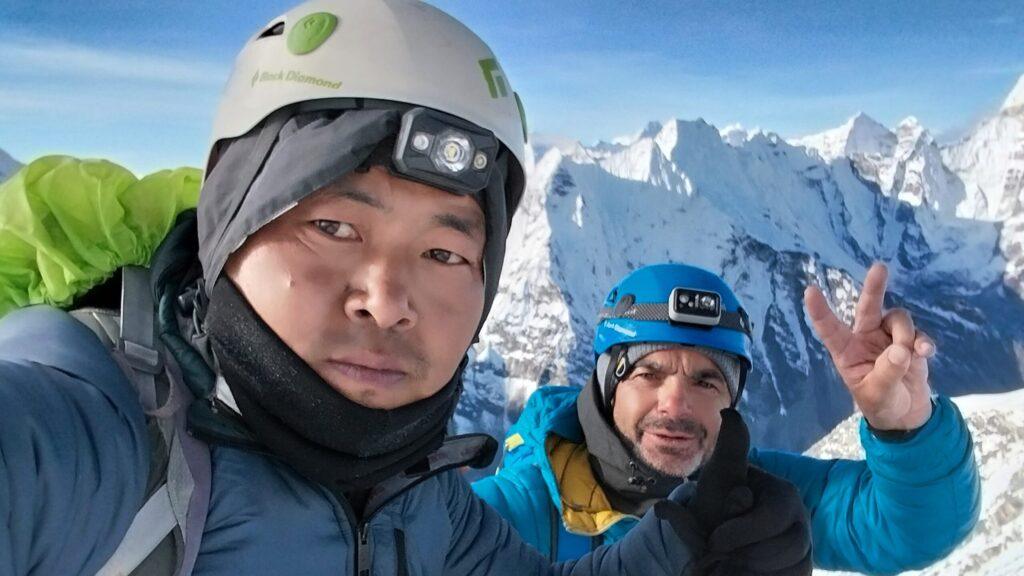
Why Choose Island Peak climbing?
Island Peak is often chosen by climbers preparing for bigger mountains like Mount Everest or Lhotse.
What makes it special:
- Beginner-friendly mountaineering peak
- Stunning Everest region views
- Combination of trekking + climbing
- Real Himalayan summit experience
From the summit, you’ll witness breathtaking views of Ama Dablam, Lhotse, and surrounding हिमालय peaks.
Cultural and Environmental Experience
Island Peak climbing isn’t just about the summit—it’s also a cultural journey. Trekkers pass through villages where traditional Sherpa lifestyles continue unchanged. Buddhist monasteries, prayer flags, mani stones, and local festivals add depth to the Himalayan experience.
The Journey to Island Peak Base Camp
The adventure begins with a flight to Tenzing-Hillary Airport. From there, you follow the famous Everest Base Camp trail before branching off toward the quieter Imja Valley.
Key Stops:
Namche Bazaar
Acclimatization hub with cafes, gear shops, and mountain views.Dingboche
A peaceful village surrounded by fields and peaks.Chhukung Village
Final settlement before heading to base camp.Island Peak Base Camp (5,100 m)
The starting point for your climbing phase.
Acclimatization: The Key to Success
Altitude is the biggest challenge, not just the climb.
To reduce the risk of Acute Mountain Sickness:
Spend extra days in Namche and Dingboche
Climb nearby peaks like Chhukung Ri
Stay hydrated and eat well
Ascend slowly
Many itineraries include Everest Base Camp or Kala Patthar as part of acclimatization.
Best Time to Climb Island Peak climbing
The ideal seasons are:
Spring (April–May):
Warmer weather, लोकप्रिय climbing seasonAutumn (October–November):
Clear skies, stable conditions
Avoid monsoon (June–August) and deep winter (December–February) due to weather risks.
Physical Fitness:
Cardio (hiking, running, cycling)
Leg strength and endurance
Ability to walk 5–7 hours daily
Technical Skills (basic required):
Using crampons
Walking with an ice axe
Clipping into fixed ropes
Using a harness and ascender
Most guided expeditions provide a short training session at base camp.
Equipment Checklist
You’ll need proper mountaineering gear:
Insulated boots
Crampons
Ice axe
Harness and helmet
Down jacket and sleeping bag
Gloves, goggles, and layers
If you don’t own gear, you can rent it in Kathmandu.
Cost of Island Peak Climbing
The cost usually ranges between $2,500 to $5,000 USD, depending on services.
Includes:
Permits
Guide and porter
Accommodation and meals
Climbing gear (sometimes)
This makes Island Peak one of the most affordable Himalayan climbing experiences.
The Summit Experience
Standing on the summit of Island Peak is a surreal moment.
You’ll see:
Lhotse towering nearby
Ama Dablam’s iconic shape
Endless हिमालय stretching into the horizon
The climb tests your limits—but the reward is pure magic.
For adventure enthusiasts and mountaineering beginners, Island Peak, also known as Imja Tse, offers a thrilling gateway into the world of high-altitude climbing.
Who Should Climb Island Peak climbing?
Island Peak is ideal for:
Trekkers wanting to try mountaineering
Adventure seekers aiming for their first summit
Climbers preparing for bigger expeditions
However, it’s not recommended if:
You have no trekking experience
You’re not physically prepared
You struggle with heights or exposure
Challenges and Preparation
Island Peak climbing may be accessible to beginners, but it still requires proper preparation:
- High Altitude: Even though Island Peak is lower than Everest, altitude sickness can affect climbers above 5,000 meters.
- Technical Skills: Climbers must know how to use crampons, ice axes, and harnesses, as well as practice glacier travel.
- Weather Variability: Sudden snowstorms and high winds can make the climb dangerous.
- Physical Endurance: Long trekking days, heavy backpacks, and summit pushes require strong cardiovascular fitness and leg strength.
Final Thoughts
Island Peak climbing is more than just a physical challenge—it’s a transformational journey. It introduces you to the world of mountaineering while surrounding you with some of the most beautiful landscapes on Earth.
For someone like you—already disciplined and working toward long-term goals—this kind of expedition can build mental toughness, confidence, and clarity that carries into other areas of life, even your freelancing journey.
If you prepare well, respect the mountain, and stay consistent, Island Peak can be your first real step into the greater world of Himalayan climbing.
More From The Blog
Uncategorized
Manaslu Circuit Trek Reopens 2026: Latest Trail Update After the Flood
Introduction Manaslu Circuit Trek reopens for the 2026 autumn season...
Uncategorized
Best Time to Trek Everest Base Camp: 7 Essential Tips for 2026
Best Time to Trek Everest Base Camp: 7 Essential Tips...