- Government Registration No: 179974/074/075
- PAN No: 606828891
- Tourism License No: 2499


Makalu Expedition (8,482m)
MAKALU EXPEDITION (8,482m)
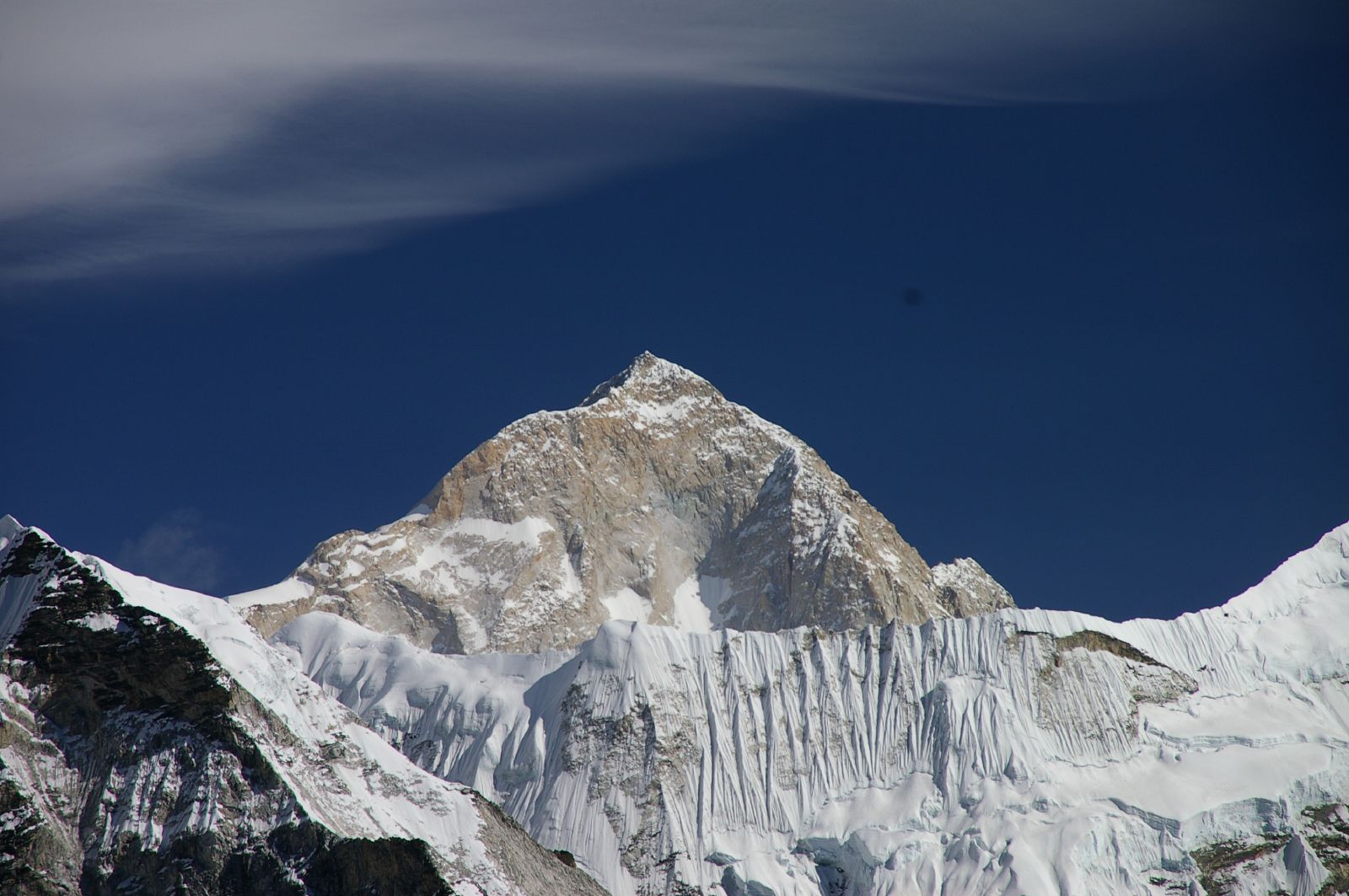
EXPLORE THE FIFTH HIGHEST PEAK IN THE WORLD – MOUNT MAKALU
Standing at an impressive height of 8,485 meters (27,838 feet), Mount Makalu is the fifth highest mountain on Earth and one of the most technically demanding peaks in the Himalayas.
Renowned for its striking pyramid-shaped summit, sharp ridgelines, and exposed climbing sections, Makalu represents the ultimate challenge for experienced mountaineers seeking a serious high-altitude expedition beyond the more crowded routes of other 8,000-meter peaks.
Located in the Mahalangur Himalayas of eastern Nepal, Makalu lies approximately 19 kilometers southeast of Mount Everest, near the border between Nepal and Tibet (China).
The mountain is part of the pristine Makalu Barun National Park, a remote and ecologically rich region known for dramatic landscapes, deep valleys, glaciers, waterfalls, and diverse wildlife.
For climbers and trekkers alike, Makalu offers not only a mountaineering objective but also a journey into one of the least-visited wilderness areas in the Himalayas.
PERMIT REQUIREMENTS
1. Climbing Permit
2. Makalu Barun National Park Entry Permit
3. TIMS Card (Trekkers’ Information Management System)
4. Liaison Officer Requirement
5. Garbage Deposit
6. Insurance Requirements
Important Notes
All permits must be processed through a government-registered Nepali expedition operator.
Independent climbing without an agency is not permitted.
Fees and regulations are subject to change by the Government of Nepal.
TREK FACTS IN DETAIL
Region: Makalu Barun region, eastern Nepal (within Makalu Barun National Park, near the Tibet border)
Duration: Approximately 55–65 days (including trek, acclimatization, and summit period)
Difficulty Level: Very Strenuous / Highly Technical
Suitable for experienced high-altitude climbers with prior 7,000m or 8,000m experience
Maximum Altitude: 8,485 meters (27,838 ft)
Trek Style: Traditional camping trek from Tumlingtar to Base Camp (7–10 days approach)
Full expedition logistics with porters/yaks carrying equipment
Meals: Nepali & Continental Cuisine
Dal bhat, noodles, soups, pasta, pancakes, eggs, rice, potatoes, and seasonal vegetables.
Group Size: Typically 4–12 climbers per expedition team
Best Seasons: Spring: April – May (Primary and most stable season)
 Autumn: September–October (Possible but less common due to weather variability)
Accommodation:
During trek: Fully supported camping
Base Camp: Individual or shared expedition tents with dining and kitchen tents
High Camps: Lightweight mountaineering tents
- Highlights
- Costs
- FAQ
- Riding Gear
- Fixed Departure
Fifth Highest Peak – Standing at 8,485 meters (27,838 ft), Makalu is the world’s fifth tallest mountain.
Remote and Pristine – Located in the eastern Himalayas, it offers untouched landscapes far from crowded trekking routes.
Technical Climbing Challenge – Known for its steep pitches and sharp ridges, ideal for experienced mountaineers.
Scenic Trekking Base – Approach via Makalu Base Camp, passing through lush forests, traditional Sherpa villages, and high-altitude terrains.
Cultural Experience – Visit remote Limbu and Sherpa communities, monasteries, and Himalayan settlements.
Biodiversity Hotspot – Rich in flora and fauna, including rhododendron forests, Himalayan blue sheep, and snow leopards in surrounding areas.
Panoramic Views – Spectacular vistas of Mount Everest, Lhotse, Kanchenjunga, and other Himalayan giants.
Adventure and Solitude – Less crowded than Everest or Annapurna, offering a truly adventurous Himalayan expedition.
COST INCLUDES
✅ All domestic flights (Kathmandu – Tumlingtar – Kathmandu)
✅ Airport pick-up and drop-off with private transportation
✅ 4-star hotel accommodation in Kathmandu with breakfast
✅ All trekking accommodations in local teahouses/lodges
✅ Full Base Camp service including private tents, dining tent, kitchen tent, shower & toilet tents
✅ All meals during trekking and climbing (breakfast, lunch, dinner)
✅ Highly experienced Sherpa climbing team (1:1 Sherpa ratio on summit day)
✅ All staff salaries, insurance, food, equipment, and accommodations
✅ Climbing permits for Makalu Expedition
✅ Makalu–Barun National Park entry fees
✅ High-altitude tents and equipment for all higher camps
✅ Fixed ropes and climbing gear arrangement
✅ Oxygen cylinders and mask/regulator sets (as required)
✅ Satellite phone / communication system for safety
✅ Comprehensive first-aid and medical kit
✅ Weather forecast updates for summit strategy
✅ Porters for carrying luggage during trekking and Base Camp load ferry
✅ Group climbing ropes, ice screws, snow bars, and essential gear
✅ All necessary government taxes and official paperwork
COST EXCLUDES
❌ Your personal equipment for climbing & trekking.
❌ Your personal & medical insurance during the expedition.
❌ Lunches & dinners in Kathmandu
❌ Emergency Rescue evacuation by helicopter if required
❌ Permits for Client’s personal Radio set or Satellite phone.
1. What is the best time to climb Mount Makalu?
The best climbing seasons are Spring (April–May) and Autumn (September–November) for stable weather and clear skies.
2. What is the difficulty level of the expedition?
Makalu is considered highly challenging. It requires prior high-altitude mountaineering experience and technical climbing skills.
3. How long does the expedition take?
A typical expedition takes 6–8 weeks, including acclimatization and climbing days.
4. What permits are required?
You need a Makalu Barun National Park permit, a trekking and climbing permit, and approval from the Nepalese government.
5. Is there professional support?
Yes, we provide experienced guides, Sherpa support, and porters to ensure safety and smooth logistics.
6. What physical preparation is needed?
Excellent cardiovascular fitness, strength training, and high-altitude acclimatization are essential before the climb.
7. What is included in the expedition package?
Guide and Sherpa services, food, accommodation during trek, and permits.
Exclusions: international flights, personal climbing gear, insurance, and tips.
8. Do I need insurance?
Yes, comprehensive travel and climbing insurance covering high-altitude trekking and rescue is mandatory.
9. Can beginners join?
No, this expedition is only for experienced high-altitude climbers.
10. How to book the expedition?
Contact us directly via email or our website. We will guide you through permits, preparation, and logistics.
Backpack (50–65L), Daypack (20–30L), Rain cover, Down jacket, Fleece jacket, Thermal top, Thermal bottom, Waterproof jacket, Waterproof pants, Trekking pants, Quick-dry T-shirts, Warm hat (beanie), Sun hat / cap, Gloves, Buff / neck gaiter, Trekking boots, Trekking socks, Camp shoes / sandals, Sleeping bag (-10°C or lower), Trekking poles, Headlamp, Sunglasses (UV protection), Water bottle, Water purification tablets / filter, Sunscreen, Lip balm (SPF), Personal first aid kit, Toiletries, Towel (quick dry), Power bank
| Departure Date | Seats Available | Book Now |
|---|---|---|
| Feb 27, 2026 | 10 | [Book Now] |
| Mar 15, 2026 | 5 | [Book Now] |
| Apr 05, 2026 | 12 | [Book Now] |
| May 10, 2026 | 8 | [Book Now] |
| Jun 20, 2026 | 11 | [Book Now] |
ITINERARY
-
Airport pickup and transfer to hotel
-
Expedition briefing and permit preparation
-
Overnight at hotel
-
Equipment check with expedition leader
-
Last-minute shopping if needed
-
Overnight at hotel
-
Scenic mountain flight (45 min)
-
Jeep drive to Num village (4–5 hrs)
-
Overnight at lodge
-
Enter Makalu Barun National Park
-
Trek through terraced farms and forests
-
Overnight at lodge
-
Gradual climb through villages and forests
-
Last permanent settlement before higher region
-
Overnight at lodge
-
Steep climb through rhododendron forest
-
First major altitude gain
-
Overnight at lodge/tent
-
Short hikes for acclimatization
-
Overnight at camp
-
Cross Shipton La Pass (4,216 m)
-
Alpine scenery begins
-
Overnight at camp
-
Descend into Barun Valley
-
Stunning views of Makalu range
-
Overnight at camp
-
Trek along Barun River
-
Open glacial valley
-
Overnight at camp
-
Spectacular views of Mount Makalu
-
Establish main expedition camp
-
Overnight at Base Camp
During this period climbers rotate between camps for acclimatization and load ferry.
Camp Details
-
Base Camp: 4,870 m
-
Camp I: 6,100 m
-
Camp II: 6,400 m
-
Camp III: 7,200 m
-
Camp IV: 7,600 m (Summit Camp)
Activities Include:
-
Ice climbing training
-
Fixed rope installation
-
Multiple acclimatization rotations
-
Rest days at Base Camp
-
Weather monitoring for summit window
🏔️ Summit Push (Approx. Days 35–40)
Typical summit rotation:
-
Base Camp → Camp II
-
Camp II → Camp III
-
Camp III → Camp IV
-
Summit Day: 8,485 m
-
Return to Camp II or Base Camp
Makalu summit day involves:
-
-
Technical ice and snow climbing
-
Exposed ridges
-
Final pyramid section (most challenging part)
-
Day 41–45: Trek Base Camp to Num
-
Retrace route via Langmale, Yangri Kharka, Khongma, Seduwa
-
Overnight at teahouses/camps
- Overnight lodge
-
Transfer to hotel
-
Celebration dinner
Rest, shopping, sightseeing
Expedition Debriefing & Farewell Dinner at 3 star hotel at Kathmandu.
Final Departure leave back to Tribhivan International Airport
Why Choose the Makalu Expedition?
Makalu (8,485 m) is the fifth-highest mountain in the world and one of the most respected 8,000-meter peaks among serious mountaineers. Here’s why climbers choose Makalu:
A True Technical Challenge
Makalu is steeper and more technically demanding than many other 8,000m peaks. It requires strong skills in:
Ice and mixed climbing
Fixed rope ascents
High-altitude endurance
It is often considered more technically challenging than Mount Everest.
Less Crowded, More Pure
Unlike Everest, Makalu sees far fewer climbers each season.
This means:
No heavy traffic on summit day
A more traditional expedition atmosphere
Greater sense of isolation and wilderness
Remote and Wild Environment
Located in eastern Nepal within the Makalu Barun region, the approach trek is scenic and untouched.
You pass through:
Dense forests
High alpine valleys
Remote Sherpa villages
Prestige Among Mountaineers
Makalu is respected in the climbing community.
Summiting Makalu signals:
Strong technical ability
Serious high-altitude experience
Commitment to challenging objectives
Beautiful Pyramid Shape
Makalu is famous for its striking symmetrical pyramid structure.
Climbing it offers:
Dramatic ridgelines
Panoramic Himalayan views
A visually iconic summit experience
Excellent Preparation for Other 8,000m Peaks
Many climbers use Makalu as preparation for:
Harder 8,000m objectives
Completing the 14 eight-thousanders
Building elite high-altitude credentials
Traditional Trek-Style Expedition
The approach trek enhances acclimatization and provides a classic Himalayan expedition experience with full camping logistics.
Makalu is not just about reaching 8,485 meters — it is about embracing a serious, technical, and less commercialized mountaineering challenge
TREKKING MAP
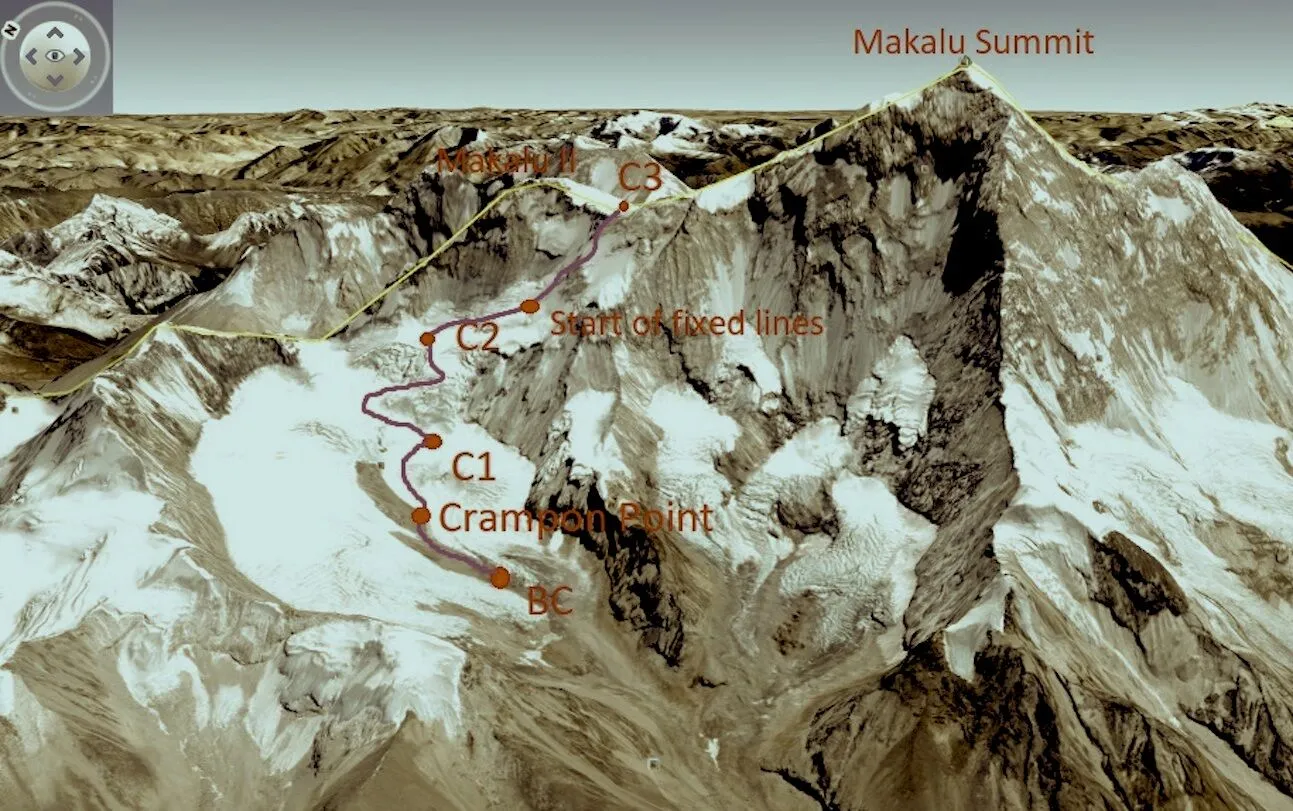
PHOTO GALLERY

1335USD/ person
| No. of People | Price Per Person |
|---|---|
| 1 Pax | 1635USD |
| 2–4 Pax | 1585USD |
| 4–10 Pax | 1435USD |
| 10–14 Pax | 1335USD |
800USD/ person
| No. of People | Price Per Person |
|---|---|
| 1 Pax | 1100USD |
| 2–4 Pax | 1000USD |
| 4–10 Pax | 900USD |
| 10–14 Pax | 800USD |
1050USD/ person
| No. of People | Price Per Person |
|---|---|
| 1 Pax | 1250USD |
| 2–4 Pax | 1050USD |
| 4–10 Pax | 950USD |
| 10–14 Pax | 800USD |
395USD/ person
| No. of People | Price Per Person |
|---|---|
| 1 Pax | 500USD |
| 2–4 Pax | 465USD |
| 4–10 Pax | 430USD |
| 10–14 Pax | 395USD |
395USD/ person
| No. of People | Price Per Person |
|---|---|
| 1 Pax | 500USD |
| 2–4 Pax | 465USD |
| 4–10 Pax | 430USD |
| 10–14 Pax | 395USD |
1325USD/ person
| No. of People | Price Per Person |
|---|---|
| 1 Pax | 1575USD |
| 2–4 Pax | 1525USD |
| 4–10 Pax | 1425USD |
| 10–14 Pax | 1325USD |
2199USD/ person
| No. of People | Price Per Person |
|---|---|
| 1 Pax | 2500USD |
| 2–4 Pax | 2400USD |
| 4–10 Pax | 2300USD |
| 10–14 Pax | 2199USD |
2199USD/ person
| No. of People | Price Per Person |
|---|---|
| 1 Pax | 2500USD |
| 2–4 Pax | 2400USD |
| 4–10 Pax | 2300USD |
| 10–14 Pax | 2199USD |
2199USD/ person
| No. of People | Price Per Person |
|---|---|
| 1 Pax | 2500USD |
| 2–4 Pax | 2400USD |
| 4–10 Pax | 2300USD |
| 10–14 Pax | 2199USD |
2199USD/ person
| No. of People | Price Per Person |
|---|---|
| 1 Pax | 2500USD |
| 2–4 Pax | 2400USD |
| 4–10 Pax | 2300USD |
| 10–14 Pax | 2199USD |
FIXED DEPARTURE
| Date | Package | Availability | Book Now |
|---|---|---|---|
| MARCH 11 2026 MARCH 20 2026 | Everest Base Camp Everest Base Camp | Available Available | Book Now |
| MARCH 20 2026 | Manaslu Circuit | Available | Book Now |
| MARCH 13 2026 MARCH 25 2026 | Annapurna Base Camp Annapurna Base Camp | Available Available | Book Now |
| MARCH 15 2026 MARCH 29 2026 | Mardi Himal Mardi Himal | Available Available | Book Now |
| MARCH 25 2026 | Gokyo Trek | Available | Book Now |
| MARCH 20 2026 | Annapurna Circuit Trek | Available | Book Now |
| MARCH 25 2026 | Muktinath Damodarkunda | Available Available | Book Now |
| MARCH 11 2026 | Kanchenjunga Trek | Available | Book Now |
| MARCH 15 2026 MARCH 22 2026 MARCH 29 2026 | Aama Yangri Trek Aama Yangri Trek Aama Yangri Trek | Available Available Available | Book Now |
| MARCH 11 2026 MARCH 22 2026 | Pikey Trek Pikey Trek | Available Available | Book Now |
| MARCH 11 2026 MARCH 20 2026 | Mera Peak Mera Peak | Available Available | Book Now |
| MARCH 13 2026 MARCH 25 2026 | Island Peak Island Peak | Available Available | Book Now |
| MARCH 10 2026 MARCH 17 2026 MARCH 25 2026 | Lobuche Peak Lobuche Peak Lobuche Peak | Available Available Available | Book Now |
| MARCH 21 2026 | Pisang Peak | Available | Book Now |
 Inquire Now