- Government Registration No: 179974/074/075
- PAN No: 606828891
- Tourism License No: 2499


Kanchenjunga Expedition (8,586m)
KANCHENJUNGA EXPEDITION
Standing at a majestic height of 8,586 meters (28,169 feet), Mount Kanchenjunga is the third highest mountain on Earth and one of the most remote and challenging peaks in the Himalayas.
Renowned for its massive glaciated faces, complex ridgelines, and unpredictable weather conditions, Kanchenjunga represents the ultimate challenge for elite mountaineers seeking a serious high-altitude expedition far from crowded climbing routes.
Unlike more commercialized mountains, Kanchenjunga offers a raw, wilderness-focused experience that demands technical expertise, endurance, and strong expedition logistics.
Located on the border between Nepal and India in eastern Nepal, Kanchenjunga lies within the pristine Kanchenjunga Conservation Area, a remote region known for dramatic mountain landscapes, deep valleys, glaciers, waterfalls, and rich biodiversity.
For climbers and trekkers alike, Kanchenjunga provides not only a mountaineering objective but also a journey into one of the least-visited wilderness areas of the Himalayas.
GEOGRAPHIC LOCATION AND NATURAL BEAUTY
The Kanchenjunga region is considered one of Nepal’s most spectacular yet untouched mountain environments.
Unlike the Everest or Annapurna regions, trekking infrastructure here remains limited, preserving the area’s authentic wilderness character.
The journey to Kanchenjunga Base Camp involves trekking through subtropical forests, traditional villages, alpine meadows, and high mountain passes before entering a dramatic glacial landscape dominated by towering Himalayan giants.
The surrounding scenery includes remarkable peaks such as:
Mount Everest (8,848.86 m)
Mount Lhotse (8,516 m)
Mount Makalu (8,485 m)
Mount Jannu (7,710 m)
TREK FACTS
Destination: Nepal (Eastern Himalayas)
Mountain Height: 8,586 meters / 28,169 ft
World Ranking: 3rd Highest Mountain in the World
Region: Kanchenjunga Conservation Area
Route: South-East Ridge (Nepal Side)
Expedition Duration: 50–60 Days
Trek to Base Camp: 10–14 Days
Maximum Camp: Camp IV (Approx. 7,500–8,000 m)
Summit Elevation: 8,586 m
Difficulty Level: Extremely Challenging (Technical 8000m Expedition)
Climbing Grade: Advanced / Professional Mountaineering
Best Season: Spring (April–May) & Autumn (Sept–Oct)
Accommodation (Trek Section): Tea Houses & Tented Camps
Accommodation (Climb Section): Fully Equipped Expedition Tents
Oxygen Use: Yes (Above 7,500m–8,000m recommended)
Required Experience: Previous 7000m or 8000m peak climbing experience
Group Size: Small expedition team (usually 6–12 climbers)
Permit Type: Nepal 8000m Expedition Permit + Restricted Area Permit
Starting Point: Kathmandu, Nepal
Nearest Major City: Taplejung (flight & drive access)
PERMIT REQUIREMENTS
1. Climbing Permit Issued by the Department of Tourism (Nepal)
2. Restricted Area Permit (RAP)
3. Kanchenjunga Conservation Area Permit (KCAP)
4. Liaison Officer Requirement
5. Garbage Deposit
6. Insurance Requirements
- Highlights
- Costs
- FAQ
- Riding Gear
- Fixed Departure
World’s 3rd Highest Peak
Elevation: 8,586 meters (28,169 ft)
First ascent: 1955 by Joe Brown and George Band
Climbers traditionally stop just short of the true summit out of respect for local spiritual beliefs.
Extremely Remote
Far less commercialized than Mount Everest
Long trekking approach (often over two weeks) through eastern Nepal
Significantly fewer climbers each season compared to Everest
Technically Demanding and Dangerous
Steep ice faces, avalanche-prone slopes, and complex glacier terrain
Major objective hazards include serac collapses, deep crevasses, and sudden weather changes
Higher fatality rate relative to many other 8,000-meter peaks
Expedition Duration
Typically 50–60 days in total
Multiple high camps (Camp I–IV)
Requires prior high-altitude mountaineering experience, often including other 8,000m peaks
Severe Weather
Extremely cold with strong winds
Less predictable weather patterns than central Nepal peaks
Jet stream winds frequently affect summit attempts
Cost
Estimated cost ranges from $25,000 to $40,000 USD
Covers permits, logistics, Sherpa support, oxygen systems, and base camp operations
Scenic and Cultural Importance
Located within the Kanchenjunga Conservation Area
Known for rich biodiversity including rare Himalayan wildlife
Considered sacred by local communities in eastern Nepal and Sikkim
Kanchenjunga is widely regarded as a serious mountaineer’s mountain — remote, technical, and less commercial, offering a more traditional high-altitude expedition experience.
✔ Climbing permit from the Government of Nepal
✔ Expedition logistics management
✔ Airport transfers in Kathmandu
✔ Domestic flights (Kathmandu–Bhadrapur–Kathmandu)
✔ Cargo transport to and from Base Camp
✔ Base Camp setup (tents, kitchen, dining tent, communication equipment)
✔ Full board meals at Base Camp
✔ Experienced climbing Sherpa support
✔ High camp tents and fixed ropes
✔ Supplemental oxygen (as per package)
✔ Icefall and route fixing charges
✔ Group climbing equipment (ropes, anchors, ladders)
✔ Satellite phone / radio communication
✔ Expedition liaison officer (as required)
✔ Garbage management and environmental fees
❌ International airfare to and from Nepal
❌ Nepal visa fees
❌ Personal climbing gear (boots, down suit, crampons, harness, etc.)
❌ Personal travel insurance (must cover 8,000m evacuation)
❌ Helicopter rescue costs (if required)
❌ Personal Sherpa beyond allocated support
❌ Extra oxygen cylinders beyond package allowance
❌ Tips for Sherpas and expedition staff
❌ Personal expenses (internet, laundry, bar bills, etc.)
❌ Summit bonus for climbing Sherpa (if applicable)
❌ Any costs arising from delays due to weather, flight cancellations, or political issues
Q. How high is Kanchenjunga?
Kanchenjunga stands at 8,586 meters (28,169 ft), making it the third-highest mountain in the world.
Q. Where is Kanchenjunga located?
It lies on the border between Nepal and India (Sikkim region).
Q. How long does the expedition take?
A full expedition typically lasts 50–60 days, including trekking, acclimatization, and summit attempts.
Q. How difficult is the climb?
Kanchenjunga is considered very technical and physically demanding. It involves steep ice sections, avalanche-prone terrain, and high-altitude exposure. Prior 8,000m experience is strongly recommended.
Q. What is the best season to climb?
The primary climbing season is spring (April–May). Autumn expeditions are rare due to unstable weather conditions.
Q. Do climbers use supplemental oxygen?
Most commercial expeditions use supplemental oxygen above Camp III or IV, though some elite climbers attempt it without oxygen.
Q. Why do climbers stop short of the true summit?
Out of respect for local spiritual beliefs, climbers traditionally stop a few feet below the exact summit point.
Q. How much does the expedition cost?
Costs generally range between $25,000–$40,000 USD, depending on the operator, oxygen usage, and level of support.
Q. Is Kanchenjunga more dangerous than Everest?
It is often considered more technical and less commercialized than Mount Everest, with fewer climbers and higher objective risks.
Q. What experience is required?
Climbers should have:
Multiple high-altitude expeditions
Strong ice and mixed climbing skills
Excellent physical conditioning
Experience above 7,000m (preferably another 8,000m peak)
You arrive at Tribhuvan International Airport, Kathmandu, the gateway to the Himalayas. Our team will welcome you and transfer you to your hotel. After settling in, there will be a detailed briefing on the expedition, including equipment check, trekking route, acclimatization plan, and permit requirements. This day is mainly for rest and preparation after international travel.
This day is dedicated to preparing for the expedition. We assist with gear checks, permit processing, and last-minute shopping for trekking essentials such as high-altitude clothing, trekking poles, and other equipment. Optional sightseeing includes visits to Pashupatinath Temple, Boudhanath Stupa, and Kathmandu Durbar Square, offering travelers a glimpse of Nepalese culture and heritage.
Scenic flight to eastern Nepal followed by a drive through tea gardens to Ilam.
The trek continues through dense pine forests and suspension bridges crossing rivers. This stretch introduces you to the Sherpa villages, where you can observe traditional mountain life. Arrive in Namche Bazaar, the main trading hub of the Khumbu region. Namche is known for its vibrant markets, cafés, and stunning views of the surrounding peaks. Overnight at Namche teahouse.
Long drive into the remote Kanchenjunga region with mountain views and rural villages.
Gradual descent through terraced farmland and villages along the Tamor River.
Trail passes cardamom farms, forests, and suspension bridges.
Enter a narrow valley with dramatic cliffs and river crossings.
Steep ascent through bamboo forests and waterfalls.
Beautiful mountain scenery with traditional stone houses.
Arrival at a major Tibetan-influenced village with monasteries and yak pastures.
Short hikes to higher elevation and return for proper altitude adaptation.
Alpine terrain with views of Jannu Peak and glaciers.
Rest and acclimatization hike to nearby ridges.
Glacial moraine landscape with dramatic Himalayan views.
Reach Pangpema (North Base Camp) with spectacular close views of Kanchenjunga.
Establish camp infrastructure, puja ceremony, ice climbing training, rope techniques, and acclimatization hikes.
Carry loads and acclimatize through multiple rotations:
-
Base Camp → Camp I → Camp II → Return
-
Base Camp → Camp II → Camp III → Return
Technical preparation and route fixing by Sherpa team.
Camp Elevations:
Camp I: ~6,200m
Camp II: ~6,500m
Camp III: ~7,200m
Camp IV: ~7,600m
Rest periods at Base Camp between rotations.
Days 36–50: Summit Push (Weather Dependent)
Move progressively through higher camps:
Base Camp → Camp II
Camp II → Camp III
Camp III → Camp IV
Summit Attempt (8,586m) and descent to Camp II or Base Camp
Several contingency days are reserved for weather delays and safety.
Pack equipment and prepare for descent trek.
Celebration dinner and certificate ceremony.
Extra day in case of delays or weather issues.
Transfer to airport for international flight.
Why Choose the Kangchenjunga Expedition?
Climbing Kangchenjunga (8,586 m) is not just another 8000m summit—it is one of the most serious, remote, and prestigious mountaineering achievements in the world. Here’s why this expedition stands out:
1. Summit the World’s Third Highest Mountain
Reaching 8,586 meters places you among an elite group of mountaineers who have stood on one of the highest and least-climbed peaks on Earth.
2. True Remote Himalayan Adventure
Unlike Mount Everest, Kangchenjunga is far less commercialized. The expedition offers raw wilderness, isolation, and a pure expedition atmosphere.
3. A Serious Mountaineering Challenge
This climb demands:
Strong technical climbing skills
High-altitude endurance
Mental resilience
Prior 7000m/8000m experience
It is ideal for experienced climbers seeking a more demanding and respected objective.
4. Fewer Crowds, Greater Exclusivity
With limited climbers each season, you experience quieter camps, less traffic on fixed ropes, and a more personal expedition journey.
5. Spectacular Eastern Himalayan Scenery
The approach trek passes through remote villages, dense forests, and alpine valleys before reaching Base Camp. The region remains one of Nepal’s most untouched and scenic areas.
6. Prestigious & Respected Summit
Among mountaineers, Kangchenjunga is considered one of the most honorable 8000m achievements due to its difficulty and remoteness.
7. Cultural & Spiritual Significance
Kangchenjunga holds deep spiritual importance for local communities. Traditionally, climbers stop just below the true summit out of respect for local beliefs, adding cultural meaning to the achievement.
8. Ultimate Test of Endurance
Extreme cold, long summit pushes, and complex terrain make this expedition a true test of strength, patience, and determination.
A Climb for Elite Mountaineers
Choosing Kangchenjunga means choosing challenge over comfort, wilderness over crowds, and prestige over popularity. It is the perfect expedition for climbers who seek authenticity, difficulty, and one of the most respected summits in the Himalayas.
TREKKING MAP
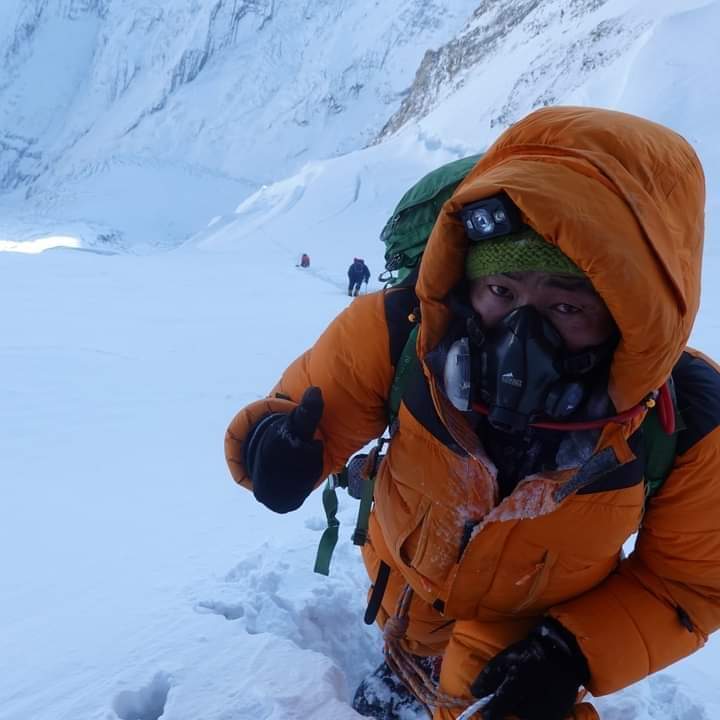
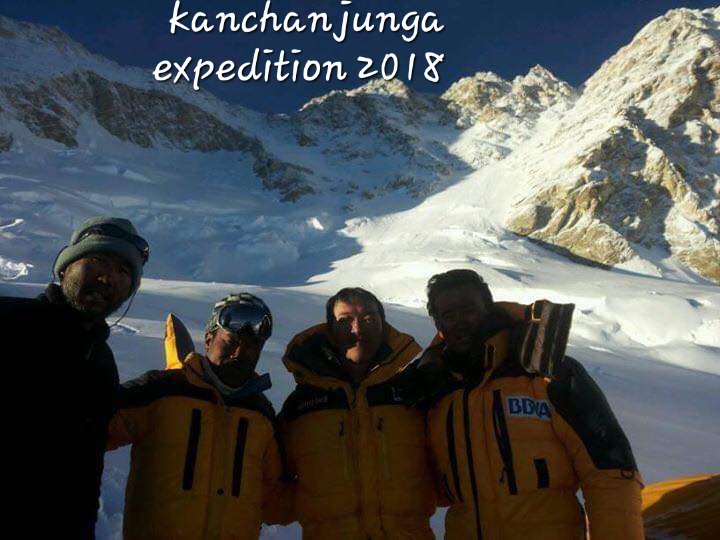
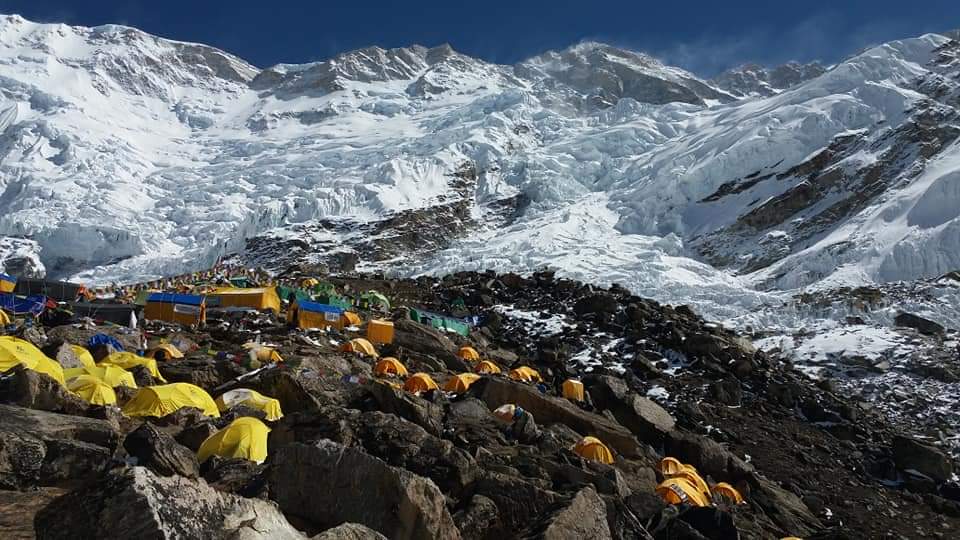
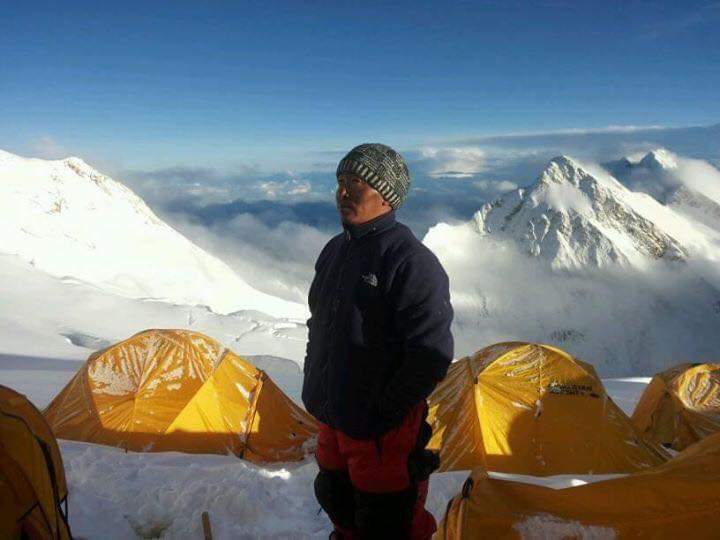
PHOTO GALLERY


1335USD/ person
| No. of People | Price Per Person |
|---|---|
| 1 Pax | 1635USD |
| 2–4 Pax | 1585USD |
| 4–10 Pax | 1435USD |
| 10–14 Pax | 1335USD |
800USD/ person
| No. of People | Price Per Person |
|---|---|
| 1 Pax | 1100USD |
| 2–4 Pax | 1000USD |
| 4–10 Pax | 900USD |
| 10–14 Pax | 800USD |
1050USD/ person
| No. of People | Price Per Person |
|---|---|
| 1 Pax | 1250USD |
| 2–4 Pax | 1050USD |
| 4–10 Pax | 950USD |
| 10–14 Pax | 800USD |
395USD/ person
| No. of People | Price Per Person |
|---|---|
| 1 Pax | 500USD |
| 2–4 Pax | 465USD |
| 4–10 Pax | 430USD |
| 10–14 Pax | 395USD |
395USD/ person
| No. of People | Price Per Person |
|---|---|
| 1 Pax | 500USD |
| 2–4 Pax | 465USD |
| 4–10 Pax | 430USD |
| 10–14 Pax | 395USD |
1325USD/ person
| No. of People | Price Per Person |
|---|---|
| 1 Pax | 1575USD |
| 2–4 Pax | 1525USD |
| 4–10 Pax | 1425USD |
| 10–14 Pax | 1325USD |
2199USD/ person
| No. of People | Price Per Person |
|---|---|
| 1 Pax | 2500USD |
| 2–4 Pax | 2400USD |
| 4–10 Pax | 2300USD |
| 10–14 Pax | 2199USD |
2199USD/ person
| No. of People | Price Per Person |
|---|---|
| 1 Pax | 2500USD |
| 2–4 Pax | 2400USD |
| 4–10 Pax | 2300USD |
| 10–14 Pax | 2199USD |
2199USD/ person
| No. of People | Price Per Person |
|---|---|
| 1 Pax | 2500USD |
| 2–4 Pax | 2400USD |
| 4–10 Pax | 2300USD |
| 10–14 Pax | 2199USD |
2199USD/ person
| No. of People | Price Per Person |
|---|---|
| 1 Pax | 2500USD |
| 2–4 Pax | 2400USD |
| 4–10 Pax | 2300USD |
| 10–14 Pax | 2199USD |
FIXED DEPARTURE
| Date | Package | Availability | Book Now |
|---|---|---|---|
| MARCH 11 2026 MARCH 20 2026 | Everest Base Camp Everest Base Camp | Available Available | Book Now |
| MARCH 20 2026 | Manaslu Circuit | Available | Book Now |
| MARCH 13 2026 MARCH 25 2026 | Annapurna Base Camp Annapurna Base Camp | Available Available | Book Now |
| MARCH 15 2026 MARCH 29 2026 | Mardi Himal Mardi Himal | Available Available | Book Now |
| MARCH 25 2026 | Gokyo Trek | Available | Book Now |
| MARCH 20 2026 | Annapurna Circuit Trek | Available | Book Now |
| MARCH 25 2026 | Muktinath Damodarkunda | Available Available | Book Now |
| MARCH 11 2026 | Kanchenjunga Trek | Available | Book Now |
| MARCH 15 2026 MARCH 22 2026 MARCH 29 2026 | Aama Yangri Trek Aama Yangri Trek Aama Yangri Trek | Available Available Available | Book Now |
| MARCH 11 2026 MARCH 22 2026 | Pikey Trek Pikey Trek | Available Available | Book Now |
| MARCH 11 2026 MARCH 20 2026 | Mera Peak Mera Peak | Available Available | Book Now |
| MARCH 13 2026 MARCH 25 2026 | Island Peak Island Peak | Available Available | Book Now |
| MARCH 10 2026 MARCH 17 2026 MARCH 25 2026 | Lobuche Peak Lobuche Peak Lobuche Peak | Available Available Available | Book Now |
| MARCH 21 2026 | Pisang Peak | Available | Book Now |
 Inquire Now