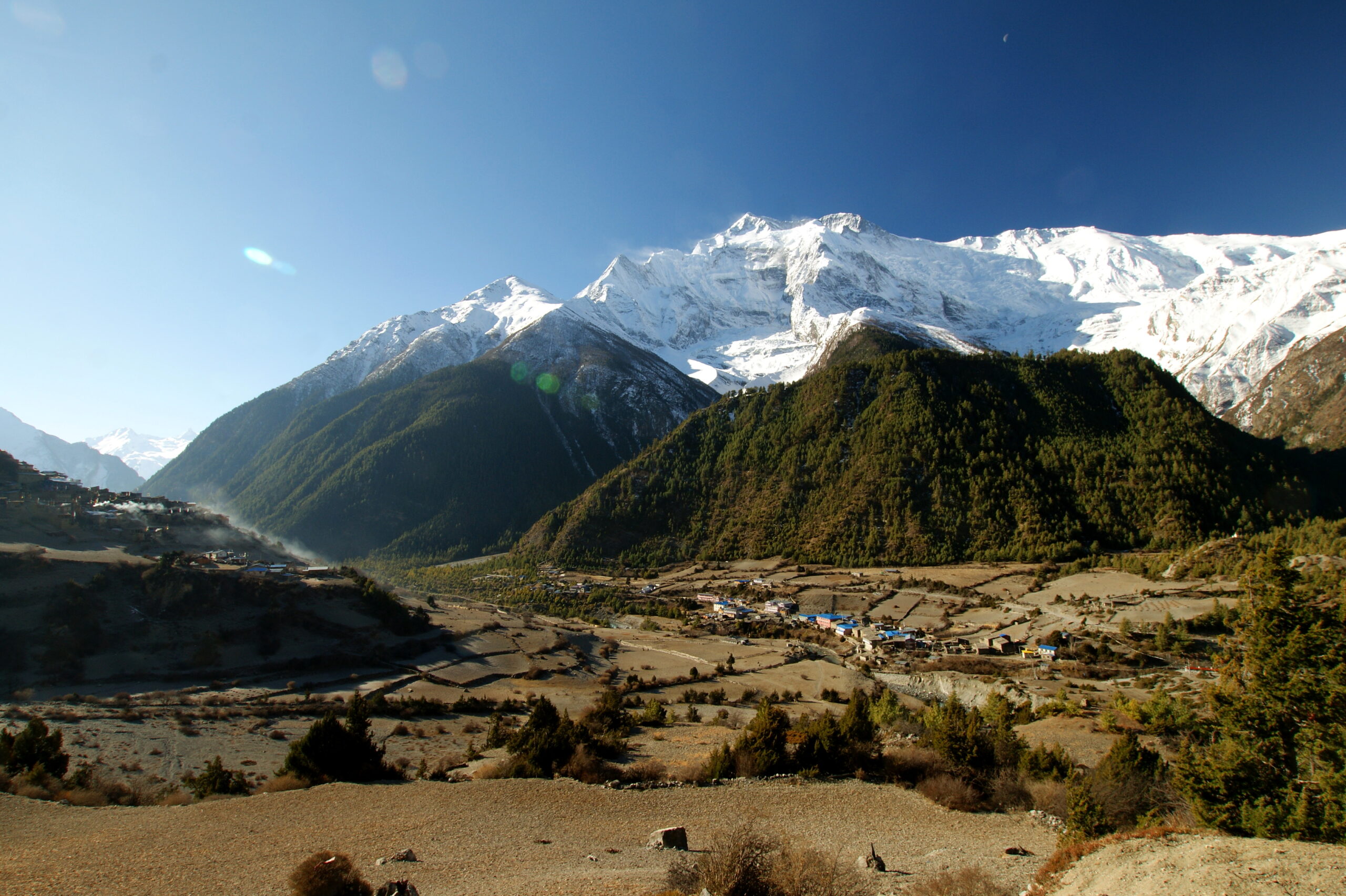
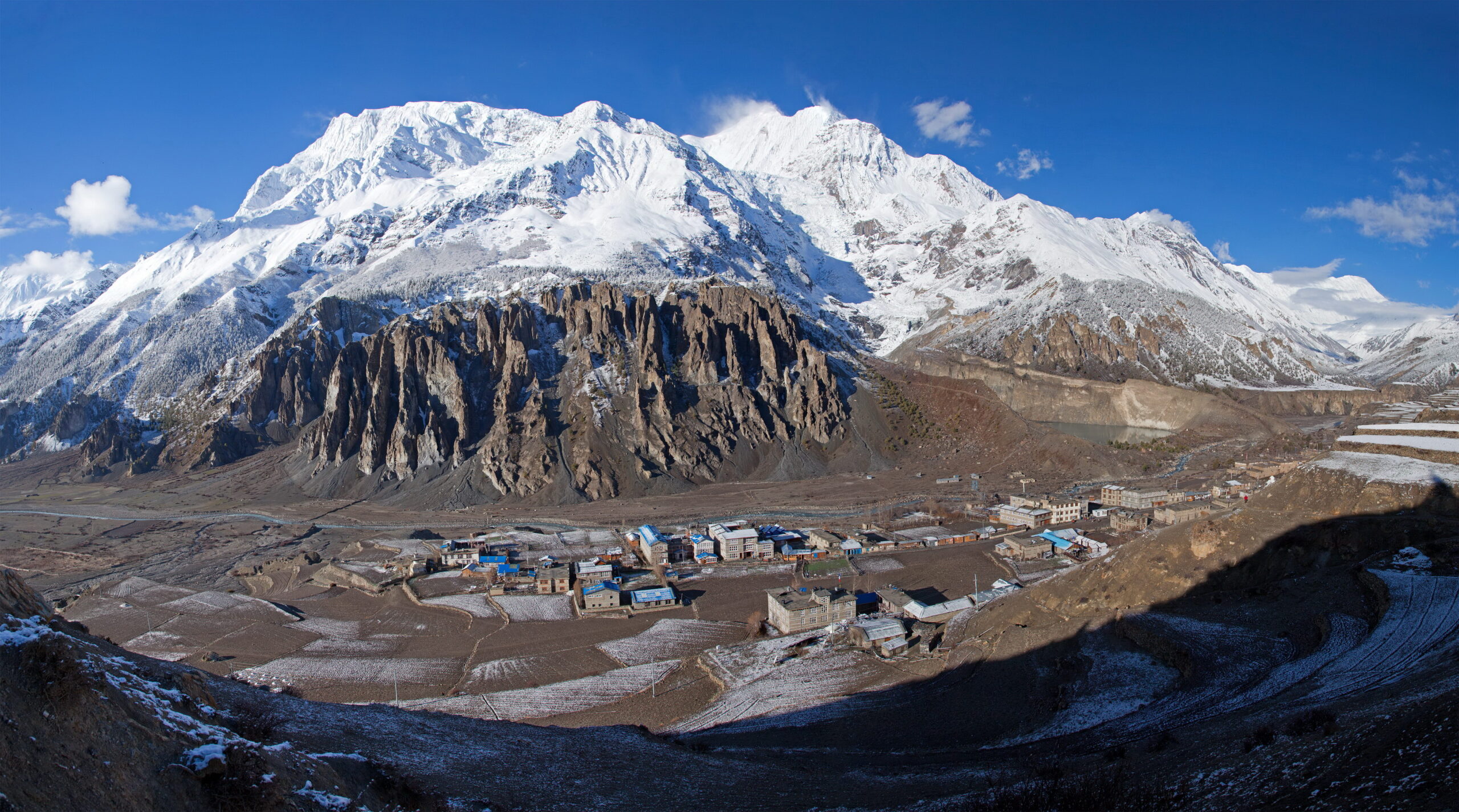
The Annapurna Circuit Trek is renowned worldwide for its incredible diversity and the unique experience it offers trekkers. Starting at lower altitudes in subtropical valleys and gradually ascending to high alpine landscapes, the trek passes through lush forests, terraced fields, traditional villages, and arid Himalayan deserts. This variation makes every day visually and culturally distinct.
Scenic Highlights
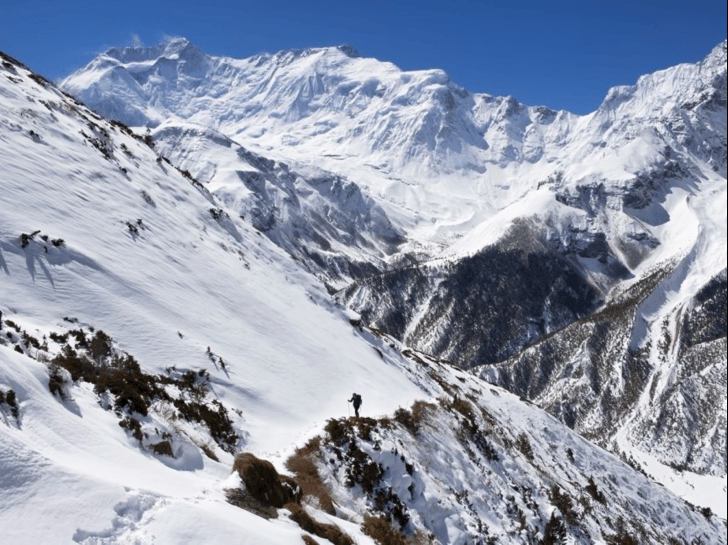
Panoramic Himalayan Views: Trekkers witness close-up views of Annapurna I (8,091 m), Annapurna South, Machapuchare (Fishtail), Dhaulagiri, and Manaslu ranges.
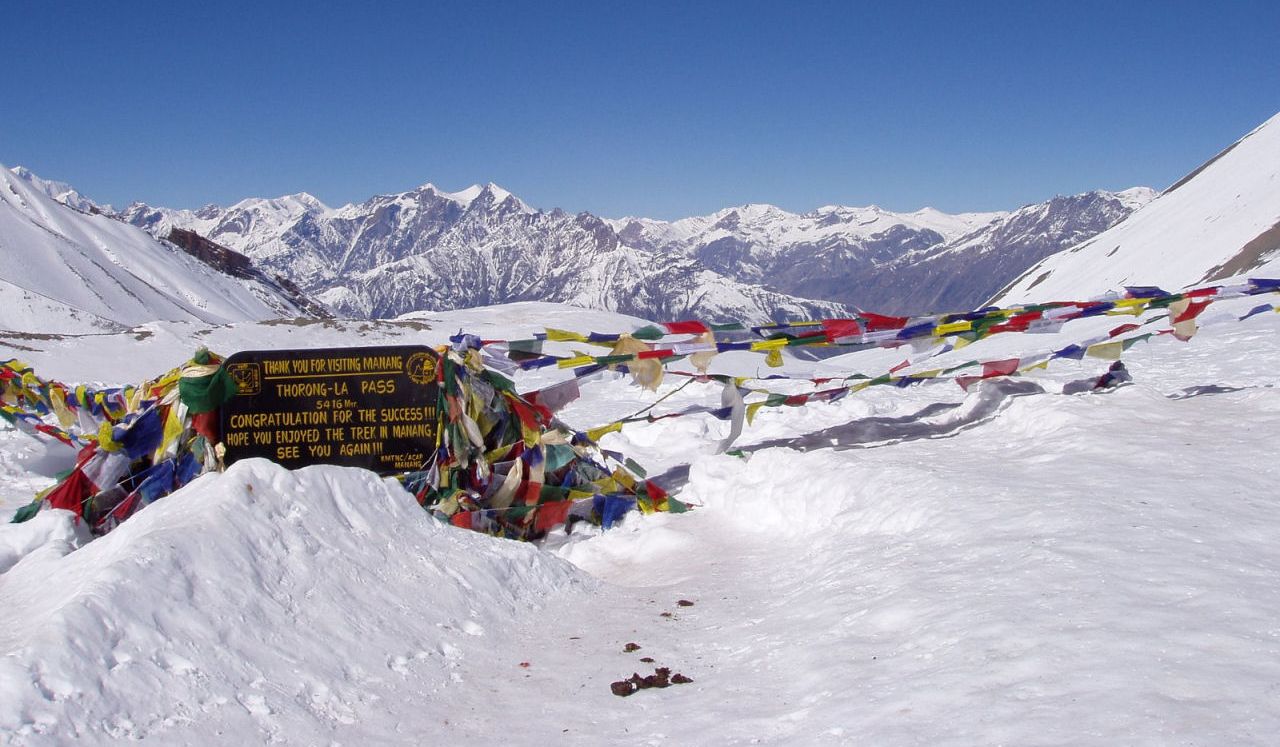
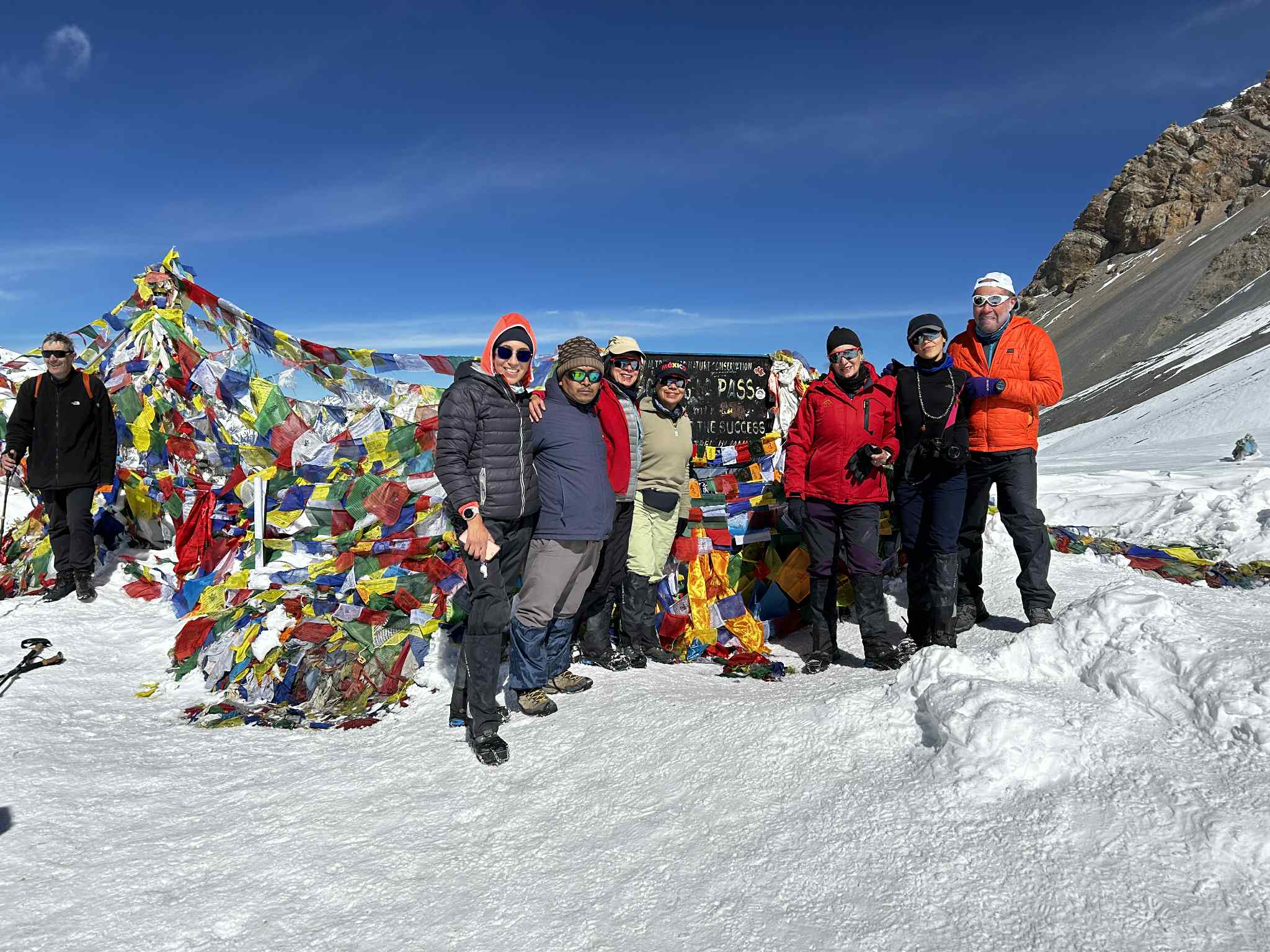
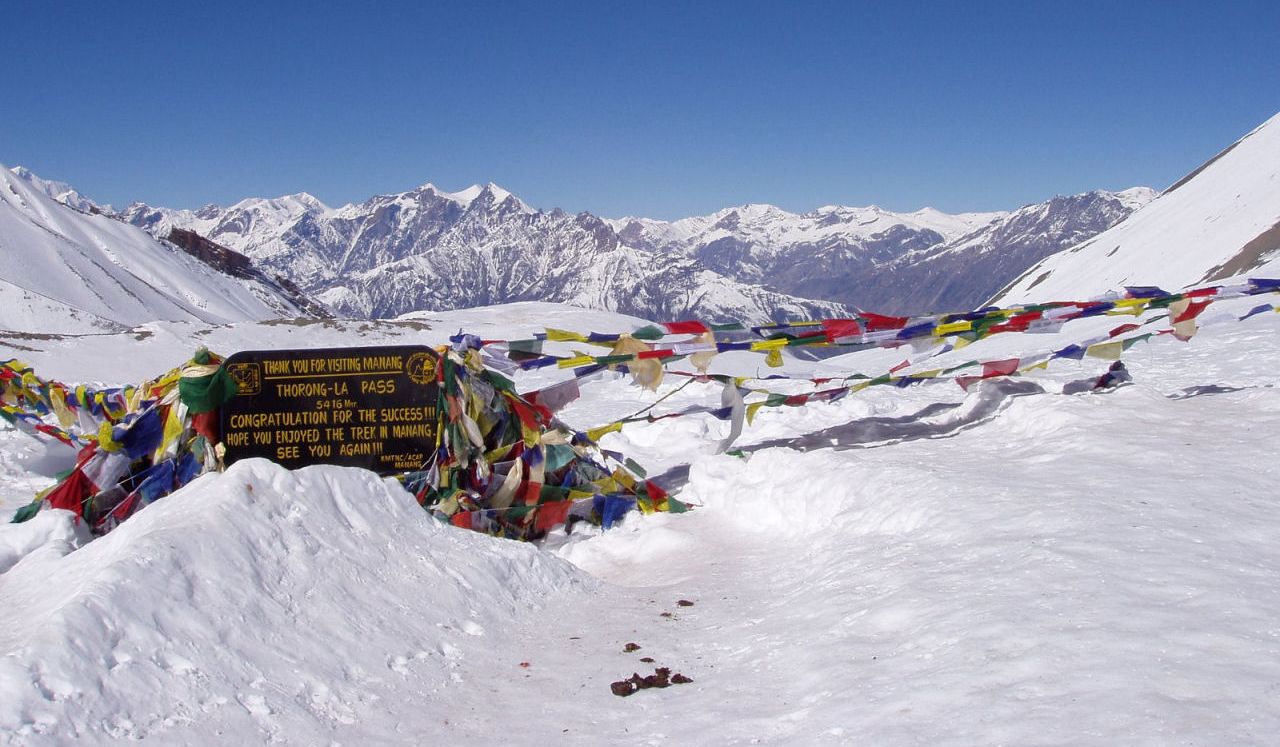
Thorong La Pass (5,416 m): One of the highest trekking passes in the world, offering a dramatic high-altitude experience.
Diverse Landscapes: From rhododendron forests and terraced farmlands to high-altitude deserts and glacial rivers.
Cultural Highlights
Ethnic Villages: Experience the lifestyles of Gurung, Thakali, Manangi, and Tibetan-influenced communities.
Monasteries and Temples: Visit Buddhist monasteries, chortens, and traditional temples along the route.
Local Hospitality: Stay in teahouses where locals provide meals, cultural stories, and insight into Himalayan life.
Trekking Experience
Moderate to Strenuous: Suitable for physically fit trekkers; no technical climbing required.
Lodge and Teahouse System: Comfortable accommodation with local meals and interactions.
Flexible Duration: Trek can take 12–21 days depending on chosen route, side trips, and acclimatization.
Wildlife and Nature: The Annapurna Conservation Area protects diverse flora and fauna, including snow leopards, red pandas, and Himalayan pheasants.
Why It Stands Out
Combines adventure, culture, and natural beauty in a single trek.
Less commercialized than Everest Base Camp, allowing a more authentic Himalayan experience.
Offers gradual acclimatization, making it safer for high-altitude trekking compared to other Himalayan routes.
The Annapurna Circuit Trek is ideal for trekkers who want a complete Himalayan experience—spectacular mountains, remote villages, cultural immersion, and a sense of achievement crossing one of the highest passes in the world.
Region: Annapurna Conservation Area, central and northern Nepal.
Duration: 12–21 days, depending on pace and side trips.
Difficulty Level: Thorong La Pass – 5,416 meters (17,769 ft) Altitude: 5,545 meters (Kala Patthar)
The best viewpoint for close-up Everest sunrise views.
Trek Style:
Lodge/teahouse trekking (overnight stays in local lodges)
Fully supported trekking possible with guides and porters
Meals:
Included in most lodge stays: Breakfast, Lunch, Dinner options
Local Nepali cuisine with some Western dishes
Group Size:
Flexible – 1–15 trekkers is common
Best Seasons: Spring: March – May (Blooming rhododendrons, clear views)
Autumn: September – November (Stable weather, clear skies)
Accommodation:
Lodges and teahouses along the route
Simple rooms with beds, sometimes shared bathrooms
Some modern lodges with hot showers at major stops
1. Annapurna Conservation Area Permit (ACAP)
2. Trekkers’ Information Management System (TIMS) Card
3. Local Restricted Area Permit (if applicable)
Thorong La Pass (5,416 m / 17,769 ft)
Accommodation
✅ Twin-sharing / double accommodation in a 3-star hotel in Kathmandu for 2 nights, including breakfast. (Private room available at an additional cost).
✅ Twin-sharing guesthouse/lodge accommodation during the trek with attached bathrooms where available in city areas.
Meals & Drinking Water
✅ All standard meals during the trek: Breakfast, Lunch, and Dinner.
✅ Tea or coffee served with meals.
✅ Fresh seasonal fruits served after dinner during the trek.
✅ Farewell dinner in Kathmandu on the final night of the trip.
Transportation & Domestic Flights
✅ All airport transfers (international and domestic) by private tourist vehicle.
✅ All domestic flights and ground transportation required for the trekking itinerary in Nepal.
Guide & Trekking Staff
✅ Experienced, English-speaking, government-licensed trekking guide trained in first aid.
(2 guides provided for groups larger than 7 participants.)
✅ Porters for luggage carrying during the trek (1 porter for every 2 trekkers).
✅ All staff expenses including wages, meals, accommodation, insurance, equipment, and medications.
Permits & Documentation
✅ All trekking permits and required documentation.
✅ TIMS (Trekkers’ Information Management System) Card.
Benefits & Trekking Souvenirs
✅ 1 Destination Holiday Trek duffel bag / kit bag.
✅ Trekking map, sun hat, and Buff (neck gaiter).
✅ Comprehensive first aid kit, including an Oximeter to monitor pulse and oxygen levels during the trek.
✅ Trip completion certificate.
Administrative & Government Charges
✅ All administrative costs and government taxes.
❌ Lunch and dinner in Kathmandu (except farewell dinner).
❌ International airfare and airport departure taxes.
❌ Nepal entry visa fee
(USD 30 for 15 days, USD 50 for 30 days, USD 125 for 90 days).
❌ Travel insurance, including high-altitude rescue and emergency evacuation coverage.
❌ Beverages, including bottled water, boiled water, soft drinks, and alcoholic drinks.
❌ Tips for trekking staff and drivers.
❌ Personal trekking equipment and gear.
❌ Any additional expenses not mentioned in the “Cost Includes” section.
Q1. What is the best season for the Annapurna Circuit Trek?
A: The best times to trek are Spring (March to May) and Autumn (September to November). During these periods, the weather is generally stable, the skies are clear, and the mountain views are spectacular. Winter can be very cold, and the monsoon season (June to August) brings heavy rain and slippery trails.
Q2. How long does the trek take?
A: The traditional Annapurna Circuit takes about 15–21 days, depending on your pace, acclimatization, and starting/ending points. Some shorter versions are available, but they may skip key highlights like Thorong La Pass.
Q3. What is the highest point of the trek?
A: The Thorong La Pass (5,416 m / 17,769 ft) is the highest point. Proper acclimatization is essential to prevent altitude sickness.
Q4. Do I need a permit to trek?
A: Yes. Trekkers need the Annapurna Conservation Area Permit (ACAP) and the Trekkers’ Information Management System (TIMS) card. These are issued in major cities like Kathmandu and Pokhara.
Q4. Is the trek suitable for beginners?
A: The trek is moderate to challenging. Beginners with good physical fitness can attempt it, but some high-altitude sections like Thorong La require preparation and acclimatization.
Q5. Can I do the trek without a guide?
A: Yes, it is possible to trek independently, but hiring a local guide or porter is recommended for safety, navigation, and supporting the local economy.
Q6. What kind of accommodation is available?
A: Most villages along the trail offer tea houses or lodges with basic facilities. Accommodation ranges from simple rooms with shared bathrooms to more comfortable lodges in popular stops like Manang or Muktinath.
Q7. What kind of food can I expect?
A: Tea houses serve local and international dishes such as dal bhat (rice and lentils), noodles, soups, and momos. At higher altitudes, options may be limited, and meals tend to be more expensive.
Q8. How should I prepare for altitude sickness?
A: Ascend gradually and include rest/acclimatization days.
Stay hydrated and avoid alcohol.
Consider medications like acetazolamide (Diamox) if recommended by a doctor.
Listen to your body and descend if symptoms worsen.
Q9. What gear is essential for the trek?
A: Key items include:
Warm clothing and layers
Waterproof jacket and pants
Hiking boots
Sleeping bag (for higher altitudes)
Trekking poles
Sunglasses and sunscreen
Q10. Is the trek safe?
A: Yes, generally safe for healthy trekkers, but risks include altitude sickness, weather changes, and slippery trails. Trekking with a guide and having insurance is recommended.
Q11. How fit do I need to be?
A: Moderate to good fitness is required. Daily walking is usually 5–8 hours, with uphill climbs and some steep descents. Training before the trek can make the experience much easier.
Q12. Are there internet and phone services along the trail?
A: Yes, most villages have mobile network coverage and some lodges offer Wi-Fi, though speeds may be slow in remote areas.
Q13. Can I trek with children or elderly people?
A: Yes, but only if they are physically fit and accustomed to walking long distances at altitude. Extra rest days are recommended.
Q14. How much does the trek cost?
A: Costs vary depending on whether you go independently or with a guide/agency. On average, budgeting $25–40 per day for accommodation, food, and permits is reasonable.
Backpack (50–65L), Daypack (20–30L), Rain cover, Down jacket, Fleece jacket, Thermal top, Thermal bottom, Waterproof jacket, Waterproof pants, Trekking pants, Quick-dry T-shirts, Warm hat (beanie), Sun hat / cap, Gloves, Buff / neck gaiter, Trekking boots, Trekking socks, Camp shoes / sandals, Sleeping bag (-10°C or lower), Trekking poles, Headlamp, Sunglasses (UV protection), Water bottle, Water purification tablets / filter, Sunscreen, Lip balm (SPF), Personal first aid kit, Toiletries, Towel (quick dry), Power bank
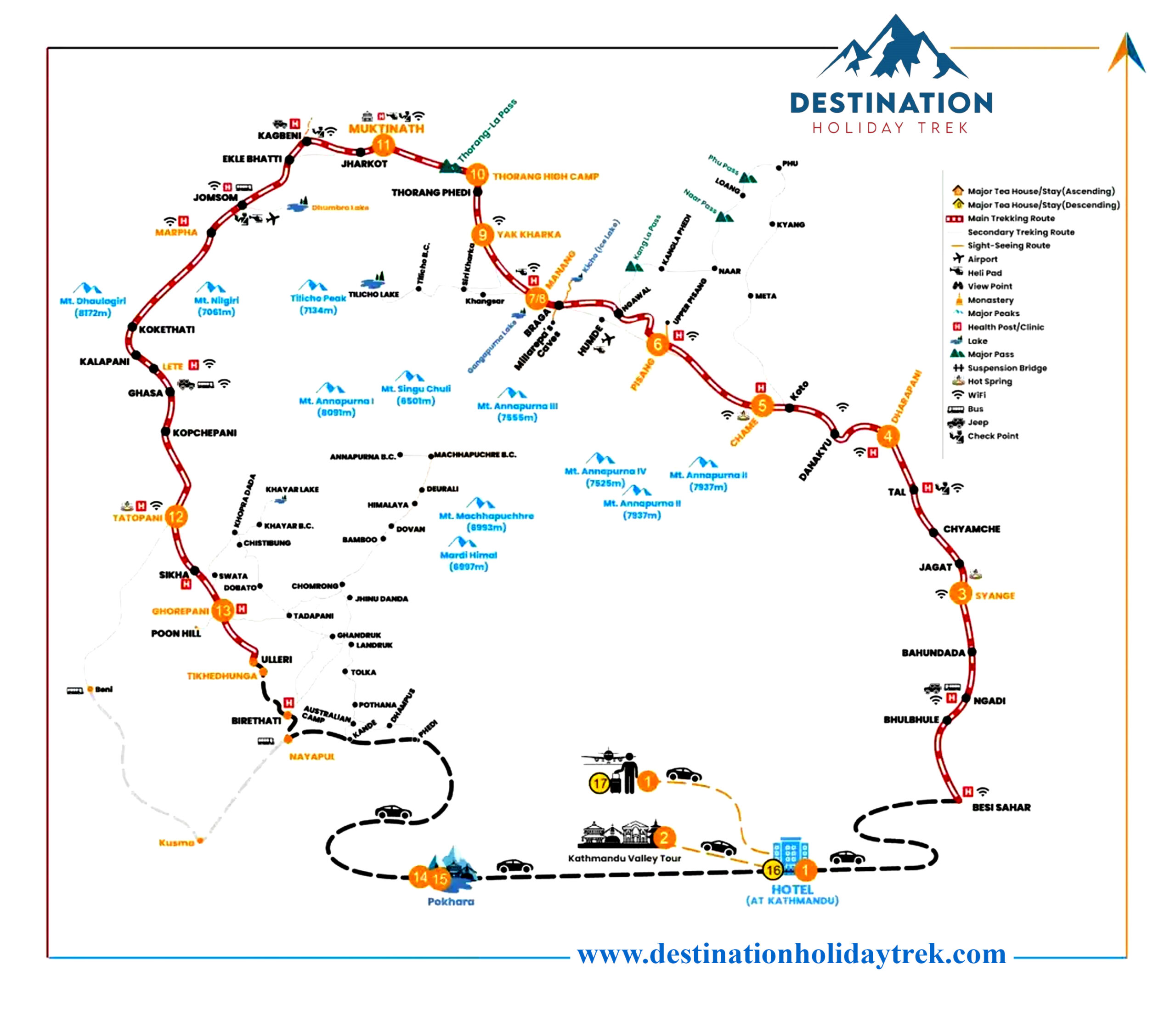
Arrive in Kathmandu, the capital of Nepal.
Prepare trekking permits (ACAP & TIMS) and buy last-minute trekking gear.
Overnight in Kathmandu.
Drive: 6–7 hours from Kathmandu.
Trek: 2–3 hours through terraced fields and riverside villages.
First night on the trail at a tea house.
Trek through beautiful villages and lush forests along the Marsyangdi River.
Duration: 5–6 hours.
Overnight in Jagat.
Trek through traditional Gurung villages.
Cross the Marsyangdi River via suspension bridges.
Duration: 6–7 hours.
Overnight in Dharapani.
Trek along the river and enjoy the changing landscapes.
Chame is the district headquarters of Manang, a popular stop for acclimatization.
Duration: 5–6 hours.
Walk through alpine forests and terraced farmlands.
Overnight in Upper Pisang, which offers stunning views of Annapurna II & IV.
Duration: 5–6 hours.
Trek through narrow gorges and high-altitude trails.
Stay in Manang, the main acclimatization hub.
Duration: 5–6 hours.
Optional short trek to Gangapurna Glacier or explore the village.
Rest, hydrate, and prepare for Thorong La Pass.
Gradual climb through rhododendron forests and alpine meadows.
Overnight at Yak Kharka tea house.
Duration: 4–5 hours.
Short trek to base of Thorong La Pass, preparing for early morning ascent.
Duration: 3–4 hours.
Start early to cross Thorong La Pass.
Descend to Muktinath Temple (3,710 m / 12,172 ft).
Duration: 7–9 hours.
Celebrate reaching the highest point of the trek.
Descend through scenic landscapes and traditional villages.
Jomsom is the district headquarters and has a small airport.
Duration: 5–6 hours.
Optional: Trek via Kagbeni or take a scenic flight to Pokhara.
Explore Pokhara city, lakes, and relax after the trek.
Drive or fly back to Kathmandu for departure.
Enjoy last shopping or sightseeing in Thamel.
The Thorong La Pass Trek (part of the Annapurna Circuit) is one of the most iconic trekking experiences in Nepal, offering adventure, culture, and breathtaking Himalayan scenery in a single journey. Here are the main reasons why trekkers choose this incredible route:
One of the World’s Highest Trekking Passes
Crossing Thorong La Pass at 5,416 meters (17,769 ft) is a lifetime achievement and a major highlight for adventure seekers.
Spectacular Mountain Views
Enjoy panoramic views of the Annapurna, Dhaulagiri, Manaslu, and surrounding Himalayan peaks throughout the trek.
Diverse Landscapes
Experience dramatic changes in scenery — from lush green valleys and forests to alpine terrain and high-altitude desert landscapes.
Rich Himalayan Culture
Explore traditional villages like Manang and Pisang, influenced by Tibetan Buddhist culture, monasteries, and ancient traditions.
Spiritual Experience at Muktinath
Visit the sacred Muktinath Temple, an important pilgrimage site for both Hindus and Buddhists.
Natural Hot Springs
Relax your muscles in the natural hot springs at Tatopani after days of trekking.
Adventure with Comfortable Facilities
Well-established trails with teahouse accommodations make it accessible while still offering a true mountain adventure.
Complete Himalayan Experience
The trek combines adventure, culture, religion, nature, and personal achievement — making it one of Nepal’s most rewarding treks.
1335USD/ person
| No. of People | Price Per Person |
|---|---|
| 1 Pax | 1635USD |
| 2–4 Pax | 1585USD |
| 4–10 Pax | 1435USD |
| 10–14 Pax | 1335USD |
800USD/ person
| No. of People | Price Per Person |
|---|---|
| 1 Pax | 1100USD |
| 2–4 Pax | 1000USD |
| 4–10 Pax | 900USD |
| 10–14 Pax | 800USD |
1050USD/ person
| No. of People | Price Per Person |
|---|---|
| 1 Pax | 1250USD |
| 2–4 Pax | 1050USD |
| 4–10 Pax | 950USD |
| 10–14 Pax | 800USD |
395USD/ person
| No. of People | Price Per Person |
|---|---|
| 1 Pax | 500USD |
| 2–4 Pax | 465USD |
| 4–10 Pax | 430USD |
| 10–14 Pax | 395USD |
395USD/ person
| No. of People | Price Per Person |
|---|---|
| 1 Pax | 500USD |
| 2–4 Pax | 465USD |
| 4–10 Pax | 430USD |
| 10–14 Pax | 395USD |
1325USD/ person
| No. of People | Price Per Person |
|---|---|
| 1 Pax | 1575USD |
| 2–4 Pax | 1525USD |
| 4–10 Pax | 1425USD |
| 10–14 Pax | 1325USD |
2199USD/ person
| No. of People | Price Per Person |
|---|---|
| 1 Pax | 2500USD |
| 2–4 Pax | 2400USD |
| 4–10 Pax | 2300USD |
| 10–14 Pax | 2199USD |
2199USD/ person
| No. of People | Price Per Person |
|---|---|
| 1 Pax | 2500USD |
| 2–4 Pax | 2400USD |
| 4–10 Pax | 2300USD |
| 10–14 Pax | 2199USD |
2199USD/ person
| No. of People | Price Per Person |
|---|---|
| 1 Pax | 2500USD |
| 2–4 Pax | 2400USD |
| 4–10 Pax | 2300USD |
| 10–14 Pax | 2199USD |
2199USD/ person
| No. of People | Price Per Person |
|---|---|
| 1 Pax | 2500USD |
| 2–4 Pax | 2400USD |
| 4–10 Pax | 2300USD |
| 10–14 Pax | 2199USD |
| Date | Package | Availability | Book Now |
|---|---|---|---|
| MARCH 11 2026 MARCH 20 2026 | Everest Base Camp Everest Base Camp | Available Available | Book Now |
| MARCH 20 2026 | Manaslu Circuit | Available | Book Now |
| MARCH 13 2026 MARCH 25 2026 | Annapurna Base Camp Annapurna Base Camp | Available Available | Book Now |
| MARCH 15 2026 MARCH 29 2026 | Mardi Himal Mardi Himal | Available Available | Book Now |
| MARCH 25 2026 | Gokyo Trek | Available | Book Now |
| MARCH 20 2026 | Annapurna Circuit Trek | Available | Book Now |
| MARCH 25 2026 | Muktinath Damodarkunda | Available Available | Book Now |
| MARCH 11 2026 | Kanchenjunga Trek | Available | Book Now |
| MARCH 15 2026 MARCH 22 2026 MARCH 29 2026 | Aama Yangri Trek Aama Yangri Trek Aama Yangri Trek | Available Available Available | Book Now |
| MARCH 11 2026 MARCH 22 2026 | Pikey Trek Pikey Trek | Available Available | Book Now |
| MARCH 11 2026 MARCH 20 2026 | Mera Peak Mera Peak | Available Available | Book Now |
| MARCH 13 2026 MARCH 25 2026 | Island Peak Island Peak | Available Available | Book Now |
| MARCH 10 2026 MARCH 17 2026 MARCH 25 2026 | Lobuche Peak Lobuche Peak Lobuche Peak | Available Available Available | Book Now |
| MARCH 21 2026 | Pisang Peak | Available | Book Now |