

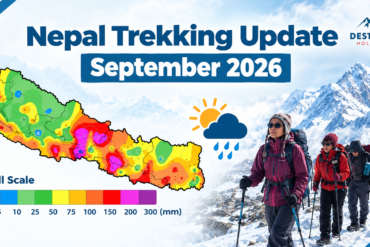
Introduction If you have a trek planned in Nepal this...
- Gorkarneswor-9, Kathmandu, Nepal
- destinationholidaytreks@gmail.com
- info@destinationholidaytrek.com
Everest Expedition: Conquering the Roof of the World
The allure of Mount Everest, the world’s highest peak at 8,849 meters (29,032 feet), has captivated adventurers for generations at Everest Expedition.
Known as the “Roof of the World,” Everest is not just a mountain—it’s a symbol of human endurance, courage, and the relentless pursuit of dreams.
An Everest expedition is the ultimate test of physical stamina, mental toughness, and logistical planning, attracting climbers from around the globe.
The Everest Expedition Experience
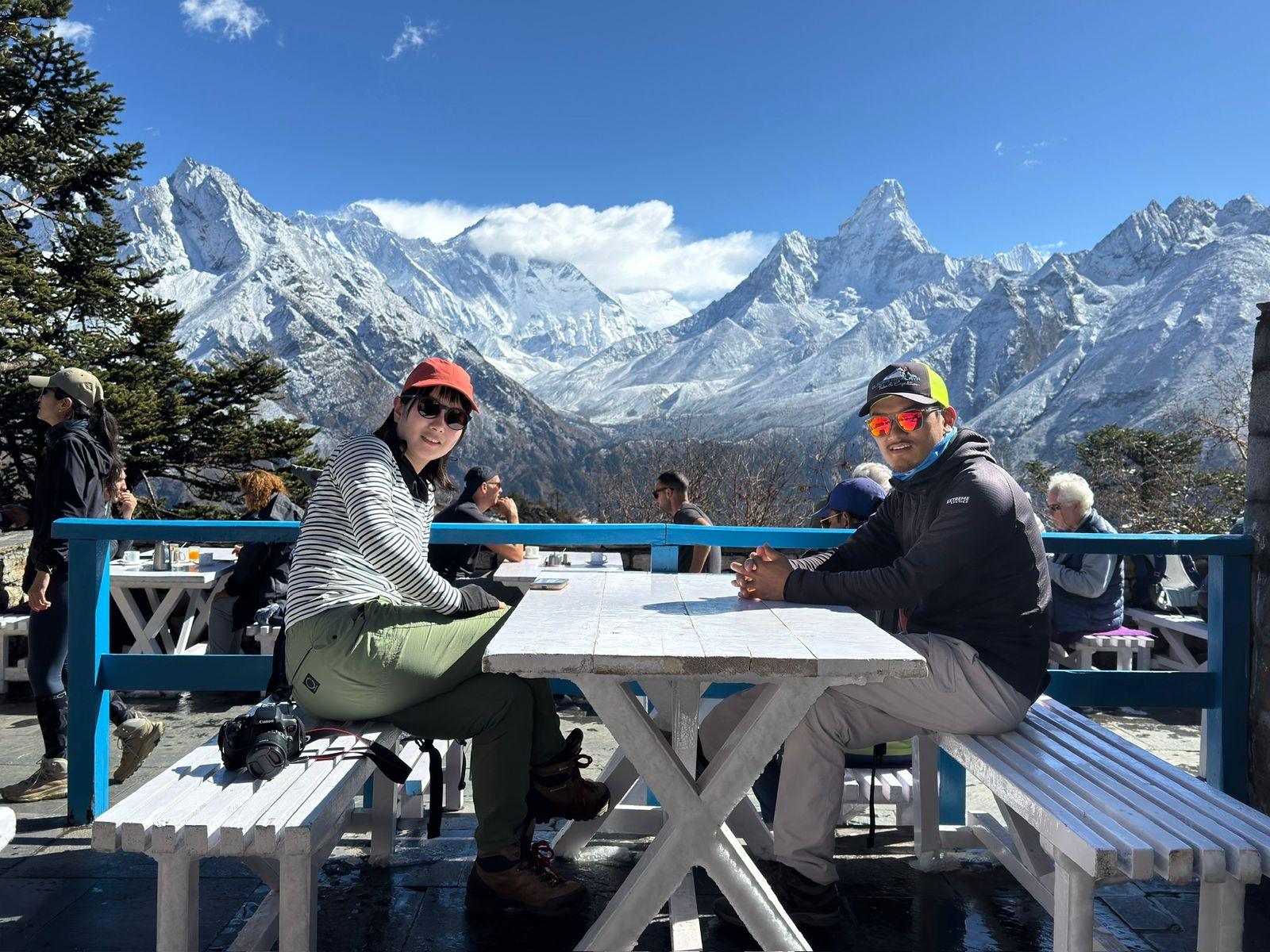
Standing on the summit of Everest is a surreal experience. The panoramic view of the Himalayas, the sense of achievement, and the realization of being at the highest point on Earth evoke profound emotions. Most climbers spend only a few minutes at the summit due to extreme cold and low oxygen but carry memories that last a lifetime.
Challenges of an Everest Expedition
Climbing Everest is not just physically exhausting; it’s mentally and logistically demanding. Some of the main challenges include:
- Altitude and Oxygen Levels: At extreme altitudes, the air contains only about one-third of the oxygen available at sea level. Many climbers use supplemental oxygen to survive the higher camps and summit push.
- Harsh Weather: Temperatures can drop below -30°C (-22°F), and sudden storms pose significant risks.
- Technical Terrain: The Khumbu Icefall, crevasses, seracs, and steep rock faces require technical skills and careful navigation.
Crowds: During peak climbing seasons (spring and autumn), bottlenecks at critical points like the Hillary Step can increase danger.
Physical and Mental Preparation
Climbing Everest demands rigorous preparation. Key aspects include:
- Physical Training: Strength, endurance, and cardiovascular fitness are essential. Climbers often train for months with long hikes, weighted backpack exercises, and altitude conditioning.
- Technical Skills: Experience with ice axes, crampons, ropes, and crevasse rescue is vital for safe navigation.
Mental Toughness: Everest pushes climbers to their limits. Mental resilience, stress management, and decision-making under pressure are crucial for survival.
Gear Essentials for Everest Expedition
An Everest expedition requires specialized high-altitude gear:
- Clothing: Layered systems including base layers, insulated jackets, down suits, and waterproof outer layers.
- Footwear: High-altitude mountaineering boots, gaiters, and crampons.
- Safety Equipment: Helmet, harness, ice axe, ropes, and carabiners.
- Camping Gear: Four-season tents, sleeping bags rated for extreme cold, and portable stoves.
- Supplemental Oxygen: Cylinders, masks, and regulators for altitudes above 7,500 meters.
Health Essentials: High-altitude medications, first aid kits, and energy-rich foods.
Sherpa Support and Guides at Everest Expedition
No Everest expedition is complete without the invaluable support of Sherpas, who are renowned for their climbing expertise and knowledge of the region. They carry loads, set ropes, establish camps, and provide guidance, making the expedition safer and more achievable. Many climbers form strong bonds with Sherpa teams, who are often the unsung heroes of Everest expeditions.
Environmental and Ethical Considerations
With the rise in climbers, Everest faces environmental challenges. Trash, discarded oxygen bottles, and human waste have become significant concerns. Responsible climbers follow strict “leave no trace” principles:
- Pack out all the trash.
- Use biodegradable products where possible.
- Respect local customs and monasteries.
- Avoid overcrowding by timing ascents carefully.

Typical Everest Expedition Itinerary
An Everest expedition usually spans 6–9 weeks, including trekking, acclimatization, and summit attempts. A typical timeline for the South Col route is as follows:
- Arrival in Kathmandu:
Climbers finalize permits, meet their guides, and check gear before flying to Lukla, the gateway to the Khumbu region. - Trek to Everest Base Camp (EBC):
The trek from Lukla to Base Camp (5,364 meters) takes around 8–12 days. Along the trail, climbers pass through famous Sherpa villages like Namche Bazaar, Tengboche, and Dingboche, experiencing the rich culture and hospitality of the local people. - Acclimatization:
Climbers spend several days at Base Camp and nearby higher camps to adjust to high altitudes. Short acclimatization hikes help reduce the risk of Acute Mountain Sickness (AMS).
- Ascending Through Camps:
The route typically includes Camp I (6,065 m), Camp II (6,400 m), Camp III (7,200 m), and Camp IV (7,900 m at South Col). Climbers gradually ascend, often returning to lower camps to rest and recover before moving higher. - Summit Push:
The summit attempt usually begins late at night from Camp IV. Climbers traverse the Hillary Step, a steep rock face, and cross the South Summit before reaching the true summit at 8,849 meters. The entire climb from Camp IV to the summit and back can take 10–16 hours. - Descent:
After the summit, climbers descend carefully, often facing extreme exhaustion, low temperatures, and high winds. Safe return to Base Camp is critical.
Conclusion
The Everest expedition is more than a climb—it’s a life-changing journey that tests the limits of human endurance, courage, and spirit. From the bustling streets of Kathmandu to the icy heights of Base Camp and the summit, every step demands preparation, determination, and respect for nature. For those who dream of standing on the world’s rooftop, Everest remains the ultimate symbol of adventure and personal triumph.
Whether you are an experienced mountaineer or an aspiring adventurer, the Everest expedition offers an unparalleled blend of natural beauty, cultural immersion, and personal challenge. It is, without a doubt, one of the most extraordinary journeys a human can undertake.
Uncategorized
Manaslu Circuit Trek Reopens 2026: Latest Trail Update After the Flood
Introduction Manaslu Circuit Trek reopens for the 2026 autumn season...
Uncategorized
Best Time to Trek Everest Base Camp: 7 Essential Tips for 2026
Best Time to Trek Everest Base Camp: 7 Essential Tips...