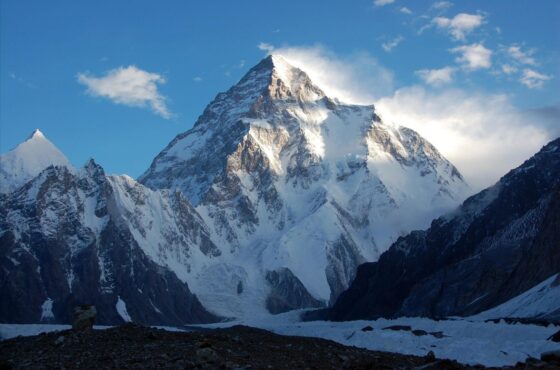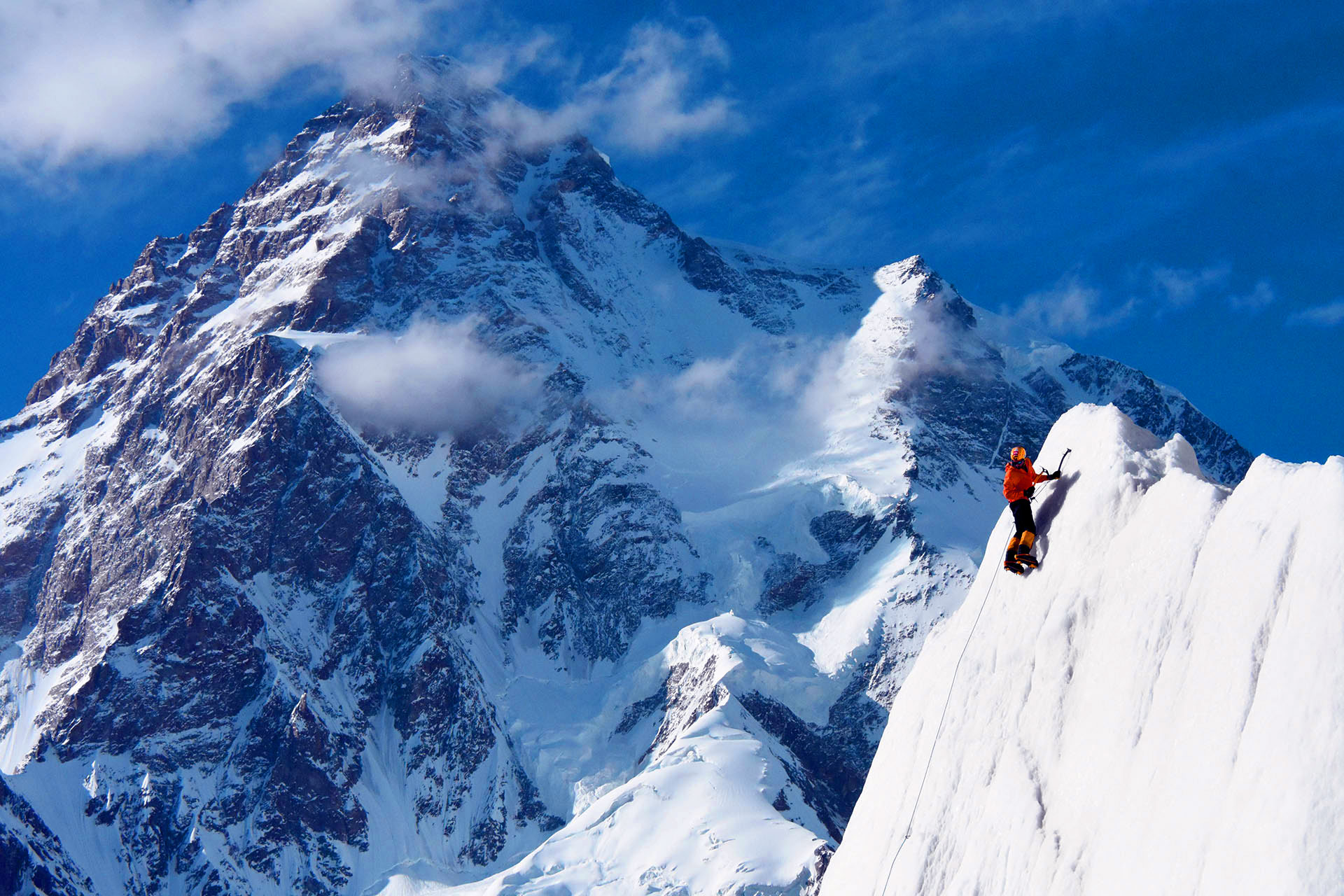

The Glimpse of Kathmandu & Nagarkot tour starts with cultural and heritage sites visit in Kathmandu valley and wonderful Himalayan views from Nagarkot.
Trip Overview
Discover the cultural gems of Kathmandu valley by taking this trip. Explore UNESCO World Heritage Sites and walk under the shadows of pagoda temples and palaces at the royal durbar squares. Watch the city unfold from atop Swoyambhunath, the temple that is as old as Kathmandu. Drive to the peaceful hillside resort of Nagarkot. Filled with verdant hills and panoramic views of majestic Himalayan peaks, Nagarkot is famous for its magical sunrises and sunsets. Wind up your tour with a heritage walk through the quaint Newari villages of Khokana and Bungamati.
Up to 20% discount when booking for two or more two people
Key Highlights
- Guided city tours in Kathmandu, Patan and Bhaktapur.
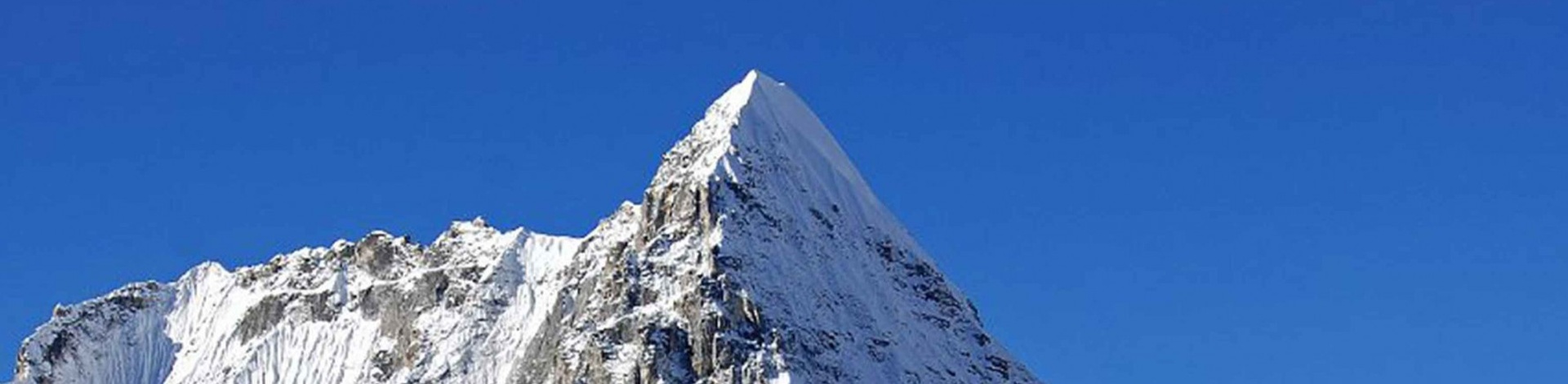
- Nagarkot – Panoramic view of the Himalayas, mesmerizing sunrise and sunset.
- Explore local market (Ason) and Thamel, a tourist hub.
- Heritage village walk – Khokana & Bungamati.
- Farewell dinner with cultural program.
Trip Itineary
Once you arrive in Kathmandu, our airport representative will receive you at the Tribhuvan International Airport, Kathmandu, and drive you to your respective hotel.
After checking in and a brief rest our guide will take you for a walk through Thamel (a popular tourist hub) and Ason, a bustling bazaar that was once an important stopover for traders traveling along the old Tibet trade route. Shop for curios and souvenirs.
Note: If you arrive after 4 pm, there will be a briefing about the trip with our guide. It will be a short pre-trip meeting. Make sure to confirm your queries about the trip. If you arrive before 4 pm, a pre-trip meeting will be organized at our office on the same day. Meet and greet with our trip guide.
Be sure to bring the following documents to the meeting; two copies of passport-sized photos and a readable copy of your travel insurance policy.
After an early breakfast, our guide will take you to the famous UNESCO World Heritage Sites of Boudhanath, Pashupatinath and Patan Durbar Square. Later in the afternoon we visit Kopan Monastery, a Tibetan Buddhist monastery.
Boudhanath Stupa
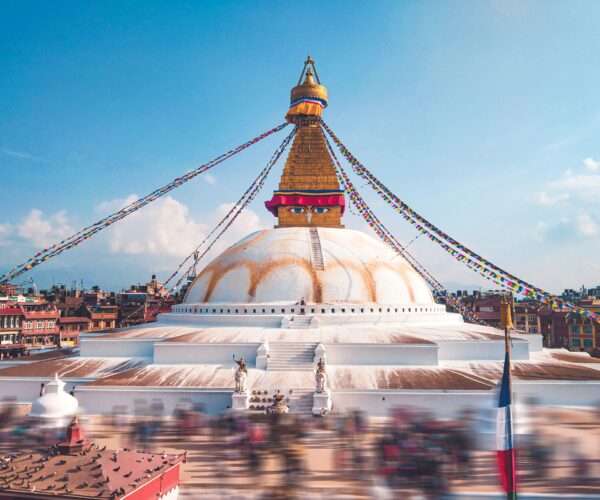
Boudhanath Stupa is an important Buddhist pilgrimage site. The white domed stupa, decorated with colourful prayer flags stands on a giant mandala. Built during the 5th century, Boudhanath is an important centre of Tibetan Buddhism. Legend has it that the bones of Kasyapa Buddha(one of Buddha’s incarnations) lies at the base of this stupa.
Pashupatinath Temple
Pashupatinath Temple is one of the holiest Hindu shrines in the world. Dedicated to Lord Shiva, the temple lies on the banks of the sacred river Bagmati. The richly-ornamented pagoda temple houses the sacred Linga, or phallic symbol, of Lord Shiva.
Patan Durbar Square
Patan Durbar Square is an enchanting combination of palace buildings, artistic courtyards and graceful pagoda temples. The former royal palace complex is the center of Patan’s religious and social life, and houses a museum containing an array of bronze statues and religious objects. One remarkable monument here is a 17th-century temple dedicated to the Hindu god Krishna, built entirely of stone. Hiranya Varna Mahavihar(Golden Temple), Kumbeshwor Temple and Patan Palace Museum are some of the jewels of Patan Durbar Square.
Kopan Monastery
Surrounded by lush forest, Kopan Monastery is a Tibetan Buddhist monastery situated a few minutes drive from Boudhanath. Its name comes from the name of the hill on which it was built. The monastery serves as a spiritual retreat as well as meditation and Buddhist learning centre for devout Buddhists. Many western visitors take the annual month-long meditation courses offered by the monastery. These courses generally combine traditional Lam Rim teachings with informal discussion, several periods of guided meditation, and a vegetarian diet.
After we have the breakfast we continue our tour by visiting the following places:
Swoyambhunath Stupa – The Monkey Temple
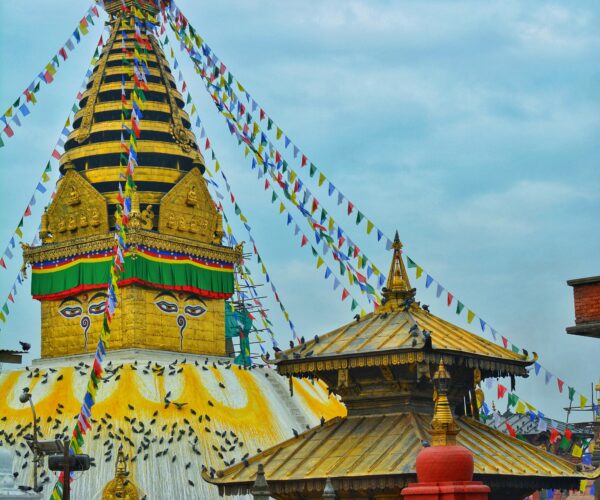
You can watch over the valley from the top of a hillock on its western side. Swoyambhu is also known as Samhengu and the Monkey temple because of the countless monkeys living in the premises.
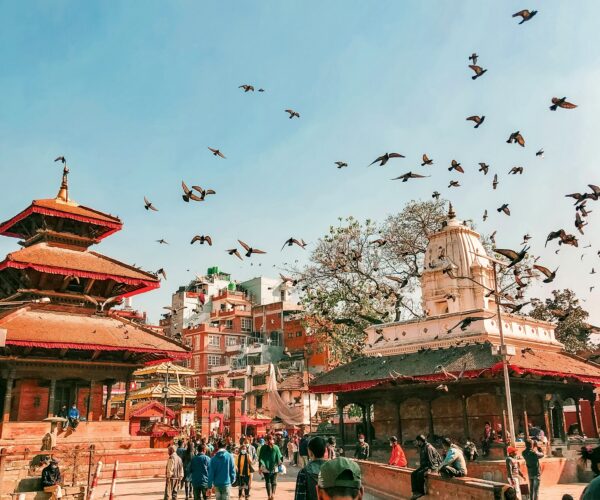
Kathmandu Durbar Square
This complex of palaces, courtyards and temples, built between the 12th and 18th centuries, used to be the seat of the ancient Malla kings of Kathmandu. An intriguing piece here is the 17th- century stone inscription set into the wall of the palace with writings in 15 languages. The Durbar Square is the social, religious and urban focal point of the city. There are also three museums inside the palace building.
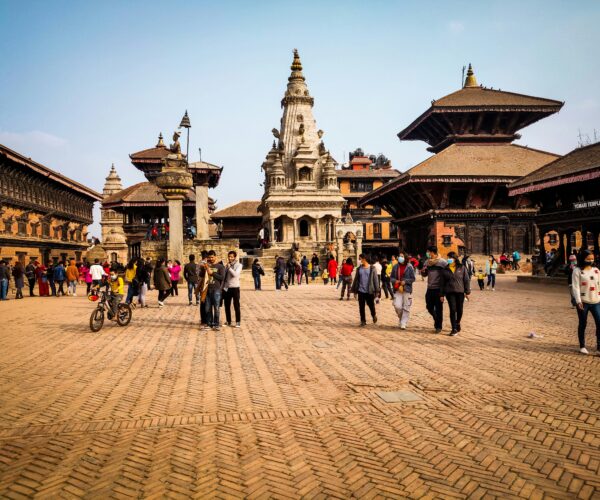
Bhaktapur Durbar Square
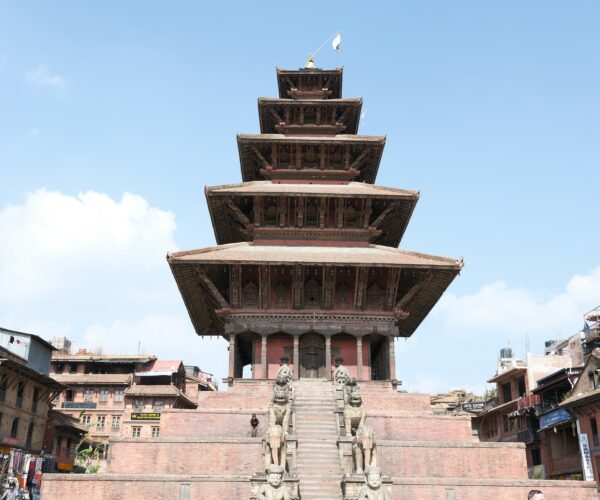
Visit the Bhaktapur Durbar Square, the Royal Residential Quarter of Bhupatindra Malla, famous five-storied temple of Nyatapola in Pagoda style, Batsala temple, Bhairavnath temple, Duttatraya temple, Pujari Muth and Palace of 55 windows.
Late noon we drive to Nagarkot. On the way you can enjoy the serene beauty of the mountains with magnificent view of the sunset.
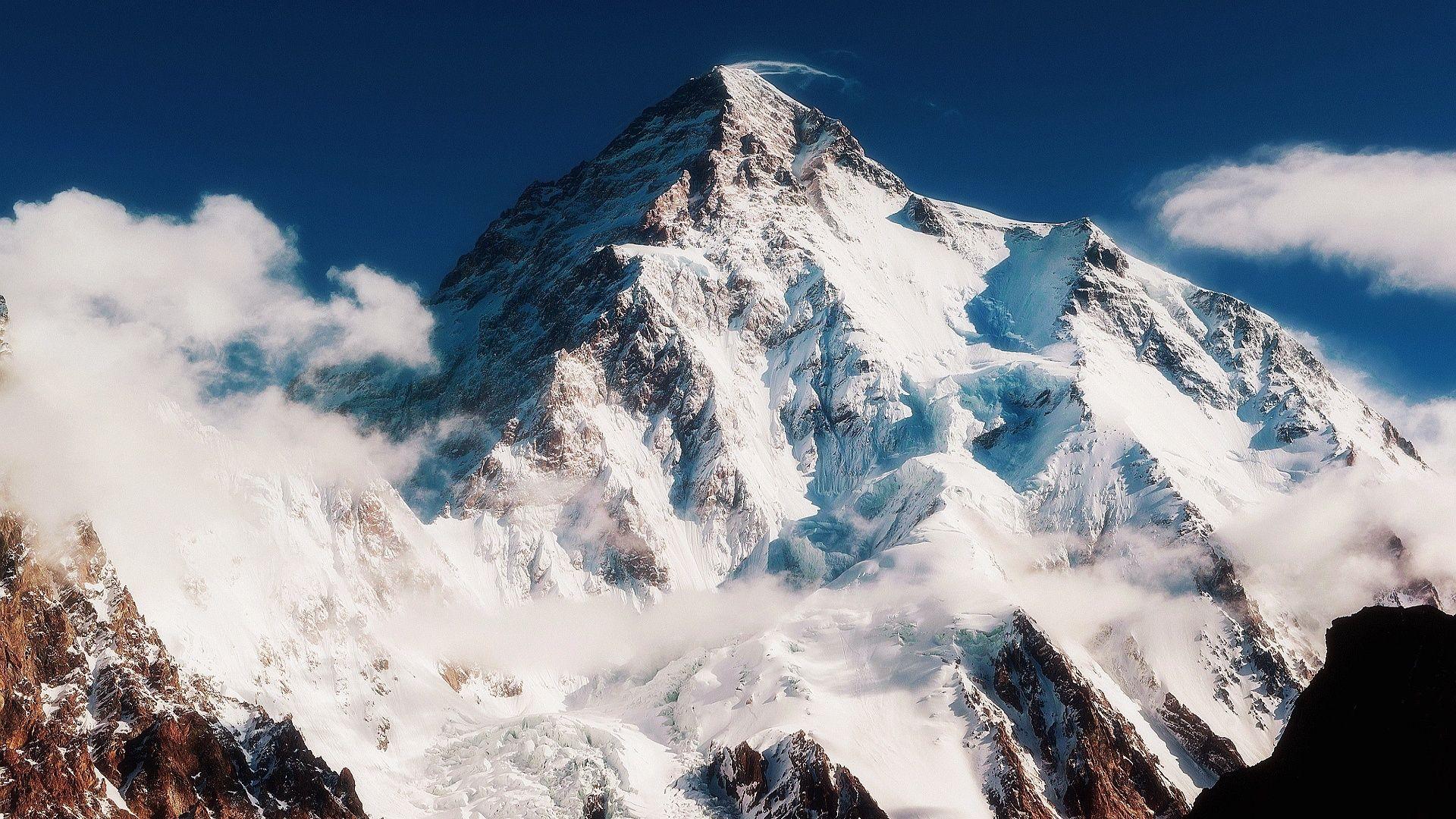
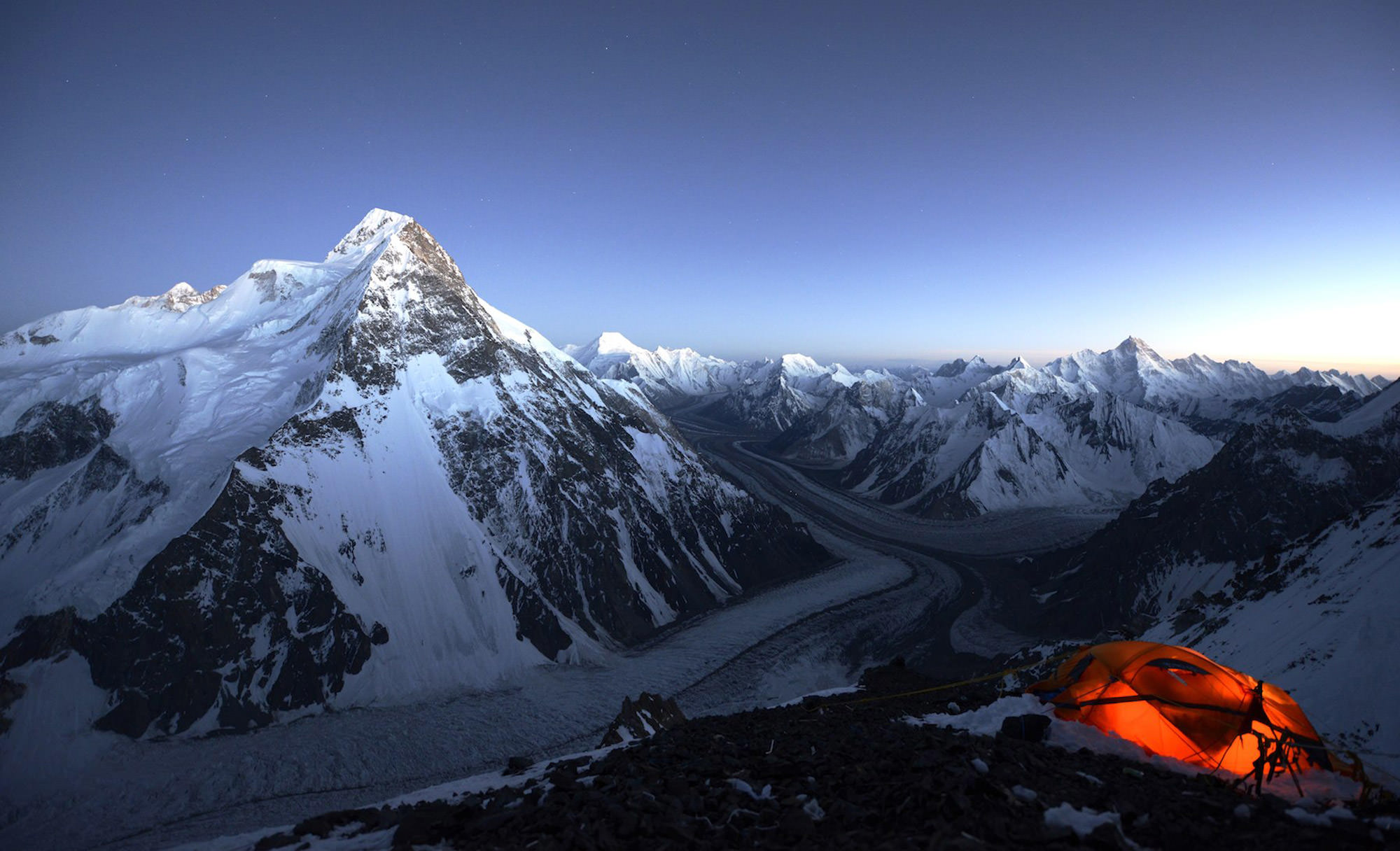
We wake up early today to catch a glimpse of the spectacular sunrise from Nagarkot over the panoramic mountains. Weather permitting, the seemly endless chain of mountains appear glossy, while the entire Kathmandu valley can be clearly seen towards the west.
We continue our tour visiting the following places and drive back to Kathmandu.
Changu Narayan (World Heritage Site)
The temple of Changu Narayan is one of the oldest temples in Nepal. Situated in the small village of Changu in Bhaktapur district, Changu Narayan was built by a Lichhavi King during the 4th century. The temple, dedicated to Lord Vishnu, houses several ancient statues and stone inscriptions.
Khokana and Bungmati
Khokana and Bungmati are beautiful traditional Newari villages in Lalitpur district. These villages are famous for rich culture, wood carvings and sculptures. Rato Machhindranath Temple and Karya Binayak Temple are the must-visit sites in Bungmati.
In the evening, we host a farewell dinner in a fine restaurant. (Your guide(s) and an office staff will accompany you).
All you need to bring for this tour is simply some comfortable clothes. There is no requirement for special equipment on the tour. However, for your ease, the following gives you a general idea about the personal items you need to manage for the trip. The personal items referred to here are optional and depend upon your choice. The most important factor to be considered while choosing the equipment and your backpack is the time of the year you are traveling.
We will supply complimentary water to hydrate you during the tour.
Therefore, this list is only a guide. You can use the list as a reference. There are numerous options, brands, and versions of each piece of clothing and equipment. Use your experience and the listed features to find the best gear for you. Some of the above equipment can be easily found in stores in Kathmandu.
(Please note that winter wears are only necessary if in case you’re traveling in the month of Nov – Dec)
Trip-FAQ
This tour takes place in Kathmandu and Nagarkot, offering a mix of cultural exploration and scenic Himalayan views.
The best time is spring (March–May) and autumn (September–November) for clear skies and stunning mountain views, including glimpses of Mount Everest on clear days.
Yes, this is an easy tour, suitable for all age groups, including families, couples, and senior travelers.
You will stay in 3-star hotels in Kathmandu and Nagarkot on a twin-sharing basis with breakfast included. Private rooms can be arranged at an extra cost.
Breakfast is included throughout the trip, along with a farewell dinner. Lunch and dinner in Kathmandu are not included, giving you flexibility to explore local cuisine.
Yes, travelers need a Nepal visa, which can be easily obtained on arrival at Tribhuvan International Airport.
All airport transfers and sightseeing tours are conducted by private tourist vehicles for comfort and convenience.
UNESCO World Heritage Sites in Kathmandu Sunrise and sunset views from Nagarkot Cultural exploration of temples and monasteries Scenic Himalayan views
Costs Include/Exclude
Price Includes
✅ Accommodation
Twin-sharing accommodation in a 3-star hotel for 3 nights in Kathmandu and 1 night in Nagarkot, including breakfast (Private room available at extra cost)
✅ Meals
A farewell dinner on the last night in Nepal
✅ Guided City Tour
Guided city tour in Kathmandu Valley by private tourist vehicle
✅ Transportation
All international and domestic airport transfers by tourist vehicle
All ground transportation by private tourist vehicle
✅ Guide and Staff
Licensed English-speaking guide
Required ground staff (driver, helpers, etc.)
All staff wages, accommodation, meals, gear, insurance, and medications
✅ Permits
Entry permits and fees for temples, parks, monasteries, and cultural/historical sites
✅ Benefits and Takeaways
1 duffle/kit bag & sun hat
✅ Administrative & Taxes
All administrative expenses and government taxes
Price Excludes
❌ International flight fare and airport departure tax
❌ Lunch and dinner in Kathmandu (approx. USD 15–20 per person per day)
❌ Any beverages, including bottled and boiled water
❌ Tips for guide and driver (tipping is expected)
❌ Nepal entry visa (available on arrival at Tribhuvan International Airport: USD 30 for 15 days, USD 50 for 30 days, USD 125 for 90 days)
❌ Travel insurance
❌ Any expenses not mentioned in the “Price Includes” section
Riding Gears And Equipments
All you need to bring for this tour is simply some comfortable clothes. There is no requirement for special equipment on the tour. However, for your ease, the following gives you a general idea about the personal items you need to manage for the trip. The personal items referred to here are optional and depend upon your choice. The most important factor to be considered while choosing the equipment and your backpack is the time of the year you are traveling.
We will supply complimentary water to hydrate you during the tour.
Therefore, this list is only a guide. You can use the list as a reference. There are numerous options, brands, and versions of each piece of clothing and equipment. Use your experience and the listed features to find the best gear for you. Some of the above equipment can be easily found in stores in Kathmandu.
(Please note that winter wears are only necessary if in case you’re traveling in the month of Nov – Dec)
General
- Rucksack bag or suitcase
- Day pack Warm wool or synthetic hat that covers your ears
- A pair of pair warm gloves
- T-shirts, cotton pants (loose jeans/khakis), shorts, and a waterproof shell jacket (preferable if you are traveling in the rainy season from June to September)
- Lightweight long underwear/thermals
- Light camping shoes or sneakers
- Sandals/flip-flops (Optional)
- Sunglasses
- Neck gaiter
- Daypack (35-45 liters recommended) with rain cover
- Wool or technical fabric liner gloves
- Liner socks (optional such as silk)
Medicines And First Aid Kits
(Please note our guide will also carry the first-aid bag during the tour. However, we still recommend you bring your personal first-aid kit as well.)
- Ibuprofen for general aches and pains
- Immodium or Pepto Bismol capsules for upset stomach or diarrhea
- One small-sized first-aid kit with blister treatments such as mole skin, band-aids, some waterproof tape, anti-infection ointments, etc
Other Essentials
- Passport
- Extra copies of passport-sized photos
- Reusable water bottle
- Toiletry kits
- Lip balm
- Sunscreen
- Waterproof/dry bags for carrying important documents and money
- Airline tickets (Please leave a copy at our office in Kathmandu. This can be useful if there is a change in the date of the flight.)
Optional
Once in Nepal, if you have the time, you can purchase supplies you need while touring. Thamel, Kathmandu’s tourist hub, is home to many shops where you can get a variety of reasonably priced equipment.
- Power bank or extra batteries
- Cameras and mobile phone
- Binoculars
- Cards/book
Important Information
- We give you a free duffel bag and baseball cap during your pre-trip meeting in Kathmandu. The duffel bag will be used to pack your touring supplies.
- This list is only a guide. You can use the list as a reference.
- There are numerous options, brands, and versions of each piece of clothing and equipment.
- Use your experience and the listed features to find the best gear for you.
- Some of the above equipment can be easily found in stores in Kathmandu.
Note: Some clothing, especially form-fitting, figure-hugging items made of elastic material (like yoga pants), may offend locals. Therefore, if you choose to wear these clothes for comfort, please make sure to wear something over them.