- Government Registration No: 179974/074/075
- PAN No: 606828891
- Tourism License No: 2499


Baruntse Expedition (7,129m)
BARUNTSE EXPEDITION
Baruntse Expedition is one of the great opportunities to prepare yourselves if you are eying for an 8000m in future. Mount Baruntse is a stunning and gorgeous snow peak between Makalu and Everest, lies in the epicenter of three glacier valleys, the Imja, the Hunku and Baruntse. The peak itself commands a central position amongst some of the high peaks of the Himalaya and it is the most accessible 7000m peak in the region besides having a normal route of ascent which can be guided.
Baruntse was the early Himalayan peaks recognized by Edmund Hillary’s team for climbing east of Everest and this mountain was first ascended by Colin Todd and Georg Harrow in 1954 by the South-East Ridge. The peak is crowned by four summits on four ridges with high rate of successful ascent on normal route via South Ridge.
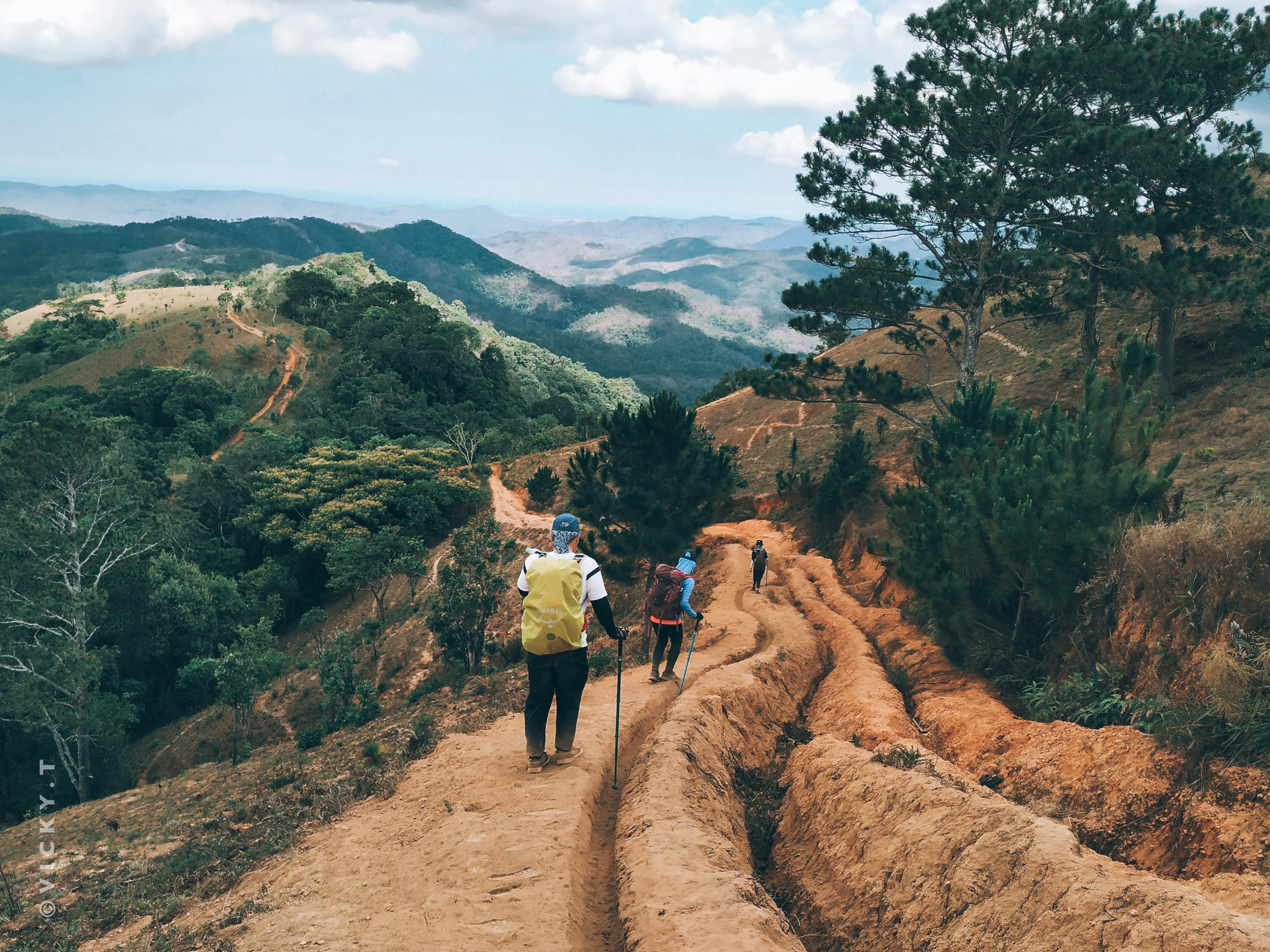
Our Baruntse Expedition is followed by Mera Peak summit. This will be a great preparation in terms of acclimatization and physicality for Baruntse. You will be trekking in one of the beautiful regions of Nepal.
You will find yourselves among the highest mountain in the earth and in the very heart of Himalaya during the Baruntse Expedition. The reward of summit day includes breathtaking views of Lhotse, Makalu and mighty Everest. The successful climb of Baruntse peak provides utmost chances of success to climbing Mt Everest as the trails and the topography of these mountains are similar to each other. Baruntse Expedition is one of the best practices for the climber who desires to climb Mt Everest and other 8000m peaks.
The Mera peak summit, the crossing of Amphu La Pass and trekking around the Hinku Valley are the main highlights of this Baruntse expedition. Our Baruntse Expedition will be guided by our experienced Sherpa climbing guide. All the necessary safety equipment will be there at base camp to ensure your trip. You will need to take permits for Baruntse expedition from Nepal government. You can find more information about the permits on destination holiday Trek & expedition.
TREK FACTS IN DETAIL
Region: Makalu-Barun Region, Eastern Nepal – a remote and pristine Himalayan area bordering the Everest and Makalu regions, known for its dramatic landscapes and unspoiled natural beauty.
Duration: 30–35 Days including arrival, trekking approach, acclimatization rotations, summit attempt, and return to Kathmandu.
Difficulty Level: Challenging to Technical – suitable for experienced mountaineers with prior high-altitude climbing experience above 6,000 meters and knowledge of fixed rope techniques.
Maximum Altitude: 7,129 meters (23,389 ft) – Summit of Baruntse.
Trek Style: Combination of tea house trekking in lower sections and fully supported tented camping expedition at Base Camp and higher camps.
Meals: Full-board meals (Breakfast, Lunch, Dinner) during the entire trekking and expedition period, prepared by experienced kitchen staff at Base Camp and lodges along the trekking route.
Group Size: Small groups of 2 to 12 climbers to ensure personalized support, safety, and higher summit success rates.
Best Seasons: Spring: April – May (Stable weather and popular climbing season)
 Autumn: September – October (Clear skies, crisp mountain views, and favorable climbing conditions).
Accommodation:
Comfortable tea houses or tented camps during the trekking approach; well-equipped expedition tents at Base Camp and high camps, including dining and kitchen tents.
PERMIT REQUIREMENTS
Baruntse Climbing Permit – Official expedition permit issued by the Department of Tourism (royalty fee varies by season: Spring, Autumn, or Winter).
Makalu-Barun National Park Entry Permit – Required to enter the protected conservation area in the Makalu-Barun region.
Trekking Information Management System (TIMS) Card – Mandatory registration for trekkers and climbers for safety and record purposes.
- Highlights
- Cost
- FAQ
- Riding Gear
- Fixed Departure
Summit Baruntse (7,129m), one of Nepal’s most rewarding 7,000-meter peaks
Located in the remote Makalu-Barun region, offering pristine wilderness and fewer crowds
Stunning views of Everest, Lhotse, Makalu, and Ama Dablam from higher camps
Technical climbing experience including glacier travel, steep snow slopes, and fixed rope sections
Carefully planned acclimatization rotations to enhance safety and summit success
Fully supported expedition with experienced climbing Sherpas and professional Base Camp crew
Scenic trekking approach through Sherpa villages, alpine forests, and high mountain valleys
Excellent preparation peak for climbers aiming for future 8,000-meter expeditions
Well-established Base Camp with quality tents, dining, and communication facilities
✔ Baruntse climbing permit (Government royalty fee)
✔ All required trekking and conservation permits
✔ Experienced expedition leader and climbing Sherpa guides
✔ Full-board meals during trekking and expedition period
✔ Tea house or tented accommodation during trekking
✔ Fully equipped Base Camp and high camp tents
✔ Fixed ropes and group climbing equipment
❌ International airfare to and from Nepal
❌ Nepal entry visa fees
❌ Personal climbing equipment (boots, down suit, harness, crampons, etc.)
❌ Travel and high-altitude rescue insurance
❌ Emergency evacuation and medical expenses
❌ Personal expenses (drinks, Wi-Fi, laundry, charging, etc.)
❌ Tips and summit bonus for expedition staff
1. How difficult is the Baruntse Expedition?
Baruntse (7,129m) is considered a challenging 7,000-meter peak, suitable for climbers with previous high-altitude and technical climbing experience. The expedition involves glacier travel, steep snow slopes, and fixed rope sections.
2. Do I need prior mountaineering experience?
Yes. Climbers should have experience above 6,000 meters and be confident using crampons, ice axe, ascenders, and fixed ropes. Good physical conditioning is essential.
3. How long does the expedition take?
The full expedition typically takes 30–35 days, including trekking, acclimatization rotations, summit attempt, and return to Kathmandu.
4. What is the maximum altitude reached?
The summit of Baruntse stands at 7,129 meters
5. What is the best season to climb Baruntse?
The ideal climbing seasons are:
Spring (April–May)
Autumn (September–October)
These periods offer more stable weather and better summit windows.
6. What type of accommodation is provided?
During the trekking phase, accommodation is in tea houses or tented camps, depending on the route. At Base Camp and higher camps, climbers stay in fully equipped expedition tents.
7. Is acclimatization included in the itinerary?
Yes. The itinerary includes carefully planned acclimatization rotations to higher camps before the final summit attempt to ensure safety and increase success rates.
8. Is travel insurance mandatory?
Yes. Comprehensive travel insurance covering high-altitude mountaineering, emergency evacuation, and medical expenses is mandatory.
9. What permits are required?
Climbers need a Baruntse climbing permit issued by the Government of Nepal, along with necessary trekking and conservation permits.
(23,389 ft) above sea level.
Backpack (50–65L), Daypack (20–30L), Rain cover, Down jacket, Fleece jacket, Thermal top, Thermal bottom, Waterproof jacket, Waterproof pants, Trekking pants, Quick-dry T-shirts, Warm hat (beanie), Sun hat / cap, Gloves, Buff / neck gaiter, Trekking boots, Trekking socks, Camp shoes / sandals, Sleeping bag (-10°C or lower), Trekking poles, Headlamp, Sunglasses (UV protection), Water bottle, Water purification tablets / filter, Sunscreen, Lip balm (SPF), Personal first aid kit, Toiletries, Towel (quick dry), Power bank
ITINERARY
Arrival at Tribhuvan International Airport. Transfer to hotel and expedition briefing in the evening.
Official paperwork, gear inspection, and final expedition briefing with the climbing leader.
Scenic mountain flight followed by a short trek through forested trails.
Cross Zatrwa La Pass with panoramic Himalayan views.
Descend into the beautiful Hinku Valley.
Gradual ascent along the river valley with impressive alpine scenery.
Short hikes to nearby ridges for acclimatization.
Reach the base of Mera Peak region with spectacular mountain views.
Approach across glaciers and moraine to establish Base Camp.
-
Establish Camp I (~6,100m)
-
Establish Camp II (~6,400m)
-
Carry loads, practice fixed rope climbing
-
Rest days at Base Camp
-
Weather monitoring and summit planning
Carefully planned rotations help maximize safety and improve summit success.
Pack equipment and descend through the Hinku Valley.
Retrace the scenic route via Thuli Kharka.
Return to Kathmandu and transfer to hotel.
Extra days reserved for bad weather or delays. Final departure transfer to the airport.
TREKKING MAP
PHOTO GALLERY


1335USD/ person
| No. of People | Price Per Person |
|---|---|
| 1 Pax | 1635USD |
| 2–4 Pax | 1585USD |
| 4–10 Pax | 1435USD |
| 10–14 Pax | 1335USD |
800USD/ person
| No. of People | Price Per Person |
|---|---|
| 1 Pax | 1100USD |
| 2–4 Pax | 1000USD |
| 4–10 Pax | 900USD |
| 10–14 Pax | 800USD |
1050USD/ person
| No. of People | Price Per Person |
|---|---|
| 1 Pax | 1250USD |
| 2–4 Pax | 1050USD |
| 4–10 Pax | 950USD |
| 10–14 Pax | 800USD |
395USD/ person
| No. of People | Price Per Person |
|---|---|
| 1 Pax | 500USD |
| 2–4 Pax | 465USD |
| 4–10 Pax | 430USD |
| 10–14 Pax | 395USD |
395USD/ person
| No. of People | Price Per Person |
|---|---|
| 1 Pax | 500USD |
| 2–4 Pax | 465USD |
| 4–10 Pax | 430USD |
| 10–14 Pax | 395USD |
1325USD/ person
| No. of People | Price Per Person |
|---|---|
| 1 Pax | 1575USD |
| 2–4 Pax | 1525USD |
| 4–10 Pax | 1425USD |
| 10–14 Pax | 1325USD |
2199USD/ person
| No. of People | Price Per Person |
|---|---|
| 1 Pax | 2500USD |
| 2–4 Pax | 2400USD |
| 4–10 Pax | 2300USD |
| 10–14 Pax | 2199USD |
2199USD/ person
| No. of People | Price Per Person |
|---|---|
| 1 Pax | 2500USD |
| 2–4 Pax | 2400USD |
| 4–10 Pax | 2300USD |
| 10–14 Pax | 2199USD |
2199USD/ person
| No. of People | Price Per Person |
|---|---|
| 1 Pax | 2500USD |
| 2–4 Pax | 2400USD |
| 4–10 Pax | 2300USD |
| 10–14 Pax | 2199USD |
2199USD/ person
| No. of People | Price Per Person |
|---|---|
| 1 Pax | 2500USD |
| 2–4 Pax | 2400USD |
| 4–10 Pax | 2300USD |
| 10–14 Pax | 2199USD |
Popular Packages

Everest Base Camp Trek (5,364m)
Gokyo Lakes Trek

Annapurna Base Camp (4,130m)