Kathmandu Valley Tour

KATHMANDU VALLEY TOUR
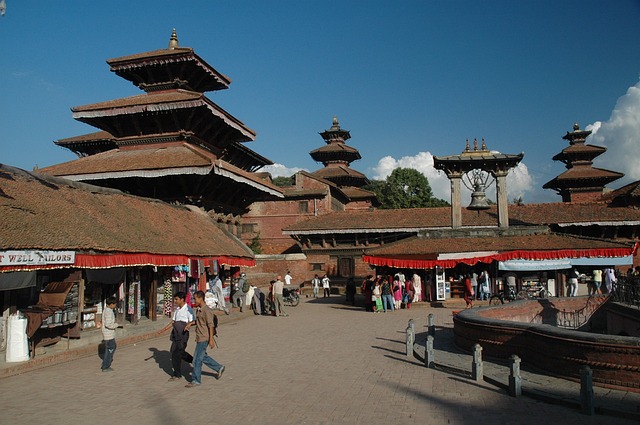
There are thousands of monuments, temples, shrines and stupas spread around the Kathmandu valley. The house of the Living Goddess (Kumari Ghar), the ferocious Kal Bhairav, the red monkey god, and hundreds of erotic carvings are a few examples the sights at the Kathmandu valley square. The square teems with colourful life. Kastamandap rest house is said to have been built with the wood of a single tree and is the source from which the Kathmandu valley got its name. Nearby are great drums, which were beaten to announce royal decrees. All woodcarvings, statues, and architecture in this area are exceptionally fine and Kathmandu durbar square is among the most important sights for travellers to see. The complex also houses the Tribhuvan Museum that carries the mementoes of different Shah Kings.
 

KATHMANDU DURBAR SQUARE – WORLD HERITAGE SITE

Kathmandu Durbar Square is the historic palace square located in the heart of Kathmandu, the capital of Nepal. It is one of the three Durbar Squares in the Kathmandu Valley and has been recognized as a UNESCO World Heritage Site for its outstanding cultural and architectural significance.

The square served as the royal palace of the Malla and Shah kings and was the center of administration, ceremonies, and social life for centuries. It is surrounded by a collection of ancient palaces, courtyards, temples, and statues showcasing the Newar architecture of the Kathmandu Valley.


SWAYAMBHUNATH STUPA 

Perched atop a hill on the western edge of the Kathmandu Valley, Swyambhunath is the most ancient architecture and enigmatic religious complex, surrounded by stupas, a variety of shrines, temples, painted images of deities and numerous other religious objects. The compound is centered on a gleaming white stupa, topped by a gilded spire painted with the eyes of the Buddha. Depictions of these eyes appear all over the Kathmandu Valley. It is known as the Monkey Temple because of a troop of monkey. The history of the valley, according to the legends, begins with Swoyambhu, or ( the self-existent). In times uncharted by history, Boddhisatwa Manjusri came across a beautiful lake during his travel. He saw a lotus that emitted brilliant light at the lake’s centre. So he cut a George in a southern hill and drained the waters to worship the lotus. Men settled on the bed of the lake and called it the Kathmandu valley. From then on, the hilltop of the self-existent Lord has been a holy place. Images of the important deities, both Buddhist and Hindu, are found installed here.


PASHUPATINATH – WORLD HERITAGE SITE

Pashupatinath is the holiest Hindu pilgrimage destination in Nepal. There are images of Shiva along with statues, shrines and temples dedicated to other deities in the complex. A temple dedicated to Shiva existed at this site in 879 AD. However, King Bhupendra Malla built the present temple in 1697. A gold-plated roof, Silver doors, and woodcarvings of the finest quality decorate the pagoda construction. Guheswori Temple, restored in 1653 AD, represents the female “force”. It is dedicated to Satidevi, Shiva’s the first wife, who gave up her life in the flames of her father’s fire ritual. Some other places to visit are Rajrajeswori Temple, built in 1407, Kailas with lingas more than 1400 years old, Gorakhanath temple and the courtyard of Biswarup. There are rows of Shiva shrines and Hindu pilgrims from all over South Asia offer worship to Shiva, the Lord of Destruction.


BOUDHANATH STUPA – WORLD HERITAGE SITE

Situated in the town of Boudha, on the eastern outskirts of Kathmandu dominating the skyline, Boudhanath is one of the largest stupas in the world and the holiest Tibetan Buddhist temple outside Tibet, It is the center of sacred heart of a thriving Tibetan Buddhist community outside Tibet and rich in Buddhist symbolism. Since 1959, Boudha has been the focus for Tibetan exiles in Nepal, but it has been a sacred site on the Kathmandu–Tibet trade route for centuries. It is also the most important Tibetan Buddhist monument.
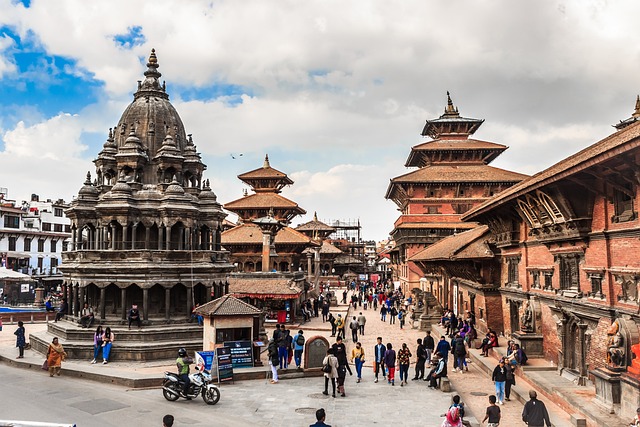


PATAN DURBAR SQUARE – WORLD HERITAGE SITE

This whole square is a cluster of fine pagoda temples and stone statues. It is at the same time the business hub of the city. At every step one comes across a piece of art or an image of a deity, testifying to the consummate skill of Patan’s anonymous artists. The stone temple of Lord Krishna and the Royal Bath with its intricate stone and bronze carvings are two other masterpieces in the same vicinity. The temple of the lord Krishna holds a commanding position in patan’s palace complex. Though its style is not wholly native, it is one of the most perfect specimens of Nepalese temple craft. The three story stone temple continues to elicit high praise from lovers of art and beauty. The minute details of this work clearly show the high level that the art of stone carving attained in the sixteenth century.
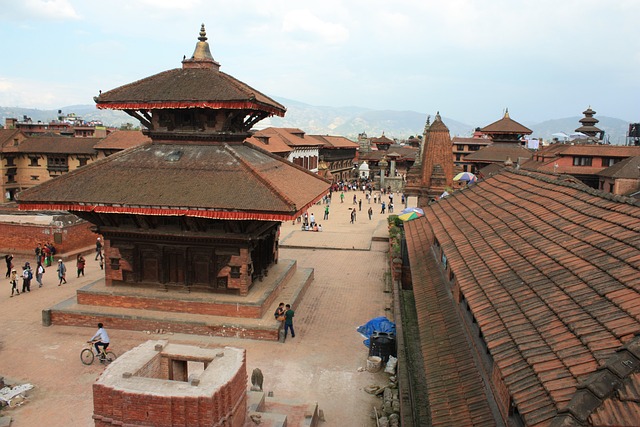


BHAKTAPUR DURBAR SQUARE – WORLD HERITAGE SITE

Bhaktapur Durbar Square is a conglomeration of pagoda and Shikhara-style temples grouped around a fifty-five window palace of brick and wood. The square is one of the most charming architectural showpieces of the valley as it highlights the ancient arts of Nepal. The golden effigies of kings perched on the top of stone monoliths, the guardian deities looking out from their sanctuaries, the wood carvings in every place- struts, lintels, uprights, tympanums, gateways and windows – all seem to form well-orchestrated symphony. The main items of interest in the Durbar Square are the Lion Gate, the Golden Gate, the palace of Fifty-five windows, the five-storey pagoda styled Nyatapola temple and the temple of Dattatreya


Tour Facts

Destination: Kathmandu Valley, Nepal
Duration: 2–4 Days
Tour Type: Cultural & Heritage Tour
Maximum Altitude: 1,400 m
Best Season: All year round
Transportation: Private vehicle with driver
Accommodation: Hotel (3★–5★ options available)
Group Size: 1–20 People
Starting/Ending Point: Kathmandu

Key Highlights

Visit sacred Hindu temple Pashupatinath Temple

Explore the giant Buddhist stupa Boudhanath

Discover the monkey temple Swayambhunath

Explore ancient royal palace at Kathmandu Durbar Square

Visit beautiful medieval city Bhaktapur

Explore artistic heritage at Patan Durbar Square

Experience living goddess tradition (Kumari)

Taste authentic Nepali cuisine

Observe traditional Newari culture and architecture

Easy and comfortable sightseeing tour

Cost

Cost Includes

✅ Airport pickup & drop-off
✅ Private vehicle for sightseeing
✅ Professional English-speaking tour guide
✅ Hotel accommodation with breakfast
✅ All government taxes
✅ Tour coordination and support


Cost Excludes

❌ International airfare
❌ Nepal visa fee
❌ Entrance fees to monuments
❌ Lunch and dinner
❌ Personal expenses
❌ Travel insurance
❌ Tips for guide and driver

Itineary

Day 1: Arrival & Kathmandu Sightseeing
  • Arrival at Tribhuvan International Airport

  • Hotel transfer and briefing

  • Visit Pashupatinath Temple

  • Visit Boudhanath Stupa

  • Evening free time in Thamel

Overnight in Kathmandu.

Day 2: Patan & Bhaktapur Exploration
  • Visit Patan Durbar Square

  • Explore traditional metal and wood craftsmanship

  • Drive to Bhaktapur

  • Explore Bhaktapur Durbar Square, Nyatapola Temple, 55-Window Palace

  • Sunset view and return to hotel

Overnight in Kathmandu.

Day 3: Swayambhunath & Kathmandu Durbar Square
  • Morning visit to Swayambhunath (Monkey Temple)

  • Explore Kathmandu Durbar Square

  • Visit Kumari (Living Goddess House)

  • Free time for shopping

  • Departure transfer

Frequently Asked Questions (FAQ)

1. How many days are enough for Kathmandu Valley Tour?

2–3 days are sufficient to cover major UNESCO sites comfortably.

2. Is this tour suitable for children and elderly travelers?

Yes, it is easy and requires minimal walking.

3. Do I need a guide?

A licensed guide is highly recommended to understand history, culture, and religious significance.

4. Are entrance fees included?

Entrance fees are usually excluded and paid directly at each site.

5. What is the best time to visit?

Kathmandu can be visited year-round, but spring and autumn offer clear weather.

6. What should I wear while visiting temples?

Modest clothing is recommended. Remove shoes before entering temples.

Why Choose Kathmandu Valley Tour?

1. UNESCO World Heritage Sites

Kathmandu Valley has 7 UNESCO-listed heritage sites within a short distance, making it one of the richest cultural destinations in Asia.

2. Perfect Short Trip in Nepal

Ideal for travelers with limited time who want to explore Nepal’s culture without long trekking.

3. Blend of Hindu & Buddhist Culture

Witness peaceful harmony between Hinduism and Buddhism in daily life and rituals.

4. Easy & Comfortable

No physical difficulty. Suitable for families, seniors, students, and all age groups.

5. Photography & Architecture Paradise

Ancient temples, carved wooden windows, stone statues, and colorful streets provide incredible photo opportunities.

TREKKING MAP

PHOTO GALLERY