

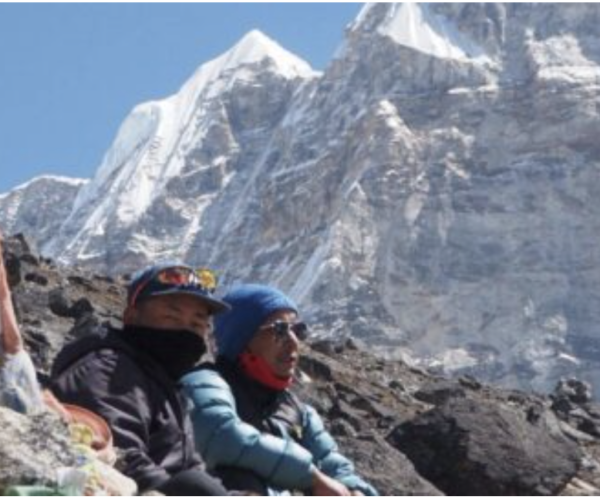
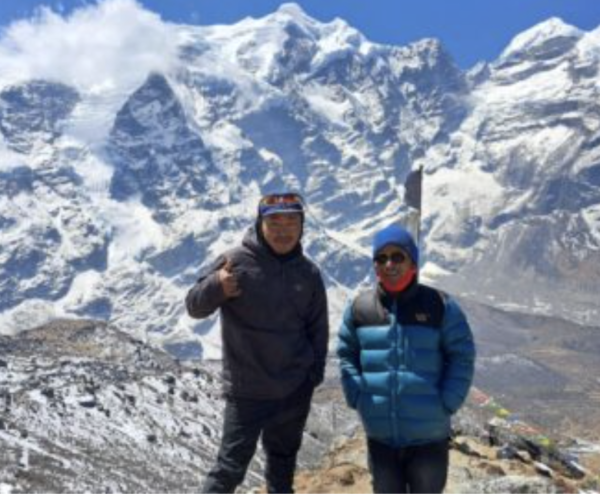
Mera Peak Expedition – The ultimate high-altitude trekking experience in Nepal
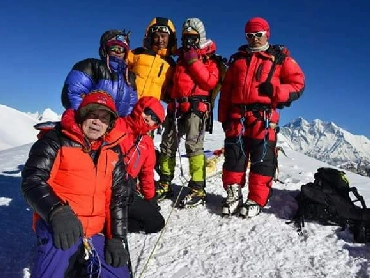
Mera Peak (6,476 m / 21,247 ft), located in the heart of the Khumbu region of Nepal, is renowned as the highest trekking peak in the country. It is an ideal choice for adventure enthusiasts and aspiring mountaineers who wish to experience the thrill of summiting a Himalayan peak without the extreme technical challenges associated with peaks like Everest or Makalu. Combining trekking and mountaineering, Mera Peak offers a unique blend of adventure, natural beauty, and cultural immersion, making it a bucket-list destination for climbers from around the world.
LOCATION AND ACCESSIBILITY
Mera Peak is situated in the Sagarmatha Zone of eastern Nepal, near the border of the Makalu-Barun National Park. The trek to Mera Peak typically begins with a scenic flight from Kathmandu to Lukla, one of the most thrilling short flights in the world, with panoramic views of the Himalayan range.
From Lukla, trekkers journey through the Khumbu region, following well-trodden paths through Sherpa villages, dense forests, alpine meadows, and glacial valleys.
The approach to Mera Peak is not only physically rewarding but also culturally enriching. Along the way, trekkers pass through remote villages like Khare, Thangna, and Chhukung, where they can witness traditional Sherpa lifestyles, Buddhist monasteries, and centuries-old customs preserved in the high Himalayas.
This region is less crowded than the popular Everest Base Camp route, providing a sense of tranquility and solitude amid some of the world’s most dramatic mountain landscapes.
CLIMBING MERA PEAK – A MODERATE CHALLENGE
Mera Peak is classified as a “trekking peak” by the Nepal Mountaineering Association (NMA), which means it is accessible to trekkers with basic mountaineering training. While the ascent does not require advanced technical climbing skills, it does demand excellent physical fitness, stamina, and proper acclimatization due to the high altitude.
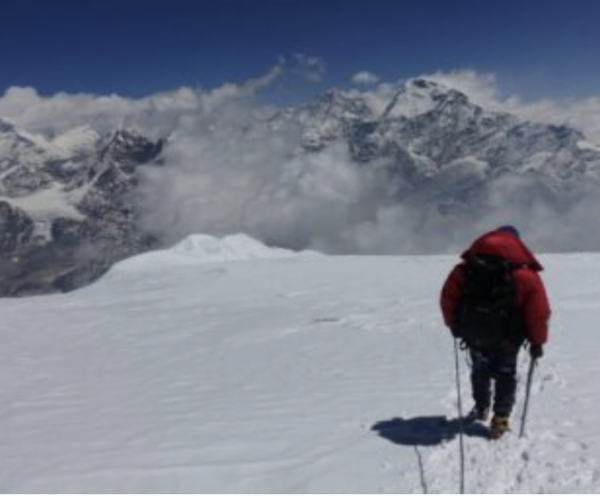
The climb to the summit typically starts from Mera High Camp (approximately 5,800 m) in the early morning hours to take advantage of stable weather conditions and to allow for a safe return before snow and wind conditions worsen. The final ascent involves crossing snowfields, steep slopes, and small crevasses, making the use of crampons, ice axes, and ropes necessary. Despite these challenges, the climb is achievable for well-prepared trekkers and is often the first step for those seeking higher Himalayan peaks.
PANORAMIC VIEWS FROM THE SUMMIT
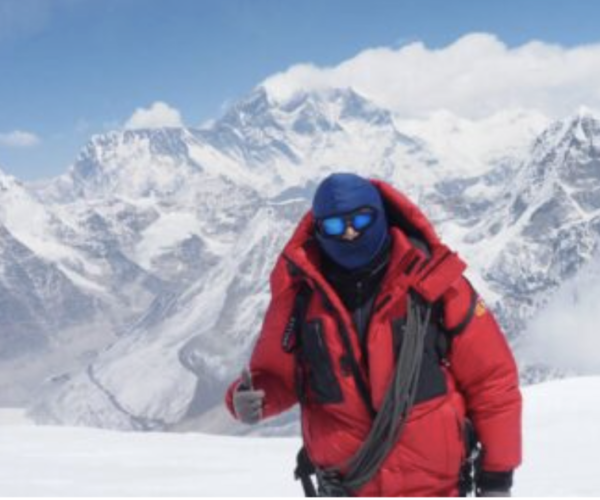
One of the main attractions of Mera Peak is the unparalleled panoramic view from the summit. On a clear day, climbers can see five of the world’s highest mountains:
- Mount Everest (8,848 m) – the highest peak on Earth
- Lhotse (8,516 m) – the fourth highest peak
- Cho Oyu (8,188 m) – the sixth highest peak
- Makalu (8,485 m) – the fifth highest peak
- Kanchenjunga (8,586 m) – the third highest peak
These views are often described as breathtaking and life-changing, offering a perspective on the sheer scale and majesty of the Himalayas. The summit of Mera Peak provides a sense of accomplishment and a reward for weeks of trekking, climbing, and acclimatization.
TREK FACTS
- Peak Name: Mera Peak
- Height: 6,476 meters / 21,247 feet
- Location: Khumbu Region, Eastern Nepal
- Type of Peak: Trekking Peak (Beginner to Intermediate Level)
- Best Season: Spring (March–May) & Autumn (September–November)
- Duration of Trek: 18–22 days (typical itinerary)
- Starting Point: Lukla (after flight from Kathmandu)
- Ending Point: Lukla (flight back to Kathmandu)
- Difficulty Level: Moderate; requires good physical fitness and basic mountaineering skills
- Permits Required:
- Mera Peak Climbing Permit
- Sagarmatha National Park Permit
- TIMS Card (Trekkers’ Information Management System)
- Accommodation: Teahouses and base camps along the trek
Trip Highlights
- Highest Trekking Peak in Nepal (6,476 m / 21,247 ft) Mera Peak is the tallest trekking peak in Nepal, offering an accessible high-altitude climbing experience. It is perfect for trekkers looking to achieve a Himalayan summit without extreme technical climbing.
- Moderate Climbing Challenge The climb is classified as a trekking peak, requiring basic mountaineering skills like using crampons, ice axes, and ropes. It is ideal for beginners or trekkers with prior trekking experience who want to venture into high-altitude mountaineering.
- Scenic and Diverse Trekking Route The approach to Mera Peak passes through lush forests, alpine meadows, glacial valleys, and high-altitude pastures. Trekkers also encounter dramatic landscapes and diverse Himalayan flora and fauna, including rhododendron forests, blue sheep, and Himalayan birds.
- Cultural Immersion in Sherpa Villages Along the route, trekkers traverse remote Sherpa villages like Khare, Thangna, and Chhukung. Visitors have the opportunity to explore Buddhist monasteries, prayer wheels, and traditional local customs, gaining insight into the unique Sherpa culture and lifestyle.
- Less Crowded and Peaceful Trek Unlike Everest Base Camp or other popular trekking routes, the Mera Peak expedition offers a less crowded, serene trekking experience, allowing climbers to enjoy nature and solitude while moving through high-altitude terrain.
- Gradual Acclimatization Opportunities The itinerary includes multiple acclimatization days at strategic points such as Khare and High Camp, which reduces the risk of altitude sickness and helps climbers adjust safely to high elevations.
- Adventure and Achievement Summiting Mera Peak is a rewarding adventure. It provides a sense of accomplishment, confidence, and motivation for future high-altitude expeditions. Many climbers use Mera Peak as a preparation climb for higher peaks like Island Peak or Lobuche.
- Optimal Seasons for Climbing The best times to climb Mera Peak are Spring (March–May) and Autumn (September–November), when the skies are clear, weather is stable, and visibility of surrounding Himalayan giants is at its best.
- Comprehensive Support and Safety Expeditions to Mera Peak are guided by experienced mountain guides and Sherpas, ensuring safety, proper route management, and assistance with climbing techniques. Trekkers are supported with logistics, accommodation, and meals throughout the expedition.
- Ideal for First-Time High-Altitude Climbers Mera Peak is especially recommended for trekkers attempting their first Himalayan summit. Its moderate difficulty, combined with spectacular views and cultural exposure, makes it a perfect introduction to high-altitude mountaineering.