

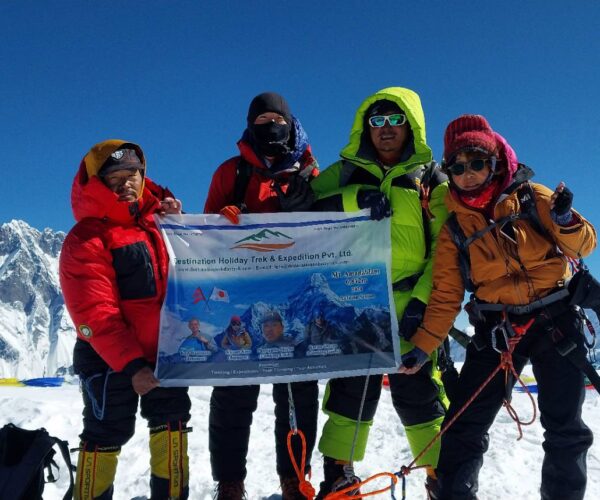
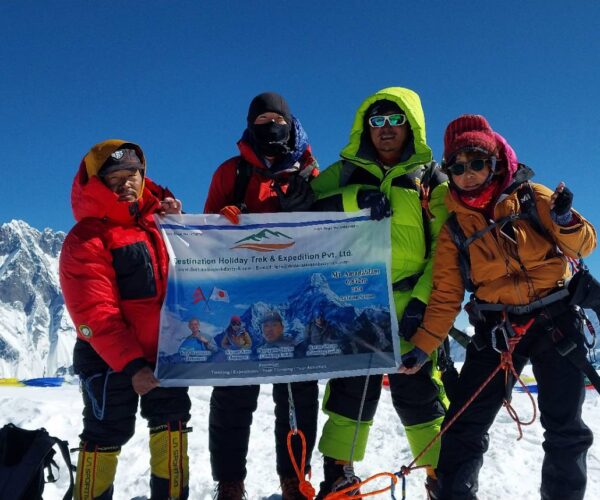
Ama Dablam Expedition (6,812m)
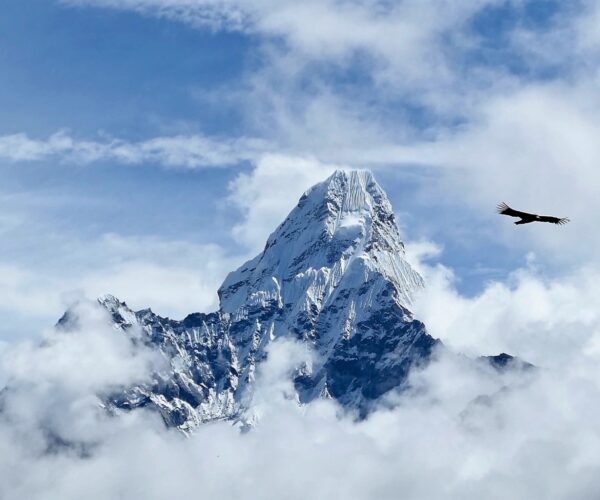
Ama Dablam is, without a doubt, one of the world’s stunning and impressive mountains in the Himalaya. Towering above the beautiful Sherpa village of Pangboche, Ama Dablam is one of the most climbed and iconic mountains in Nepal.
An expedition to Ama Dablam offers superb technical climbing experience in the heart of Khumbu region just above the Tengboche Monastery on the well-worn path to Everest Base Camp. Actually, Ama Dablam means, “Mother’s Necklace”. The long ridges on each side like the arms of a mother (ama) protecting her child, and the hanging glacier thought of as the Dablam, the traditional double-pendant contains pictures of the gods worn by Sherpa women.
From the summit of Ama Dablam, out of six highest peaks in the world are clearly visible of five highest peaks, Mt Lhotse, Mt Lhotse Shar, Mt Makalu, Mt Ch Oyu and Mt Everest and also the close view of Nuptse, Baruntse, and Pumori.
We follow the route of Everest high pass trek leading us to Thame, cross two beautiful passes Renjo La and Cho La pass before we get to Lobuche East base camp.
Climbing Lobuche East Peak will be a great preparation in terms of acclimatisation for Ama Dablam. As soon as we summit Lobuche East, we will head toward Ama Dablam base camp, where our expedition team members will be waiting for us.
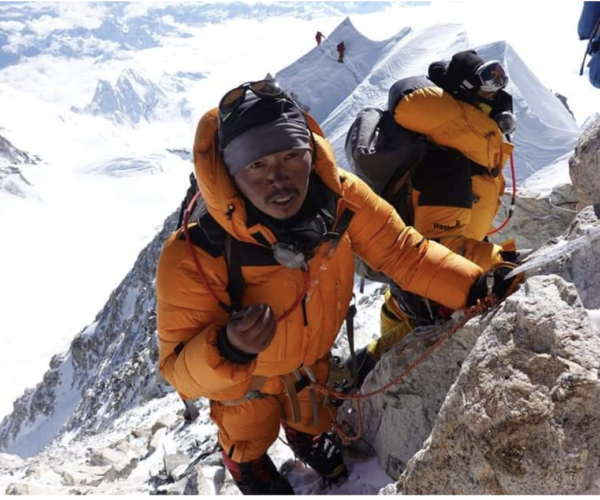
We will follow the south-east ridge which provides exhilarating rock, snow and ice to its summit.
The Climbers will have a solid multi-pitch experience on rock and ice. This is also great training and preparation for the 8000m meter mountains.
Trip Highlights
- Peak: Ama Dablam, 6812 m – steep, technical, iconic Himalayan peak (“Matterhorn of the Himalayas”).
- Experience Needed: Prior high‑altitude trekking and basic mountaineering skills required.
- Guides & Permits: Licensed guide mandatory; climbing permit required.
- Duration: ~30+ days including trek, acclimatization, summit, and return.
- Best Seasons: Spring (April–May) and Autumn (Sept–Oct).
- Fitness Level: Excellent physical condition needed for long days and thin air.
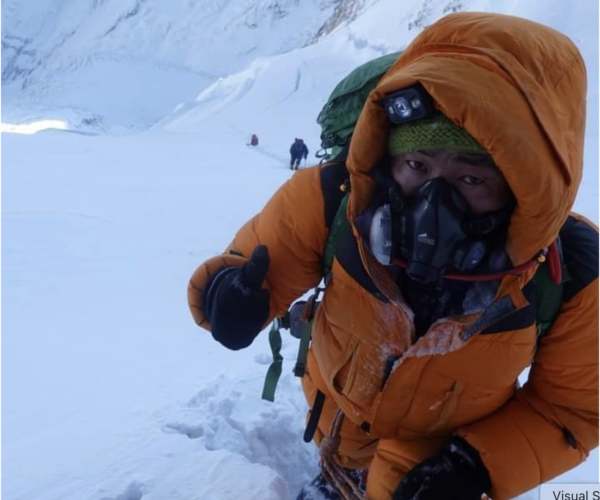
- Gear: Expedition‑grade climbing gear (ice axe, crampons, harness, helmet, insulated layers).
- Acclimatization: Multiple rotations to higher camps before summit.
- Risks: Altitude sickness, extreme weather, technical climbing terrain.
- Support: Guides and staff carry most expedition supplies; climbers carry daypacks for summit rotations.
- Insurance: Travel and high-altitude medical insurance required.
Itinerary
Arrive in Kathmandu, settle into your hotel, and meet your guides and expedition team. Prepare climbing permits, check and organize gear, and attend a briefing about the trek and climbing schedule.]
- Early morning scenic flight to Lukla.
- Start trekking through pine forests and suspension bridges.
- Overnight at Phakding.
- Trek along the Dudh Koshi River.
- Pass Monjo and enter Sagarmatha National Park.
- Arrive in Namche Bazaar, the main trading hub.
- Overnight at lodge.
- Short hikes to nearby viewpoints.
- Visit Everest View Hotel for panoramic mountain views.
- Explore local Sherpa culture and markets.
- Overnight in Namche.
- Trek through pine and rhododendron forests.
- Visit Tengboche Monastery with stunning Ama Dablam views.
- Overnight at Tengboche.
- The trek passes Pangboche village.
- Enter the alpine region with dramatic mountain scenery.
- Overnight in Dingboche.
- Short hike to Nagarjun Hill or Chhukung Valley.
- Prepare for higher altitude climbing.
- Overnight in Dingboche.
- Trek through glacial moraines.
- Close views of Thamserku and Nuptse.
- Overnight at Lobuche.
- Trek to Ama Dablam Base Camp.
- Set up tents, rest, and prepare climbing gear.
- Overnight at Base Camp.
- Gradual ascent through technical climbing sections.
- Fixed ropes may be used.
- Rest and acclimatization at intermediate camps.
- Early pre-dawn summit push.
- Enjoy panoramic views of Everest, Lhotse, Nuptse, and Makalu.
- Descend safely to Camp II overnight.
- Descend from Camp II to Base Camp.
- Rest and celebrate the successful climb.
- Trek back via Lobuche, Dingboche, Tengboche, Namche Bazaar, and Phakding.
- Overnight at lodges along the way.
- Fly back from Lukla to Kathmandu.
- Transfer to a hotel and relax.
- Optional cultural tours or shopping.
Morning:
- Visit Swayambhunath Stupa (Monkey Temple) – enjoy panoramic city views.
- Explore Kathmandu Durbar Square – historic palaces, temples, and courtyards.
Afternoon:
- Discover Pashupatinath Temple – witness sacred rituals along the Bagmati River.
- Explore Boudhanath Stupa – experience Tibetan Buddhist culture.
Evening:
- Optional visit to Thamel for shopping or enjoy a traditional Nepali dinner with cultural performance.
- Transfer to Tribhuvan International Airport for Final Departure.
FAQ
Ama Dablam is a high‑altitude Himalayan peak known for its steep, technical ice, snow and rock sections — often called the “Matterhorn of the Himalayas.” It’s more demanding than a normal trek and requires mountaineering skills and experience.
Yes — this isn’t a simple trek. Most operators recommend you have trekking experience at altitude and basic technical mountaineering skills (ropes, ice axes, crampons). Many climbers do prep climbs like Lobuche or Island Peak first to help acclimatize and gain confidence.
Yes. Nepal requires climbers to have a climbing permit and to be accompanied by a licensed guide for high Himalayan peaks in protected regions. Independent solo climbing without a guide is generally not permitted by the Nepal Mountaineering Association.
You should be in excellent physical condition. Expect long days of trekking and climbing, carrying gear, and coping with thin air. The fitter you are, the safer and more enjoyable your expedition will be.
Expedition‑grade gear is essential:
- Ice axe, crampons, mountaineering boots
- Climbing harness, helmet, carabiners, ascenders
Warm insulated layers and a -20°C sleeping bag
Many climbers buy high‑quality gear rather than rent because reliability and fit are important in extreme conditions.
Yes — travel and medical insurance covering high‑altitude evacuation (including helicopter rescue) and treatment is mandatory before you can join an expedition.
Typical commercial expeditions are ~30 + days total:
- Trek to base camp
- Multiple acclimatization rotations to higher camps
- Summit push and return
Time in Kathmandu before and after the mountain.
The schedule may change with weather conditions.
The two main seasons are spring (April–May) and autumn/post‑monsoon (September–October). Autumn often has slightly more stable weather, though both windows are popular.
Expeditions include rotations where you climb to higher camps (Camp I, Camp II, Camp III) and return to lower camps to sleep and adapt. This slow, staged ascent helps reduce altitude sickness risk.
Above Base Camp, you’ll carry a daypack with essentials (water, food, oxygen, extra clothing). Guides and support staff carry much of the expedition supplies, but climbers still carry gear during summit rotations.
Trekking Map
Riding Gears
6000m Peak Climbing Gear List
Climbing a 6000m peak in Nepal requires proper equipment for safety, comfort, and high-altitude performance. Whether you are joining our Island Peak, Mera Peak, or Lobuche Peak expedition, having the right climbing gear is essential for a successful summit.
Below is a complete gear checklist recommended for all 6000-meter peak climbing adventures.
Clothing (Layering System)
Proper layering protects you from extreme cold, wind, and snow at high altitude.
- Base Layer (Moisture-wicking thermal top & bottom)
- Mid Layer (Fleece or softshell jacket)
- Insulated Down Jacket (Heavyweight for summit push)
- Waterproof & Windproof Jacket (Gore-Tex or similar)
- Waterproof & Windproof Pants
- Lightweight Trekking Pants
- Warm Trekking Shirts (2–3)
- Down Pants (for summit night)
- Warm Hat / Beanie
- Sun Hat or Cap
- Neck Buff / Balaclava
- Lightweight Gloves (inner)
- Insulated Climbing Gloves (outer)
- Heavy Summit Mittens
- Warm Socks (3–4 pairs)
- Gaiters
Footwear
- High-Altitude Mountaineering Boots (6000m rated – double boots recommended)
- Lightweight Trekking Boots
- Camp Shoes / Sandals
Climbing Equipment
Technical climbing gear is mandatory for glacier travel and summit push.
- Climbing Helmet
- Climbing Harness
- Ice Axe
- Crampons (compatible with boots)
- Carabiners (locking & non-locking)
- Ascender (Jumar)
- Descender (Figure 8 / ATC)
- Prusik Loops
- Sling / Safety Tether
- Climbing Rope (provided by company for group use)
Bags & Sleeping Gear
- 65–75L Duffel Bag (for porter/yak transport)
- 35–45L Day Backpack
- Sleeping Bag (-20°C to -30°C recommended)
- Sleeping Bag Liner
- Trekking Poles
Accessories & Personal Items
- UV Protection Sunglasses (Category 4 glacier glasses)
- Headlamp with Extra Batteries
- Water Bottles (2 x 1L) or Hydration Bladder
- Thermos Flask (for summit day)
- Sunscreen SPF 50+
- Lip Balm with SPF
- Personal First Aid Kit
- Toiletries
- Quick-Dry Towel
- Snacks & Energy Bars
- Personal Medications
Important Documents
- Passport (Valid for at least 6 months)
- Nepal Visa
- Peak Climbing Permit
- Travel Insurance (Helicopter evacuation covered)
- Passport-size Photos
Optional but Recommended
- Power Bank / Solar Charger
- Wet Wipes
- Altitude Watch
Costs Includes / Excludes
Cost Includes
Accommodation
✅ Twin-sharing / double accommodation in a 3-star hotel in Kathmandu for 2 nights, including breakfast. (Private room available at an additional cost).
✅ Twin-sharing guesthouse/lodge accommodation during the trek with attached bathrooms where available in city areas.
Meals & Drinking Water
✅ All standard meals during the trek: Breakfast, Lunch, and Dinner.
✅ Tea or coffee served with meals.
✅ Fresh seasonal fruits served after dinner during the trek.
✅ Farewell dinner in Kathmandu on the final night of the trip.
Transportation & Domestic Flights
✅ All airport transfers (international and domestic) by private tourist vehicle.
✅ All domestic flights and ground transportation required for the trekking itinerary in Nepal.
Guide & Trekking Staff
✅ Experienced, English-speaking, government-licensed trekking guide trained in first aid.
(2 guides provided for groups larger than 7 participants.)
✅ Porters for luggage carrying during the trek (1 porter for every 2 trekkers).
✅ All staff expenses including wages, meals, accommodation, insurance, equipment, and medications.
Permits & Documentation
✅ All trekking permits and required documentation.
✅ TIMS (Trekkers’ Information Management System) Card.
Benefits & Trekking Souvenirs
✅ 1 Destination Holiday Trek duffel bag / kit bag.
✅ Trekking map, sun hat, and Buff (neck gaiter).
✅ Comprehensive first aid kit, including an Oximeter to monitor pulse and oxygen levels during the trek.
✅ Trip completion certificate.
✅ Administrative & Government Charges
✅ All administrative costs and government taxes.
Cost Excludes
❌ Lunch and dinner in Kathmandu (except farewell dinner).
❌ International airfare and airport departure taxes.
❌ Nepal entry visa fee
(USD 30 for 15 days, USD 50 for 30 days, USD 125 for 90 days).
❌ Travel insurance, including high-altitude rescue and emergency evacuation coverage.
❌ Beverages, including bottled water, boiled water, soft drinks, and alcoholic drinks.
❌ Tips for trekking staff and drivers.
❌ Personal trekking equipment and gear.
❌ Any additional expenses not mentioned in the “Cost Includes” section.
Why Choose?
Why Choose Ama Dablam Climbing?
Ama Dablam (6,812 m) is one of the most beautiful and iconic mountains in the Himalayas. Located in Nepal’s Khumbu region, it offers a perfect combination of technical challenge, breathtaking scenery, and pure alpine adventure. Here’s why climbers from around the world choose Ama Dablam:
1. One of the Most Beautiful Mountains in the World
Ama Dablam is often called the “Matterhorn of the Himalayas” because of its sharp ridges and dramatic shape. From every angle, it looks spectacular and photogenic.
2. Technical but Achievable Challenge
Unlike 8000m peaks, Ama Dablam is lower in altitude but technically demanding. The climb involves:
Rock climbing
Ice and snow climbing
Fixed rope sections
Exposed ridge walking
It is ideal for experienced climbers who want to test their alpine skills without entering the extreme death zone of 8000m mountains.
3. Perfect Preparation for Bigger Expeditions
Ama Dablam is excellent preparation for future climbs like Mount Everest or other 7000m–8000m peaks. It helps you gain:
High-altitude experience
Rope-fixing and technical climbing skills
Mental confidence on exposed terrain
4. Stunning Himalayan Views
From the summit, you enjoy incredible 360° panoramic views of:
Mount Everest
Lhotse
Makalu
Cho Oyu
Few climbs offer such rewarding scenery.
5. Authentic Khumbu Experience
The expedition begins with a beautiful trek through the Sherpa homeland, passing:
Traditional villages
Ancient monasteries
Suspension bridges
Alpine forests
This cultural journey adds depth and meaning to the climbing experience.
6. Safer Alternative to 8000m Peaks
Ama Dablam does not require prolonged time above 8,000 meters, reducing extreme altitude risks. It provides serious mountaineering adventure while remaining more manageable than Everest-type expeditions.
7. Prestigious and Respected Summit
Summiting Ama Dablam is a highly respected achievement in the mountaineering world. It is considered one of the finest alpine climbs in Nepal.
A Life-Changing Himalayan Adventure
Climbing Ama Dablam is more than reaching a summit—it is about discipline, courage, teamwork, and pushing your limits in one of the most beautiful mountain settings on Earth.