
Pumori Expedition
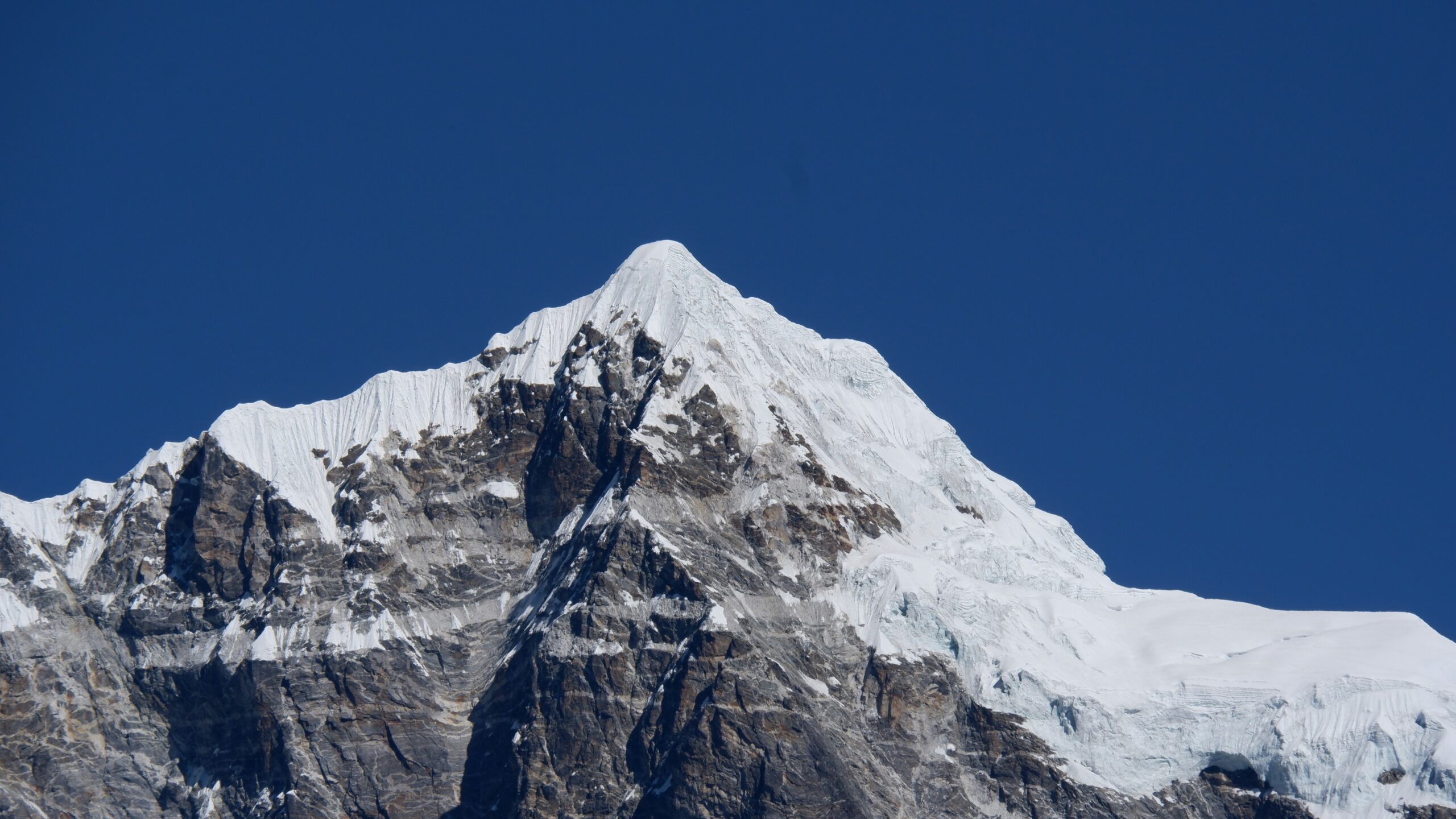
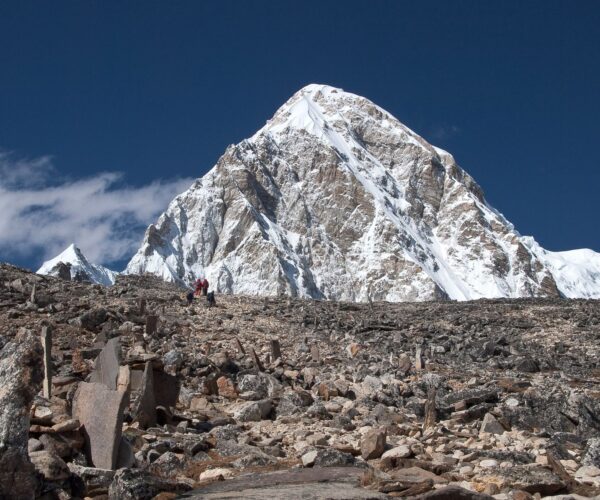
Pumori expedition takes you to one of the pearls of the Himalayas, which has been attracting both simple and experienced climbers for decades. Pumari is one of the most beautiful and accessible peaks in Nepal. The approach to the Base camp does not take much time and is very fascinating trekking.
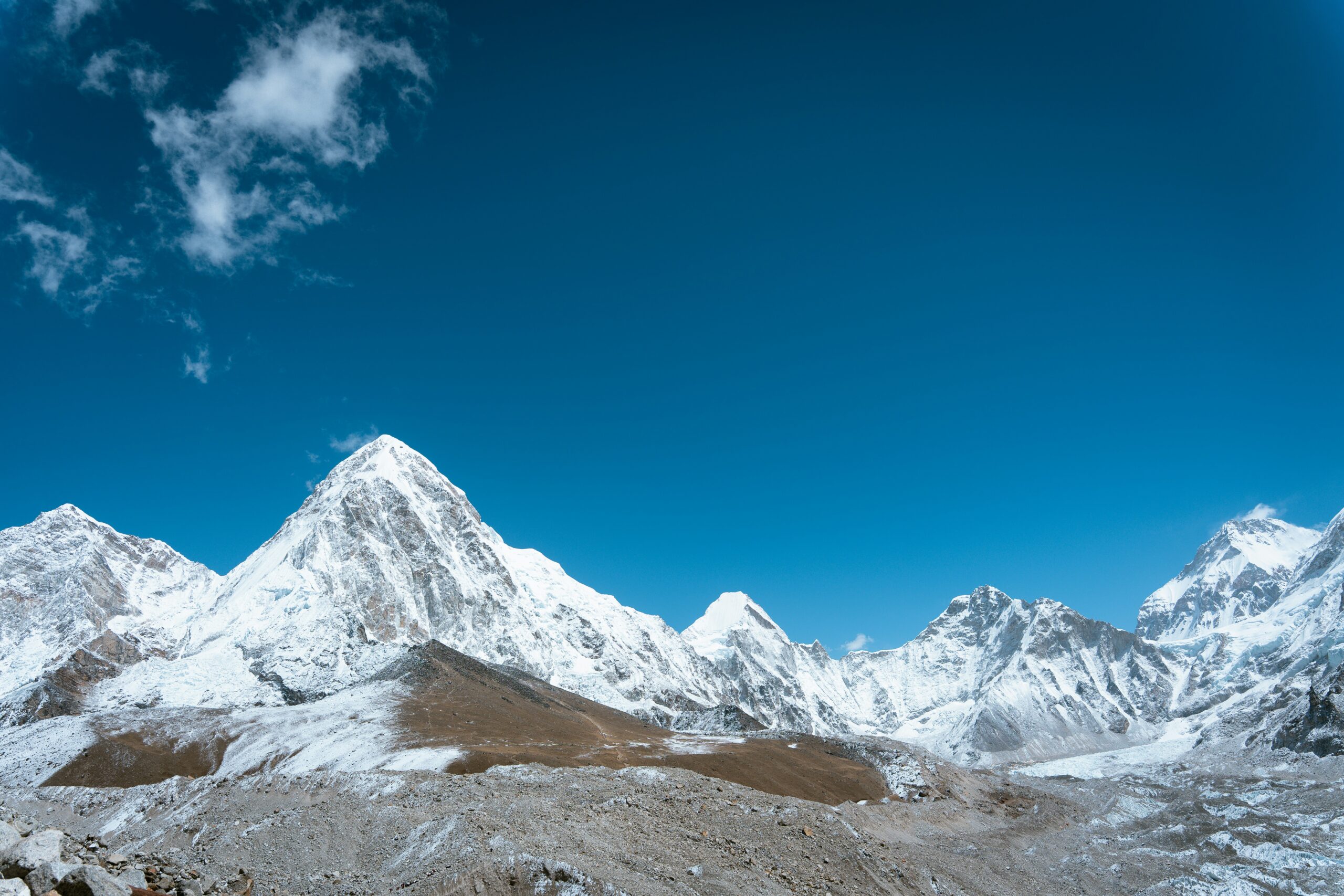
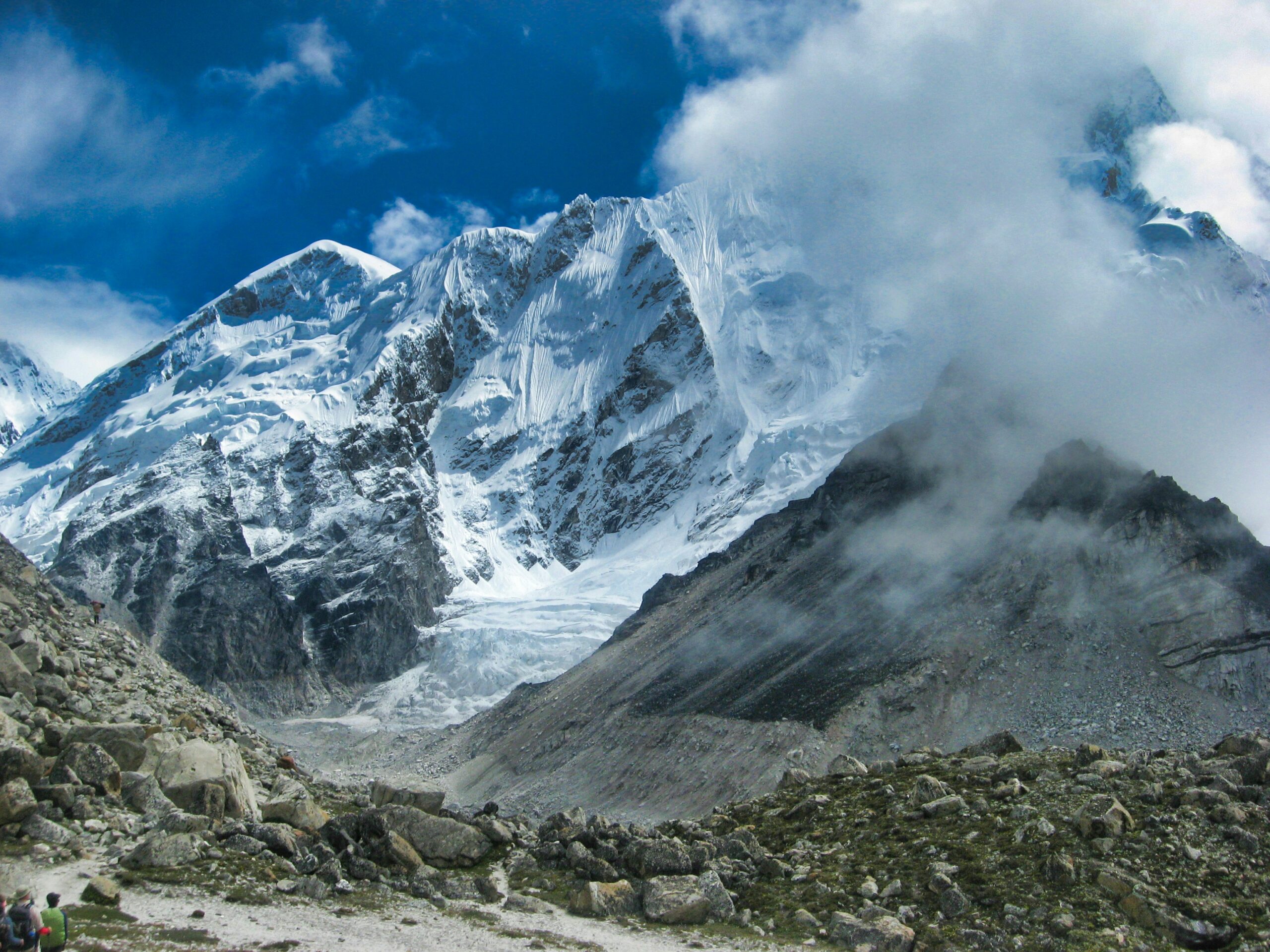
Pumori Peak at the height of 7161 m, is located in the Khumbu-Himal Range, part of the Chomolungma mountain junction. The Western Rongbuk and Khumbu glaciers flow around the ridge from the south and north.
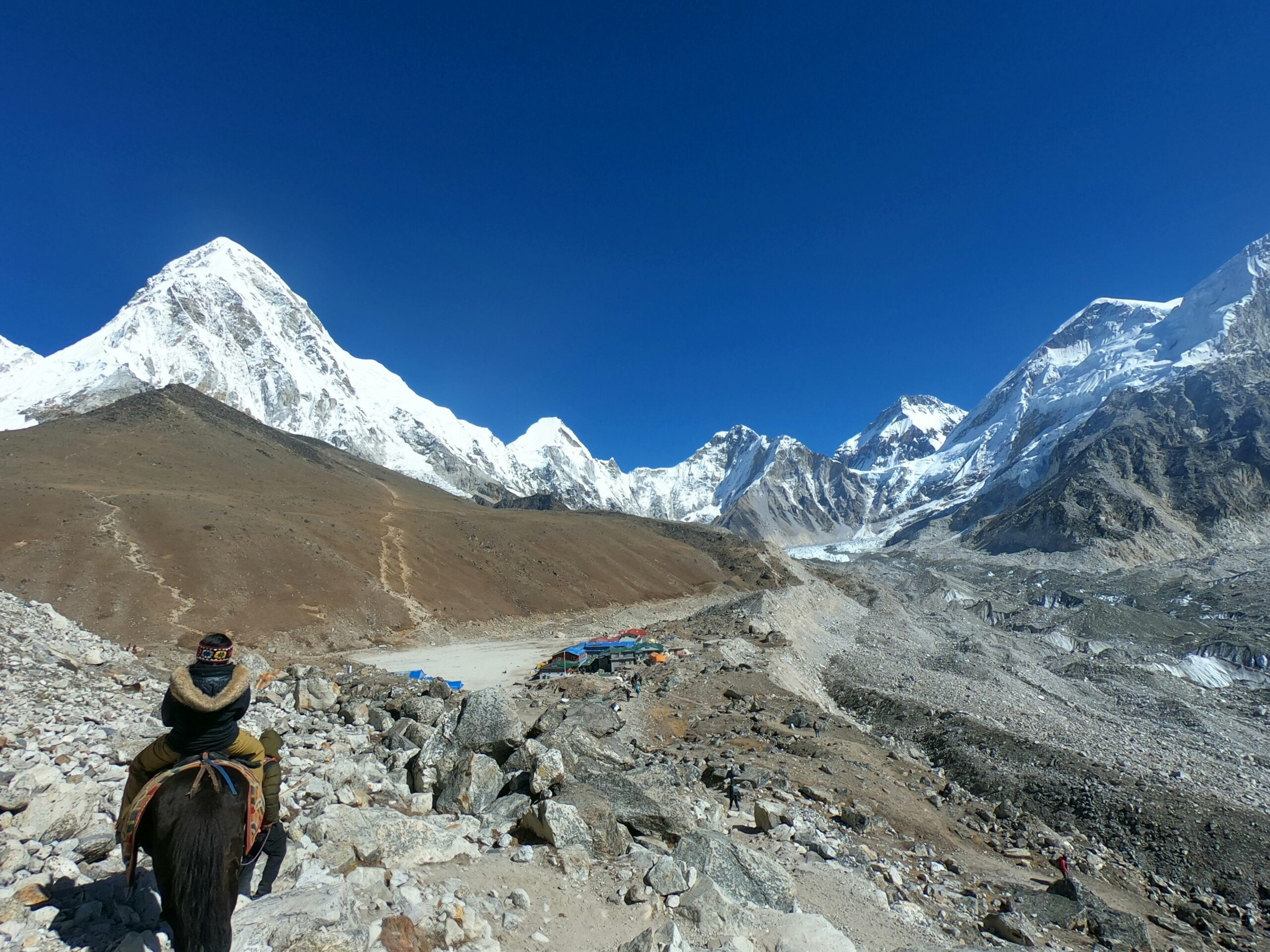
Gorak Shep becomes the last point before going to the top along the classic route. On the site of the base camps of the former Everest expeditions, the Sherpas built a small settlement with wooden huts ( lodge) , a café, and a helipad.
Trip Highlights
- Beautiful Peak: Climb one of Nepal’s most stunning 7,000-meter mountains in the Khumbu region.
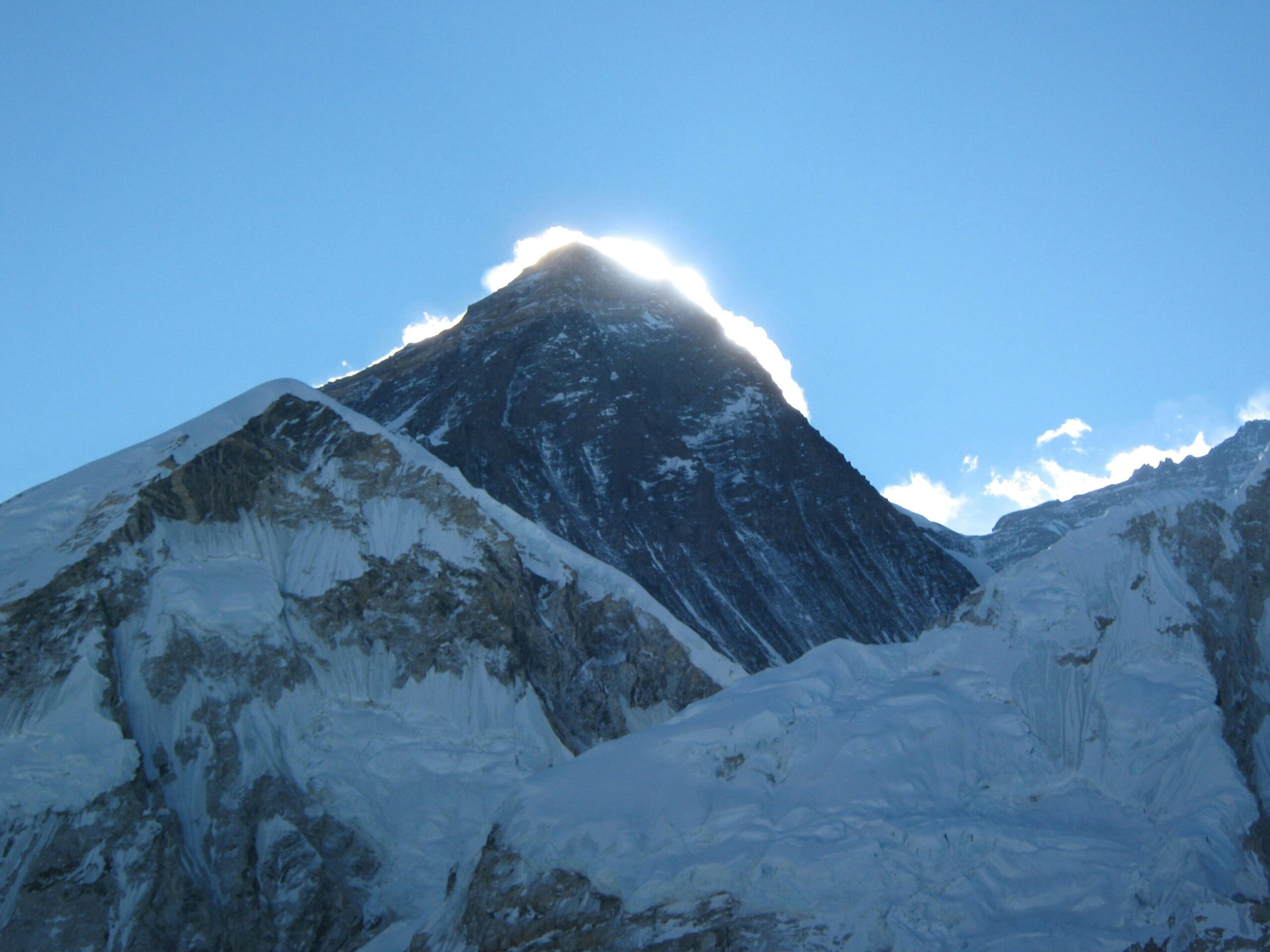
- Panoramic Views: Enjoy breathtaking views of Mount Everest, Lhotse, Nuptse, and surrounding Himalayan giants.
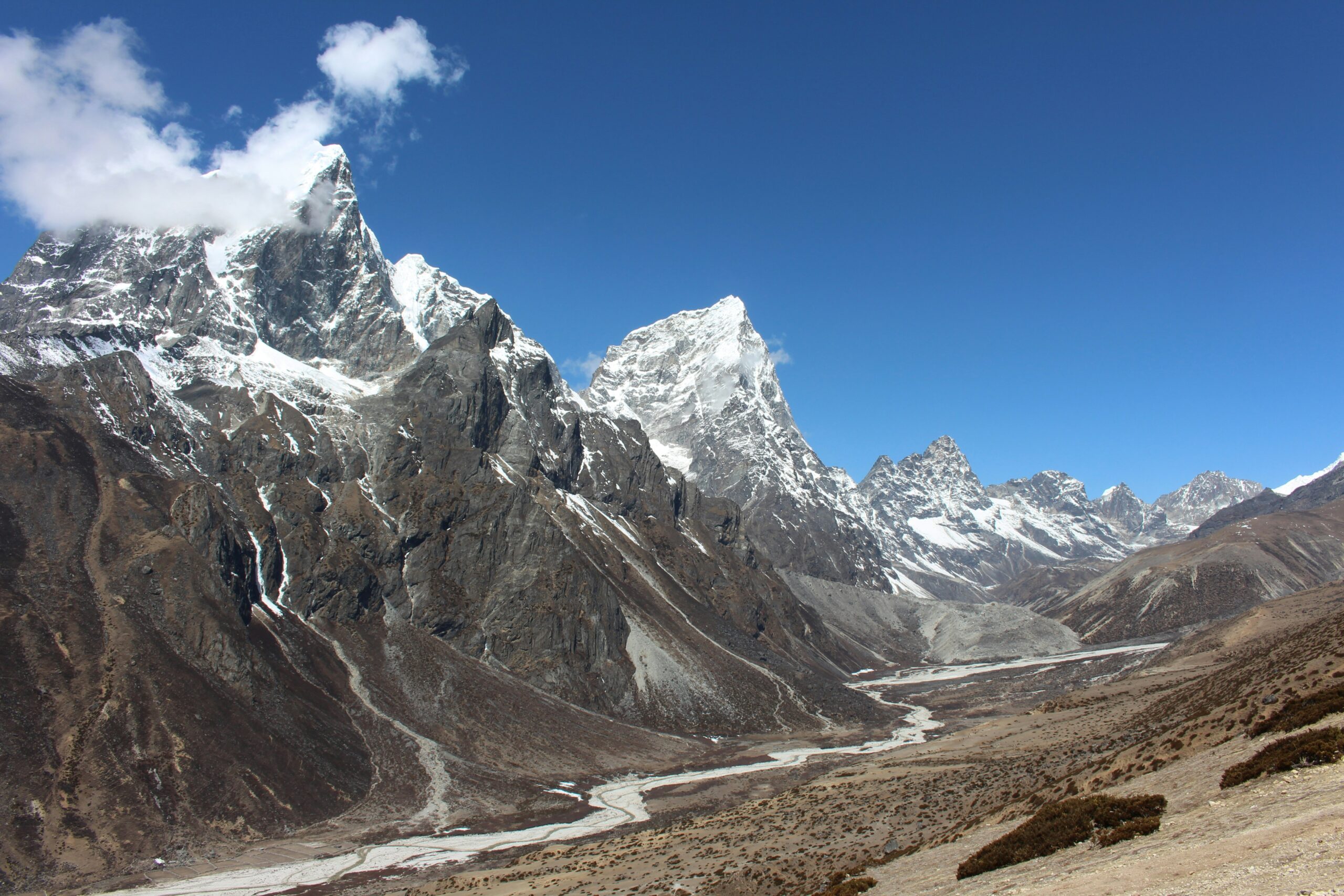
- Scenic Trek: Follow the classic Everest Base Camp trail through Namche Bazaar and Dingboche.
- Technical Climb: Experience challenging snow, ice, and mixed terrain climbing.
- High-Altitude Experience: Gain true expedition exposure with multiple camps and glacier travel.
- Summit Achievement: Stand at 7,161 m with incredible views over the Everest region.
- Sherpa Culture: Explore monasteries, traditional villages, and rich Himalayan heritage.
- Less Crowded: Enjoy a quieter and more focused climbing experience compared to Everest.
Itinerary
Arrive in Kathmandu and transfer to your hotel. Meet your expedition team, guides, and Sherpas. Check climbing and trekking gear, complete permit formalities, and attend a detailed briefing about the expedition, route, safety protocols, and high-altitude acclimatization. Optional sightseeing in Thamel or Durbar Square.
Take an early morning flight from Kathmandu to Lukla, experiencing dramatic Himalayan views. Begin trekking along the Dudh Koshi River through small villages, terraced fields, and forests. Cross suspension bridges and enjoy your first glimpse of surrounding peaks. Overnight in a teahouse at Phakding.
Take an early morning flight from Kathmandu to Lukla, experiencing dramatic Himalayan views. Begin trekking along the Dudh Koshi River through small villages, terraced fields, and forests. Cross suspension bridges and enjoy your first glimpse of surrounding peaks. Overnight in a teahouse at Phakding.
Trek through rhododendron and pine forests, gradually gaining altitude. Cross several suspension bridges and small villages along the way. Arrive at Namche Bazaar, the bustling Sherpa town and gateway to Everest. Overnight at a lodge.
Take a rest day to acclimatize. Optional short hikes to nearby viewpoints like Everest View Hotel or Khumjung village. Hydrate, rest, and prepare for higher altitudes.
Trek through forests with panoramic views of Ama Dablam, Thamserku, and Kangtega. Visit the famous Tengboche Monastery and experience Sherpa culture. Overnight in a teahouse.
Continue trekking, passing through Pangboche and Imja villages. Gain altitude gradually while enjoying spectacular Himalayan vistas. I arrived at Dingboche, a high-altitude village surrounded by snowy peaks. Overnight at a teahouse.
Rest day to acclimatize. Optional hike to Nagarjun Hill or nearby ridges to boost oxygen adaptation. Prepare mentally and physically for the high camps ahead.
Trek through moraine and glacial terrain to reach Base Camp. Set up tents or stay in pre-arranged lodges. Organize climbing equipment and review technical climbing plans for upcoming acclimatization rotations.
Conduct acclimatization climbs to Camp I, Camp II, and Camp III, returning to Base Camp for rest. Practice glacier crossings, fixed rope techniques, and technical climbing on snow and ice. These rotations are essential to adjust to high altitude and prepare for the summit push.
Begin the summit climb from Base Camp to Camp I, then Camp II, and Camp III. Attempt the summit early in the morning and enjoy breathtaking views of Everest, Lhotse, and surrounding peaks. Carefully descend back through the camps to Base Camp, monitoring weather and altitude-related health.
Retrace your steps down through Dingboche, Tengboche, Namche Bazaar, and Phakding. Stop overnight in villages to recover gradually from high altitude. Enjoy the last views of the Khumbu Himal.
Fly from Lukla to Kathmandu. Transfer to your hotel and rest after the long trek.
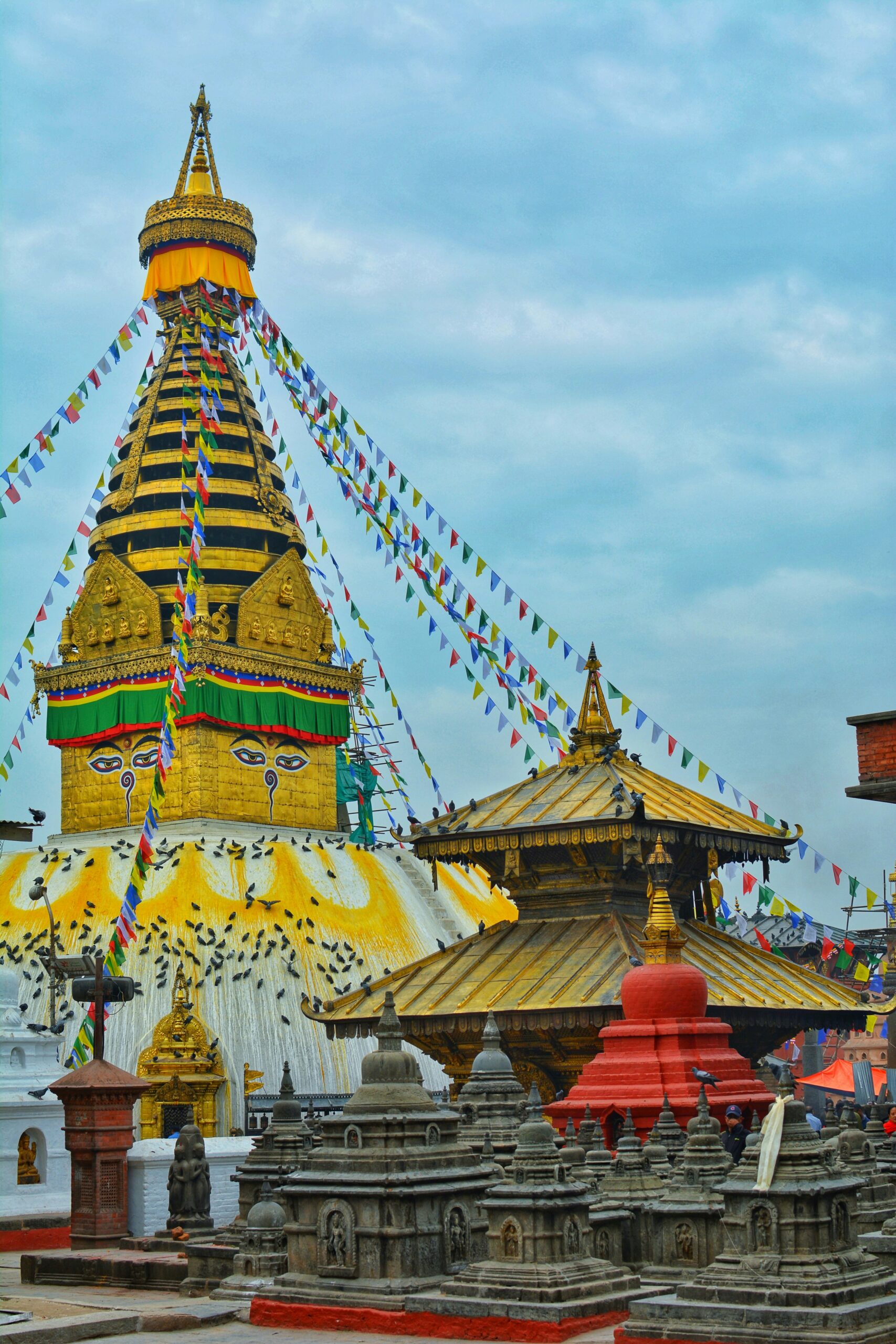
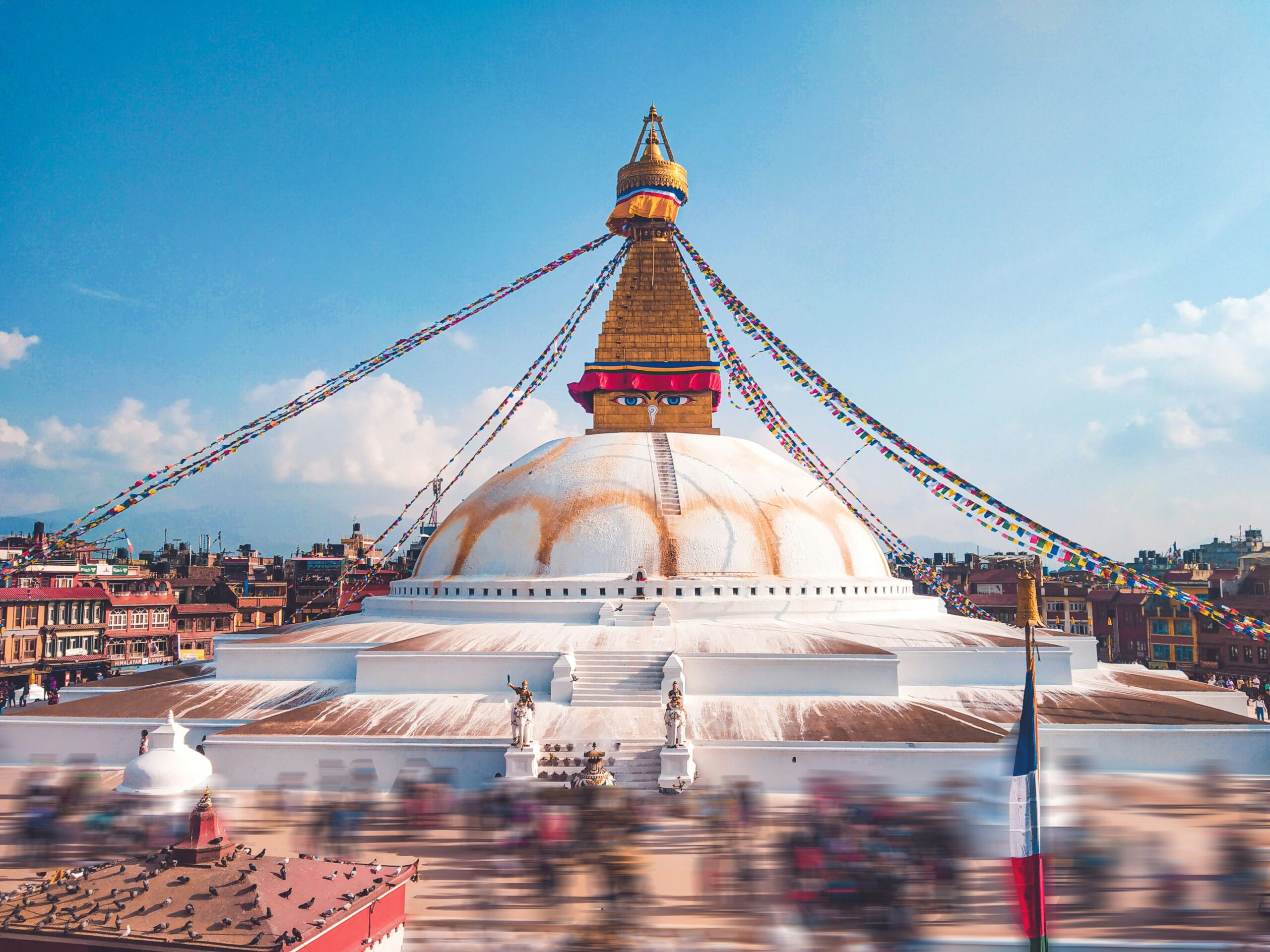
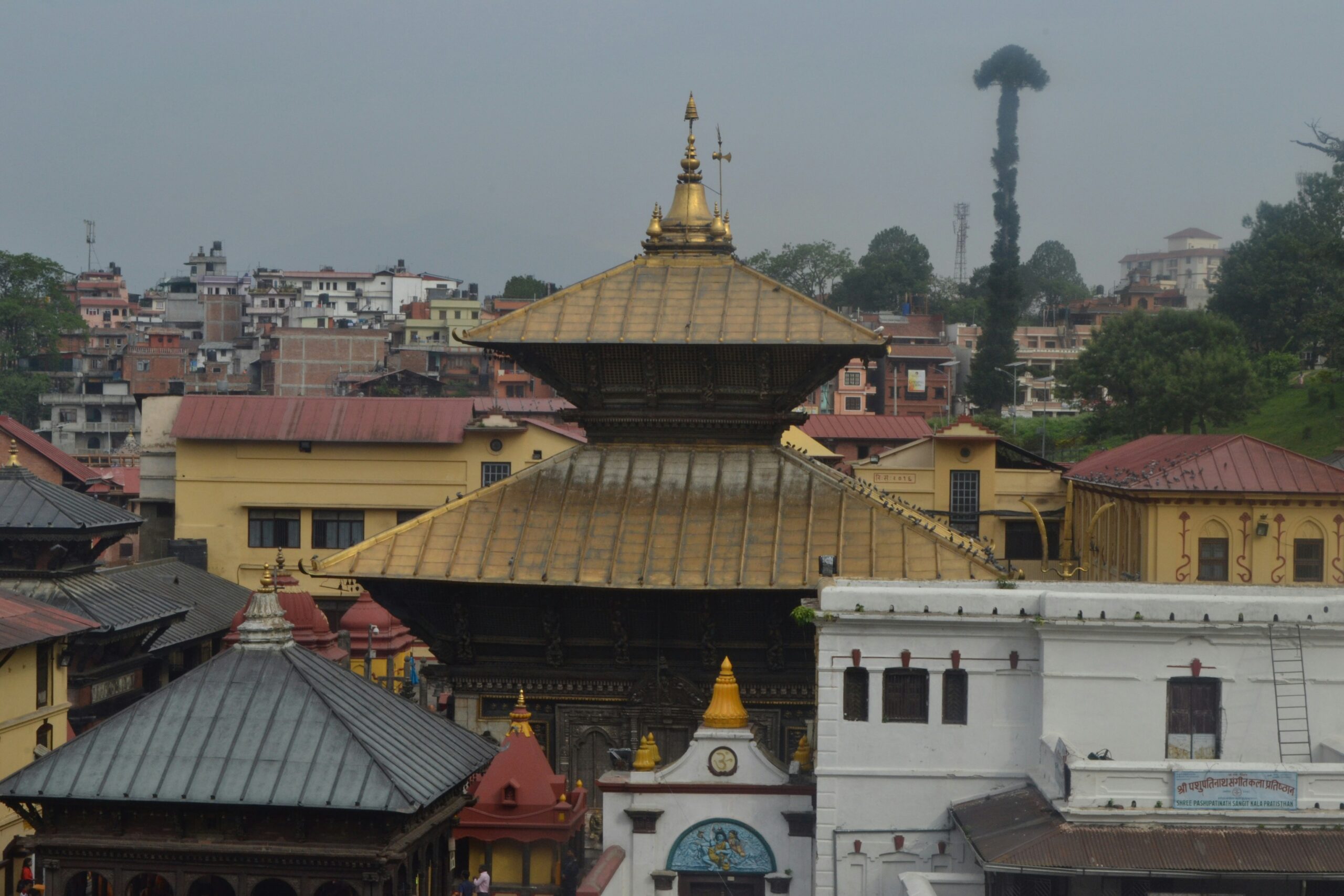
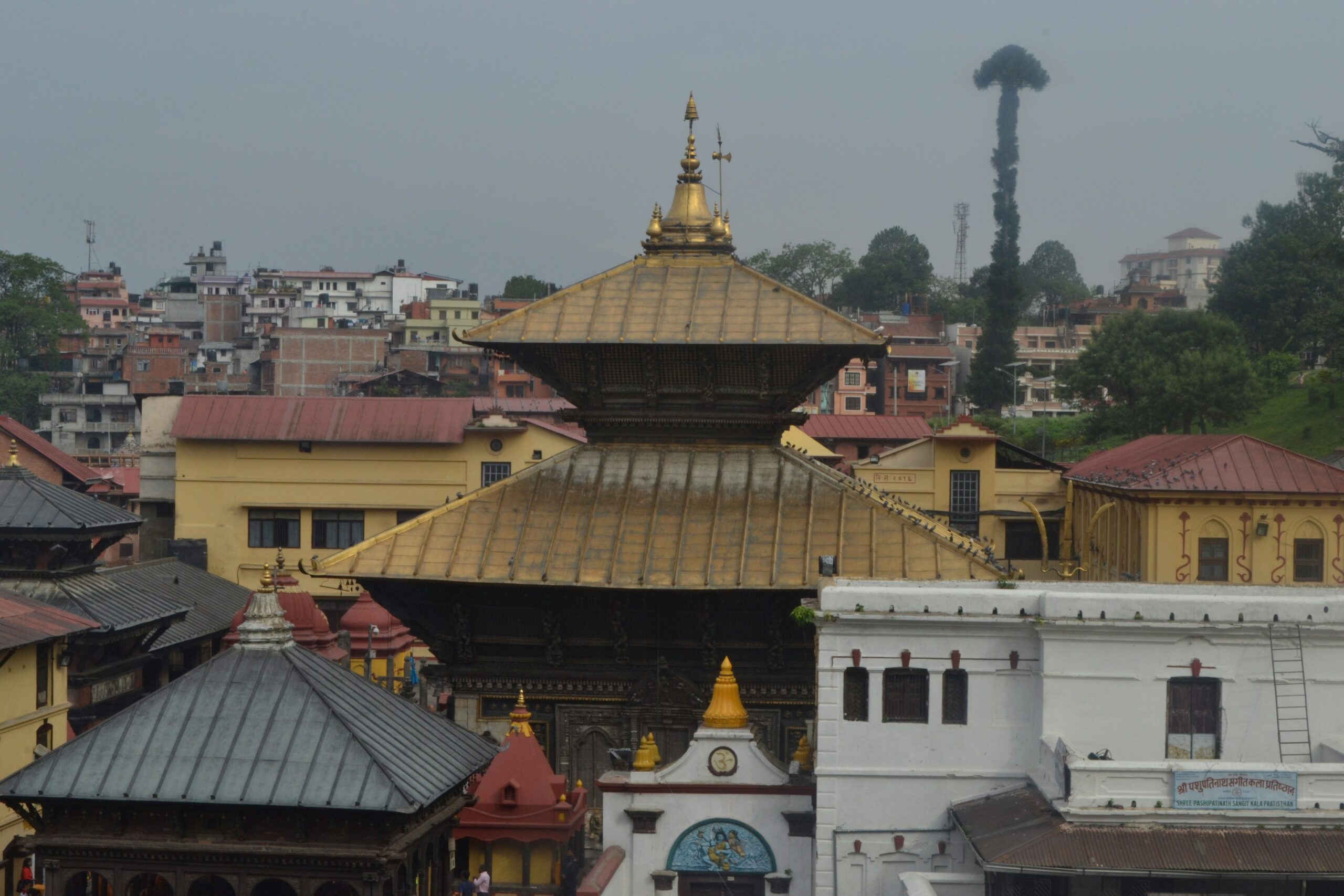
Spend the final days resting and sightseeing. Optional visits include Pashupatinath Temple, Boudhanath Stupa, or Patan Durbar Square. Attend the expedition debrief and prepare for departure.
FAQ
Mount Pumori is located in the Khumbu region of Nepal, inside Sagarmatha National Park, near Everest Base Camp and close to the Nepal–Tibet border. The approach follows the classic Everest trekking route through Sherpa villages, suspension bridges, and beautiful alpine landscapes.
Pumori rises to 7,161 meters (23,494 feet), making it one of the prominent 7,000-meter peaks in the Everest region and a highly respected mountaineering objective.
The expedition typically lasts 35–40 days. This includes arrival in Kathmandu, trekking to Base Camp, acclimatization rotations to higher camps, the summit attempt, and the return journey.
Pumori is considered very challenging and technical. Climbers must be experienced in high-altitude mountaineering and comfortable with fixed ropes, glacier travel, and steep snow and ice climbing.
Climbers should have successfully summited at least one 6,000-meter peak and possess strong physical fitness, endurance, and solid technical climbing skills.
The best seasons are spring (April–May) and autumn (September–October), when weather conditions are generally more stable and mountain visibility is clearer.
Yes. A climbing permit issued by the Nepal Department of Tourism is mandatory. In addition, Sagarmatha National Park entry and Khumbu local permits are required. The expedition must be organized through a registered Nepalese agency with a licensed guide.
During the trek to Base Camp, accommodation is in local teahouses or lodges. At Base Camp and higher camps, climbers stay in fully supported tented camps.
Yes. Comprehensive travel insurance covering high-altitude mountaineering and emergency helicopter evacuation is compulsory for all participants.
Trekking Map
Costs Includes / Excludes
COST INCLUDES
✅ Permit fees (Pumori climbing permit from Nepal government)
✅ Sagarmatha National Park Permit (required for the Everest region)
✅ TIMS card (Trekkers’ Information Management System)
✅ Accommodation in Kathmandu before and after expedition
✅ Base camp and high-altitude camp support (food, tents, cooking facilities)
✅ Expedition guide and Sherpa support
✅ Porter services (for group equipment and supplies)
✅ Oxygen cylinders for high-altitude camps (if arranged)
✅ Climbing equipment provided by the expedition company (ropes, fixed lines, ladders)
✅ Transportation within Nepal (airport transfers, road transport to trailhead)
✅ Insurance for guides and support staff
COST EXCLUDES
❌ International airfare to/from Nepal
❌ Nepal visa fees
❌ Personal travel insurance (must include high-altitude mountaineering coverage)
❌ Personal climbing gear (boots, down suit, harness, gloves, goggles, helmet, etc.)
❌ Personal expenses (snacks, drinks, personal items)
❌ Tips for guides, porters, and support staff
❌ Helicopter evacuation or emergency medical costs
❌ Optional sightseeing or side trips in Kathmandu or Namche Bazaar
❌ Additional oxygen if personal requirement exceeds standard provision